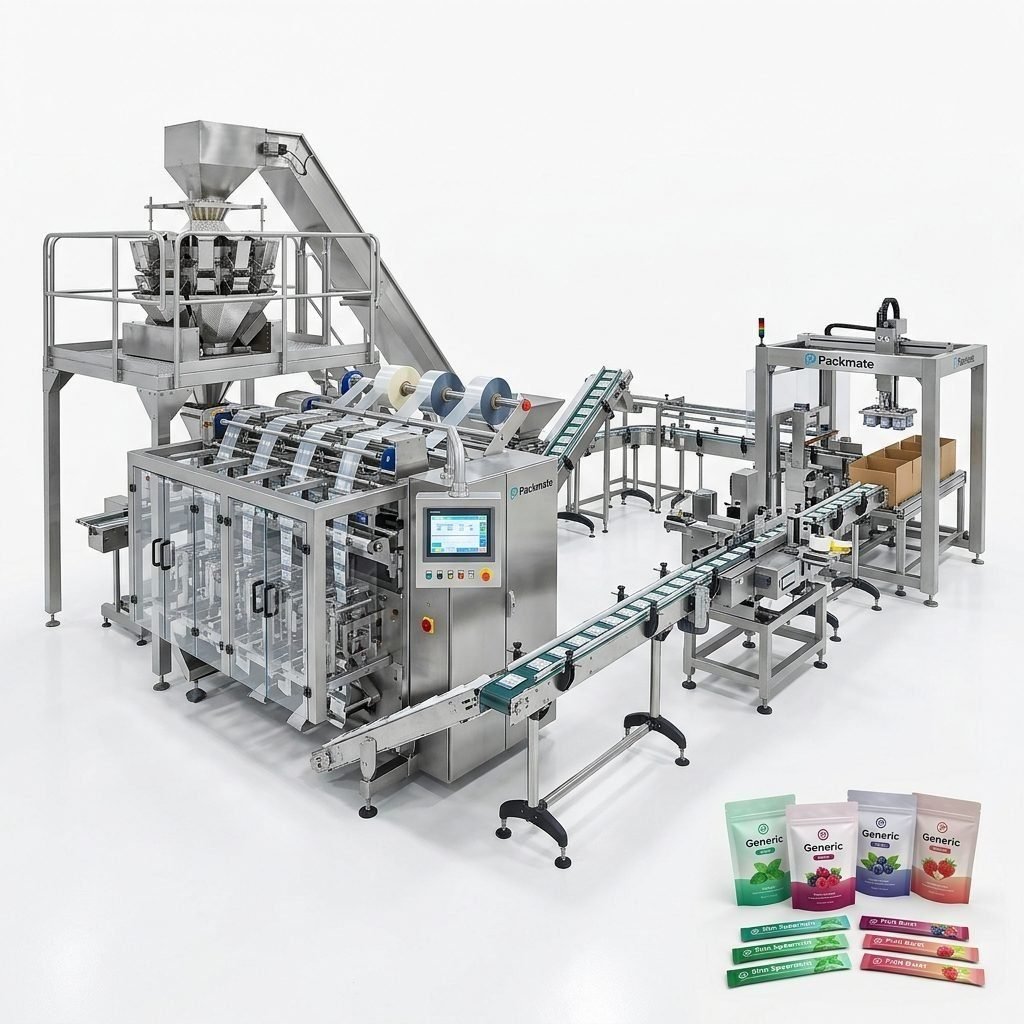
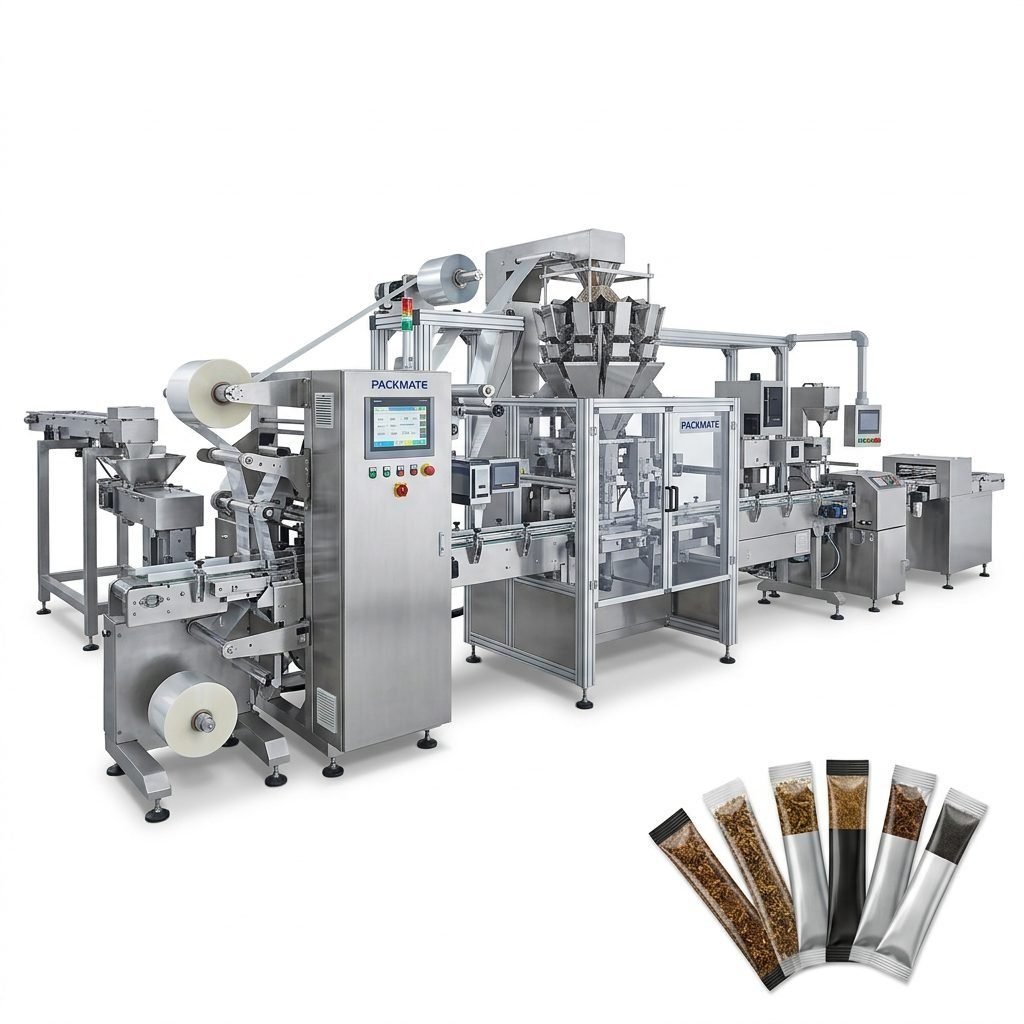
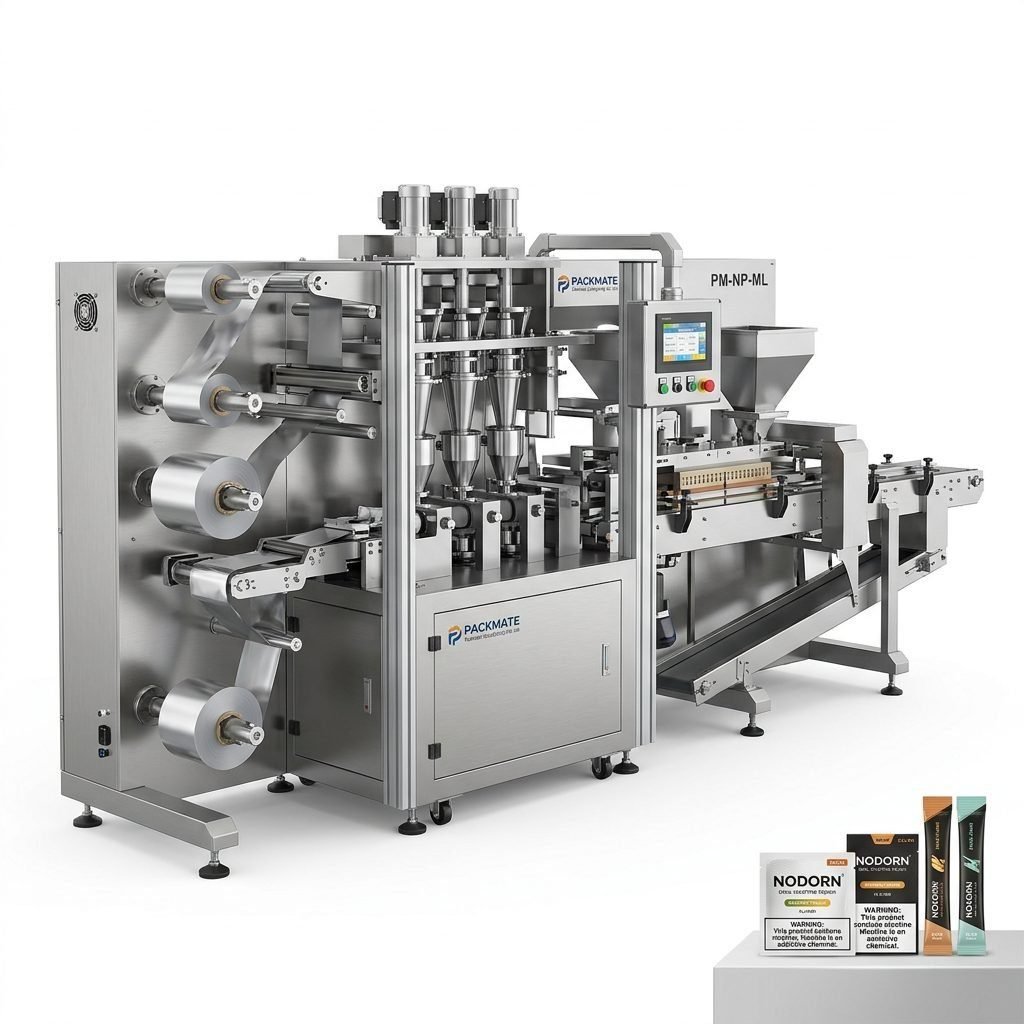
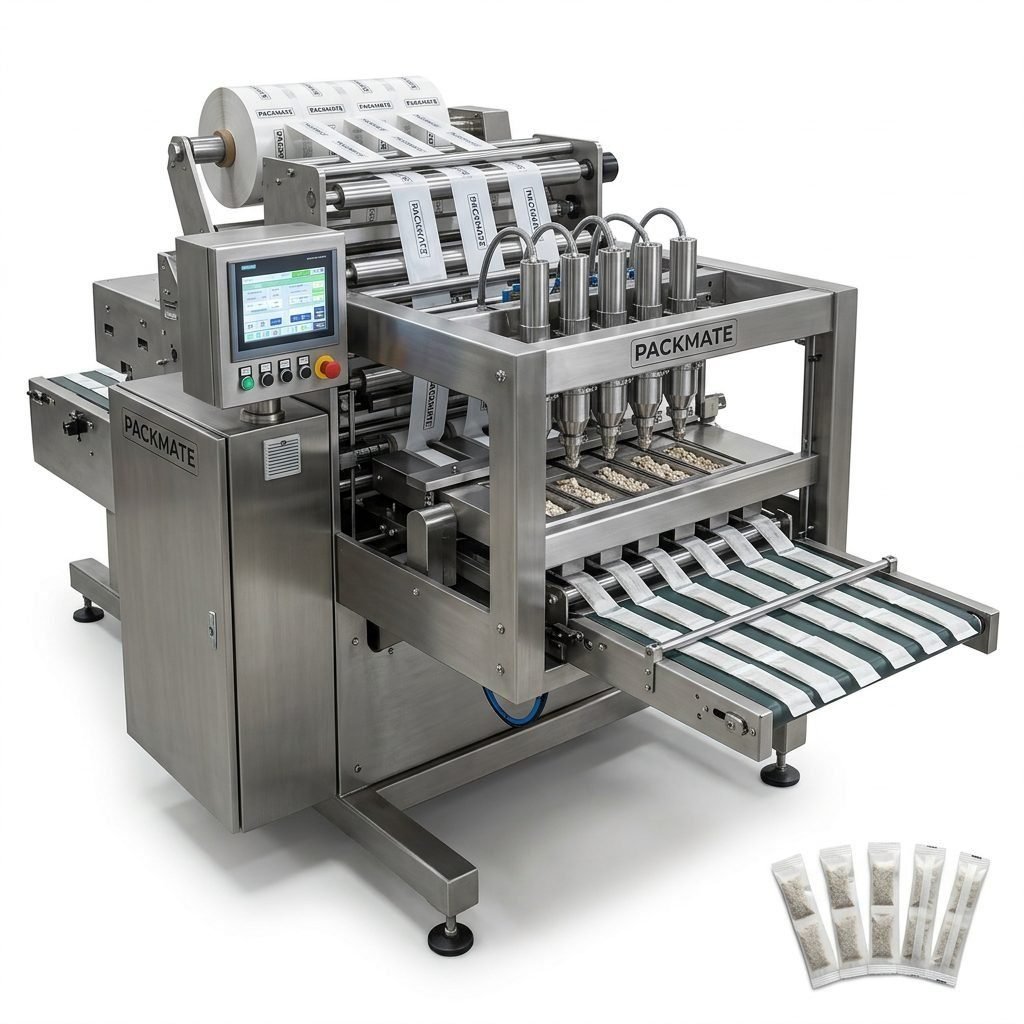
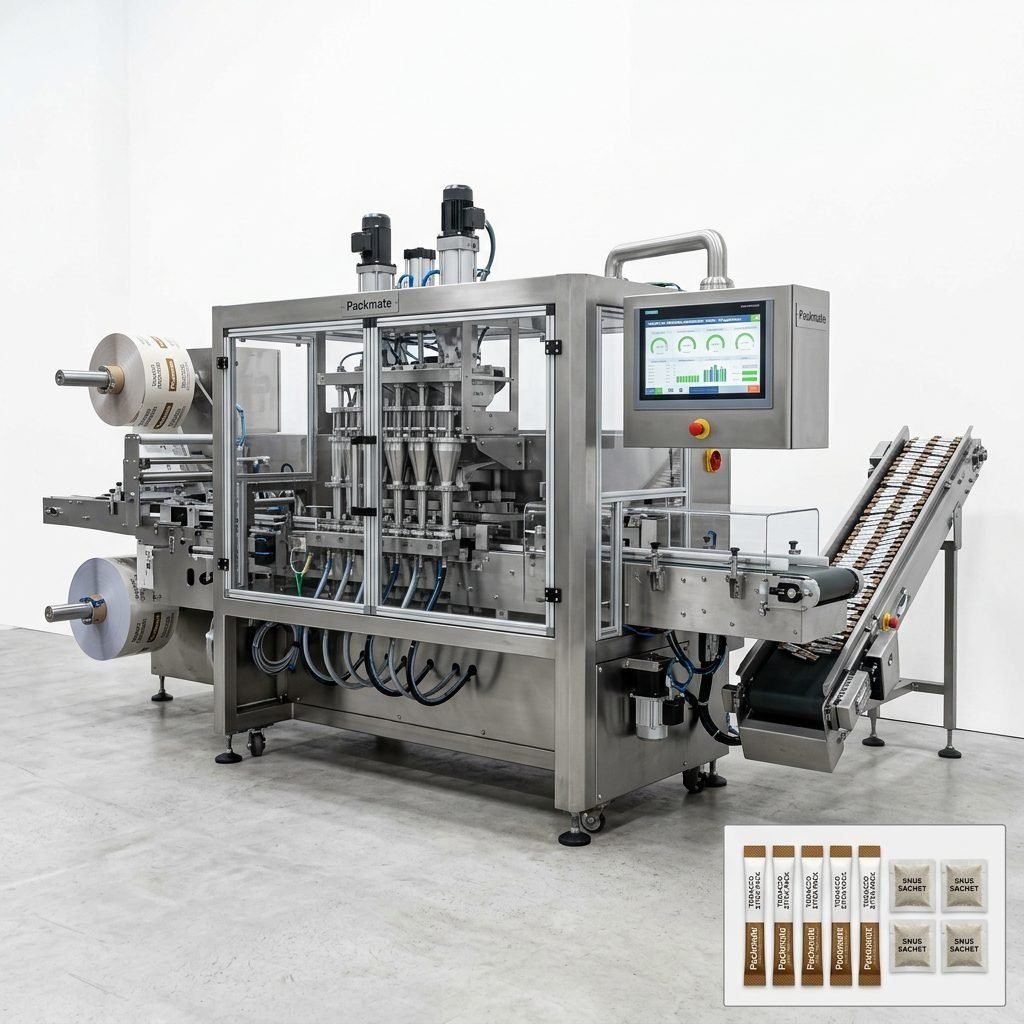
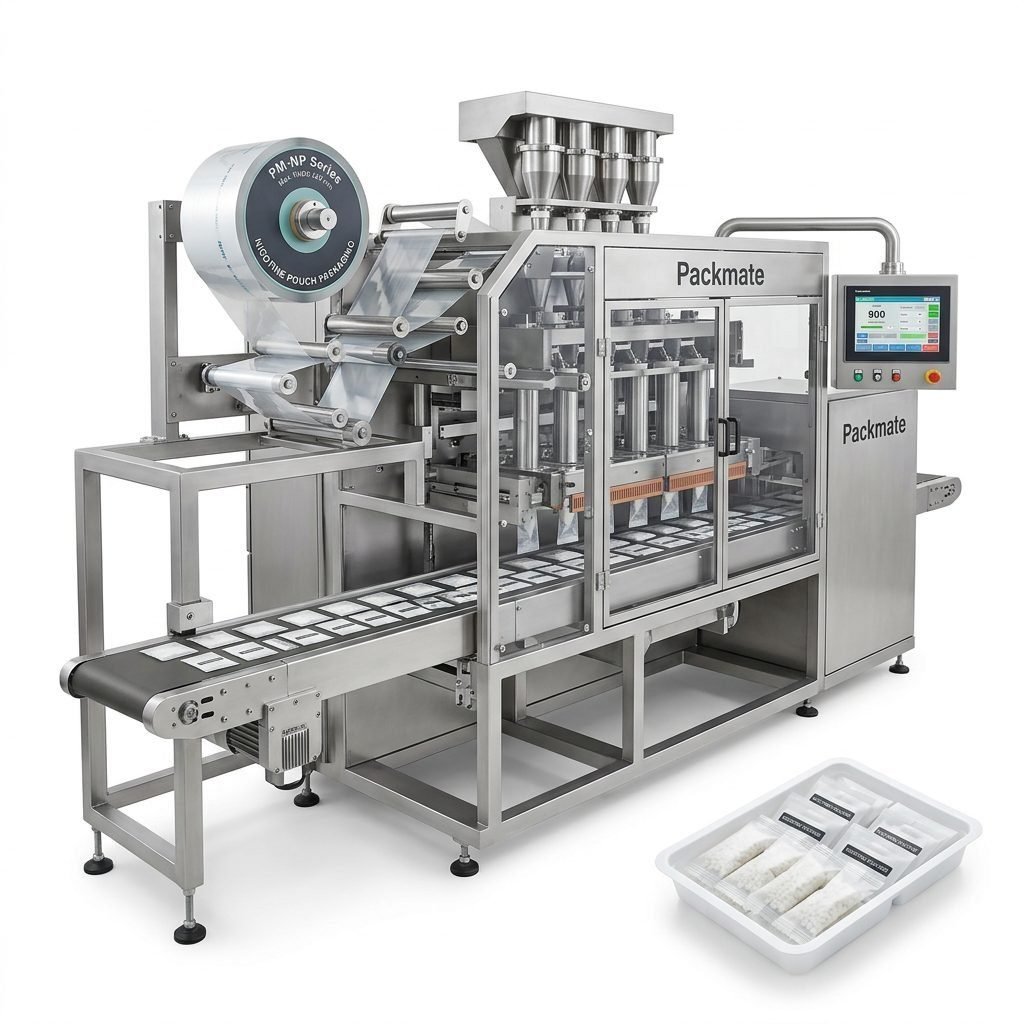
Choosing the right nicotine packaging machinery manufacturer is one of the most important strategic decisions for tobacco-adjacent businesses in Iran. A well-matched supplier affects product quality, regulatory compliance, production uptime, and long-term costs. This guide walks you through practical technical, commercial, and cultural criteria to evaluate potential partners — helping you select a manufacturer that supports reliable production, local market requirements, and sustainable growth.
Why choosing the right manufacturer matters in Iran
Iranian businesses face a distinct combination of market expectations, legal constraints, and environmental conditions. Nicotine pouch and snus producers must navigate temperature and humidity challenges (hot summers, varying humidity), customs and import rules, and local packaging preferences that value discretion and elegant design. Selecting a manufacturer with proven experience in nicotine pouch lines and an understanding of the Iranian commercial environment reduces compliance risk and minimizes costly production interruptions.
Key technical criteria to evaluate
When assessing machinery, focus on performance metrics that directly impact product quality and throughput. Look for machines that address the following:
✔️ Sealing consistency — airtight, tamper-resistant seals are essential for nicotine pouch shelf life.
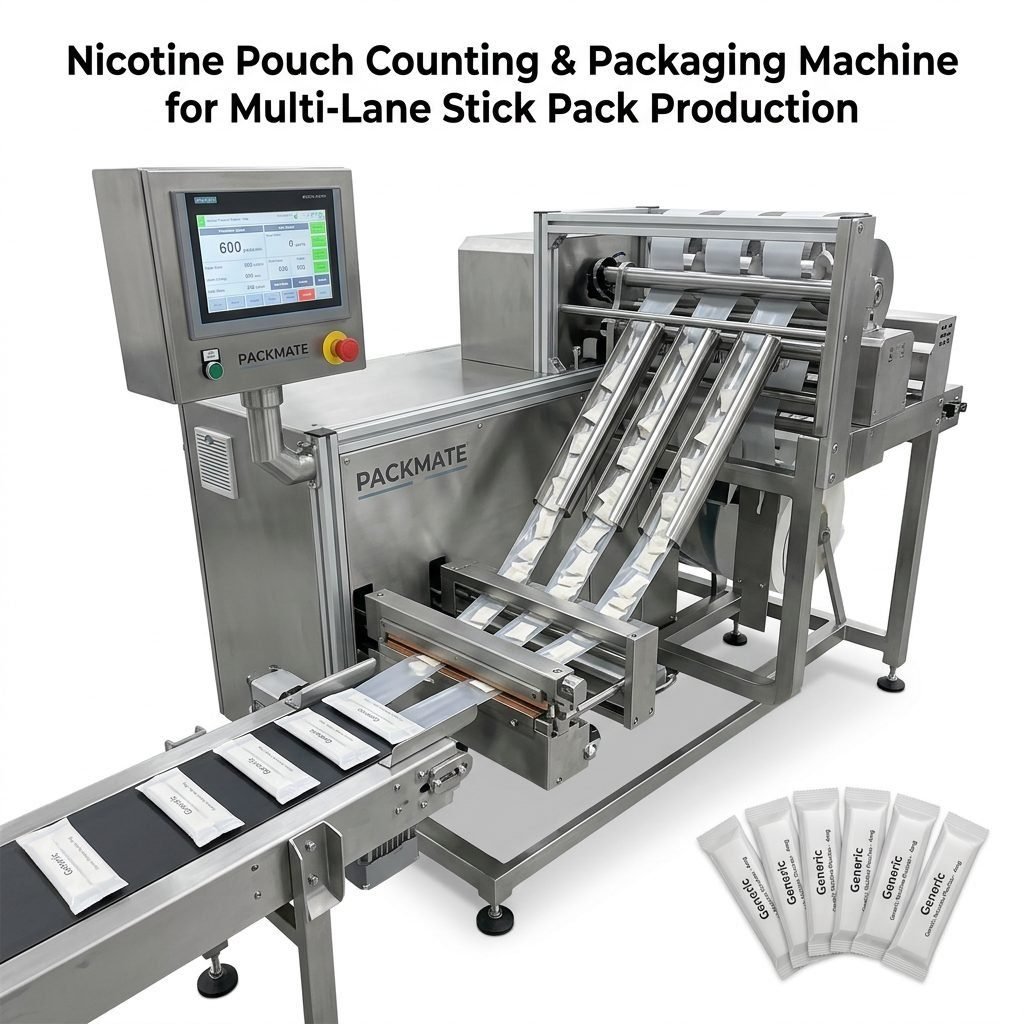
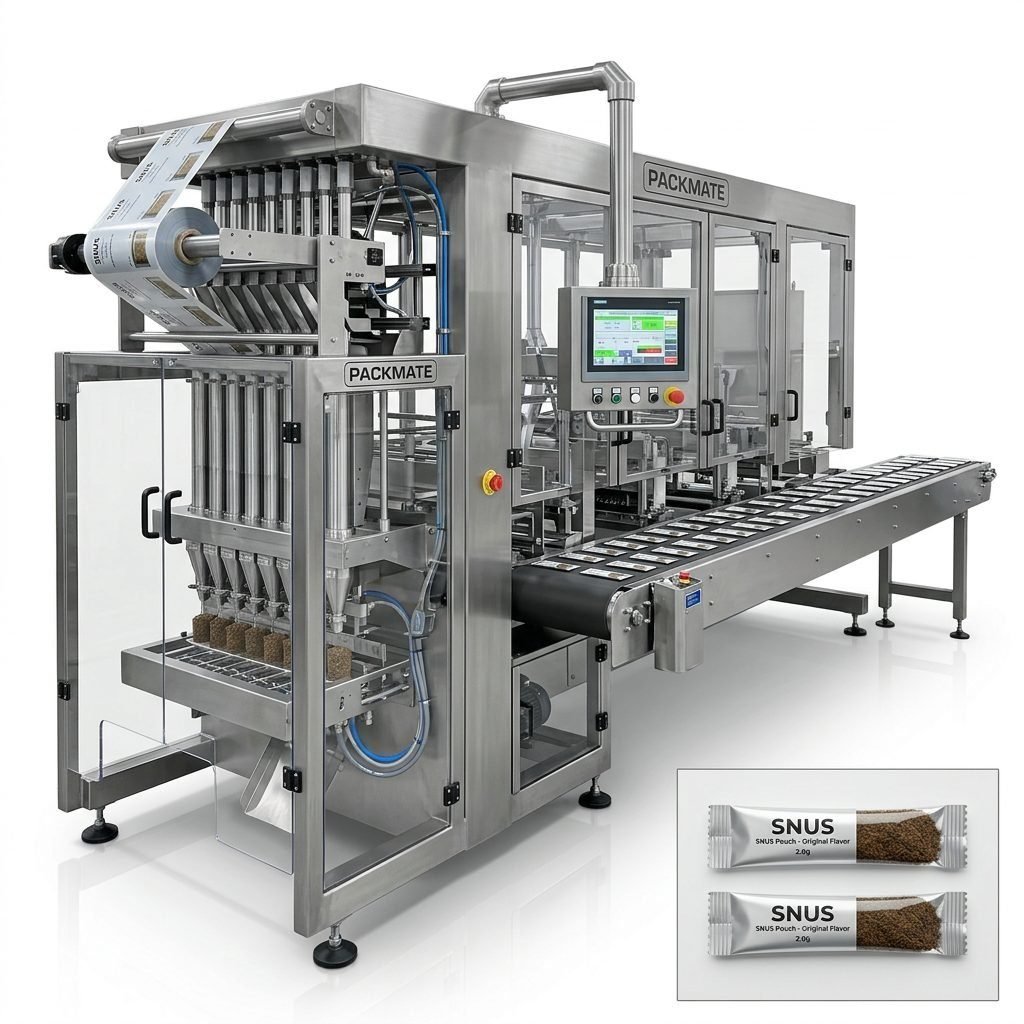
✔️ Multi-lane capability — multi-lane systems increase yield per cycle and reduce labor costs; crucial for scaling.
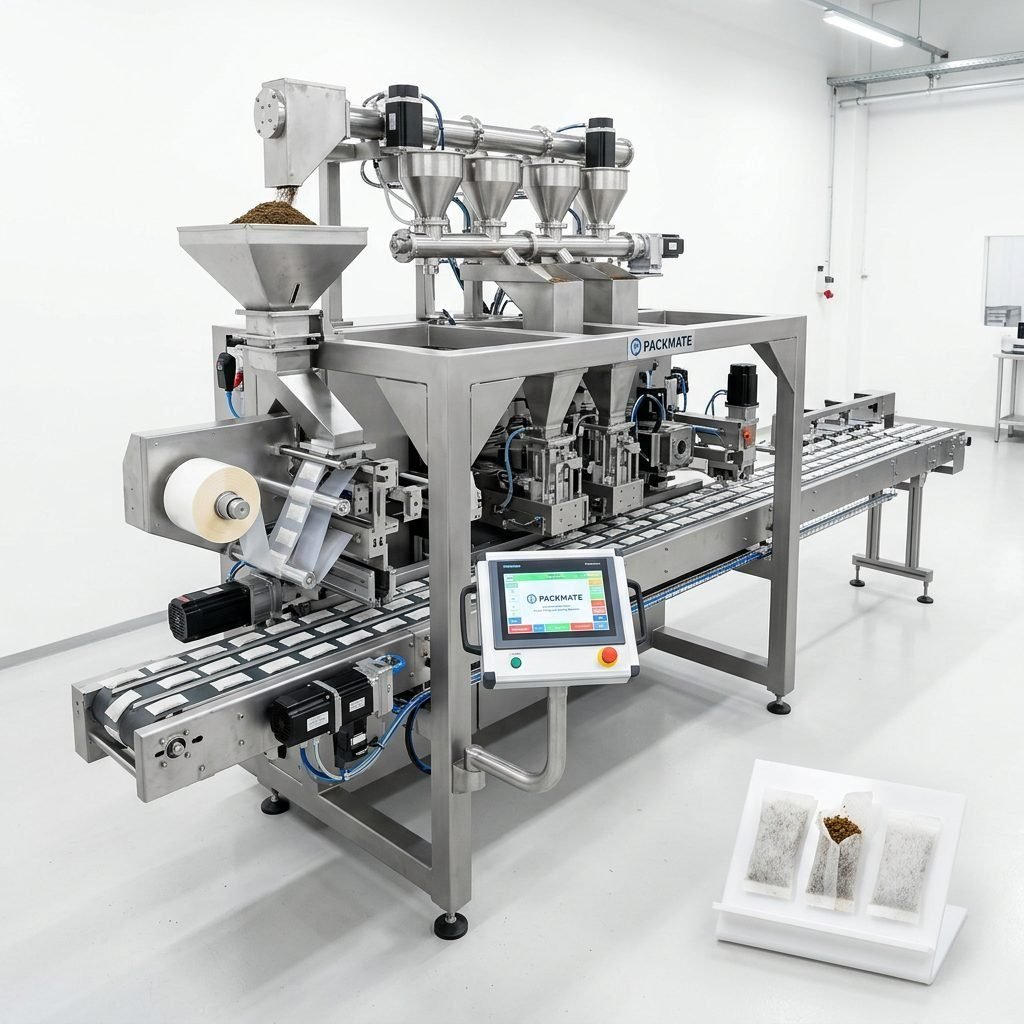
✔️ Dose accuracy & filling systems — integrated weighing or volumetric fillers for small-dose pouches keep product consistency.
✔️ Material flexibility — ability to handle papers, laminates, foils and different pouch formats (stick, sachet, re-sealable).
Machine types and production formats
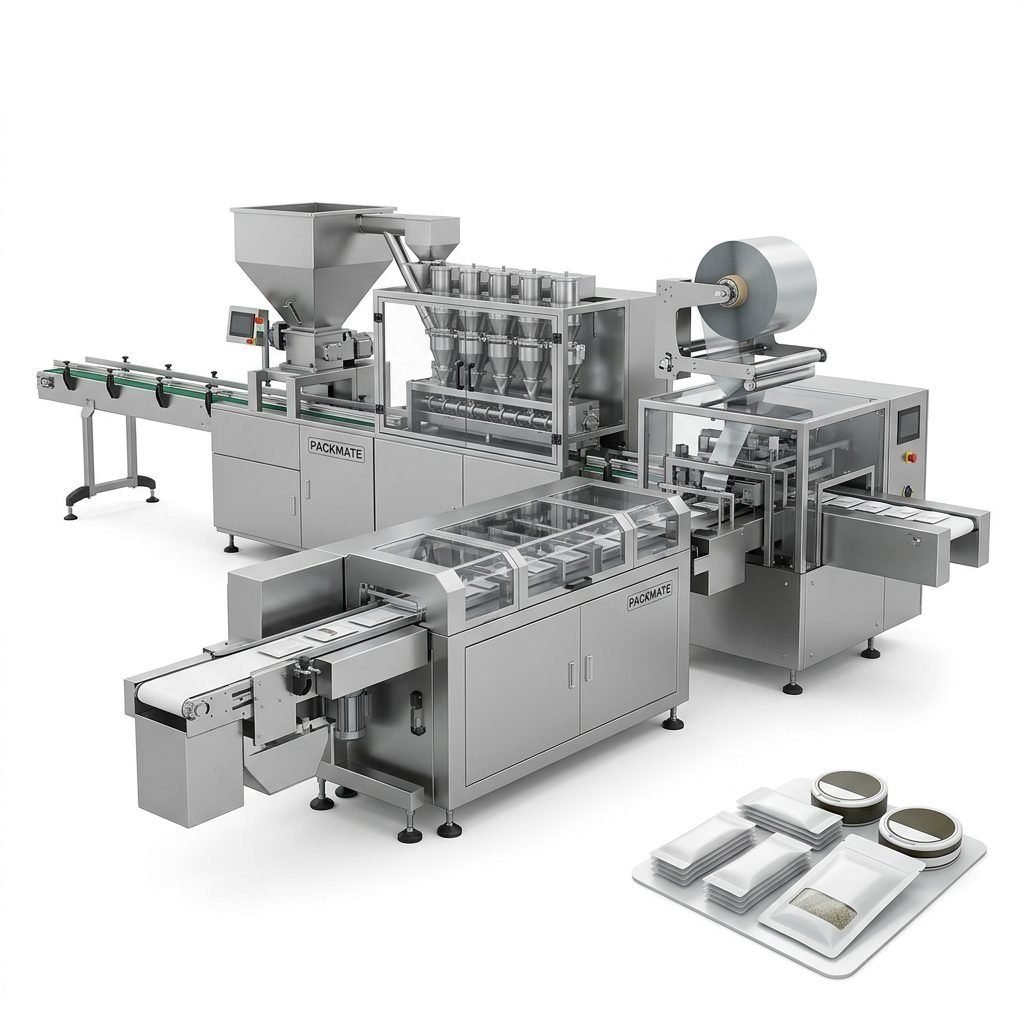
Consider whether you need stick packs, sachets, or pouches. Small-dose nicotine pouches benefit from high-precision multi-lane solutions that maximize output while keeping footprint and energy use manageable. Manufacturers that offer modular systems let you upgrade to additional lanes or integrate downstream equipment such as cartoners and case packers as your business grows.
Capacity, speed and uptime
Evaluate declared speeds in the context of real-world uptime. Ask suppliers for run charts, MTBF (mean time between failures), and real references. High speed is valuable only if the machine runs reliably with locally available consumables and spare parts. Prioritize balanced machines designed for continuous production in challenging climates.
Quality, safety and certifications
Certifications such as CE and ISO indicate adherence to international safety and quality management standards. For export-oriented businesses, confirm the machine’s electrical and EMC compliance with import-country norms. Request documentation and verification for materials contact surfaces and food-safety-related design where applicable.
Operational and after-sales considerations
Long-term support and easy access to spare parts are as important as the initial purchase price. Look beyond quotes and evaluate the manufacturer’s service network, training programs, and spare parts logistics — especially for companies operating in Iran where customs or payments may introduce delays.
ℹ️ Local technical training — on-site commissioning and operator training shorten the learning curve.
🔧 Spare parts availability — ensure critical spares can be shipped quickly or stocked locally to prevent long downtime.
📞 Remote support & diagnostics — important for troubleshooting when travel or customs delays are possible.
Commercial and legal factors specific to Iran
Iran’s trade environment has particular considerations: payment mechanisms, import licensing, and occasional international restrictions. Many Iranian companies succeed by working with manufacturers that provide flexible shipping terms, clear documentation, and an understanding of local compliance requirements. Business relationships in Iran often emphasize trust and long-term partnerships — expect in-depth product demonstrations, face-to-face negotiation, and after-sales commitment.
Cultural and market preferences also influence packaging design. Persian-language labeling, discreet aesthetics for retail displays, and sensitivity to public messaging are important. If your market targets younger urban consumers, sleek minimalist pouches may perform better; if distribution relies on small neighborhood retailers, durability and ease of shelving matter more.
Practical checklist to vet manufacturers
Use this checklist during evaluations and factory visits. Each item reduces risk and clarifies expectations for both parties.
1. Production references — request customer case studies and contactable references in nicotine pouch production.
2. On-site demo — see machines running similar formulations and pack styles.
3. Spare parts kit — confirm what is included and lead times for replenishment.
4. Warranty & service — clear service SLAs, response times, and escalation channels.
5. Training & documentation — Persian or bilingual manuals, operator training, and preventive maintenance schedules.
How an experienced supplier supports Iranian operators
A supplier with three decades of engineering practice and global turnkey experience can streamline your path to production. They typically offer modular lines (snus and nicotine packaging machines, stick pack and sachet options), tailored automation, and integrated weighing and packaging lines to match product formulas and output targets. Review company capability pages and product catalogs to see whether their portfolio aligns with your needs.
For example, manufacturers that publish detailed product pages for Snus & Nicotine Packaging Machines and related systems often provide:
- Multi-lane pouch machines configured for small-dose nicotine pouches
- Integrated weighing & packaging systems for accuracy
- Auxiliary equipment that simplifies material handling and reduces labor
When assessing vendors, reviewing their case section and exhibition history gives confidence about machine performance and real-world deployments. Examples and customer stories demonstrate operational maturity.
Explore detailed product options to compare models and find a suitable match: Snus & Nicotine Packaging Machines, check their customer Case studies at Case, learn about the manufacturer on About Packmate, or reach out via Contact Us for inquiries and custom quotes.
Selection process: step-by-step
Follow a clear, staged process to minimize surprises and ensure machine fit.
Step 1 — Define Product Specs: pouch format, target yield, shelf-life, and materials.
Step 2 — Request Technical Sheets: line layout, power, compressed air, and footprint.
Step 3 — Factory Inspection or Video Demo: witness machine running with similar product or attend a trade show demo.
Step 4 — Agree on After-sales Package: warranty, spare kits, training, and spare-part delivery windows.
Step 5 — Pilot Run & Acceptance: perform acceptance tests using your own materials before final sign-off.
Negotiation tips and contracts
Negotiate realistic delivery terms and define acceptance criteria in the contract. Include key performance indicators (KPIs) such as speed, yield, and downtime allowances. Clearly state responsibilities for customs documentation, shipping terms (Incoterms), and spare-part provisioning. Where possible, arrange documented escalation paths and on-site commissioning clauses to protect production schedules.
Local installation, training and cultural fit
Prioritize suppliers that provide bilingual manuals and technician training in a language your operators understand. Iranian teams appreciate structured, respectful business interactions — vendors who invest in local training and long-term technician relationships build trust and reduce operational friction. Consider seasonal scheduling for installation to avoid shipping delays during major local holidays and festivals.
Final considerations and red flags
Red flags include vague warranty terms, no local references, excessive lead-time without mitigation plans, and suppliers that refuse third-party inspections. Conversely, positive signals are transparent documentation, factory visits or live demos, structured training packages, and clear spare parts plans. Always validate claims with real references and, if possible, visit installations or watch recorded demos of the exact model you intend to buy.
Summary: practical action items
To pick the best nicotine packaging machinery manufacturer for your Iranian business:
• Verify multi-lane and small-dose experience for nicotine pouches.
• Confirm CE/ISO certifications and request machine test reports.
• Ensure spare parts and training are included in the offer.
• Align on shipping, customs support, and local language documentation.
Need more details or references?
If you want in-depth product comparisons, explore product catalogs and supporting systems such as Weighing & Packaging Systems or Filling & Packaging Lines for a complete solution. These pages clarify how machines integrate into a turnkey line and what auxiliary equipment might be required.
Visit product sections for a deeper look: Weighing & Packaging Systems, Filling & Packaging Lines, or review auxiliary options at Auxiliary Packaging Equipment.
Common questions (FAQs)
Q1: How long does it typically take to commission a nicotine pouch line in Iran?
A1: Commissioning time varies by complexity, but allow 4–12 weeks for full installation, testing and operator training for medium-complexity multi-lane systems. Delays can occur due to customs clearance, so plan buffer time.
Q2: What spare parts should we stock locally?
A2: Keep critical wear parts (sealing jaws, belts, bearings), electrical spares (PLC modules, motor drivers), and consumables (filters, sensors) on hand. Your supplier should provide a recommended spare-parts kit based on projected runtime.
Q3: Do manufacturers provide Persian-language documentation and training?
A3: Many experienced suppliers provide bilingual manuals and can deliver training sessions in Persian or with local interpreters. Confirm this before purchase to avoid operational gaps.
Q4: How do environmental conditions in Iran affect machine selection?
A4: High temperatures and dust in some regions require robust dust protection, appropriate cooling, and material choices that resist heat-related deformation. Choose vendors that account for local HVAC and electrical conditions.
Q5: Where can I see real-world examples and contact a supplier?
A5: Review supplier case studies and product pages, and contact them for factory or exhibition demonstrations. For product examples and contact avenues, check Snus & Nicotine Packaging Machines, Case, About Packmate, and Contact Us links provided above.