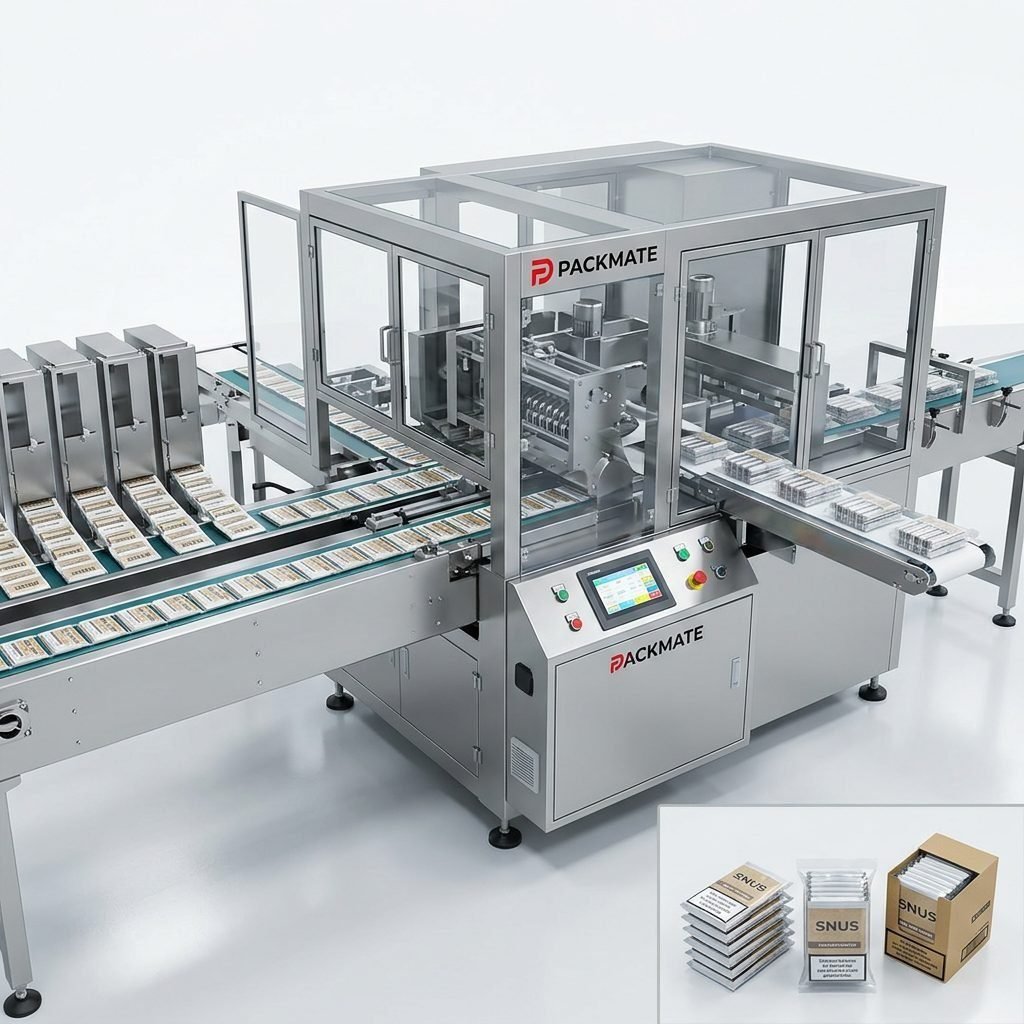
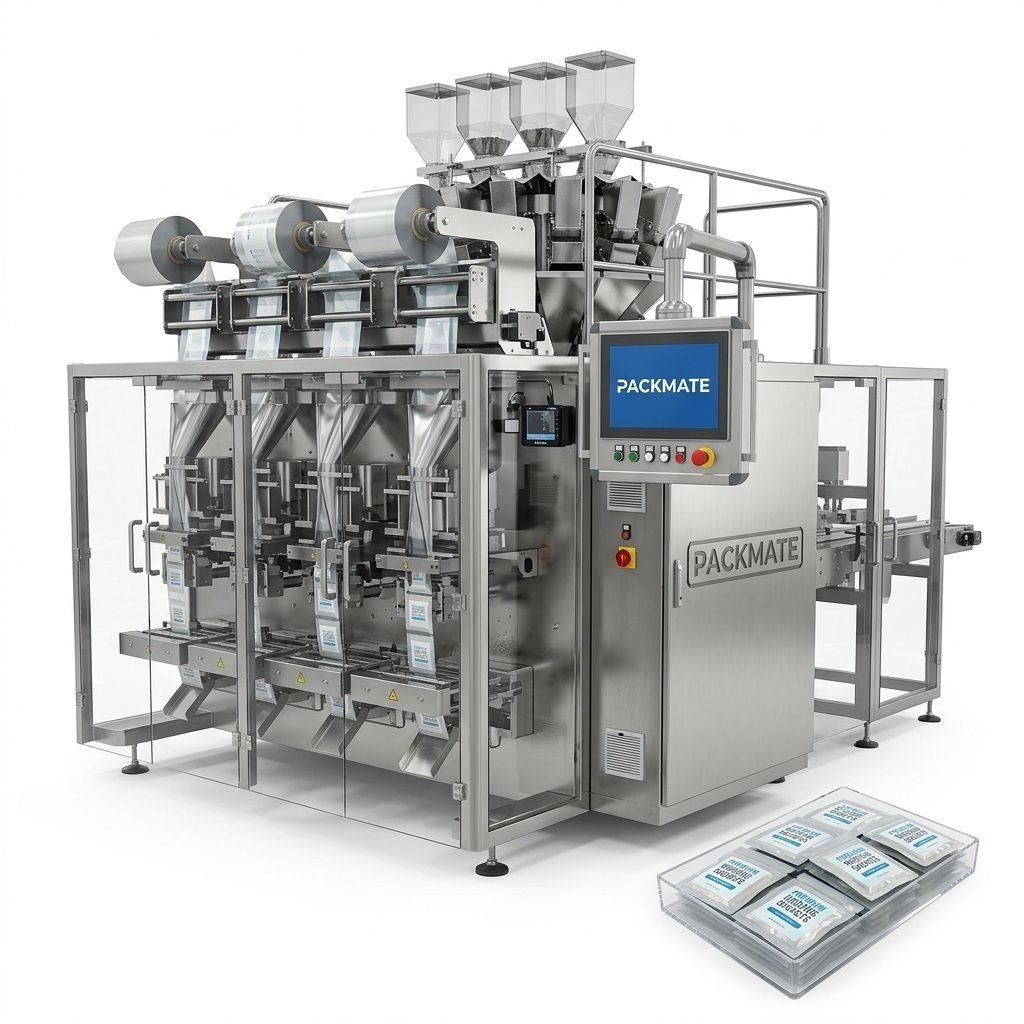
When you are planning to import snus or nicotine pouch packaging lines into Benin, selecting the right manufacturer is critical to ensuring production efficiency, regulatory compliance, and long-term reliability. This guide walks you step by step through the decision-making process, focusing on technical performance, factory capabilities, certifications, customization, and after-sales support. Use these criteria to compare suppliers and make an informed investment that supports your business growth.
🔍 Understand Your Production Requirements First
Before contacting any manufacturer, clearly define your production needs: daily output targets, pouch formats (stick pack, sachet, multi-lane snus pouches), product states (powder, granule, liquid), and required automation level. A detailed list prevents miscommunication and helps manufacturers propose precise solutions. Typical considerations include:
• Target speed (pouches per minute) and number of lanes.
• Filling accuracy and dosing systems required for small-dose nicotine pouches.
• Material compatibility (aluminum, laminated films, barrier films).
• Integration needs with upstream weighing systems or downstream cartoning.
⚙️ Machine Types and Their Advantages
Evaluate different machine types and choose the one aligned with your product format and scale:
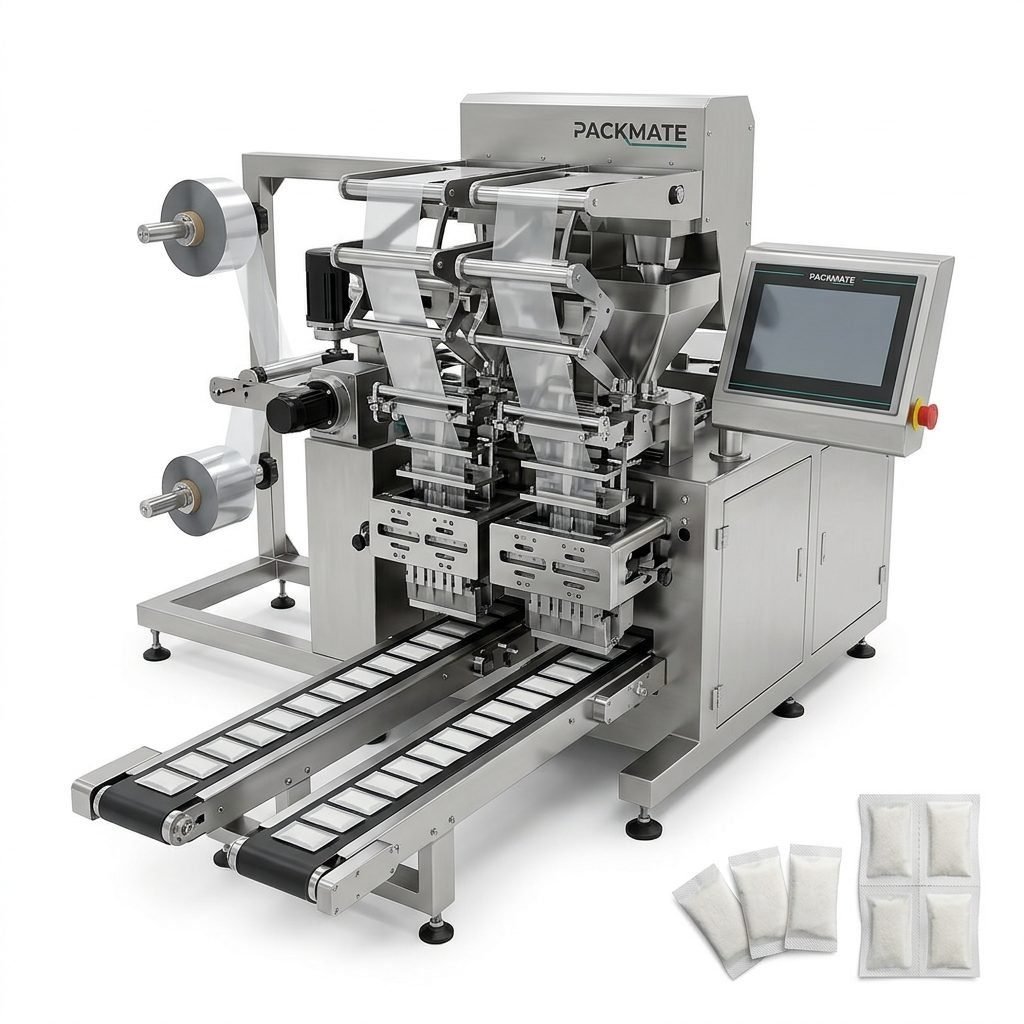
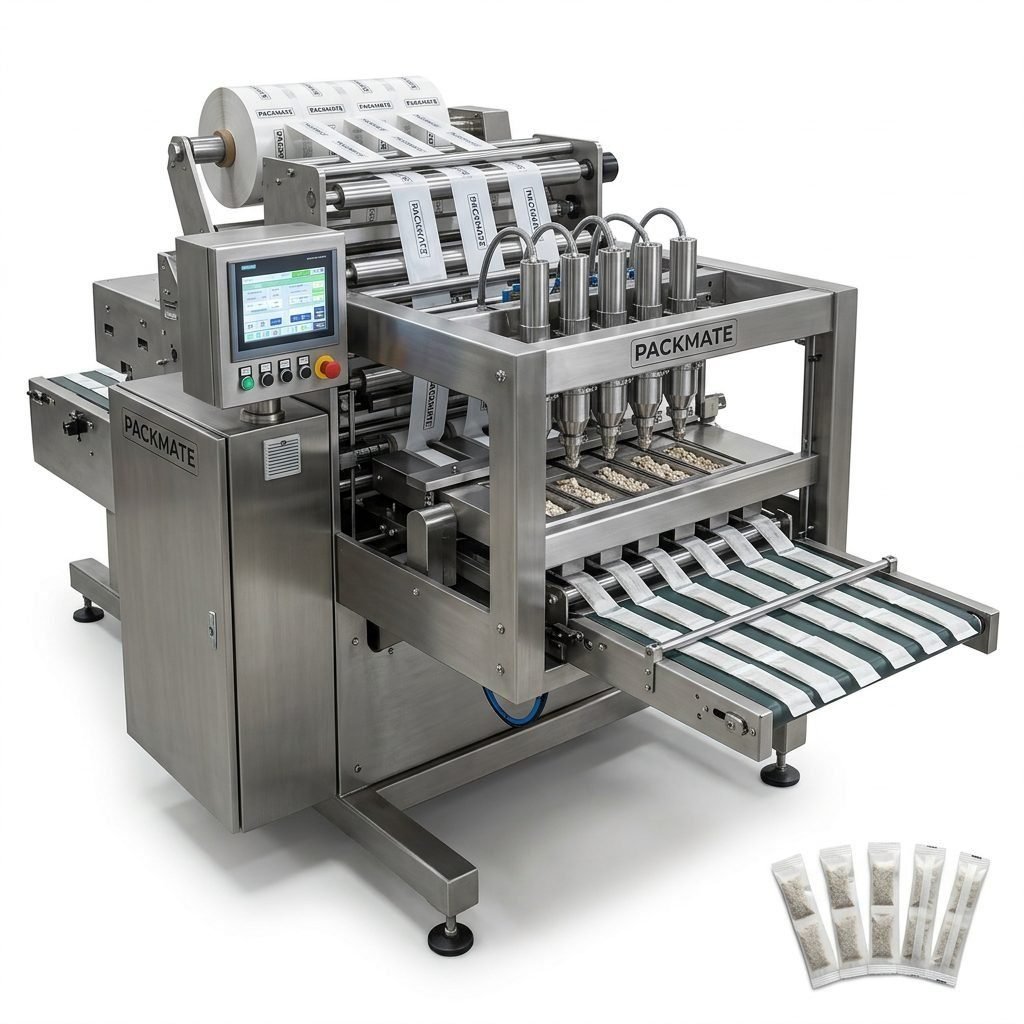
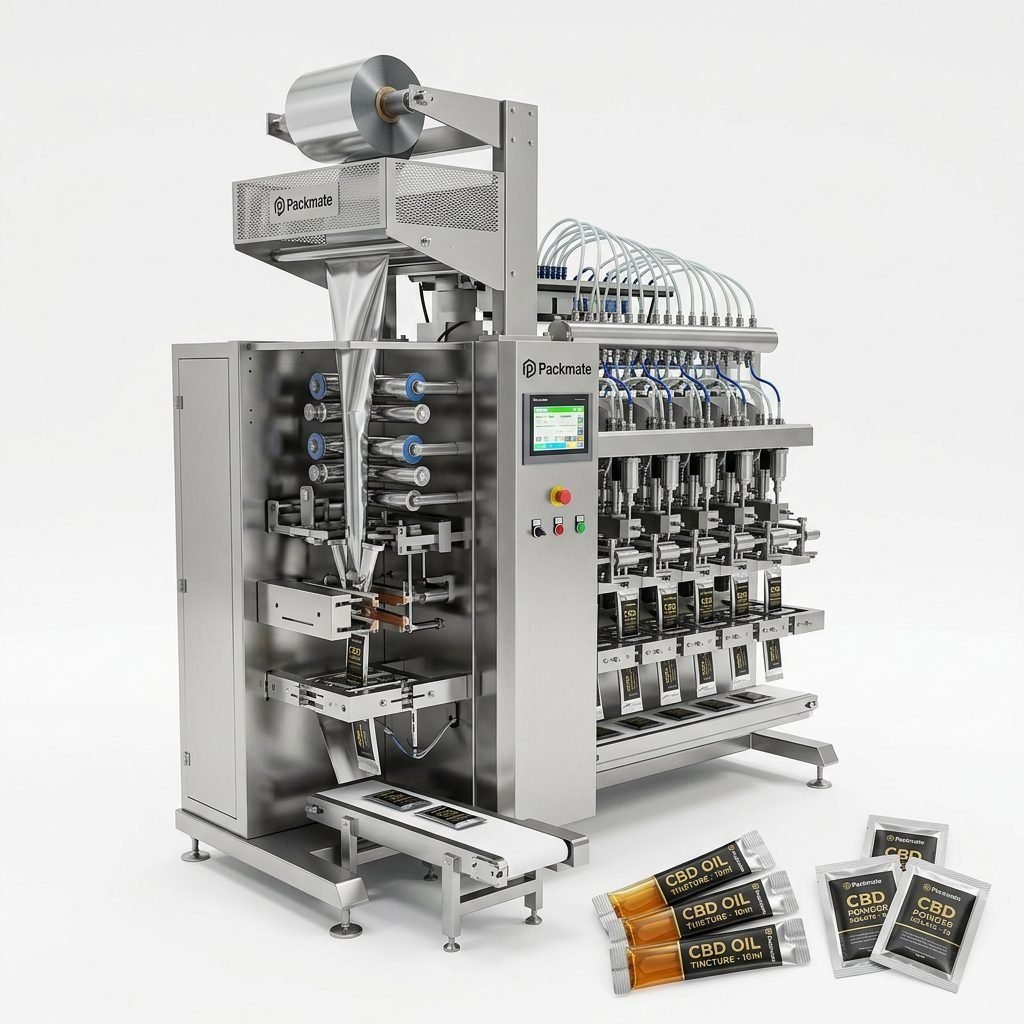
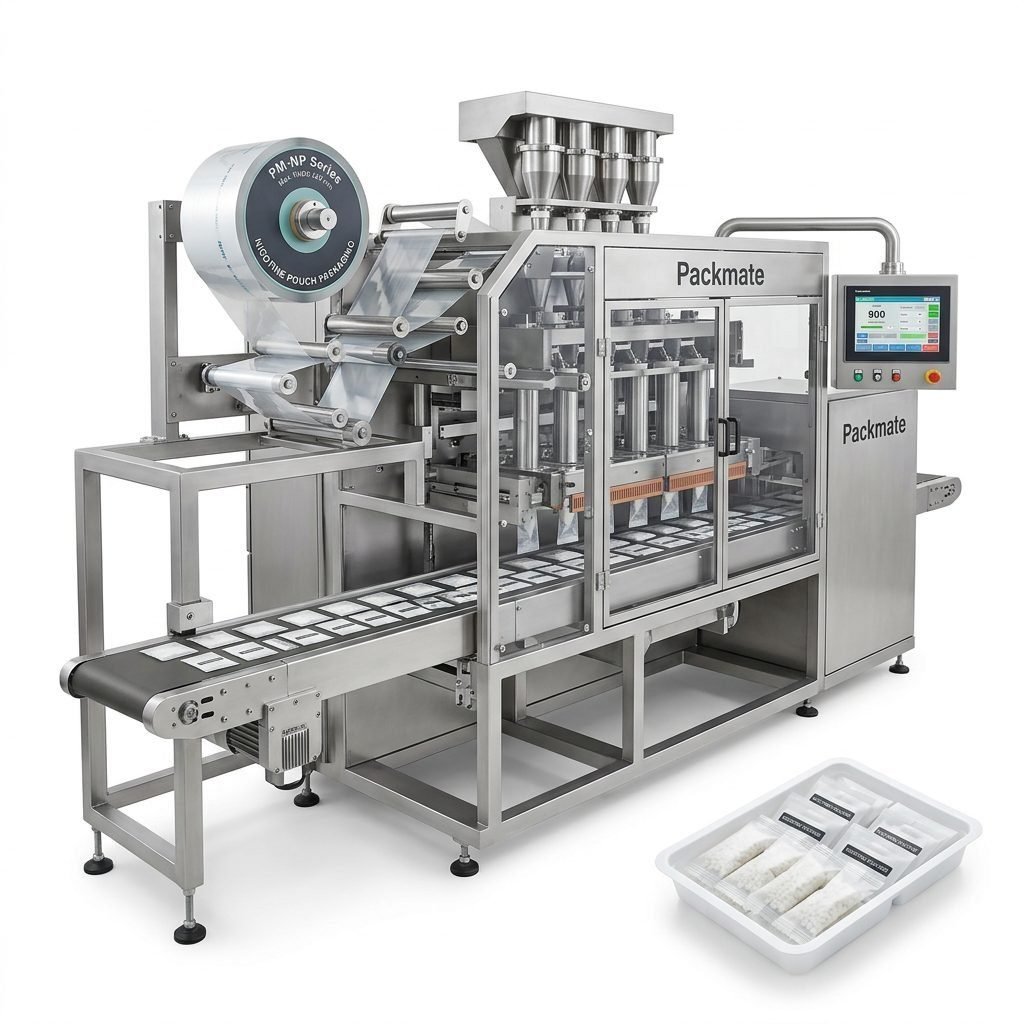
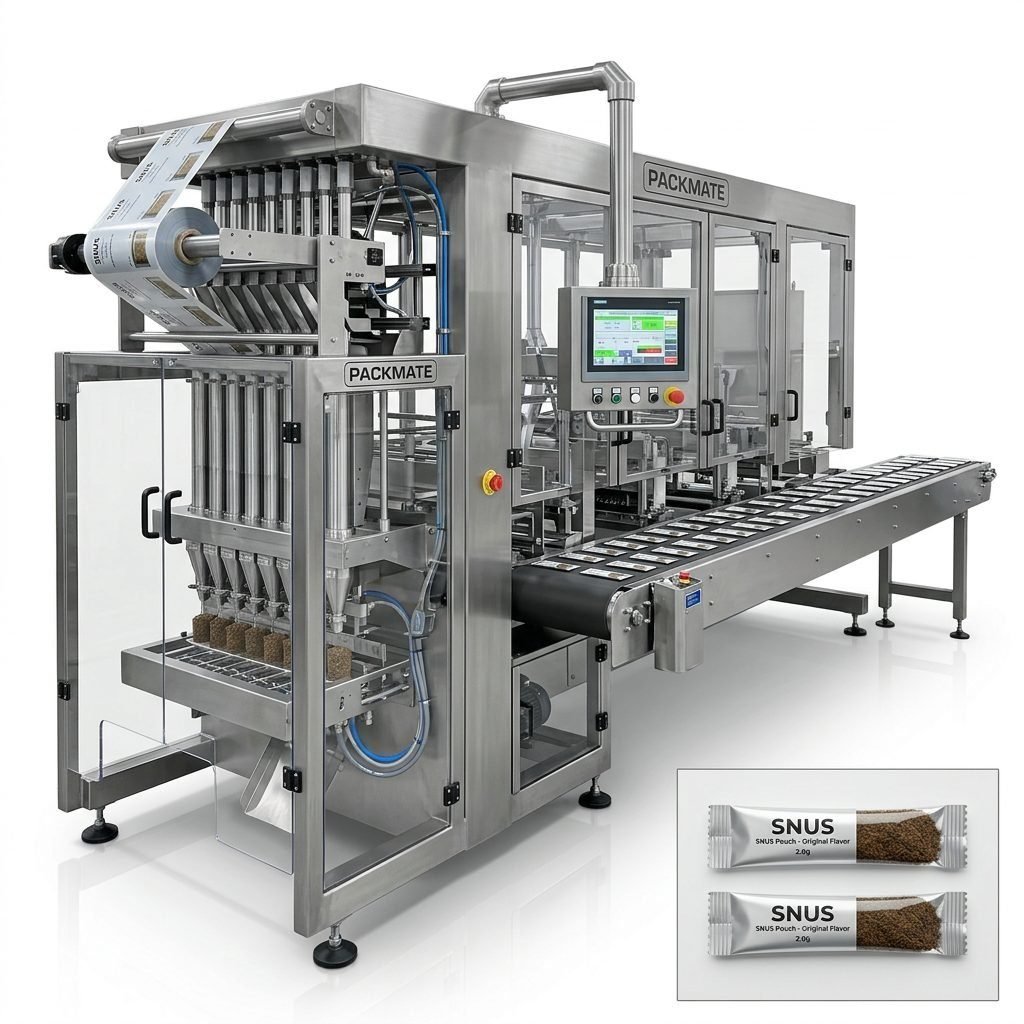
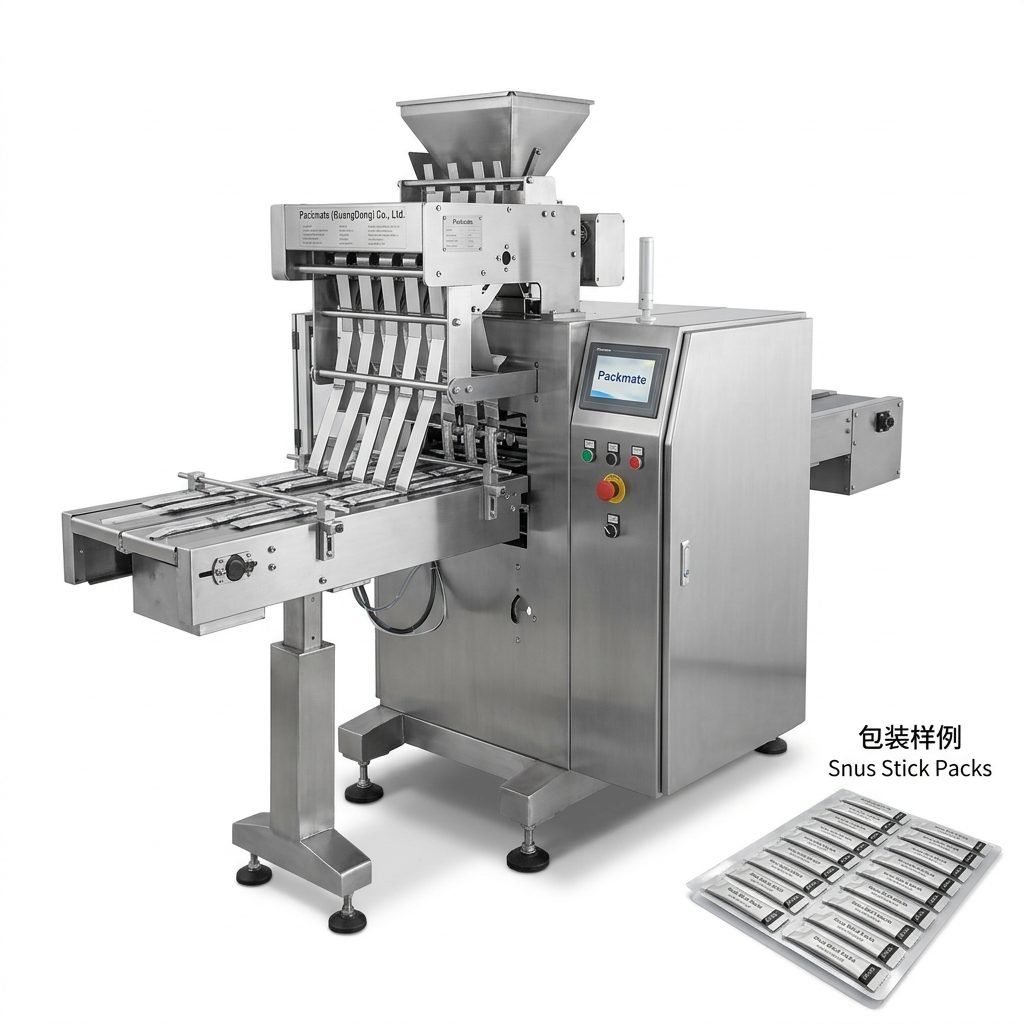
Stick Pack Machines: Ideal for single-dose, linear stick formats where compact packaging and fast output are required. Reliable for uniform dose presentation.
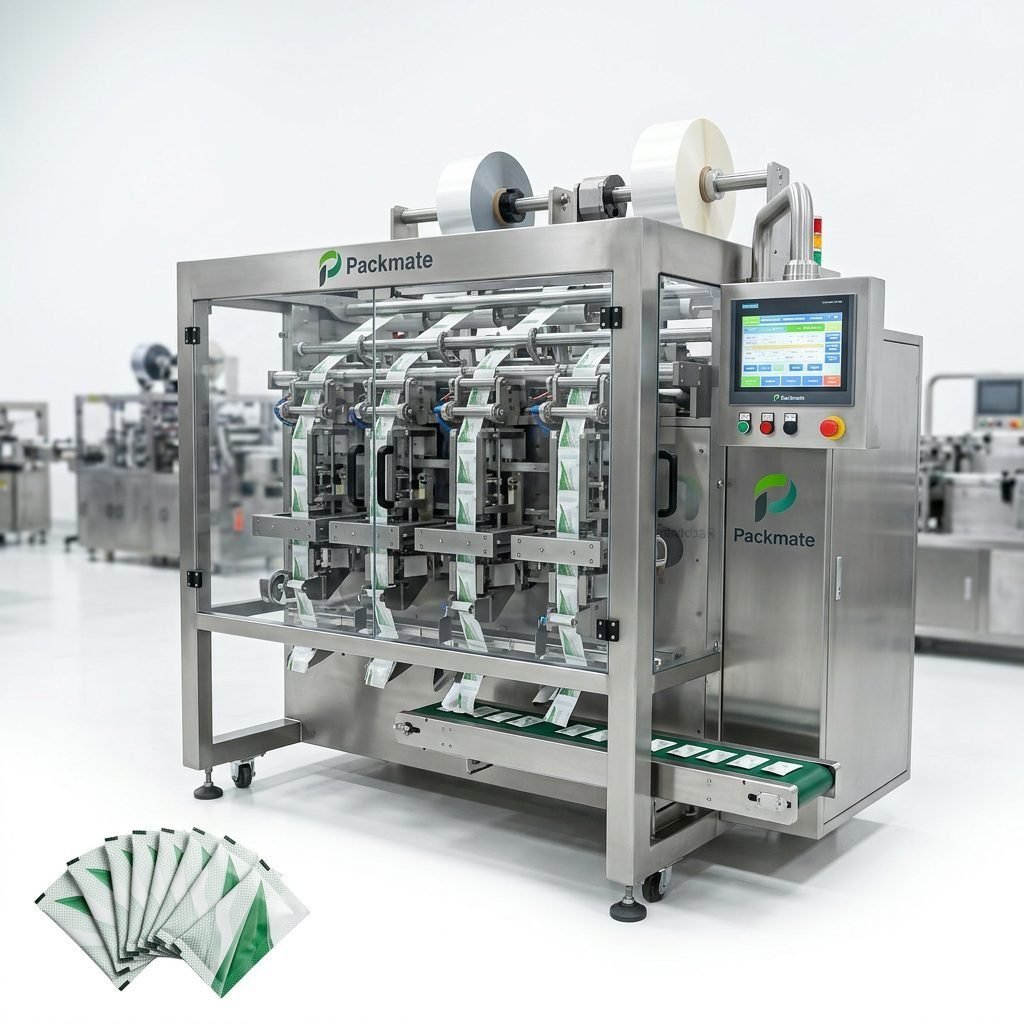
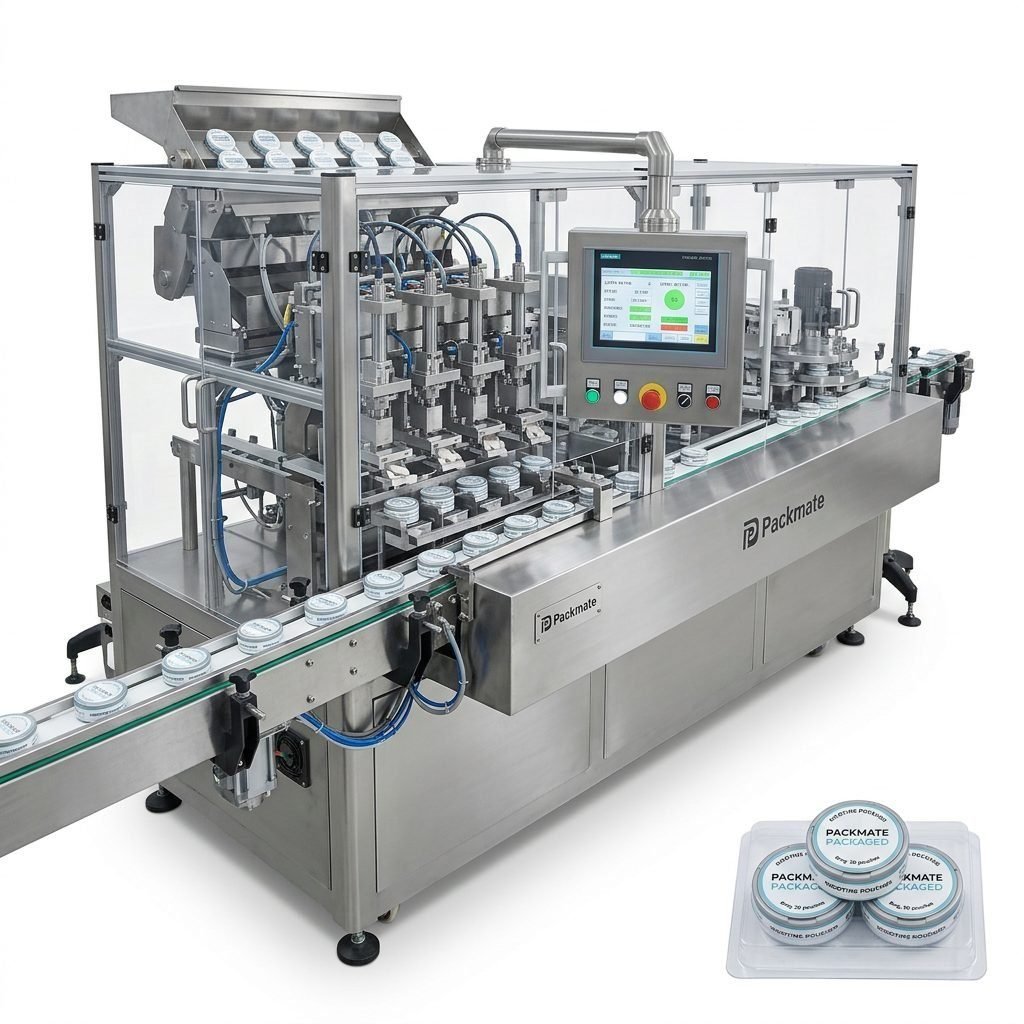
Sachet & Multi-lane Snus Systems: Best for nicotine pouches and snus where multiple lanes increase throughput and small-dose precision is crucial.
🏭 Assess Factory Capacity and Manufacturing Strength
A capable supplier should have a modern factory, precision machining equipment, and strict quality control measures. Look for:
• On-site CNC machining centers and dedicated assembly lines.
• A sizable production area and the ability to handle batch orders or custom builds.
• Clearly documented testing procedures and quality checks before shipment.
Example: A manufacturer with a 20,000㎡ facility, advanced CNC centers, and a history of delivering turnkey lines shows strong capacity for consistent delivery and custom engineering.
📜 Verify Certifications and Compliance
Compliance with international standards reduces regulatory risk when exporting to global markets. Important certifications and standards include:
• CE and ISO quality management verification.
• Documentation and traceability for electrical and mechanical components.
• Support for safety guards, hygienic design, and internationally accepted safety practices.
📦 Product Range: Flexibility and Model Options
A strong supplier will offer a broad portfolio—different machine models for various speeds and formats—plus the capacity to customize. Check whether they provide:
• Multiple model choices that can be scaled up or down.
• Auxiliary equipment such as feeders, metal detectors, and cartoners.
• Integration with weighing or dosing systems.
For product exploration and model details, you can review comprehensive offerings like Snus & Nicotine Packaging Machines and Sachet & Stick Pack Machines.
💡 Customization Capabilities
If your market requires unique pouch sizes or special dosing mechanics, choose a manufacturer that offers engineering resources and tailored solutions. Custom services to look for include:
On-demand R&D: Prototype development and pre-production trials to validate performance with your specific product.
Turnkey Solutions: End-to-end production lines that combine filling, packaging, and secondary packing in one solution.
⏱ Lead Time, Delivery, and Logistics
Delivery timelines and logistics impact your launch schedule. Key checkpoints:
• Typical manufacturing lead times for standard models vs. custom lines.
• Pre-shipment testing and FAT (Factory Acceptance Test) availability.
• Shipping options, packaging standards for overseas freight, and assistance with export documentation.
🔧 Installation, Commissioning, and Training
After-sales support is often the most critical differentiator. Confirm the manufacturer’s ability to assist with:
• On-site installation and commissioning in Benin or remote guidance if on-site is not possible.
• Training for machine operators, maintenance staff, and line supervisors.
• Documentation in English and spare parts kits for the first 12 months of operation.
🤝 Evaluate Technical Support and Warranty Terms
Reliable technical support keeps your lines running. Questions to ask your supplier:
• What warranty coverage is provided and what is excluded?
• Response times for remote troubleshooting and the availability of local technicians.
• Spare parts availability and international shipping timelines.
Tip: Choose suppliers that publish spare parts catalogs and have an export-friendly inventory to minimize downtime.
📚 References, Case Studies and Exhibition Presence
Request case studies, client references, and evidence of exhibition participation. These validate a company’s global reach and customer satisfaction. You can explore company stories, certifications, and exhibitions to gauge credibility: About Packmate, Certificate, Our Exhibition.
💰 Pricing Strategy: Beyond the Purchase Price
Cost is more than the machine price. Factor in:
• Total cost of ownership: spare parts, consumables, and energy use.
• Installation, training, and travel costs for technicians.
• Potential productivity gains from higher-speed or multi-lane systems that reduce per-unit costs over time.
📈 Scalability and Future-Proofing
Select machinery that allows modular upgrades—additional lanes, higher speed modules, or new dosing heads—so your line can grow with demand without full replacement.
🧾 Contracts, Payment Terms, and Risk Mitigation
Negotiate clear terms: deposit schedules, milestones, acceptance tests, and penalties for late delivery. Ensure documentation covers intellectual property for custom tooling.
✅ Decision Checklist (Quick Reference)
✔️ Factory capacity and machining capability
✔️ Range of models and customization options
✔️ Certifications (CE, ISO) and safety compliance
✔️ After-sales service, local support, and spare parts
✔️ Transparent lead time, pricing, and warranty terms
🔗 Useful Resources and Next Steps
To review equipment types and start vetting manufacturers, check product categories and service pages such as Snus & Nicotine Packaging Machines, Filling & Packaging Lines, and reach out via the supplier contact page: Contact Us.
📞 Final Recommendation
Shortlist 2–3 vendors that meet your technical and commercial criteria. Arrange factory visits or virtual factory tours, request machine demonstrations (video or FAT), and obtain at least two references from existing customers. Prioritize partners who offer strong after-sales support and have experience with snus and nicotine pouch formats.
💬 Summary Box
Choosing the best snus packaging machine manufacturer for Benin requires balancing technical capability, quality assurance, after-sales service, and cost-effectiveness. Focus on measurable criteria—certifications, factory strength, product range, and support—to ensure a low-risk, high-value investment.
Frequently Asked Questions
Q1: What certifications should a snus machine supplier provide?
A1: Look for CE and ISO certifications as a baseline; additional documentation for electrical components and material traceability is highly recommended.
Q2: How important is Factory Acceptance Testing (FAT)?
A2: FAT is essential. It verifies machine performance before shipment and reduces commissioning time on site.
Q3: Can machines be customized for very small nicotine pouch doses?
A3: Yes. Choose manufacturers experienced in small-dose multi-lane systems and those who offer R&D and prototyping support.
Q4: What after-sales support should I expect for installations in Benin?
A4: Expect remote commissioning support, spare parts assistance, and either periodic on-site service visits or partnerships with local agents if the manufacturer lacks local presence.
Q5: How can I validate a manufacturer’s claims about line capacity and reliability?
A5: Request video demonstrations, client references, and documented performance data. If possible, witness a live FAT or visit a reference site.