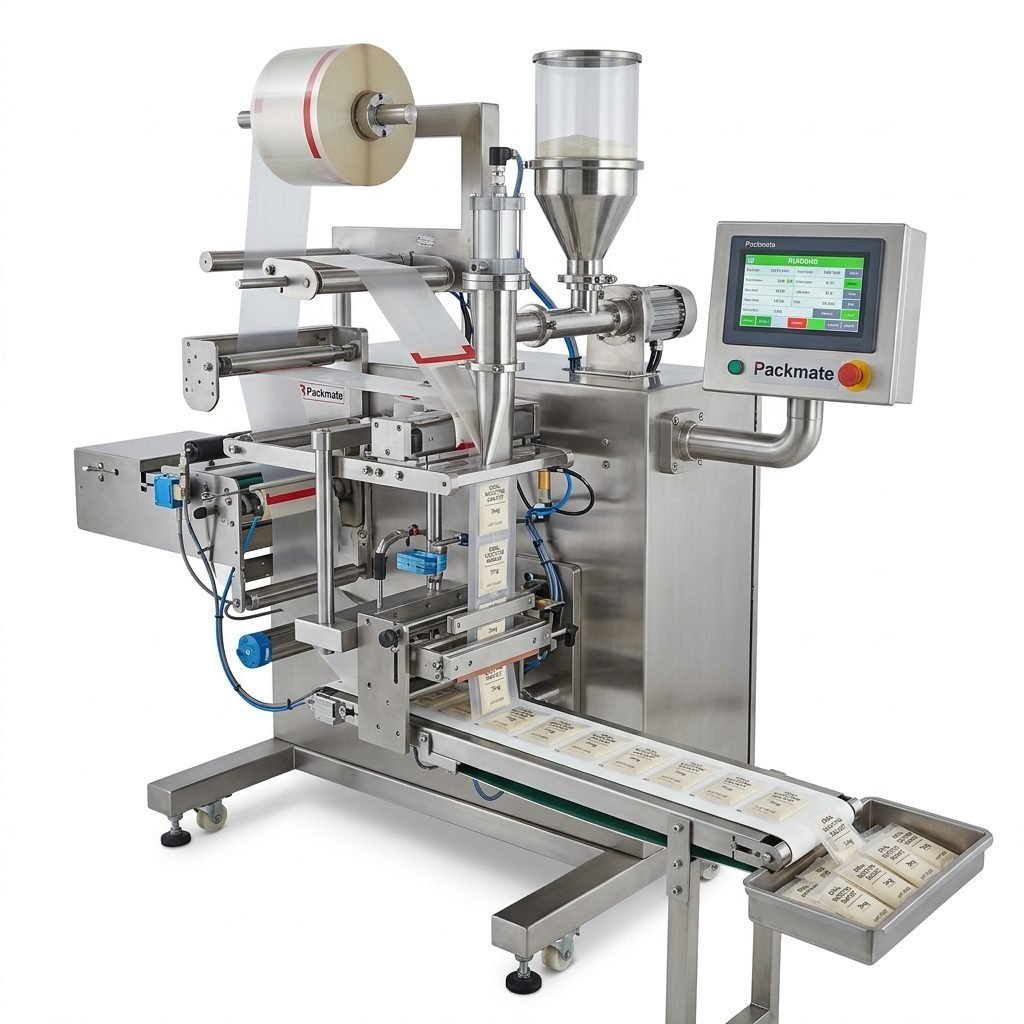
Choosing the right manufacturer for nicotine pouch and snus packaging machinery in Iceland requires a practical blend of technical understanding, local market awareness, and long-term partnership thinking. Whether you operate a small craft snus brand in Reykjavik or a larger nicotine pouch company supplying Nordic retailers, this guide walks you through essential considerations — from machine types and regulatory compliance to after-sales service and cultural nuances in Icelandic business practices.
Understand the Types of Packaging Machines and Your Production Needs
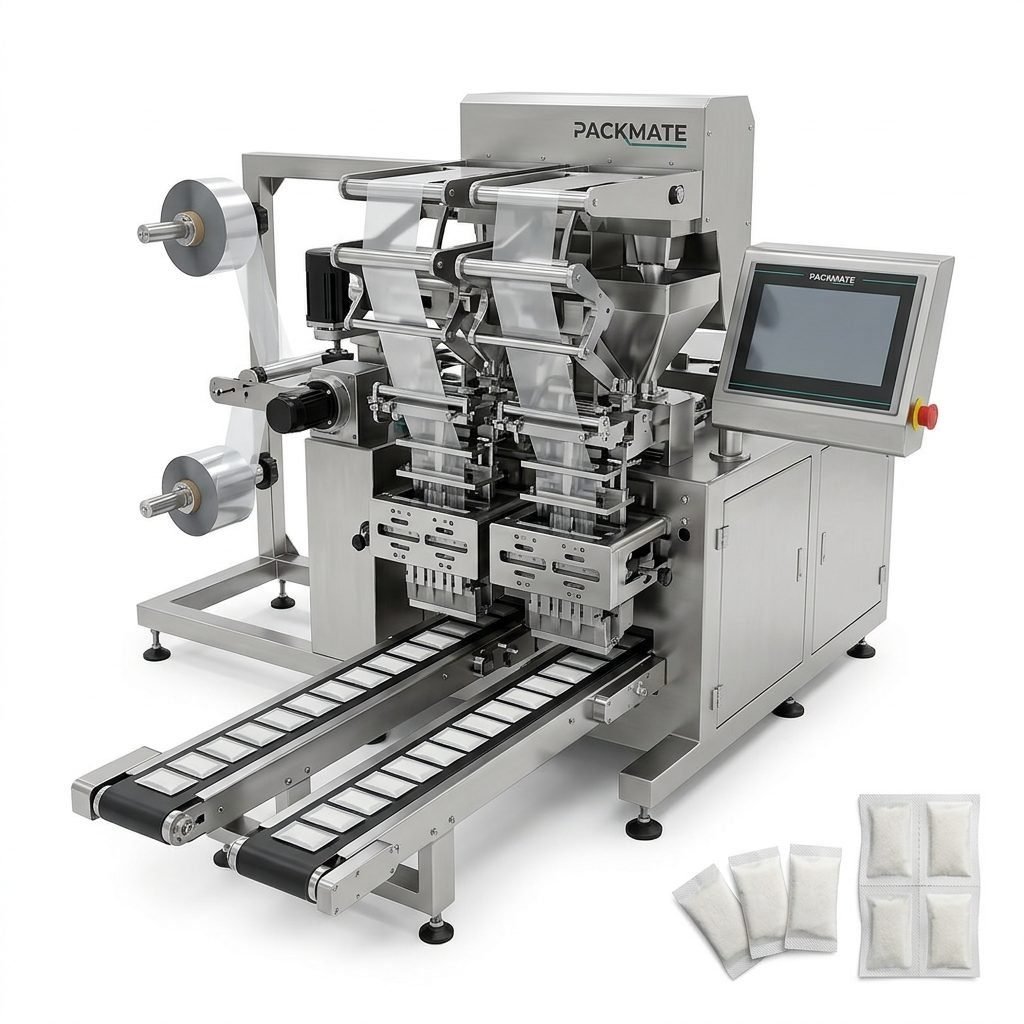
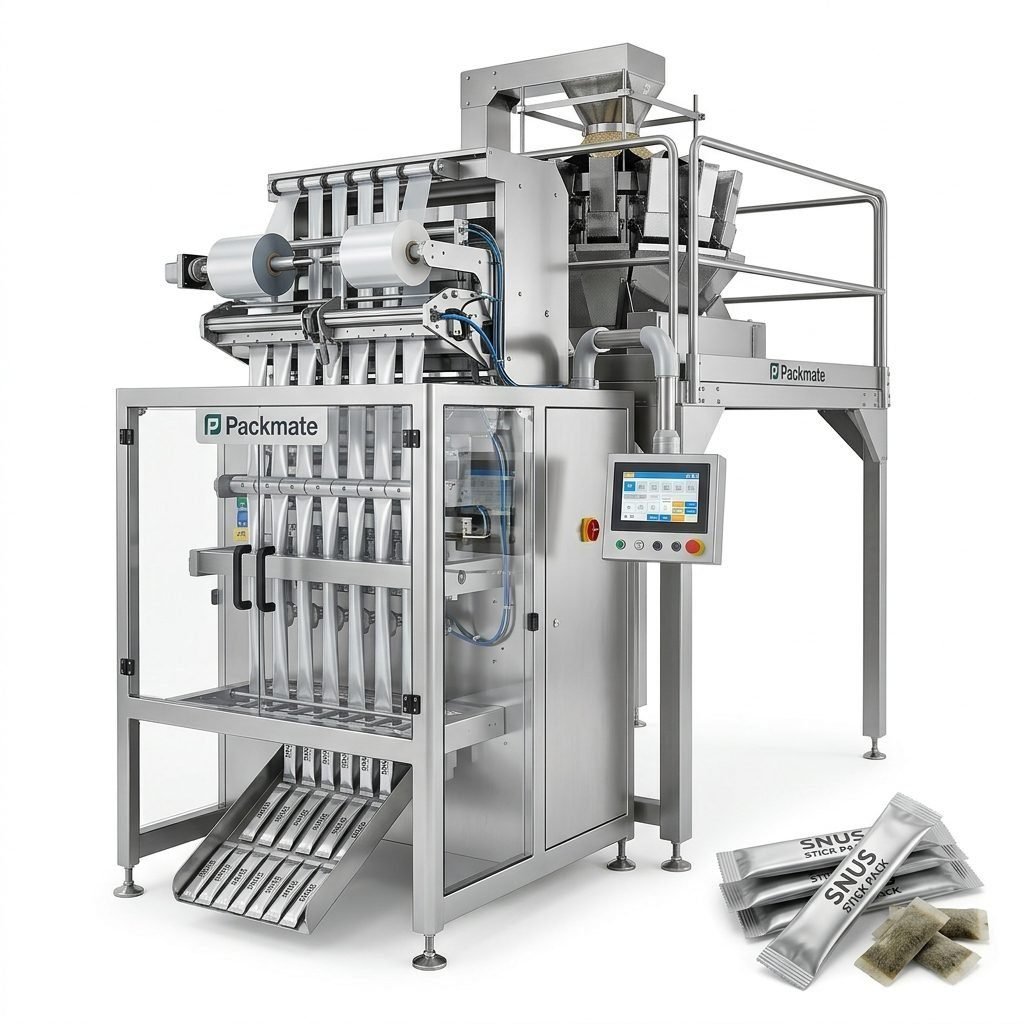
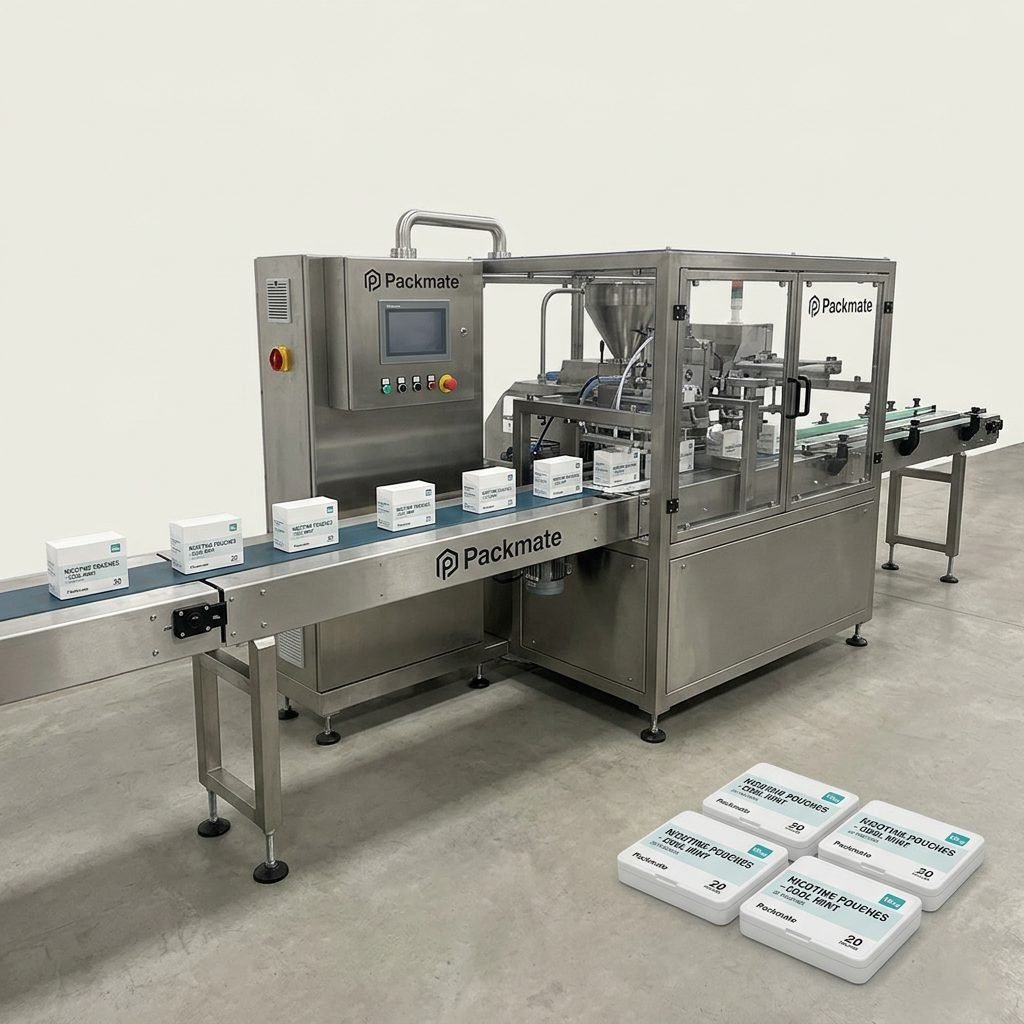
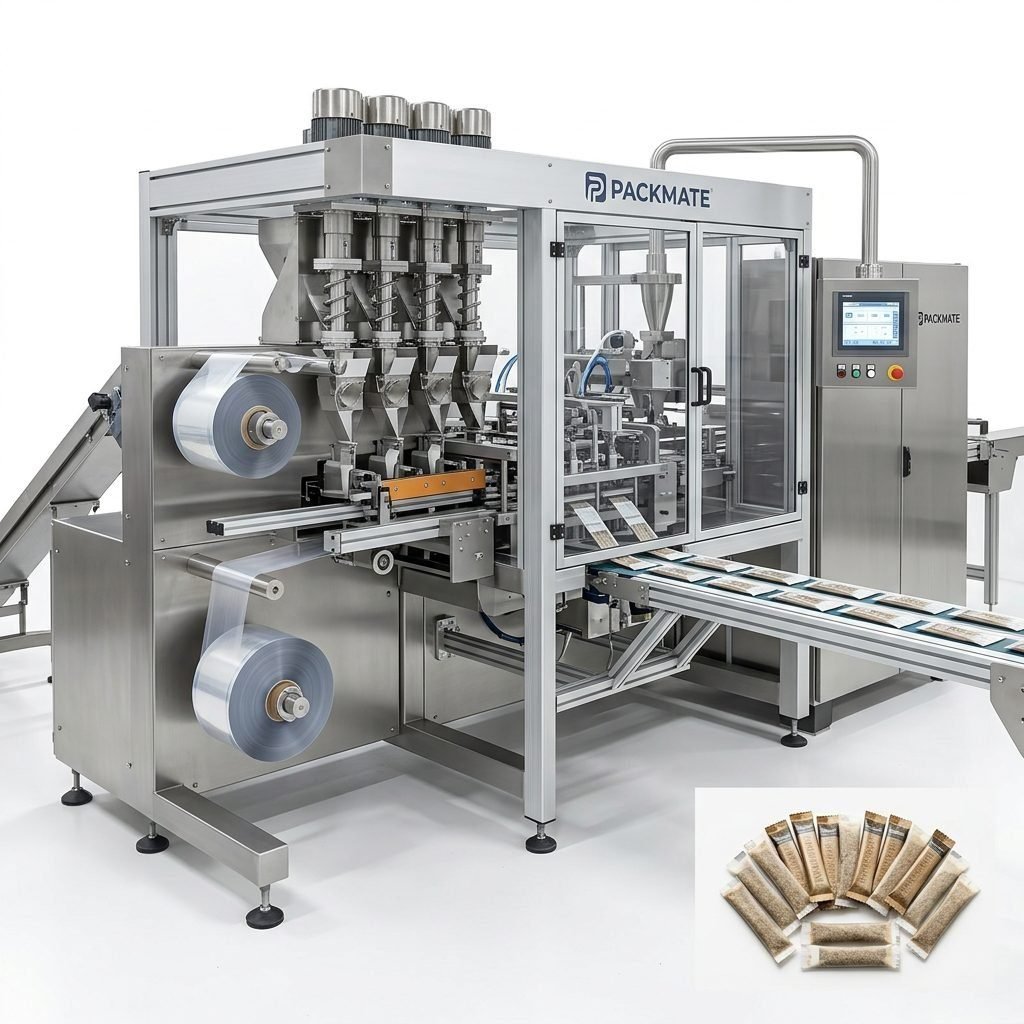
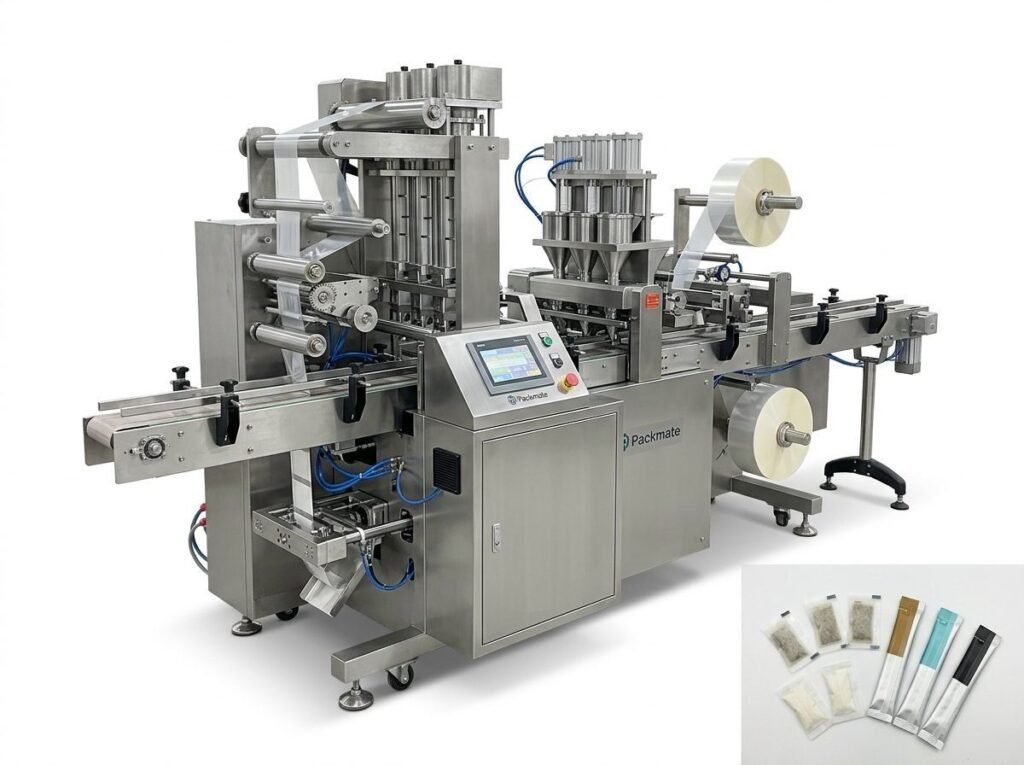
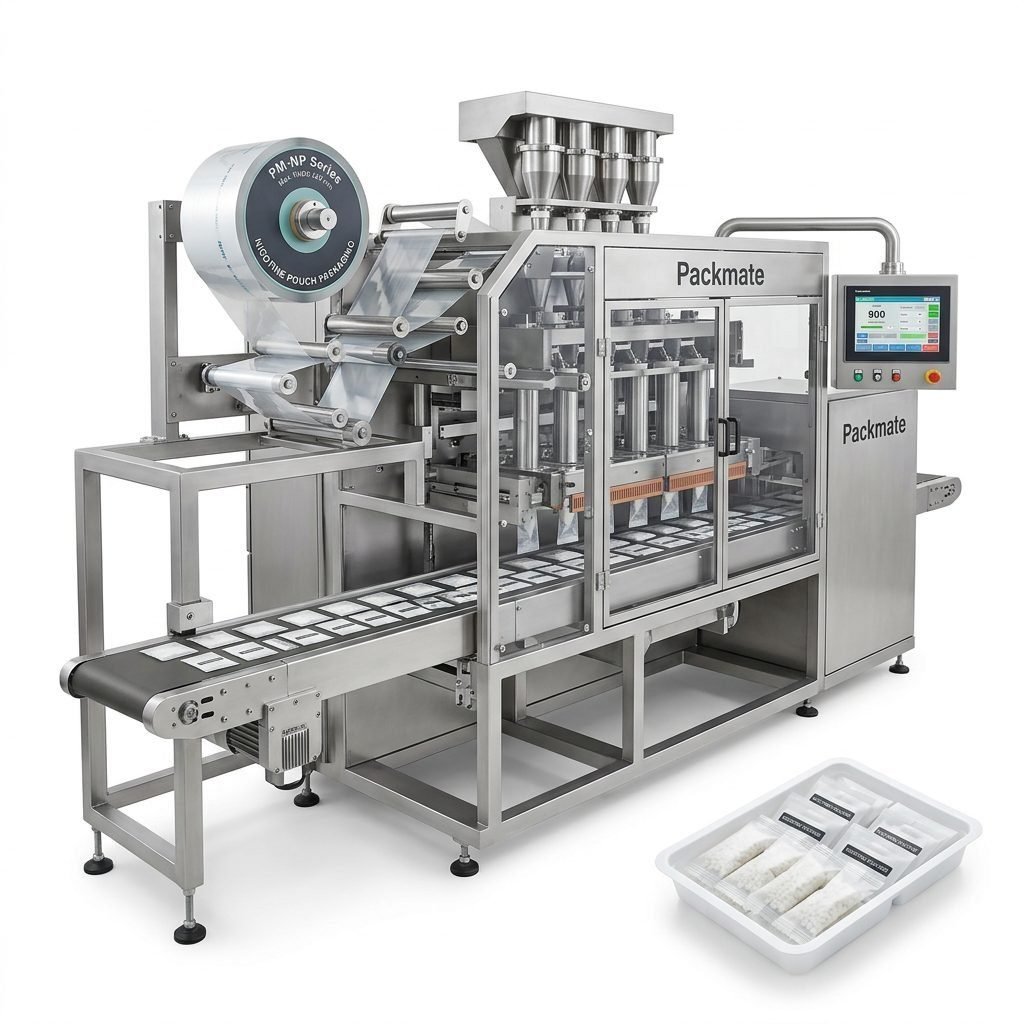
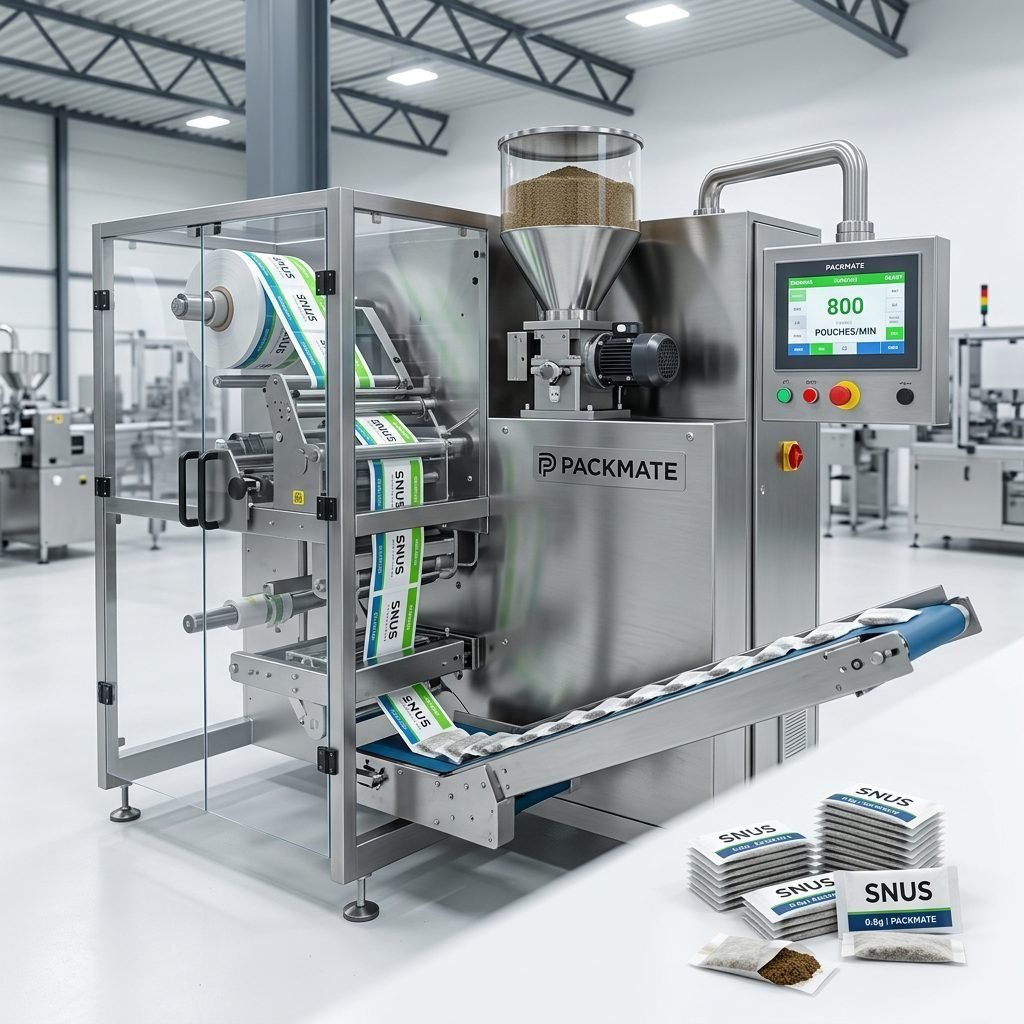
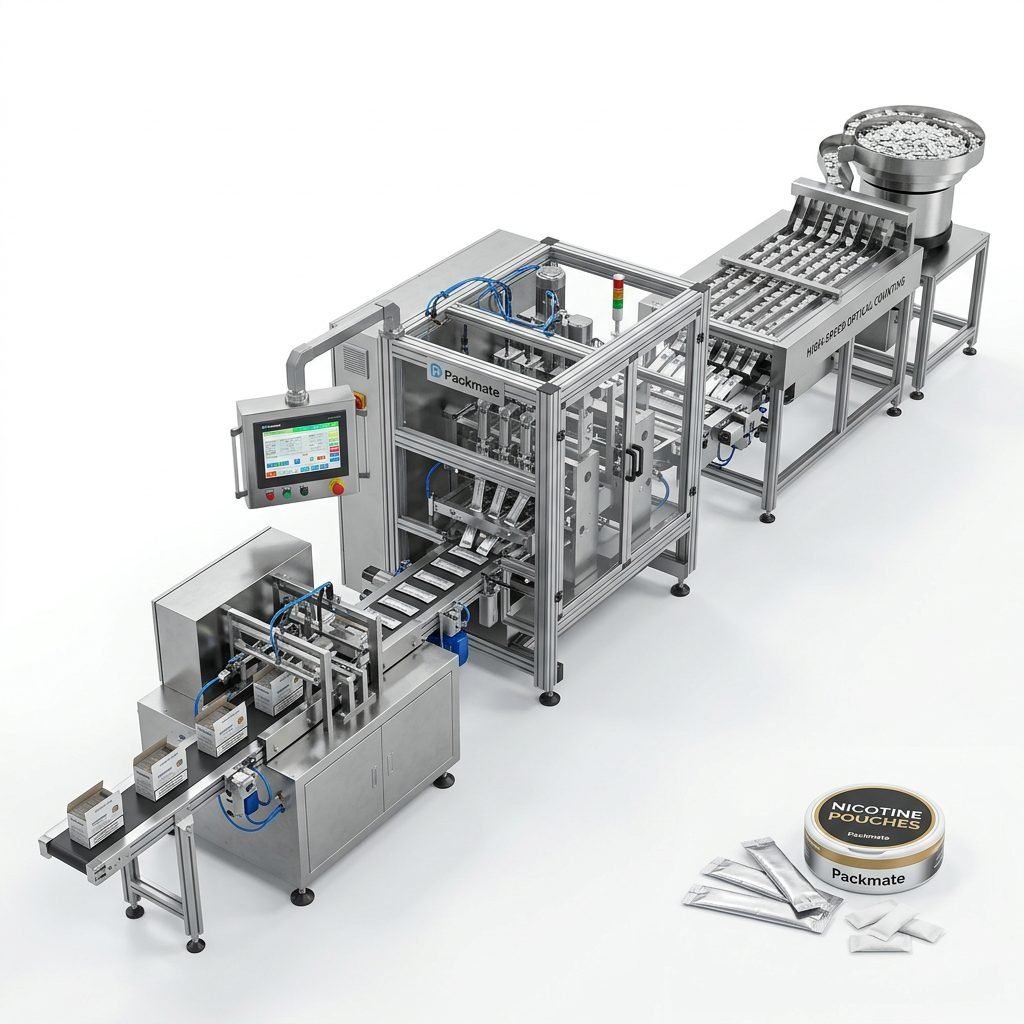
Start by clarifying your product format, daily output targets, and flexibility needs. Common machines used for nicotine pouches and snus include stick pack systems, sachet machines, multi-lane pouch lines, and integrated weighing and filling systems. Each machine family has strengths:
🔧 Stick Pack Machines: Ideal for single-serve nicotine pouches with high-speed continuous production.
📦 Sachet Machines: Offer flexibility for different pouch shapes and are often chosen for premium snus formats.
⚙️ Multi-lane Systems: Increase throughput without a larger footprint — important where factory space is limited.
📊 Weighing & Filling Lines: Essential for consistent dose control with powders or granular nicotine formulations.
How this applies to Iceland
Iceland’s market tends to value premium, reliable products and sustainable practices. If you plan on serving local retail chains or tourist-focused shops in areas like Reykjavík or Akureyri, prioritize machine precision and low waste. Multi-lane machines can help meet seasonal peaks (tourist season) without over-investing in multiple single-lane lines.
Evaluate Manufacturer Experience and Certifications
Machine reliability is non-negotiable. Look for manufacturers with decades of engineering experience, a broad model range, and documented quality systems. Certifications such as CE and ISO signal adherence to international safety and quality practices — important for importing equipment into Iceland.
✅ Tip: Ask for machine test reports, FAT (Factory Acceptance Test) videos, and certificate copies before purchase.
Packmate Snus Machine, for example, offers CE and ISO-aligned equipment and over 30 years of engineering history — factors that reduce technical risk and help speed regulatory clearance in European markets.
Assess Customization, Modularity and Futureproofing
Your first production goal might be modest, but market trends and regulation shifts mean you should plan for growth and change. Choose manufacturers who offer modular machines or custom options like multi-lane upgrades, product changeover kits, and software-driven controls.
Manufacturers with a broad portfolio — from small sachet machines to fully automated turnkey lines — give you the flexibility to scale without scrapping equipment. Explore solutions that allow quick format changeovers, low-waste tooling, and easy integration with labeling or secondary packaging.
Local considerations in Iceland
Because Iceland has higher logistics costs for importing large machinery, selecting modular equipment that ships in compact skids and is easy to install on-site can reduce total landed costs. Also check local electrical and safety standards so that control panels and protections match Icelandic requirements.
Service, Spare Parts and Local Support Network
Even the best machines require routine maintenance and occasional repairs. Confirm the manufacturer’s spare parts lead times and whether they have European warehouses or local agents. For Iceland, shorter spare-part shipping times and reliable remote technical support are valuable.
📌 Key question to ask: What is the guaranteed response time for remote troubleshooting? Is on-site support available in the Nordics?
Check References, Case Studies and Live Demonstrations
A trustworthy supplier should provide real-world examples of installations and allow you to verify machine performance. Request case studies similar to your product type and production scale and, if possible, attend a live demonstration or virtual FAT.
For additional confidence, review their published cases and exhibition presence. Reputable manufacturers often publish machine demos, trade fair participation, and full project portfolios that help you evaluate fitment for Icelandic market conditions.
Learn more about product lines and real customer projects at these resources:
Snus & Nicotine Packaging Machines,
About Packmate, and
Case.
Pricing vs Total Cost of Ownership (TCO)
Initial machine price is only part of the investment. Calculate TCO by including energy consumption, spare parts, consumables, expected uptime, and labor requirements. A slightly higher upfront cost can be justified by better durability, service terms, and energy efficiency — especially relevant in Iceland where energy and shipping models differ from continental Europe.
⚖️ Balanced decision: Compare expected uptime percentage, mean time between failures (MTBF), and energy consumption per pouch when evaluating quotes.
Regulatory Compliance and Labelling Support
Nicotine products face strict labeling and packaging regulations in Europe. Ensure the machine and the manufacturer’s experience include compatibility with variable data printing, tamper-evident seals, and child-resistant formats if required. Ask whether they can assist with machine adaptations for local Icelandic language labeling and tax-stamp integrations.
Logistics, Installation and Training
Confirm who handles sea freight, customs clearance, on-site assembly, and operator training. Packmate’s global turnkey solutions often include pre-shipment FAT, detailed installation instructions, and operator training — a helpful model for remote installations in Iceland.
Consider scheduling training sessions during off-peak seasons for smoother knowledge transfer and better availability of translation or local technical support.
Sustainability and Energy Choices in Iceland
Iceland’s abundant geothermal and hydroelectric energy encourages sustainable manufacturing choices. Discuss machine energy profiles and options for energy-efficient drives or sleep modes. Reducing energy draw can lower operating costs and align with Icelandic and European sustainability expectations.
Negotiation, Warranty and After-Sales Contracts
Get clear terms on warranty length, scope (wear parts vs electrical systems), and paid maintenance plans. Try to negotiate spare part kits and a defined SLA for critical failures. Manufacturers with a transparent spare parts catalog and English documentation will reduce friction.
📄 Recommended contract items: Warranty period, response times, spare-part availability, training scope, and software update policy.
How to Shortlist Reliable Manufacturers
Use a scoring matrix that weighs technical fit, certification, references, service footprint, TCO, and cultural compatibility. Prioritize suppliers who provide clear documentation, references from European installations, and flexible financing or leasing options.
If you want a focused portfolio to review, check the manufacturer’s product categories and auxiliary systems at:
Bag & Pouch Packaging Machines and
Weighing & Packaging Systems.
Cultural Tips for Doing Business in Iceland
Icelandic business culture emphasizes transparency, punctuality, and straightforward communication. Decision-making can be consensus-driven — involve your technical and procurement teams early. Be prepared for polite but direct negotiation and prefer clear written agreements. Local relationships and trust go far; sourcing recommendations from Nordic contacts can speed acceptance and installation.
Final Checklist Before Purchasing
Use this quick checklist to finalize your choice:
🔹 Production format verified (pouch/stick/sachet)
🔹 CE/ISO certificates and FAT documentation provided
🔹 Spare parts & support plan with EU/Scandinavian logistics
🔹 Clear warranty, training, and installation terms
🔹 TCO analysis completed and sustainability discussed
Where to Get Started
Begin with a technical brief of your product and target output, then request proposals and FAT videos from shortlisted suppliers. Consider visiting a manufacturer’s production site or attending a trade show where machines run live. For more in-depth information about product ranges and services, visit the manufacturer’s service and contact pages:
Service and
Contact Us.
Closing note
Selecting the best nicotine packaging machine manufacturer for Iceland is about matching technical capability with robust support and fit-for-market design. Prioritize partners with proven European experience, clear certifications, and strong after-sales networks to ensure your production runs smoothly and compliantly.
Frequently Asked Questions
Q1: What certifications should I ask for when importing machines to Iceland?
A1: Ensure CE marking and ISO quality management documentation. Also request electrical compliance details and machine safety assessments to match local standards.
Q2: How long does on-site installation and commissioning usually take?
A2: Typical installation for a single-line machine ranges from a few days to two weeks depending on complexity. Multi-lane turnkey lines can require several weeks for mechanical, electrical, and integration tasks.
Q3: Are remote diagnostics and software updates available?
A3: Most modern suppliers provide remote troubleshooting and periodic software updates. Verify secure access methods and any subscription fees for ongoing remote support.
Q4: What spare parts should I stock locally in Iceland?
A4: Keep critical wear parts (seals, belts, cutters), basic electrical spares (sensors, relays), and a small toolkit for maintenance. Coordinate larger items with your supplier’s European distribution points.