Choosing the right snus packaging machine manufacturer in Nicaragua is a strategic decision that affects product quality, regulatory compliance, and your company’s long-term profitability. Whether you are launching nicotine pouches, experimenting with new sachet formats, or scaling up a multi-lane production line, understanding local market conditions, supplier capabilities, and after-sales support is essential. This guide walks you through practical criteria, local considerations, and actionable tips to select a reliable partner that matches Nicaragua’s business environment and your production goals.
Understand the Nicaraguan Market & Local Habits
Nicaragua is a Spanish-speaking country with deep-rooted cultural traditions and a growing interest in modern consumer goods. When assessing packaging machinery suppliers, keep in mind:
-
Spanish documentation and local-language training are highly valued by operators and maintenance staff.
-
Climate: Nicaragua’s tropical and coastal areas (e.g., Corinto, León) have high humidity and salt air exposure — choose machines with corrosion-resistant components and appropriate enclosure protection.
-
Regulatory awareness: nicotine product regulations can vary. Ensure your supplier can support compliance documentation and adapt marking/labeling modules if needed.
Why local cultural fit matters
Local business relationships in Nicaragua are often built on trust and face-to-face interactions. Suppliers offering Spanish-speaking sales engineers, local after-sales contacts, and clear delivery timelines will accelerate setup and reduce friction with customs and installation teams.
Key Technical Criteria to Evaluate
When you compare manufacturers, evaluate technical capabilities across these dimensions to ensure your line performs reliably under local conditions:
Performance and Flexibility
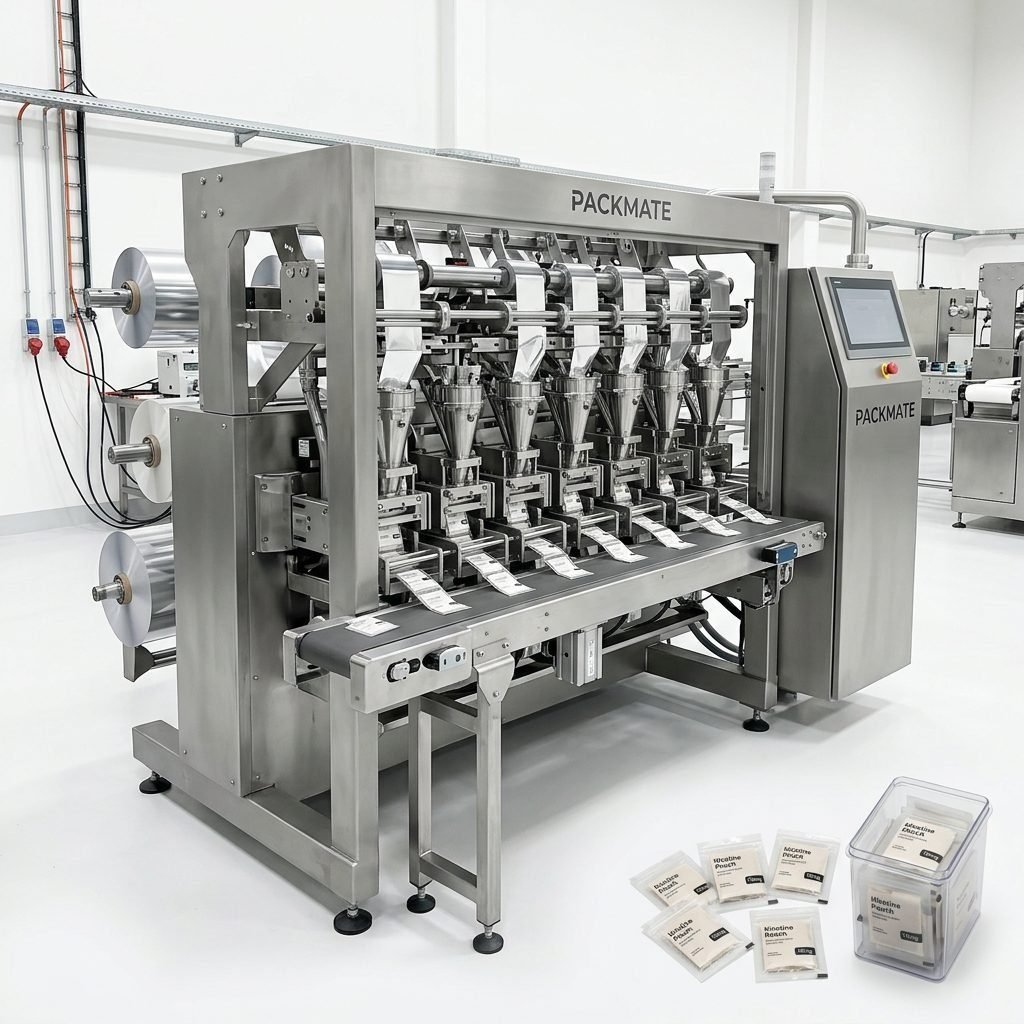
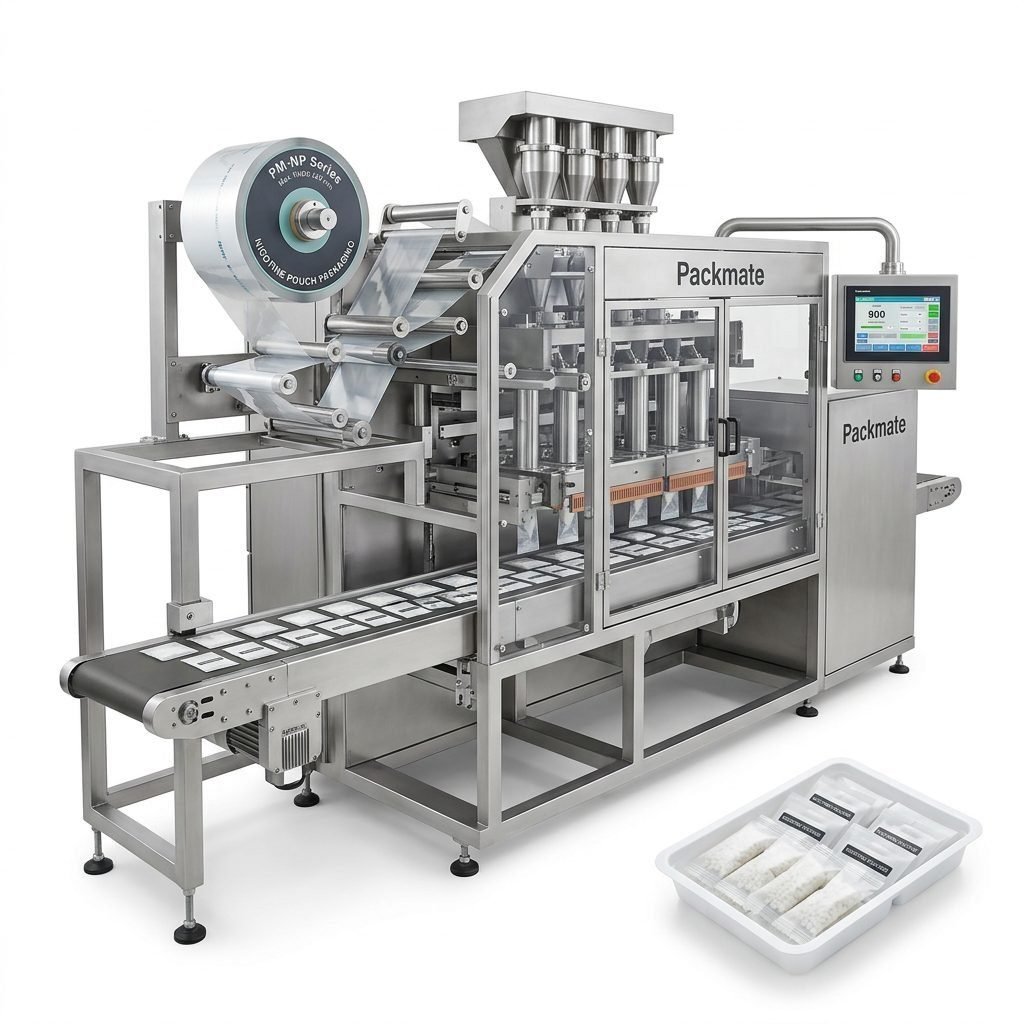
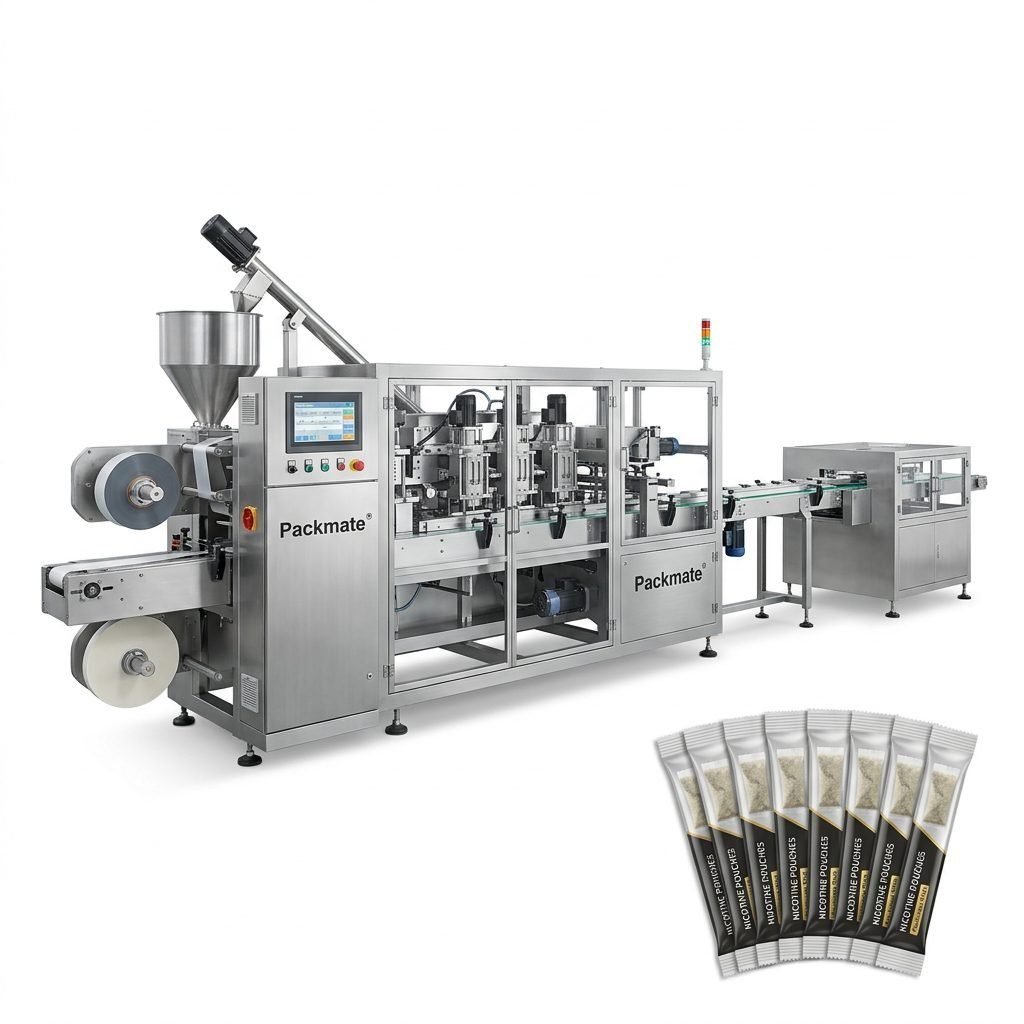
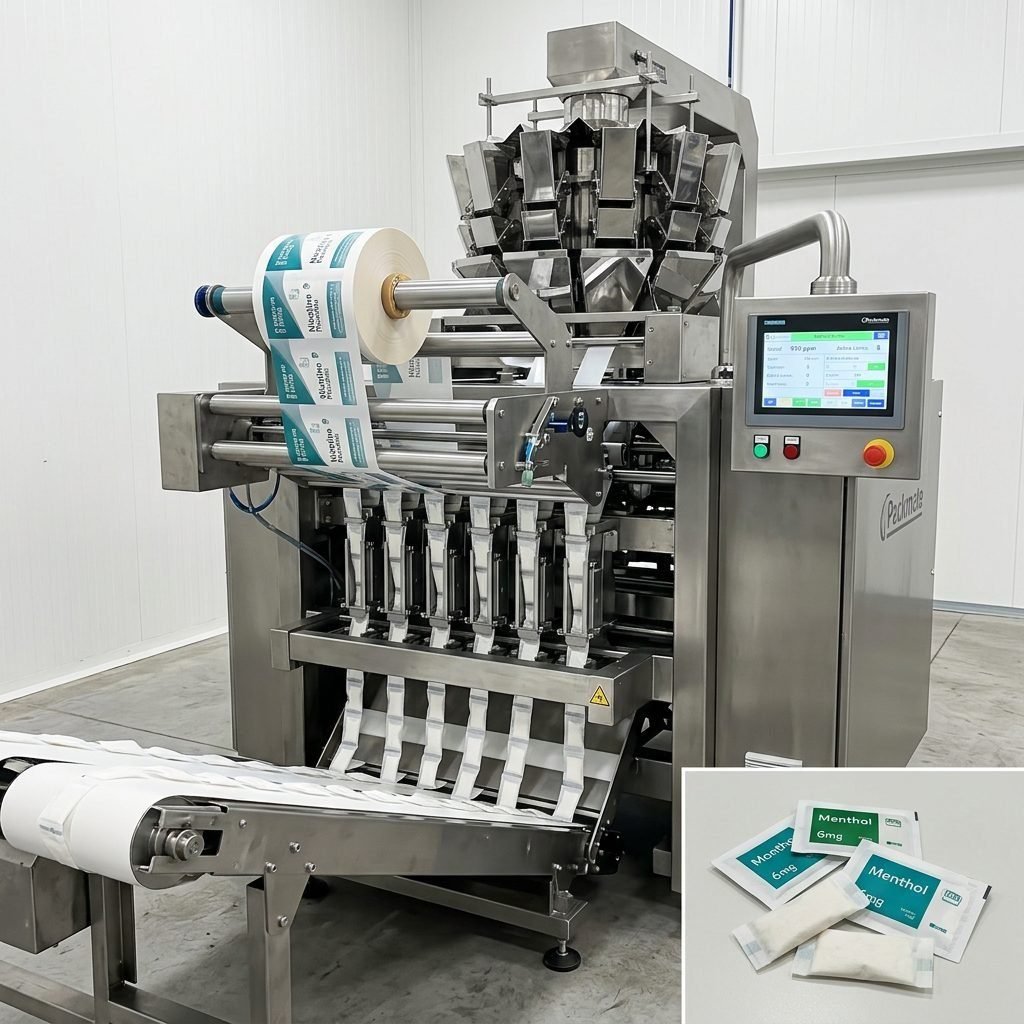
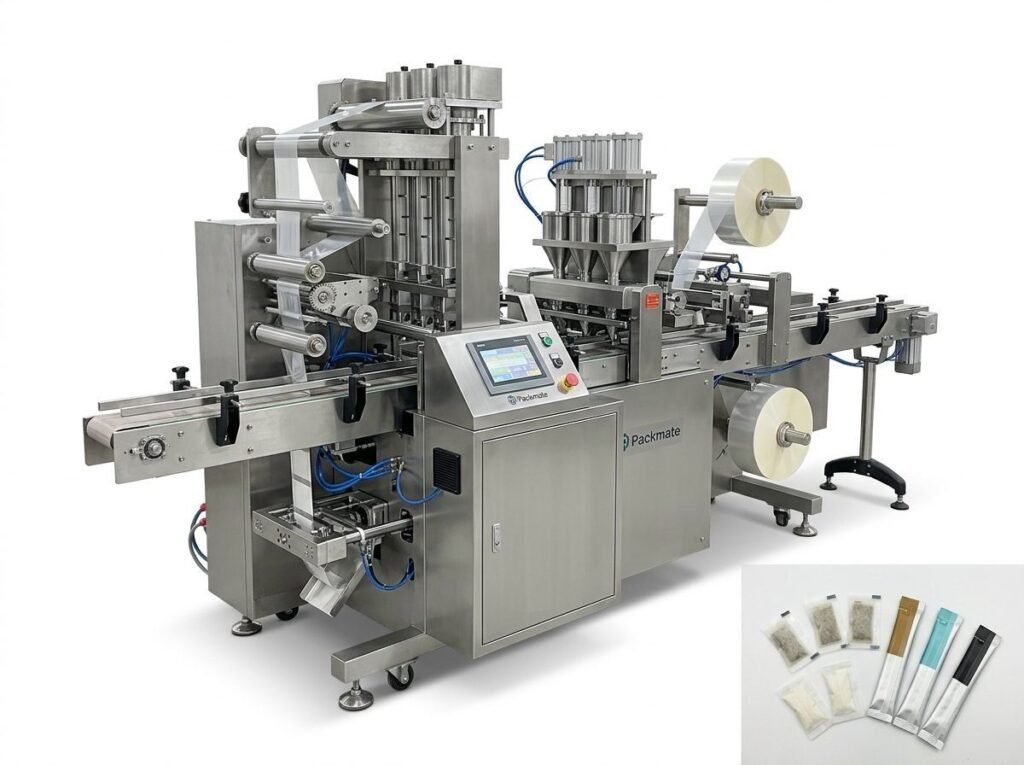
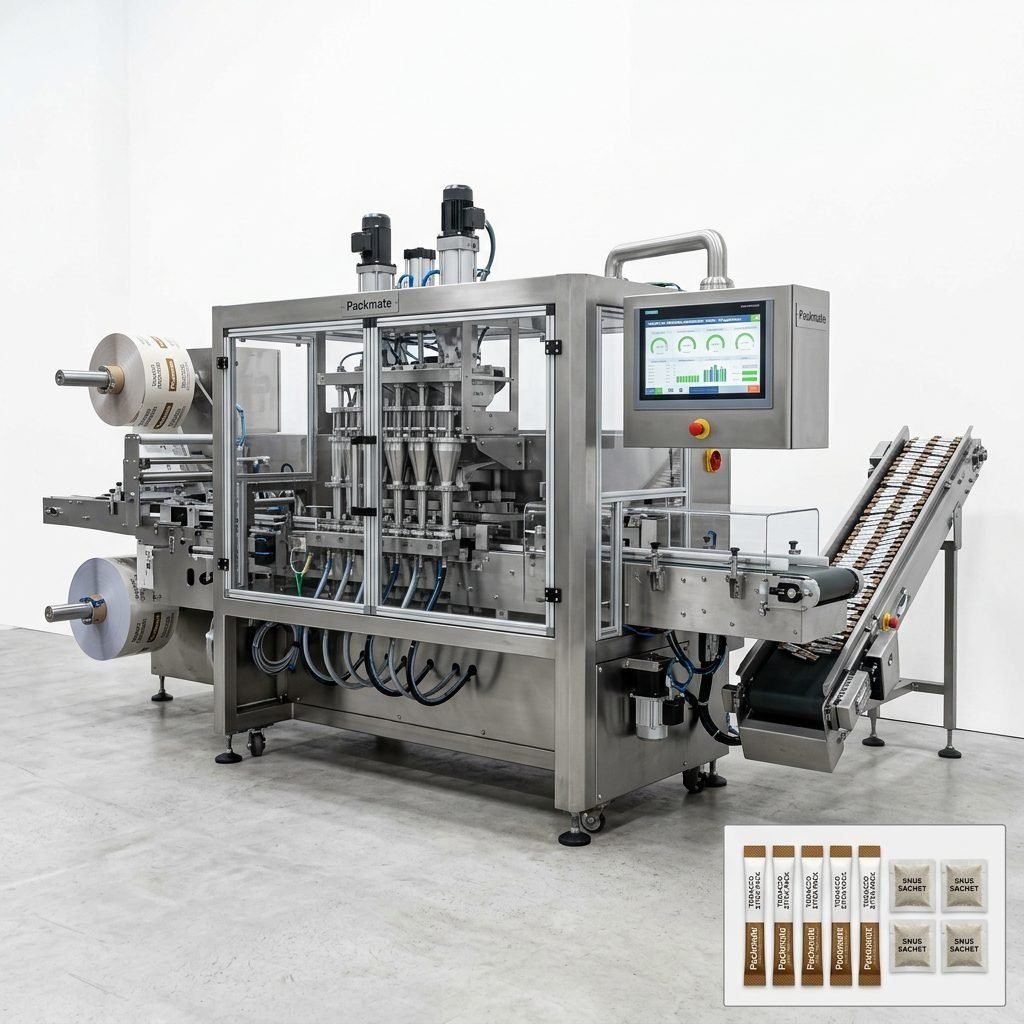
Look for machines that can handle your target pouch formats (snus pouch, nicotine pouch, sachet, stick pack) and provide easy changeovers. Multi-lane systems are ideal for small-dose pouches and higher throughput without multiplying footprint.
Build Quality and Materials
Choose manufacturers that use stainless steel where product contact occurs and protect electrical cabinets and drives against humidity. A robust CNC-manufactured chassis and proven sealing systems reduce downtime in humid coastal operations.
Automation & Integration
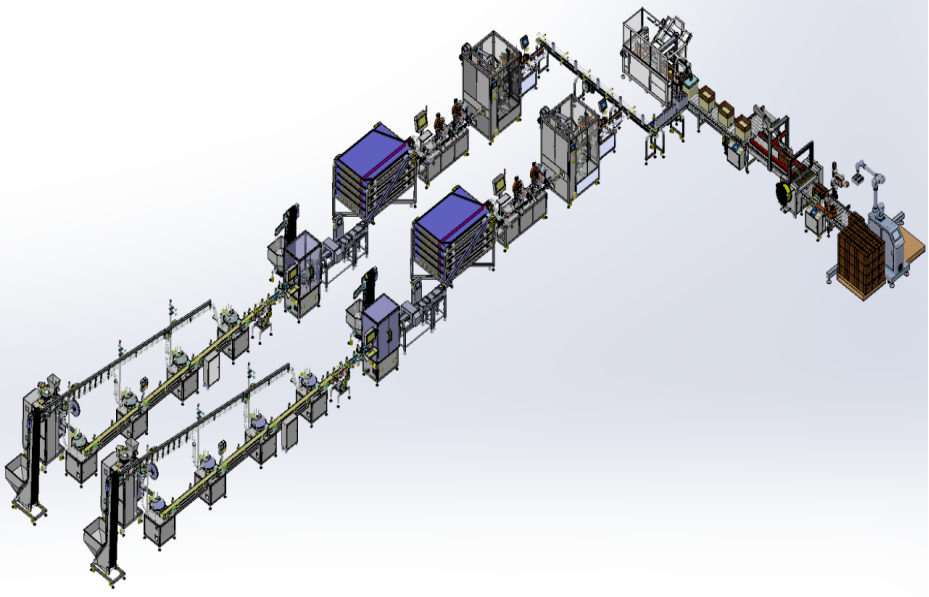
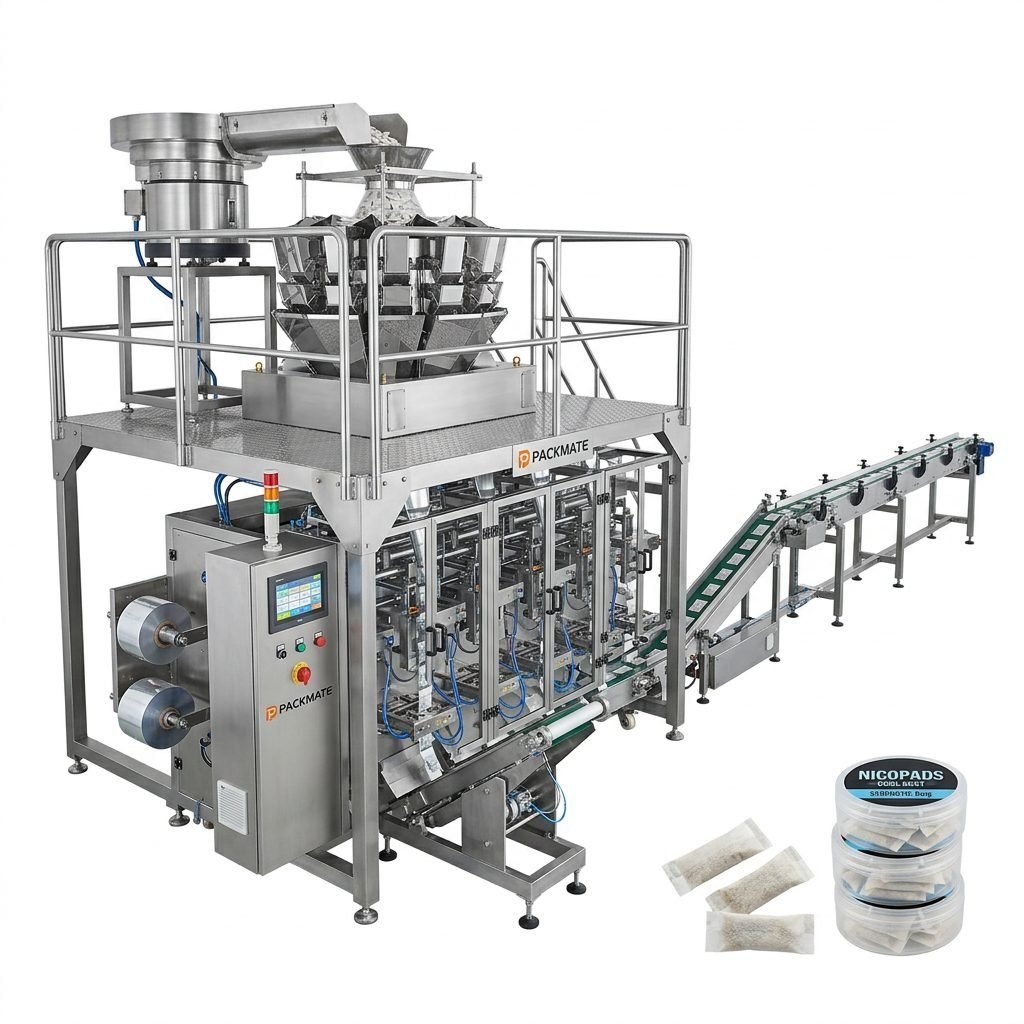
Consider turnkey solutions that include weighing, filling, labeling, and end-of-line packing. Integrated automation reduces manual handling and improves hygiene and traceability — crucial for nicotine-related products that may face sanitary scrutiny.
✓ Pro tip: Prioritize manufacturers that offer modular upgrades. As market demand changes, modular machines allow you to add lanes, integrate vision inspection, or upgrade software without a full replacement.
Evaluate Manufacturer Credentials & Factory Strength
A trustworthy supplier demonstrates both technical depth and manufacturing capacity. Key credentials to check:
-
Years of industry experience and a track record in snus or nicotine pouch machinery.
-
Factory area, CNC capabilities, and quality control processes — larger, well-equipped factories produce consistent machines.
-
International certifications (CE, ISO) that indicate compliance with recognized safety and quality standards.
For example, some suppliers offer 30+ years of engineering experience, a 20,000㎡ factory, and 50+ machine models — facts that signal maturity and the ability to deliver both standard units and custom turnkey lines. If you want to learn more about product ranges, check their product pages such as Snus & Nicotine Packaging Machines and Sachet & Stick Pack Machines.
Service & After-Sales Support in Nicaragua
After-sales support is often more important than the initial purchase price. Evaluate service responsiveness, spare parts availability, and local training capabilities:
Local Spare Parts Strategy
Ask about lead times for critical spares and whether the manufacturer has regional warehouses or partners near Central America. Faster access to spares reduces production downtime and shipping costs.
Training & Documentation
Ensure the supplier provides Spanish-language manuals, on-site commissioning, and operator training. Remote training via video calls can supplement, but initial on-site setup is especially valuable in Nicaragua to adapt equipment to local utilities and line layout.
⚠️ Important: Verify warranty terms, response time commitments, and whether engineers will assist with customs clearance and installation logistics in Nicaragua or nearby ports.
Logistics, Installation & Local Regulations
Logistics play a major role in the total cost and time to production. Nicaragua’s main ports (e.g., Puerto Corinto) and proximity to the Pan-American highway matter when planning delivery of large equipment. Consider these points:
-
Customs documentation: choose suppliers experienced in Central American exports who provide complete shipping and customs paperwork.
-
Power & utilities: machines must match local voltage and frequency, and sometimes need VFDs or stabilizers for erratic grids.
-
Installation footprint: local facility limitations and floor loading capacities must be discussed before shipment.
Financial & Commercial Considerations
Price is important, but total cost of ownership (TCO) — including energy consumption, spare parts, downtime, and upgrade capability — matters more. When comparing quotes, clarify:
Transparent Pricing
Request itemized quotes that separate machine cost, optional modules, shipping, installation, and spare parts kits. Consider financing options or leasing if large capital outlays are a constraint in your Nicaraguan operation.
References & Case Studies
Ask for references and real-world case studies — ideally examples of lines installed in tropical climates or Latin America. Manufacturer case pages and exhibitions can provide insight into global deployments; check their case examples at Case and exhibition history at Our Exhibition.
Choosing Between Local Agents vs. Direct Factory Purchase
There are two common routes to buy: working with a local agent/distributor in Central America or purchasing directly from the factory overseas. Each has pros and cons:
-
Local agents provide faster local support, easier communication, and sometimes in-country spare parts stock, but may add markup.
-
Direct factory purchases often cost less and allow for deeper customization, but require more logistics management and trusted remote support.
Recommendation
If you are starting in Nicaragua and value rapid service, a local partner with factory backing is ideal. For established manufacturers with experienced technical teams, direct factory relationships can be highly cost-effective if you arrange robust after-sales SLA and spare parts agreements.
🔧 Practical checklist:
• Spanish manuals & training | • Local spares availability | • CRC/stainless contact parts | • CE/ISO certificates | • Clear warranty & SLA
Why Packmate-like Manufacturers Are a Strong Option
Manufacturers with long histories in packaging machinery and an emphasis on snus/nicotine pouch solutions bring advantages such as targeted machine designs (multi-lane systems for small-dose pouches), extensive model ranges, and global support networks. Packmate-style providers often highlight:
-
3 decades of R&D and evolving machine families specifically for nicotine pouches and sachets.
-
Large manufacturing facilities with advanced CNC machining and strict QC processes that assure repeatability and durability.
-
Full turnkey lines including weighing, filling, and auxiliary equipment — see their Weighing & Packaging Systems and Filling & Packaging Lines.
Steps to Finalize Your Purchase
Follow a disciplined buying process to reduce risk and ensure on-time production:
-
Define your production targets: formats, speeds, daily capacity, and future scalability.
-
Request technical specifications, drawings, and power/air requirements from shortlisted manufacturers.
-
Arrange factory visits or virtual demos; inspect manufacturing quality and assembly practices.
-
Negotiate clear delivery, installation, and commissioning terms; include spare parts and training in the contract.
-
Plan customs and site preparation in Nicaragua: floor reinforcements, utilities, and permits.
Final Tips for Nicaragua-Specific Buyers
– Emphasize Spanish-language support and clear documentation.
– Confirm corrosion protection and ventilation for machines destined to coastal plants.
– Budget for local electrical conditioning or a UPS if grid stability is uncertain.
– Build relationships with a supplier that has exhibited at global shows and maintained international installations — this indicates maturity and global service reach.
🔍 Want to review supplier details? Explore manufacturer profiles and services pages for deeper technical specs and contact options: About Packmate, Service, and Contact Us.
Conclusion
Choosing the best snus packaging machine manufacturer for Nicaragua means balancing technical performance, local serviceability, and cultural fit. Prioritize vendors who understand humidity and coastal conditions, provide Spanish support, offer robust warranties, and deliver clear logistics and spare parts planning. With the right partner, you’ll reduce time to market, protect product quality, and build a scalable snus or nicotine pouch operation in the Nicaraguan market.
Frequently Asked Questions
Q1: How important is Spanish-language documentation and training for machines delivered to Nicaragua?
A1: Extremely important. Clear Spanish manuals and on-site or remote Spanish-speaking training reduce operator errors, speed up commissioning, and ensure effective maintenance by local teams.
Q2: What certifications should I ask for when evaluating a snus packaging machine supplier?
A2: Request CE and ISO certificates for safety and quality, plus any export compliance documentation. Ensure traceability of critical components and ask for material certificates for product-contact parts.
Q3: How can I reduce downtime due to spare parts delays in Central America?
A3: Negotiate spare parts kits with your purchase, ask the manufacturer about regional warehouses, and maintain a small in-country stock of critical wear parts to bridge shipping lead times.
Q4: Should I choose a multi-lane system for small-dose nicotine pouches in Nicaragua?
A4: If you plan moderate to high volumes or need flexibility, multi-lane systems are cost-effective and space-saving. They improve throughput while maintaining consistent dosing for small pouches.
Q5: What local factors in Nicaragua could impact installation timelines?
A5: Customs clearance, port schedules (e.g., Corinto), local permits, site readiness (floor loading/electrical), and availability of skilled installers can all affect timelines. Early coordination with your supplier and local logistics partners is key.