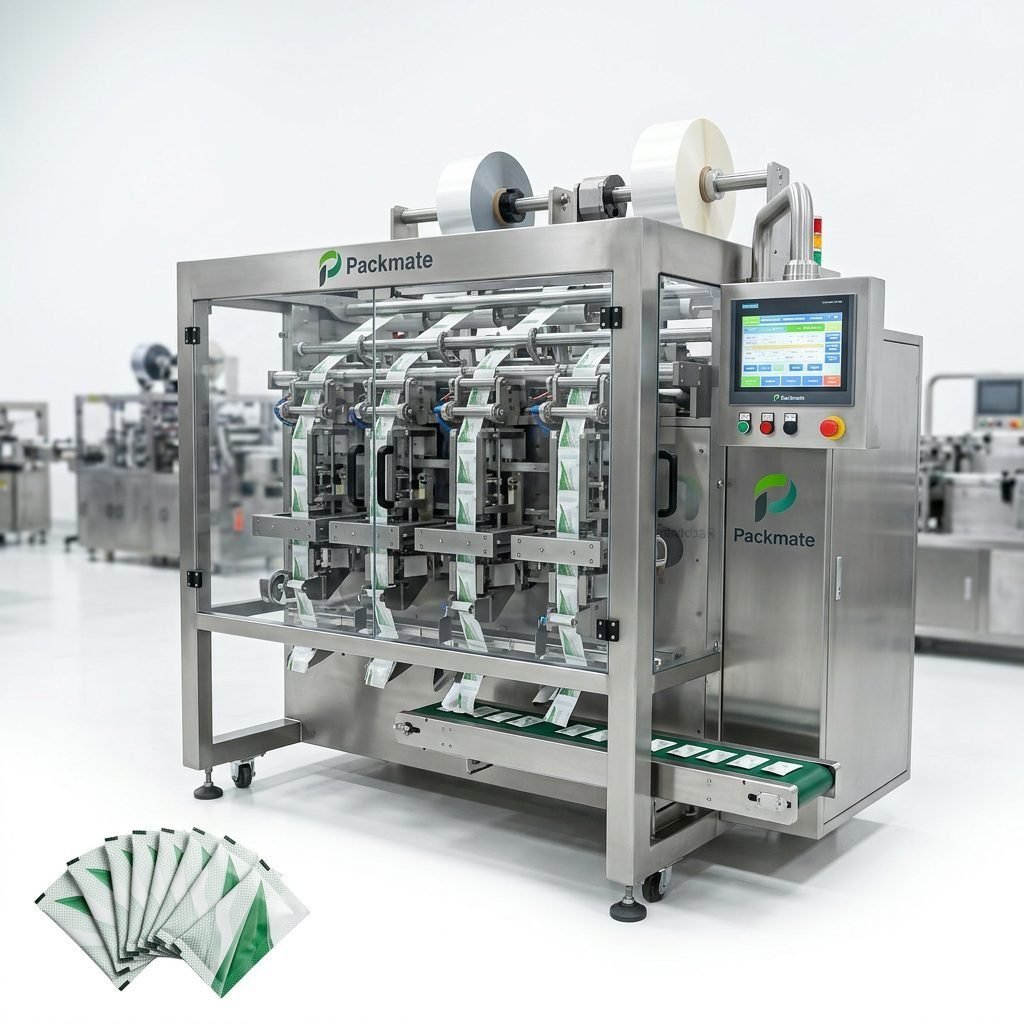
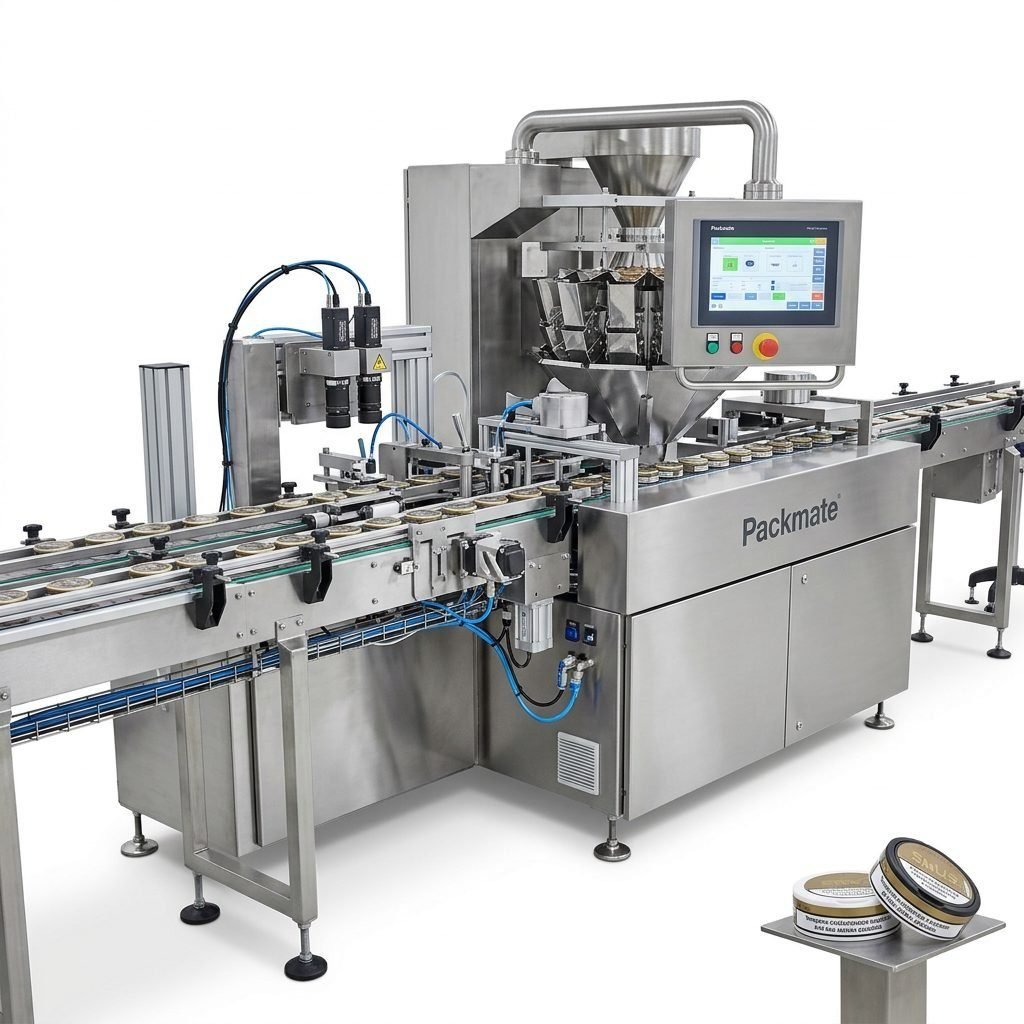
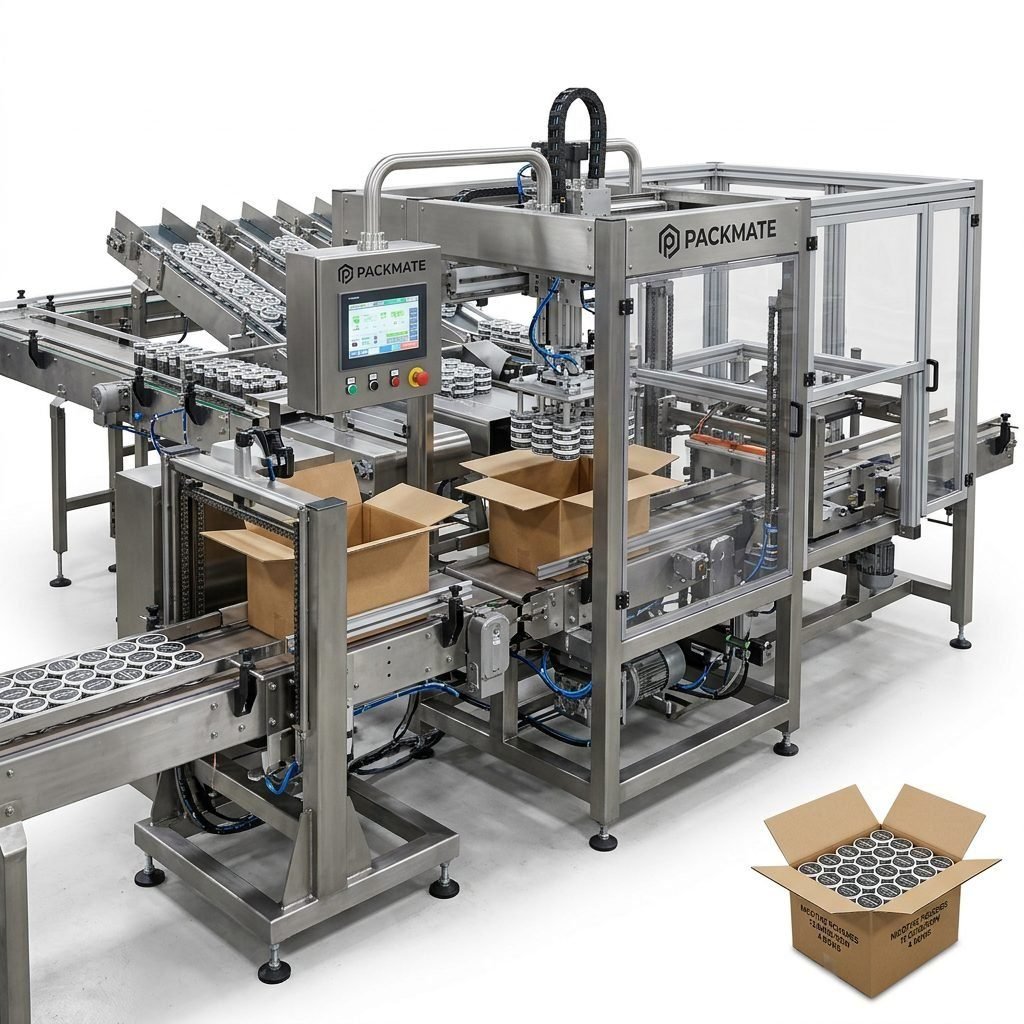
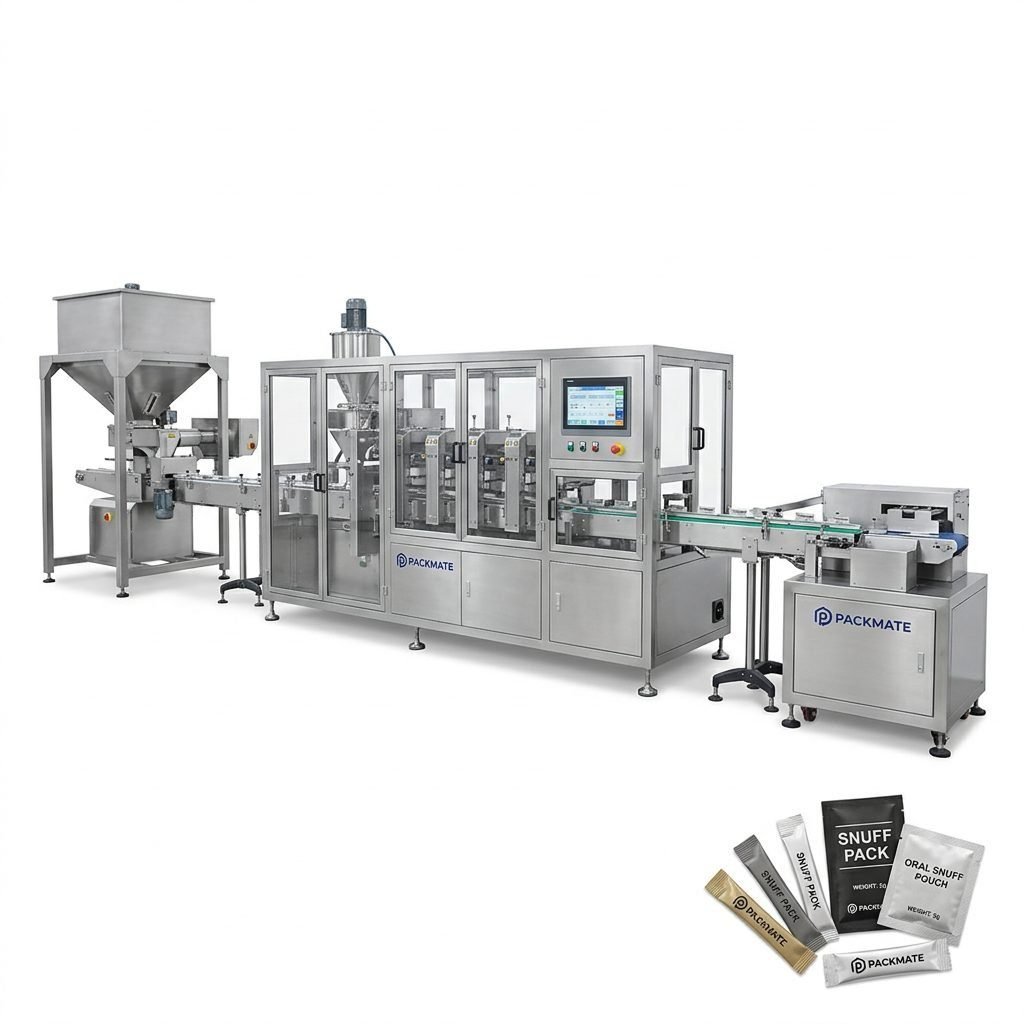
Choosing the right nicotine packaging machinery manufacturer in Côte d’Ivoire requires more than comparing prices and delivery times. In a market where packaging reliability, local support, and adaptation to tropical climates matter, understanding how a supplier meets technical, regulatory and cultural expectations is essential. This guide walks you through practical steps to select the best partner for snus and nicotine pouch production, with clear inspection points, local considerations for Côte d’Ivoire, and tips to secure long-term success.
Understand Your Production Needs First
Before you contact manufacturers, define your production targets: daily output, pouch format (single-dose, stick pack, sachet), multi-lane requirements, and acceptable downtime. Small urban retailers in Abidjan often prefer flexible, low-changeover lines, while larger distributors in industrial parks may require high-speed, multi-lane systems. Matching machine type to business model avoids overspending on unnecessary features.
Key specification checklist: speed (pouches/min), lane count, sealing type, filling precision, material compatibility (powder/loose nicotine/leaf), and footprint. Always confirm power and air requirements to fit Ivorian factory infrastructure.
Prioritize Corrosion-Resistant Construction for Coastal Climates
Côte d’Ivoire’s coastal humidity and salty air can accelerate corrosion. When evaluating suppliers, ask about the materials and protective finishes used. Machines with stainless steel contact parts, anti-corrosion coatings on frames, and sealed electrical cabinets will last longer and reduce maintenance costs in Abidjan, San-Pédro and other coastal areas.
What to inspect on site or via video demo
Request a live demonstration of the machine running your product or a close sample. Verify:
– Filling accuracy across lanes (consistency matters for regulatory compliance).
– Sealing integrity under different humidity/temperature scenarios.
– Changeover speed and tool-free adjustments for rapid SKU changes.
– Ease of cleaning and sanitation (important for product safety).
🔧 Ask for production reports and tolerance data from the manufacturer to validate performance claims rather than relying on brochures alone.
Evaluate Manufacturer Experience & Certifications
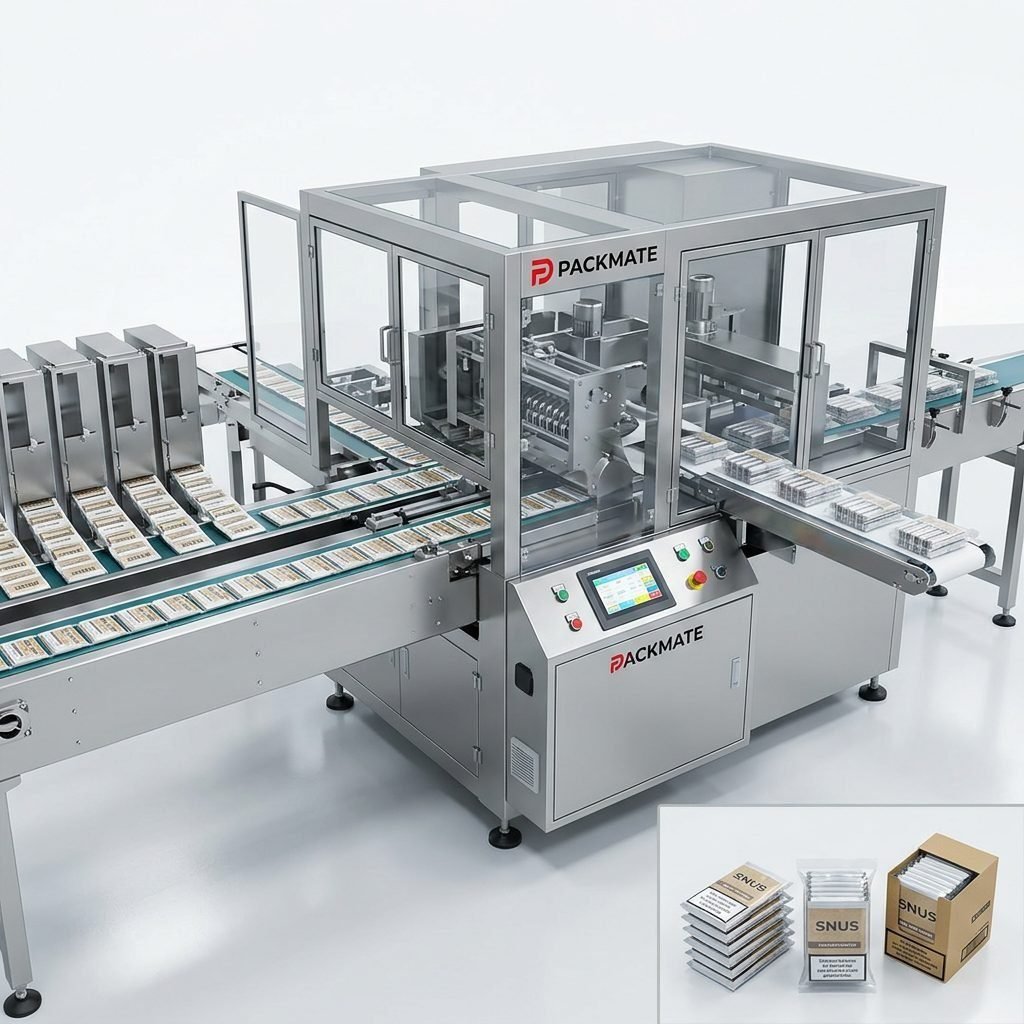
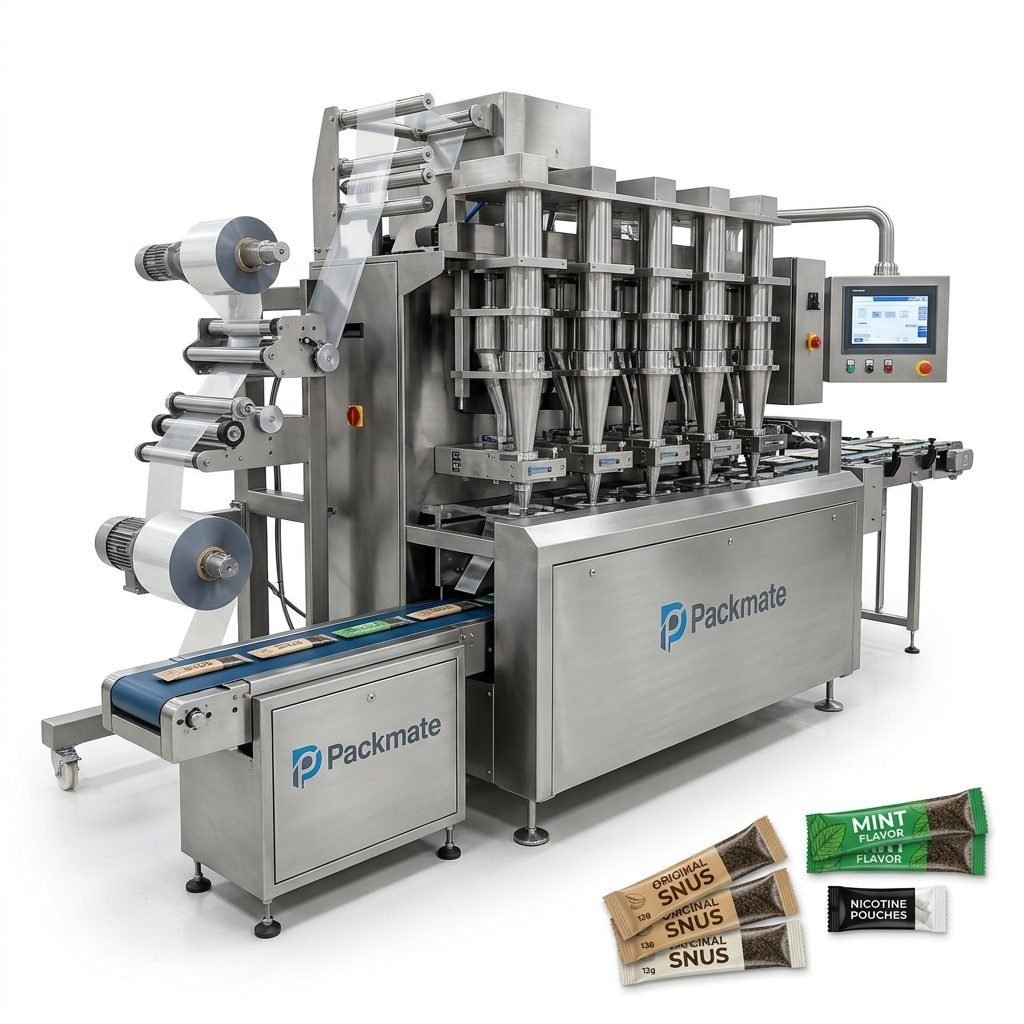
Experience in nicotine/snusespecific packaging is a major advantage. Manufacturers with decades of machine R&D and diverse product lines can address common pitfalls and provide proven solutions. Look for international certifications such as CE and ISO which indicate quality systems and easier customs clearance and financing. For example, Packmate Snus Machine emphasizes 30+ years of engineering experience, advanced CNC systems, and CE/ISO compliance—factors that matter when reliability and after-sales support are priorities.
Proven case studies and global reach
Check the manufacturer’s global case studies: successful installations across climates and regulatory regimes indicate maturity. If available, ask for references in West Africa or similar tropical markets. Manufacturers that exhibit at global trade shows and maintain international partnerships usually provide better documentation and spare parts logistics.
After-Sales Service, Training & Local Language Support
In Côte d’Ivoire, business relationships and clear communication are vital. Prioritize suppliers who offer:
– Technician training in French (official language) and, when possible, local dialect awareness;
– Fast spare parts shipment and local stock options;
– Remote support and clear troubleshooting guides tailored to your machine model.
✅ Tip: Negotiate an initial on-site commissioning visit and a defined SLA for spare parts delivery times to avoid long downtimes.
Customization & Turnkey Solutions
Nicotine pouch brands in Côte d’Ivoire may need custom packaging sizes, printing, or multi-lane formats. A reputable manufacturer should offer:
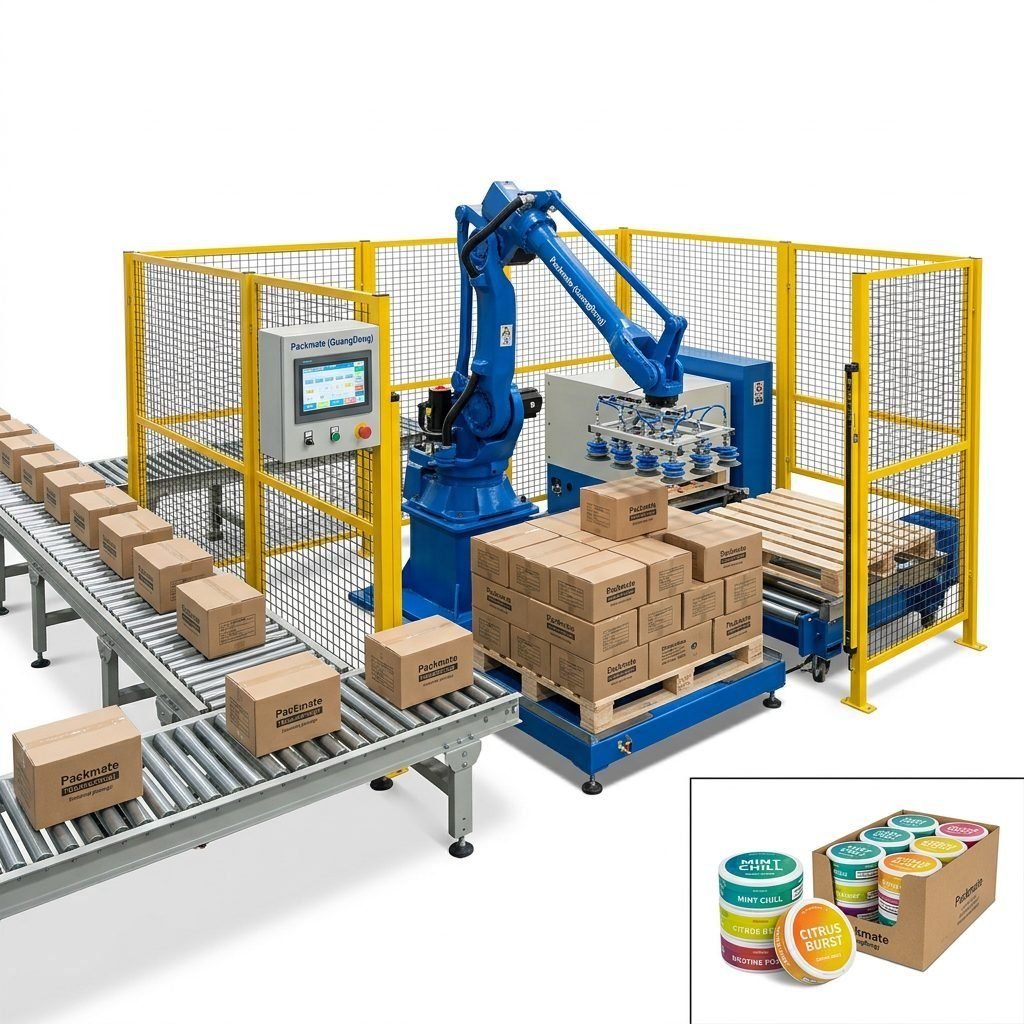
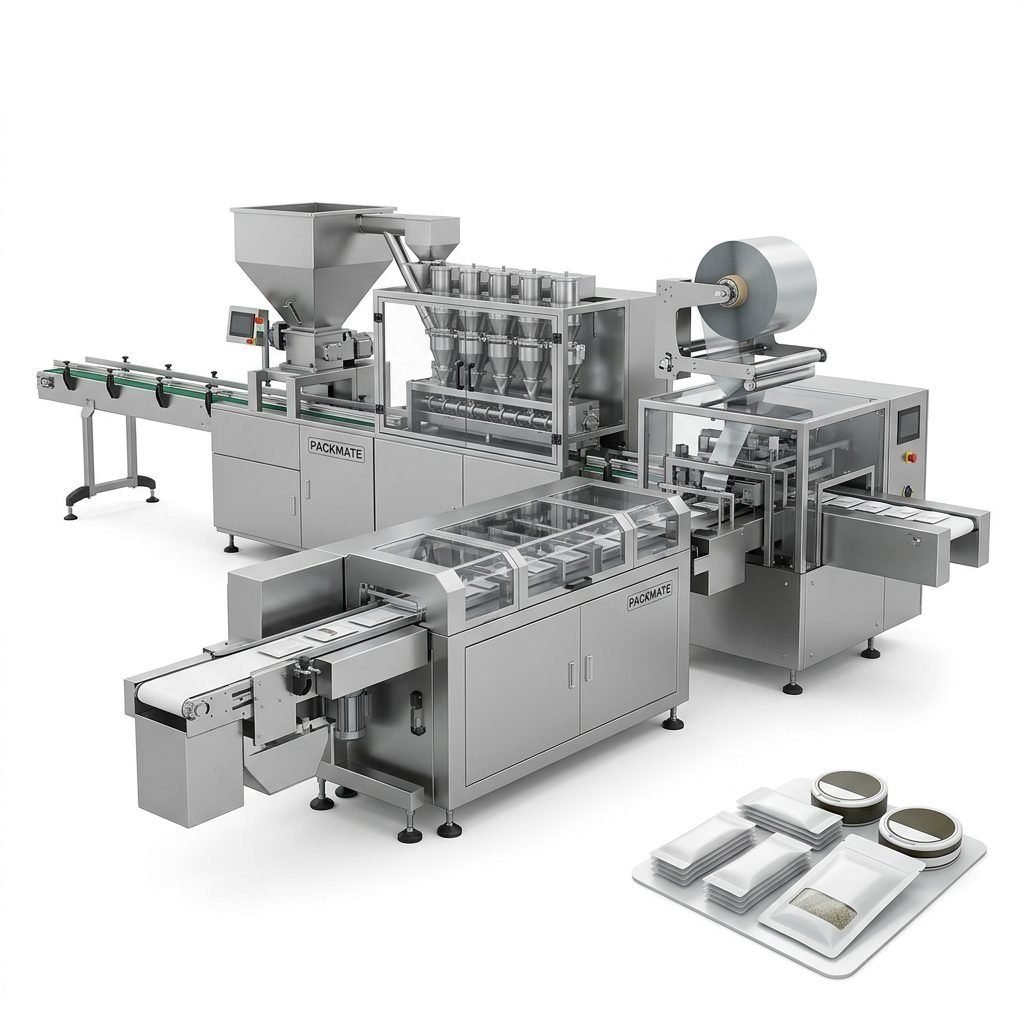
– Turnkey lines that integrate weighing, feeding, sealing, and secondary packaging;
– Custom tooling and software interfaces to manage multiple SKUs;
– Modular options so your line can grow with demand.
If you need an integrated system, explore product categories like Snus & Nicotine Packaging Machines and Filling & Packaging Lines to understand available configurations and compatible auxiliary equipment.
Quality Control, Spare Parts & Consumables
Continuous production relies on quick access to consumables (sealing jaws, belts) and genuine spare parts. Confirm the manufacturer’s spare parts policy, lead times, and local partners. A robust QC process should include factory acceptance testing (FAT) with your product and full documentation for calibration and maintenance.
📦 Inventory planning: keep an initial spares kit (belts, sensors, fuses, sealing components) to reduce the risk of stoppages during the first 6–12 months.
Pricing, Payment Terms & Local Import Considerations
When comparing quotes, evaluate total landed cost: machine price, sea freight, insurance, customs duties, and installation. Suppliers who provide clear export documentation (packing list, commercial invoice, CE/ISO certificates) speed up customs clearance. In Côte d’Ivoire, working capital and payment methods may favor staged payments: deposit, factory acceptance milestone, and final payment after commissioning.
If you want to verify the manufacturer’s credentials or learn more about their production capabilities, review their company profile and capabilities on pages like About Packmate and check certificates at Certificate.
Compliance & Local Regulations
Regulations for nicotine products and packaging labeling vary. Engage with local legal advisors to ensure your packaging and claims comply with Ivorian authorities. Manufacturers who understand export documentation and provide traceability features (batch coding, serialization) will help you meet evolving regulatory demands in West Africa.
Cultural & Market Nuances in Côte d’Ivoire
– Business etiquette: building trust through repeated meetings and clear commitments is valued. Plan follow-up visits or virtual demos in French.
– Distribution networks: many sales happen through neighborhood kiosks and informal retail; packaging durability and convenience influence repeat purchases.
– Seasonal influences: high humidity seasons can affect product shelf life and package integrity — choose packaging films and seals tested for local climates.
🌍 Local tip: Provide French-language manuals and onsite training to speed operator adoption and build long-term goodwill.
Factory Visit & Factory Capability Checks
If possible, schedule a factory inspection or virtual tour to verify production capacity, CNC facilities, and assembly processes. Confirm the manufacturer has robust QA practices and a testing bay for running your product. Packmate’s large manufacturing area and precision assembly systems are examples of attributes you should verify: modern CNC, precision lines, and documented FAT procedures.
What to ask during a factory tour
– How many machines of the same model have been produced and shipped?
– Can they provide sample production videos with your product type?
– What QA tests are performed and what documentation accompanies delivery?
Negotiate Clear Warranties & Training Packages
A strong warranty and defined training scope reduce risk. Ensure the contract specifies warranty duration, excluded items, response times for onsite support, and whether commissioning includes operator training in French. Consider adding an optional maintenance contract for the first two years to secure predictable costs.
🔍 Red flag: vague spare parts policies or no factory acceptance testing—these increase downstream risk.
Make Your Final Selection: Scorecard Approach
Create a weighted scorecard to compare suppliers on: machine performance (30%), after-sales & spare parts (25%), local support & language (15%), cost & payment terms (20%), and certifications & references (10%). This objective approach helps prioritize what matters most in the Ivorian market.
For product details and to match machine types to your needs, explore categories such as Sachet & Stick Pack Machines, Weighing & Packaging Systems, and auxiliary equipment to build a complete line.
Final considerations before signing the contract
– Confirm installation scope and who will bear costs for civil works or special utilities.
– Agree on FAT acceptance criteria and product sample sign-off procedures.
– Clarify training language, duration, and who will provide translators if needed.
– Ask for a spare parts kit and recommend stocking critical items locally.
📄 Contract tip: include a clause for remote support availability and agreed response times for critical failures.
Where to Start: Next Practical Steps
1) Prepare a clear technical brief specifying product specs, formats, and desired speeds.
2) Request quotes and FAT videos from shortlisted suppliers.
3) Check references and inspect a running machine where possible.
4) Negotiate warranty, training and spare parts terms in French-friendly documentation.
5) Plan logistics and customs documentation to avoid delays at port.
If you want to view manufacturer catalogs or request direct contact, consider visiting their official pages such as Catalog and Contact Us to start the conversation.
Summary — What makes the best manufacturer for Côte d’Ivoire?
In short, the ideal partner combines proven nicotine/snusspecific experience, corrosion-resistant machine design, French-language service, clear spare parts strategies, and turnkey integration capabilities. Prioritize vendors who demonstrate real field performance, provide transparent documentation and offer local-friendly support structures.
Frequently Asked Questions
Q1: How important is local language support?
A1: Extremely important. Training, manuals and remote support in French reduce misunderstandings and speed up operator competency in Côte d’Ivoire.
Q2: Should I buy the fastest machine available?
A2: Not necessarily. Choose a machine that aligns with your production plan and operator capability. High-speed lines require stronger SOPs, QA and maintenance to keep uptime high.
Q3: What spare parts should I stock locally?
A3: Belts, sensors, sealing jaws, heating elements, common PLC fuses and an extra set of nozzles or dosing parts specific to your product.
Q4: How do I ensure machines perform under humid conditions?
A4: Require corrosion-resistant materials, sealed electrical cabinets, and FAT evidence showing stable performance under humidity/temperature tests.
Q5: Where can I learn more about turnkey solutions?
A5: Review detailed production lines and product categories on the manufacturer’s website such as their Auxiliary Packaging Equipment and service pages to understand complete offerings and support options.