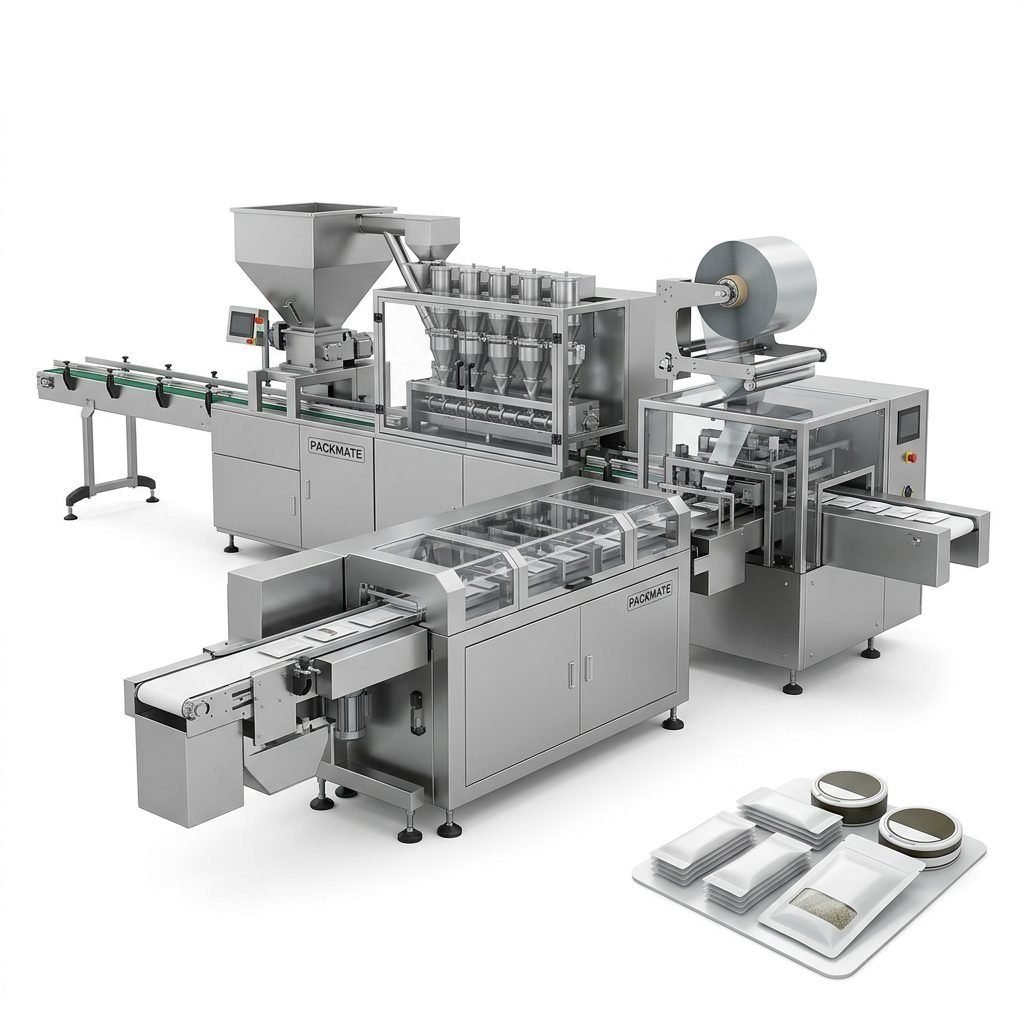
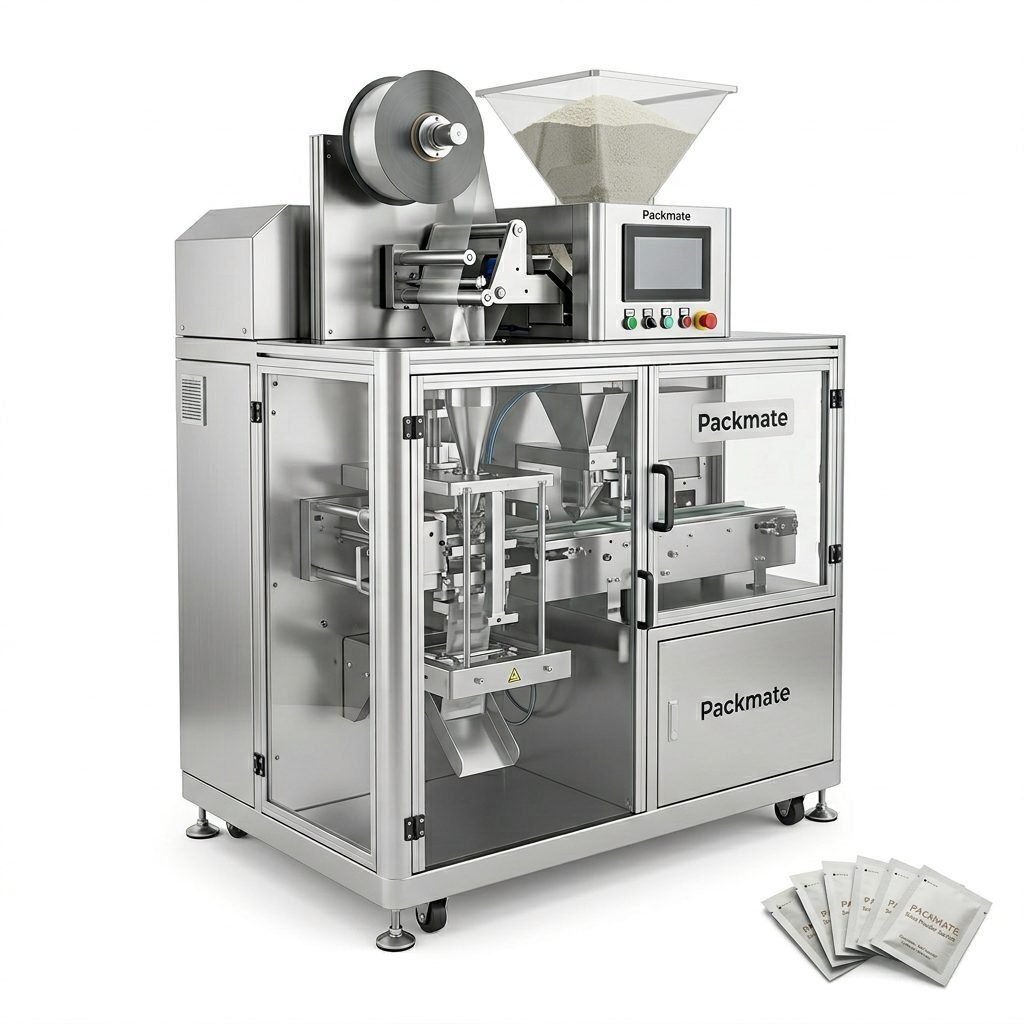
Choosing the right nicotine packaging machine manufacturer for your Indian business is a decision that affects product quality, regulatory compliance, production efficiency, and long-term costs. This guide walks you through practical steps, local considerations, and evaluation criteria so you can confidently select a supplier that matches your volume, product format, and growth plans.
Understand the Indian Market & Cultural Context
India’s tobacco and nicotine product regulations, distribution patterns, and consumer habits vary widely across states. While traditional products like gutka and khaini have long histories, the nicotine pouch and snus markets are emerging more cautiously. When evaluating manufacturers, consider how your packaging format (pouches, stick packs, sachets) will align with:
• state-level regulatory enforcement and licensing timelines; packaging compliance (warnings, language, and labeling) requirements in India;
• distribution channels—modern trade, small kiosks, online platforms—and how packaging size and branding affect shelf appeal;
• local preferences for portion sizes and formats during festivals or seasonal demand spikes.
Key Technical Capabilities to Verify
🔧 Production Speed & Stability: Ensure machines meet your target output (pouches per minute) while maintaining stable dosing. High-speed multi-lane systems are essential for small-dose nicotine pouches to keep costs down.
⚙️ Dosing Accuracy: Powder and small-pouch filling require precise weighing systems. Check integration with advanced weighing modules and how they handle varying powder flow characteristics.
🔩 Material Compatibility: Verify the machine supports your chosen materials—multi-layer film, foil laminates, biodegradable options—and seal types (fin, lap, or three-side).
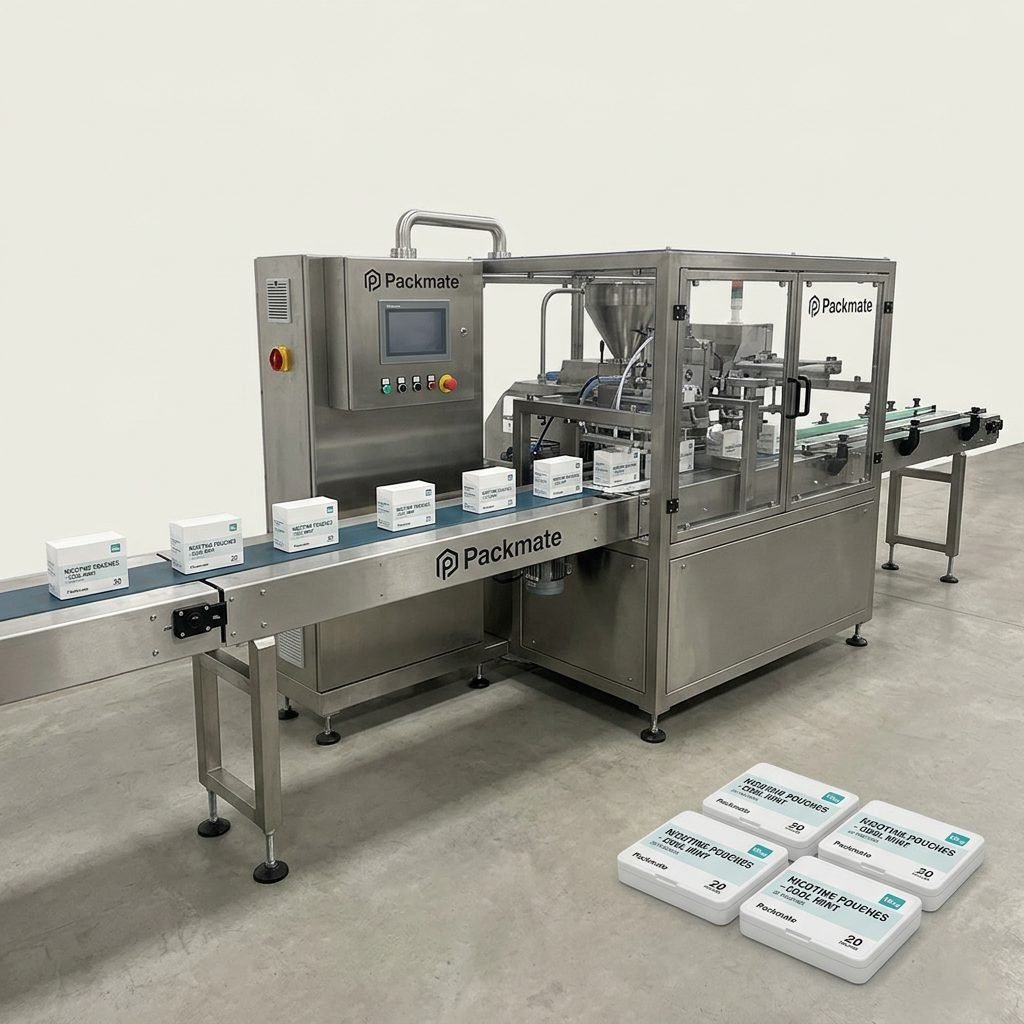
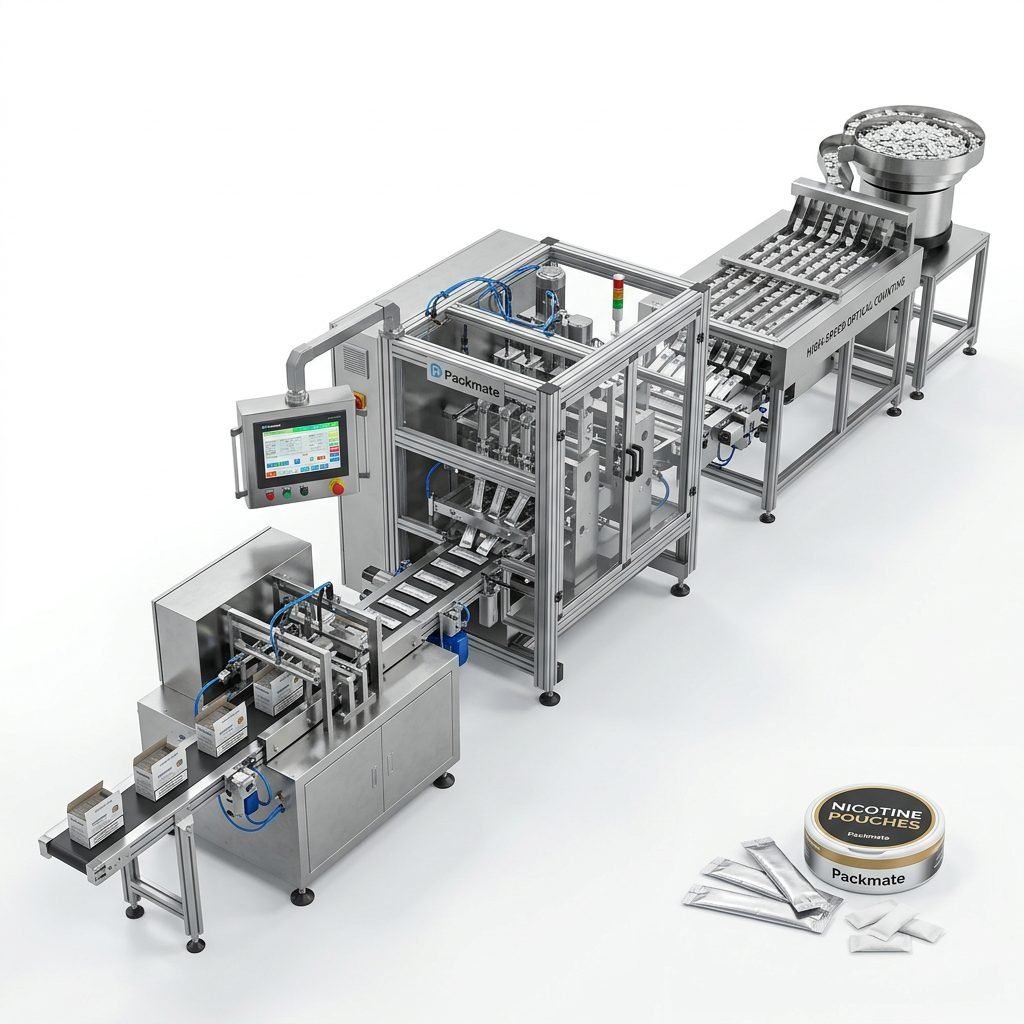
🧰 Automation & Integration: Look for turnkey options that integrate forming, filling, sealing, date/code printing, and case packing to reduce manual handling.
Manufacturing Strength & Certifications
Factory capability is a major differentiator. Prefer manufacturers with in-house CNC machining, precision assembly lines, and established QC processes. International certifications (CE, ISO) demonstrate adherence to safety and quality systems—essential if you plan to export or work with global distributors.
Assessing the Manufacturer: What to Check
📍 Production Footprint: Factory size, number of models produced, and custom engineering capacity—larger facilities with diverse models can typically support faster customization and spare parts availability.
📍 R&D & Experience: Look for manufacturers with decades of experience in pouch and multi-lane systems—this reduces risk in scaling small-dose nicotine pouch production.
📍 After-sales Support: Local service partners or responsive remote support are crucial. Ask about spare parts lead times, remote debugging options, and training for operators.
📍 Customer References & Case Studies: Request case studies or client references—preferably from similar product types or regional markets.
Practical Checklist for Factory Visits
Before placing an order, plan a site visit or live demo—either in-person or online. Use this checklist:
• Evaluate the assembly lines and machining centers—are critical parts produced in-house?
• Observe a live run with your product or a close analog—watch for consistency in fill weights and seal quality.
• Inspect raw material handling, dust control, and hygiene, especially for powder-filled nicotine pouches.
• Confirm test reports, CE/ISO documentation, and quality control protocols for each machine model.
Choosing the Right Machine Type
Different product formats require different technologies. Match machine capabilities to your product design:
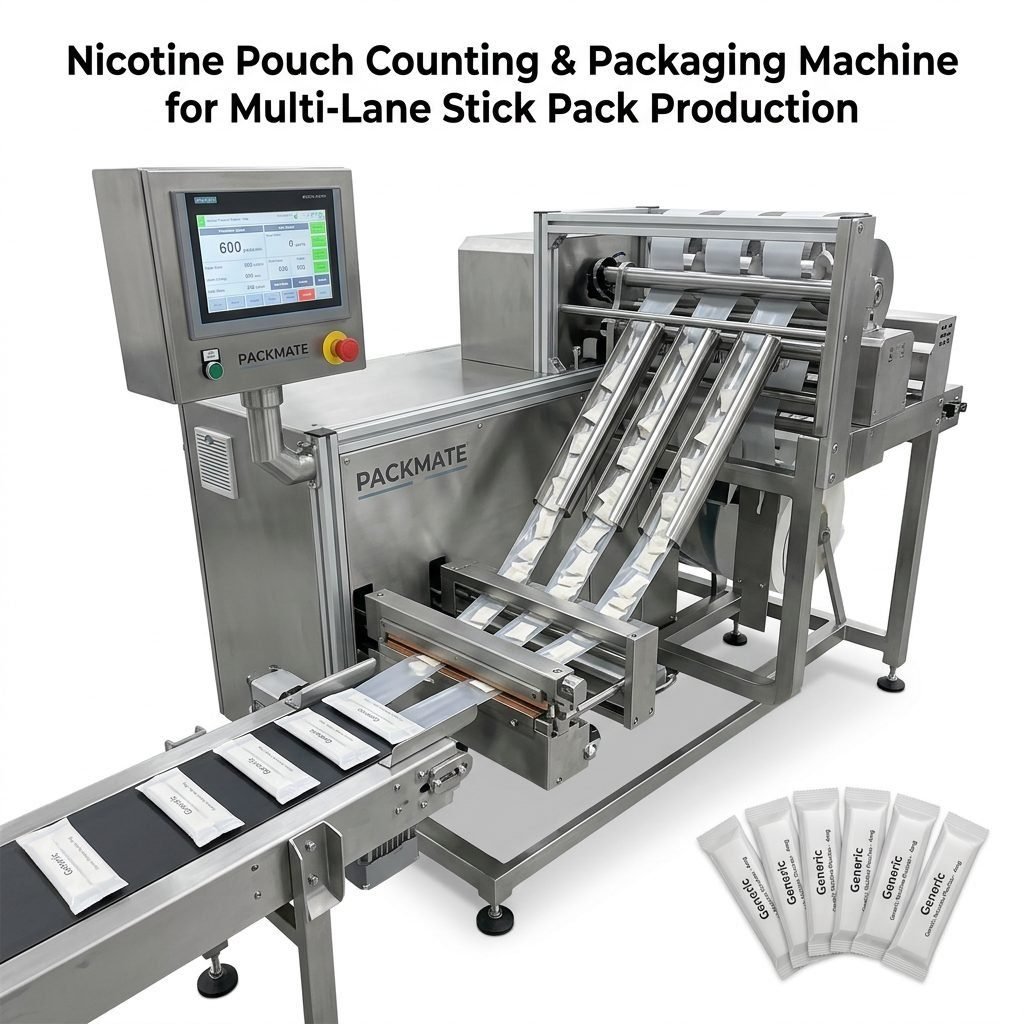
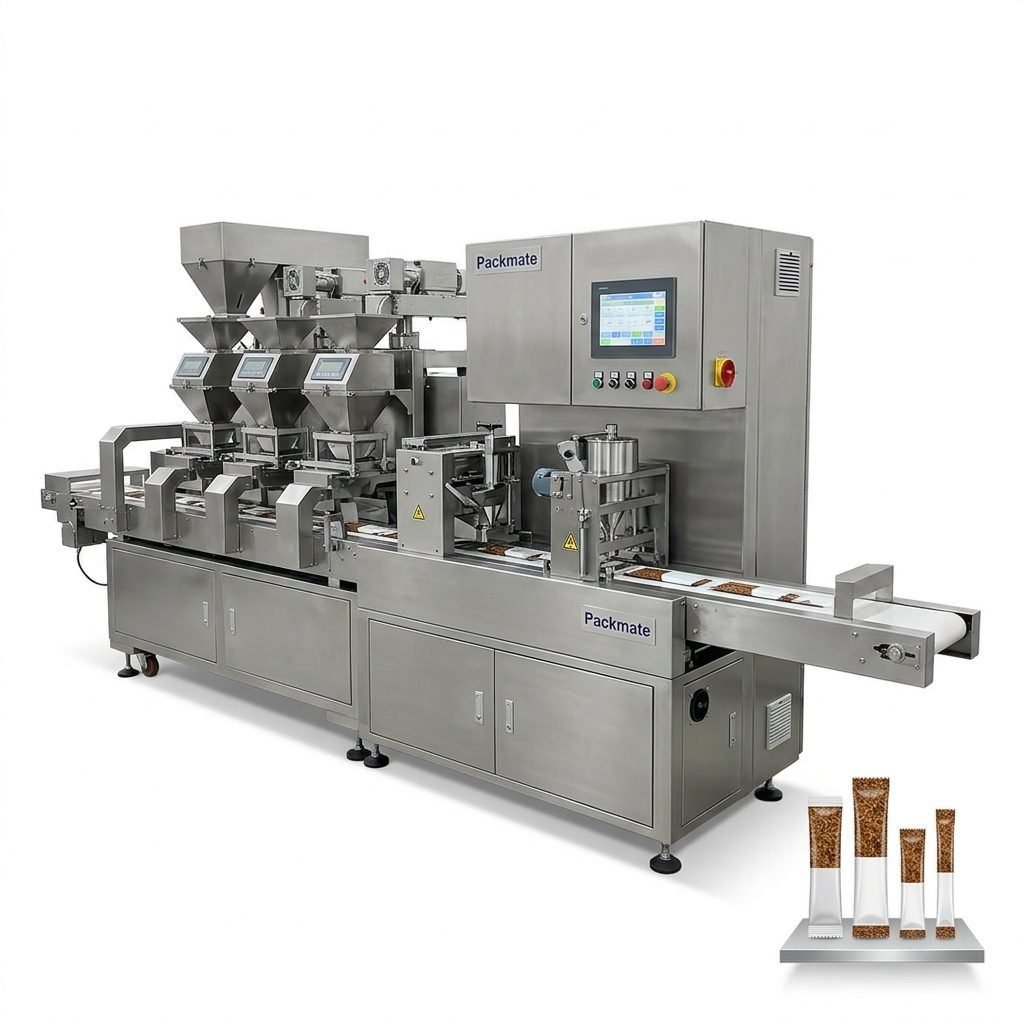
Sachet & Stick Pack Machines: Ideal for single-portion liquid or powder dosing with high-speed packaging and simple sealing.
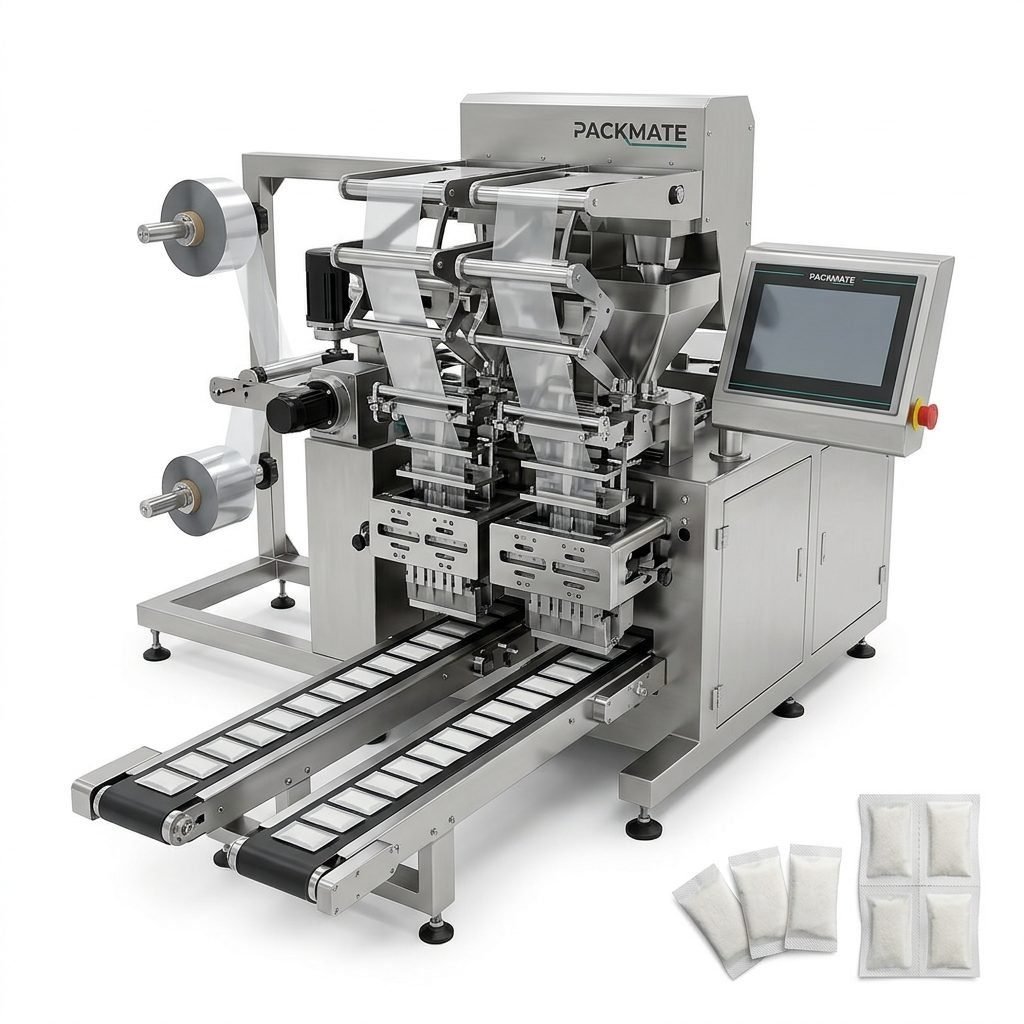
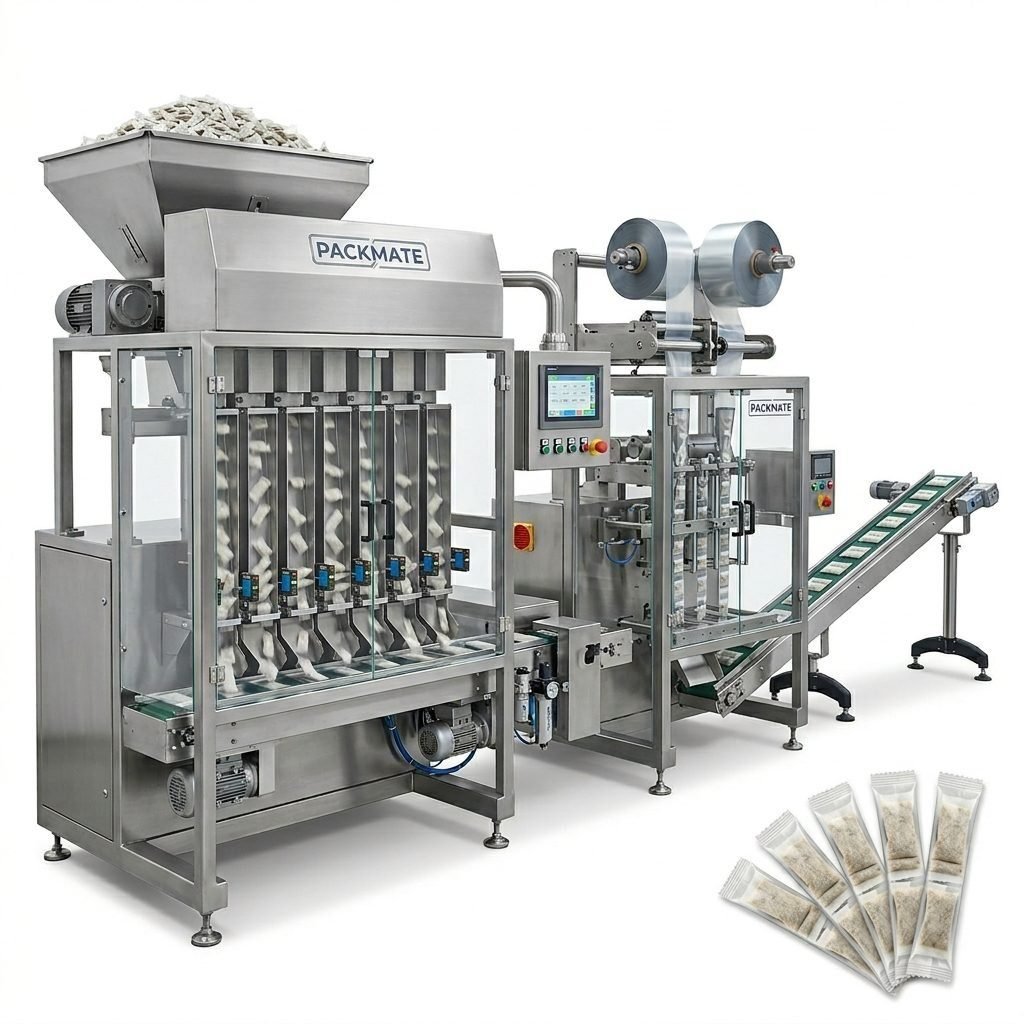
Multi-lane Pouch Machines: Best for nicotine/snuss pouches where small-dose accuracy and multi-lane throughput reduce per-unit costs.
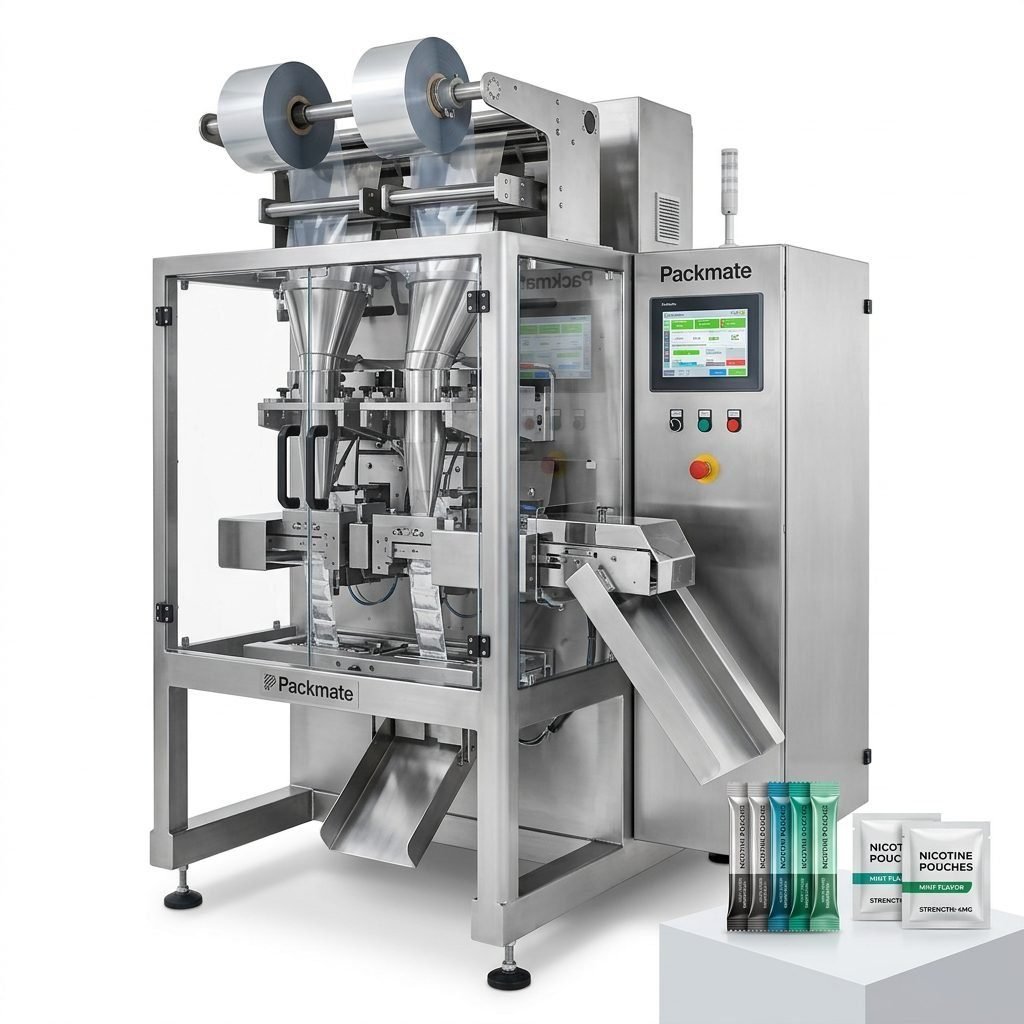
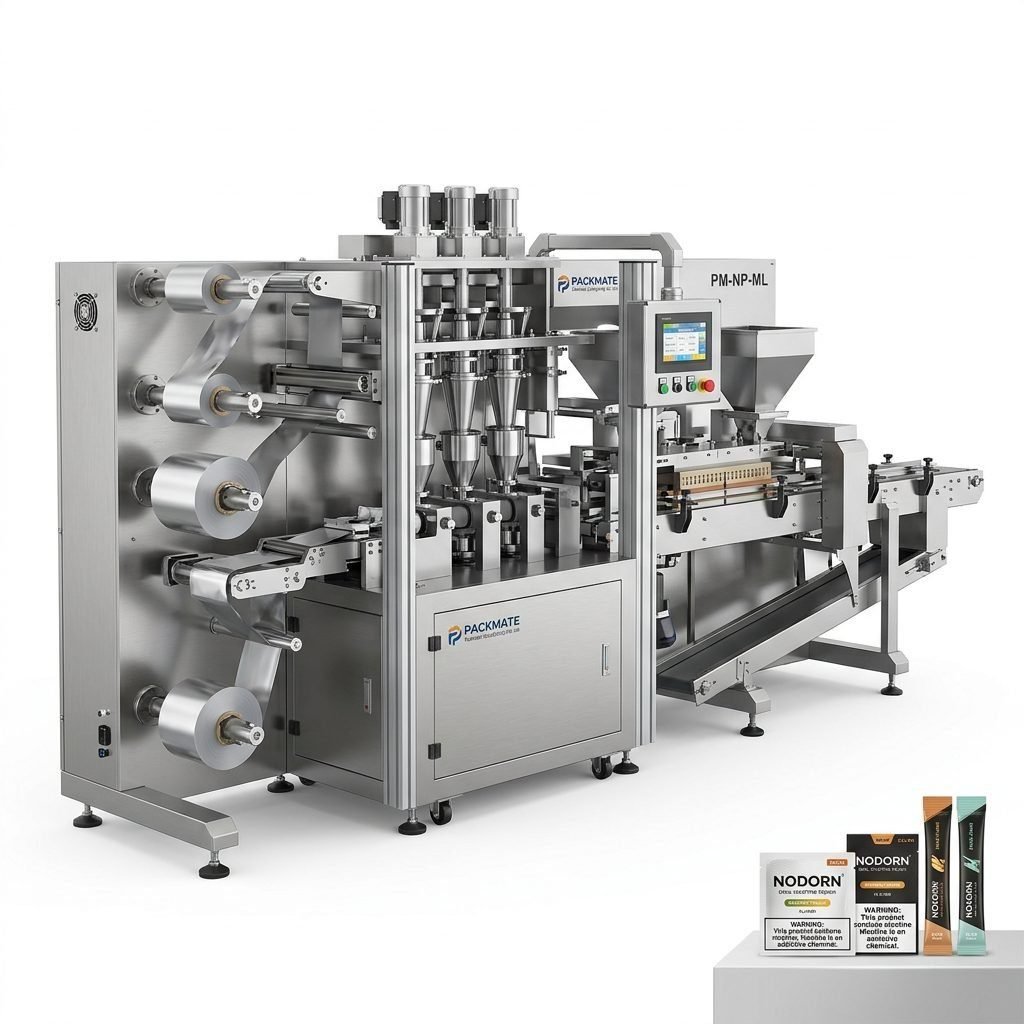
Custom Form-Fill-Seal Lines: For complex laminated films, zipper pouches, or formats requiring secondary packaging.
Cost, Financing & Return on Investment
Price is important but should be balanced against long-term cost savings and uptime. Consider:
• Total cost of ownership: initial price + shipping, customs, installation, spare parts, consumables, and maintenance;
• Expected uptime and throughput—higher speeds and fewer stoppages shorten payback periods;
• Financing options: some vendors offer leasing or phased payment plans—ask if available.
After-sales Support & Spare Parts Strategy
📦 Spare Parts Availability: Verify common wear part lead times and whether the manufacturer stocks parts centrally for India.
🛠️ Training & Documentation: Insist on operator training, maintenance manuals, and troubleshooting guides in English and local languages if needed.
📞 Remote Support: Ask about phone/video diagnostics, PLC parameter access, and on-site service commitments.
Regulatory Compliance & Labeling in India
India’s rules on nicotine and tobacco vary, and packaging must comply with central and state regulations. Manufacturers should be familiar with:
• Mandatory labeling formats, health warnings, and language-specific requirements;
• Code and batch printing capabilities for traceability;
• Material choices that support tamper evidence, legal markings, and shelf life protection.
Why Work with Experienced Suppliers Like Packmate
Manufacturers with long-term experience in nicotine pouch packaging bring proven designs, multi-lane systems, and turnkey lines that save time. Evaluate vendors that:
• Offer a broad product portfolio from single machines to complete filling & packaging lines;
• Have a solid global footprint and exhibition presence to validate reliability;
• Provide certifications and documented case histories.
For reference and more technical details, review Packmate’s product categories like Snus & Nicotine Packaging Machines, Sachet & Stick Pack Machines, and their About Packmate page to learn about manufacturing capabilities.
Inspection & Testing Before Acceptance
✔️ Factory Acceptance Test (FAT): Require FAT with real materials and print a full shift to test weight stability, sealing integrity, and code printing.
✔️ Performance Guarantee: Include contractual guarantees for speed, accuracy, and uptime with remedies if metrics aren’t met.
✔️ Packaging Trials: Conduct trials for primary and secondary packaging to ensure machine compatibility and ergonomic handling for manual packers.
Logistics, Installation & Local Support in India
Plan for customs clearance, inland transport, and installation. Suppliers with local partners or prior shipments to India can simplify documentation and avoid delays. Also confirm:
• On-site installation timelines and who bears customs/duties;
• Local training availability for Indian operators and technicians;
• Spare parts stocking strategy—fast-moving parts should be available locally or shipped quickly.
Sustainability & Future-proofing
As environmental concerns rise in India, consider packaging solutions and films that reduce plastic content or use recyclable laminates. Machines that easily adapt to new film types and formats will protect your investment against future regulatory changes.
Decision Matrix: How to Compare Finalists
Create a scoring table that weighs the following categories according to your priorities:
• Technical fit (speed, accuracy) — 30%
• Manufacturing credibility & certifications — 20%
• After-sales support & parts — 20%
• Total cost of ownership & financing — 20%
• Local regulatory experience & references — 10%
A Practical Example & Next Steps
If you need a multi-lane pouch line for nicotine pouches, request vendors to:
• Provide a line layout and footprint to confirm factory floor fit;
• Share energy consumption metrics for operational budgeting;
• Demonstrate prior installations and share references or case studies—see their Case listings for real examples.
When ready to contact suppliers, use the manufacturer’s official channels so quotations, warranties, and documentation are traceable—visit the Contact Us page for formal enquiries.
Final Recommendations
• Prioritize proven multi-lane systems for nicotine pouches to minimize per-unit costs.
• Require FAT and a clear spare-parts plan—downtime is costly in India’s fragmented distribution environment.
• Choose a partner with export-level certifications (CE/ISO) and real-world installation evidence.
Useful Resources
Explore product types and modules via the manufacturer’s product pages such as Filling & Packaging Lines and supporting systems like Weighing & Packaging Systems.
Frequently Asked Questions (FAQs)
Q1: How important are CE/ISO certifications for machines sold in India?
Certifications like CE and ISO indicate that manufacturing and safety processes meet international standards. They are particularly important if you export, partner with global brands, or need documented quality control for lenders or compliance audits.
Q2: What lead times should I expect for customized snus/nicotine pouch machines?
Lead times vary with customization level, but expect 8–20 weeks for complex multi-lane turnkey lines including FAT. Confirm delivery milestones in contracts and factor in shipping/customs for India.
Q3: Can I get local installation and training in India?
Many established suppliers provide on-site installation and operator training. If local technicians are not available, remote commissioning and training via video are common—ensure language and documentation support for Indian operators.
Q4: How do I manage spare parts inventory efficiently?
Start with a critical spares list (seals, belts, sensors), keep fast-moving parts in local stock, and arrange for priority shipping for less-common items. Ask your supplier about spare part kits and recommended spare inventories.
Q5: Where can I find manufacturer references and real-world examples?
Request case studies and contact details for installations similar to your product. Many manufacturers publish case examples and exhibition records—review the supplier’s case page and exhibition history for validation.