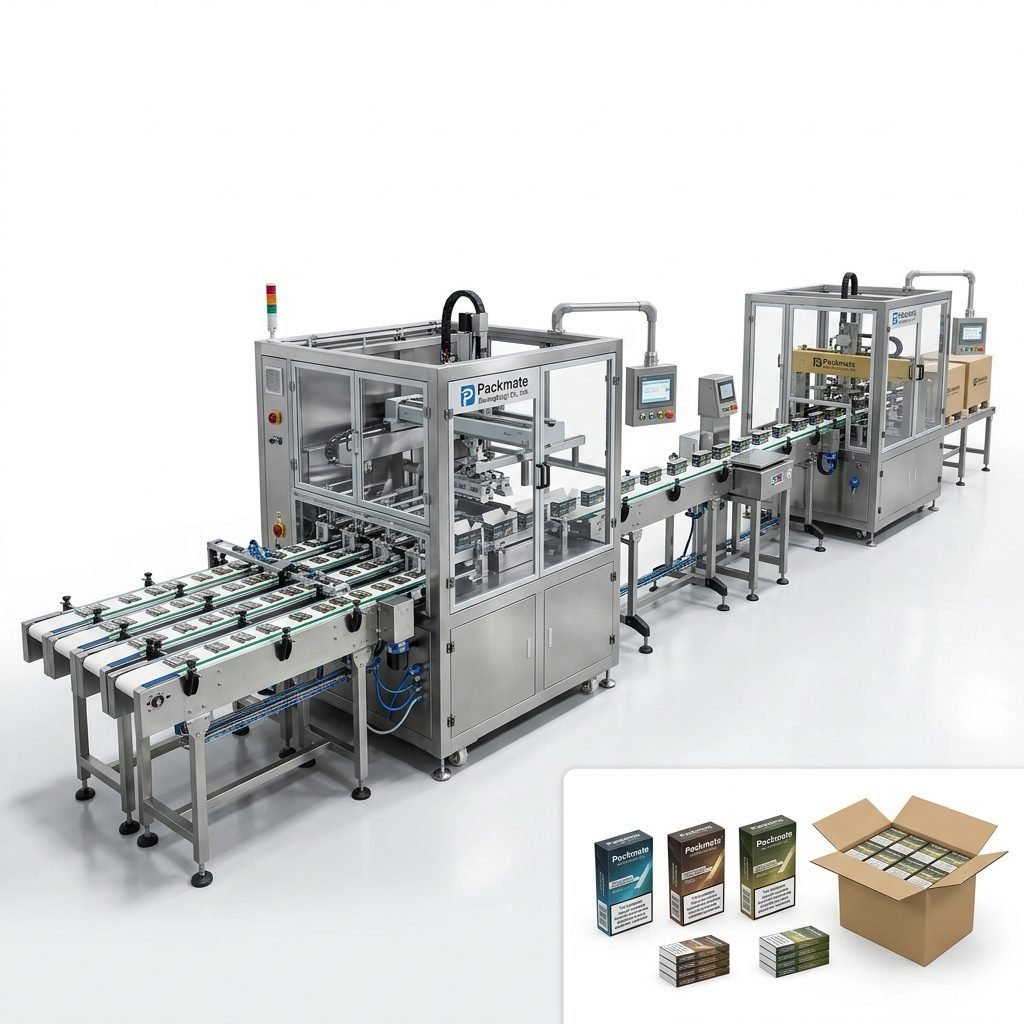
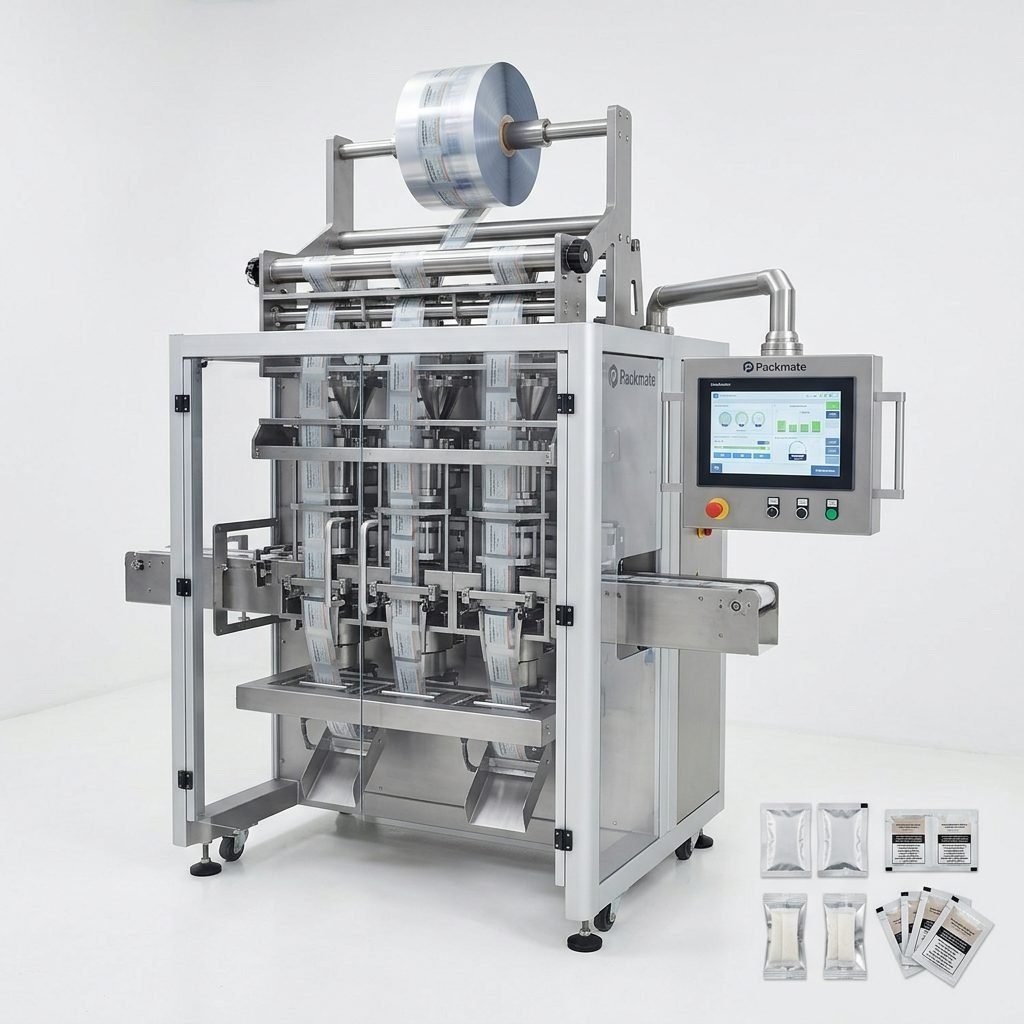
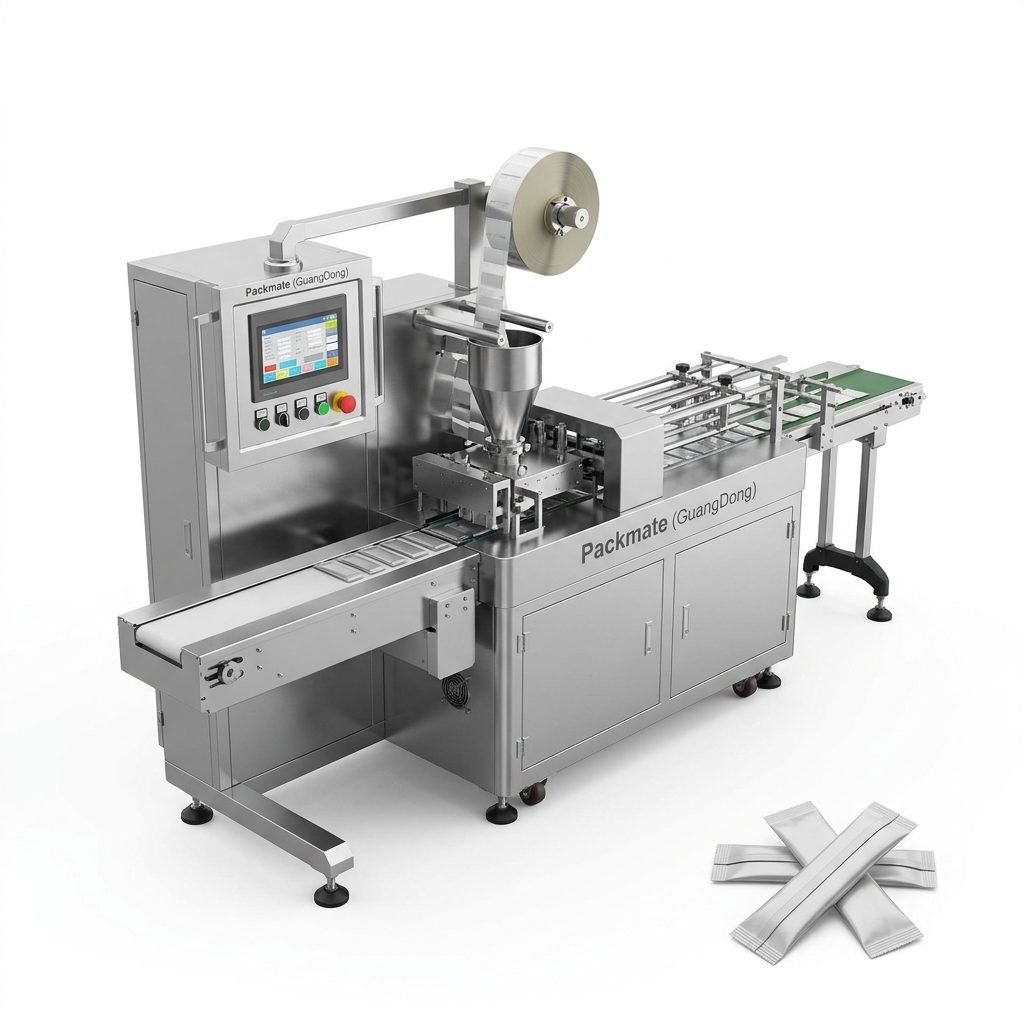
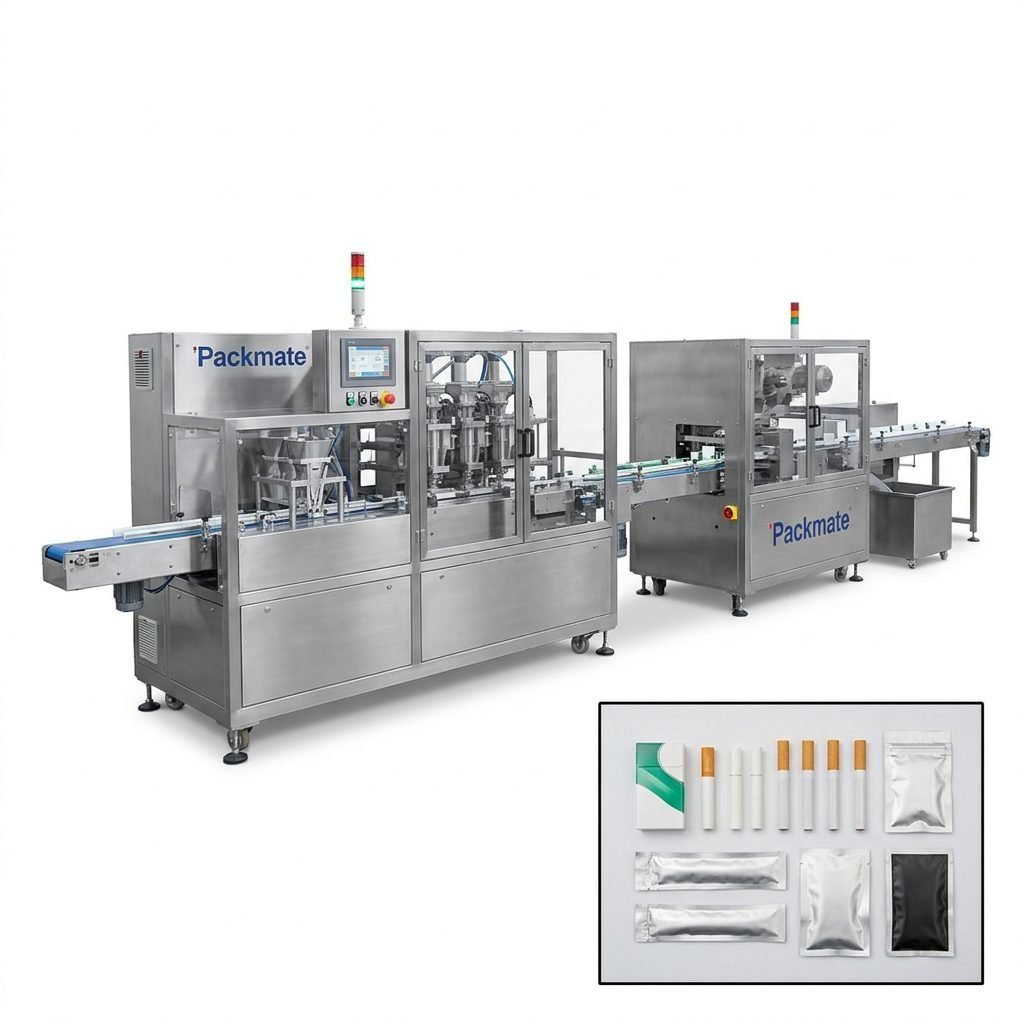
Choosing the right snus packaging machinery manufacturer for your business in the Republic of Congo requires more than comparing price tags. You must balance local market habits, regulatory realities, climate challenges, and long-term service needs. This guide explains practical, step-by-step criteria to help importers, distributors and manufacturers in Congo (Brazzaville) select a reliable supplier who can deliver machines that perform in a humid environment, respect local preferences, and provide ongoing technical support.
📦 Understand Your Product, Format and Local Consumer Habits
In Congo, the consumer base for snus and nicotine pouches is still developing and often follows urban trends in Brazzaville and Pointe-Noire. Most customers prefer compact, discreet single-portion pouches and sachets that are moisture-resistant due to the tropical climate. Before you select a manufacturer, clearly define your product types (loose snus, nicotine pouches, stick packs, sachets), target package sizes, and preferred materials (foil laminate, PET/AL/PE). Manufacturers who understand regional preferences will help you choose the best packaging film, film seal configuration and barrier properties for long shelf life in high-humidity conditions.
⚠️ Key local considerations
• French language labeling is essential — ensure the machine can integrate label printers or accommodate pre-printed film.
• Respect cultural norms around advertising and discreet packaging — many customers value low-profile designs.
• Distribution channels often include small retailers and kiosks — choose compact and flexible bagging formats that fit local retail displays.
🔧 Evaluate Machine Performance, Speed and Reliability
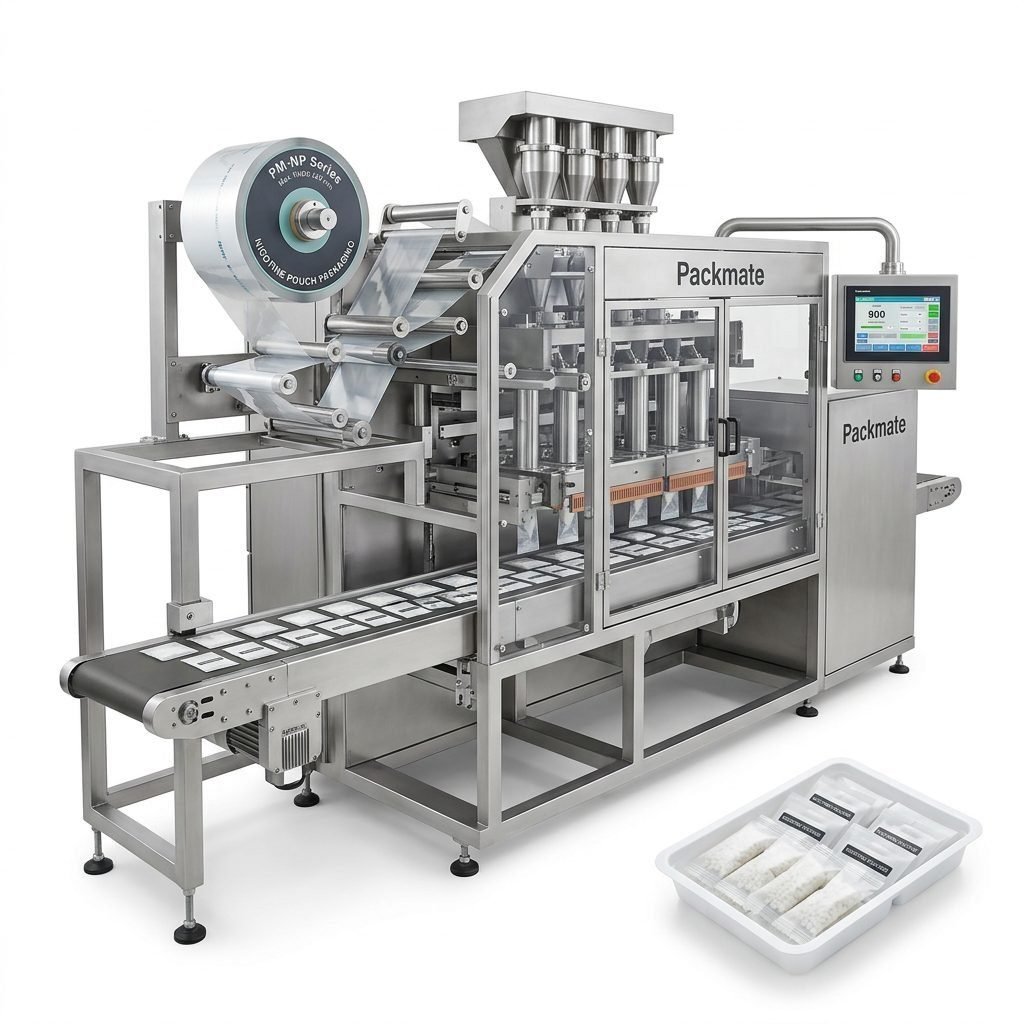
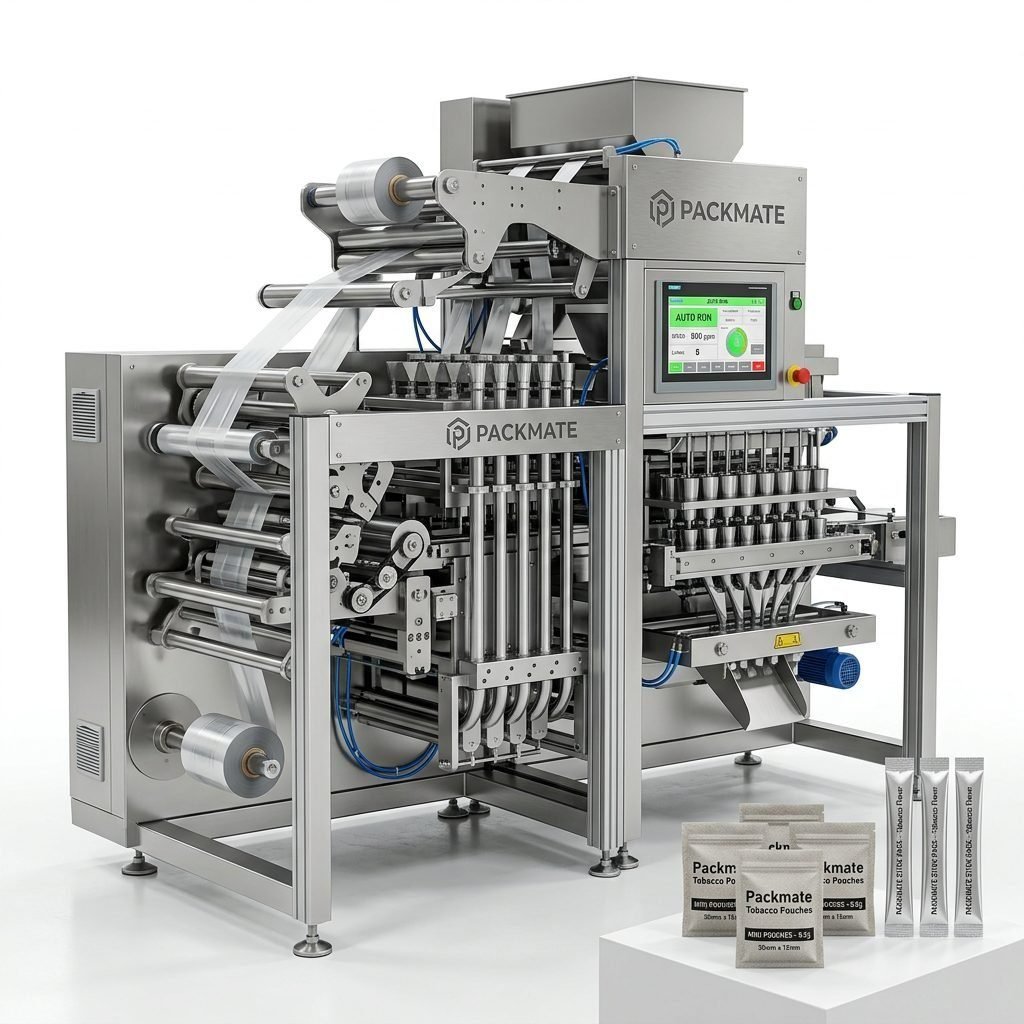
Performance metrics matter: output per minute, product dosers’ accuracy, film roll changeover time, and mean time between failures (MTBF). For multi-lane nicotine pouch production consider machines with precisely synchronized multi-lane dosing systems to ensure uniform weight and consistent sealing across lanes. Ask manufacturers for real-life production videos and uptime statistics.
Priority checklist: Confirm speed (pouches/min), dosing accuracy (± mg), number of lanes, and capacity for continuous operation in warm, humid environments. Machines with stainless-steel contact parts and IP-rated electrical components are preferred.
🏭 Factory Capability and Certifications
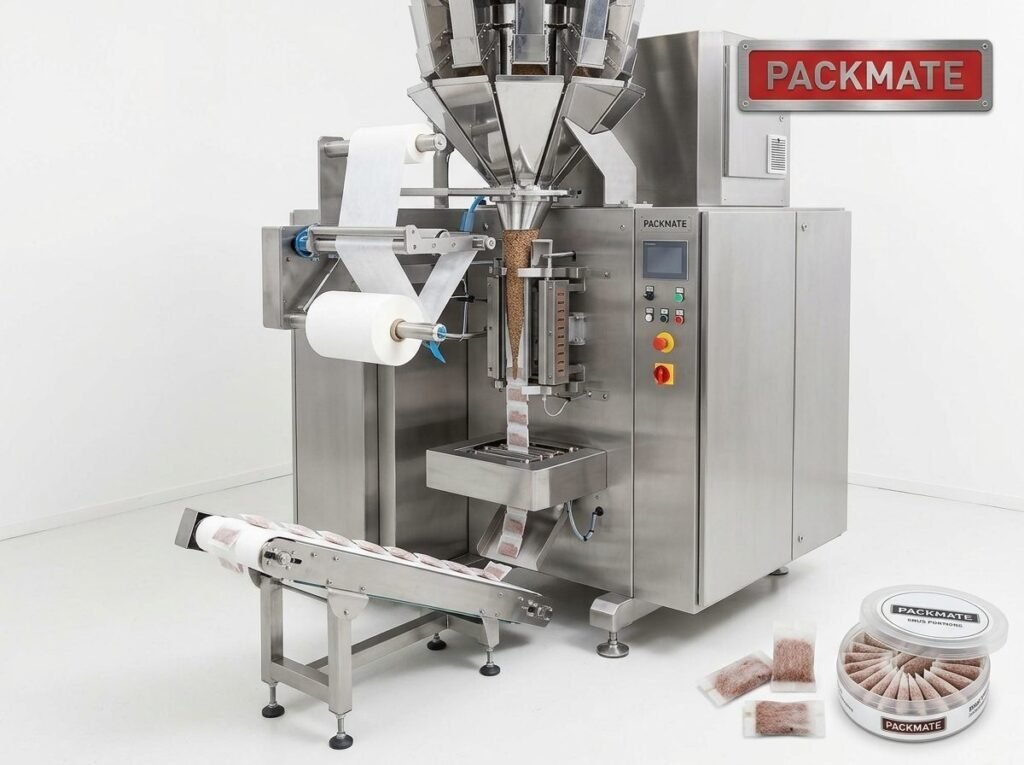
Inspect the manufacturer’s factory credentials: production area, CNC centers, assembly lines, quality testing systems, and international certifications (CE, ISO). A factory with a proven track record in multi-lane snus and nicotine pouch lines demonstrates the ability to deliver precision equipment. For example, Packmate Snus Machine highlights a 20,000㎡ facility, advanced CNC machining and 30+ years of engineering experience — factors that reduce manufacturing risk and enhance machine consistency.
Documentation & certification: Request CE/ISO certificates, test reports, and a detailed bill of materials. If you plan to sell in other countries (or export across Africa), ask for compliance documentation to ease customs clearance.
🔁 After-sales Support, Spare Parts and Training
In Congo, local technical resources may be limited. Prioritize manufacturers offering rapid spare-parts supply, remote diagnostics, and onsite commissioning. Training local technicians and operators reduces downtime and ensures machines are well-maintained. Confirm warranty terms, response times for parts shipments, and availability of consumables.
Service options to request: remote PLC support, on-site installation, operator training in French, and a spare-parts kit for first six months.
💰 Total Cost of Ownership (TCO) — Beyond the Purchase Price
Calculate TCO including shipping, import duties, installation, training, spare parts, energy consumption and expected uptime. In the Republic of Congo, shipping to Pointe-Noire or Brazzaville and inland transport can add significant costs. Ask manufacturers to provide realistic energy usage numbers and recommended preventive maintenance intervals to forecast operating expenses accurately.
📊 TCO factors to quantify
• Freight and customs fees to Congo ports.
• Local electrical upgrades (voltage stabilizers, backup power) if grid reliability is an issue.
• Annual spare parts expenditure and consumables.
• Expected yield loss percentage and how machine accuracy mitigates waste.
🛠️ Customization & Regulatory Compliance
Cigarette and nicotine product rules vary across African markets and may change quickly. Ensure your manufacturer can adapt machine software for specific labeling, tamper-evident seals, or child-resistant packaging features if needed. Look for flexible control systems (touchscreen HMI) that allow quick recipe changes and local language options (French).
Must-haves: HMI with French UI, capability for variable weight dosing, and modular design for future upgrades.
🔌 Site Preparation and Installation in Congo
Prepare your factory space with stable flooring, adequate ventilation, and humidity control when possible. Machines for snus packaging perform best in controlled conditions; consider dehumidifiers to protect both product and machine electronics. Verify incoming power specifications and provide stable three-phase power with surge protection. Confirm machine footprint and clearances for maintenance access.
🤝 Choose a Manufacturer with Proven Case Studies and Global Support
Request references and case studies showing successful installations in climates comparable to Congo or in emerging markets. A manufacturer who has supplied turnkey lines for nicotine pouches, or has experience with multi-lane low-dose production, will be an asset. Explore factory visits or live demonstrations at exhibitions to witness machine performance.
Example resource links: review the supplier’s product pages and case examples to verify claims: Snus & Nicotine Packaging Machines, Case, and the company profile at About Packmate.
✅ Checklist for Vetting a Manufacturer
Use the following checklist when evaluating suppliers; this helps maintain consistent comparisons:
📌 Machine throughput and multi-lane capability
📌 Dosing accuracy and wastage rate
📌 Materials/parts contact grade (SS304/316) and corrosion resistance
📌 Local language HMI and operation manuals in French
📌 After-sales SLA, spare parts lead time, and remote service options
📌 Certifications and factory inspection availability
🌍 Logistics, Shipping and Customs to the Republic of Congo
Shipping heavy machinery to Congo typically arrives at Pointe-Noire (major port) or via Douala and then transits inland. Factor in customs clearance time and documentation for tobacco-related equipment: some authorities require detailed classification and purpose statements. Work with freight forwarders experienced with industrial machinery in Central Africa. The right manufacturer will assist with export documentation and provide parts lists and certificates to smooth customs processes.
🏷️ Financing, Leasing and Pilot Runs
Consider asking suppliers about leasing options, pilot machines for trial production, or phased delivery to reduce upfront cost. Pilots can validate packaging materials and product shelf life under local conditions before committing to a full production line.
📣 Why Packmate Could Be a Strategic Partner
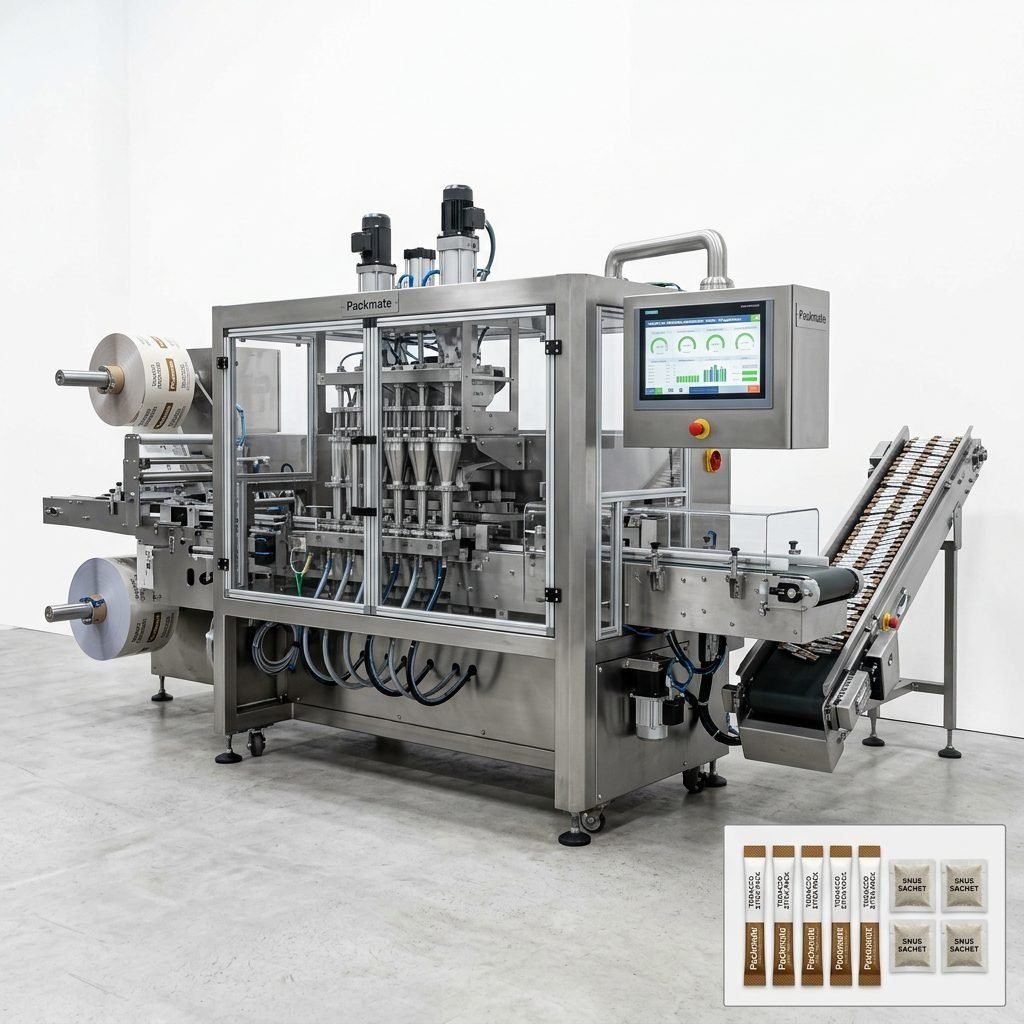
Packmate Snus Machine combines decades of packaging engineering with specialized snus production experience. Their portfolio includes multi-lane systems, stick pack and sachet machines tailored for nicotine pouches. With over 30 years of R&D and a large manufacturing facility, they provide turnkey solutions, certifications, and global exhibition presence — useful evidence of reliability when sourcing for Congo. Learn more about product ranges and services: Bag & Pouch Packaging Machines, Sachet & Stick Pack Machines, and their Service offerings.
🔎 Final Selection Tips
When you narrow to two or three suppliers, request a factory acceptance test (FAT) or live demo, verify installation references in similar climates, and negotiate a clear contract that defines delivery dates, acceptance criteria, and penalty terms for delays. Ensure spare parts lists, training schedules, and escalation procedures are written into the contract.
Smart negotiation points: include a 12-month parts warranty, a minimum response time for remote support, and at least one week of onsite commissioning and operator training in French.
📘 Next Steps for Buyers in Congo
1) Define product specs and expected daily output. 2) List essential features (multi-lane, humidity tolerance, French HMI). 3) Shortlist manufacturers and request quotations, FAT videos, and references. 4) Plan site upgrades (power, humidity control). 5) Finalize contract with clear after-sales commitments and spare parts supply clauses.
❓ Frequently Asked Questions
Q1: What packaging formats work best for Congo markets?
A1: Single-portion pouches, small sachets and discreet stick packs sell well in urban areas. Use moisture-barrier films to extend shelf life in tropical conditions.
Q2: How important is local language support from the manufacturer?
A2: Very important — operator HMIs, manuals and training in French significantly reduce setup time and operator errors.
Q3: What are typical lead times for snus packaging lines?
A3: Lead times vary by complexity, but allow 12–20 weeks for custom multi-lane lines plus shipping and installation time.
Q4: How do I handle spare parts and maintenance in Congo?
A4: Negotiate a spare-parts kit with the order, keep critical consumables in stock, and confirm remote support options to minimize downtime.
Q5: Where can I see machine examples and contact suppliers?
A5: Browse product pages and contact forms of reputable suppliers — for instance, check Packmate’s product categories like Filling & Packaging Lines and reach out via their Contact Us page for project discussions.