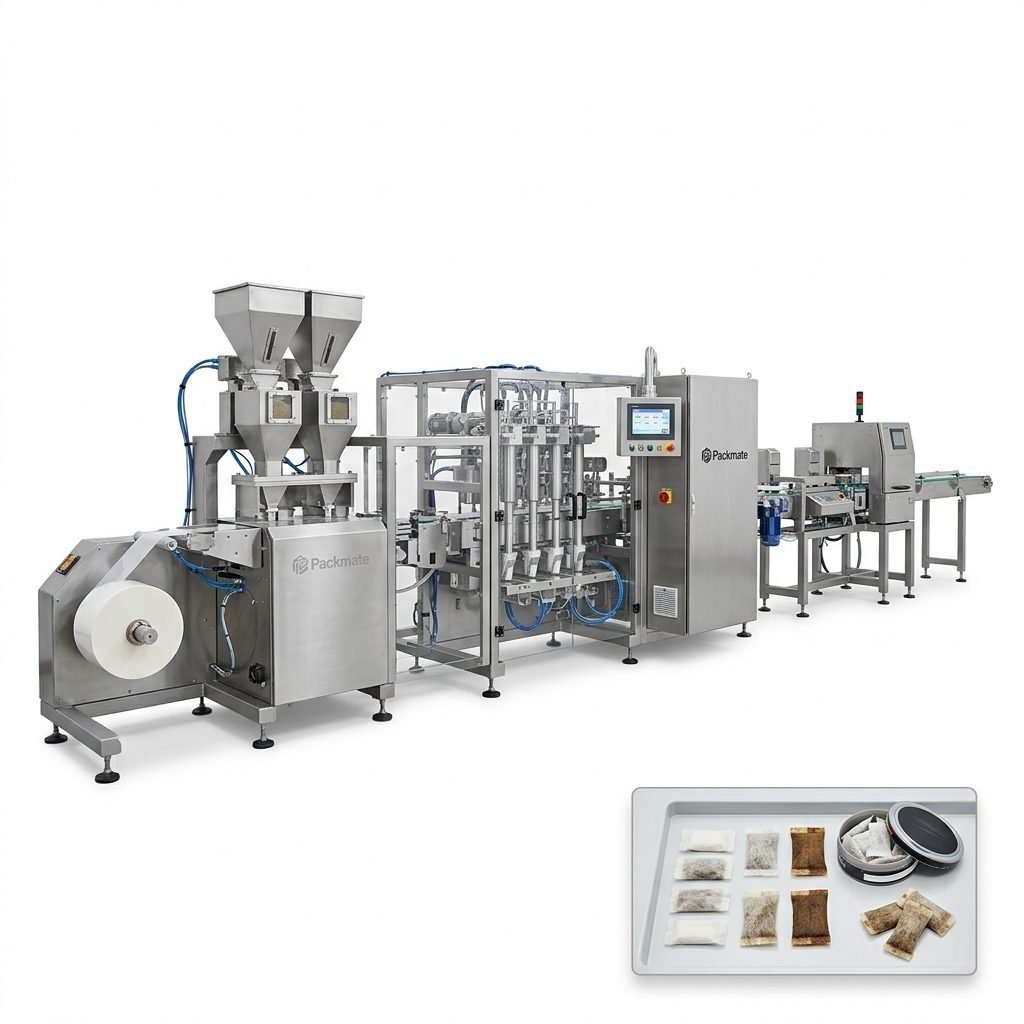
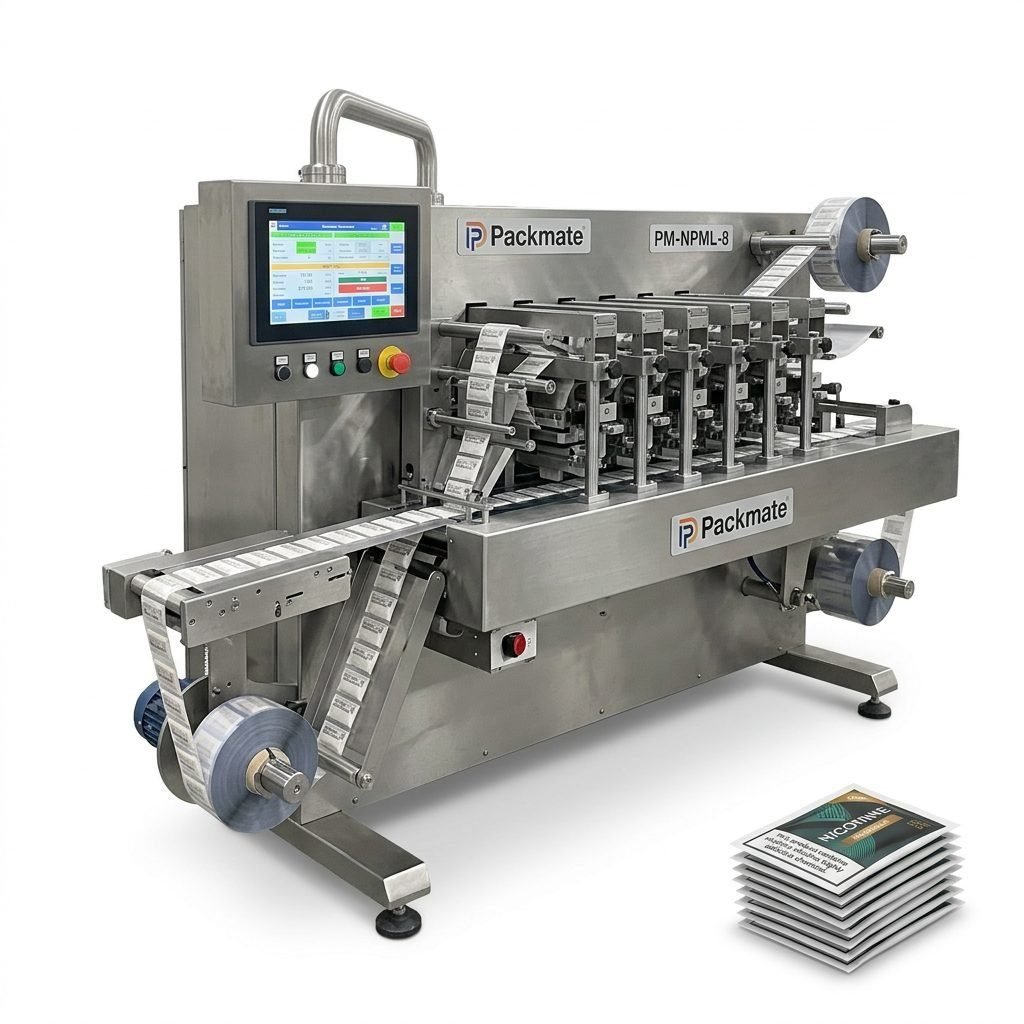
Choosing the right snus packaging machinery in Brazil requires more than comparing speed charts and price tags. You need a partner who understands local consumer habits, regulatory nuances, and the real-world challenges of running a packaging line in Brazilian facilities — from humid climate effects to Portuguese-language labeling and distribution through convenience stores, kiosks, and regional wholesalers. This guide helps manufacturers, brand owners, and production managers evaluate machines, suppliers, and installation plans so you can select equipment that delivers consistent quality, regulatory compliance, and a fast return on investment.
Why Brazil’s Market and Customs Matter for Snus Packaging
Brazil is a diverse market: urban consumers in São Paulo and Rio de Janeiro often prefer discreet, premium presentations, while buyers in the South and smaller cities may favor cost-effective, high-volume formats. Portuguese labeling, clear ingredient lists, and weight declarations are expected. Additionally, Brazilian retailers typically demand strong shelf impact — bright visuals and compact packs that display clearly on crowded shelves and in point-of-sale displays.
Seasonal humidity and high temperatures in many regions mean packaging machines must produce reliable seals and moisture barriers. Machines that handle laminated films, heat-sealing with controlled dwell times, or high-precision cold-seal options will reduce leakage and product degradation. Local after-sales support with Portuguese-speaking technicians also speeds installation and minimizes downtime.
Top Technical Features to Evaluate (Quick Checklist)
✅ Production Speed & Throughput — Match maximum machine speed to your target SKU mix and sales forecasts. Higher speed lines require stronger upstream weighing and downstream packing to keep up.
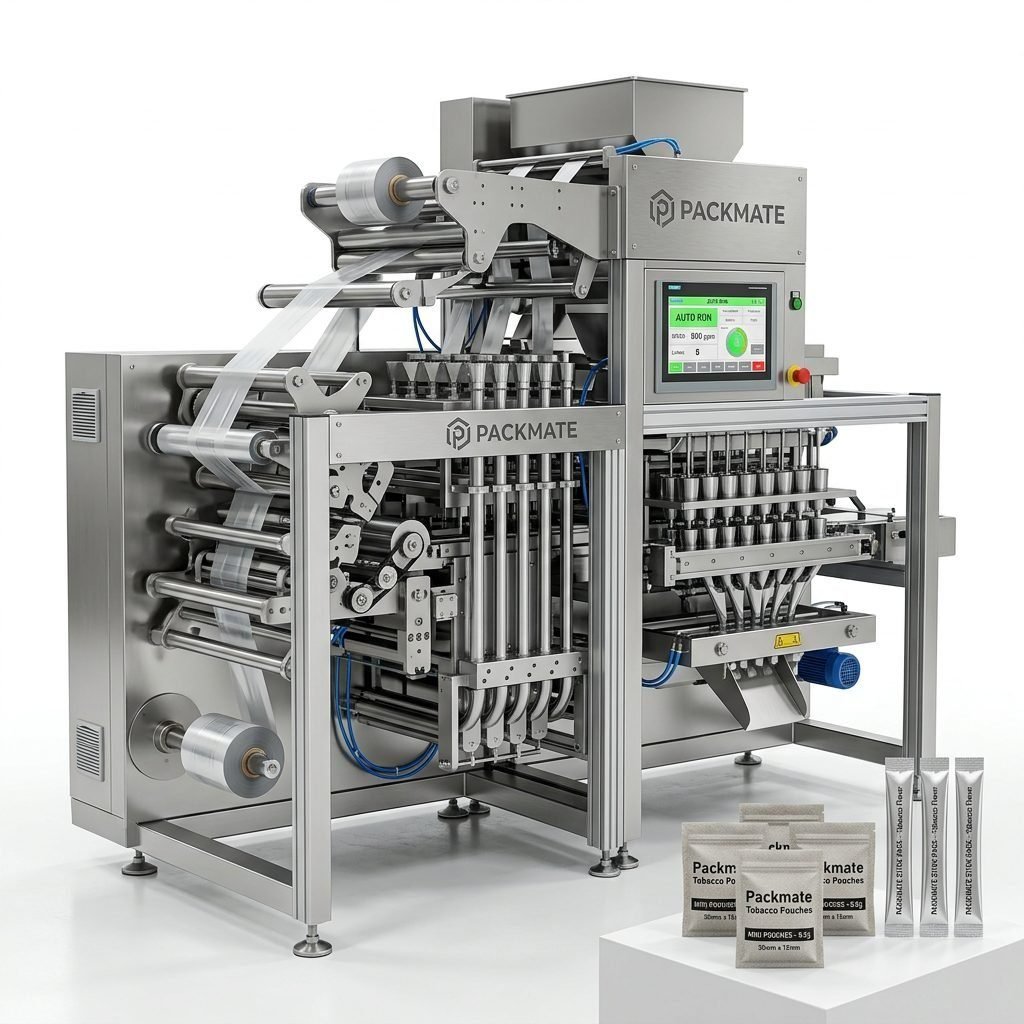
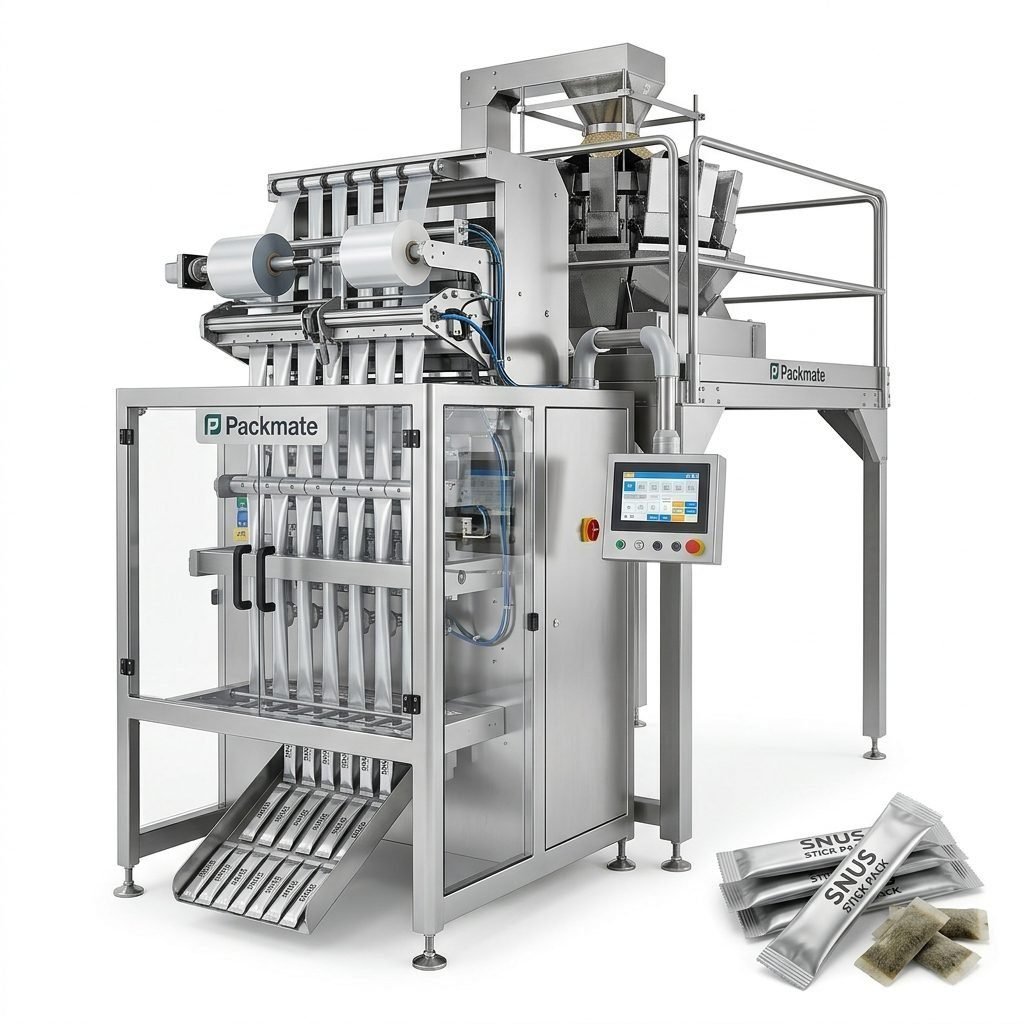
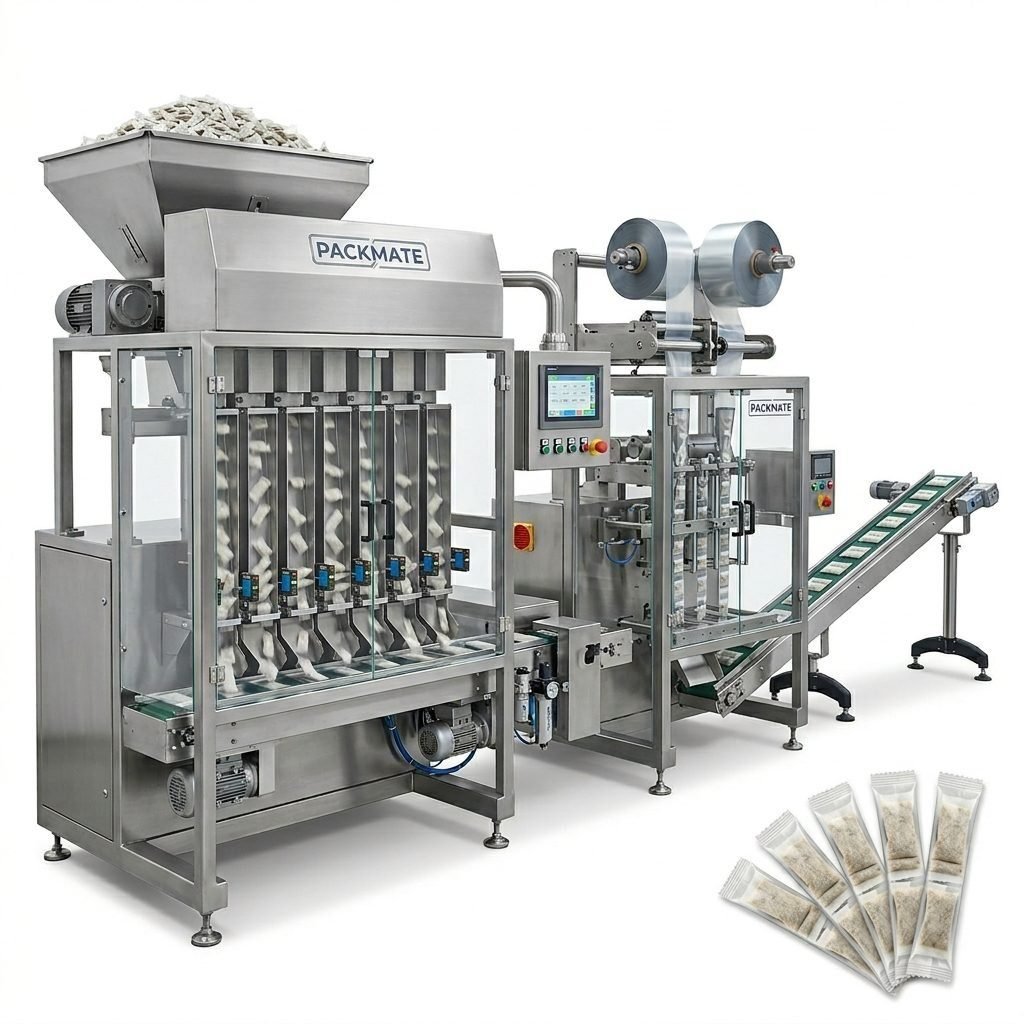
✅ Multi-lane Capability — Multi-lane systems multiply output in a smaller footprint. For small-dose snus pouches, 4–8 lane systems are common for efficient, high-volume production.
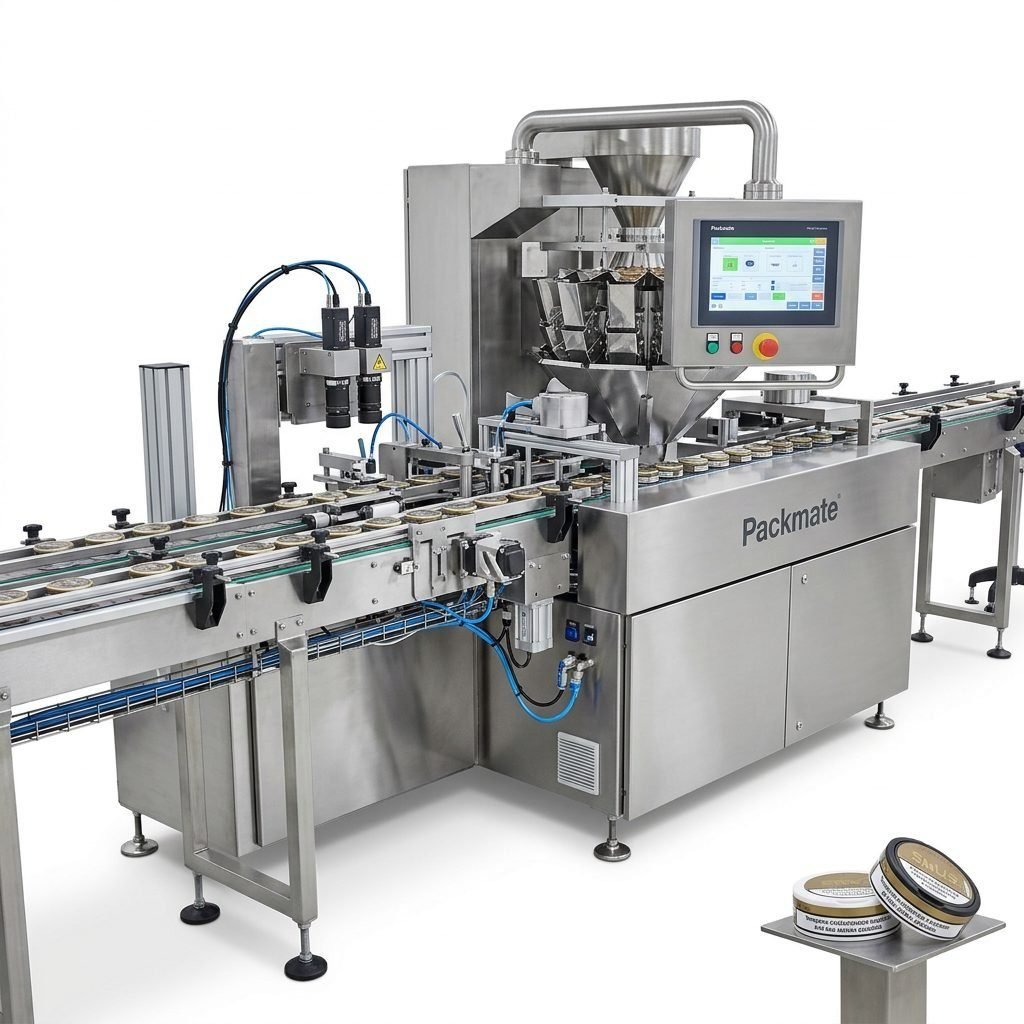
✅ Filling Accuracy & Weighing — Look for integrated loss-in-weight or multi-head weighing systems when filling powders or granules to avoid overfill and waste.
✅ Sealing Technology — Heat-seal, ultrasonic, or cold-seal options must be compatible with your film structures and barrier requirements.
✅ Changeover Time — Fast, tool-less changeovers save labor and increase line flexibility for seasonal SKUs or smaller production runs.
✅ HMI & Language Options — Portuguese language interfaces reduce operator errors and speed training. Remote diagnostics are a plus.
✅ Materials Compatibility — Confirm machine compatibility with your chosen laminates, heat-seal coatings, and pouch styles (e.g., sachet, stick, or flat pouch).
Speed vs. Accuracy: Finding the Balance
A machine rated for high cycles per minute is only as effective as the upstream and downstream equipment. When evaluating proposals, compare net throughput — actual finished packs per minute — rather than theoretical max speeds. Excessive speed with poor fill accuracy or frequent jams increases cost per pack and wastes materials.
Common Machine Types for Snus & Nicotine Pouches
Choosing the right format affects shelf appeal, production complexity, and costs. Typical systems include:
📌 Stick Pack Machines — Ideal for single-dose sachets with narrow, elongated pouches. Good for on-the-go consumers and retail convenience.
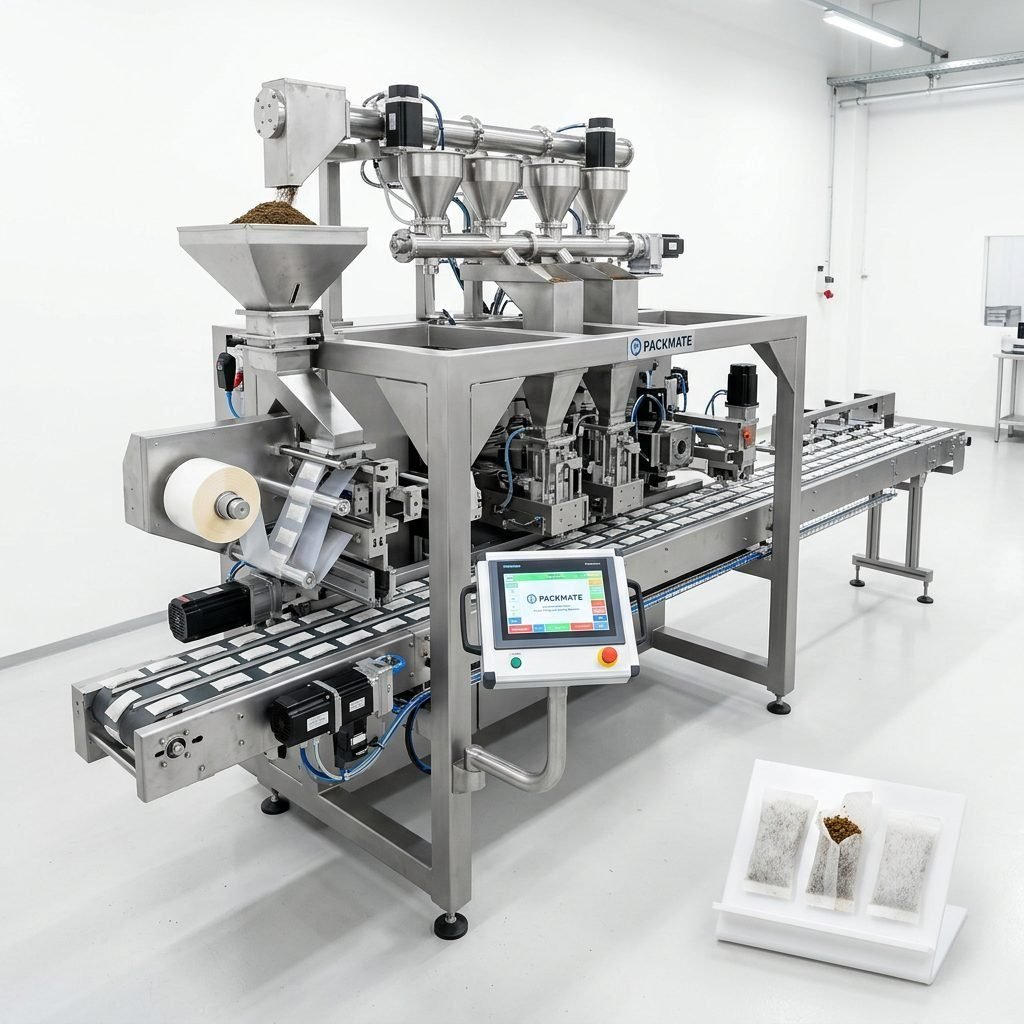
📌 Sachet & Sachet Multi-lane Machines — Flexible for larger or smaller pouch sizes and multi-lane throughput; excellent for nicotine pouches where dose precision is crucial.
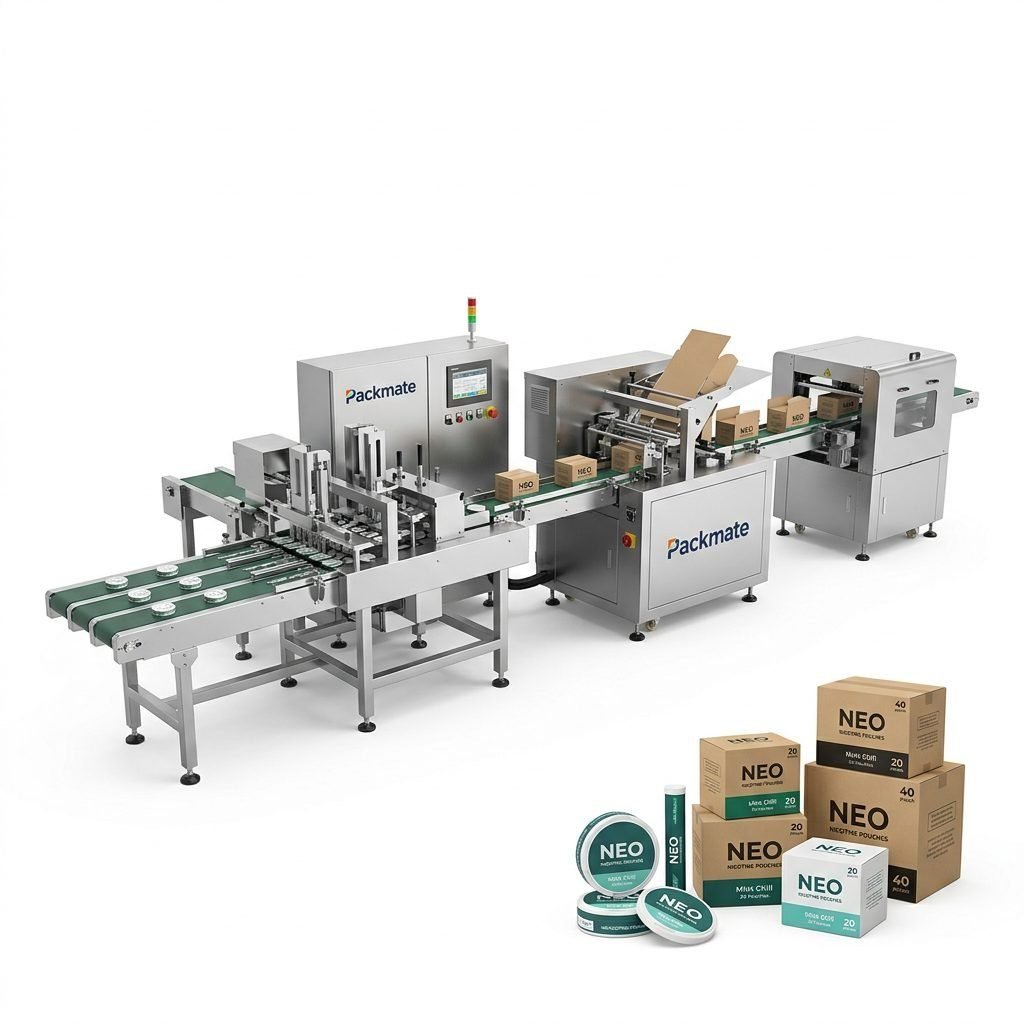
📌 Pouch & Bag Packaging Machines — For retail-ready outer bags or multipacks that group single-dose pouches into consumer packs.
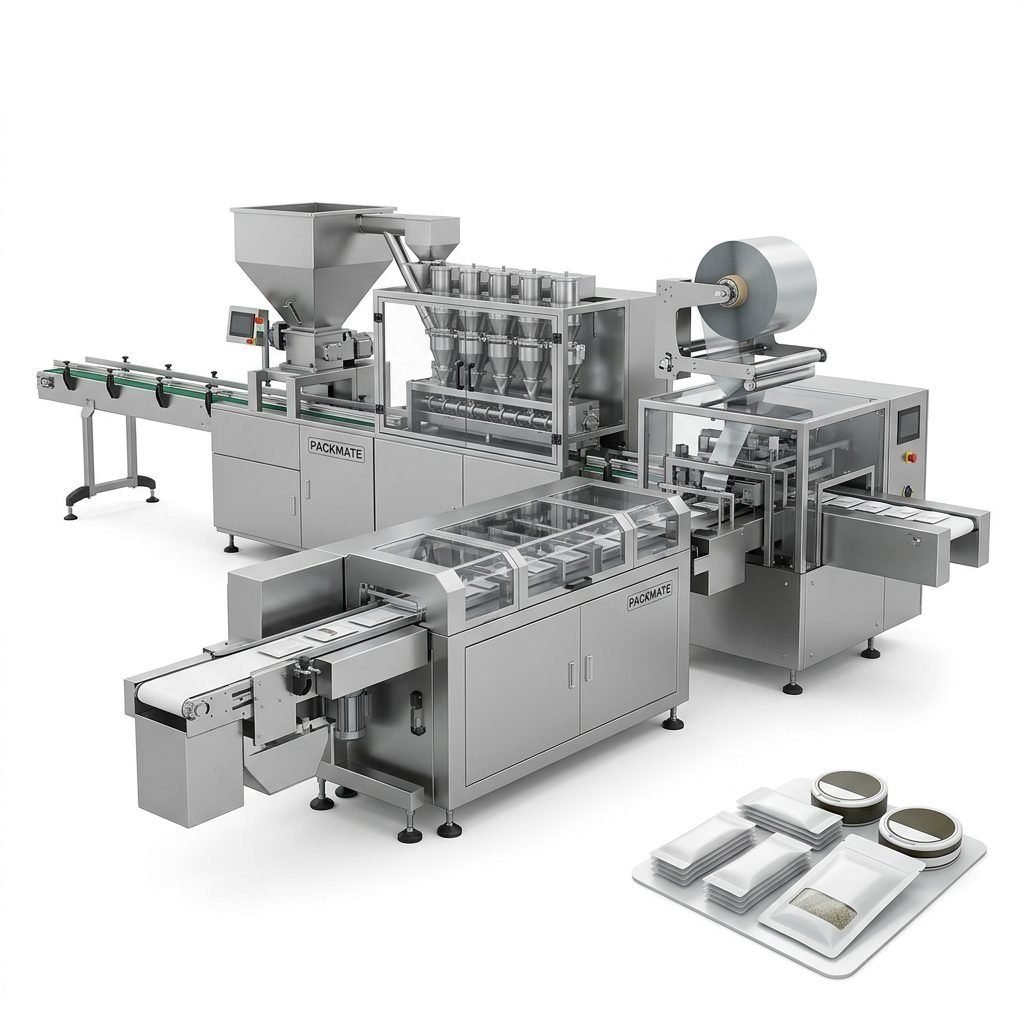
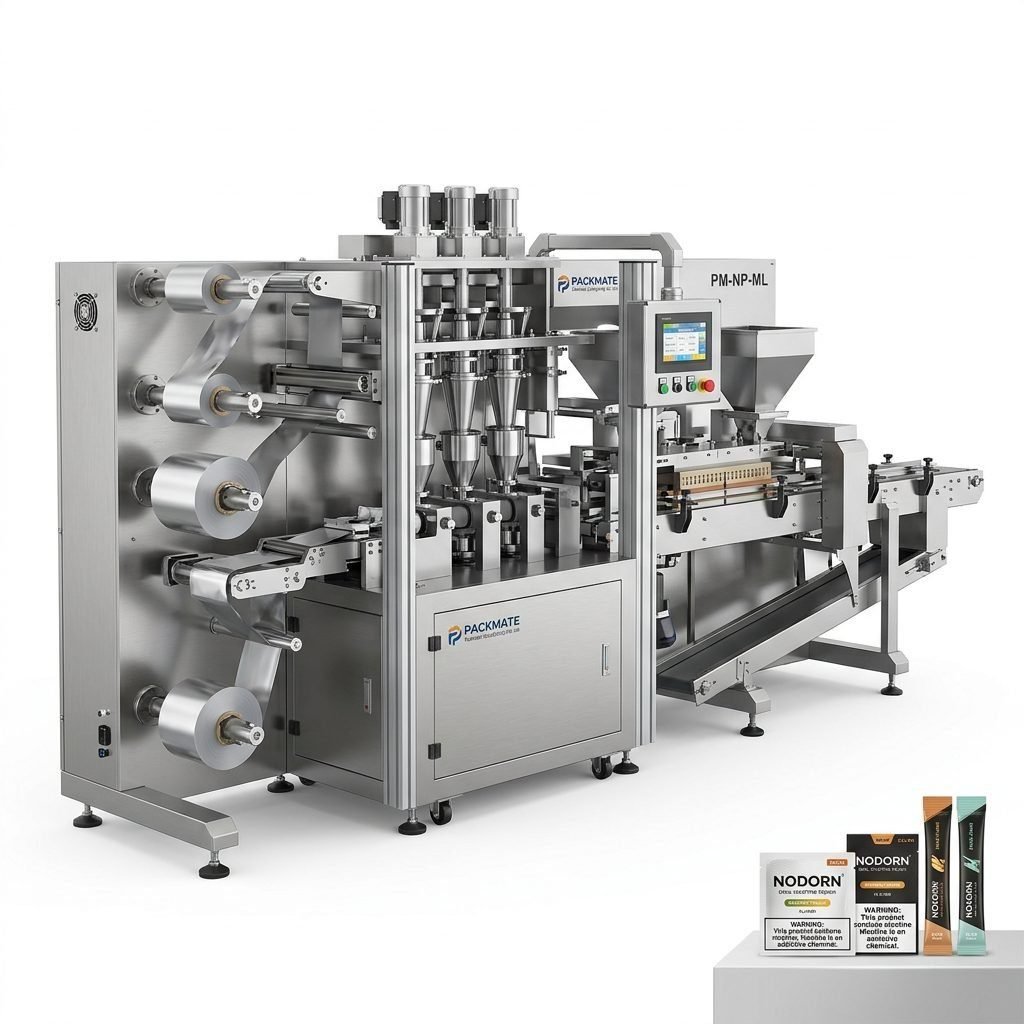
For examples of specialized equipment, review product families such as Snus & Nicotine Packaging Machines and Sachet & Stick Pack Machines to compare configurations and technical specifications.
Snus & Nicotine Packaging Machines,
Sachet & Stick Pack Machines,
Bag & Pouch Packaging Machines
Regulatory Compliance and Certifications
Brazil enforces strict labeling, safety, and consumer information requirements. Machines should support traceability and batch coding, and suppliers must provide documentation for compliance. International certifications such as CE and ISO indicate manufacturing quality controls and often align with import requirements.
Tip:
Always request factory test reports and certificate copies (CE, ISO) and confirm that the machine supports required labeling, date codes, and tamper-evidence for the Brazilian market.
For supplier documentation and certificates, see the manufacturer’s Certificate page and ask for specific export-compliance paperwork if you plan on importing equipment into Brazil.
Service, Installation & Local Support — Why It Matters in Brazil
Quick, locally accessible service reduces downtime. Ask vendors whether they provide:
📌 Portuguese-language manuals and training materials.
📌 Local spare-part stocking or guaranteed lead times for critical components.
📌 Remote diagnostics and Portuguese-speaking technicians for faster troubleshooting.
Packmate Snus Machine emphasizes long-term support, factory training, and turnkey installations. Explore their Service and Contact pages for details on after-sales options and commissioning support.
Evaluating Total Cost of Ownership (TCO)
Purchase price is only a part of the story. Consider:
• Energy consumption and utility costs for continuous operation.
• Material usage and waste from overfill or rejects.
• Maintenance frequency and spare parts pricing.
• Labor — automation can reduce headcount but may require higher-skilled operators.
• Downtime risk — warranties and local service coverage reduce long-term expenses.
ROI Focus:
Choose machines that minimize waste and changeover time — small improvements in yield and uptime compound quickly on fast-moving product lines.
Selecting a Supplier: Questions to Ask
Use this list when vetting manufacturers and vendors:
📌 What is the factory acceptance testing (FAT) process and can we witness it?
📌 Do you provide Portuguese documentation and on-site training in Brazil?
📌 What is your global spare parts lead time and local stock policy?
📌 Can the machine handle our exact film structure and product characteristics?
📌 Do you offer remote monitoring, and what tele-service tools do you use?
📌 What are typical uptime statistics from existing installations for my product type?
📌 Can you customize machine controls for Brazilian regulatory labeling?
📌 How do you handle warranty claims and field service in South America?
Why Packmate Might Appear on Your Shortlist
Packmate Snus Machine brings over 30 years of engineering experience and a 20,000㎡ manufacturing facility with advanced CNC & assembly systems. Their portfolio includes more than 50 machine models and fully customized turnkey packaging lines. If you want a supplier with proven multi-lane snus systems and global turnkey experience, review their product cases and About page to confirm references and regional installations.
About Packmate
|
Case Studies
|
Exhibitions & Demos
Installation, Validation & Start-up Tips for Brazil
Plan for site preparation and utilities before machine arrival. Verify power quality, compressed air cleanliness, and floor loading capacity. Include a realistic timeline for FAT, shipping, customs clearance, installation, and on-site validation with Portuguese-speaking engineers or interpreters.
Schedule operator training early so production teams are confident at handover. Keep a prioritized spare-parts list (belts, sensors, sealing jaws) on-site for the first six months to shorten troubleshooting times.
Packaging Materials & Design Considerations for Brazilian Consumers
Brazilian shoppers respond to clear branding and good shelf visibility. Consider combining a high-barrier film for shelf life with striking artwork, Portuguese copy, and tamper-evident features. If selling in coastal or humid regions, test sealed pouches under accelerated humidity conditions to ensure robustness.
Packaging Design Tip:
Use matte or soft-touch varnishes carefully — they can affect sealing and inspection systems. Work with your supplier to test final film structures on the actual machine model before approval.
Making the Final Decision — Practical Steps
1) Narrow options to 2–3 machine models that meet speed and format needs.
2) Request FAT videos and technical run sheets with your product materials.
3) Confirm service and spare parts commitments specific to South America.
4) Calculate a realistic TCO and payback period including local installation costs.
5) Negotiate acceptance criteria and performance guarantees before purchase.
Useful Links & Resources
Explore product families and technical catalogs to compare specs and available options:
Weighing & Packaging Systems |
Filling & Packaging Lines |
Auxiliary Packaging Equipment
Conclusion
Selecting the best snus packaging machinery for Brazil is a blend of technical fit, supplier capability, and local market understanding. Prioritize machines that deliver consistent fill accuracy, reliable sealing under humid conditions, Portuguese support, and proven uptime. Verify certifications, factory testing, and service levels before purchase. With careful evaluation and the right partner, you can achieve high throughput, low waste, and strong consumer acceptance in a competitive Brazilian market.
Frequently Asked Questions
Q: What machine format is best for single-dose nicotine pouches sold in Brazilian convenience stores?
A: Multi-lane sachet or stick pack machines offer compact footprints with high throughput and are commonly used for single-dose pouches. Choose a machine that supports your exact pouch dimensions and film lamination.
Q: How important is Portuguese language support from the supplier?
A: Very important — Portuguese interfaces, manuals, and on-site training reduce operator error and speed commissioning. Verify language options during vendor selection.
Q: What’s the typical lead time for custom snus packaging lines to Brazil?
A: Lead times vary by customization and factory workload but typically range from several weeks for standard models to multiple months for fully customized turnkey lines. Account for shipping and customs clearance in your schedule.
Q: Do I need to test my packaging film on the target machine before final purchase?
A: Yes. Factory acceptance testing (FAT) with your actual film and product is essential to validate sealing, print registration, and throughput.
Q: Where can I find machine specs and case studies for proven installations?
A: Manufacturer product pages and case studies provide model specifications and real-world performance examples. Review the About, Case, and Product pages to validate claims and see exhibition demos.