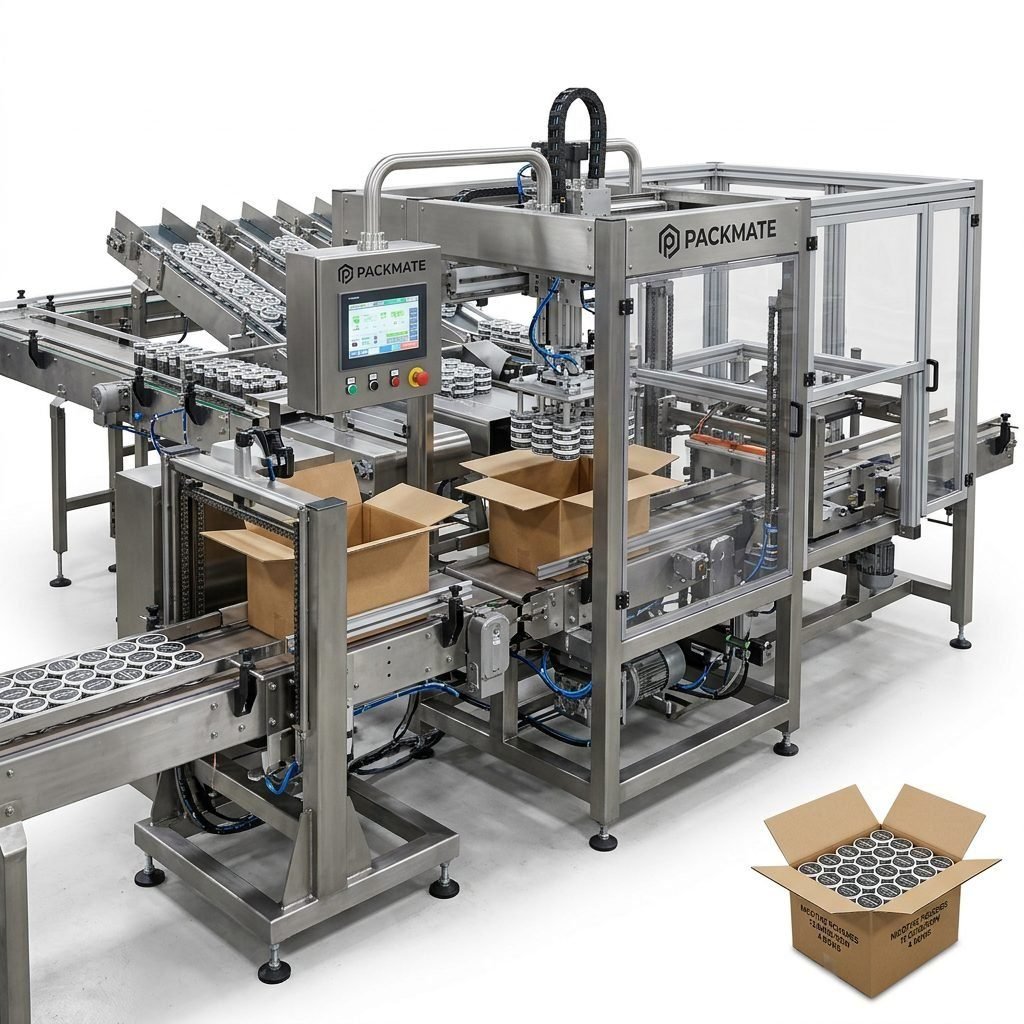
Choosing the right nicotine packaging machinery in Guyana requires a careful balance between regulatory compliance, local market habits, environmental conditions, and production targets. This guide walks you through practical steps and considerations — from machine types and performance metrics to local logistics and after-sales support — so you can select equipment that integrates cleanly into your production line and helps you scale efficiently.
Understanding the Guyanese Market & Local Considerations
Guyana is a small but diverse market in the Caribbean-South American corridor. When designing a nicotine pouch or snus production line for Guyana, keep in mind:
🔧 Humidity & Climate: High humidity can affect pouch materials, powder flow, and sealing quality. Choose machines with controlled dosing systems and optional climate enclosures for critical processes.
⚠️ Regulatory Caution: Nicotine products are regulated differently in the Caribbean. Always verify local labeling, tax, and advertising rules with Guyanese authorities and legal counsel before scaling production.
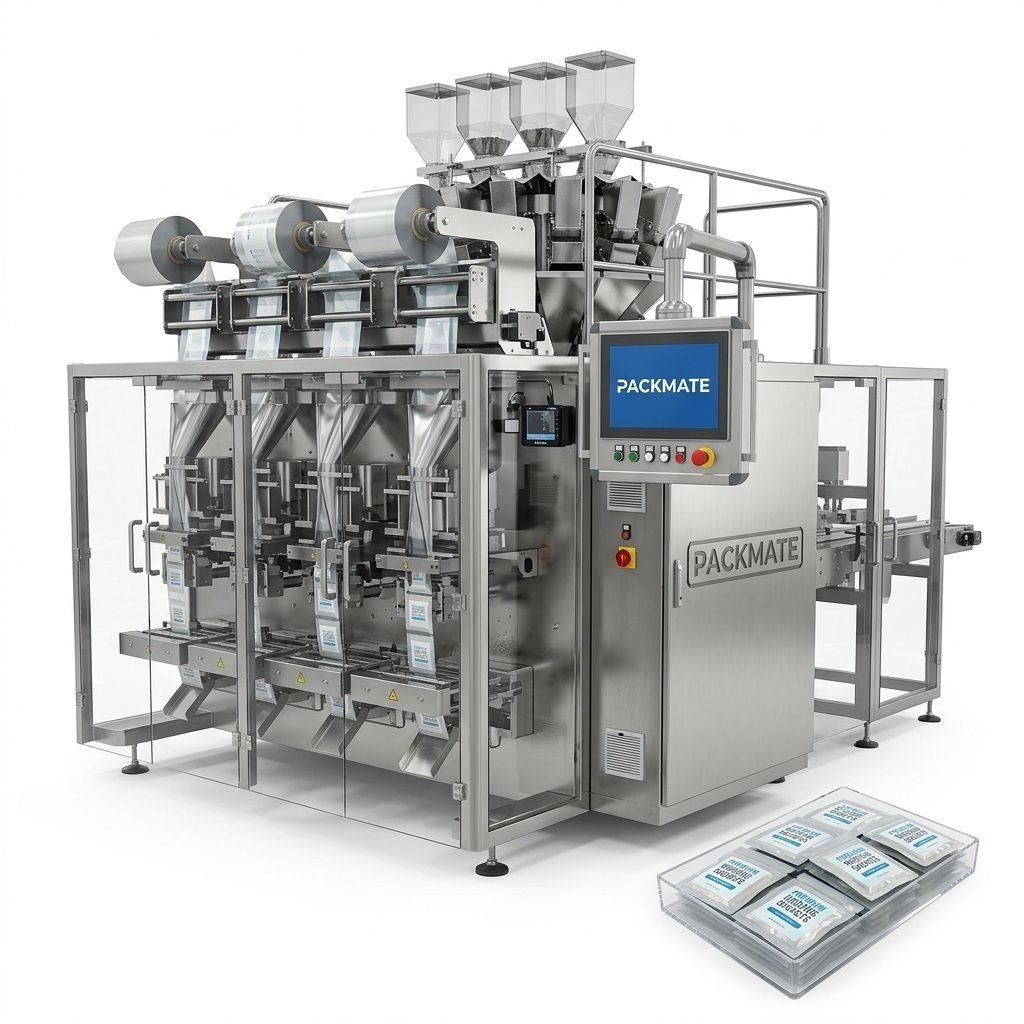
📦 Packaging Preferences: Many local buyers prefer small, affordable pack sizes (single-use sachets or small pouches). Multi-lane machines that produce small-dose pouches are often a good fit.
⚙️ Workforce & Training: Consider machine controllers with multilingual interfaces and suppliers that offer on-site/startup training or remote troubleshooting.
Primary Machine Types for Nicotine Packaging
Understanding machine families helps you match capacity with product format:
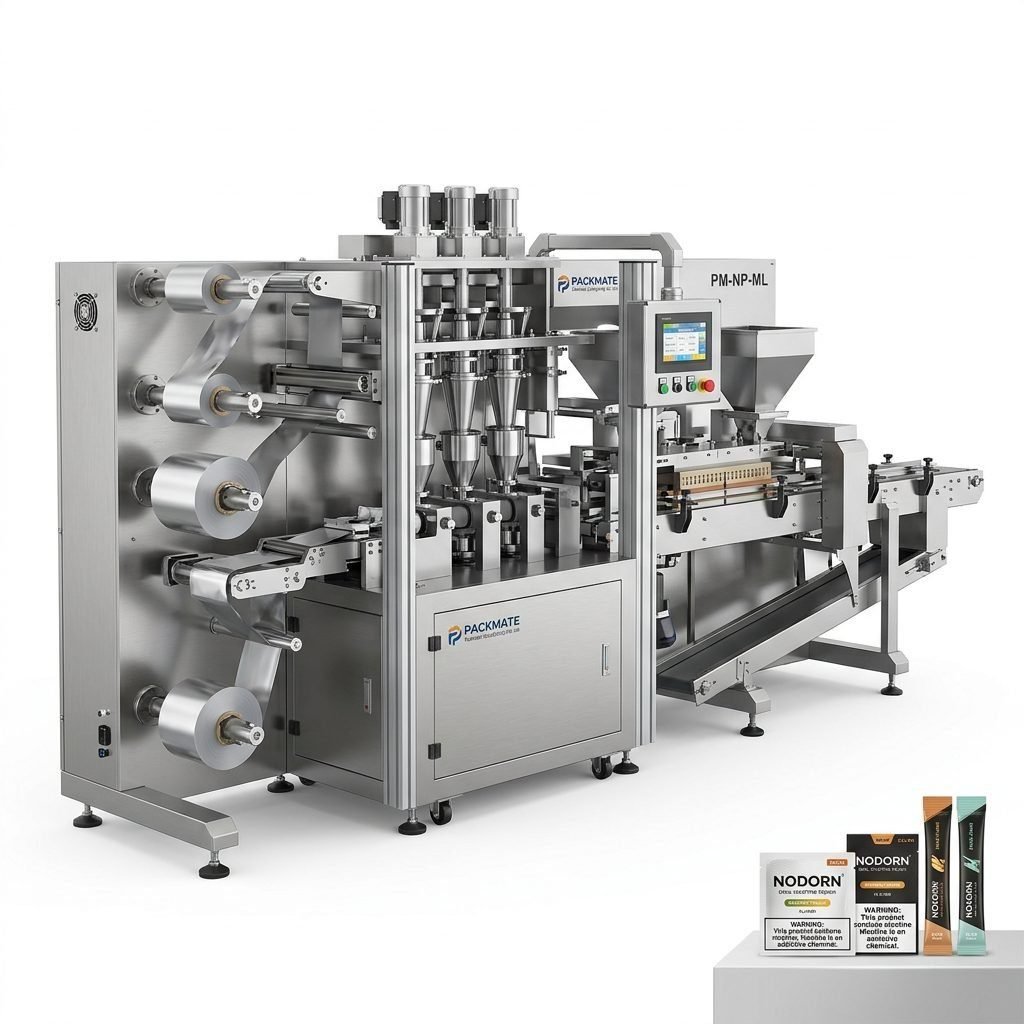
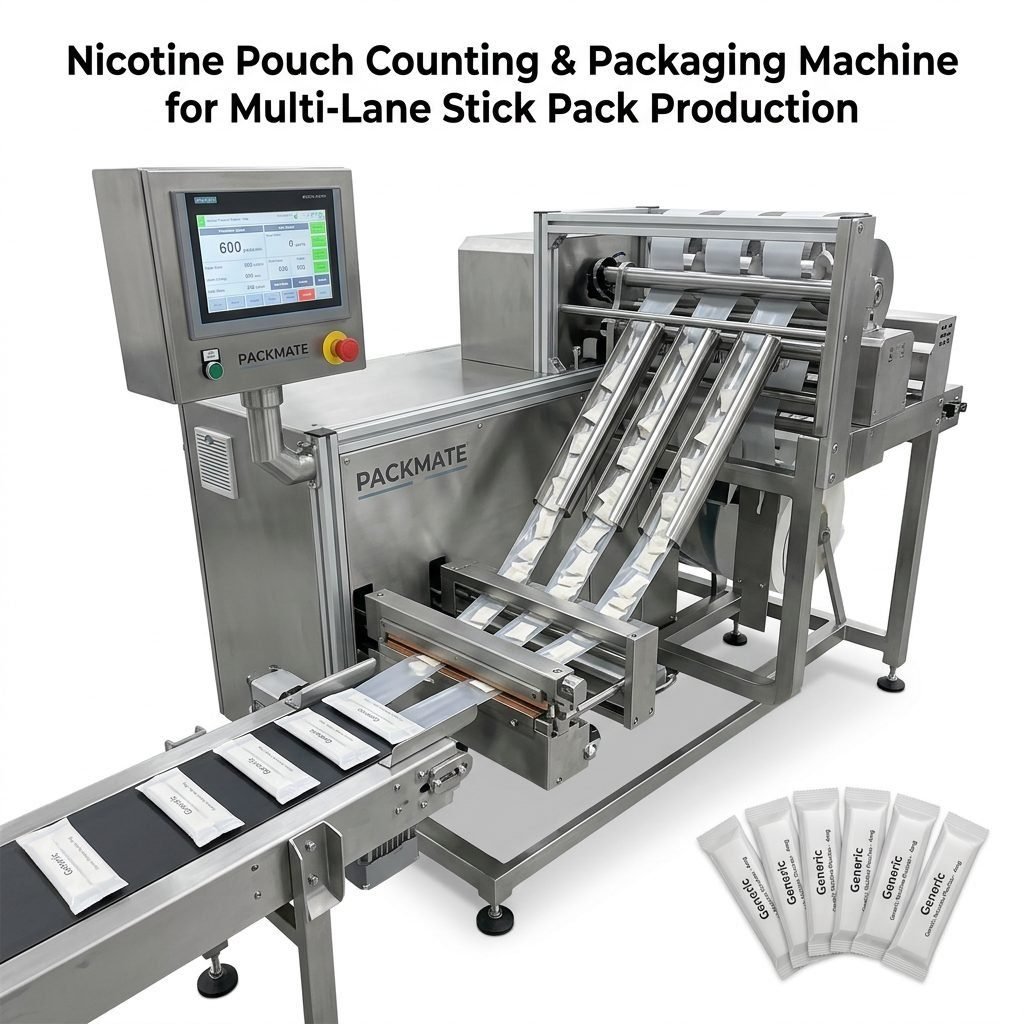
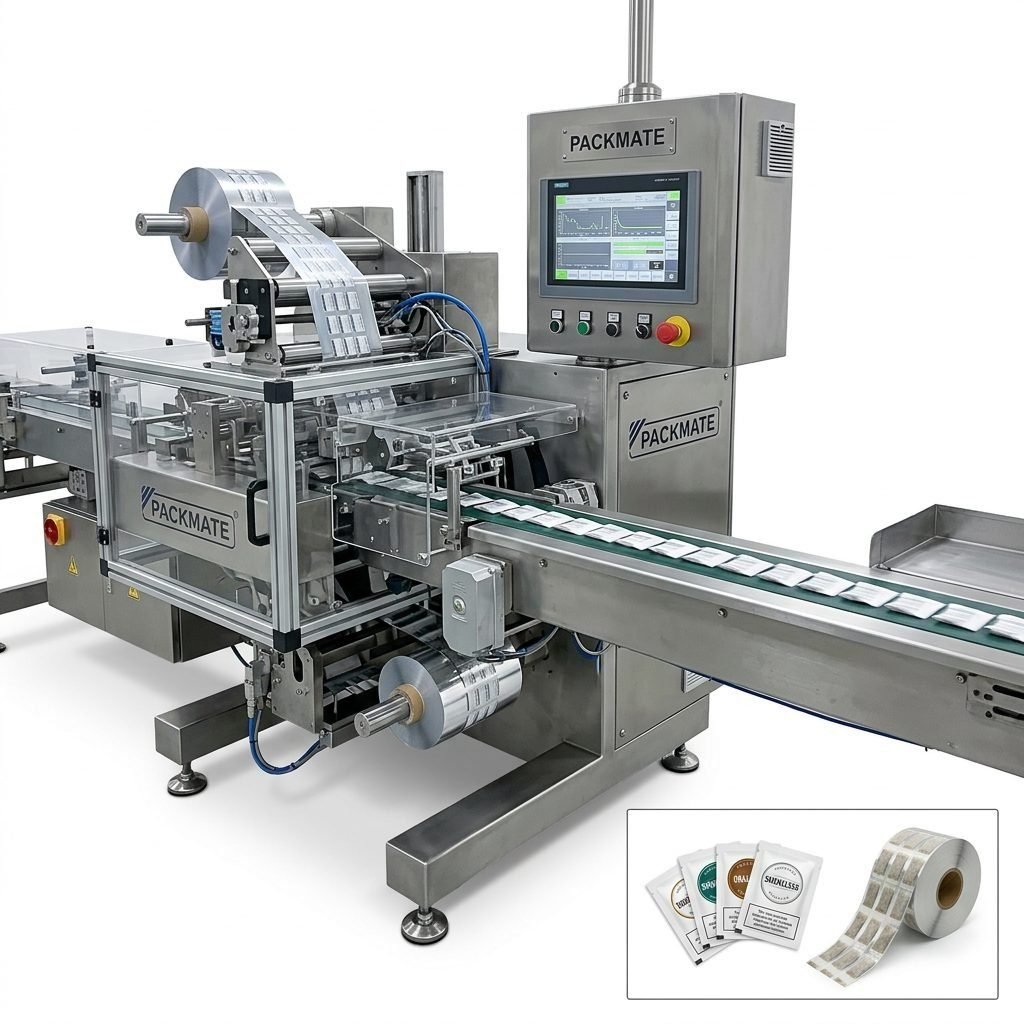
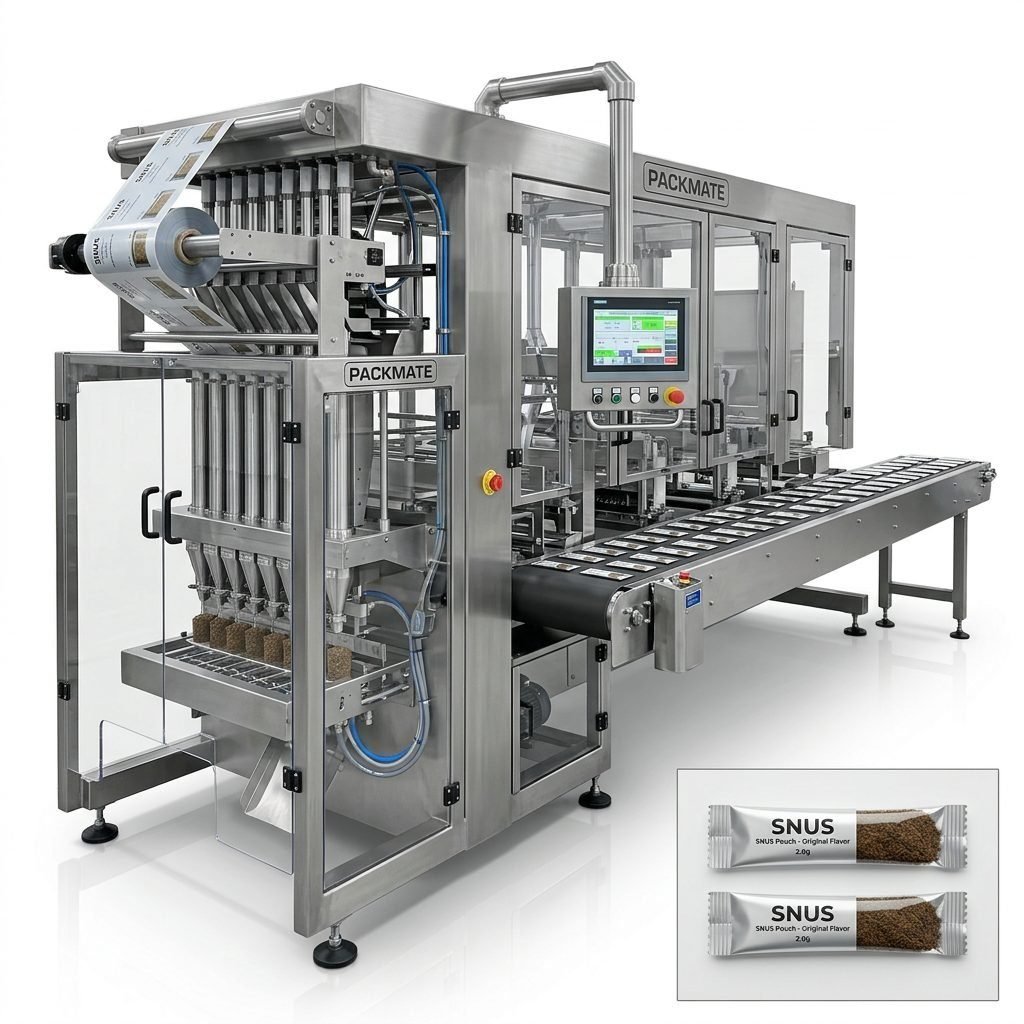
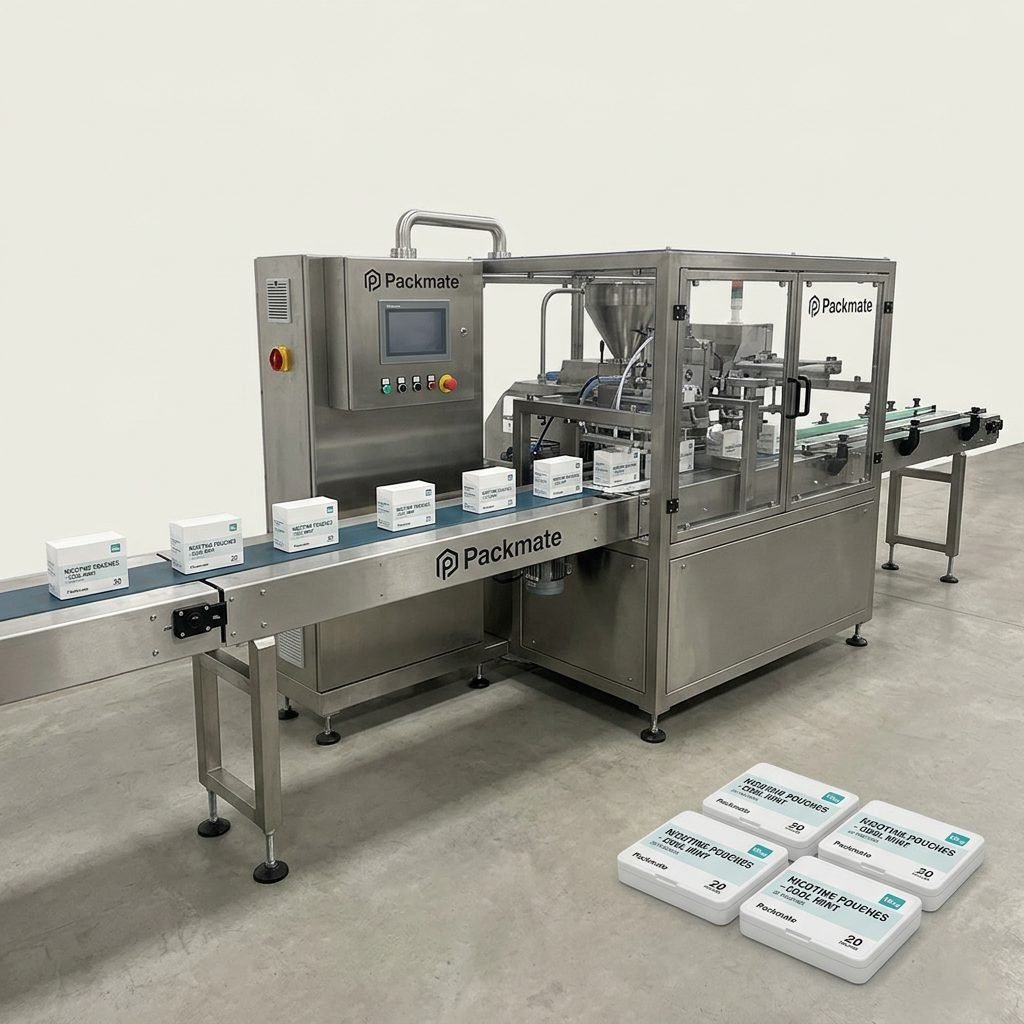
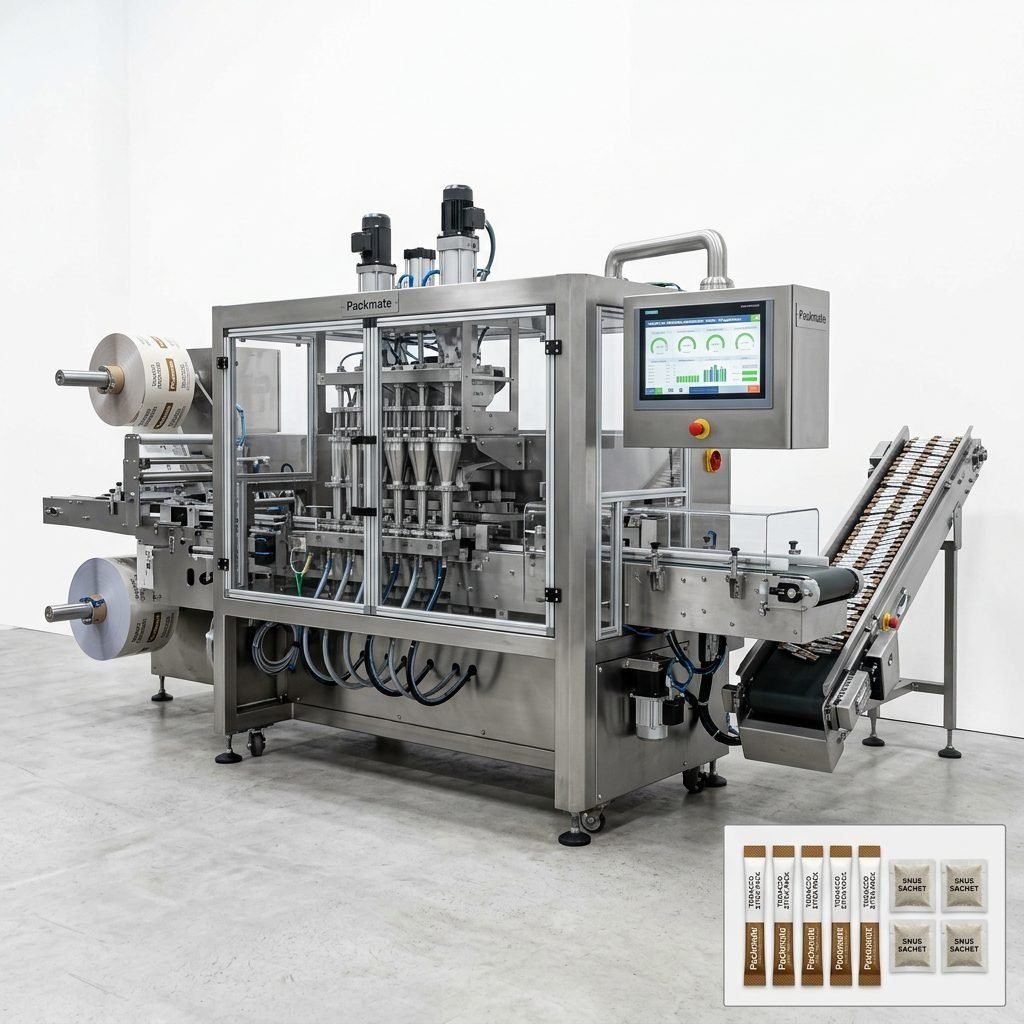
• Snus & Nicotine Pouch Machines — ideal for pre-formed or stick pouches that require precision filling and sealing. (See product details: Snus & Nicotine Packaging Machines)
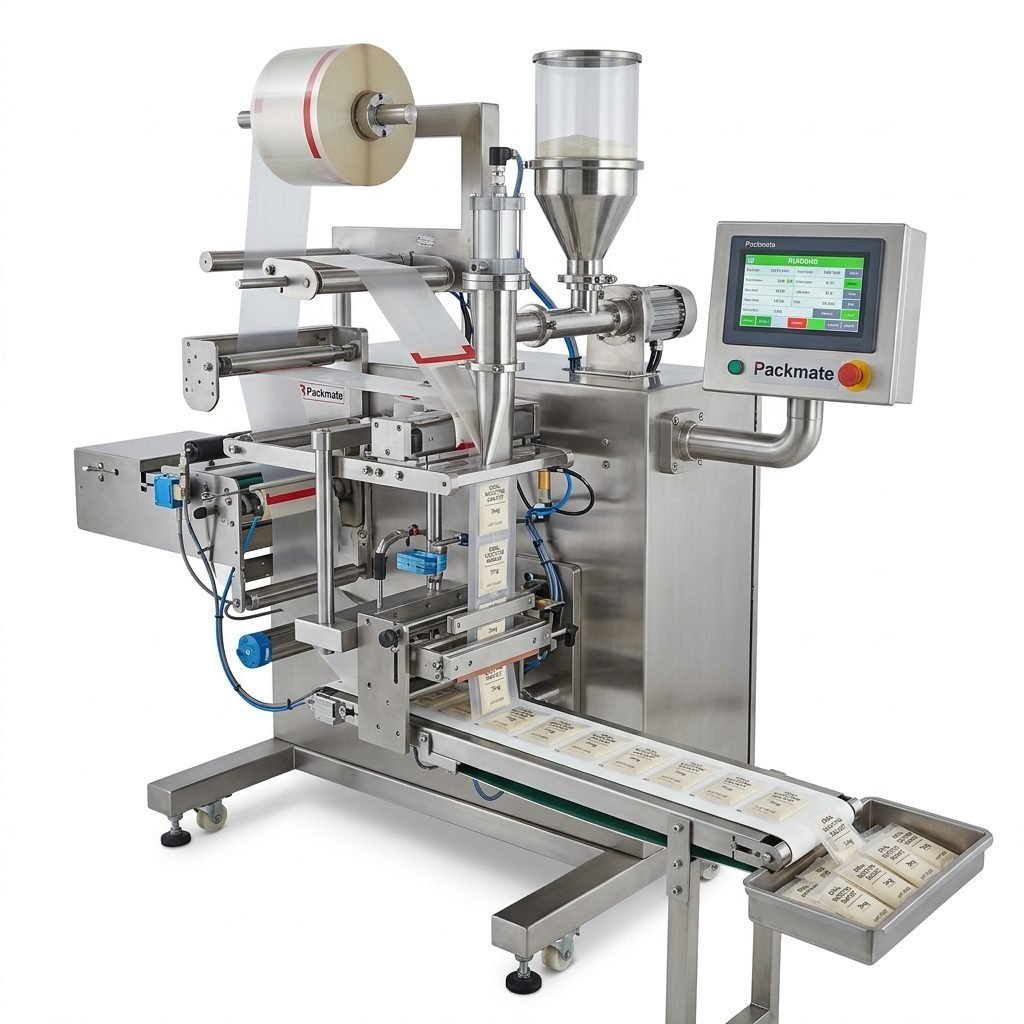
• Sachet & Stick Pack Machines — versatile for single-dose sachets and stick packs; suitable for powder, granule and liquid nicotine formats. (Sachet & Stick Pack Machines)
• Multi-lane Systems — increase throughput without increasing floor space. Best for high-volume small-dose pouches.
• Filling & Packaging Lines — fully integrated solutions that combine weighing, dosing, filling, packing and boxing. (Filling & Packaging Lines)
Key Selection Criteria — What to Evaluate
When comparing suppliers and models, rank each machine based on the following criteria:
✅ Production Capacity & Speed: Match machine speed (pouches/min) to your daily targets. Multi-lane machines can multiply throughput while keeping unit costs down.
✅ Dosing Accuracy: Nicotine dosing must be precise. Prioritize high-precision weighers and volumetric or auger fillers with closed-loop feedback.
✅ Material Compatibility: Check compatibility with foil, paper, biodegradable films and heat-sealing adhesives used in Guyana’s climate.
✅ Sealing & Integrity: Reliable sealing systems and integrated leak testing/visual inspection reduce costly recalls in fragile markets.
✅ Automation & Controls: User-friendly PLC/HMI systems, recipe storage, and remote diagnostics shorten downtime and ease operator training.
✅ Service Network & Spare Parts: Fast spare-part supply and local service partners are critical in Guyana to minimize shipment delays and customs hold-ups.
✅ Certifications & Safety: CE/ISO certifications and international safety standards matter for export-oriented producers and local compliance.
Technical Details to Verify
• Frame material and IP rating for electrical components to withstand humid environments.
• Clean-in-place (CIP) and tool-free disassembly features for fast sanitation.
• HMI language options and training materials for local operators.
• Energy consumption and power compatibility (single-phase vs three-phase) for Guyanese infrastructure.
Integrating Auxiliary Equipment on Your Line
A reliable production line is more than the packer. Consider these companions:
• Weighing & Packaging Systems: high-precision checkweighers and multi-head weighers for consistent pouch weight. (Weighing & Packaging Systems)
• Auxiliary Packaging Equipment: conveyors, table top wrappers, batching systems for complete logistics. (Auxiliary Packaging Equipment)
• Coding & Vision Inspection: automated date/lot coding plus vision systems to check seals and print quality.
Costing & Return on Investment (ROI)
Calculate both upfront and ongoing costs:
• Initial CAPEX: machine price, shipping, import duty and installation.
• Operational Expenditure: labor, utilities, consumables (films, powders), maintenance and spare parts.
• Efficiency Metrics: calculate OEE (Availability × Performance × Quality). A higher initial investment in reliable multi-lane equipment often yields faster payback due to lower downtime and fewer rejects.
Why Partner with an Experienced Manufacturer?
An experienced partner can shorten your learning curve and reduce risk:
• Packmate Snus Machine brings 30+ years of engineering experience and a factory with advanced CNC machining and precision assembly. Learn more about the company background and capabilities here: About Packmate.
• A broad model line (50+ machines) and turnkey solutions reduce the need to integrate multiple vendors. See successful deployments: Case.
Practical Procurement Checklist
Use this checklist during RFQ and factory acceptance testing (FAT):
• Confirm target output (pouches/day) and required pouches/minute under real product conditions.
• Request demonstration videos with your specific product or similar products; ask for FAT when possible.
• Verify spare parts list, recommended spares on hand, and lead times for key components.
• Check warranty terms, service response time to Guyana, and available training (onsite/remote).
• Confirm electrical power specs and environmental controls needed for consistent operation.
Installation, Commissioning & Operator Training
Successful commissioning is essential to start production quickly:
• Pre-shipment checklist — confirm power, utilities, and floor plans to avoid onsite delays.
• Onsite startup — aim for supplier-led commissioning with process optimization for your product formula and film types.
• Training — include operators and maintenance staff; secure training manuals and spare parts kits.
Common Pitfalls and How to Avoid Them
Avoid these common mistakes when purchasing nicotine packaging equipment in Guyana:
• Choosing machines only on price — low-cost machines often lack durability, spare parts availability, and service support.
• Overlooking environmental protections — humidity and temperature control can make the difference between consistent quality and returns.
• Underestimating local logistics — customs, port handling and inland transport in Guyana can add time and cost; plan for buffer time and costs.
Exhibitions & Live Demonstrations
Seeing machines in person is invaluable. Packmate participates in major global exhibitions where live demos are available. Check upcoming events and demonstration schedules: Our Exhibition.
Next Steps — How to Request Quotes and Start a Project
1) Prepare a short specification: product format, target output, film/material types, and utility availability in your facility.
2) Contact manufacturers with your spec and request FAT videos, references, and lead times. (Contact: Contact Us)
3) Evaluate total landed costs (machine + shipping + duty + installation) and onboarding services.
Final Practical Tip
✅ Start small, plan modular: Buy a robust base machine with clear upgrade paths (multi-lane add-ons, higher-speed modules). This reduces upfront risk while allowing growth aligned with market demand in Guyana.
Summary FAQ — Common Questions
Q1: What machine type is best for small-dose nicotine pouches in humid climates?
A1: Multi-lane snus/nicotine pouch machines with enclosed dosing systems and optional climate control are preferred because they maintain dosing accuracy and sealing consistency under higher humidity.
Q2: How important is local after-sales service for a Guyanese production line?
A2: Extremely important. Fast access to spare parts and technical support reduces downtime. Choose a supplier who provides clear spare part lists, training, and remote diagnostics.
Q3: Which documentation should I request before purchase?
A3: Request CE/ISO certificates, FAT videos with your product, detailed electrical and pneumatic specs, spare parts list, warranty terms, and installation/training scope.
Q4: Can I start with a low-speed machine and upgrade later?
A4: Yes — many manufacturers offer modular designs. Confirm upgrade paths ahead of purchase to avoid incompatibility.
Q5: Where can I view machine models and solutions from an established manufacturer?
A5: Explore machine families and turnkey solutions to judge fit and scale: Snus & Nicotine Packaging Machines, Sachet & Stick Pack Machines, and the company profile (About Packmate).