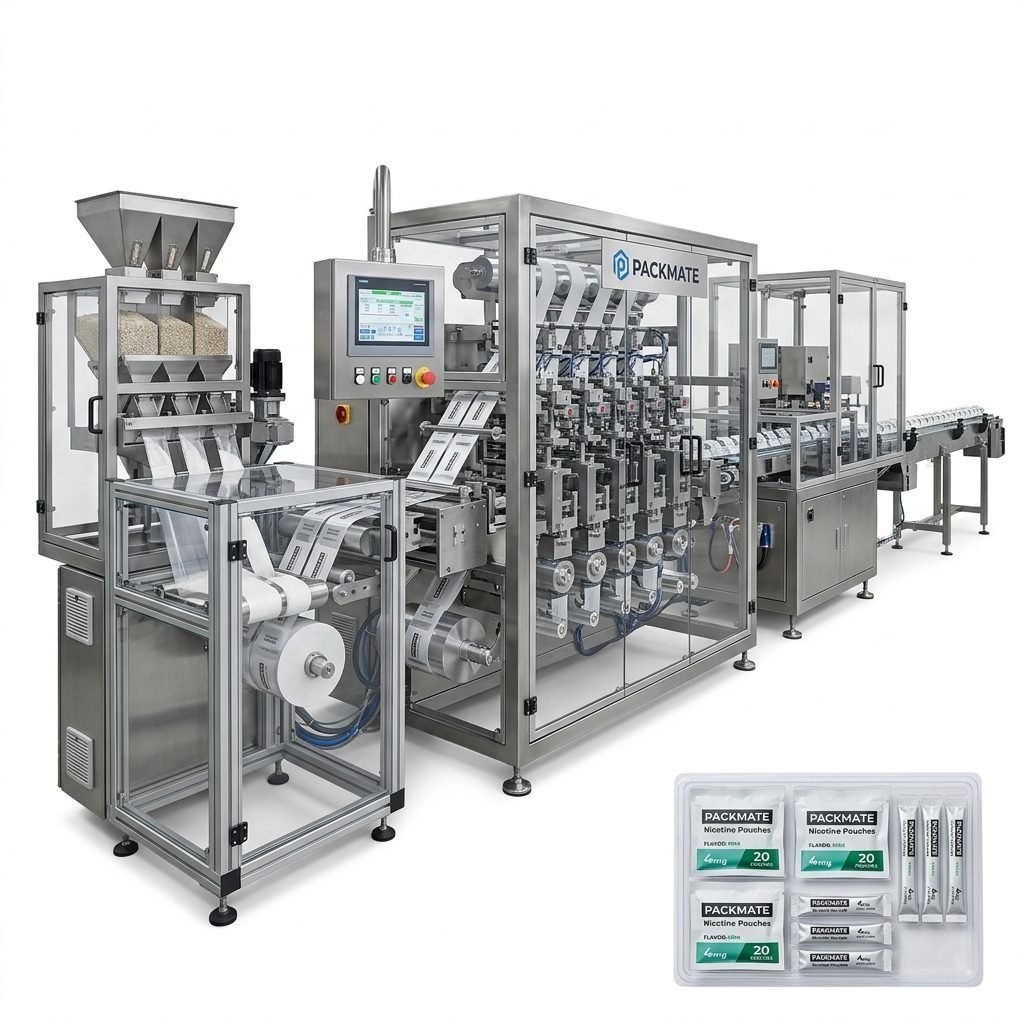
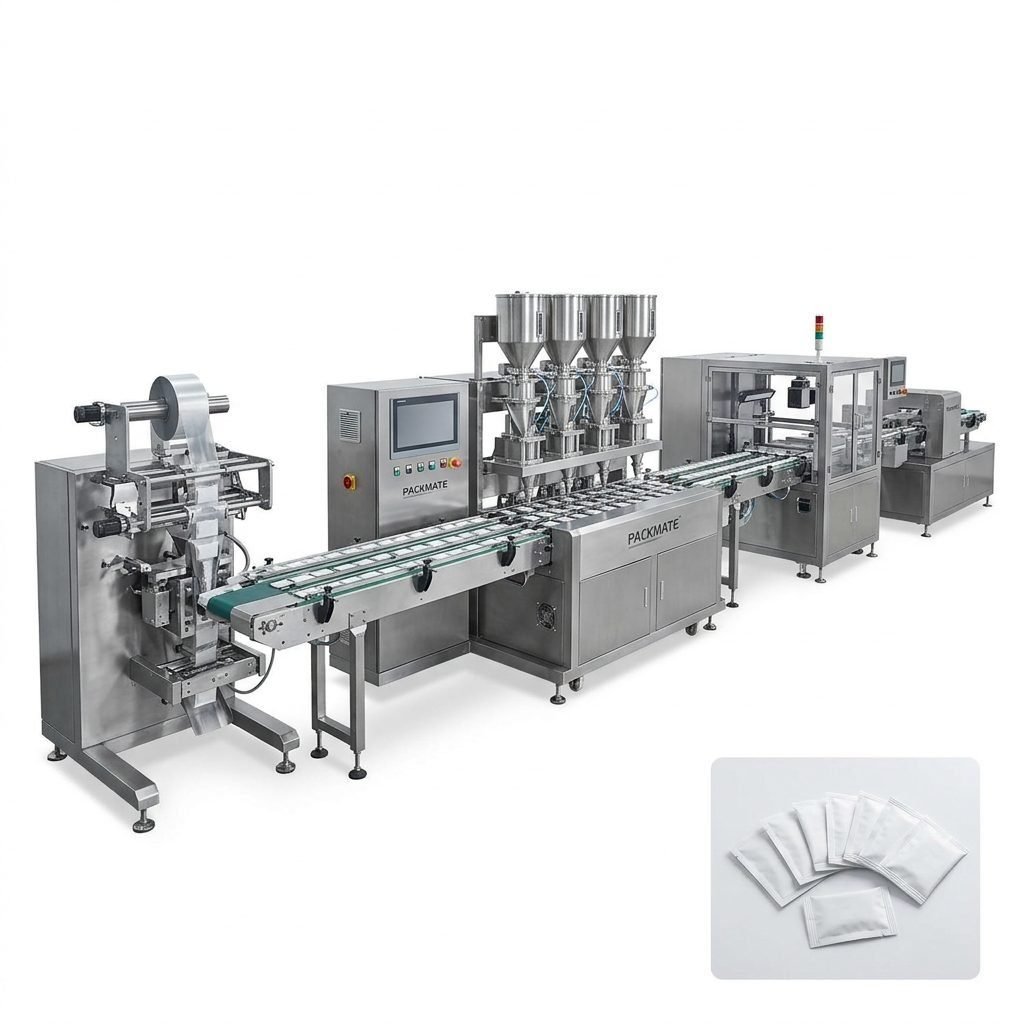
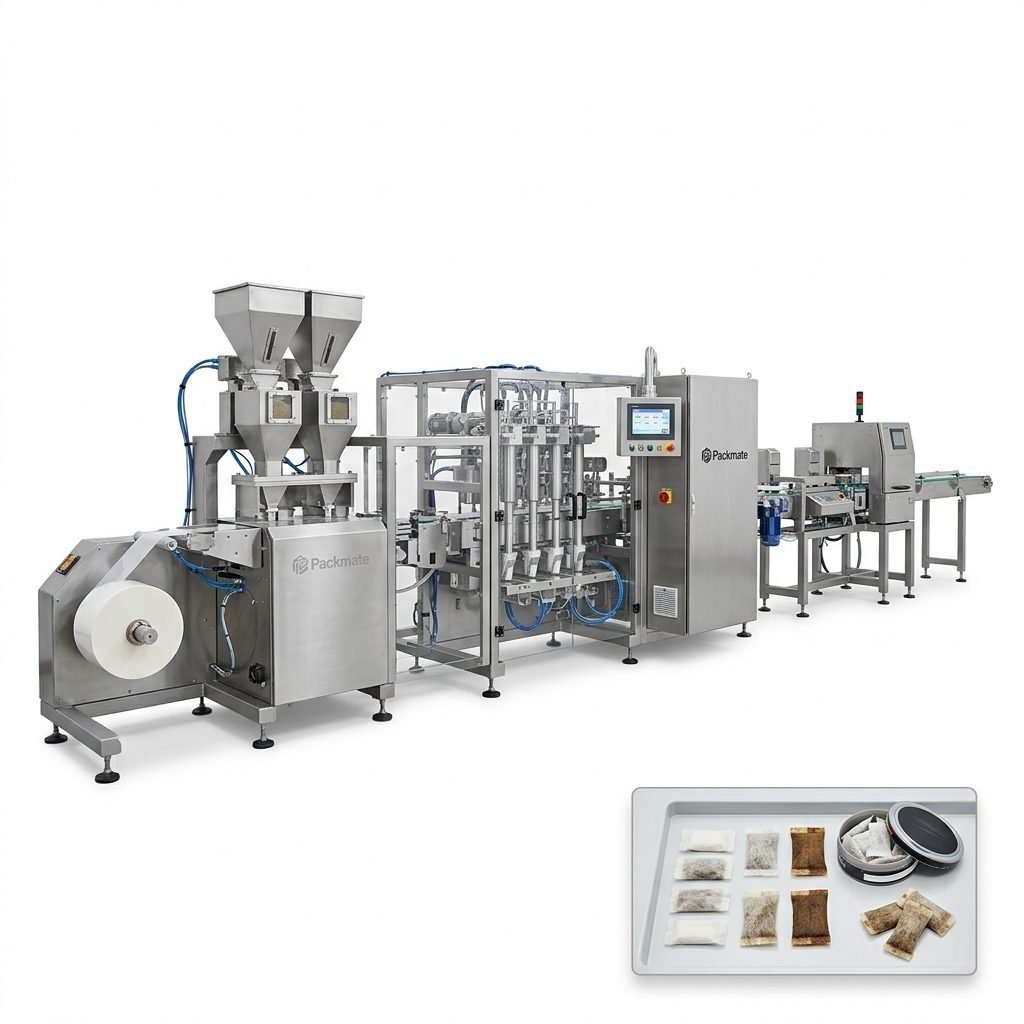
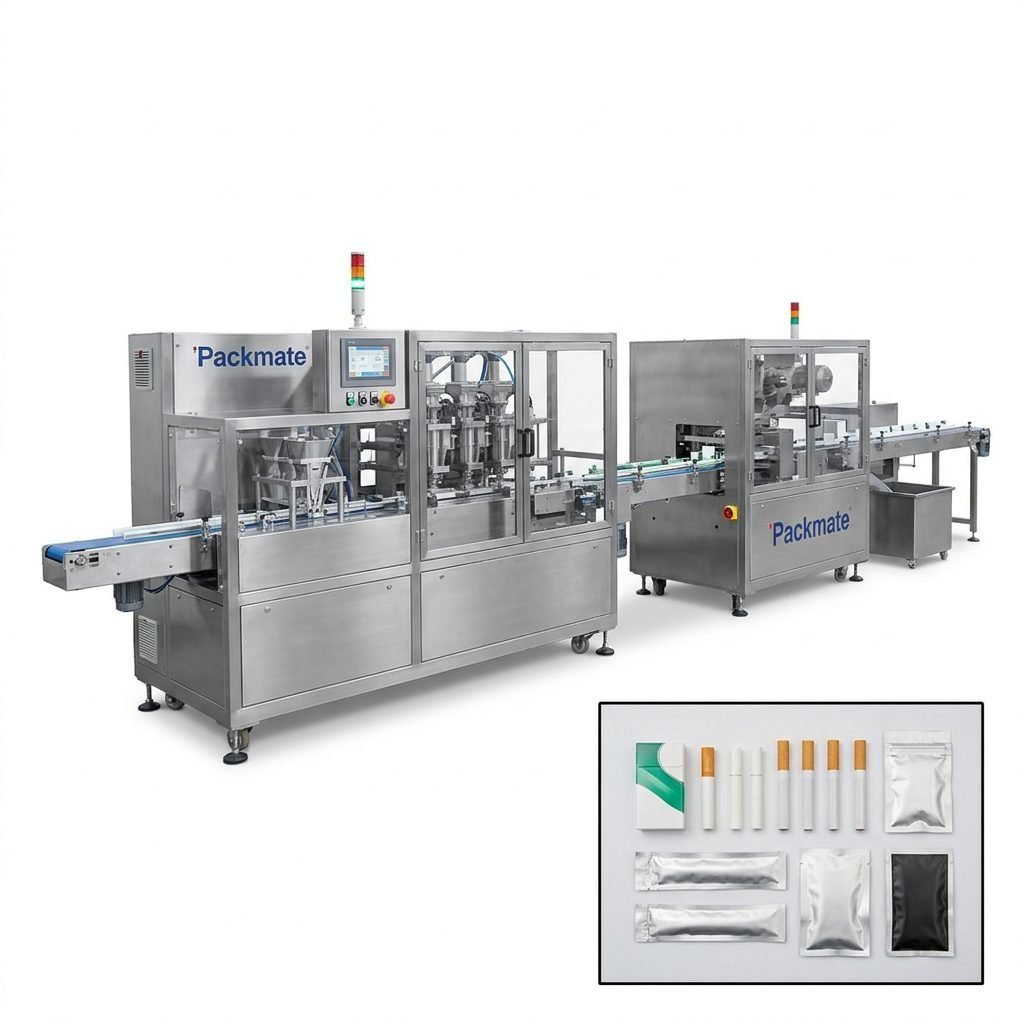
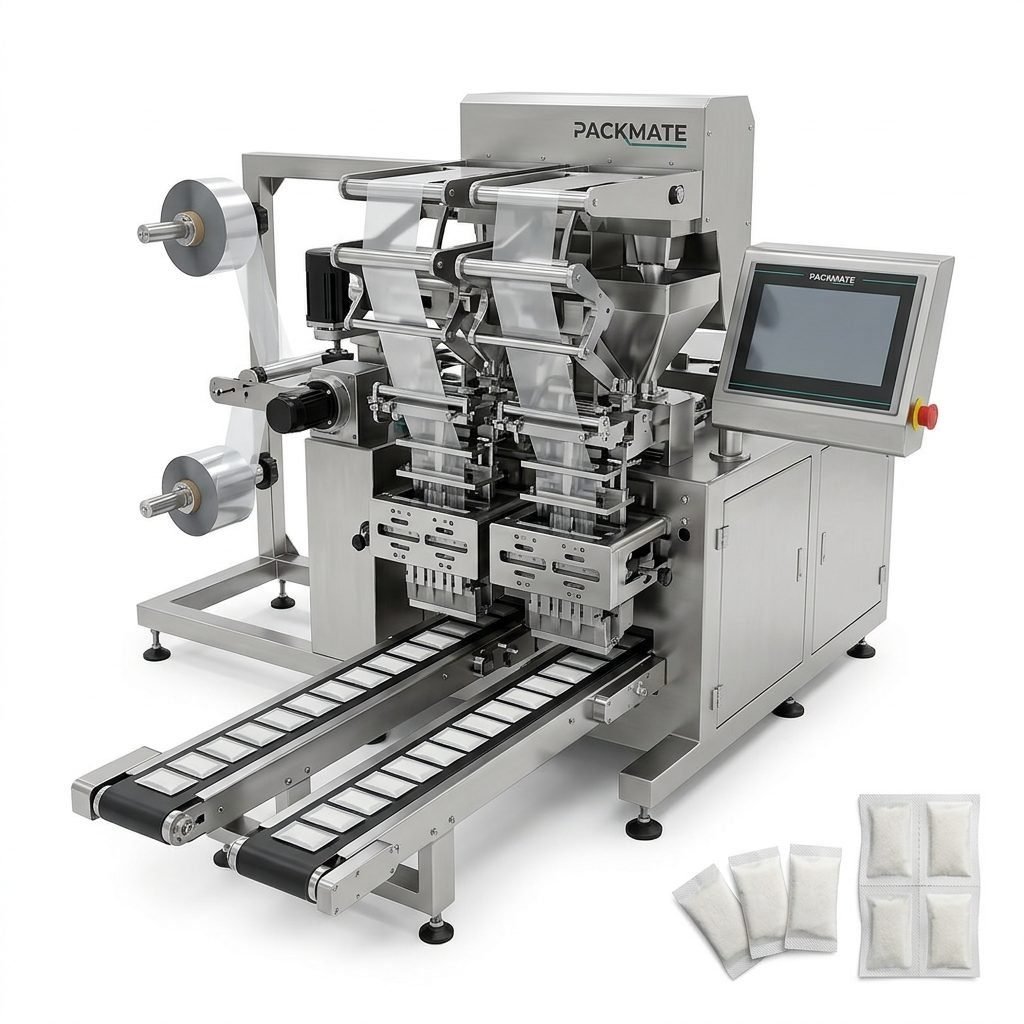
Choosing the right nicotine packaging machinery in Cabo Verde requires more than comparing speed and price. Local climate, island logistics, regulatory environment, consumer preferences, and available technical support all shape the best solution for your production needs. This guide walks you through practical steps and key considerations to help you select a reliable, efficient, and compliant packaging line for nicotine pouches, snus, sachets, or stick packs—tailored to Cabo Verde’s market and operational realities.
Understanding Cabo Verde’s Market and Local Considerations
Cabo Verde is an island nation with a tourism-driven economy, seasonal demand spikes, and an environment that challenges moisture-sensitive products. Local buyers and travelers expect compact, attractive packaging, while producers must balance small-batch flexibility with the potential for increased demand during festival seasons and peak tourist months.
Key local considerations include:
⚠️ Regulatory awareness: Products containing nicotine face strict import and sale rules across many jurisdictions. Ensure your machinery and packaging workflows support regulatory labeling, batch coding, tamper-evident features, and traceability.
📦 Logistics & island transport: Choose packaging formats and materials that withstand multi-modal transport (sea, road, air) and humidity swings. Machines that minimize product damage and provide compact shipping cartons reduce costs.
Types of Nicotine Packaging Machinery to Consider
Different product formats and business models require different equipment. Common types include:
Snus & Nicotine Pouch Packaging Machines
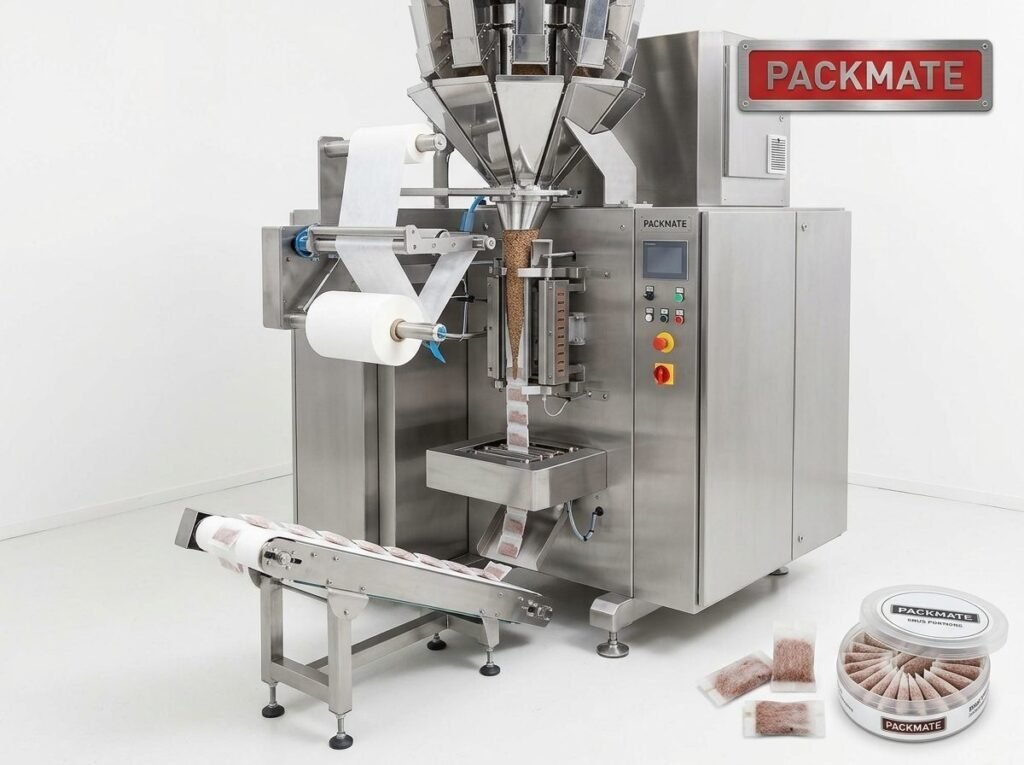
For nicotine pouches and snus, precision dosing, clean filling, and consistent sealing are vital. Multi-lane systems deliver high throughput for mature brands, while single-lane, flexible machines suit small batches and frequent product changes. Explore machine types and specifications at
Snus & Nicotine Packaging Machines.
Sachet & Stick Pack Machines
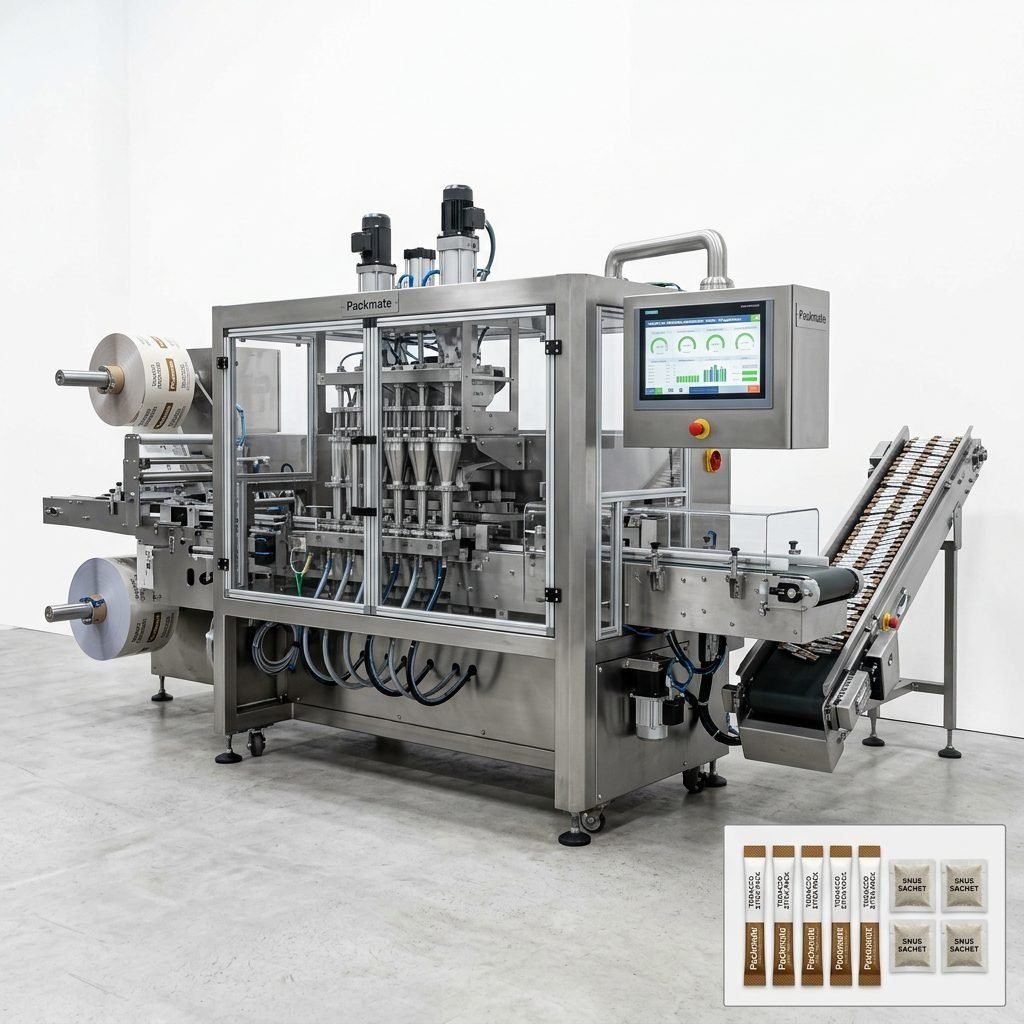
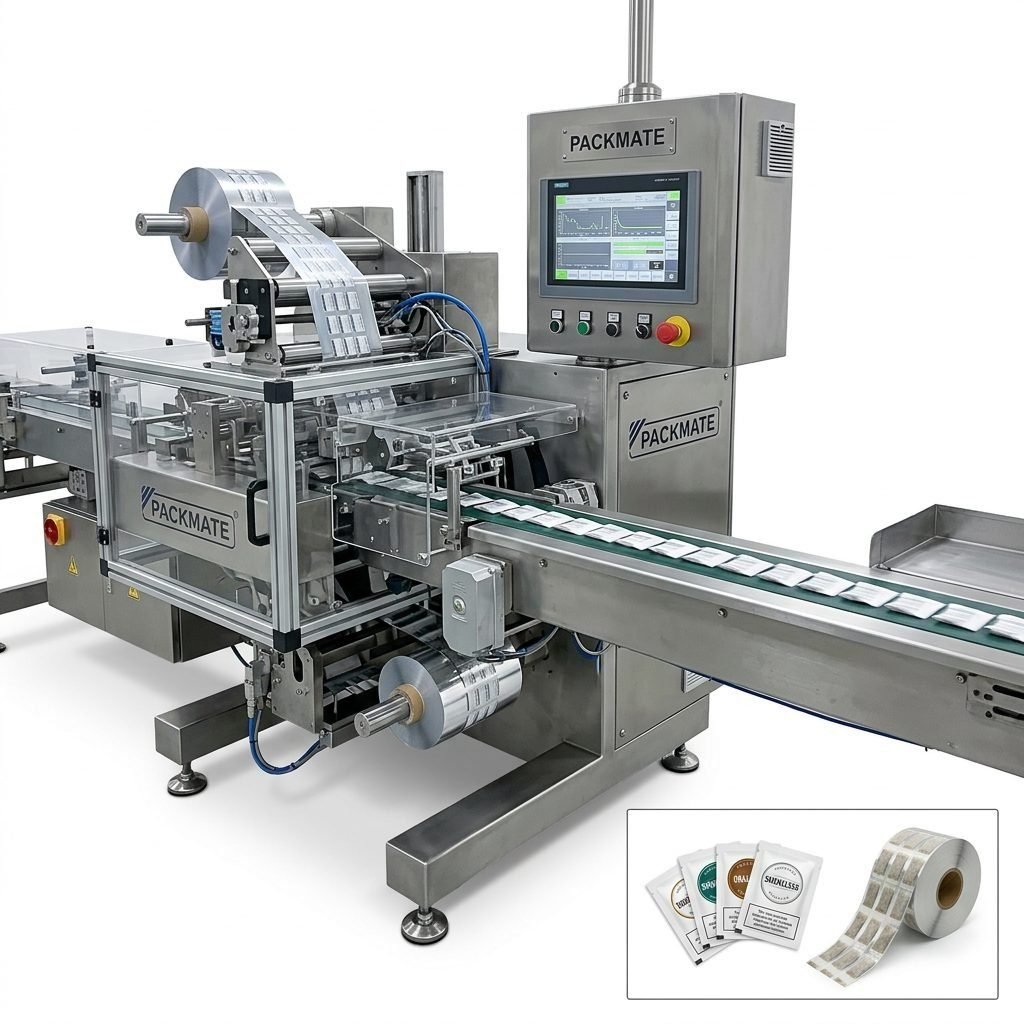
Sachet and stick-pack formats are popular for single-dose nicotine products or samples. They deliver convenience and strong branding opportunities. These machines are generally compact and ideal for test-markets or tourist-centric sales points. See options at
Sachet & Stick Pack Machines.
Filling, Weighing & Complete Packaging Lines
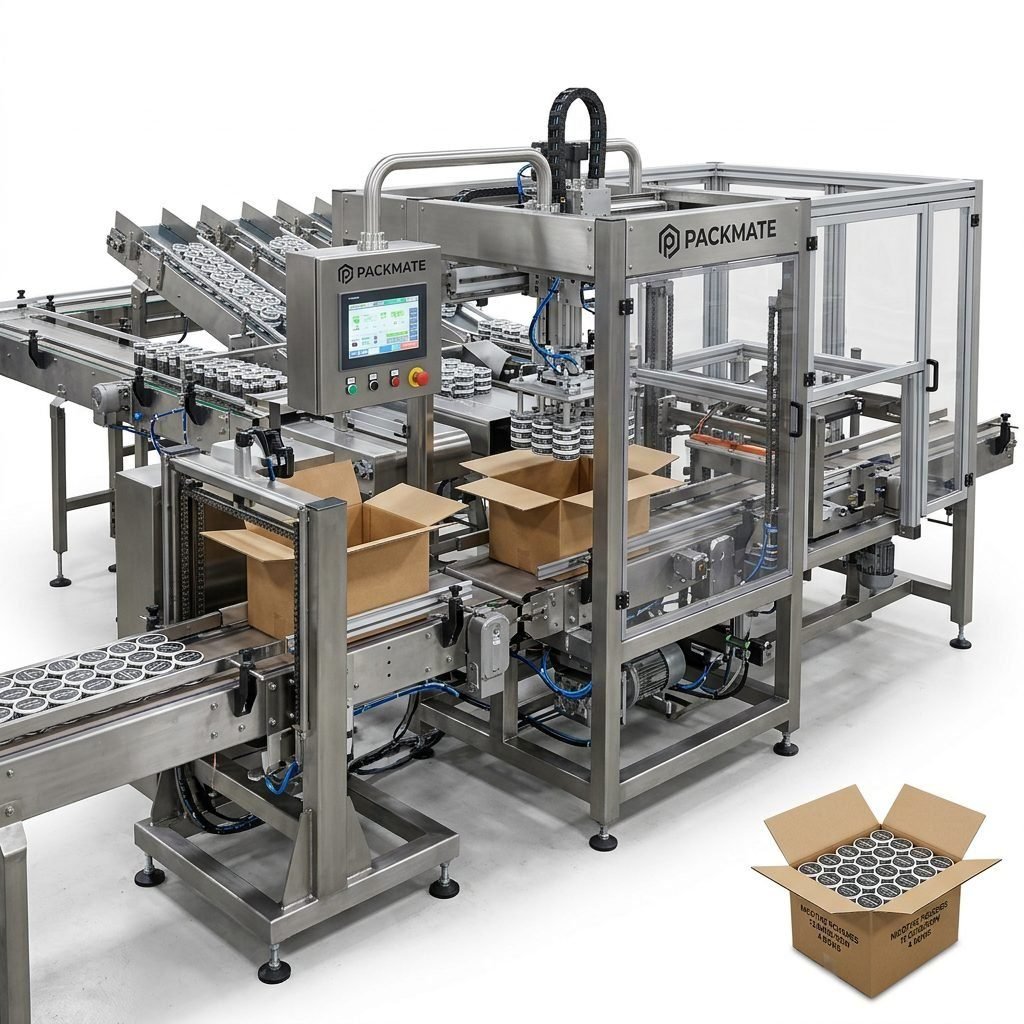
For brands scaling beyond pilot production, integrated filling, weighing, and packaging lines reduce manual handling and improve accuracy. These lines often include inline checkweighers, metering systems, and automated cartoners to prepare products for export. Learn more about turnkey solutions at
Filling & Packaging Lines.
Key Selection Criteria: What to Prioritize
Use the following checklist to evaluate machines objectively. Prioritize items according to your business model—small artisan batches versus export-driven high volume.
Production Capacity & Scalability: Choose a machine whose speed matches current demand and can scale. Multi-lane machines are ideal if you foresee rapid growth or export volumes.
– Accuracy & Dosing: Ensure dosing systems (vibratory, auger, or electronic) meet tolerance requirements to avoid costly rework.
– Hygiene & Contamination Control: Machines with enclosed filling areas, easy-clean designs, and GMP-compatible surfaces help meet hygiene standards.
– Material Compatibility: Confirm compatibility with foil, laminate, paper, and biodegradable films common in Cabo Verde packaging preferences.
– Energy & Power Requirements: Check local voltage and frequency; island infrastructure can vary. Machines with flexible input options reduce integration risks.
– Automation & Ease of Changeover: Quick mold-free changeovers and recipe-driven HMI reduce downtime and training time for local teams. Consider multilingual HMIs (Portuguese/Creole) for local operators.
Quality, Certifications, and Vendor Reputation
Buying machinery for nicotine products demands vendors who provide compliant and reliable equipment. Look for suppliers with recognized certifications (CE, ISO), strong factory capabilities, and a track record in snus/nicotine packaging. Packmate Snus Machine, with over 30 years of engineering experience and CE/ISO certifications, is an example of a vendor that offers tailored solutions and global turnkey services. See the company profile and credentials at
About Packmate and
Certificate.
Cost, ROI and Financing Options
Initial machine cost is only one part of the equation. Factor in installation, shipping to Cabo Verde, import duties, spare parts stock, operator training, and expected yield improvements. A higher upfront investment in automation often pays back faster with reduced labor, lower waste, and consistent quality—especially important for export-grade nicotine products.
Tip: Request a full TCO (Total Cost of Ownership) from vendors and insist on case studies from similar island or small-market customers. Packmate’s global cases provide examples of how multi-lane solutions performed in varied markets.
Local Installation, Training and After-Sales Support
After-sales support is the lifeline for island-based operations. Verify the vendor’s ability to provide:
– On-site installation and commissioning, or clear remote commissioning plans.
– Operator and maintenance training in Portuguese or with translated manuals for local teams.
– Fast spare parts shipment routes to Cabo Verde and stocked critical parts regionally.
– Remote troubleshooting and software updates to reduce downtime.
If you want to arrange demonstrations or meet suppliers, visiting global exhibitions is a good move—many vendors including Packmate attend these to showcase live demos. See exhibitor information at
Our Exhibition.
Packaging Materials, Design and Shelf Life in Tropical Conditions
Heat and humidity on islands accelerate product degradation. Select packaging films and seals that offer strong moisture barriers and oxygen protection. Machines that provide reliable hermetic sealing and allow modified atmosphere packaging (MAP) options extend shelf life and protect product integrity during inter-island transport.
Practical Steps to Finalize Your Machine Purchase
1. Specify product details: pouch type, target output (pcs/min), target lanes, materials, and dosing accuracy.
2. Shortlist vendors by certification, references, and examples in nicotine/snuss markets.
3. Request factory acceptance testing (FAT) videos or live demos with your product.
4. Clarify delivery terms to Cabo Verde and plan customs clearance and import compliance.
5. Confirm on-site installation and local training scope.
6. Secure spare parts list and escalation contacts for rapid support.
✅ Vendor checklist: CE/ISO certificates, FAT reports, spare parts lead times, multilingual manuals, and a clear warranty & service level agreement.
Why Choose a Specialist Manufacturer for Snus & Nicotine Packaging?
Specialist manufacturers bring focused experience: optimized machine design for small-dose pouches, contamination controls specific to nicotine handling, and knowledge of packaging formats that enhance shelf presence. For an overview of specialist product lines, see
Snus & Nicotine Packaging Machines and
Bag & Pouch Packaging Machines.
Logistics & Customs Tips for Cabo Verde Buyers
– Coordinate with freight forwarders experienced in shipments to Mindelo (São Vicente) and Praia (Santiago) to avoid delays.
– Prepare accurate HS codes and regulatory documentation for nicotine products to prevent clearance problems.
– Choose machines with modular packing for sea freight to minimize shipping volume and cost.
How to Work with Suppliers for a Smooth Implementation
Communication and clear milestones reduce risk. Ask suppliers for:
– A written project timeline from order to commissioning.
– FAT documentation showing performance with your SKU.
– Remote support setup and spare parts kits shipped with the machine.
– Training materials in Portuguese or a translator at commissioning.
To start conversations about solutions and services, vendors often provide catalogs, case studies, and direct contact options. For service inquiries, visit
Service and to arrange direct contact, use
Contact Us.
Final practical checklist before purchase
– Confirm machine capacity vs real expected demand.
– Verify material compatibility and shelf-life performance.
– Check vendor references and FAT records.
– Ensure spare parts and training logistics to Cabo Verde.
– Clarify warranty, service response times, and remote support options.
Conclusion
Selecting the best nicotine packaging machinery for Cabo Verde blends technical specification with local realities: humidity control, island logistics, multilingual training, and regulatory compliance. Prioritize vendors with proven experience in snus and nicotine solutions, comprehensive after-sales support, and the flexibility to adapt to seasonal demand. By following the practical steps and checklist above, you can minimize risk and fast-track reliable, compliant production that meets both local and export-quality standards.
Frequently Asked Questions
Q1: What machine speed do I need for a small Cabo Verde market?
Start with a realistic weekly demand estimate. For local retail and tourist sales, a single-lane or low-speed multi-lane machine that produces a few thousand pouches per day may suffice. If you plan to export, consider scalable multi-lane lines.
Q2: How do I ensure the machine handles humidity and salt-air exposure?
Choose machines with corrosion-resistant components, enclosed filling modules, and robust sealing systems. Use barrier films and consider desiccant sachets for prolonged shelf life during island shipping.
Q3: What level of after-sales support should I require?
Insist on a clear support SLA: remote diagnostics, spare parts lead times, training in Portuguese or translator availability, and options for on-site visits. Confirm whether the supplier has regional partners or fast shipping routes to Cabo Verde.
Q4: Can Packmate supply turnkey solutions and help with installation?
Many specialist manufacturers, including Packmate, offer turnkey lines, FAT demonstrations, and commissioning support. Review their case studies and contact their sales team to discuss customized solutions and logistics. See examples and contact options at
Case and
Contact Us.
Q5: Are there special labeling or packaging features required for export?
Yes—export markets often require specific ingredients lists, health warnings, batch codes, and traceability features. Ensure your packaging machinery supports inline printing, coding, and serialization options.