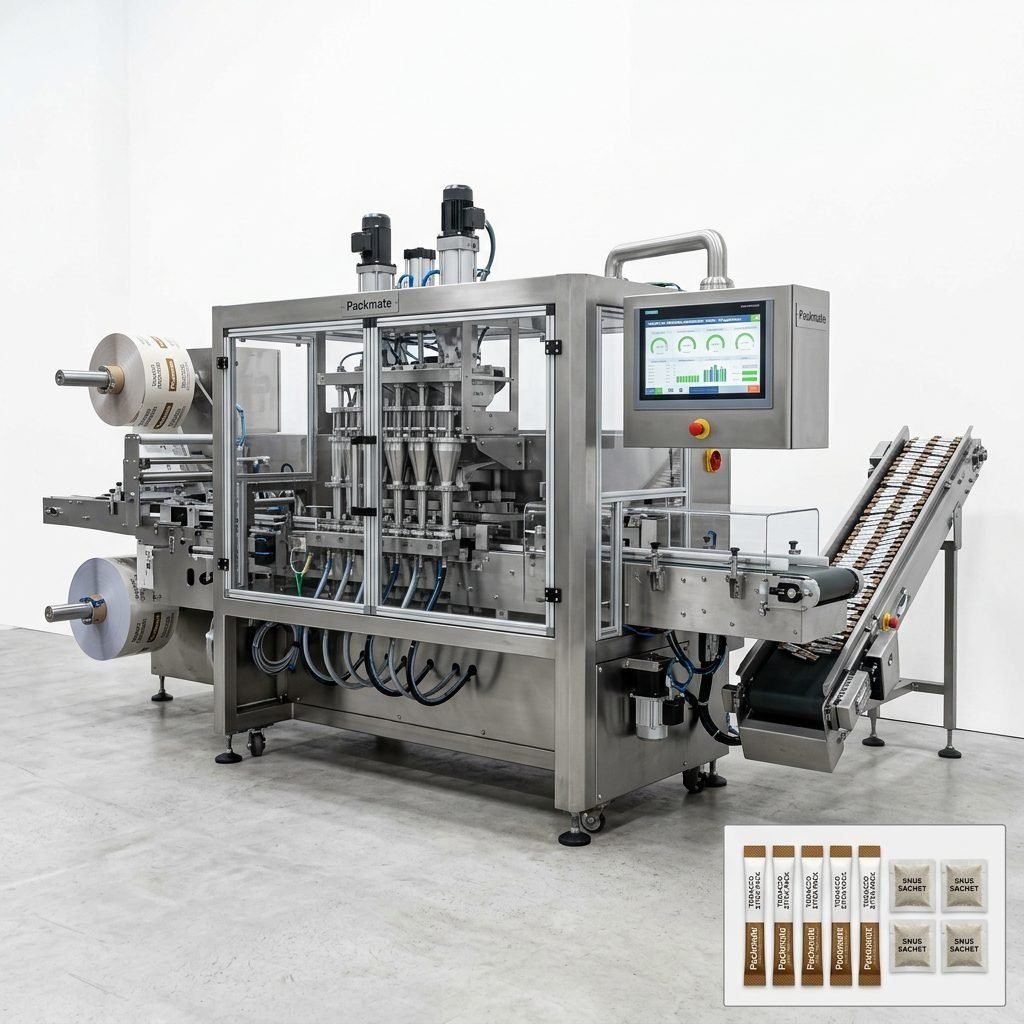
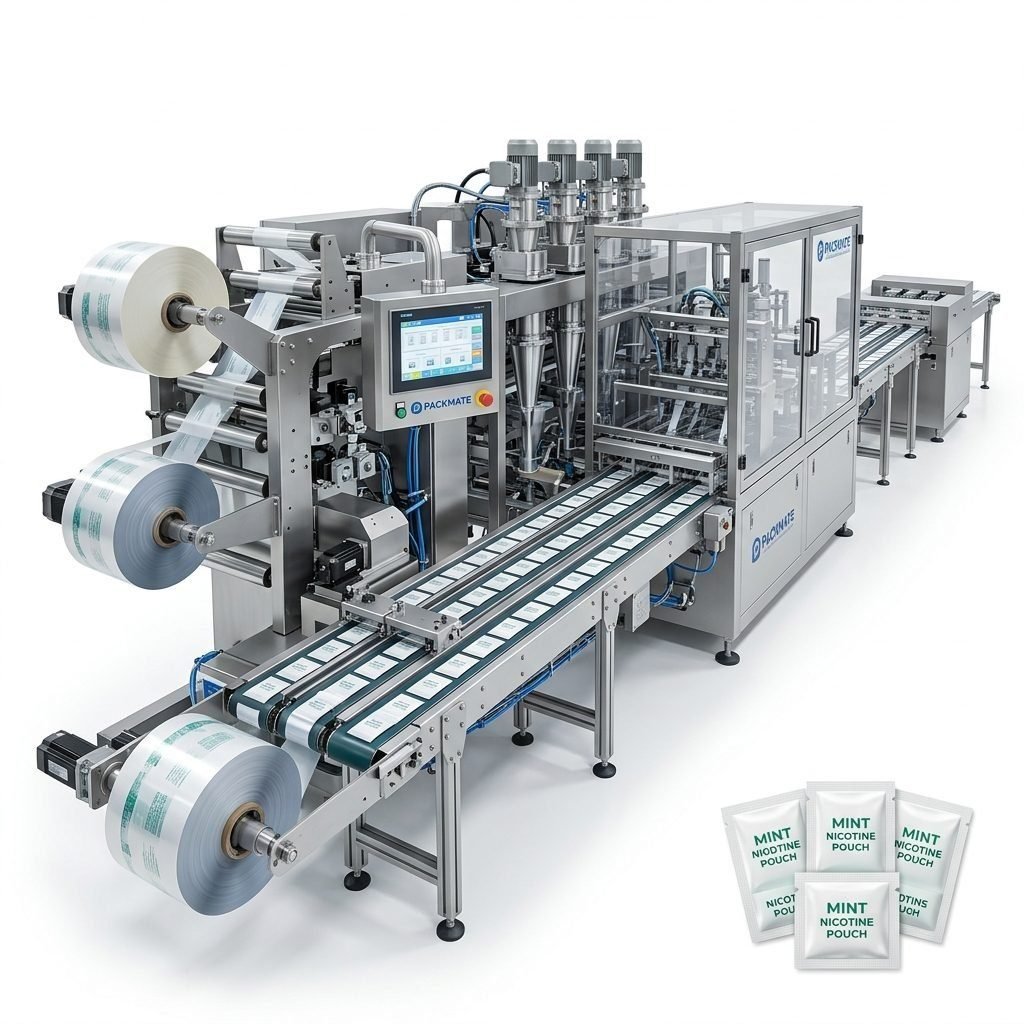
Choosing the right snus and nicotine pouch packaging machinery in France requires a balance of production efficiency, regulatory compliance, and sensitivity to local market habits. France’s regulatory environment and consumer preferences differ from Northern European markets where snus use is more established. Manufacturers must therefore select equipment that offers flexible formats, strong traceability, and precise dosing while also meeting EU and French labeling, safety, and waste-management expectations. The following guide walks French producers and international suppliers through practical, technical, and local considerations to ensure an efficient and compliant production line.
Understand the French Market Context
France has particular consumer habits and regulatory nuances worth noting:
📌 Consumer preferences: French consumers favor discreet, high-quality packaging and clear French-language labeling. Flavors and portion sizes are often more conservative than in Nordic countries, and private-label retail is common for convenience and pharmaceutic channels.
📌 Regulatory landscape: Nicotine pouches fall under EU and national regulations—labeling, packaging safety, and emission of waste are important. Ensure packaging lines can print variable batch codes and multilingual labels (French required), and that machines support traceability features for compliance and audits.
📌 Distribution channels: Pharmacies, tobacconists, vending, and e-commerce each have different packaging needs (e.g., tamper-evident packs, small retail-ready cartons, or discreet pouches).
Key Machine Types to Consider
Different packaging formats require different machine solutions. Match your product format and throughput goals to the proper type:
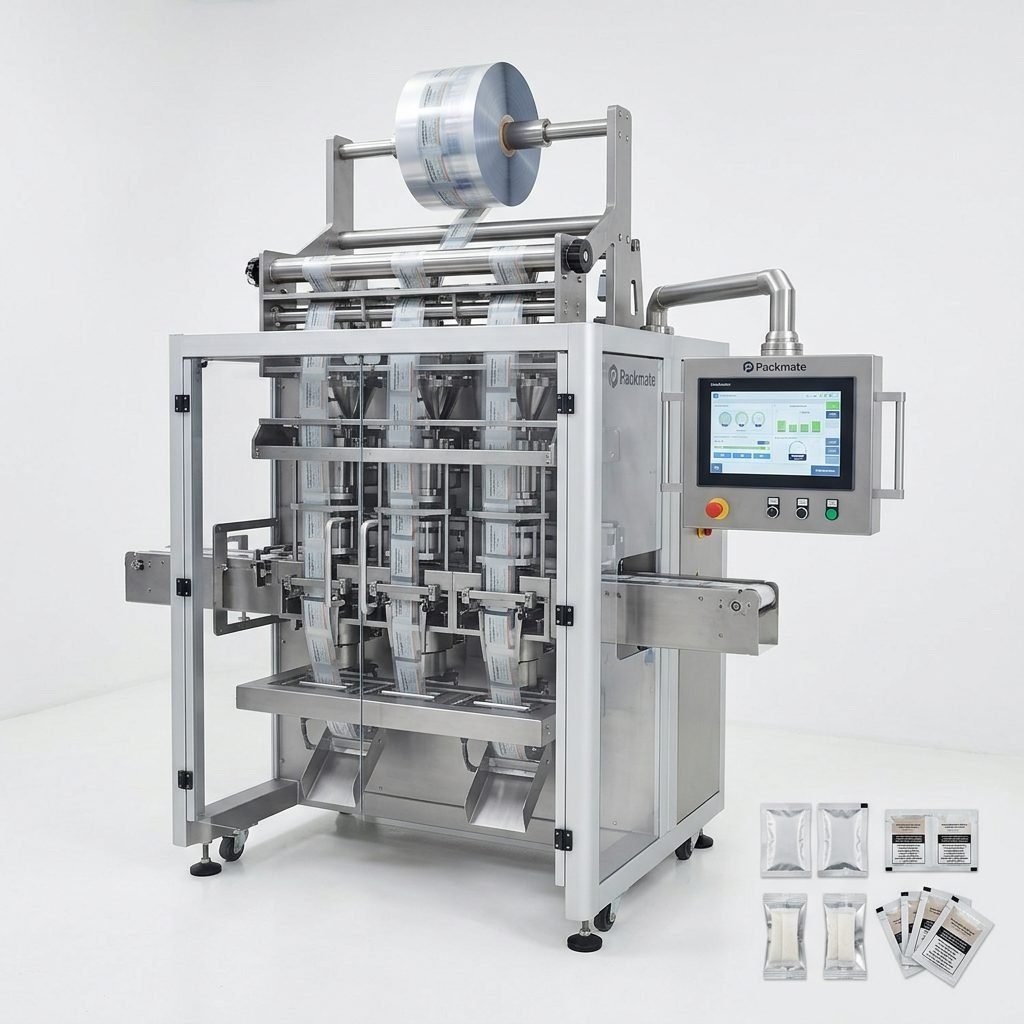
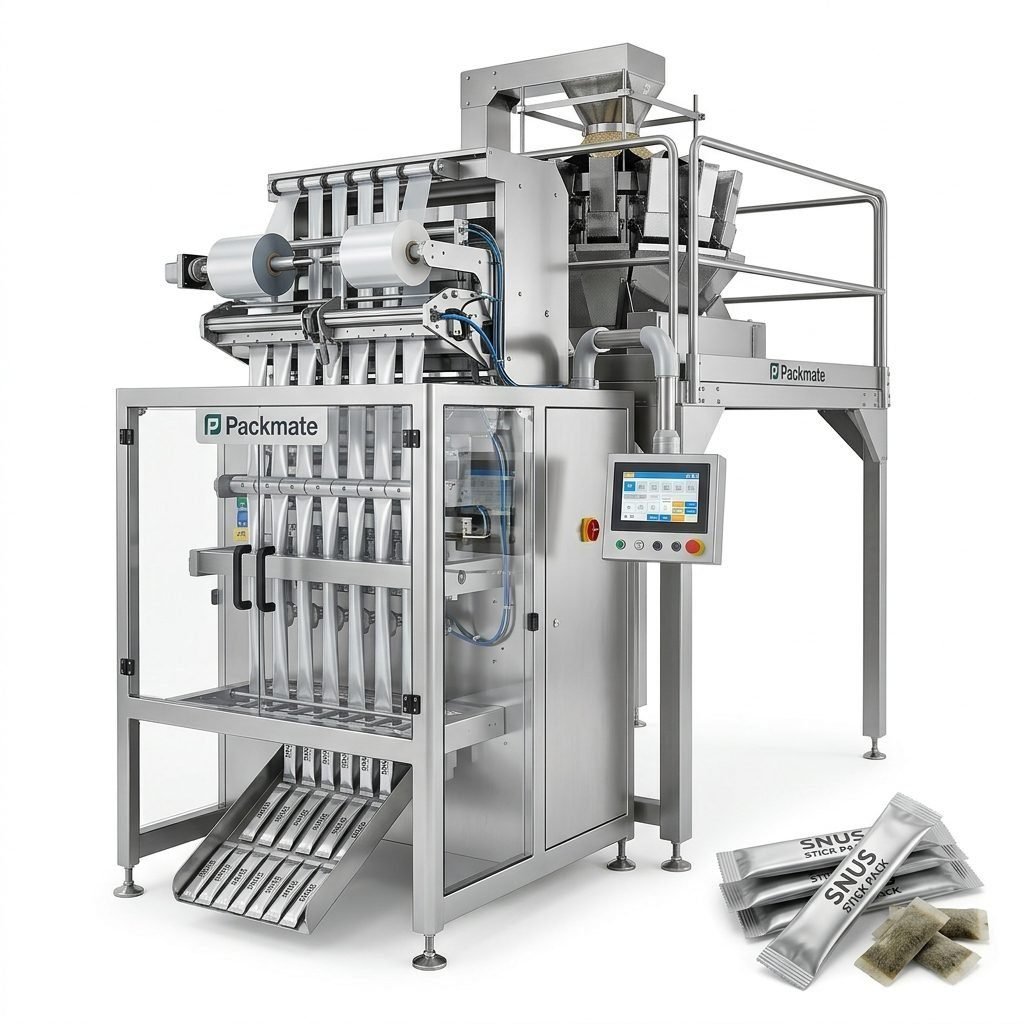
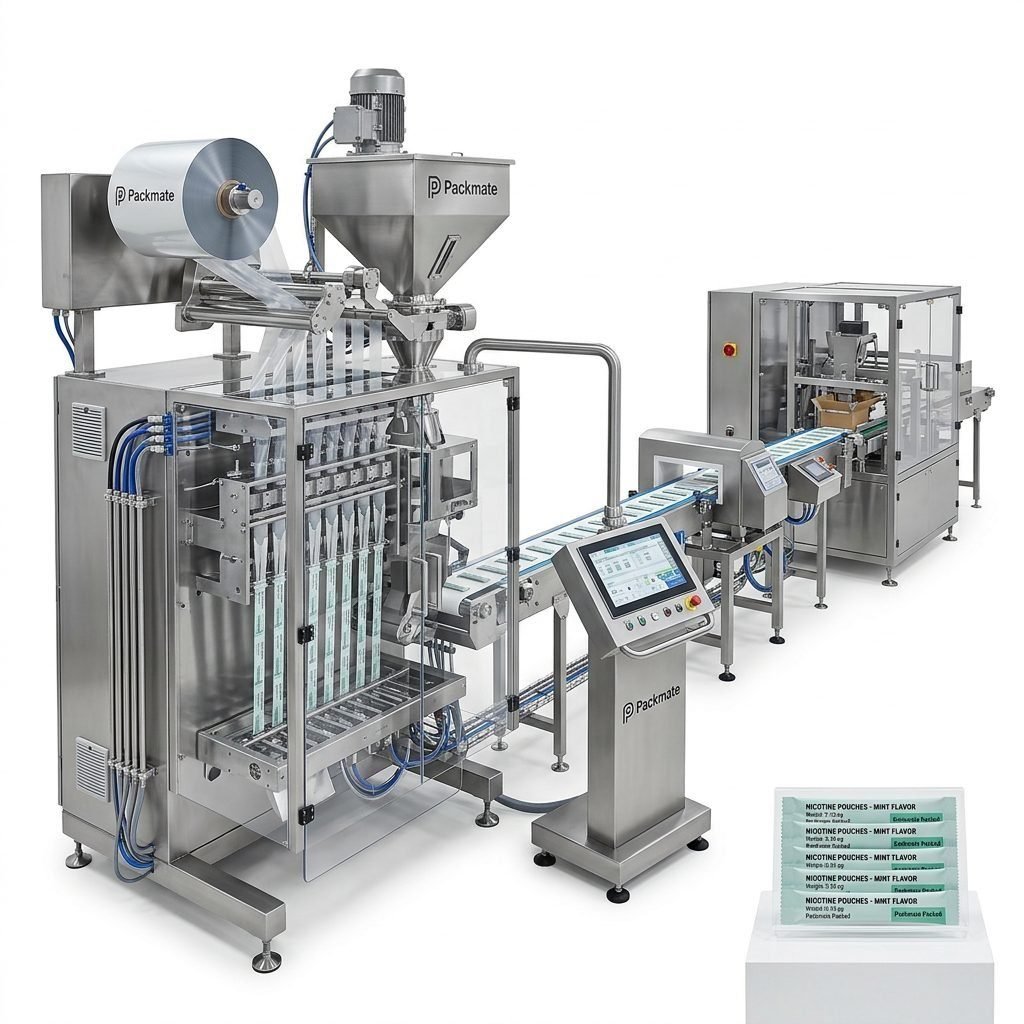
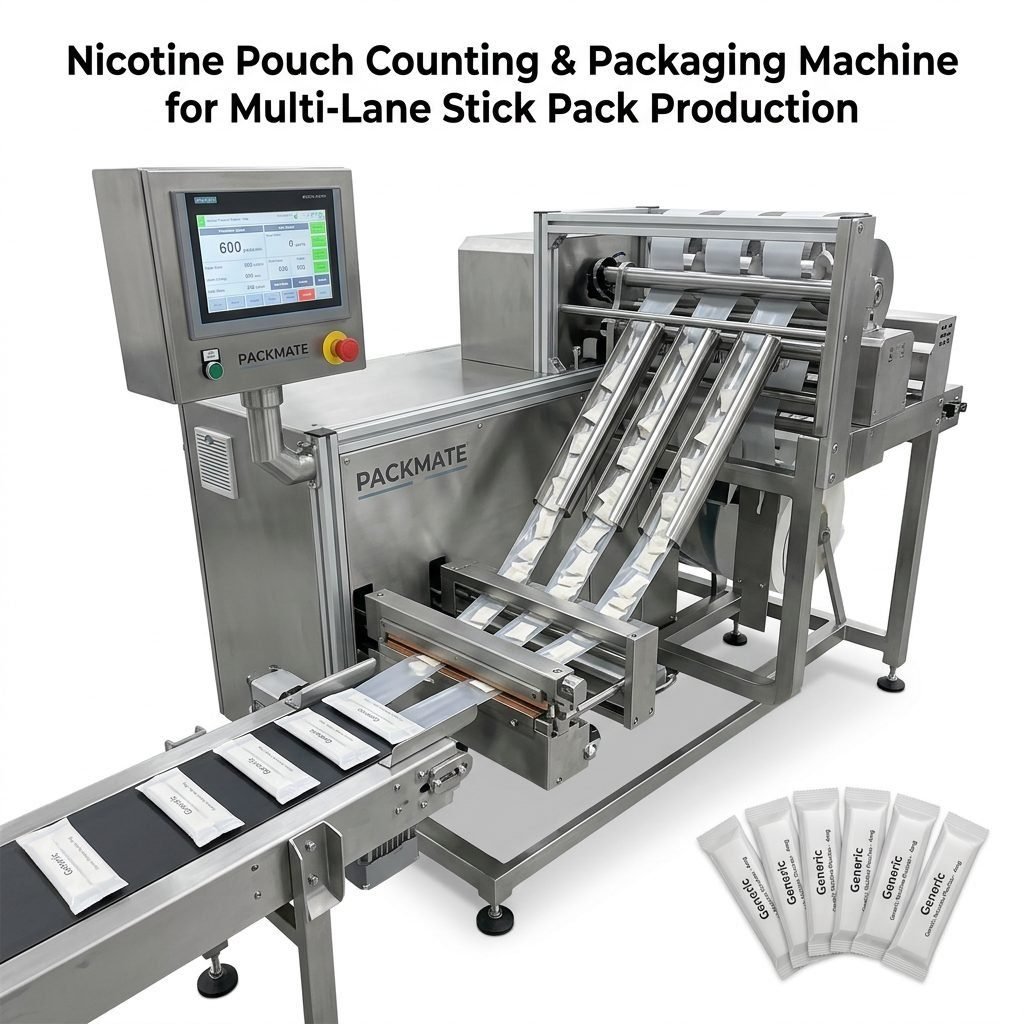
🔧 Stick pack and sachet machines: Ideal for single-dose pouches and sachets that are popular in sampling or retail trial packs. These machines offer high-speed, low-waste packaging for flowable or paste-like fillings.
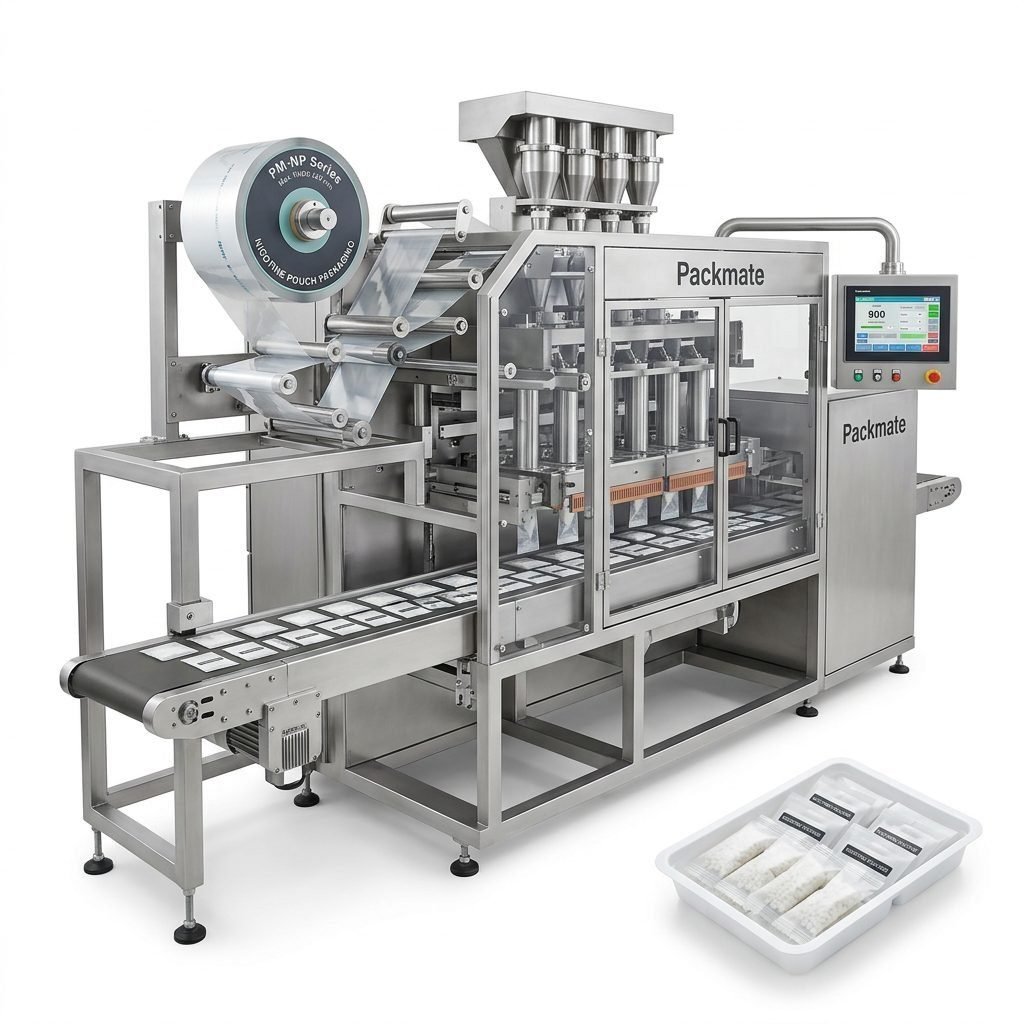
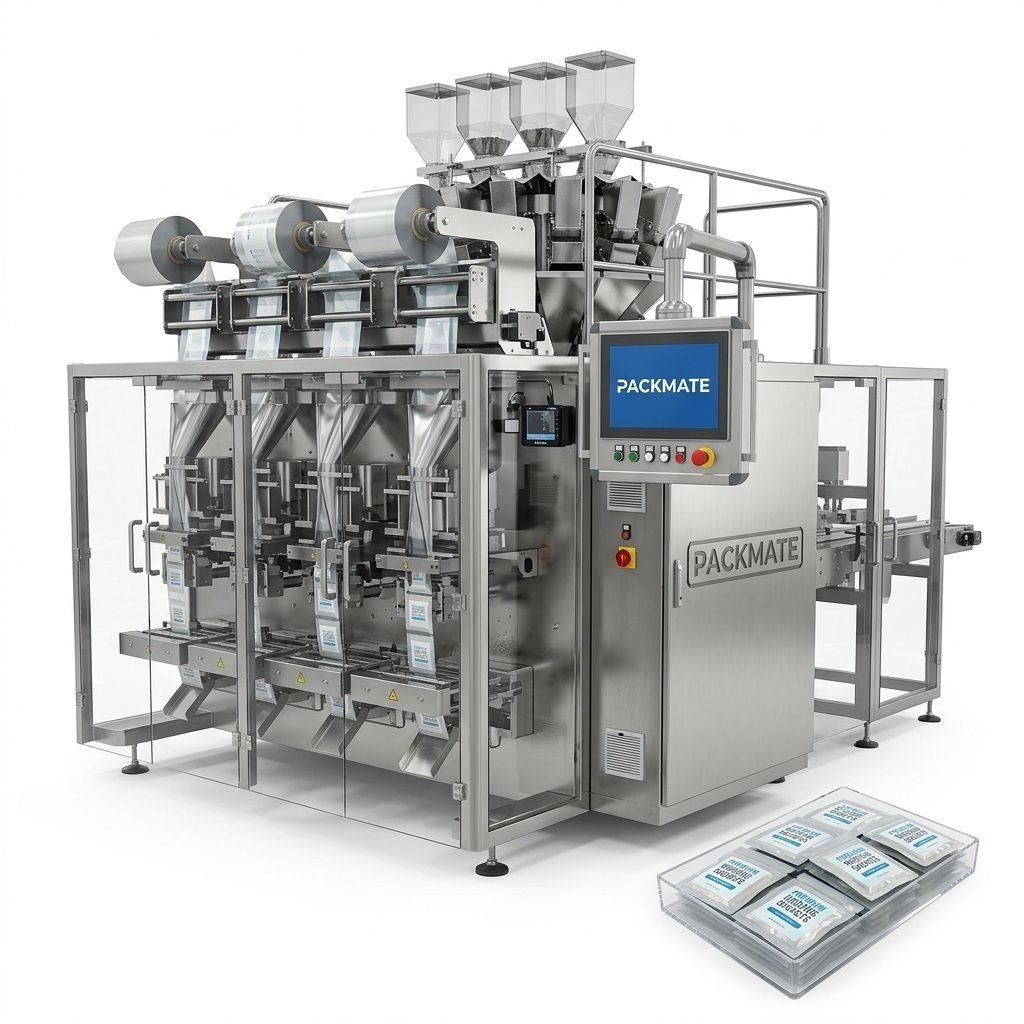
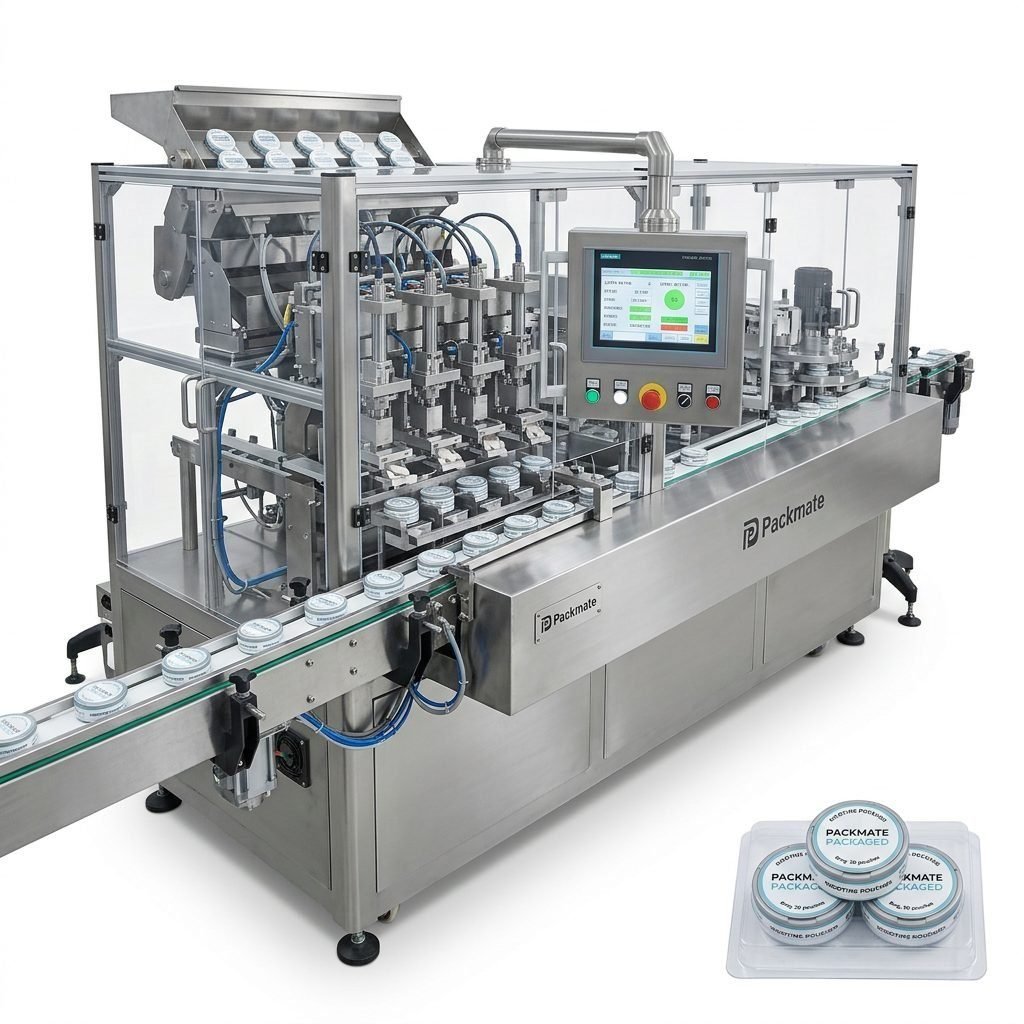
🔧 Multi-lane snus pouch systems: Best for high-output production of small-dosage pouches. Multi-lane configurations increase throughput without sacrificing dosing accuracy.
🔧 Sachet & stick pack lines: Good for multi-format flexibility—switch between sachets and stick packs as required by market demand.
For machine options and specifications, consider reviewing specialized manufacturers such as the Snus & Nicotine Packaging Machines range for models and configurations that match pouch and snus production needs: Snus & Nicotine Packaging Machines.
Production Capacity and Throughput
Choosing the correct throughput is a top priority. Over-investing in capacity inflates capital expenditure and operating cost; under-sizing slows market responsiveness. Estimate:
• Daily and monthly production targets (units) based on projected demand in France and export markets.
• Peak capacity for seasonal spikes or promotional runs.
• Acceptable OEE (Overall Equipment Effectiveness) targets — look for machines with high uptime and easy maintenance.
Format Flexibility and Changeover
French customers often require multiple SKUs and localized labeling. Machines should support:
• Fast tool-less or minimal-tool changeovers for different pouch sizes and materials.
• Servo-driven adjustments for precision cuts and seals.
• Recipe memory for quick recalls of production settings.
⚠️ Critical: Ensure the supplier offers documented changeover procedures and training in French or with French documentation. This reduces errors and speeds up production startup.
Filling Accuracy, Dosing & Product Handling
Nicotine content and weight uniformity are strictly controlled. Machines should ensure:
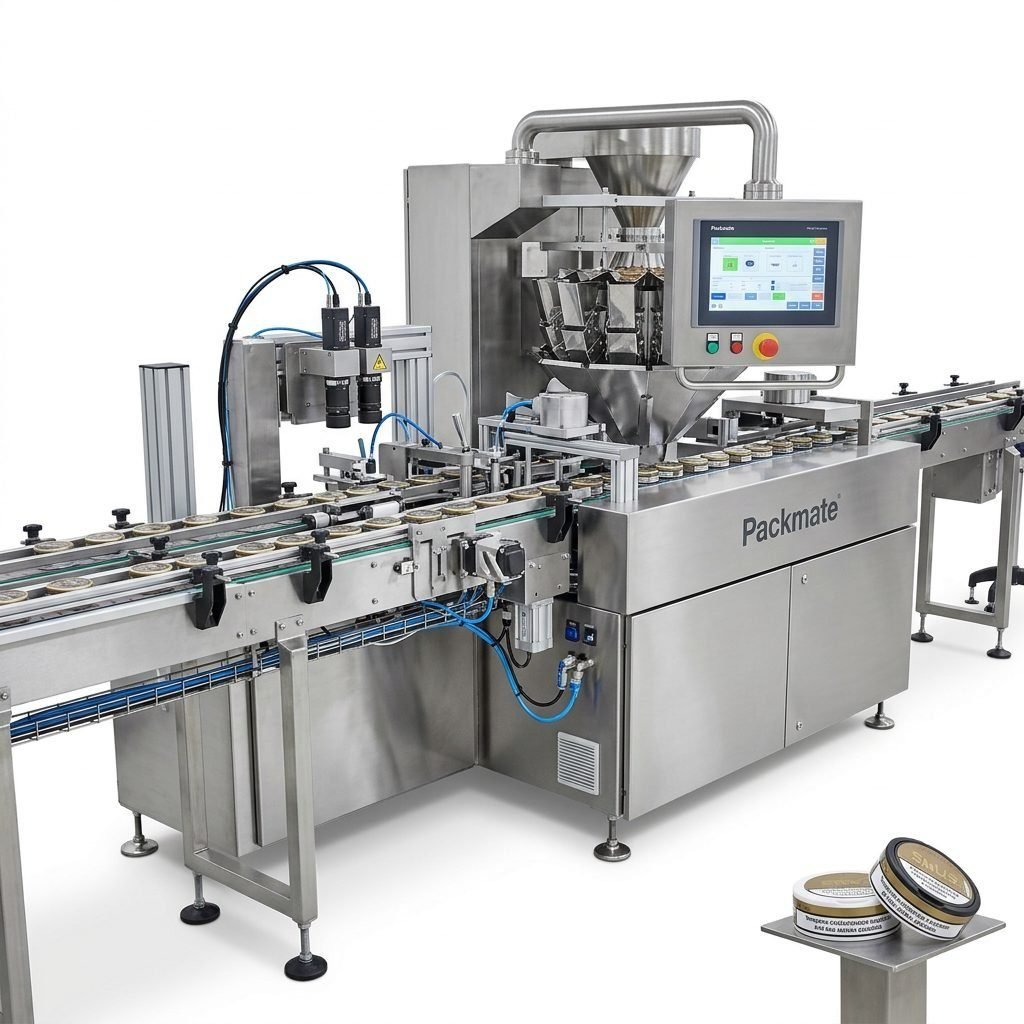
• High-precision weighing systems for micro-doses (integration with weighing & packaging systems is common). Check compatibility with advanced weighers: Weighing & Packaging Systems.
• Gentle handling to preserve pouch integrity and prevent dusting or content migration.
• Electronic monitoring of fill levels and automatic rejection of non-conforming units.
Material Compatibility and Sustainable Packaging
France and the EU emphasize sustainable packaging. Choose equipment that:
• Handles mono-material films and recyclable laminates to aid circularity.
• Supports barrier films when required for shelf-life and aroma control.
• Minimizes material waste via precise web handling and film-saving features.
Compliance, Safety, and Certification
Compliance with EU directives and French legislation is non-negotiable:
• CE marking and relevant ISO standards for machinery safety and hygiene are essential. Confirm supplier documentation — many leading manufacturers publish certificates and quality statements; see examples at Certificate.
• Traceability features: batch coding, inkjet or laser printers integrated into the line, and linked MES/ERP interfaces for record-keeping.
• Cleanability and GMP-friendly design: stainless steel contact parts, CIP-compatible sections, and sealed motors/electronics for washdown areas if needed.
✅ Supplier checklist: Ask for CE/ISO certificates, a declaration of conformity, and sanitary design documents. Confirm spare-part lead times and preventive-maintenance schedules.
Automation, Integration & Industry 4.0
Integration with upstream filling and downstream cartoning or packaging lines reduces manual handling and increases traceability:
• Look for PLC/SCADA control systems, remote diagnostics, and OPC-UA or other industrial communication protocols for ERP/MES integration.
• Predictive maintenance capabilities and real-time reporting will maximize uptime and are especially valuable for multi-shift lines operating in France and EU-wide distribution.
Space, Footprint & Factory Layout
French production facilities may prioritize compact, modular equipment due to higher real estate costs. Consider:
• Modular multi-lane machines that increase throughput without a proportional footprint increase.
• Mobile frames or modular conveyors for flexible factory re-layouts.
• Noise and emission controls for urban-located sites and local worker comfort.
After-Sales, Spare Parts & Local Service
Long-term support is crucial for consistent output and compliance:
• Verify local representation or fast-response service partners in France or nearby EU countries.
• Confirm spare-part availability and typical delivery times — keep a critical spare-parts kit onsite.
• Training in French, on-site commissioning, and clear maintenance manuals reduce downtime.
For companies looking for full-line support and turnkey solutions, review manufacturers with proven global projects and service footprints. Packmate Snus Machine offers integrated lines and global support; learn more on their service page: Service.
📌 Pro tip: Prioritize suppliers that provide full FAT (Factory Acceptance Test) reports, video demos, and witness tests for key performance indicators. This helps validate throughput, sealing quality, and dosing precision before shipment.
Economic Considerations & Total Cost of Ownership (TCO)
Beyond initial price, evaluate:
• Energy consumption and efficiency.
• Spare parts and consumables costs (sealing jaws, belts, nozzles).
• Expected maintenance intervals and mean time to repair.
• Potential for line upgrades or retrofits as market needs evolve.
Selecting a Reliable Supplier: What to Ask
When evaluating vendors, use this quick questionnaire:
1. Can you provide references from EU or French customers and on-site installation examples?
2. Do you provide CE/ISO certificates and FAT documentation?
3. What is your lead time for machines and for critical spare parts?
4. Do you offer training in French or local languages and local service coverage?
5. Can the system print and encode batch data, and integrate with our ERP/MES?
If you need a supplier that can deliver compliant, high-precision snus lines, consider manufacturers with long industry experience and broad product portfolios. See product lines like Bag & Pouch Packaging Machines for examples of adaptable equipment.
Installation, Training & Commissioning in France
Proper commissioning ensures first-run success:
• On-site commissioning and acceptance tests should involve your production and quality teams.
• Training should cover routine maintenance, hygiene, and emergency procedures — ideally delivered in French.
• Plan for a controlled ramp-up period to stabilize output and validate quality under real production conditions.
🔎 Note: For fast responses to technical queries and spare parts, keep the supplier’s contact information handy — many manufacturers list direct contact channels: see Contact Us.
Summary Checklist: How to Choose
Use this checklist when selecting a machine for snus/nicotine pouches in France:
• Match machine type to product format (pouch, stick, sachet).
• Verify dosing accuracy and rejection systems.
• Confirm CE/ISO certifications and traceability options.
• Ensure changeover speed, multi-SKU flexibility, and French-language support.
• Check supplier’s local service, spare parts availability, and training offerings.
Real-World Example
A French contract packer added a 4-lane nicotine pouch line to serve pharmacy and e-commerce channels. They prioritized: CE-certified equipment, integrated batch coding for French labels, and a compact footprint. The line included a multi-lane feeding system, precise weighing integration, and a downstream cartoning module. The supplier provided FAT reports, French manuals, and post-installation training, enabling the packer to hit quality and traceability targets within weeks.
Next Steps & Where to Get More Information
If you are planning a new snus or nicotine pouch production line in France, prepare your technical and regulatory checklist, engage suppliers early, and request live demonstrations and FAT documentation. For detailed product catalogs, turnkey solutions, and real-case references from experienced manufacturers, review product lines and company profiles such as Packmate Snus Machine’s offerings to explore full packaging lines: About Packmate.
Common Questions
Q1: What certifications should a snus packaging machine have for sale and operation in France?
Machines should carry CE marking and relevant ISO certifications for machinery safety and quality. Manufacturers typically provide declarations of conformity, CE certificates, and quality assurance documents. Ensure documentation covers electrical safety, mechanical guards, and hygienic design.
Q2: How do I ensure my packaging meets French labeling and traceability requirements?
Choose equipment with integrated printing and encoding systems that support French-language labels, batch codes, and expiry/lot information. Link your line to MES/ERP systems for automated record-keeping and compliance reporting.
Q3: Is multi-lane equipment worth the investment for small manufacturers?
Multi-lane machines provide higher throughput per footprint and can be cost-effective if demand justifies scale. For variable demand, modular machines or flexible lanes offer a balance between capacity and investment.
Q4: What support should I expect from a supplier after purchase?
Expect commissioning, on-site training (preferably in French), spare-part kits, remote diagnostics, and service contracts. Confirm guaranteed response times for spare parts and service.
Q5: Where can I find examples and case studies of snus packaging lines?
Manufacturer websites and exhibition case pages often list project references and use-cases. Review dedicated case sections for on-site examples and performance data to better understand real-world outcomes: Case.