Choosing the right snus packaging machine in Guinea requires more than comparing technical specifications. It means understanding local consumer habits, regulatory expectations, production scale, and the specific characteristics of nicotine pouches and snus products popular in West African markets. This guide breaks down practical steps and selection tips so manufacturers, brand owners, and packaging managers in Guinea can invest confidently in equipment that delivers consistent quality, efficiency, and compliance.
Understand the Guinea market and local usage habits
Guinea’s tobacco and nicotine product consumers are shaped by local preferences and informal retail channels. Small retail kiosks, local markets, and convenience shops are common distribution points. Many customers prefer smaller single-dose pouches or compact sachets that are easy to carry and discreet to use. Seasonality and purchasing power also influence pack sizes: smaller, lower-cost packs tend to move faster in many regions.
Tip: For Guinea, prioritize machines that can reliably run small-dose multi-lane operations and produce compact pouches or sachets that suit local retail formats and price sensitivity.
Key machine types to consider
There are several snus/nicotine pouch packaging machine architectures. Selecting the right one depends on product form, speed requirements, and budget:
Sachet & stick pack machines
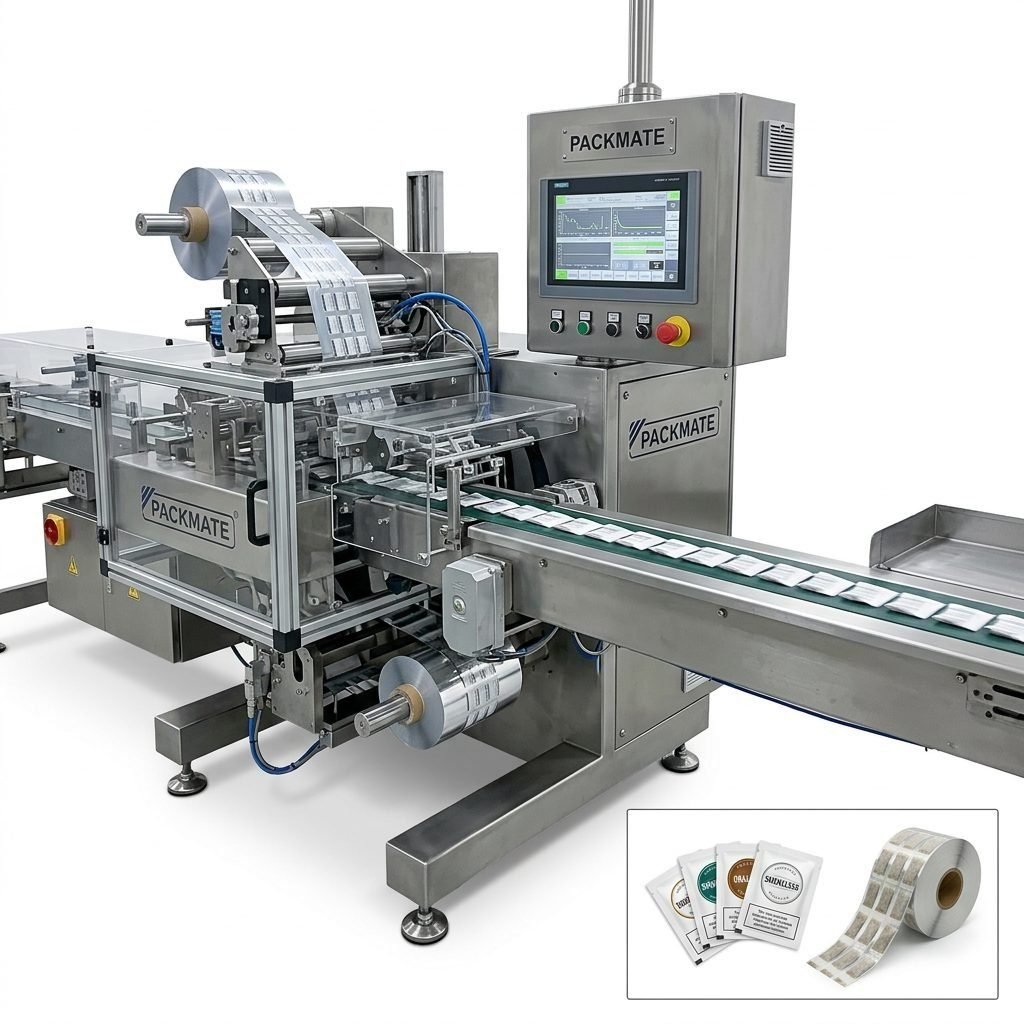
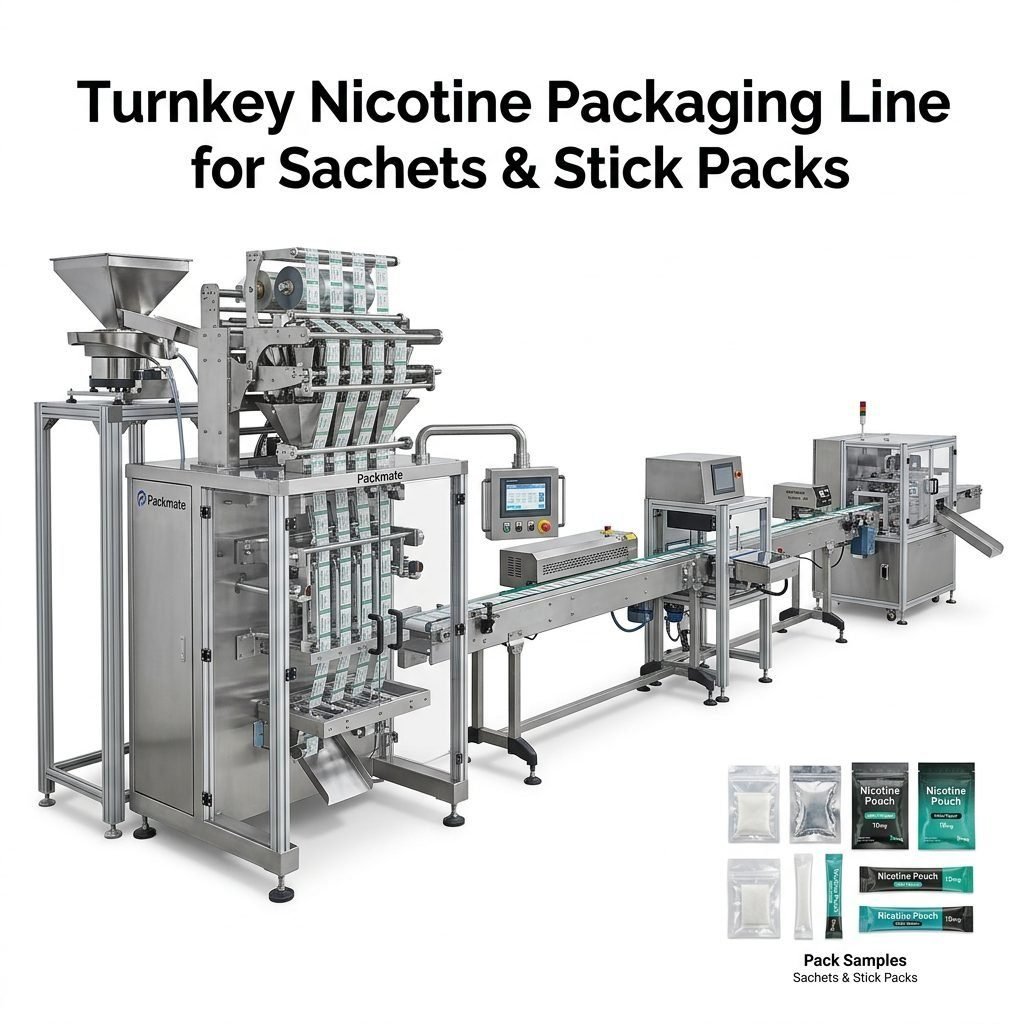
Sachet and stick pack systems are ideal for single-dose portions and strip formats. They are typically more affordable for small to medium output and are flexible for flavored lozenges or small powder blends used in nicotine pouches.
Multi-lane pouch machines
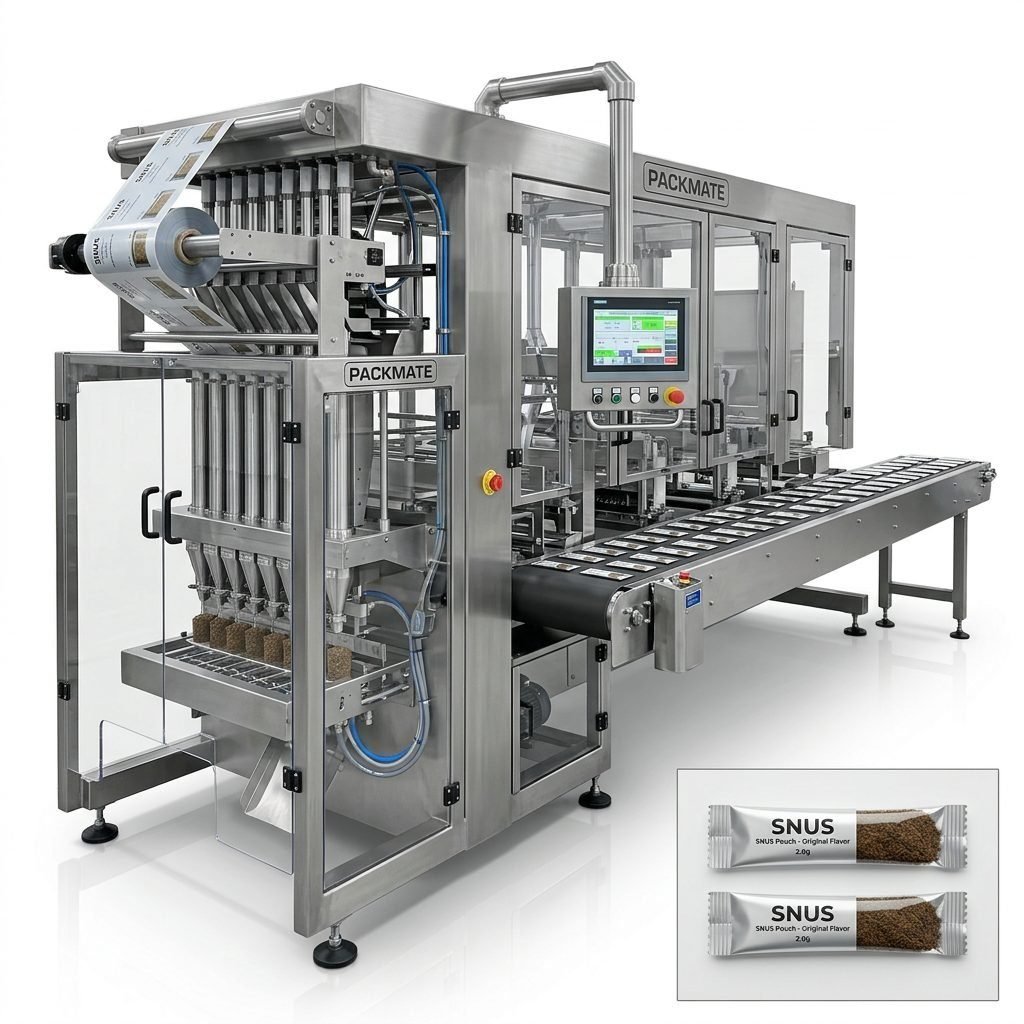
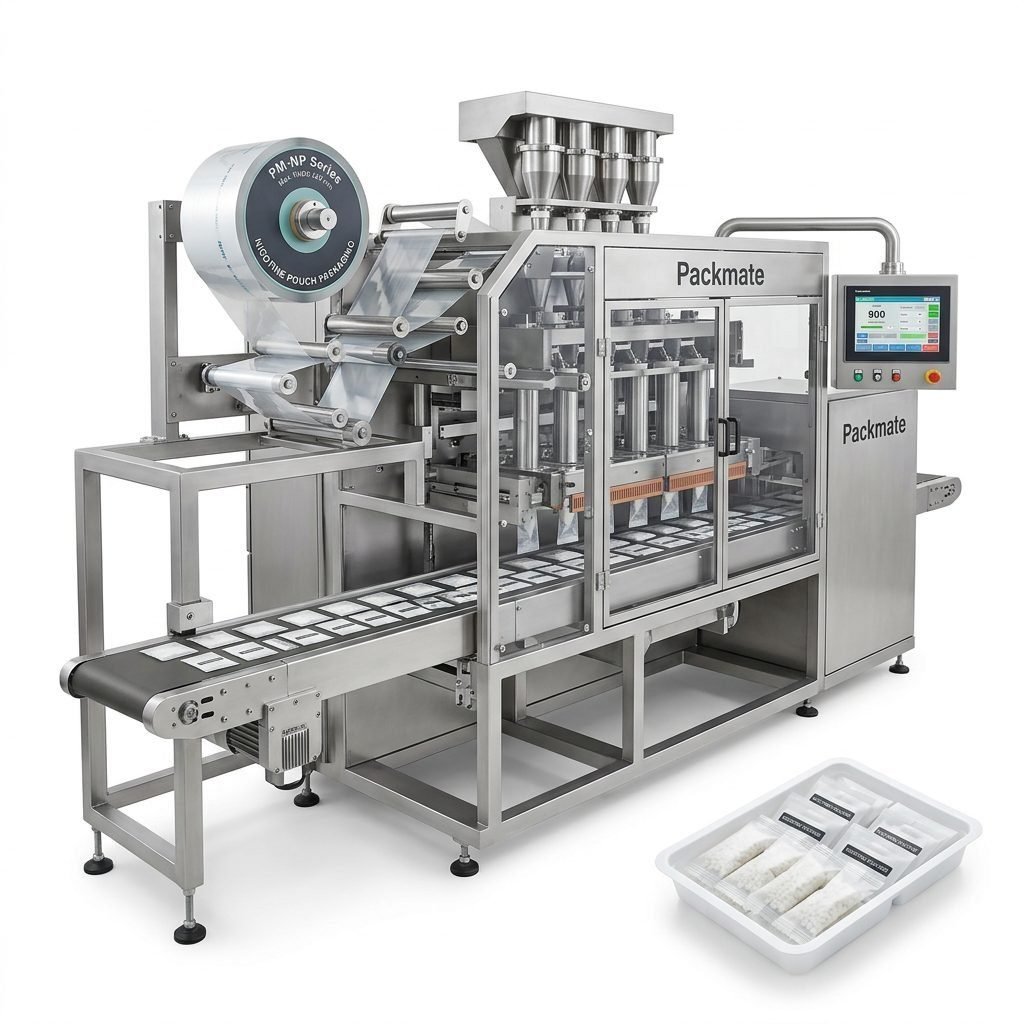
Multi-lane machines are designed for higher throughput and can produce many lanes of small pouches simultaneously. These systems are excellent for brands scaling production to meet growing regional demand while keeping unit costs low.
Stick, bag & pouch integrated lines
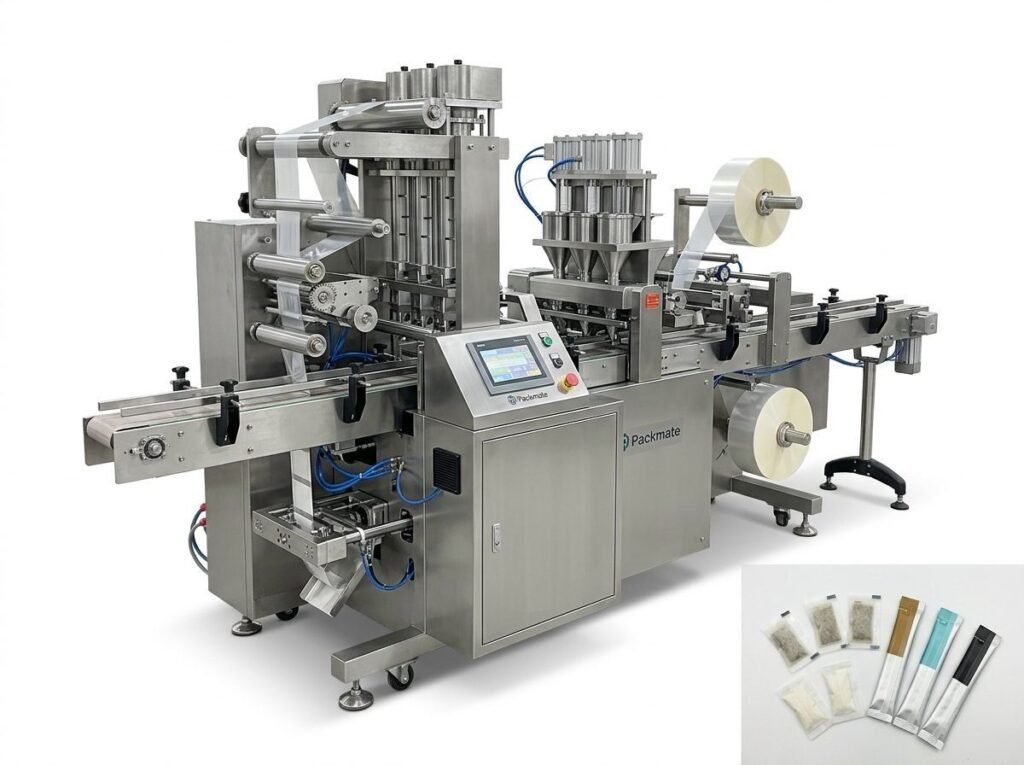
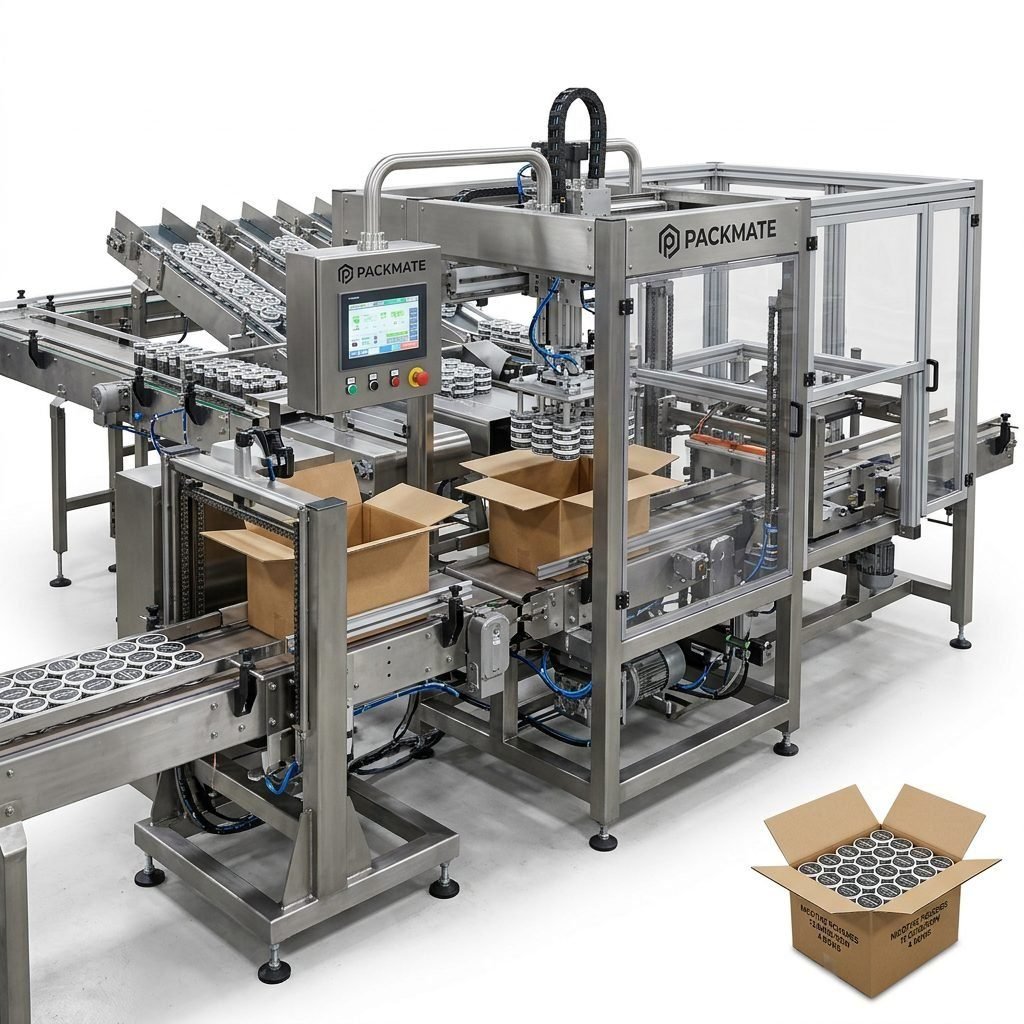
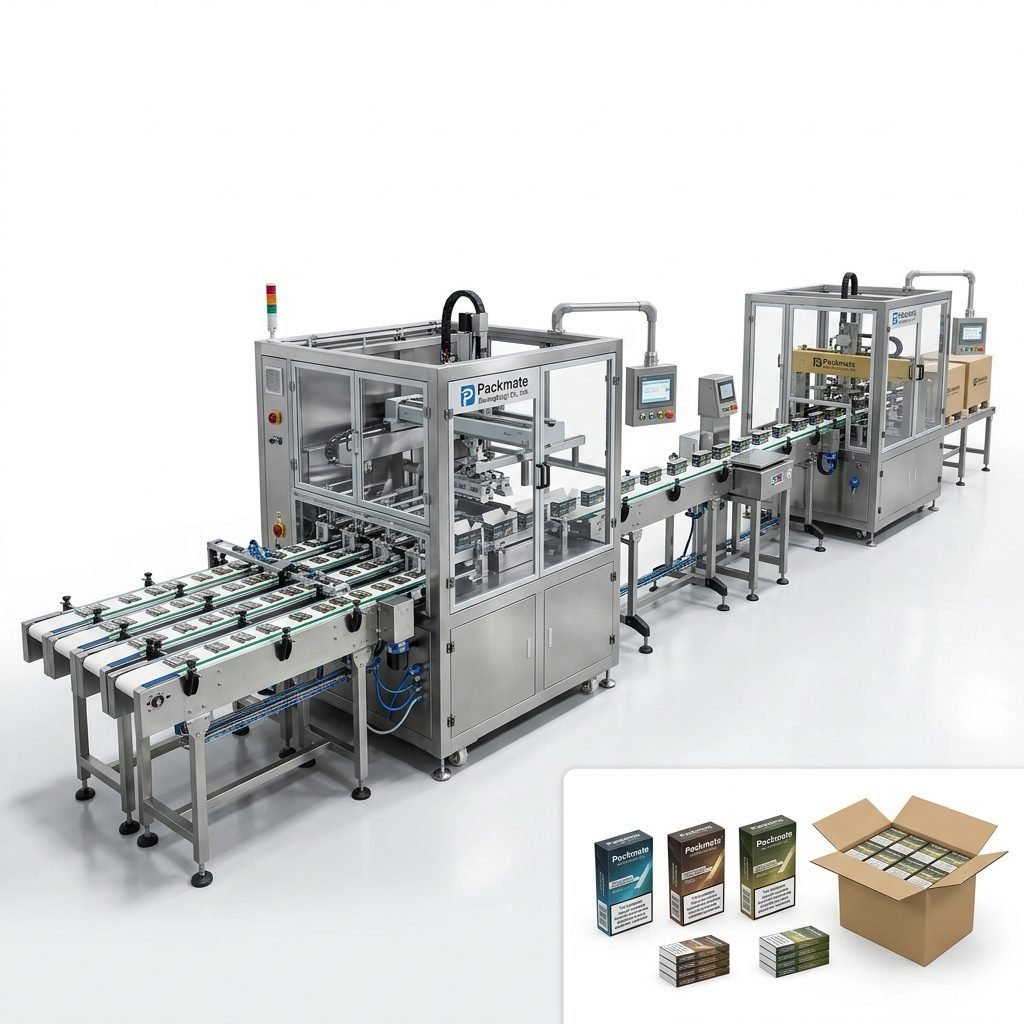
For businesses aiming for full automation — from filling to sealing to secondary packaging — integrated filling and packaging lines deliver efficiency and reduced labor requirements. These systems often include weighing, dosing, and pouch forming modules.
Explore representative equipment categories such as Snus & Nicotine Packaging Machines, Sachet & Stick Pack Machines, and Filling & Packaging Lines to match machine architecture with your product format.
Production capacity and uptime expectations
Estimate your required throughput realistically. Guinea customers often start with modest volumes, but demand can grow quickly regionally. Machines are rated by pouches per minute or packs per hour. Factor in planned growth, seasonal demand spikes, and maintenance downtime.
Must-have: Choose a machine with modular scalability (multi-lane capability or upgrade paths) and consult the manufacturer’s uptime data, service intervals, and spare parts availability.
Quality, hygiene and compliance
Hygiene and material compatibility matter, especially with products that contact mucous membranes like nicotine pouches. Verify that machine contact parts are stainless steel (food-grade) and that the design minimizes product trapping and allows easy cleaning. Compliance with international certificates (e.g., CE, ISO) signals robust safety and manufacturing standards.
Packmate’s equipment adheres to recognized certifications — see more about their Certificate documentation — which can ease regulatory acceptance and reassure buyers about manufacturing quality.
Automation, controls and ease of use
Modern packaging machines offer PLC controls, HMI touchscreens, recipe storage, and remote diagnostics. In Guinea, where skilled technicians may be limited in some locations, favor intuitive controls and remote support capabilities. Look for machines with clear changeover procedures, quick mold or format change parts, and good documentation in English or French as needed.
Operational advantage: Remote support and spare parts networks shorten downtime. Confirm that the manufacturer offers training, commissioning, and after-sales service in your region or via reliable partners.
Material compatibility and packaging options
Different pouch materials (laminated films, cellulose, PET/AL/PE laminates) and dosing materials (powder, granules, moist snus) demand different handling. Ensure the machine can handle your chosen film thickness, seal type (fin seal, lap seal, three-side seal), and any special barrier requirements for shelf life.
If you plan to introduce printed flow-pack designs or metalized barrier films common for nicotine pouches, verify the machine’s film unwind, registration, and sealing tolerance features.
Energy, footprint and installation
Evaluate the machine’s electrical requirements, compressed air usage, and physical footprint. Guinea factories may have space and power constraints. Choose a machine that aligns with available workshop space and local utility stability. For coastal and humid zones, corrosion-resistant finishes and environmental controls are additional considerations.
Total cost of ownership (TCO)
Purchase price is just one factor. TCO includes spare parts, consumables (cutters, seals), energy, maintenance, and operator training. Equipment that reduces scrap and offers fast changeovers will often justify a higher initial investment through lower operating costs.
Financial note: Ask for a clear spare parts list and expected lifetime of wear parts. Confirm warranty terms and options for extended service agreements or local stocking of critical spares.
Supplier evaluation — technical competence and track record
Partnering with a reputable supplier is crucial. Consider manufacturers with decades of engineering experience and global delivery records. Suppliers that provide turnkey lines, customization, and have experience across nicotine pouch technologies can reduce project risk. Packmate Snus Machine, for example, has over 30 years of engineering history and a portfolio of multi-lane systems and turnkey solutions — learn more on their About Packmate page.
After-sales service, training and spare parts in Guinea
Confirm lead times for spare parts and the availability of remote diagnostics. Training on-site reduces operator errors and improves output quality. If the supplier has global exhibition presence and case studies, you can review live demos and client experiences — see examples under their Case and Our Exhibition pages.
Practical selection checklist for buyers in Guinea
Checklist:
✓ Production capacity and multi-lane scalability
✓ Material compatibility (films, powders, moist snus)
✓ Hygiene design and stainless contact parts
✓ PLC/HMI ease of use and remote support
✓ Local power and footprint alignment
✓ Spare parts availability and service coverage
✓ Warranty, certifications (CE/ISO) and supplier track record
Real-world considerations for Guinea operators
Many Guinea operations rely on mixed-skilled teams and variable environmental conditions. Plan for robust operator training, simple preventive maintenance schedules, and local stocking of high-wear parts like blades and seals. Consider investing in a compact environmental enclosure or air conditioning in the production area if humidity is high, to protect film materials and electronic controls.
Packaging design and marketing nuances
Packaging aesthetics and brand messaging adapted to local languages and cultural preferences can influence purchasing decisions. Work with your packaging designer to balance cost-effective materials with barrier properties and attractive print finishes. For startups targeting quick adoption, small trial-sized packs with eye-catching colors often perform well in local kiosks.
How to validate machine performance before purchase
Request factory acceptance testing (FAT) videos and live demos. Ask for sample pouches produced using your exact film and formulation. Check the machine under production-load conditions to evaluate real throughput, sealing consistency, and rejection rates. An experienced supplier will allow you to review line run reports and provide references from similar markets.
Validation step: Insist on a defined acceptance criteria sheet that includes pouch weight variance, seal strength, and packaging appearance before shipment.
Negotiation and procurement tips
Negotiate clear terms for training, spare parts kits, commissioning, and a realistic delivery timeline that accounts for customs clearance and inland transport to Guinea. Seek payment milestones tied to machine performance and delivery milestones. If possible, source a local agent or partner to facilitate installation and provide first-line support.
Where to start: next steps after deciding to buy
1) Define product specs: pouch size, material, dose weight, and secondary packaging format.
2) Select candidate machine models based on capacity and format compatibility.
3) Request FAT, sample pouches, and references.
4) Confirm installation, training, spare parts, and warranty terms.
5) Plan for site preparation, power, and staff training.
Why choose an experienced supplier
Experienced manufacturers with specialized snus packaging lines can accelerate time to market, reduce trial-and-error, and deliver machines optimized for nicotine pouch production. Companies with a global track record, certified manufacturing practices, and turnkey solutions often offer better lifecycle support and reliability. For more detailed equipment portfolios and service options, check the supplier’s Bag & Pouch Packaging Machines and Service pages.
Summary and final recommendations
Final recommendations: Prioritize modular multi-lane solutions if you expect growth; confirm material compatibility and hygiene standards; secure robust after-sales support and spare parts; validate performance with samples and FAT; and align packaging formats with local retail and consumer preferences in Guinea. Investing in a reliable, scalable line delivers better margins and market responsiveness in West African markets.
Common Questions
Q: How much floor space do snus pouch machines typically require?
A: It varies by model and configuration. Compact sachet machines can fit into a small workshop corner, while multi-lane integrated lines need significantly more space. Always obtain the machine layout and utility requirements before finalizing your site.
Q: Are spare parts and service available locally in Guinea?
A: Availability depends on the supplier’s network. Choose a manufacturer that provides spare parts kits, fast shipping, remote support, and optional local agent arrangements to minimize downtime.
Q: Can one machine handle different pouch sizes and materials?
A: Many modern machines are designed for format flexibility and quick changeovers. Confirm the range of supported pouch dimensions and film thicknesses, and request changeover time estimates from the supplier.
Q: What certifications should I require from a snus packaging machine supplier?
A: Look for CE and ISO certifications and documentation of hygienic design. Verify quality control processes and request references for nicotine pouch or snus-specific lines.
Q: How do I start a purchase process with an experienced supplier?
A: Prepare your product specification, expected throughput, and site conditions. Contact potential suppliers for proposals, FAT details, sample runs, and commercial terms. For comprehensive product catalogs and direct contact, review the supplier’s Contact Us and Catalog pages.