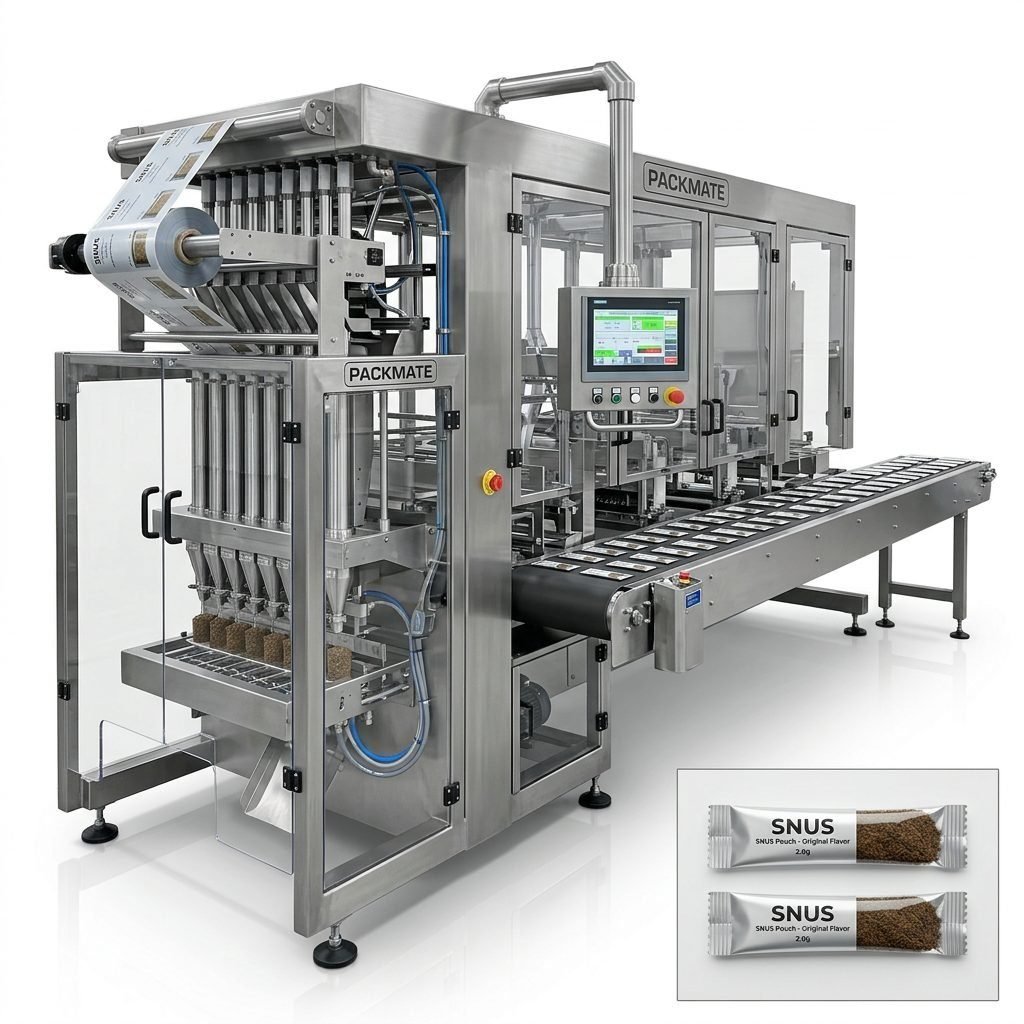
Choosing the right snus packaging machinery supplier for your factory in South Sudan is a strategic decision that affects product quality, regulatory compliance, production costs, and long-term business growth. This guide walks you through practical, culturally aware, and technical steps to select a supplier who can deliver reliable machines, localized support, and turnkey solutions tailored to the challenges of the South Sudan market.
Understand Local Market & Regulatory Realities
South Sudan is an emerging market with special logistical and regulatory characteristics. Before you select a supplier, research local regulations related to nicotine and tobacco products. Regulations can change and enforcement varies—so it is essential to consult local legal counsel or a trusted local partner. Also consider demand patterns: most consumption and distribution centers are concentrated in urban hubs such as Juba.
Practical tip: ensure your supplier understands export documentation, customs clearance, and can provide packing and shipping options suitable for transit routes commonly used into South Sudan (for example shipments routed through neighboring countries and ports). A supplier experienced in African logistics will shorten lead times and reduce unexpected costs.
Key Supplier Credentials to Verify
When vetting suppliers, prioritize these verifiable credentials:
🔎 Certifications: CE, ISO and other international certificates that show compliance with safety and manufacturing standards.
🏭 Factory strength: factory size, production capacity, CNC machining and quality control systems.
📁 Track record: case studies, global customers, and export history—request references and delivery cases similar to your needs.
Why certifications and factory tours matter
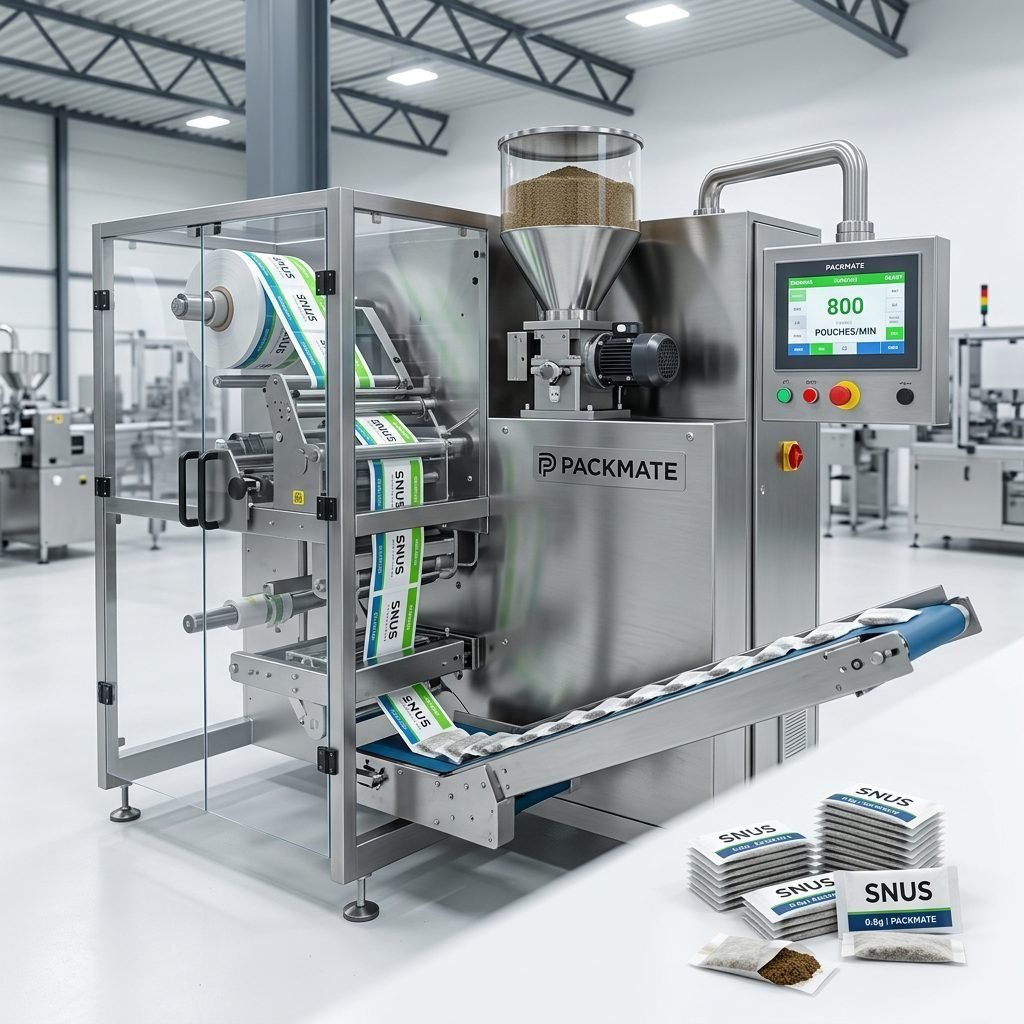
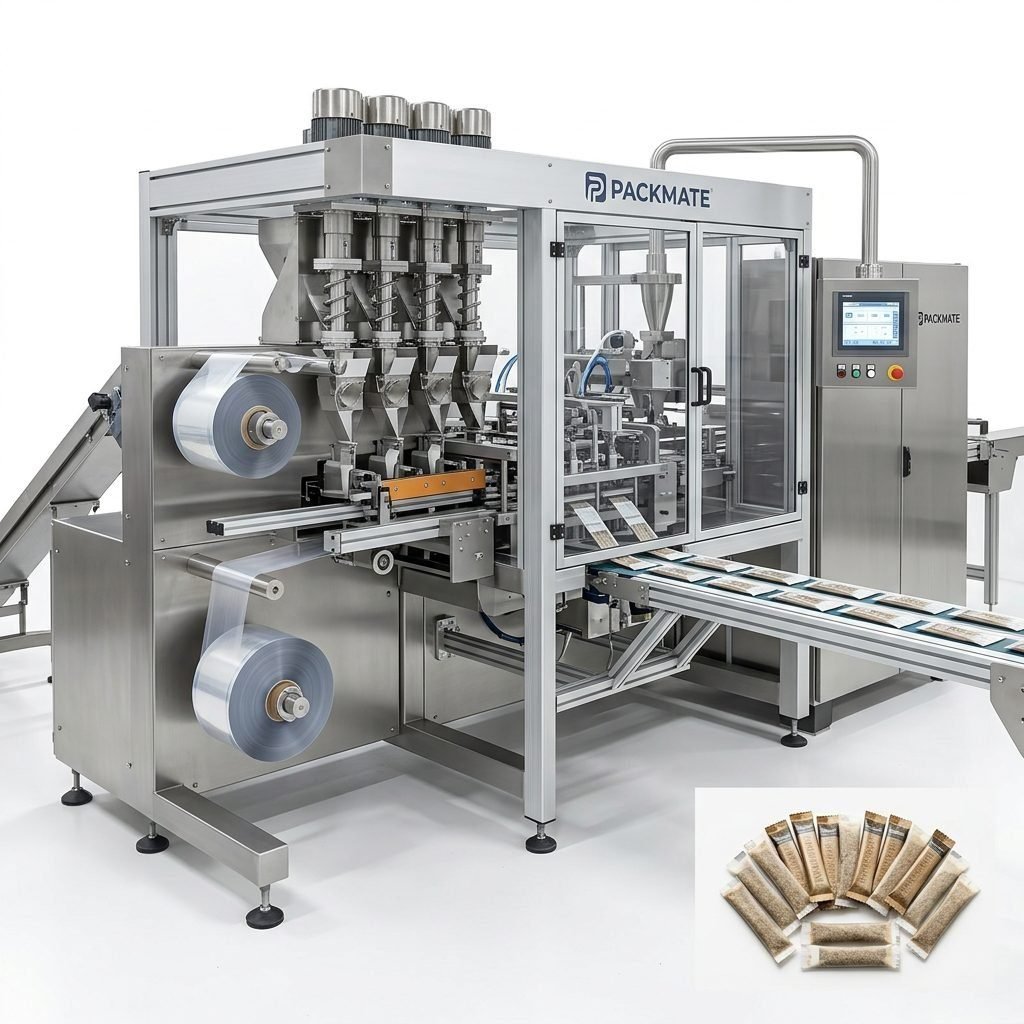
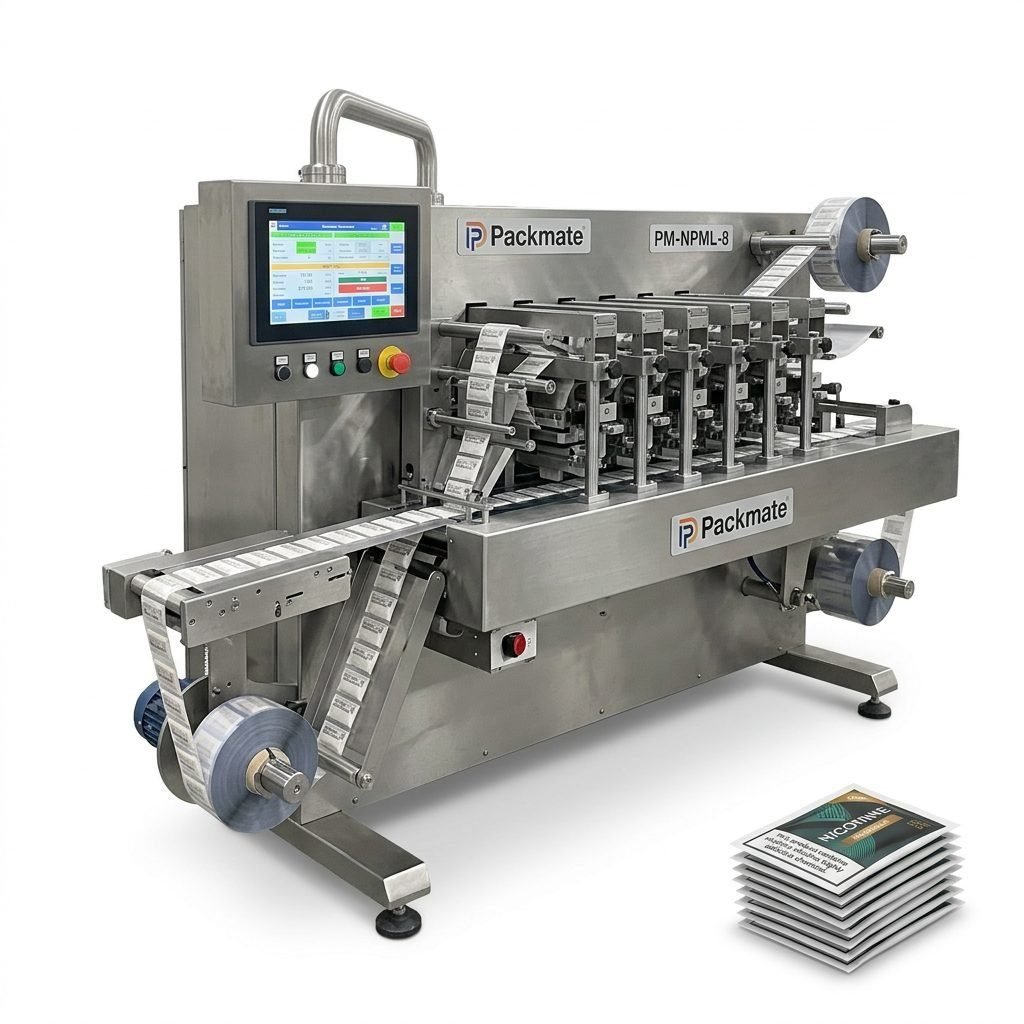
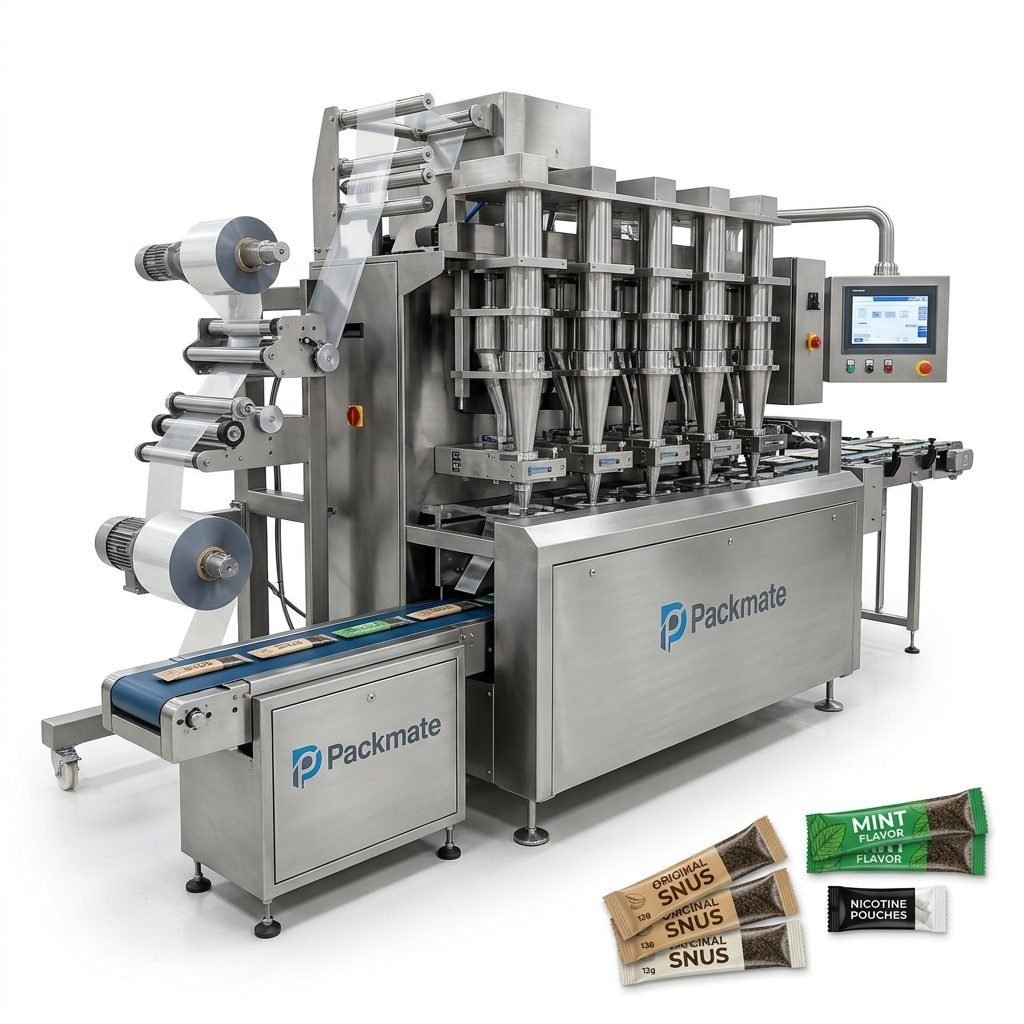
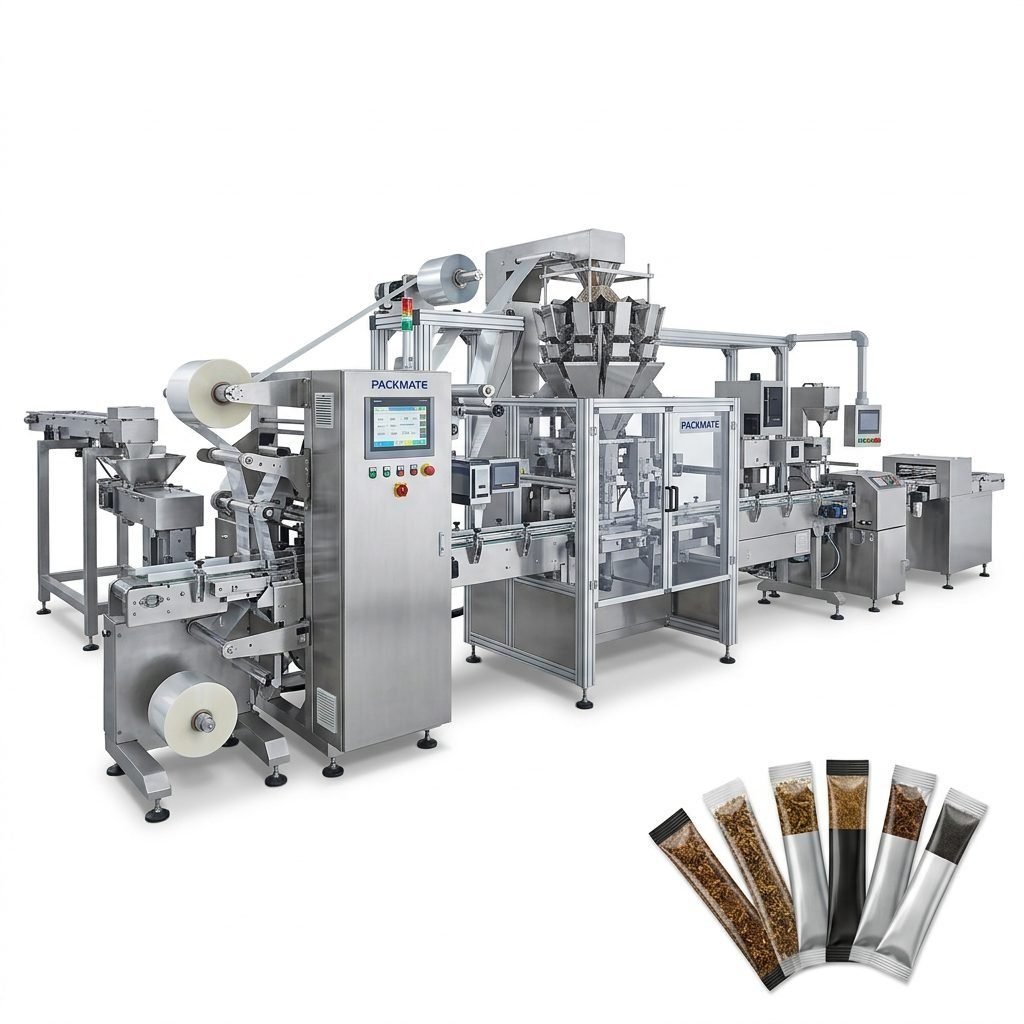
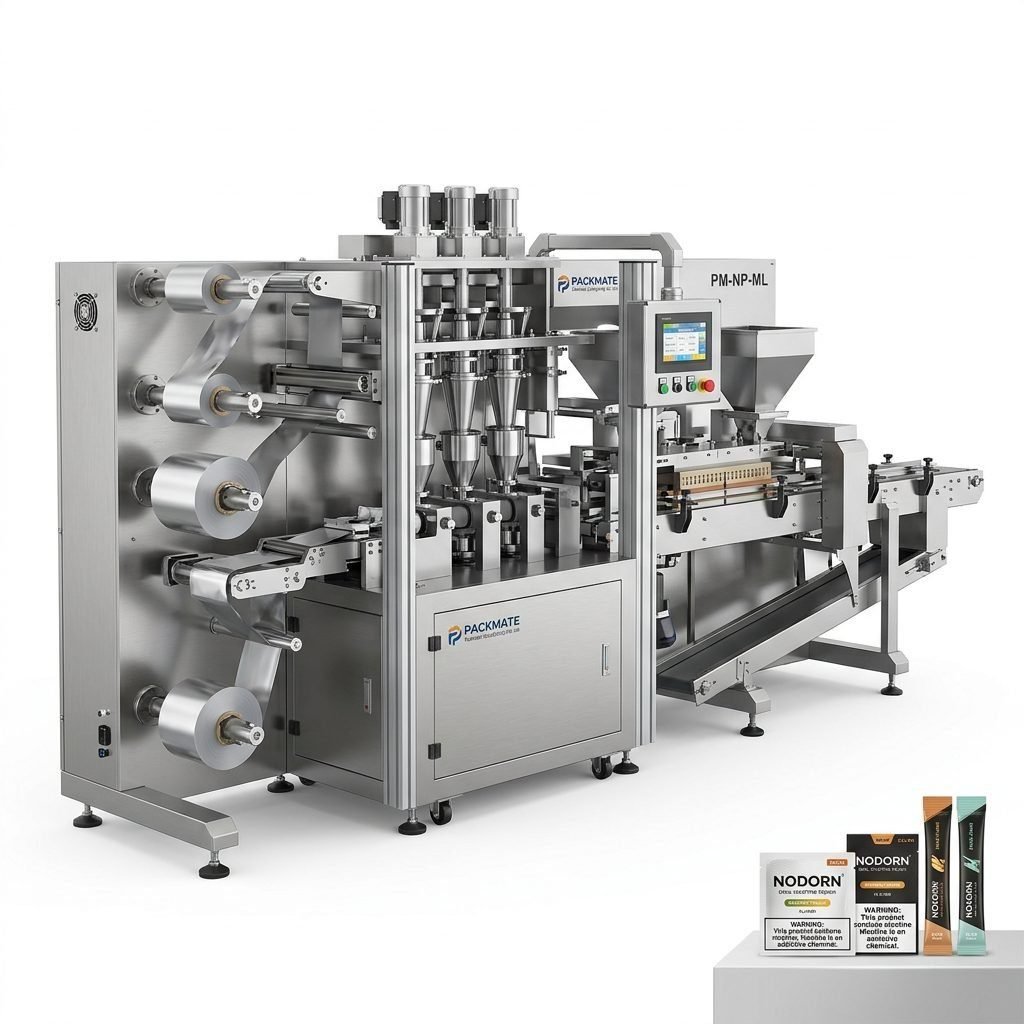
A supplier with CE/ISO certification and visible factory capacity demonstrates consistent manufacturing practices and quality control. If possible, arrange a factory visit or request a virtual tour and live machine demonstration. Packmate Snus Machine, for example, highlights factory capabilities and machine lines that can be viewed through product and case pages, which is useful when you need confirmation of capability before purchase. (See Snus & Nicotine Packaging Machines and Case.)
Technical Requirements: Match Machines to Your Product and Conditions
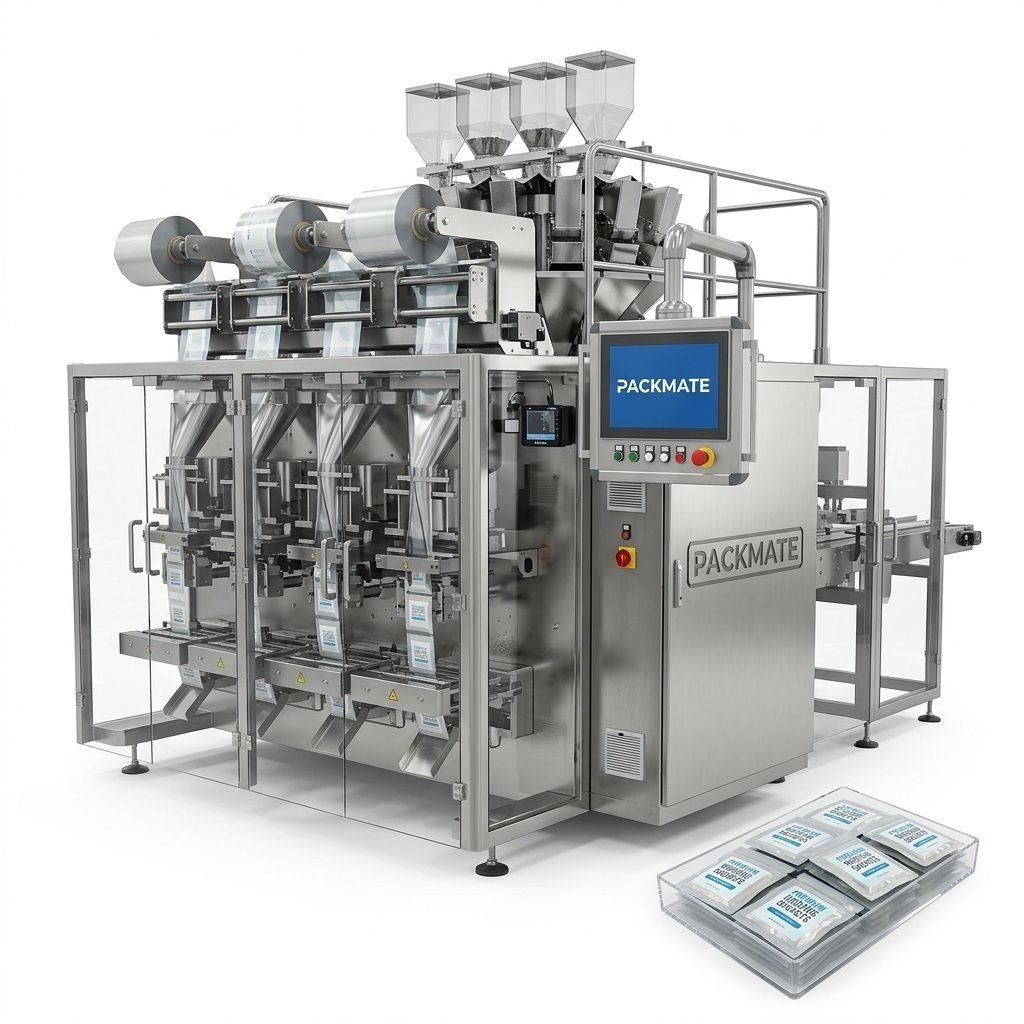
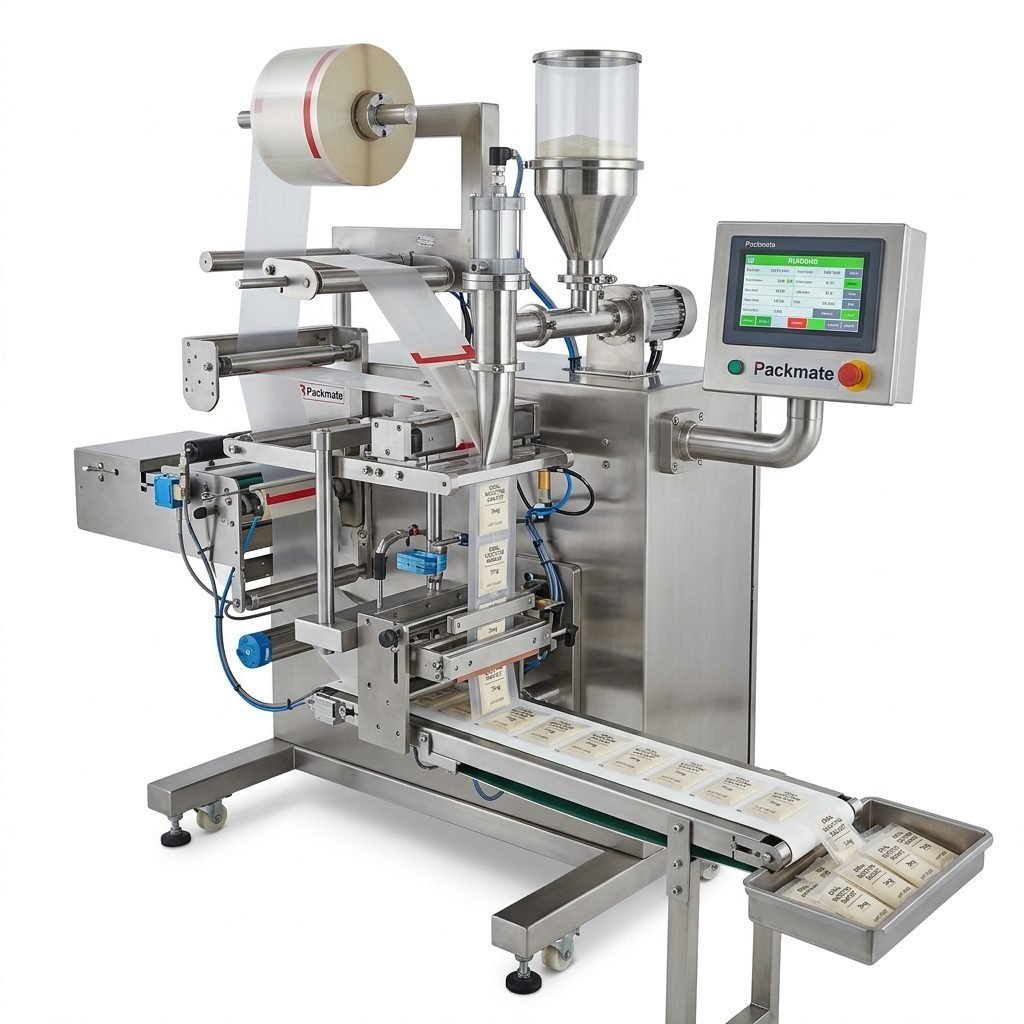
Not all snus and nicotine pouch lines are identical. Determine your product specifications—pouch size, dosing accuracy, multi-lane speed, fill material (powder, granule, liquid), and packaging type (stick pack, sachet, multi-lane pouches). Ask suppliers about machine adaptability, modular upgrades, and multi-format capability.
✅ Precision & Speed: dosing accuracy (mg tolerance) and production speed (bags/min and lanes).
✅ Hygiene & Materials: stainless steel contact parts, easy-clean design to handle humid tropical conditions.
✅ Power & Environment: compatibility with local power (South Sudan commonly uses 230V/50Hz), and robustness against dust and heat.
Service, Installation & After-Sales Support
After-sales service is often the decisive factor for long-term operations in South Sudan. Select a supplier offering reliable spare parts supply, remote support, on-site commissioning, and operator training. Response time and spare parts availability in Africa or nearby regions will reduce downtime.
Look for suppliers who offer local training materials in English (the official language) and who can provide technical support across time zones. Packmate’s global turnkey solutions and service offerings are examples of suppliers that emphasize training and spare parts logistics; check their Service and Contact Us sections for support options.
Performance Metrics to Request
Ask suppliers to provide:
🔧 MTBF (Mean Time Between Failures) and typical uptime expectations.
📦 Spare parts lead time: local stock, regional warehouses, or express shipping solutions.
🧰 Training & manuals: availability of operation manuals, video guides, and on-site commissioning support.
Commercial Terms & Total Cost of Ownership
Assess the full cost beyond the machine price: shipping, customs duties, installation, training, spare parts, and downtime risks. Negotiate clear warranty terms, payment milestones, and penalties for late delivery. A robust supplier will provide a detailed commercial proposal including installation, commissioning, optional training, and a list of recommended spare parts.
Tip: ask for a breakdown of FOB vs CIF pricing and confirm who handles import clearance and local delivery. If you lack import experience, choose a supplier offering door-to-factory service or a local agent.
Quality Assurance: Testing, FAT & SAT
Require a Factory Acceptance Test (FAT) before shipment and a Site Acceptance Test (SAT) after installation. During FAT, the supplier should demonstrate machine operation with your product or a close simulation. This reduces the risk of incompatibility and unexpected calibration work on arrival.
Ensure the FAT includes performance metrics: speed, accuracy, film sealing quality, and multi-lane synchronization. Ask for video records of FAT and documented test results to include in the purchase contract.
Cultural & Practical Considerations for Doing Business in South Sudan
Business in South Sudan values personal relationships, patience, and clear communication. Face-to-face meetings and trust-building are important—if you can, arrange visits, or hire a reputable local agent to coordinate. English is an official language and widely used in business, but knowledge of Arabic can be an advantage in some regions.
Security and transport challenges mean flexible logistics planning is necessary—factoring time buffers and contingency shipping routes into lead times. Suppliers experienced with African logistics and customs will provide better guidance and reduce surprises.
Local workforce & training
Plan for operator training and consider hiring local technical staff who can be trained for routine maintenance. Suppliers who include operator training and provide clear, multilingual manuals will help you maintain uptime and extend equipment life.
Supplier Shortlist Checklist
Use this checklist to shortlist vendors:
1. ✅ Proven snus/nicotine packaging experience (multi-lane systems, dosing accuracy).
2. ✅ Certifications & factory capability (ISO/CE, CNC, QA).
3. ✅ After-sales network and spare parts availability in or near Africa.
4. ✅ Clear FAT/SAT process and acceptance criteria.
5. ✅ References and real-case demonstrations (videos, customer contacts).
How to Negotiate and Finalize the Deal
Negotiate clear payment milestones—deposit, pre-shipment payment after successful FAT, and final payment after SAT. Ensure warranty terms and spare-part pricing are documented. Put all technical specifications and acceptance criteria into the contract to avoid disputes.
If you require turnkey services, confirm whether the supplier can manage full line integration including feeders, check-weighers, metal detectors, and packaging auxiliaries. Packmate provides integrated systems across snus lines, weighing/packaging systems, and auxiliary equipment—review their Filling & Packaging Lines and Auxiliary Packaging Equipment pages for integration examples.
Practical Next Steps for South Sudan Buyers
1) Define product specs and target output. 2) Prepare a Request for Quotation (RFQ) including your product samples or precise formulations. 3) Shortlist 3–5 suppliers and request FAT demonstrations and references. 4) Confirm logistics and a realistic lead time with contingency. 5) Sign a contract that includes FAT/SAT, warranty, training, and spare-part supply.
You can start by reviewing supplier product portfolios and company background to shortlist partners: see Snus & Nicotine Packaging Machines and About Packmate for product range and company profile.
Final selection summary
Choose a supplier who balances technical expertise, factory capability, proven case history, and reliable after-sales support. In markets like South Sudan, logistical experience and local cultural understanding are major advantages. Prioritize machine reliability, spare parts accessibility, and a partner willing to support FAT/SAT and on-site commissioning.
For more product and case references, explore supplier portfolios and real-world installations on their Case and Service pages to evaluate how they handle projects similar to yours.
Useful links
– Snus & Nicotine Packaging Machines: https://www.snusmachinery.com/products/snus-nicotine-packaging-machines/
– Case examples & references: https://www.snusmachinery.com/case/
– About Packmate (company profile & strength): https://www.snusmachinery.com/about-us/
– Service & support details: https://www.snusmachinery.com/service/
Frequently Asked Questions
Q: How do I verify a supplier’s claims about machine speed and accuracy?
A: Request a Factory Acceptance Test (FAT) with your product or a close simulation, documented video, and measured performance data. Include specific acceptance criteria in the contract.
Q: What are the biggest logistical challenges shipping to South Sudan?
A: Lead times, customs clearance, and inland transport can be unpredictable. Work with suppliers who understand African routes, provide clear export documentation, and offer door-to-factory options or local agents.
Q: How important is local training and spare parts stock?
A: Extremely important. Local training reduces operator error and downtime. Readily available spare parts (or a supplier able to ship parts quickly) ensure continuity of production in remote or emerging markets.
Q: Should I prioritize price or reliability?
A: Prioritize reliability and total cost of ownership. A cheaper machine with poor support or frequent breakdowns will cost more over time, especially where repair logistics are difficult.
Q: Where can I find more information about turnkey snus packaging solutions?
A: Visit product and solution pages like Filling & Packaging Lines and Auxiliary Packaging Equipment for integrated solutions, or contact the supplier directly via their Contact Us page for tailored proposals.