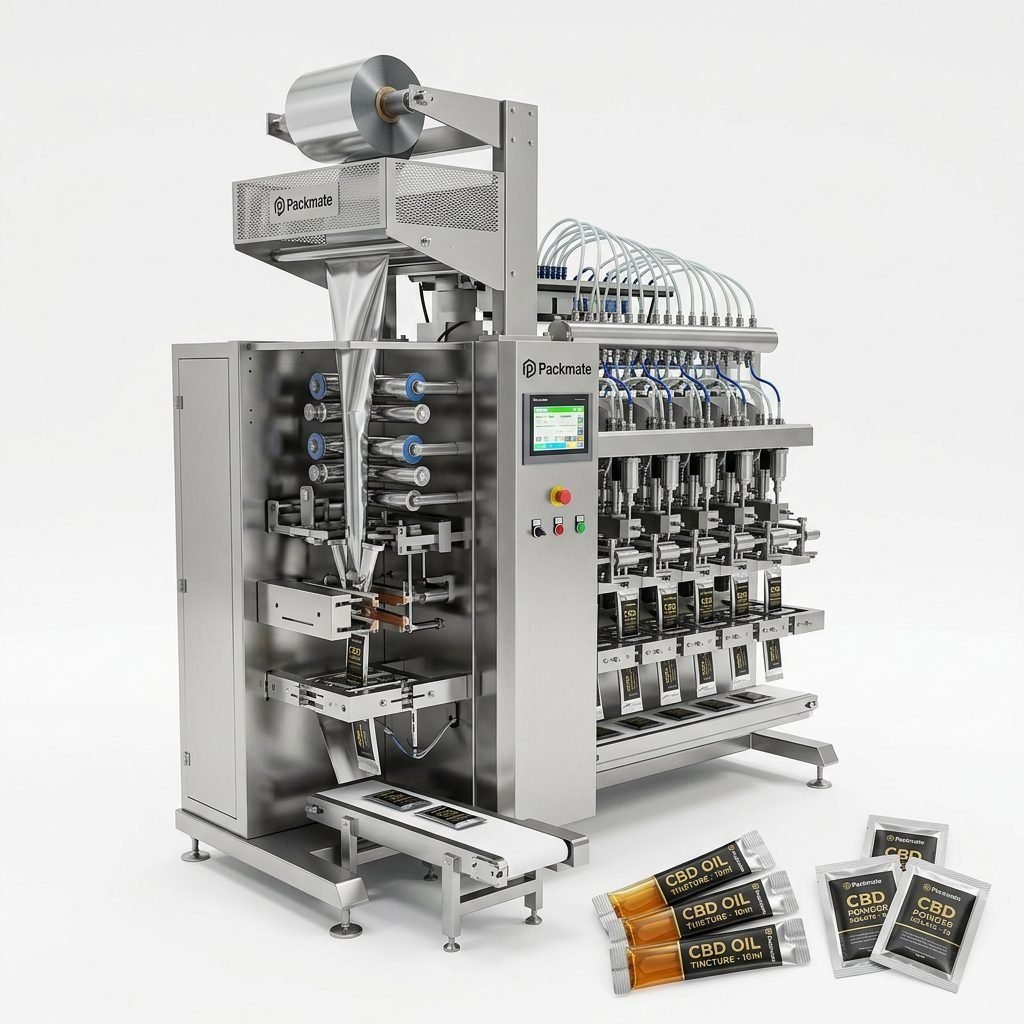
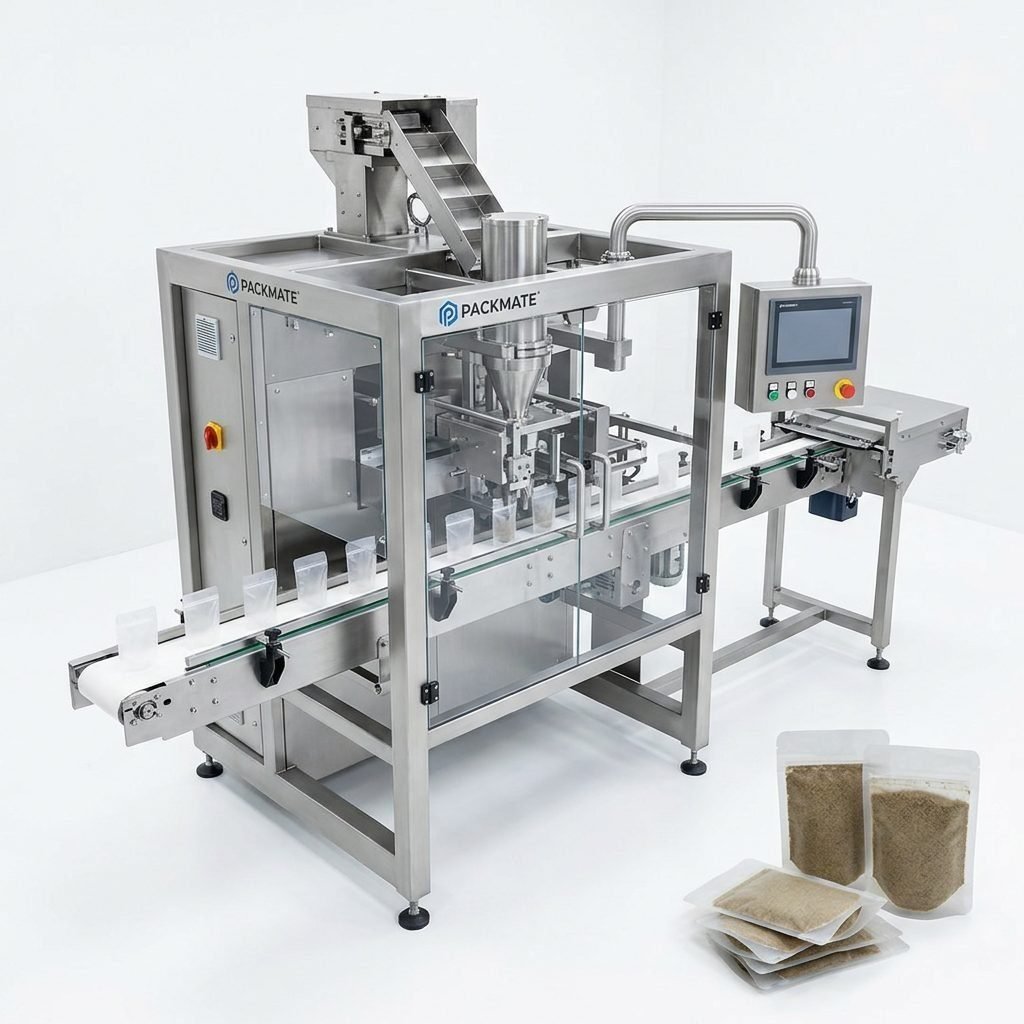
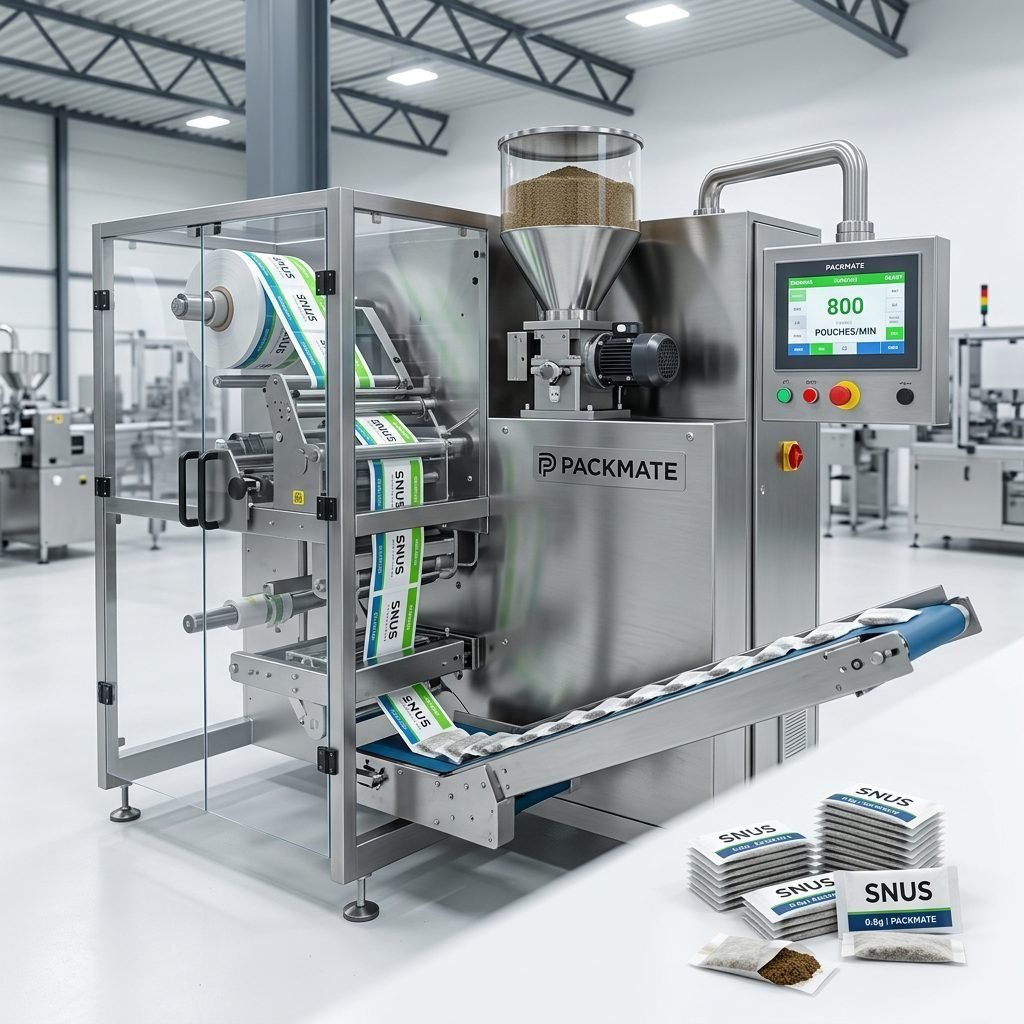
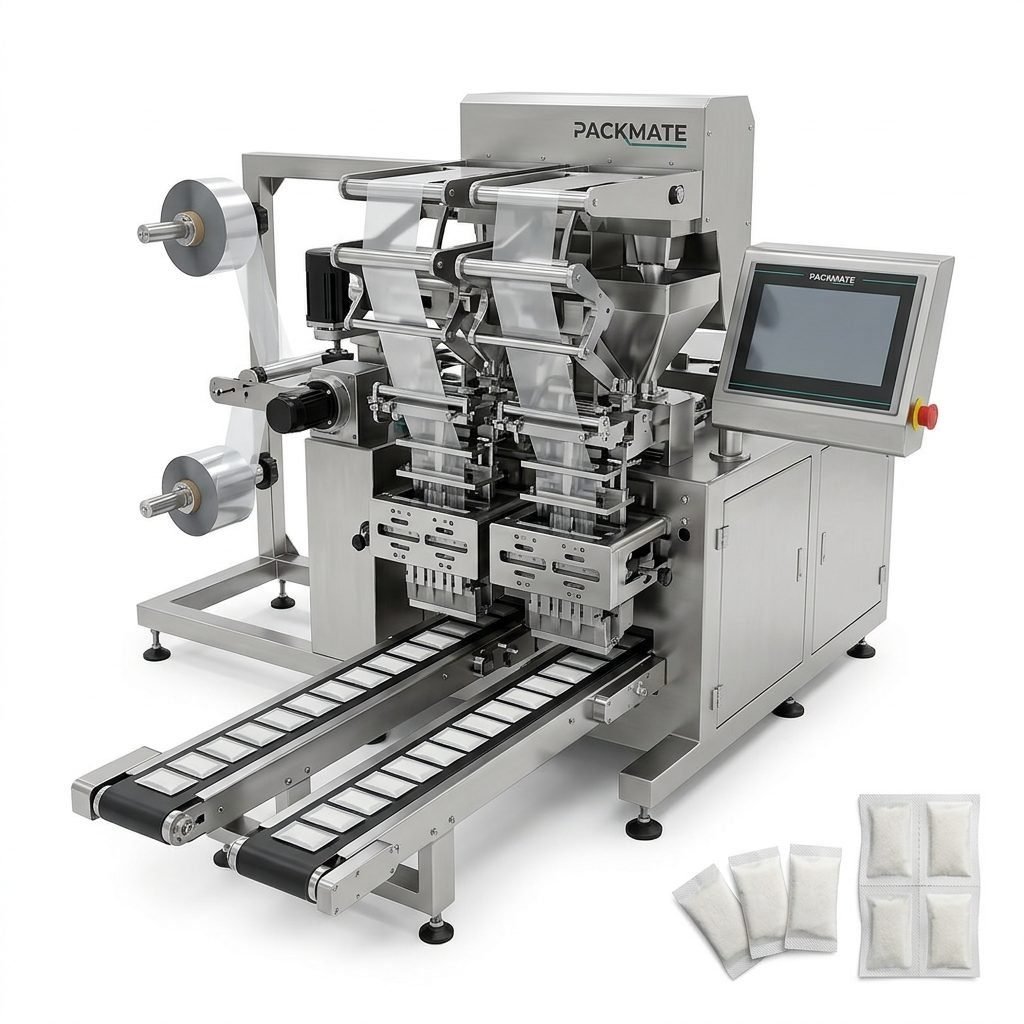
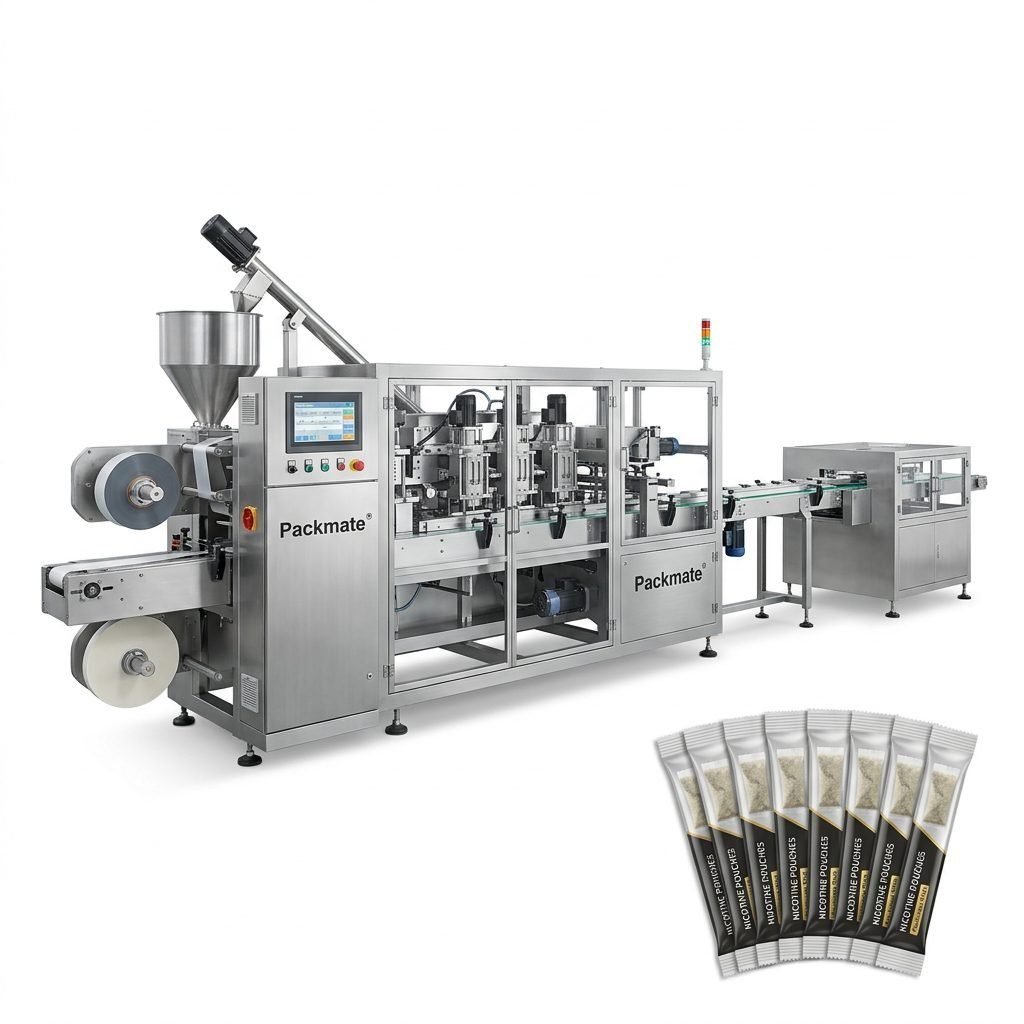
In today’s fast-growing nicotine pouch and snus market, brands need more than a single machine — they need a partner that can deliver a complete, reliable, high-efficiency production line. Packmate Snus Machine offers turnkey packaging solutions that bring together precision engineering, manufacturing strength, and global service. This article explores how a top nicotine pouch line supplier can help your brand scale fast, stay compliant, and keep product quality consistent from R&D through to finished, retail-ready packs.
Why Choose a Turnkey Nicotine Pouch Production Partner? ✅
Many brands attempt to assemble a production line from disparate suppliers. The result can be extended lead times, integration headaches, and inconsistent performance. A turnkey partner addresses all of these pain points by providing:
Integrated engineering — machine design, control systems, and material handling engineered to work as a single system.
Single-source accountability — one supplier responsible for performance guarantees and after-sales support.
Faster commissioning — reduced installation and validation times because the line is pre-integrated and factory-tested.
Packmate’s Core Capabilities 🔧
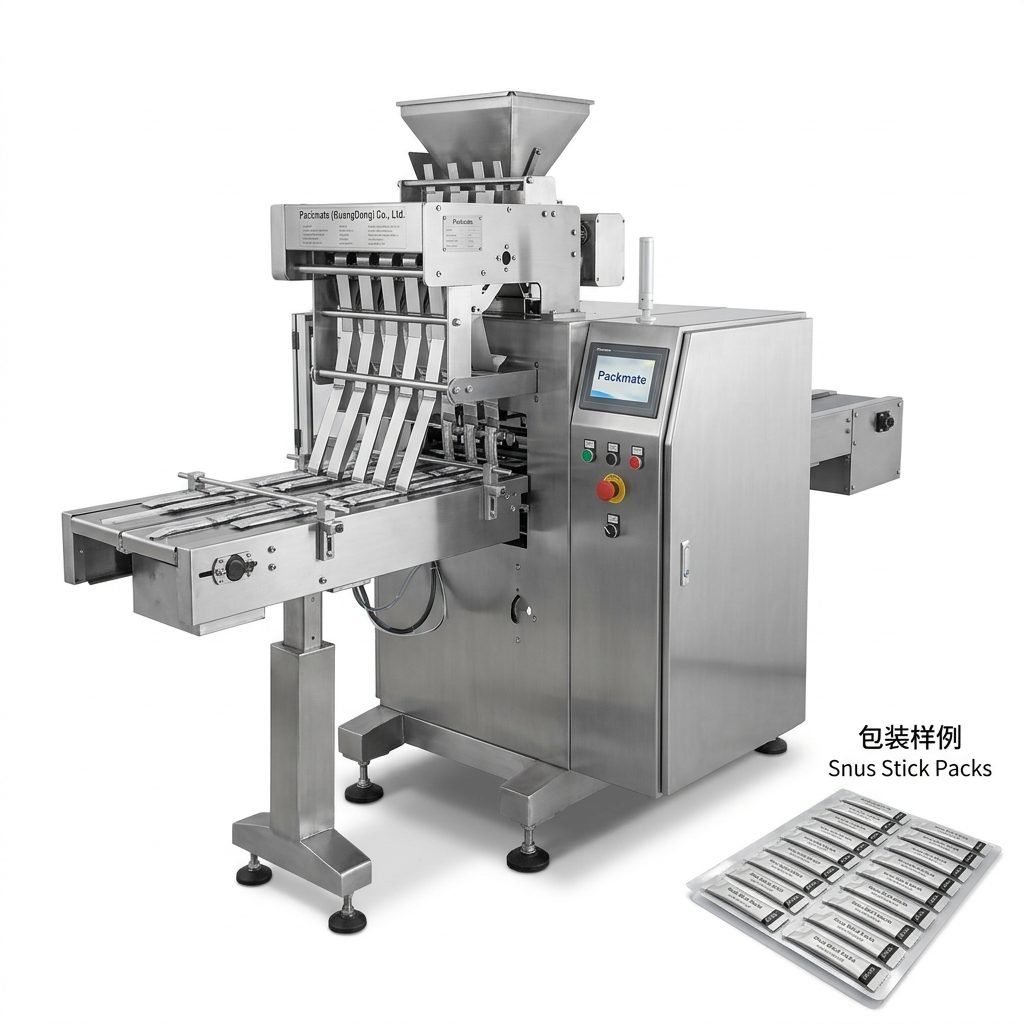
Packmate Snus Machine has over three decades of packaging engineering experience and a modern 20,000㎡ facility. The company’s capabilities include multi-lane snus packaging machines, stick pack and sachet systems, precision filling solutions for powders and liquids, and auxiliary equipment to support continuous production. These capabilities translate directly into consistent output and lower total cost of ownership for manufacturers.
Product Portfolio — What a Turnkey Line Includes
A complete nicotine pouch production line typically combines several modules. Here are the common components you can expect from an experienced supplier:
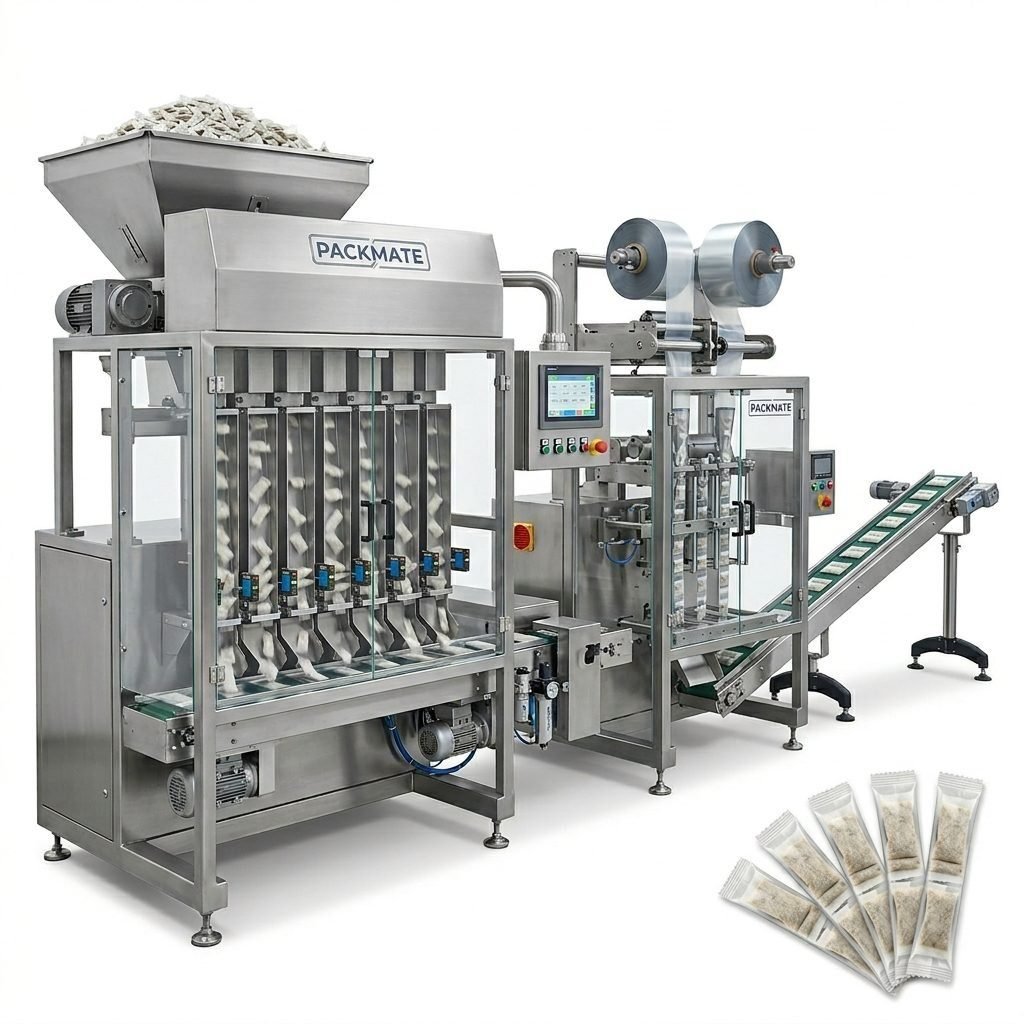
🏭 Multi-lane pouch forming & sealing machines — high-throughput formats for small-dose pouches and snus.
📦 Sachet & stick pack systems for single-dose presentation and flexible retail packaging.
⚖️ Precision weighing & dosing systems for consistent nicotine and tobacco-free pouch fill weight.
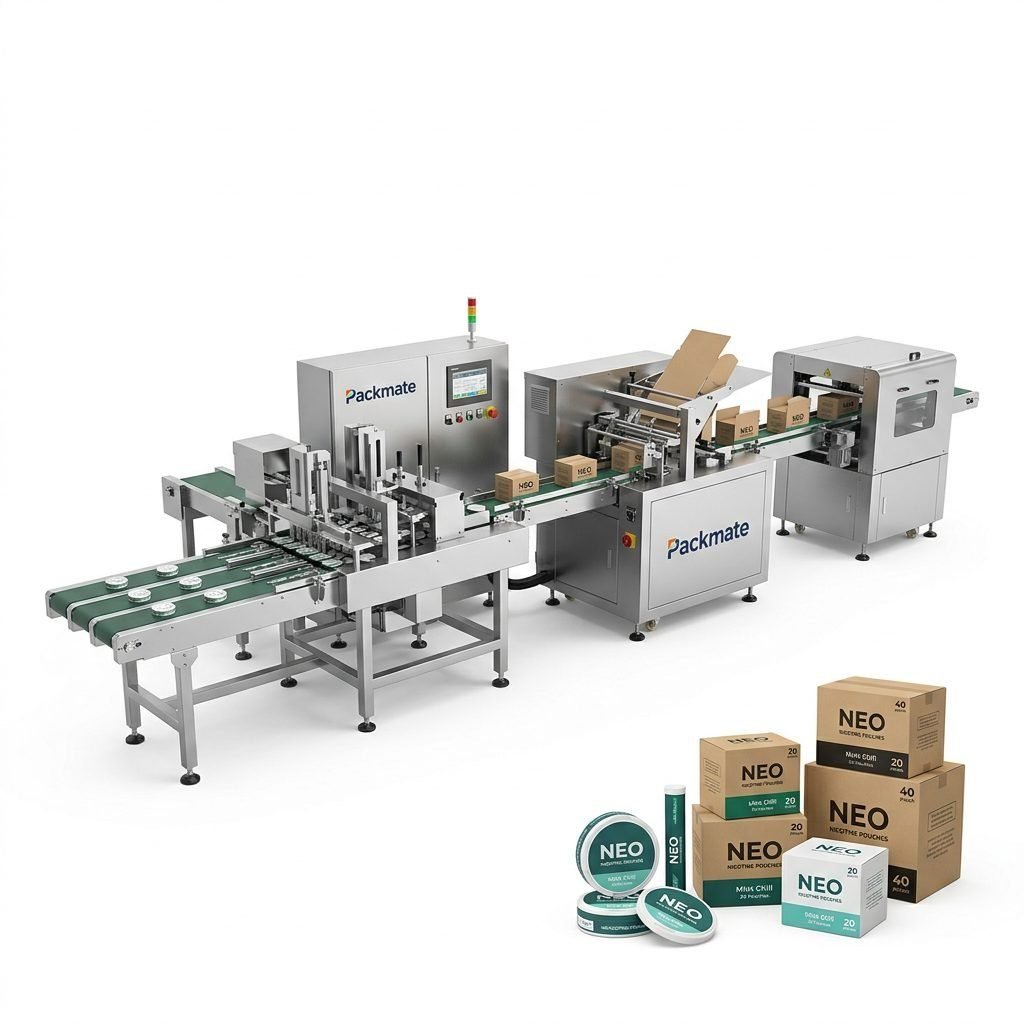
🔗 Automated feeding, sealing, and secondary packaging modules for cartoning, shrink-wrapping, and case packing.
🧰 Auxiliary equipment — conveyors, metal detection, checkweighers, and inline quality inspection.
Explore Relevant Solutions
For detailed information about specific machines, consider reviewing the supplier’s product pages: Snus & Nicotine Packaging Machines, Sachet & Stick Pack Machines, and Filling & Packaging Lines.
Factory Strength & Quality Assurance 🏭
Manufacturing reliability starts with equipment and systems. Packmate’s 20,000㎡ factory is fitted with advanced CNC machining centers and precision assembly lines, ensuring each component meets tight tolerances. A strong factory footprint enables fast prototyping, efficient scale-up, and effective quality control before machines are shipped.
Certifications such as CE and ISO underpin the company’s compliance framework, helping brands meet regulatory expectations. A turnkey partner will also provide documentation, machine validation support, and training — essential for quality-driven nicotine pouch production.
Customization & Flexibility — Key to Product Differentiation
Brands often launch multiple SKUs with different flavors, pouch weights, or retail presentations. A top supplier will tailor machine parameters, toolsets, and software to accommodate:
• Variable pouch sizes and shapes
• Quick-change tooling for rapid SKU swaps
• Recipe-driven PLC controls for repeatable settings
Typical Turnkey Project Lifecycle — What to Expect 🔁
A successful turnkey deployment follows a structured lifecycle. Suppliers that provide full-line solutions typically organize the project into these stages:
1. Requirements & Feasibility — Define production targets, SKUs, regulatory needs, and factory layout.
2. Line Design & Simulation — Process flow, material handling, and machine compatibility are validated using simulations and mock-ups.
3. Manufacturing & Factory Acceptance Test (FAT) — The full line is assembled, tested, and optimized at the supplier’s factory to ensure performance before shipment.
4. Installation & Site Acceptance Test (SAT) — On-site commissioning, integration with your utilities and processes, and final acceptance testing.
5. Training & After-sales Support — Operator and maintenance training, spare parts strategy, and ongoing technical support.
Integration with Upstream & Downstream Processes
Turnkey lines should integrate smoothly with upstream blending and dosing systems and downstream secondary packaging. Packmate offers modules such as weighing & packaging systems and auxiliary equipment that tie into the primary packaging line. For reference, see their Weighing & Packaging Systems and Auxiliary Packaging Equipment.
Compliance, Safety & International Markets 🌍
For brands operating in multiple regions, understanding local requirements is crucial. A supplier with global export experience brings valuable insights into labeling, safety standards, and documentation needed for customs and regulatory inspections. Packmate’s history of exports across Europe, Asia, and the Americas means they understand nuances such as:
• European CE & ISO expectations for machine safety and quality control
• Documentation for customs and compliance in North and South American markets
• Localized support and installation best practices for Asian customers
Service, Spare Parts & Long-term Support
After-sales is where long-term value is delivered. A reliable turnkey supplier provides clear spare parts lists, recommended preventive maintenance schedules, remote diagnostic support, and training packages. Packmate’s decades of service help reduce unplanned downtime and protect production throughput.
Real-world Case Highlights & Exhibitions 🗂️
Packmate’s global reach is documented in their case studies and exhibition presence, where live demonstrations show line performance and flexibility. Visit their Case pages and Our Exhibition section to see recent deployments and trade-show appearances.
How to Select the Right Supplier — A Practical Checklist ✔️
When evaluating turnkey suppliers, use the following checklist to compare options:
• Manufacturing footprint and machining capability
• Range of machine models and multi-lane solutions
• Quality assurance practices and certifications (CE, ISO)
• FAT, SAT, training, and spare parts policies
• Real customer references and case studies
Contact & Next Steps
If you are considering a turnkey nicotine pouch production line, start with a technical conversation to define your production targets, SKUs, and site constraints. You can find more about the company and arrange direct inquiries via About Packmate and Contact Us.
Key takeaway: Choosing a proven turnkey supplier reduces risk, speeds time-to-market, and ensures consistent product quality — crucial advantages for any nicotine pouch brand looking to grow.
Frequently Asked Questions (FAQs)
Q1: How long does it take to deploy a turnkey nicotine pouch line?
Typical project timelines vary with complexity. A simple single-line solution may be delivered and commissioned in 3–6 months, while multi-lane or highly customized lines can take 6–12 months from contract to production-ready. Factory Acceptance Tests (FAT) shorten on-site commissioning time and are strongly recommended.
Q2: What certifications should I expect from a reputable supplier?
Key certifications include CE (machine safety) and ISO (quality management). Additionally, suppliers should provide machine technical files, wiring diagrams, and validation support documentation needed for your regulatory filings or audits.
Q3: Can my line handle multiple SKUs and flavors without long downtime?
Yes — modern turnkey lines are built for flexibility. Quick-change tooling, recipe-driven PLCs, and modular design minimize changeover time. Work with a supplier to define changeover targets early (for example, under 30 minutes) and specify the tooling and software support needed.
Q4: What after-sales services should be included?
Essential after-sales services include remote technical support, spare parts availability, preventive maintenance schedules, operator and maintenance training, and the option for on-site service visits. A clear spare parts list and recommended spare inventory reduce downtime risk.
Q5: Where can I see real-world installations and machine demos?
Visit the supplier’s case studies and exhibition pages to watch demonstrations and view deployment stories: Case and Our Exhibition. Live demos at trade shows are an excellent way to evaluate throughput and changeover performance.