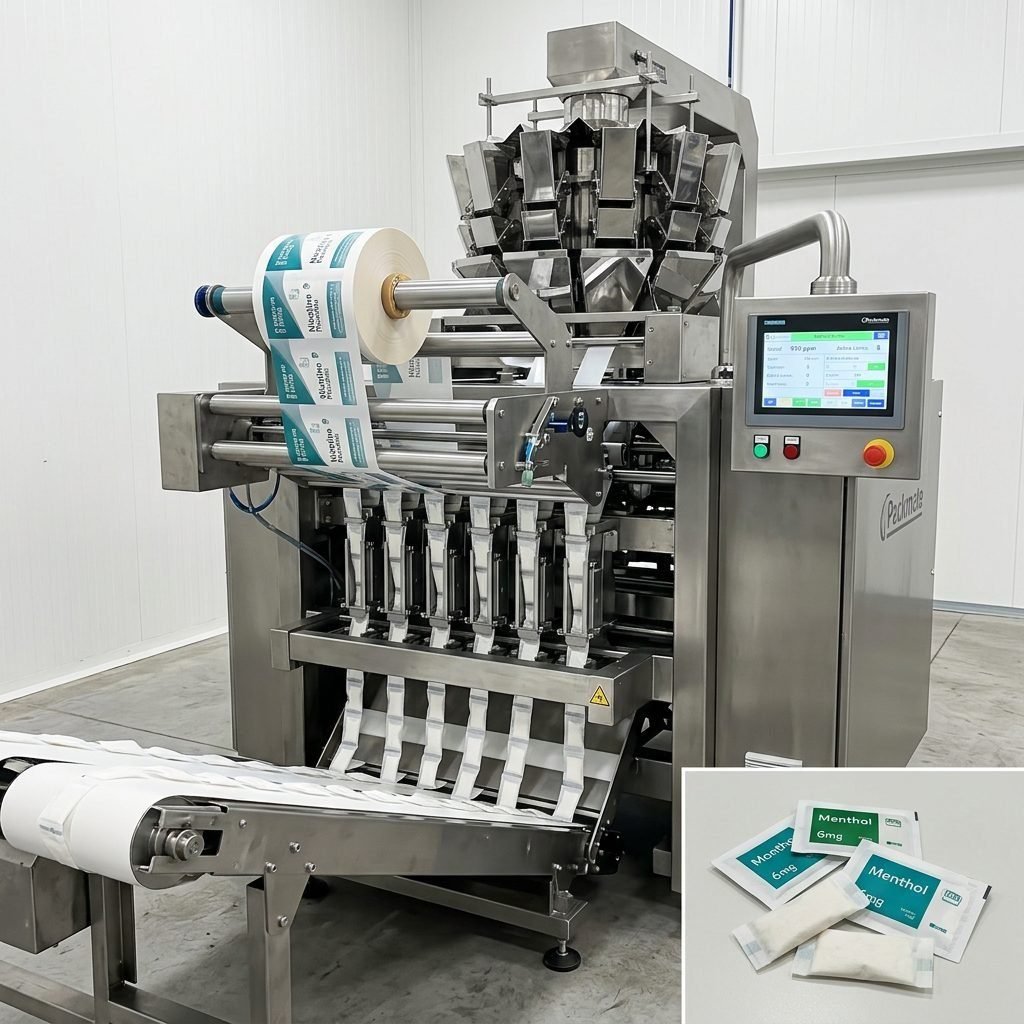
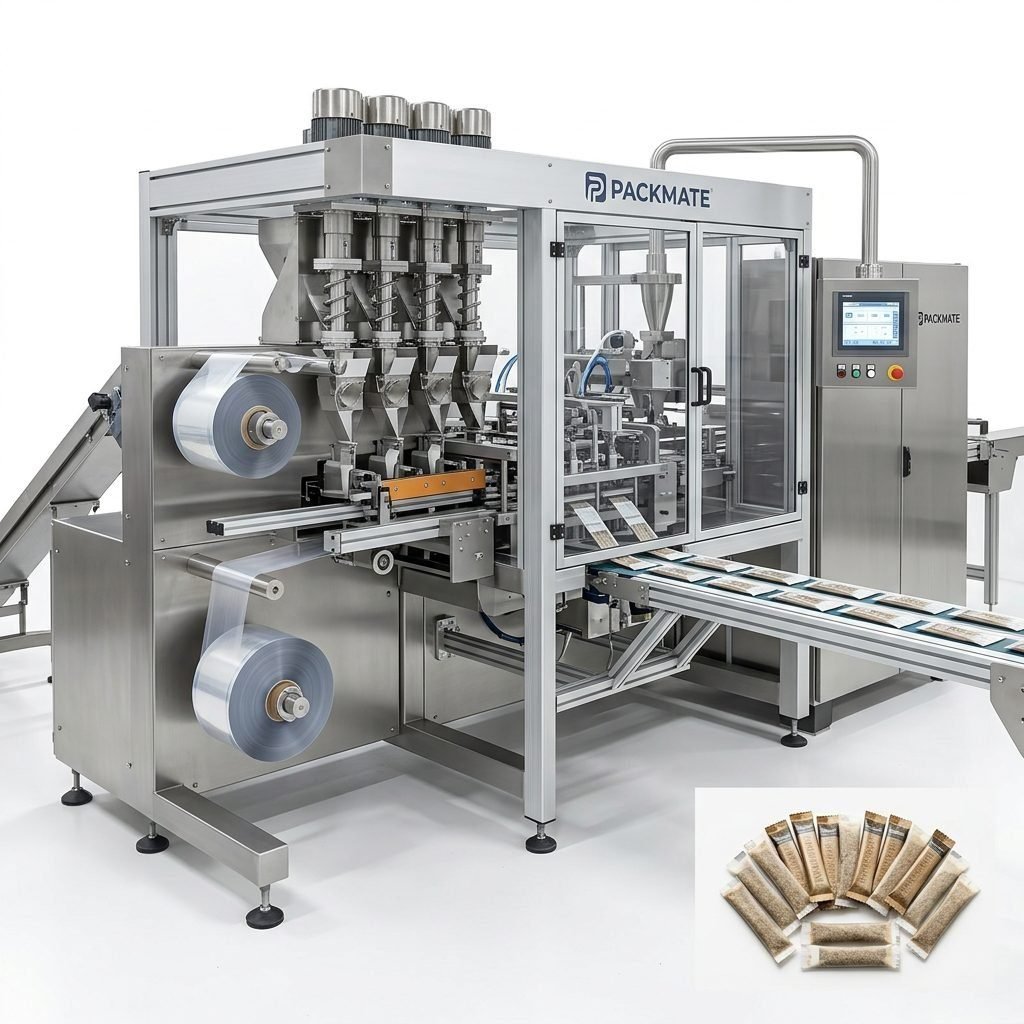
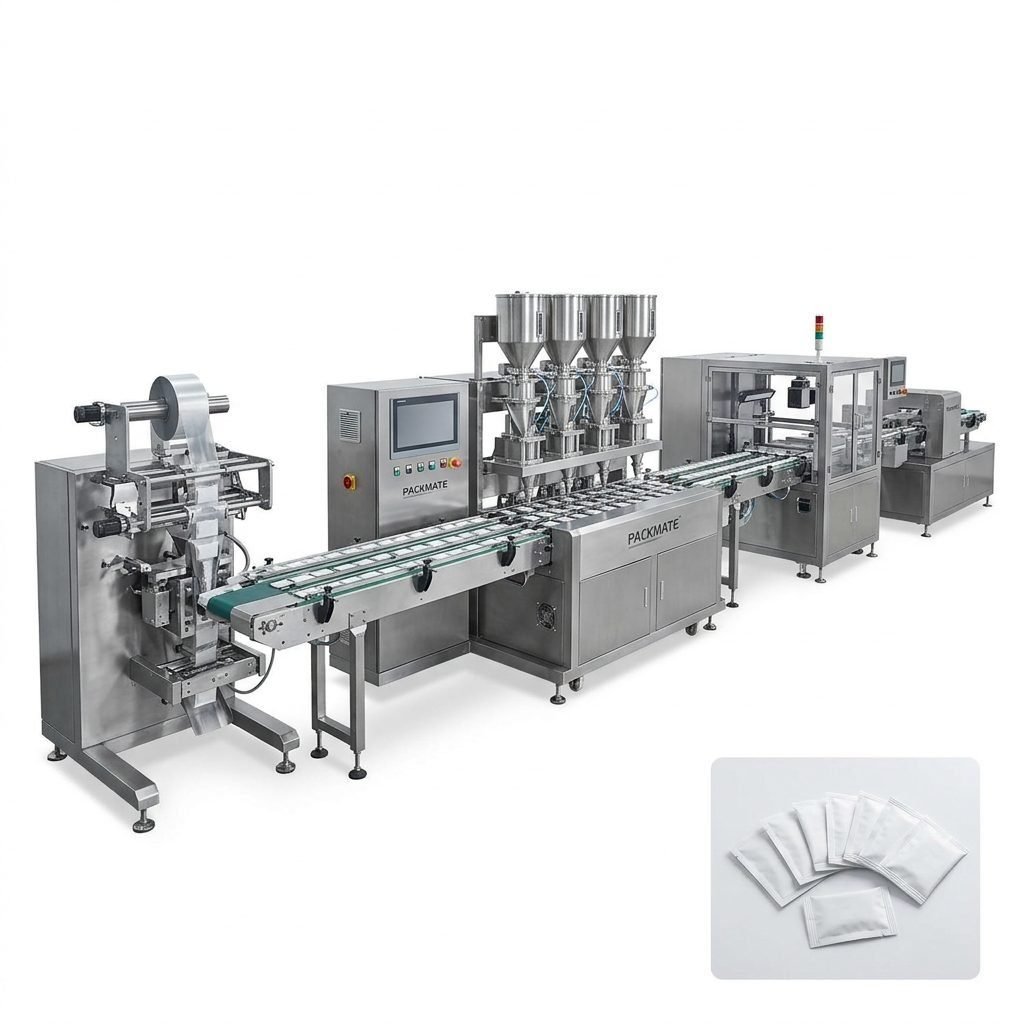
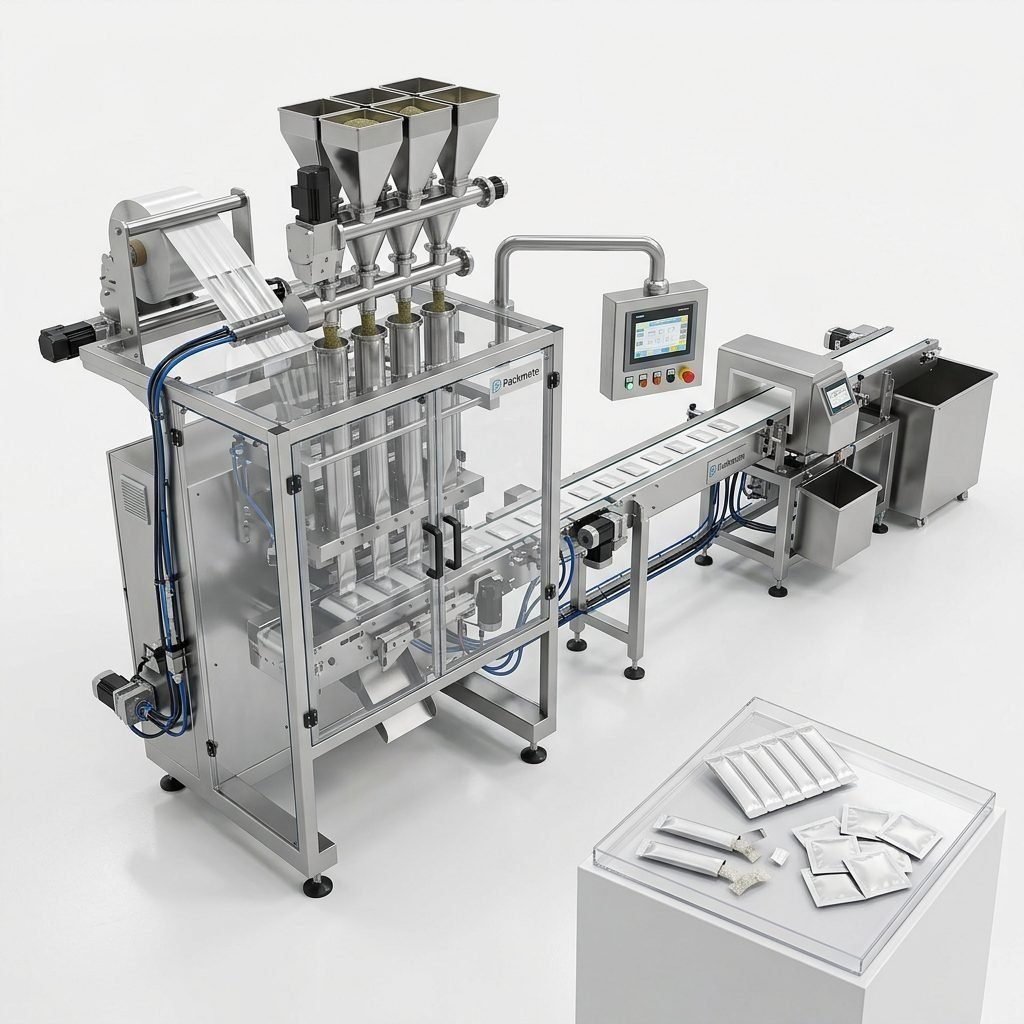
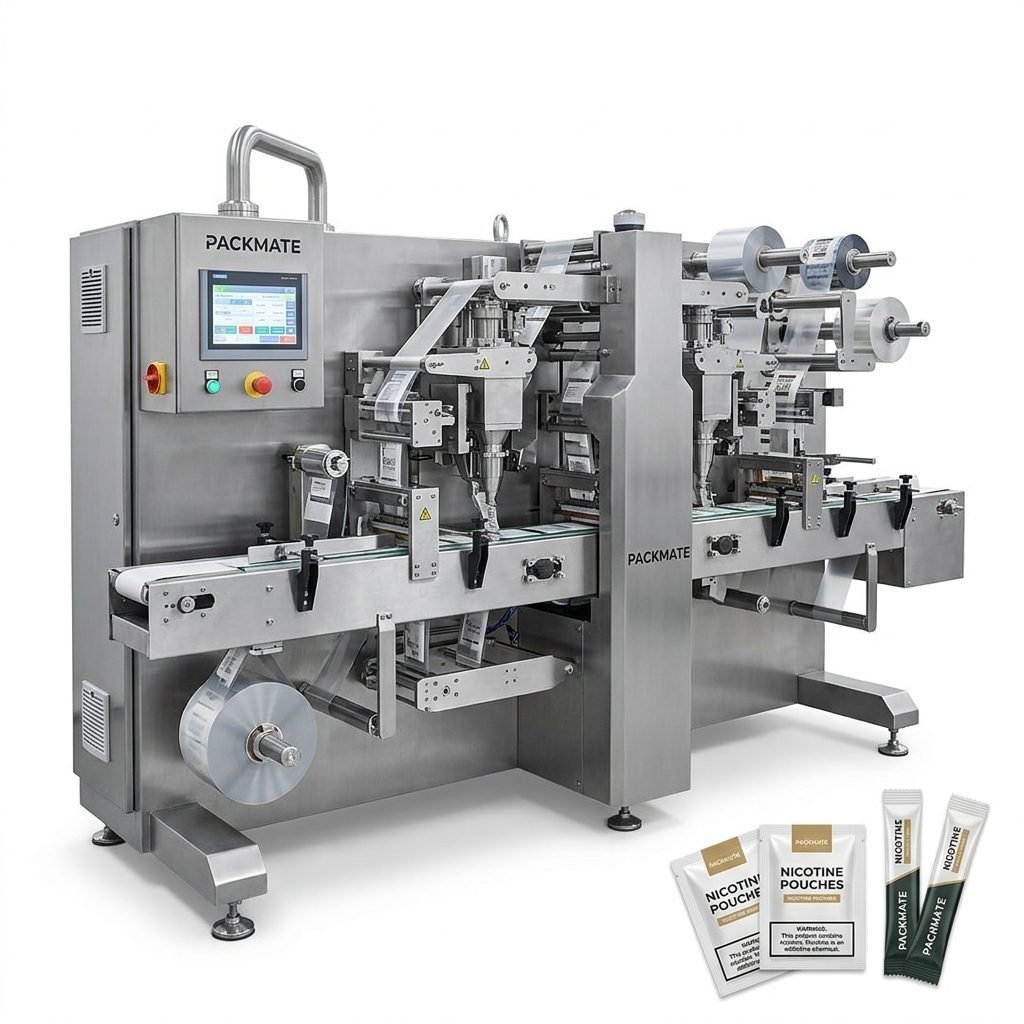
Choosing the right nicotine packaging machine manufacturer in Iran is one of the most important strategic decisions for any company entering or expanding in the nicotine pouch and snus market. The right partner will not only provide reliable equipment but will also ensure compliance with local regulations, adapt to Iranian consumer habits, and deliver long-term technical support. This guide walks you through the essential factors to evaluate and practical tips to find the best manufacturer for your business needs.
Understand Local Market Characteristics in Iran
Iran’s market has unique cultural, logistic, and regulatory aspects you should consider. While nicotine pouch consumption is growing in many regions, local consumer preferences in Iran may emphasize discreet, compact packaging and flavors that align with regional tastes. Import duties, shipping timelines, and local maintenance capabilities can also affect the total cost of ownership.
Tip:
Plan for local spare parts storage and technician training — this significantly reduces downtime in regions where shipping replacement parts may take longer.
Key Technical Capabilities to Look For
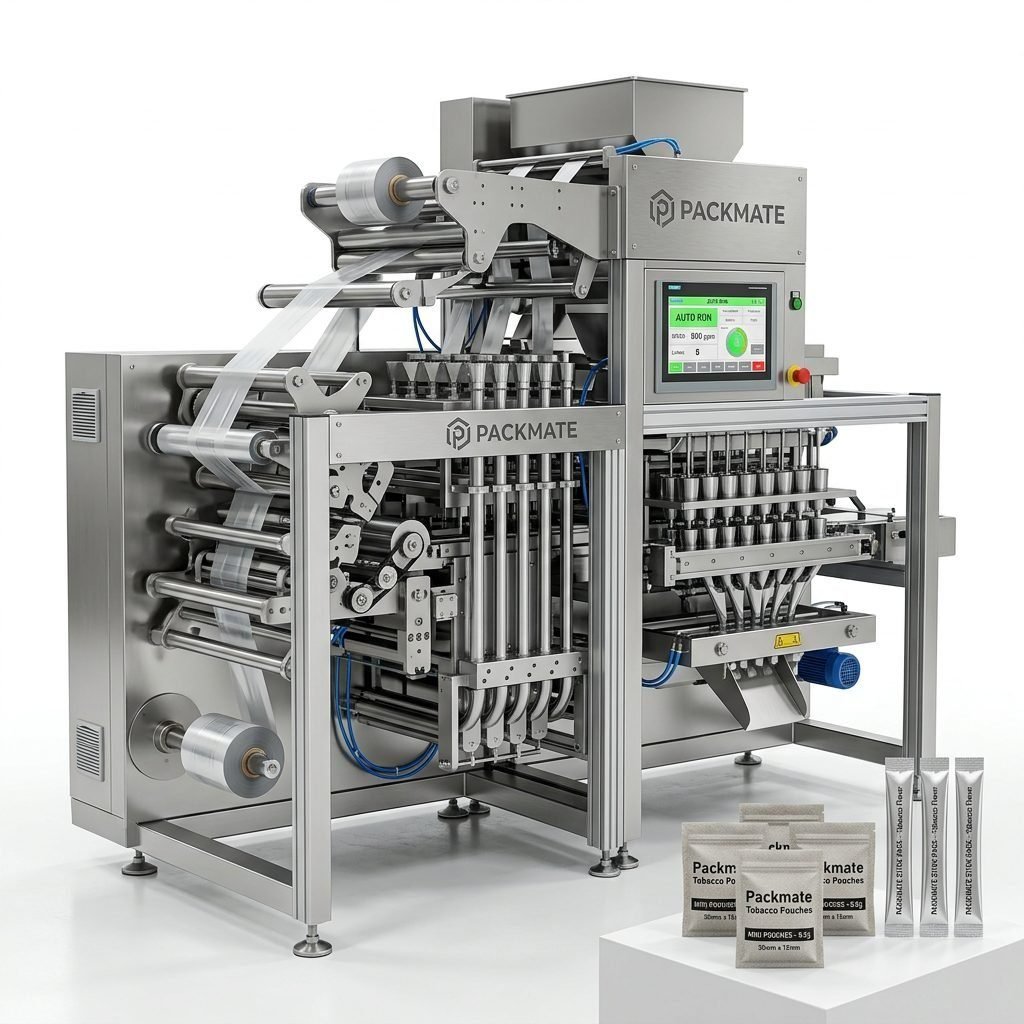
Not all packaging machines are created equal. For nicotine pouches and snus, precision dosing, gentle product handling, and multi-lane capabilities are often critical. Evaluate manufacturers based on these technical features:
- Accuracy of dosing — look for +/- tolerance specifications and real-world performance data.
- Multi-lane options — multi-lane systems increase throughput for small-dose products.
- Material compatibility — machines must handle powder, granules, or wet blends without clogging or degradation.
- Ease of changeover — quick tooling changes reduce downtime when switching SKUs.
- Automation and integration — compatibility with upstream weighing and downstream sealing/packaging lines.
Why Certifications Matter
Always verify certifications such as CE and ISO. These are indicators that safety, quality, and regulatory requirements were considered during design and manufacture. For operations in Iran, international certifications make it easier to meet cross-border compliance when importing technology or components.
Manufacturer credibility:
Check company history and factory-scale — a manufacturer with decades of experience and a robust factory (for example, 20,000㎡ production area) usually delivers better long-term support and consistent quality.
Evaluate After-Sales Support and Local Service
After-sales support is often the decisive factor. Consider whether the manufacturer offers:
- Remote diagnostics and software updates
- On-site training and commissioning
- Local or regional spare parts warehouses
- Comprehensive maintenance plans and clear service-level agreements
Case Example: Turnkey Solutions
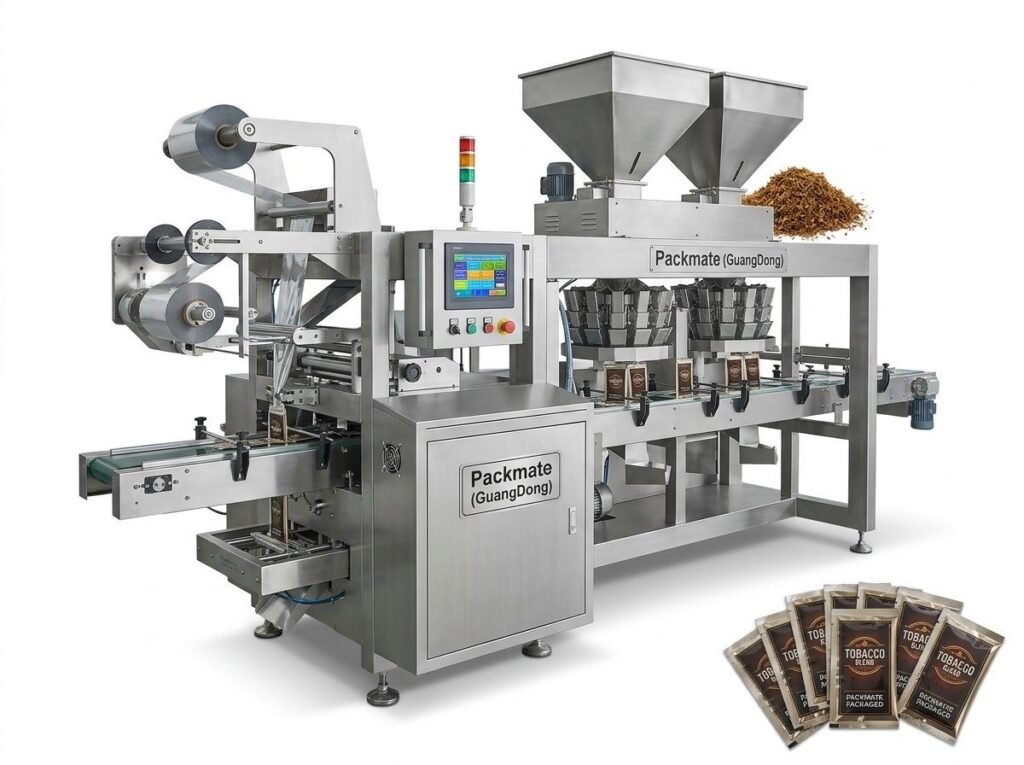
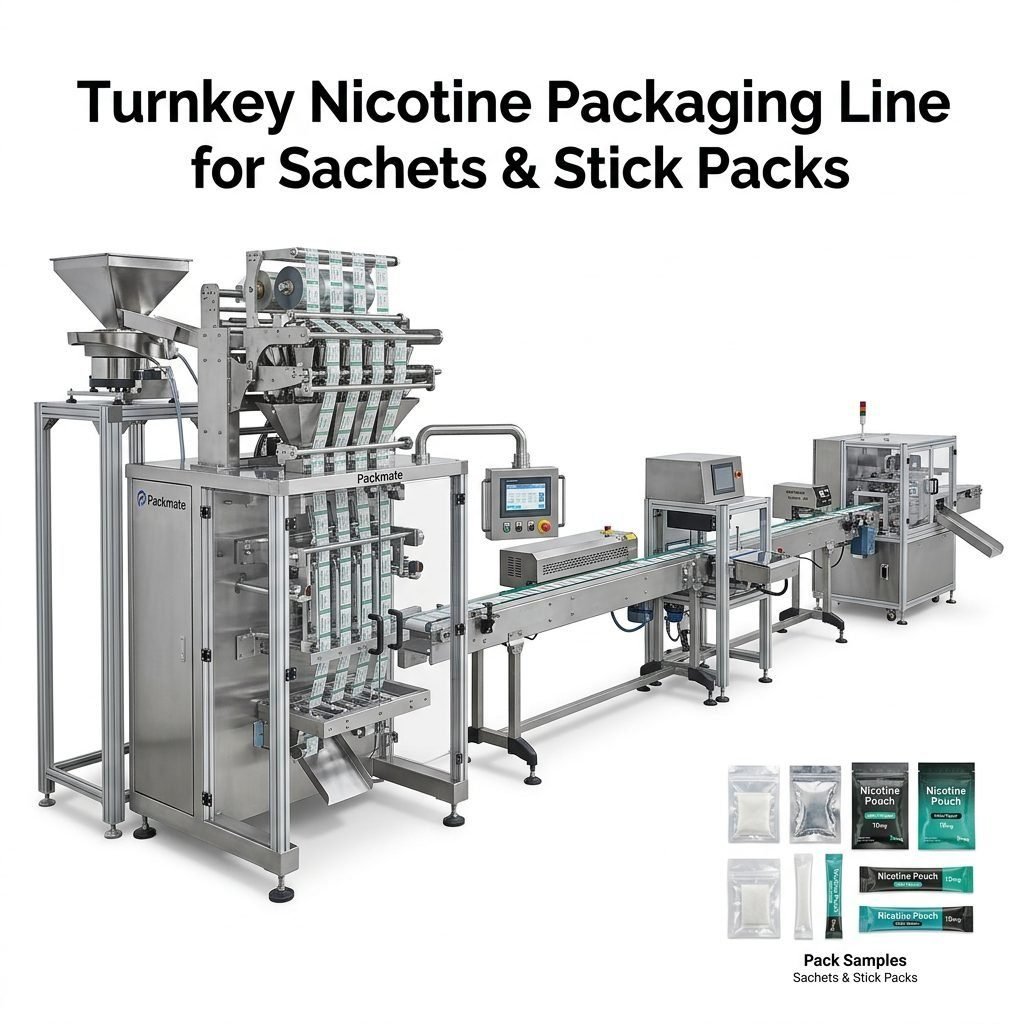
A manufacturer providing turnkey packaging lines reduces integration risk. This includes integration of weighing systems, filling lines, and auxiliary equipment. For Iranian factories aiming for fast ramp-up, turnkey systems save time and simplify vendor management.
Inspect Manufacturing Capability and Quality Control
Tour the manufacturer’s facility if possible, or request detailed photos and videos of the production process. Key points include:
- Advanced CNC machining centers and precision assembly lines
- Strict testing stations for performance, stability, and durability
- Range of available models — a diversified product line suggests continuous improvement and customization capability
Checklist:
Request certification copies, performance reports, and videos of machines running with products similar to yours.
Customization and Flexibility
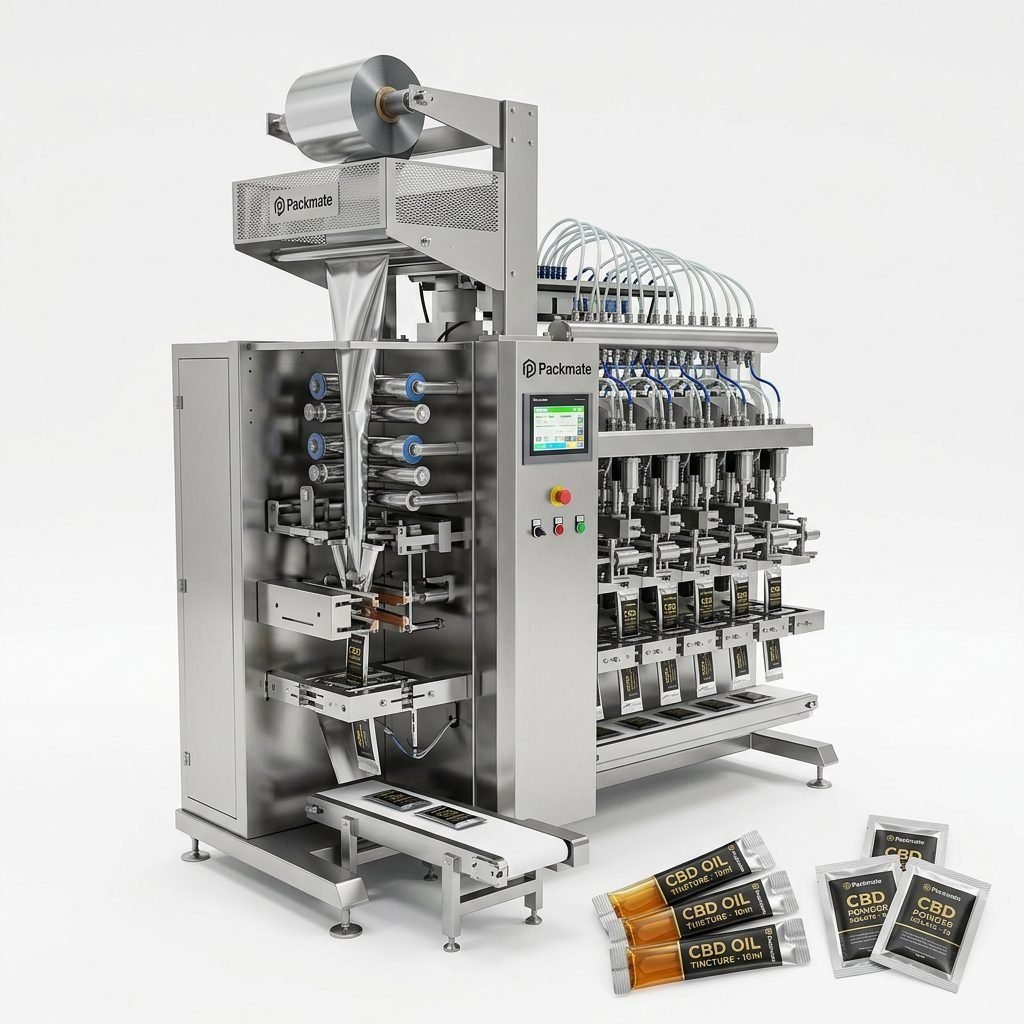
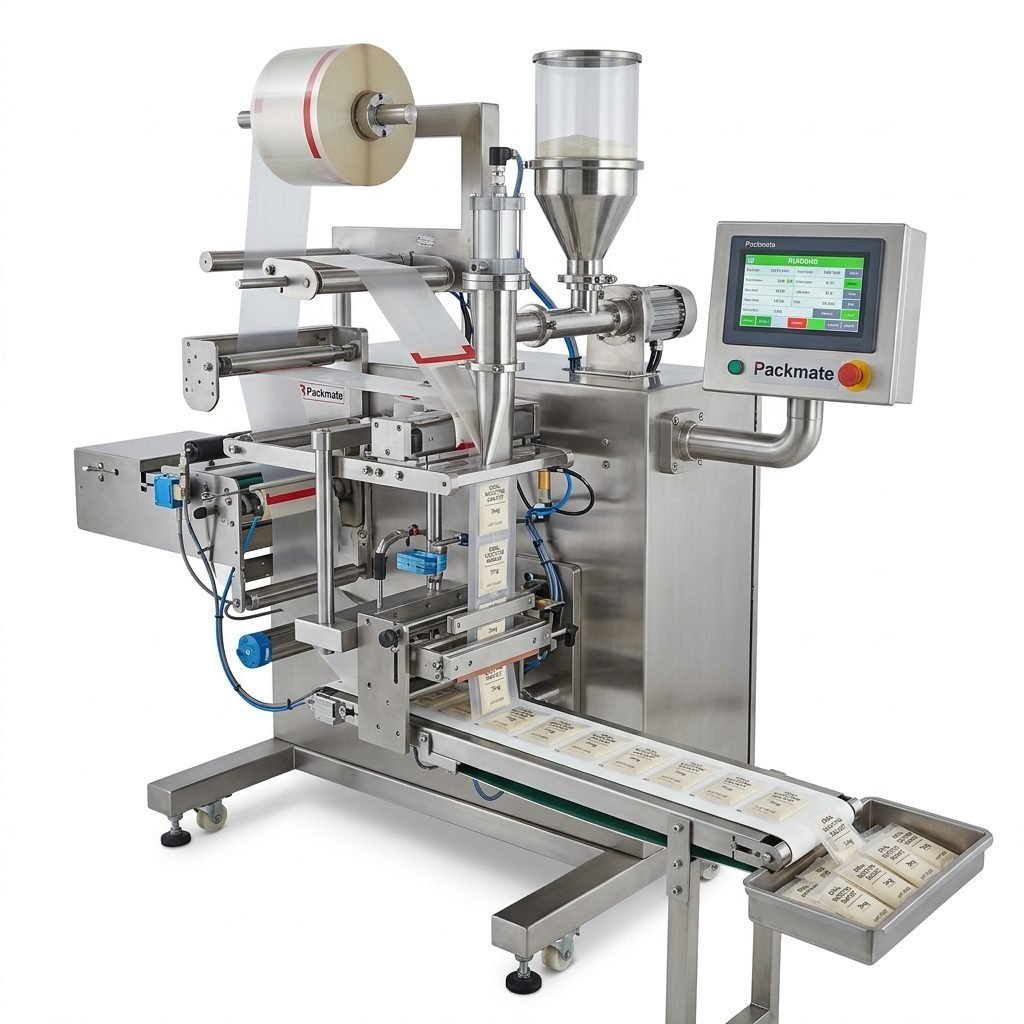
Look for a manufacturer that offers flexible machine models (stick pack, sachet, multi-lane systems) and the ability to customize tooling, control software, and packaging formats. This capability is essential for Iranian brands that want to differentiate with local designs, flavors, and sizes.
Cost Considerations: Total Cost of Ownership
While the purchase price matters, prioritize the total cost of ownership (TCO). TCO includes energy consumption, spare parts, maintenance, expected machine life, and the cost of downtime. A slightly higher upfront investment in a more reliable machine often pays back through reduced operational risk.
Financial and Delivery Terms
Negotiate clear delivery terms, warranties, and payment schedules. Establish milestones for factory acceptance tests (FAT), shipping, and on-site acceptance. If possible, involve a third-party inspection for shipping compliance and machine condition before export.
References, Demonstrations, and Case Studies
Ask for references and real case studies from similar markets. Watching live demonstrations or recorded machine runs with nicotine pouches will reveal how the machine handles your product type. Reliable manufacturers often share a portfolio of global installations — review these to see performance consistency.
For further product information and proven machine models, check product categories like Snus & Nicotine Packaging Machines and Sachet & Stick Pack Machines. These pages illustrate different machine types you can evaluate for your production needs.
Production Scalability and Upgrade Paths
Consider whether the manufacturer supports production scalability — upgrading lanes, adding peripheral equipment, or integrating more advanced automation later on. This ensures your investment remains relevant as your market share in Iran grows.
Upgrade-ready:
A strong manufacturer provides modular designs and clear upgrade paths to increase output or add new functionalities without full replacement.
Working with International Manufacturers — Logistics and Compliance
Importing machines to Iran involves understanding logistic routes, customs duties, and compliance with local standards. A manufacturer experienced in global exports will help with documentation, packaging to prevent damage, and coordinating inspections and shipping. Confirm who handles customs brokerage and duties to avoid surprises.
Local Partnerships and Training
Seek manufacturers that can provide local training, or partner with distributors in Iran who offer maintenance and spare parts. Training local operators and technicians shortens the learning curve and strengthens production reliability.
How to Shortlist Manufacturers — A Practical Process
Follow a structured selection process:
- Define your technical and capacity requirements (SKU sizes, throughput, product form).
- Gather manufacturer profiles and product catalogs — request real-machine videos and FAT results.
- Verify certifications, factory capability, and references.
- Request detailed quotes that include warranty, spare parts list, lead times, and training.
- Plan a pilot or trial production run where possible before full-scale procurement.
For comprehensive company background and examples of turnkey implementations, consider exploring the manufacturer’s company profile and case studies such as About Packmate and Case sections to understand how similar projects have been executed.
Negotiating Contracts and Protecting Your Investment
Ensure contracts include clear performance metrics, acceptance tests, warranty terms, and parts & labor coverage. Define penalty clauses for delayed delivery and acceptance criteria for FAT and SAT (site acceptance tests). This protects your investment and aligns vendor obligations with your operational needs.
Reach out:
If you want to learn more or request a quote, check the manufacturer’s contact page for direct inquiries and support: Contact Us.
Final Selection Checklist
Before finalizing your purchase, confirm the following:
- Machine performance validated with similar products
- Transparent TCO and warranty terms
- Reliable after-sales support and parts supply
- Compliance with international standards (CE, ISO)
- Scalability options and local training availability
If you want to review different machine categories and configurations, the manufacturer’s product listings like Bag & Pouch Packaging Machines and Filling & Packaging Lines are good starting points to compare technical options.
Conclusion
Selecting the best nicotine packaging machine manufacturer for your Iranian business requires a mix of technical evaluation, due diligence, and practical planning for logistics and support. Prioritize manufacturers with proven experience in snus and nicotine packaging, robust manufacturing facilities, clear certifications, and strong after-sales support. With the right partner, you will scale production efficiently while keeping product quality and compliance front and center.
Frequently Asked Questions (FAQs)
Q1: How long does it typically take to receive and commission a nicotine pouch packaging line in Iran?
A1: Lead times vary by model and customization level. Standard machines may ship within 8–12 weeks after payment and FAT, while fully customized turnkey lines can take 16 weeks or more. Add shipping, customs clearance, and on-site commissioning to estimate the total timeline.
Q2: What ongoing costs should I budget for beyond the purchase price?
A2: Budget for spare parts, annual maintenance, consumables (seals, belts), operator training refreshers, and potential software updates. Energy consumption and factory layout changes can also affect operating costs.
Q3: Are there Iranian-specific considerations when using nicotine packaging machines?
A3: Ensure packaging formats and labeling comply with local regulations. Consider local preferences for discreet packaging and regional flavor profiles. Also, plan for local technical training and parts storage to reduce downtime caused by long international shipments.
Q4: Can manufacturers provide training and long-term service for clients in Iran?
A4: Reputable manufacturers offer training, remote support, and service contracts. Confirm whether they have regional partners or can dispatch technicians, and clarify response times for critical issues.
Q5: Where can I view product models and company information?
A5: Explore product pages and corporate information for detailed specifications and company background: Catalog, Certificate, and Service.