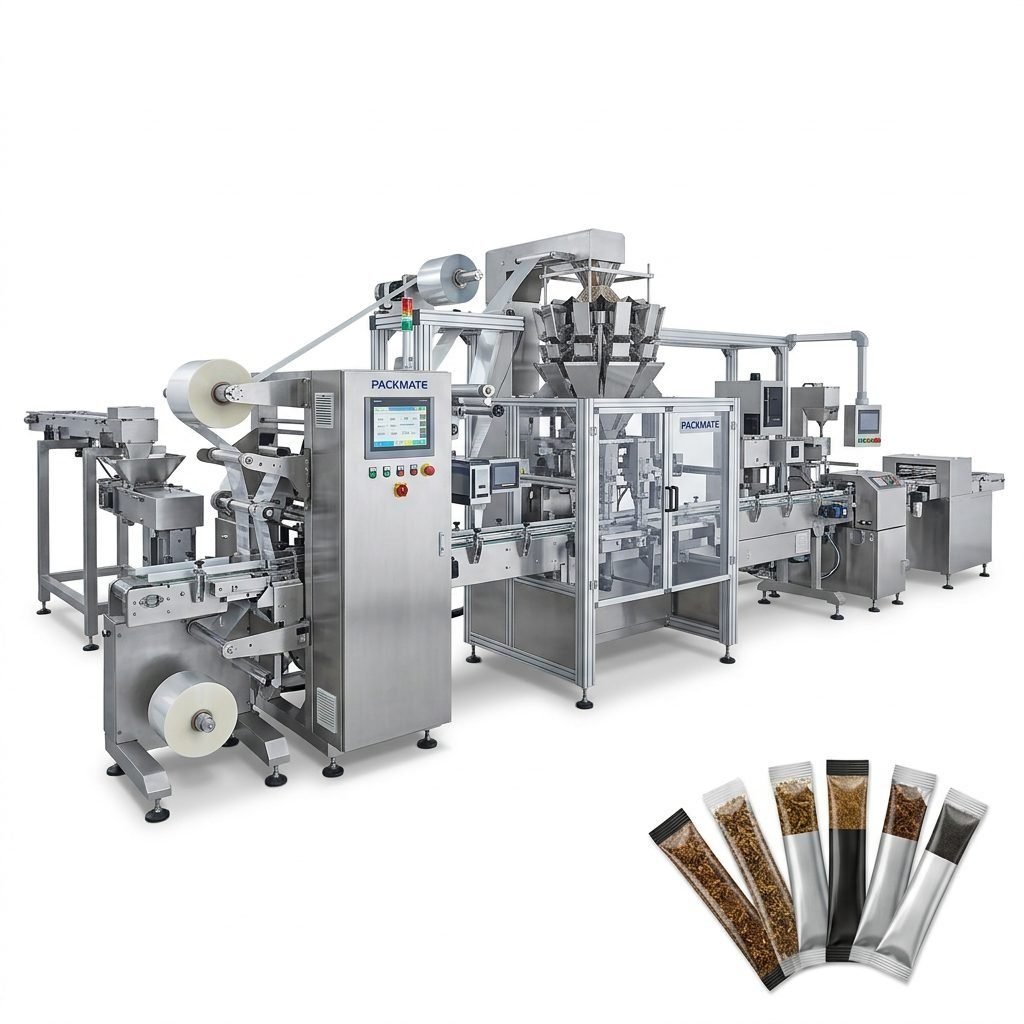
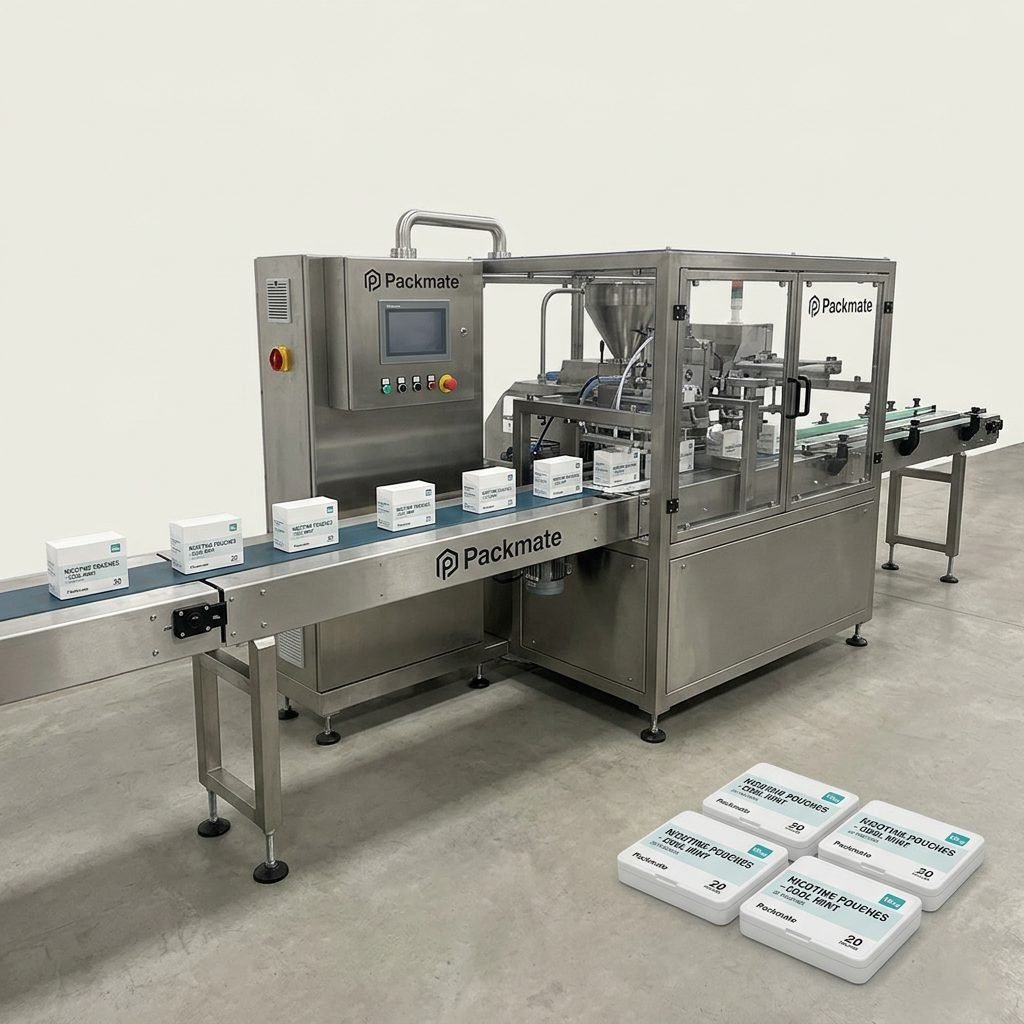
Choosing the right snus packaging machinery in Haiti requires a clear understanding of your product, production targets, regulatory requirements, and the long-term operational support you need. This practical buyer’s guide walks you through the decision points that matter most — from machine types and line configurations to supplier qualifications and after-sales service — so you can select a packaging solution that delivers consistent quality, productivity, and value.
Why the Right Snus Packaging Machine Matters in Haiti
Haiti’s emerging consumer and export opportunities for nicotine pouches and snus mean manufacturers must balance cost, speed, and compliance. The right machine reduces waste, improves consistency of fill weight, ensures hygienic production, and minimizes downtime. In short, it protects product quality and your profit margins.
Key outcome: invest in a machine that matches your current output and lets you scale. Avoid underpowered equipment that becomes a production bottleneck, and overly complex systems that inflate initial investment unnecessarily.
Primary considerations before you buy
- Target daily output (pouches per hour/day)
- Product format: nicotine pouch, snus sachet, stick pack, or multi-lane pouches
- Filling material characteristics: powder, granule, or moisture-sensitive blends
- Packaging film and pouch size options
- Local power supply and factory space constraints
- Regulatory and labeling requirements for export markets
Machine Types and When to Choose Each
Choosing the right machine family is the first technical decision. Here are the main categories and typical use cases:
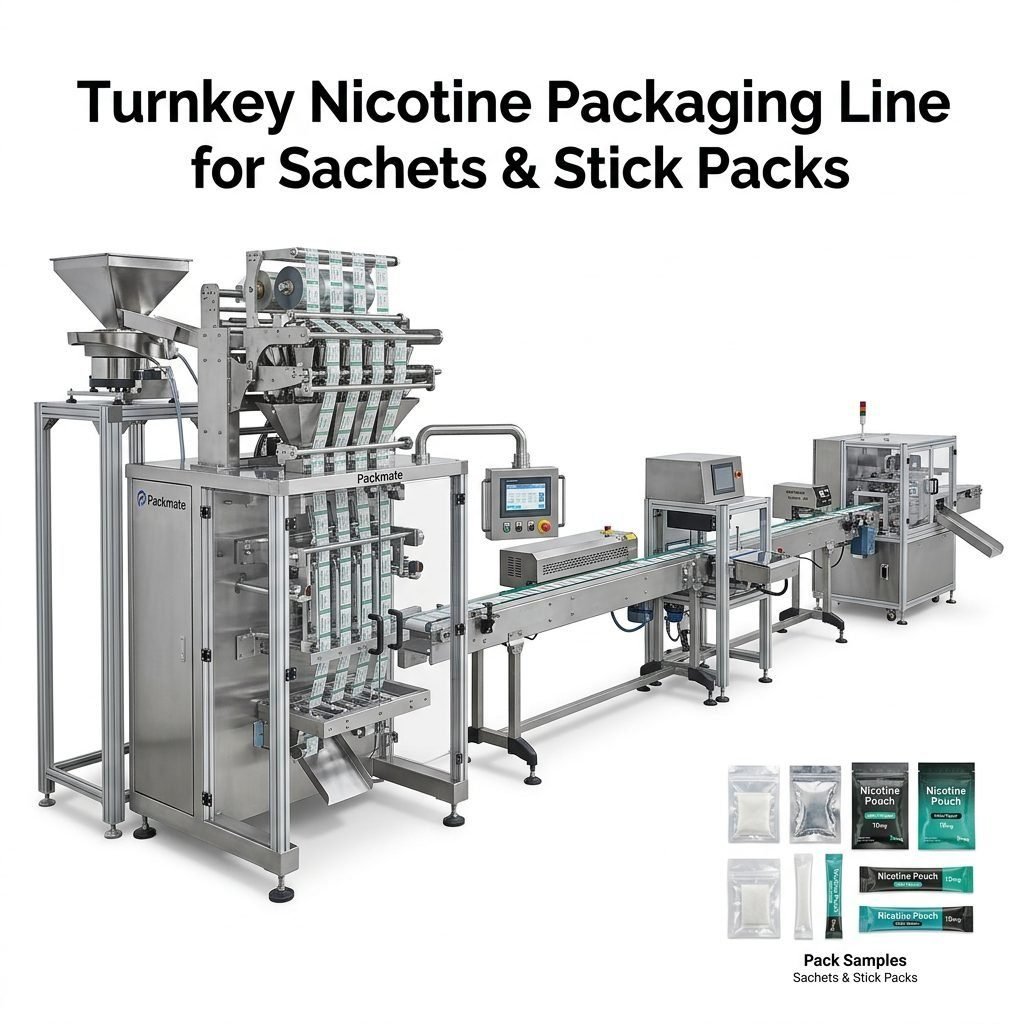
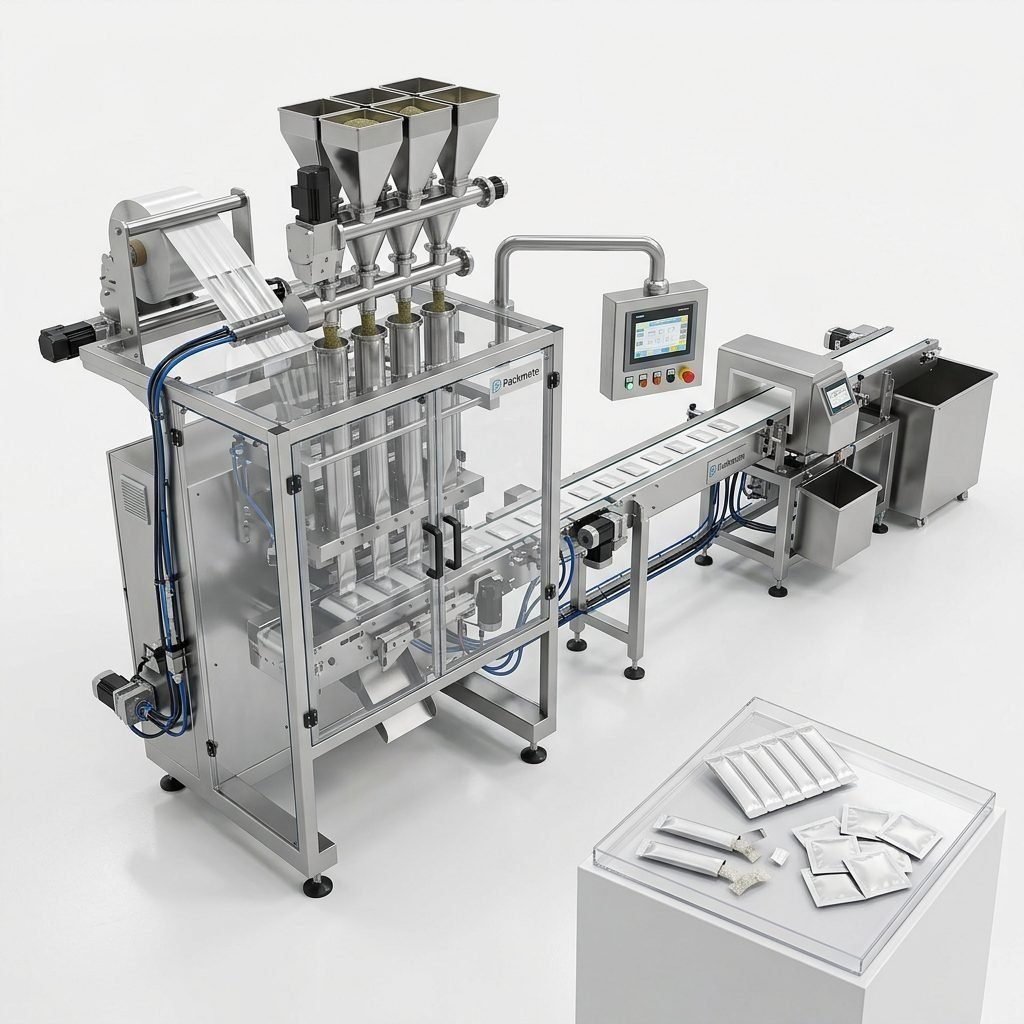
Sachet & Stick Pack Machines
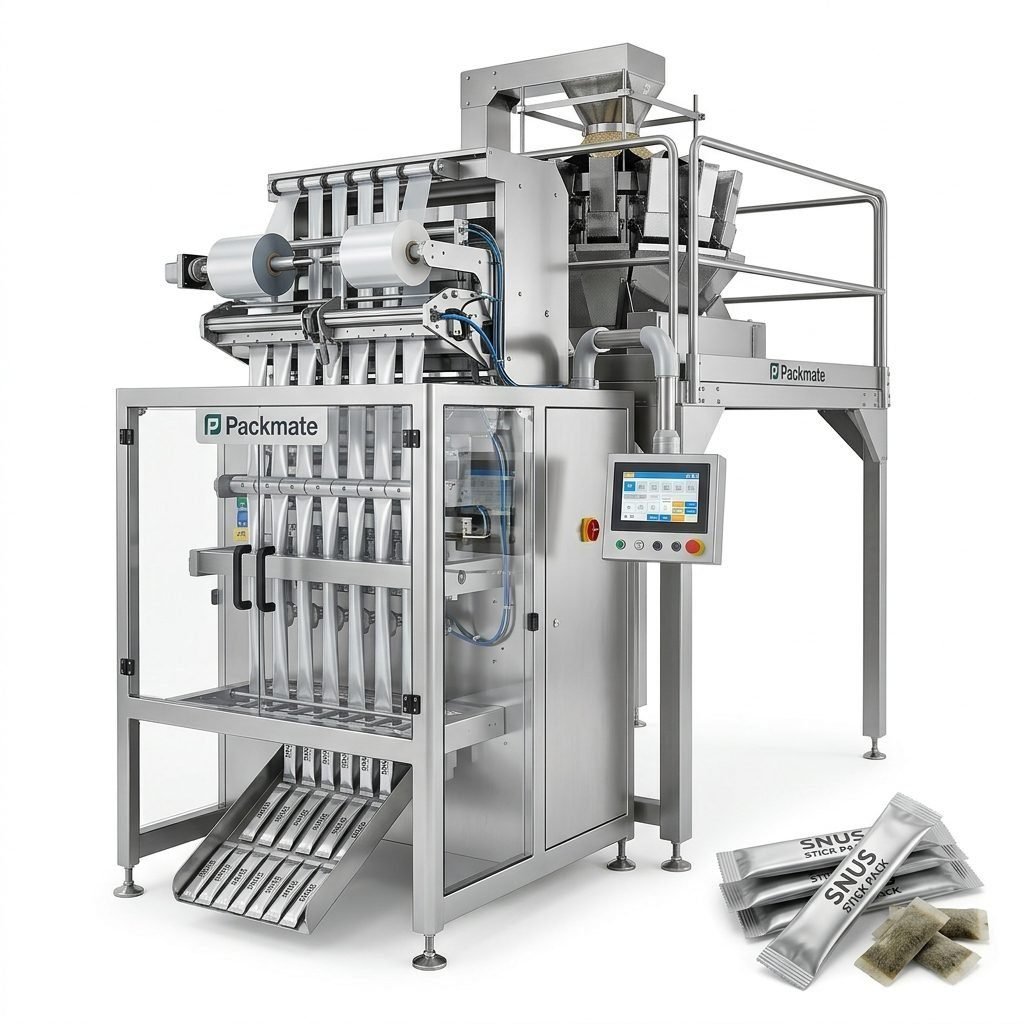
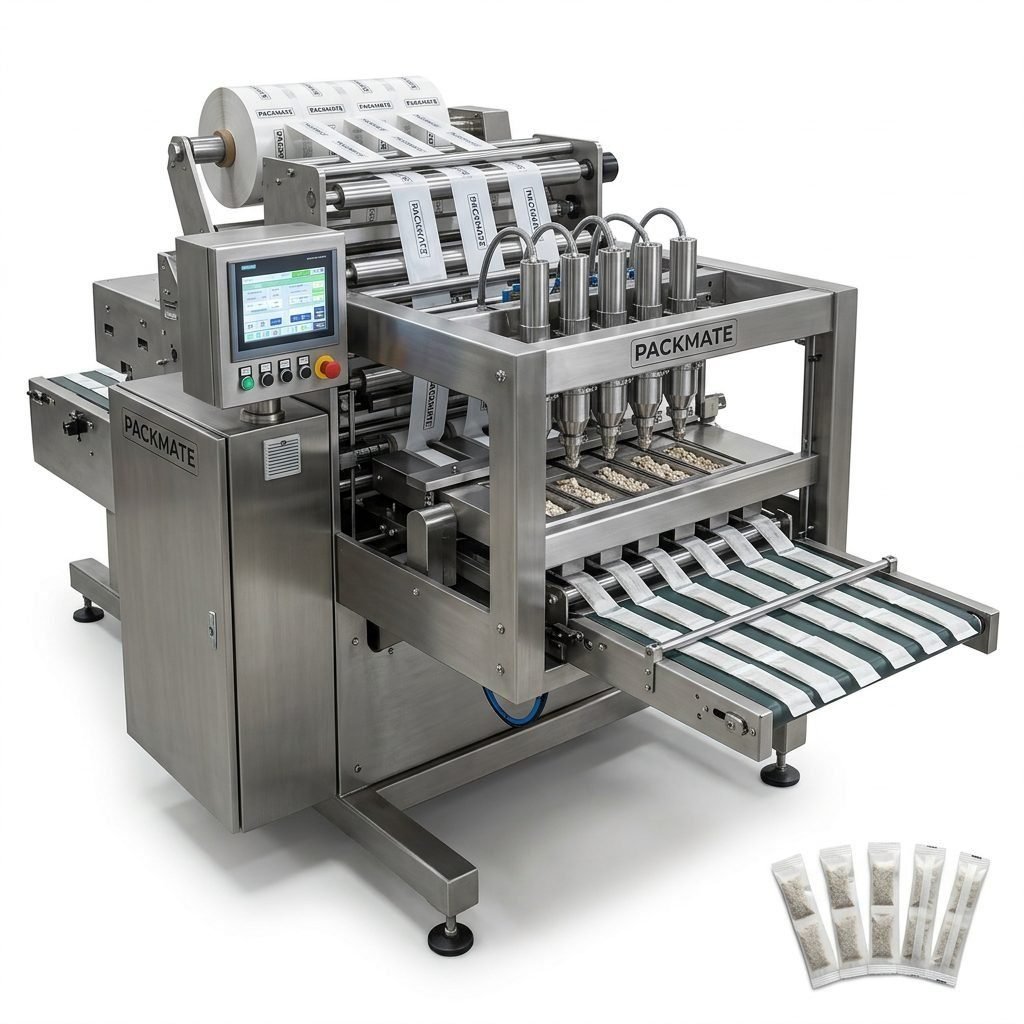
Ideal for small single-dose pouches and stick formats. These machines are compact, relatively low-cost, and best for businesses starting with low-to-medium volumes and single-lane to multi-lane configurations.
For manufacturers exploring multiple small-dose formats, a modular Sachet & Stick Pack Machines line offers flexibility.
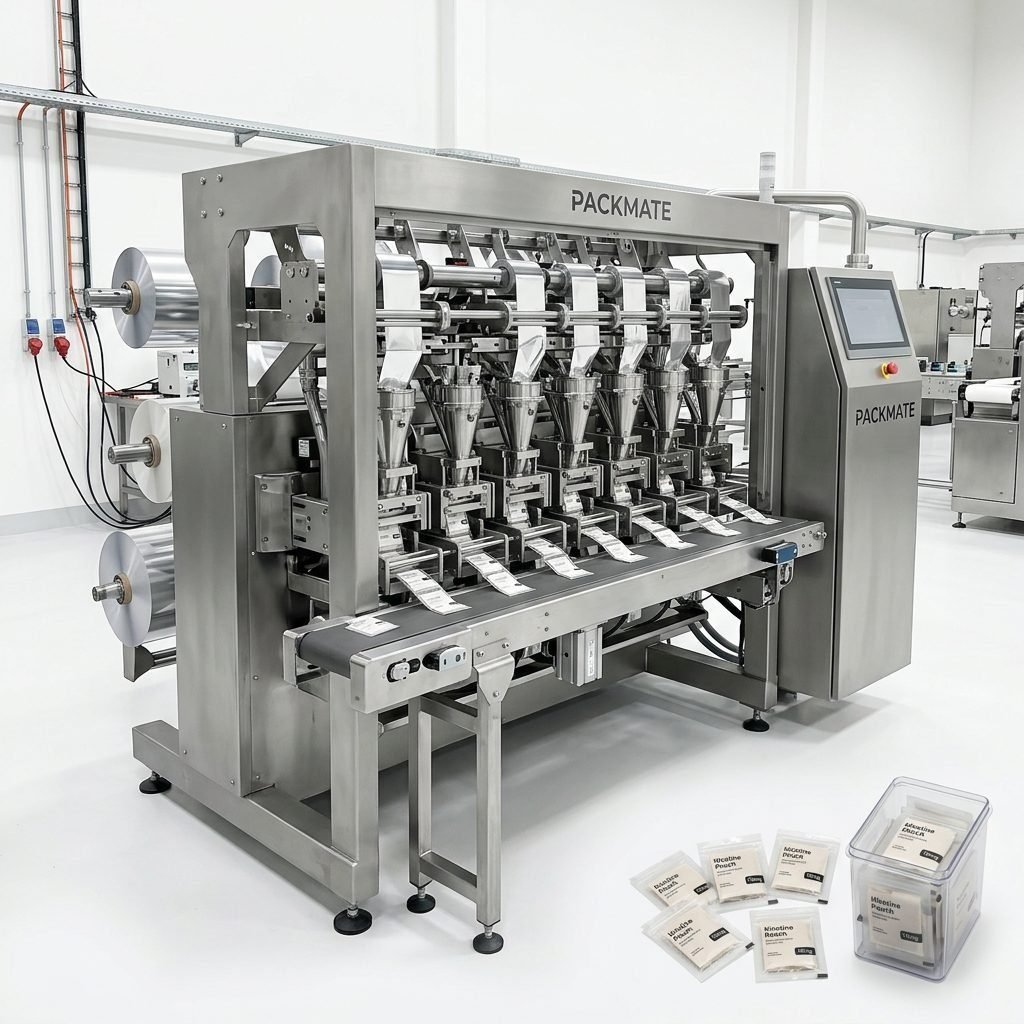
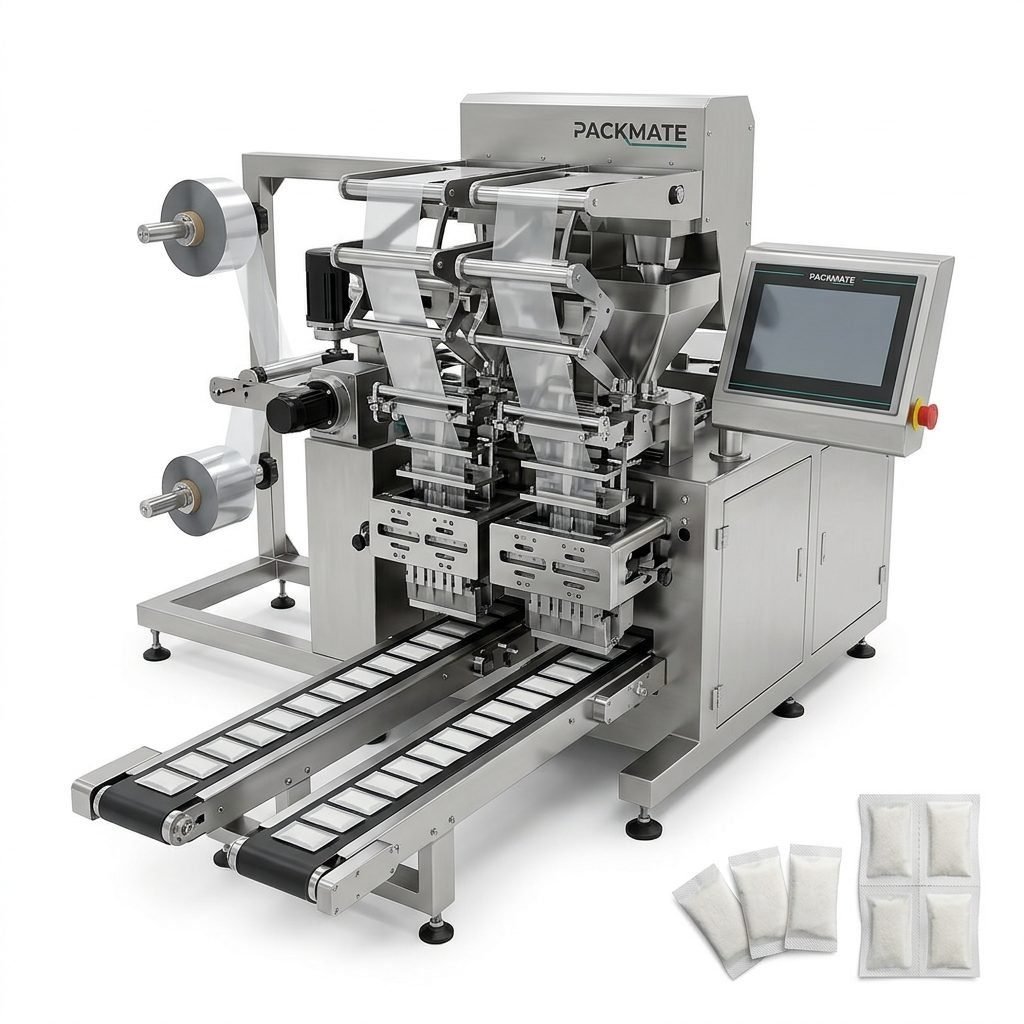
Multi-lane Snus / Nicotine Pouch Machines
When output demands rise, multi-lane systems multiply throughput with consistent quality control across lanes. These systems are engineered for high-precision small-dose filling and often include advanced weighing or dosing systems for accuracy.
Companies targeting export or large domestic distribution typically opt for multi-lane lines.
Weighing & Filling Systems
For powders and blends where weight accuracy is critical, integrated weighing & packaging systems ensure each pouch meets strict tolerance limits. These are essential when product cost or regulatory labeling relies on precise fill weights.
Critical Technical Specs to Evaluate
Beyond machine family, the specific technical specifications determine whether a machine suits your operation. Focus on:
- Speed and throughput — measured in pouches per minute (ppm) and total daily output. Match machine speed with realistic production schedules and planned downtimes.
- Weighing accuracy — critical for nicotine pouches to meet regulatory and quality standards. Check typical deviation (e.g., ±0.01 g) and how the machine compensates for variation.
- Multi-lane capability — lanes multiply output but require precise synchronization and maintenance.
- Changeover time — how long to switch pouch sizes or materials. Faster changeover reduces downtime and increases flexibility.
- Material compatibility — ensure the machine supports your chosen films and barrier requirements (e.g., foil laminates for moisture protection).
- Cleanability & hygiene — stainless steel contact parts, easy-access guards, and washdown capability if required.
Tip: request performance data from the supplier — real-world ppm for your product, average powder rejection rates, and a video or case study showing the exact format in production.
Operational & Environmental Requirements
Practical installation details often determine whether a machine fits smoothly into your facility:
- Footprint and layout — measure clearances and access for maintenance.
- Power and air — confirm voltage, phase, and compressed air quality/flow requirements.
- Dust and waste handling — powder lines need containment and extraction to ensure operator safety and product stability.
- Spare parts and consumables — plan local stocking or guaranteed fast shipping for critical wear parts.
Evaluating Suppliers: What to Ask
A reliable supplier provides more than machines. Use this checklist when vetting providers:
- Manufacturing footprint and experience (years in business, factory size, and production capacity)
- Available models and customization options — can they build turnkey lines with auxiliary equipment?
- Certifications — CE, ISO, and relevant quality or safety marks for your export markets
- After-sales service: training, remote support, local partners, spare parts lead times
- References and live case examples — ask for customer contact and video demonstrations
For an example of a full-line supplier with factory scale and product range, review the manufacturer profile and product lines such as Snus & Nicotine Packaging Machines, Filling & Packaging Lines, and their About Packmate page to understand capabilities and factory scale.
Red flag: suppliers who cannot provide CE/ISO documentation, machine videos, or client references for similar installations.
Total Cost of Ownership (TCO) vs. Initial Price
Focus on TCO rather than upfront cost alone. TCO includes maintenance, spare parts, consumables, changeover time, energy consumption, and expected machine lifetime. A slightly higher-priced, robust machine can deliver lower TCO through reliability and reduced scrap.
- Calculate predicted ROI by estimating production volume, scrap reduction, and labor savings.
- Ask suppliers for energy consumption figures and typical spare part lists with prices.
- Know warranty length and what it covers — mechanical parts, electrical systems, and control software.
Installation, Commissioning & Training
Proper installation and commissioning are essential for achieving rated performance. Confirm:
- Who will install and commission the line — supplier engineers, local technicians, or a mix?
- What training is included — operator, maintenance, and troubleshooting?
- Is there a clear spare parts kit and recommended stocking list?
After-sales and spare parts
Ask for guaranteed response times for remote diagnosis and onsite visits, and check if the supplier has local partners or distributors who can provide faster support. A robust spare parts program reduces downtime and often differentiates top-tier suppliers.
Compliance, Certification & Export Requirements
If you plan to export snus or nicotine pouches, verify machine compliance with target markets and production standards. Request copies of CE, ISO, and other relevant certificates. You can review a supplier’s compliance profile and certificates via their documentation pages.
For supplier certifications and exhibitions that demonstrate global presence, suppliers often maintain pages such as Certificate and Our Exhibition.
Customization and Turnkey Solutions
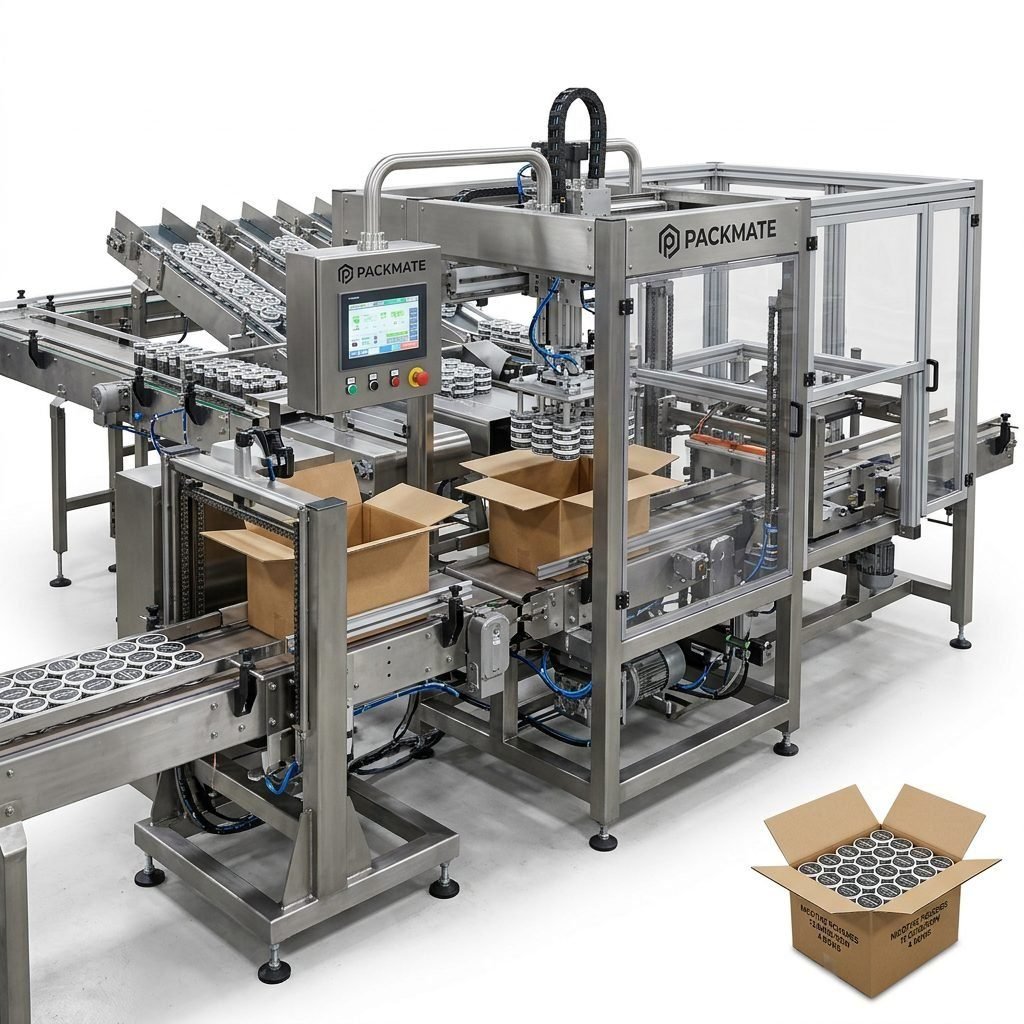
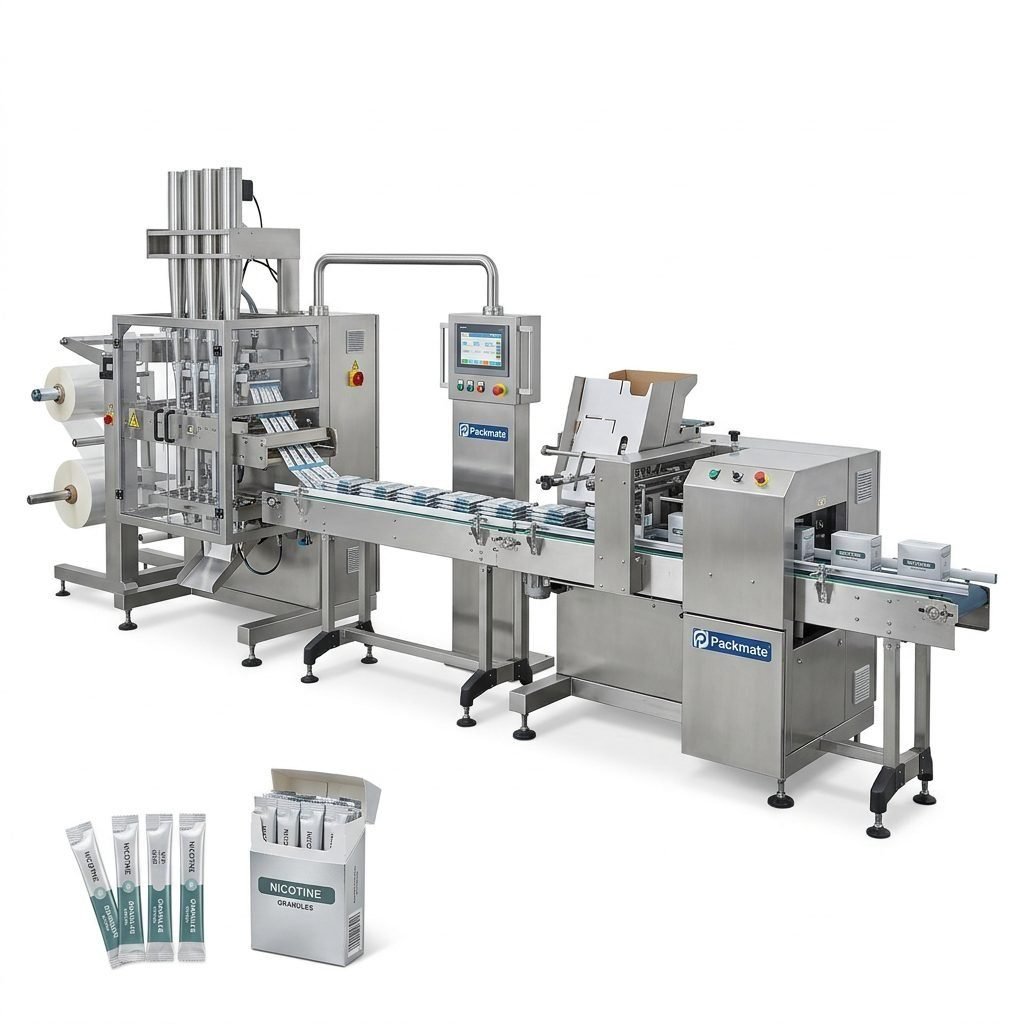
If you need a complete production line (mixing, feeding, filling, sealing, labeling, case packing), work with suppliers who provide turnkey solutions and integrate auxiliary equipment. These providers typically offer project management, layout design, and FAT (Factory Acceptance Testing) before shipment.
Consider: a supplier that can deliver end-to-end solutions including weighing, pouch forming, filling, and final packing reduces integration risk and speeds time-to-market.
Questions to Ask During Supplier Demos
When attending machine demonstrations or watching videos, clarify these items:
- Actual run speed with your product and film type
- Changeover procedure and time between sizes
- Typical scrap and how the machine handles misfeeds
- Operator interface language and training materials
- Available options for automation and remote monitoring
Practical Checklist Before Signing the Contract
Use this checklist to avoid last-minute surprises:
- Receive a detailed technical specification sheet and layout drawing
- Confirm delivery timeline, shipment terms, and installation plan
- Agree on performance acceptance criteria and FAT schedule
- Define warranty terms, spare parts kit, and training scope
- Obtain clear documentation for electrical, pneumatic, and civil requirements
Local Considerations for Haiti
Operating in Haiti brings specific logistical and operational factors:
- Plan for lead times and customs clearance — work with suppliers experienced in shipping to the Caribbean.
- Assess local technical skills and plan training or long-term remote support.
- Ensure spare parts are stocked locally or that the supplier can guarantee fast international shipping.
- Consider local power stability and invest in UPS or stabilizers if needed.
Why Choose an Established Manufacturer
Choosing a manufacturer with decades of engineering experience, a large production facility, and a broad product portfolio reduces risk. Experienced manufacturers deliver proven multi-lane systems, robust support networks, and validated turnkey solutions that speed ramp-up and improve consistency.
Explore manufacturer product ranges such as Bag & Pouch Packaging Machines and Auxiliary Packaging Equipment to ensure compatibility across the full production line.
Final reminder: request a site-specific layout and a complete Bill of Materials (BOM) before purchase. This helps avoid costly modifications during installation.
Useful links and resources
For detailed product specifications, case studies, and service offerings, visit manufacturer pages covering specific machine categories and support services. These resources can help you assess fit and plan installation logistics.
You can learn more about case examples and detailed product lines via their Case page and explore options in their Catalog.
Conclusion: How to Make the Final Decision
The ideal snus packaging machine for your Haitian operation balances current production needs, growth plans, hygiene and compliance requirements, and a supplier’s ability to support you locally. Prioritize accuracy, uptime, and supplier transparency. Request factory videos, FAT reports, client references, and detailed technical documentation before finalizing any purchase.
Next steps
- Define your production targets and product formats clearly.
- Shortlist machines that match your throughput and accuracy needs.
- Request quotations with detailed BOMs, lead times, and warranty terms.
- Schedule demonstrations or request product videos showing your format in production.
- Confirm after-sales support and spare parts availability for Haiti.
Frequently Asked Questions
1. What machine type is best for a start-up producing nicotine pouches?
A single-lane sachet or stick pack machine is often best for start-ups due to lower capital cost and simpler operation. As volumes increase, plan for multi-lane upgrades or a modular approach that allows expansion.
2. How important is weighing accuracy for snus pouches?
Extremely important. Accurate dosing ensures compliance with labeling, consistent nicotine content, and reduced product giveaway. Choose machines with integrated weighing or dosing systems engineered for the material type.
3. What should I expect for lead times and shipping to Haiti?
Lead times vary by customization and factory workload. Plan for production lead time, shipping, and customs clearance. Work with suppliers experienced in Caribbean logistics to avoid delays.
4. How do I ensure reliable after-sales support?
Verify the supplier’s support network, remote diagnostics capability, spare parts lead times, and training programs. Prefer suppliers who offer clear SLAs for response times and have local partners or recommended parts stock.
5. Where can I review detailed product options and request a quote?
Visit product pages and contact the supplier directly through their contact page to request quotes and technical documents. For example, check product categories like Snus & Nicotine Packaging Machines and use the Contact Us page to arrange demos and technical consultations.