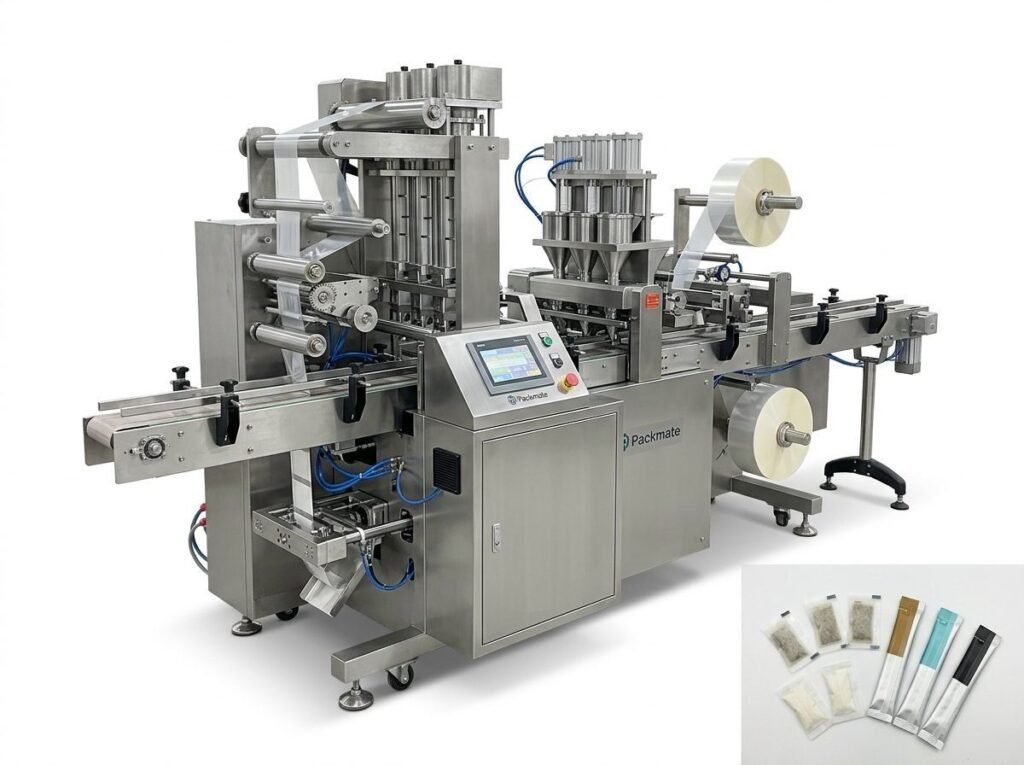
Choosing the right snus packaging machinery in Paraguay requires balancing production capacity, regulatory compliance, and long-term cost-efficiency. This guide breaks down critical factors — from machine types and throughput to after-sales support and certification — so you can confidently select a snus or nicotine pouch packing line that fits your business goals. Whether you’re launching a local brand or scaling exports, the right equipment will protect product quality, ensure consistent dosing, and maximize uptime.
Understanding Machine Types and How They Affect Production
There are several common packaging formats for snus and nicotine pouches. Each format impacts the speed, flexibility, and initial investment required:
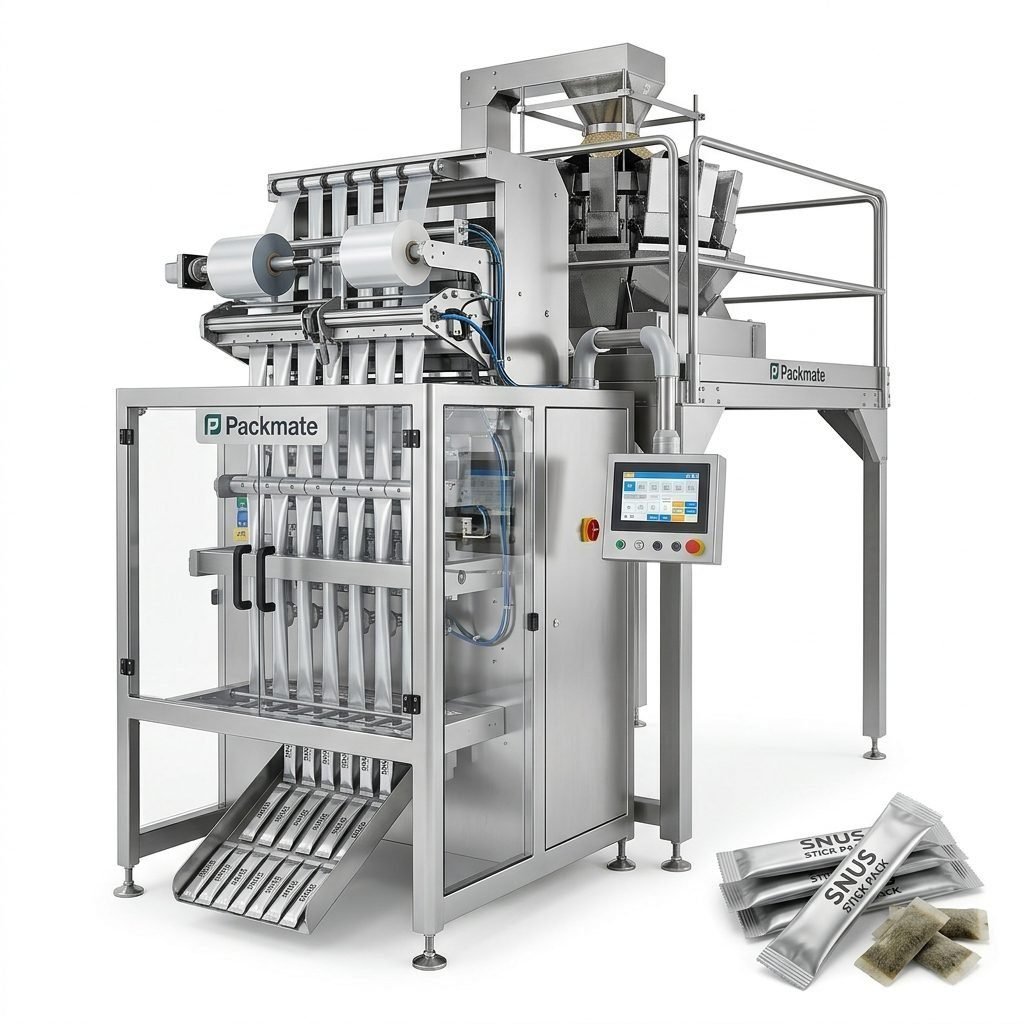
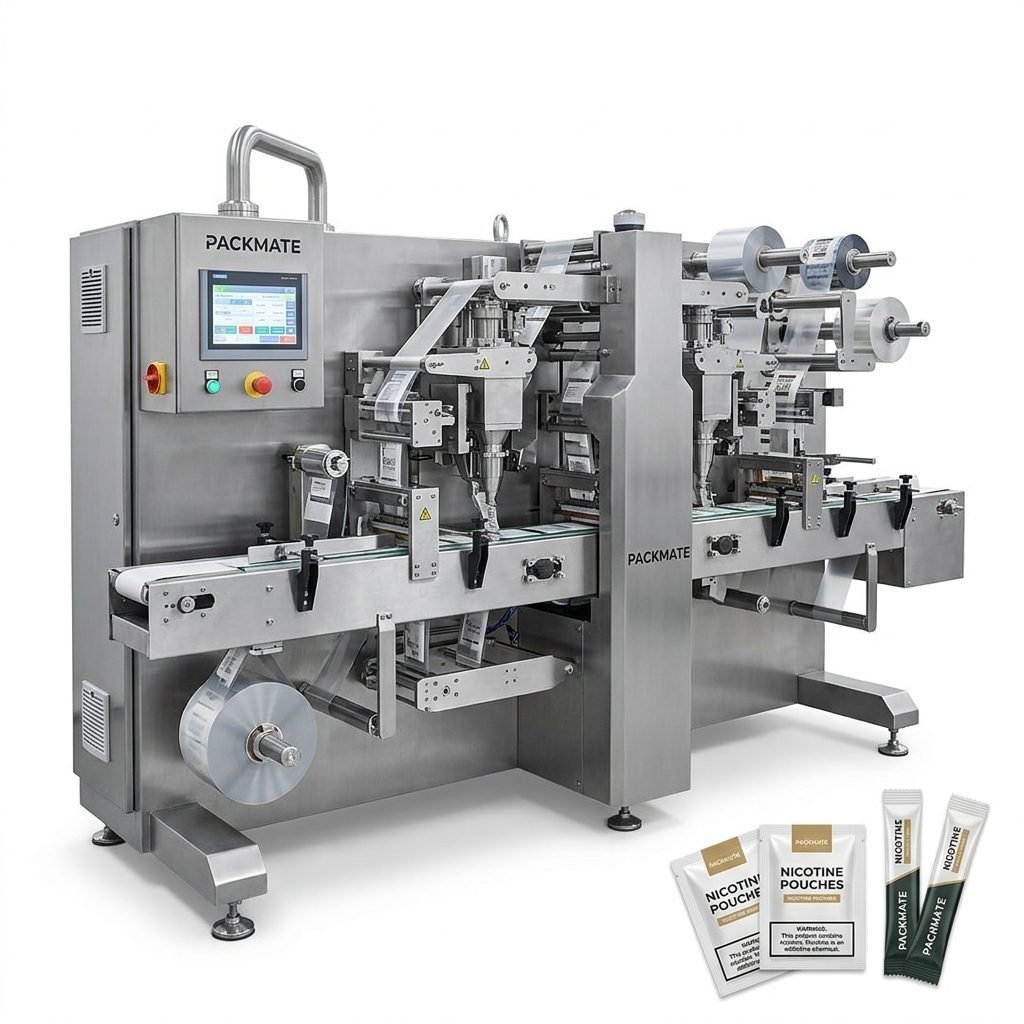
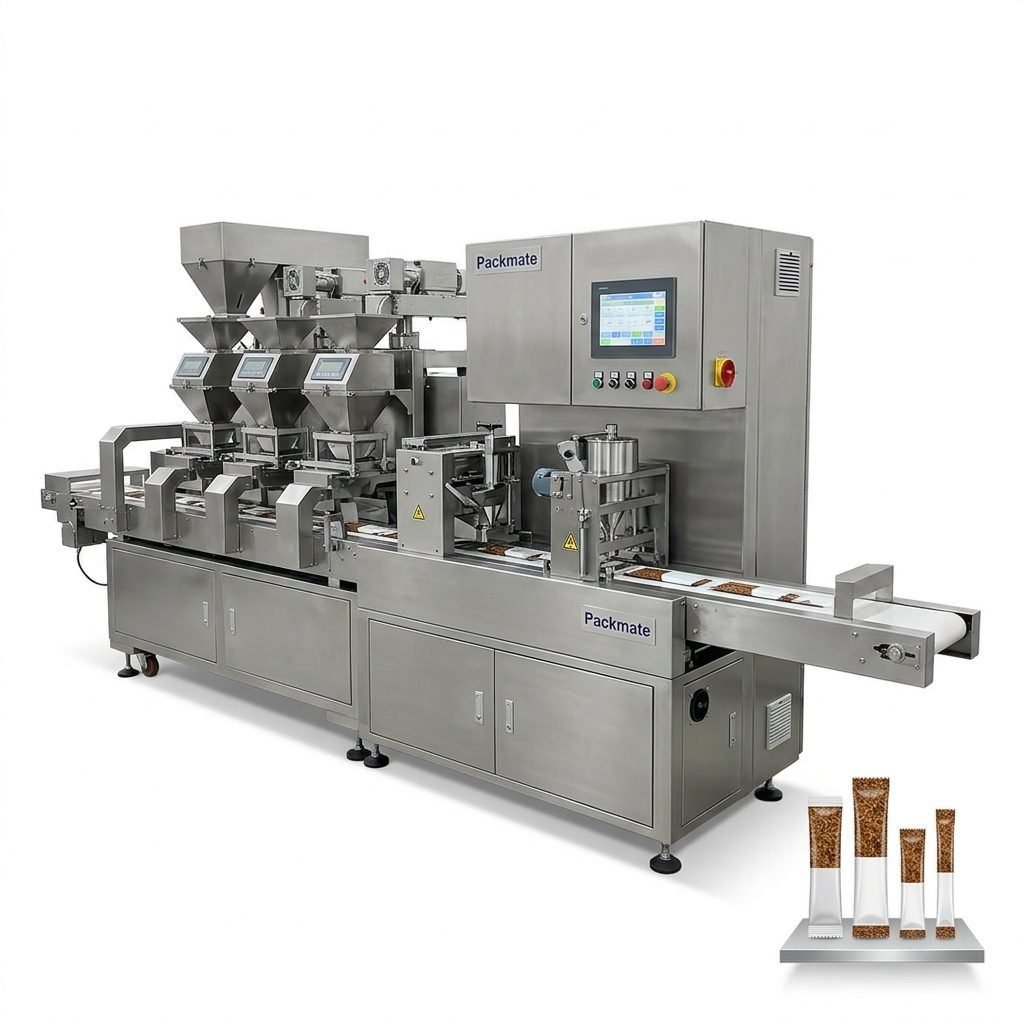
Stick Pack and Sachet Machines
Stick pack and sachet machines are ideal for single-dose or sealed pouch products. These systems are compact and often less expensive to install, offering precise portioning for consistent doses. If your product mix includes single-use pouches, prioritize machines with high-precision dosing heads and reliable sealing modules.
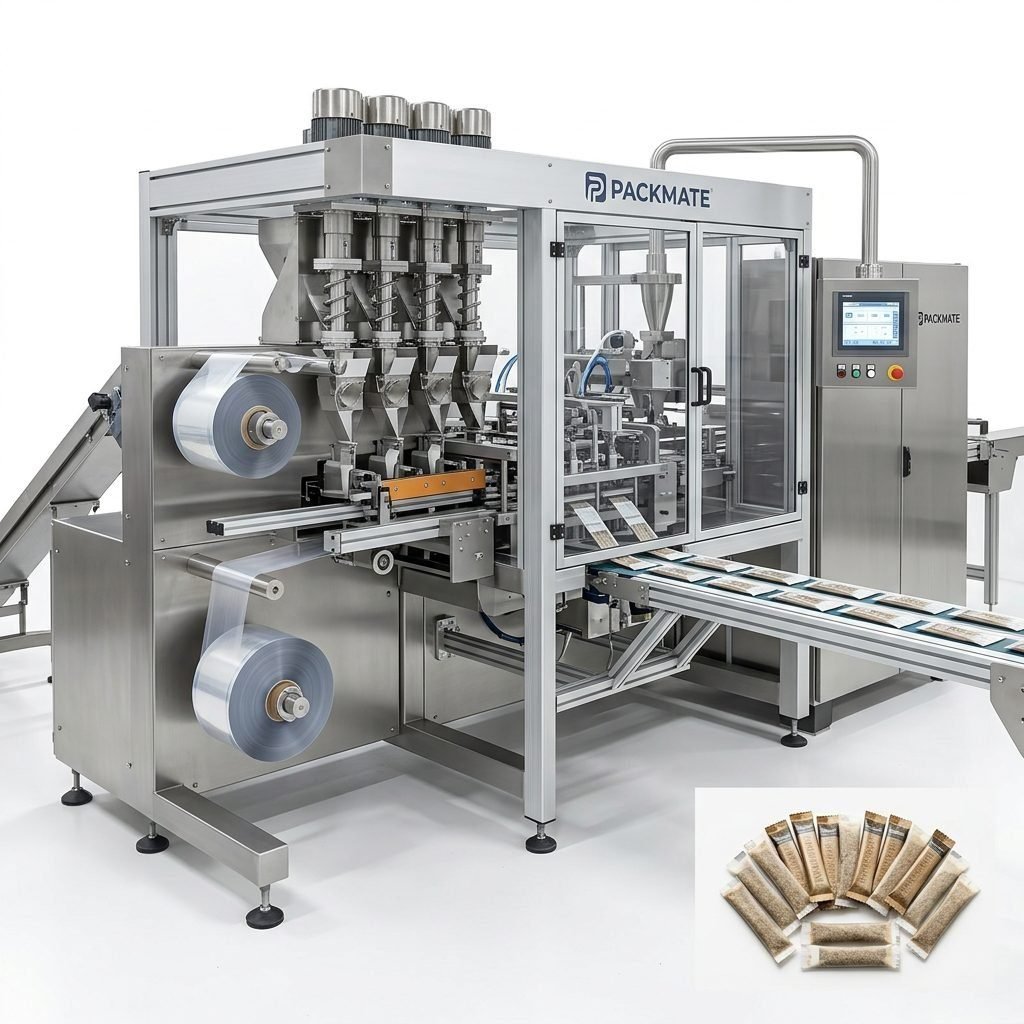
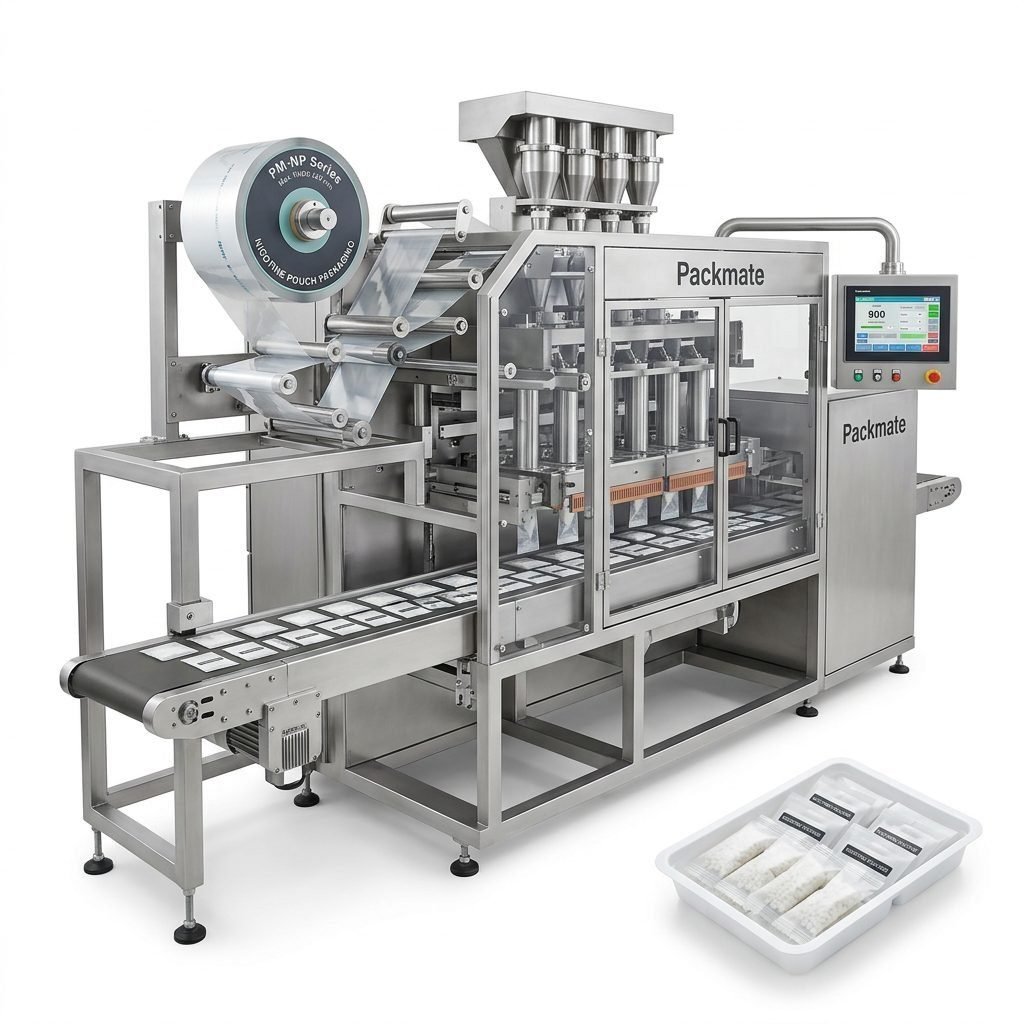
Multi-Lane Systems
Multi-lane machines increase throughput by running several lanes simultaneously. For companies targeting large volume production, multi-lane systems are a must. Evaluate lane synchronization, lane-changeover time, and the conveyor design to avoid product jams and maintain consistent output.
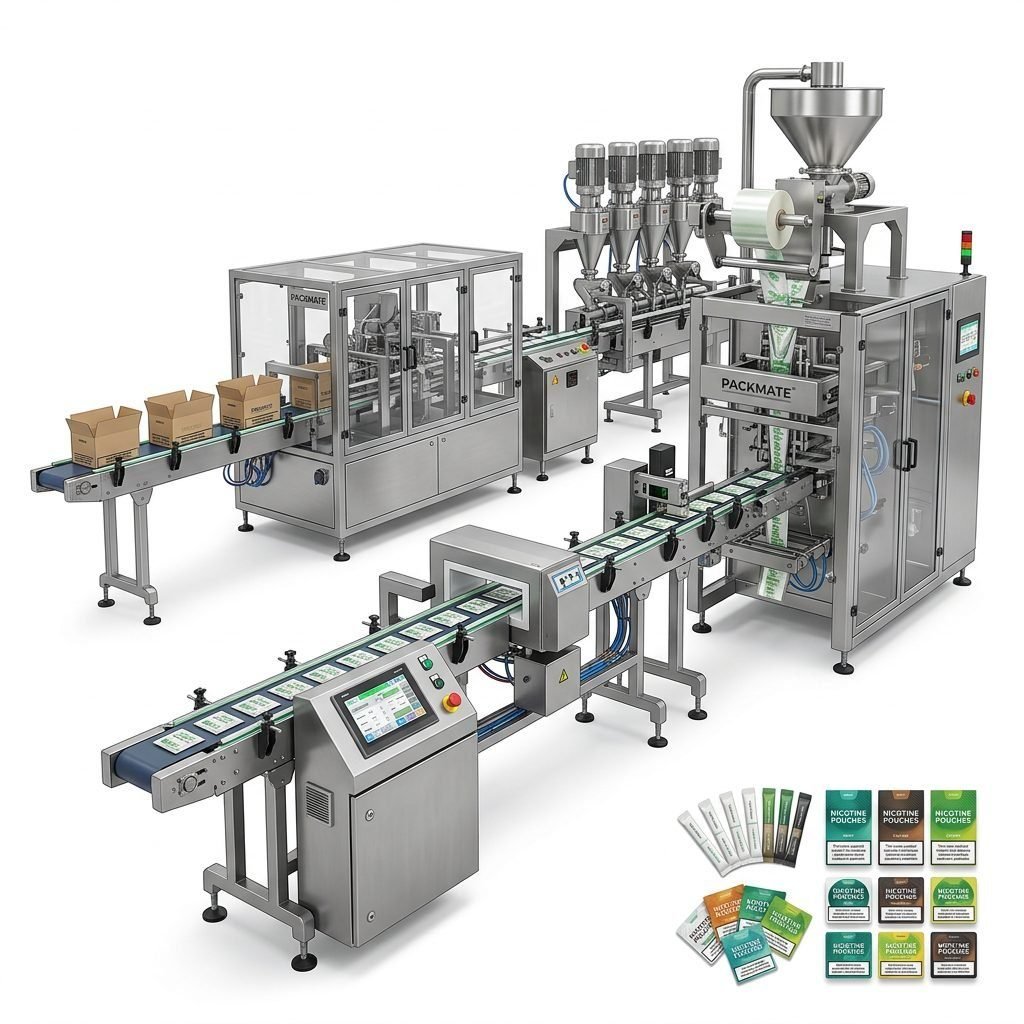
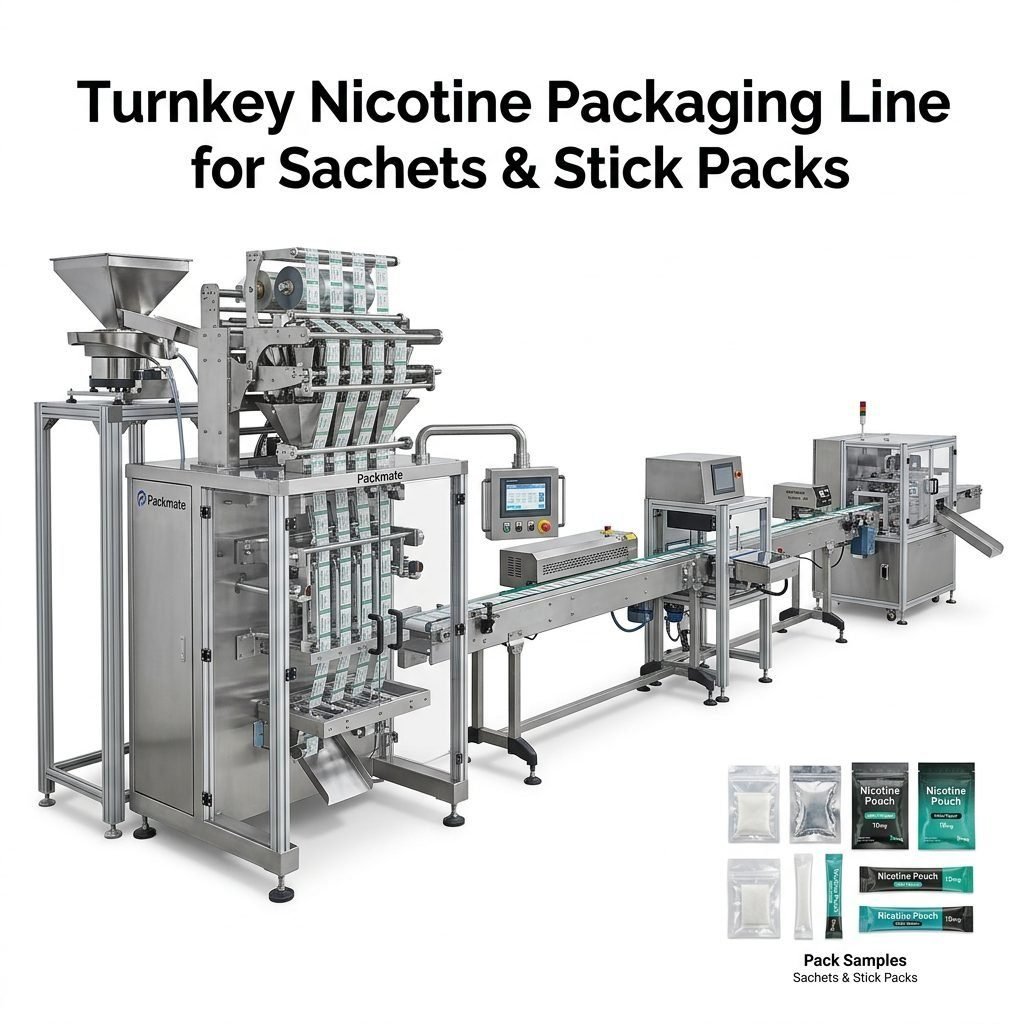
Complete Automated Lines
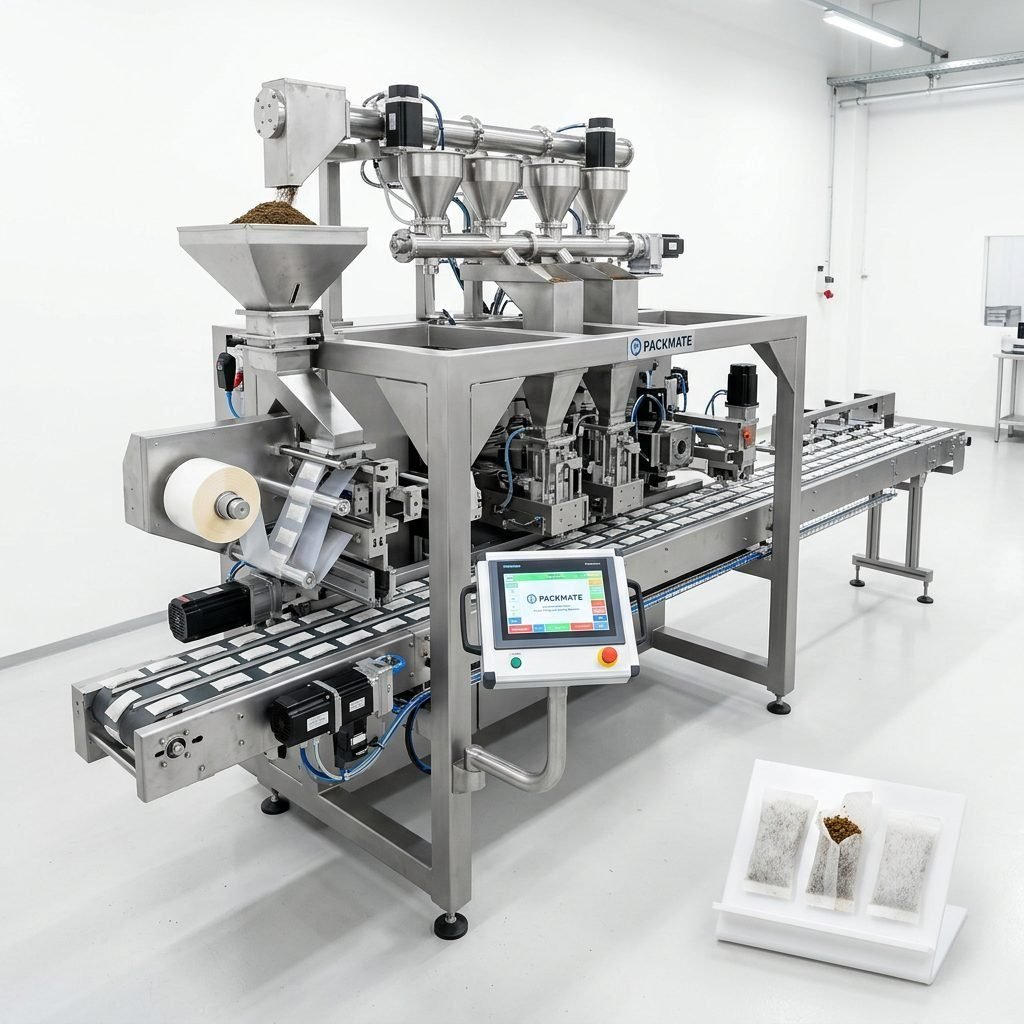
Turnkey lines integrate feeders, filling, forming, sealing, and end-of-line packaging (cartoning, case packing). These solutions reduce manual handling and are optimal for operations aiming for automated continuous production. When choosing a turnkey supplier, confirm integration experience and references for similar snus applications.
Key Specifications to Evaluate
When reviewing machine specifications, focus on real-world performance rather than marketing speeds. Here are the most impactful specs to analyze:
Throughput (pouches/min): Peak theoretical speeds are useful, but confirm stable speeds under load, including changeovers and quality-check pauses.
Filling Accuracy: For nicotine pouches, dosing precision directly affects product safety and regulatory compliance. Look for machines with high-precision feeders and real-time weighing or feedback systems.
Changeover Time: Fast, tool-free changeovers reduce downtime when switching flavors, sizes, or pouch types. Modular tooling and quick-release components are advantages.
Material Compatibility: Ensure the machine supports the films and pouch materials you plan to use (heat-sealable, laminated, paper-laminates, etc.).
Regulatory Compliance and Certifications
Paraguay’s regulatory environment and your export destinations will dictate specific machine hygiene, safety, and traceability requirements. Prioritize suppliers whose equipment is certified to international standards.
Trusted certifications such as ISO and CE indicate the equipment meets essential safety and quality benchmarks. Packmate Snus Machine, for example, provides CE and ISO-compliant solutions, which simplifies both local approvals and export compliance.
Materials, Seals and Shelf-Life Considerations
The interaction between packaging film, seal strength, and product moisture determines shelf life. Machines that offer consistent seal temperature control and pressure settings will protect product freshness and prevent leakage.
If you use barrier films for extended shelf life, validate machine jaws and cooling times. Consider additional inline quality checks like seal integrity testing to avoid batch waste.
Service, Spare Parts and Local Support in Paraguay
After-sales support often determines the total cost of ownership. Evaluate supplier responsiveness, spare parts availability, and remote diagnostics capability.
Local or Regional Support: Suppliers with global networks or local agents in Latin America reduce downtime. Ask about lead times for common wear parts and options for stocking critical spares locally.
Training and Documentation: Comprehensive operator and maintenance training ensures safe, efficient operation. Confirm availability of manuals and spare parts lists in your preferred language.
Budgeting: CapEx vs. OpEx and ROI Calculation
Machines with a lower purchase price may cost more over time due to higher downtime, less efficient use of materials, or frequent part replacements. To calculate realistic ROI, include:
• Initial purchase and installation costs.
• Expected production speed under realistic conditions (not peak marketing numbers).
• Material waste rate and film cost savings from precise dosing.
• Annual maintenance, spare parts, and labor expenses.
Choosing a Reliable Supplier: What to Ask
When sourcing snus packaging machinery, prepare a checklist of vendor qualifications and technical questions to separate competent suppliers from others.
🔧 Ask for real-world case studies or production video evidence for similar product lines. Vendors should demonstrate consistent output and minimal downtime.
✅ Request details on spare part lists, mean time between failures (MTBF), and recommended spare stocking levels.
⚠️ Verify warranty terms, scope of technical support, and remote troubleshooting capabilities.
Why Packmate Is a Viable Option for Paraguay
Packmate Snus Machine is a manufacturer with over 30 years of engineering experience and a wide product range tailored for snus and nicotine pouch production. Their strengths align with the needs of Paraguayan producers who require reliability and global compliance.
– Factory scale: A 20,000㎡ manufacturing facility with advanced CNC and assembly systems supports consistent quality and customization options.
– Product range: Over 50 machine models including multi-lane lines, stick pack, and sachet machines suitable for nicotine pouches and snus.
– Certifications: CE and ISO compliance helps with both local approvals and international exports.
Explore Relevant Packmate Solutions
For more detailed equipment specifications and product lines, review these resources:
- Snus & Nicotine Packaging Machines
- Sachet & Stick Pack Machines
- Weighing & Packaging Systems
- About Packmate
Installation, Testing and Acceptance Protocols
A thorough FAT (Factory Acceptance Test) and SAT (Site Acceptance Test) protocol reduces risk. Require the supplier to demonstrate the machine with your actual product and film during FAT. During SAT, confirm performance under your environmental and operational conditions.
Include acceptance criteria such as maximum allowable seal defects per million pouches, average dosing variance, and acceptable downtime metrics.
Ensure training is part of the acceptance process so your operators can reach target speeds safely after handover.
Practical Tips for Negotiation and Procurement
Negotiation should focus on total value, not just sticker price. Consider bundling spare parts, extended warranties, and installation/training into the contract to lower long-term risk.
Ask for a clear timeline with milestones, penalties for late delivery, and acceptance test criteria. Verify shipping and customs assumptions for import into Paraguay to avoid unexpected delays.
Final Checklist Before You Buy
• Confirm machine throughput at target quality levels, not just peak speed claims.
• Verify spare parts lead times and optional local stocking plans.
• Ensure warranty, service, and remote diagnostics are clearly documented.
• Validate material compatibility and sealing parameters with your film supplier.
Next Steps
For inquiries about specific models, turnkey solutions, or custom line design, contact the manufacturer or request a quotation with technical parameters and production samples. If you want to review real cases or exhibition demos, check the manufacturer’s case studies and exhibition records for firsthand evidence of performance.
Useful links:
Case studies ·
Exhibition presence ·
Service & Support
FAQs
Q1: What production speed do I need?
A1: Base it on your target daily output, accounting for shifts, planned downtime, and quality checks. Multiply required daily pouch count by cycle time and add 10–20% buffer for reliability.
Q2: How important is automation for snus lines?
A2: Automation reduces labor costs, improves hygiene, and increases consistency. For competitive operations, invest in semi- to fully-automated lines, especially for scale-up scenarios.
Q3: Can I use the same machine for different pouch types?
A3: Many modern machines support multiple pouch formats with changeable tooling and modular feeders. Verify changeover time and the availability of tooling kits for your formats.
Q4: What are typical lead times for delivery and installation?
A4: Lead times vary by model and customization but expect 8–20 weeks for manufacturing plus additional shipping and on-site installation time. Discuss expedited options with the supplier if needed.