Choosing the right nicotine packaging machinery manufacturer for your Seychelles business is a strategic decision that affects product quality, regulatory compliance, downtime, and long-term operational costs. This guide walks you through the practical criteria, evaluation steps, and negotiation tips to help you select a reliable supplier who can deliver high-performance snus and nicotine pouch packaging lines that match your capacity and compliance requirements.
Why the Manufacturer Choice Matters
Selecting a competent manufacturer is not just about the machine price. A reputable supplier provides consistent machine uptime, robust spare parts availability, clear documentation, and responsive after-sales support. These factors directly influence your product throughput, waste rates, and regulatory traceability — all critical for nicotinic products sold in Seychelles and exported markets.
Key Business Impacts
🔧 Operational efficiency: Machine stability and accuracy reduce rework and product giveaway.
📦 Supply chain reliability: Local spare parts stock and international shipping options shorten repair cycles.
✅ Regulatory confidence: Certified machines (CE, ISO) help with compliance documentation and approvals.
Essential Criteria to Evaluate Manufacturers
Use the following checklist to compare potential suppliers objectively. Prioritize the criteria most relevant to your production scale, budget, and regulatory environment.
1. Product Range and Technical Fit
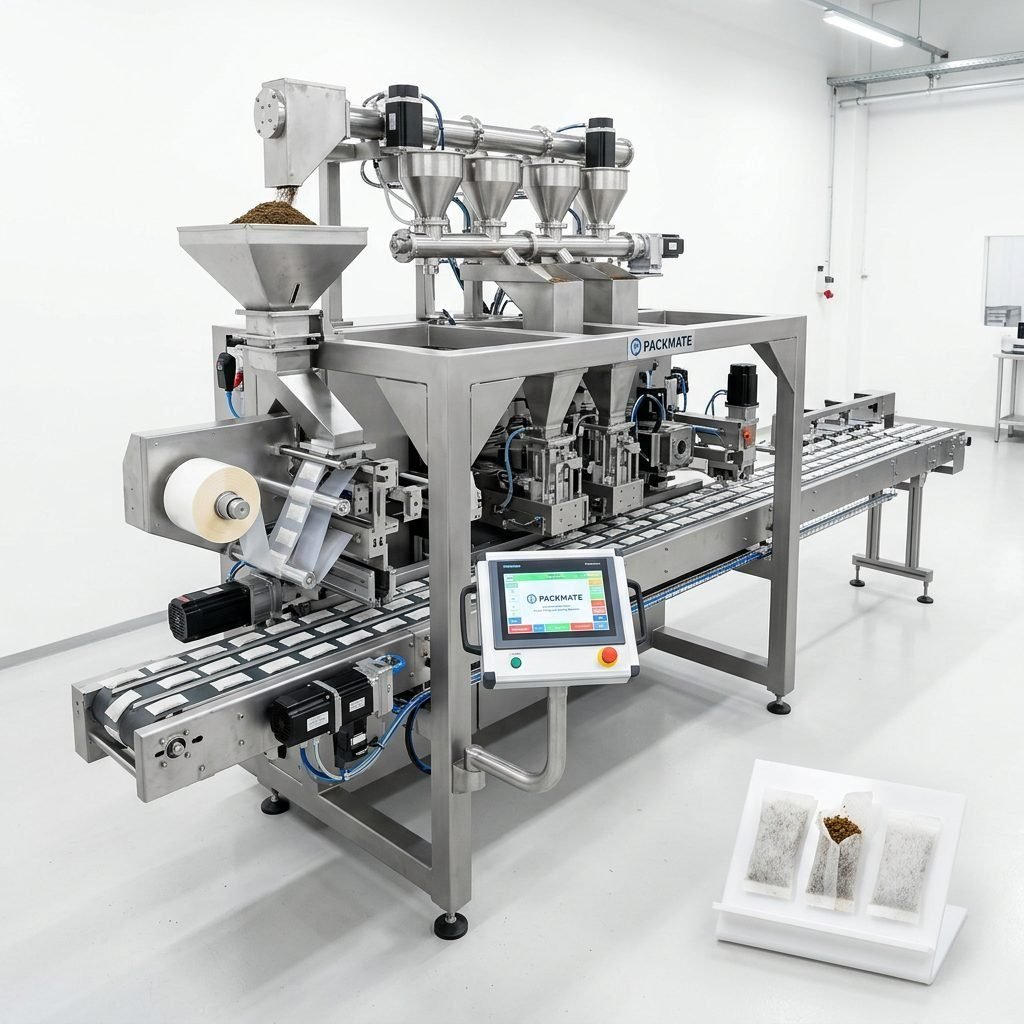
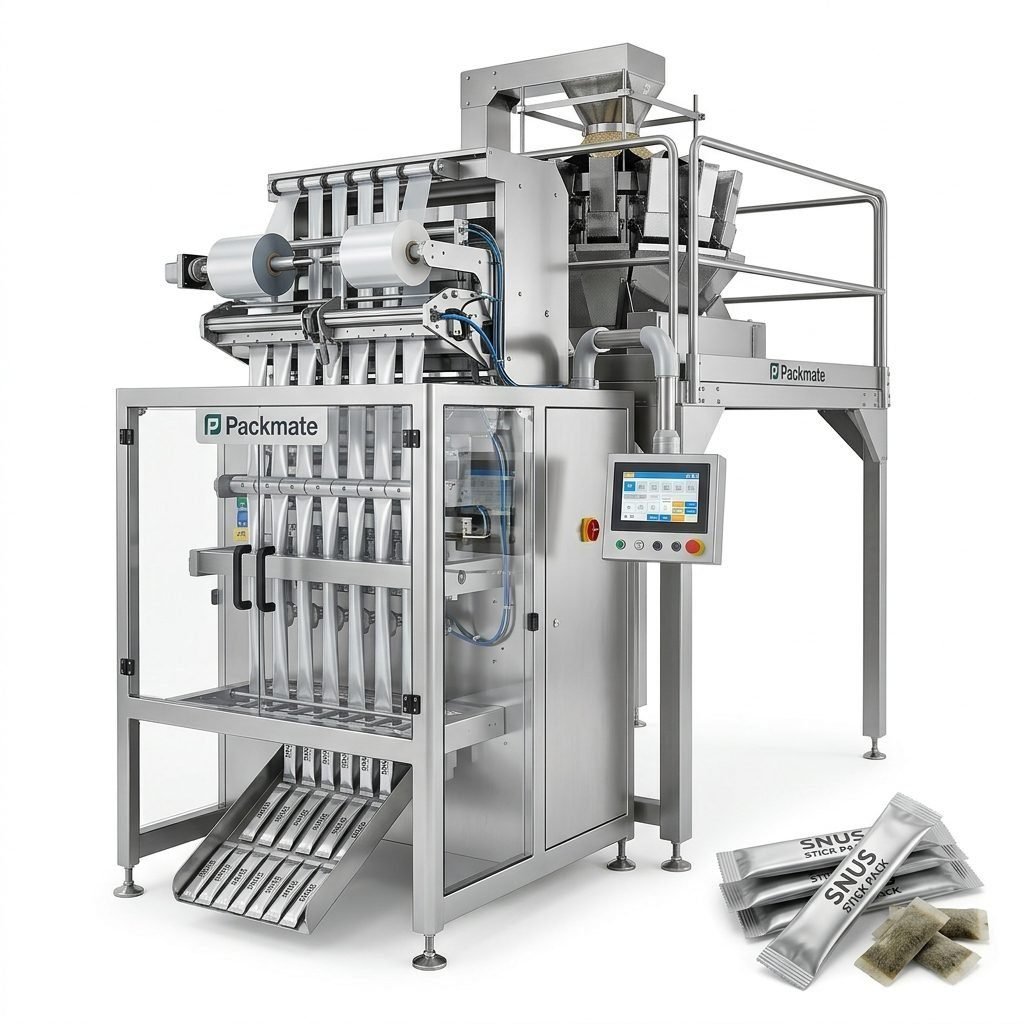
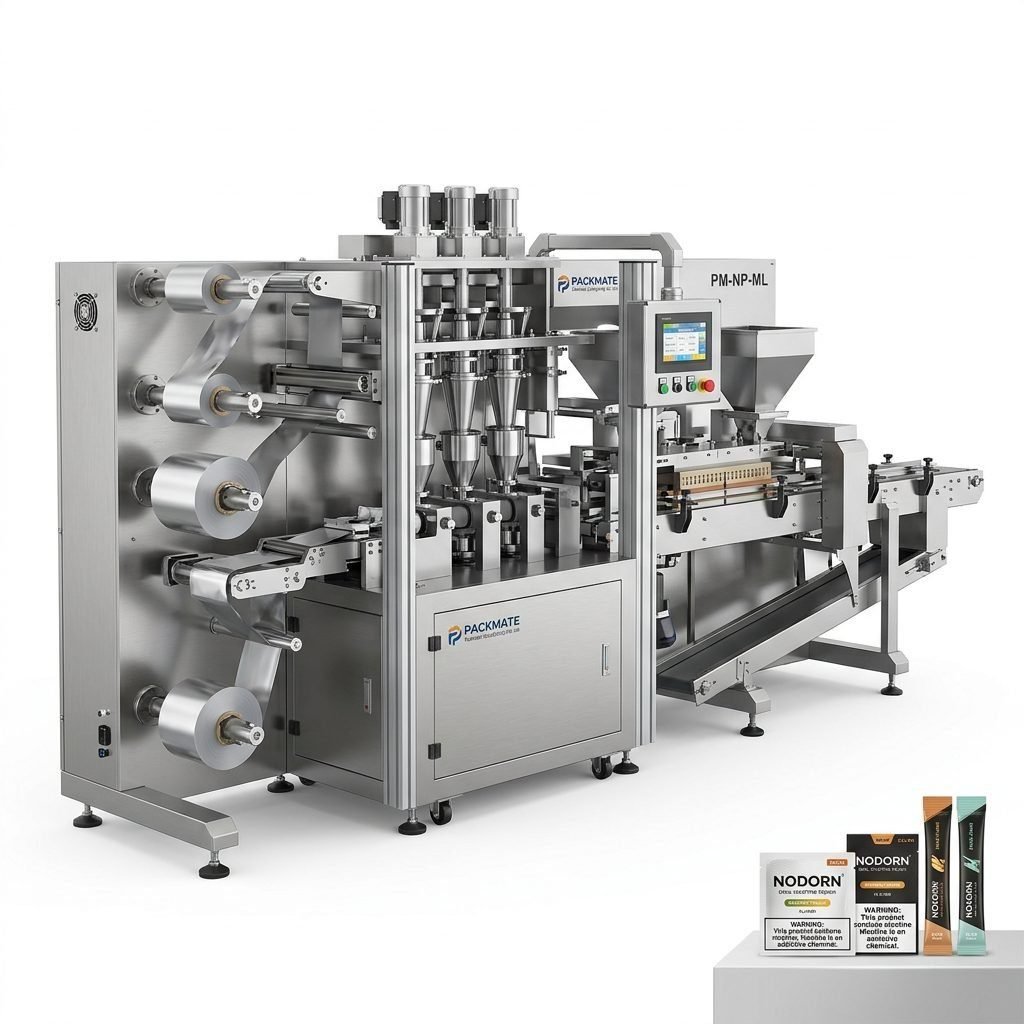
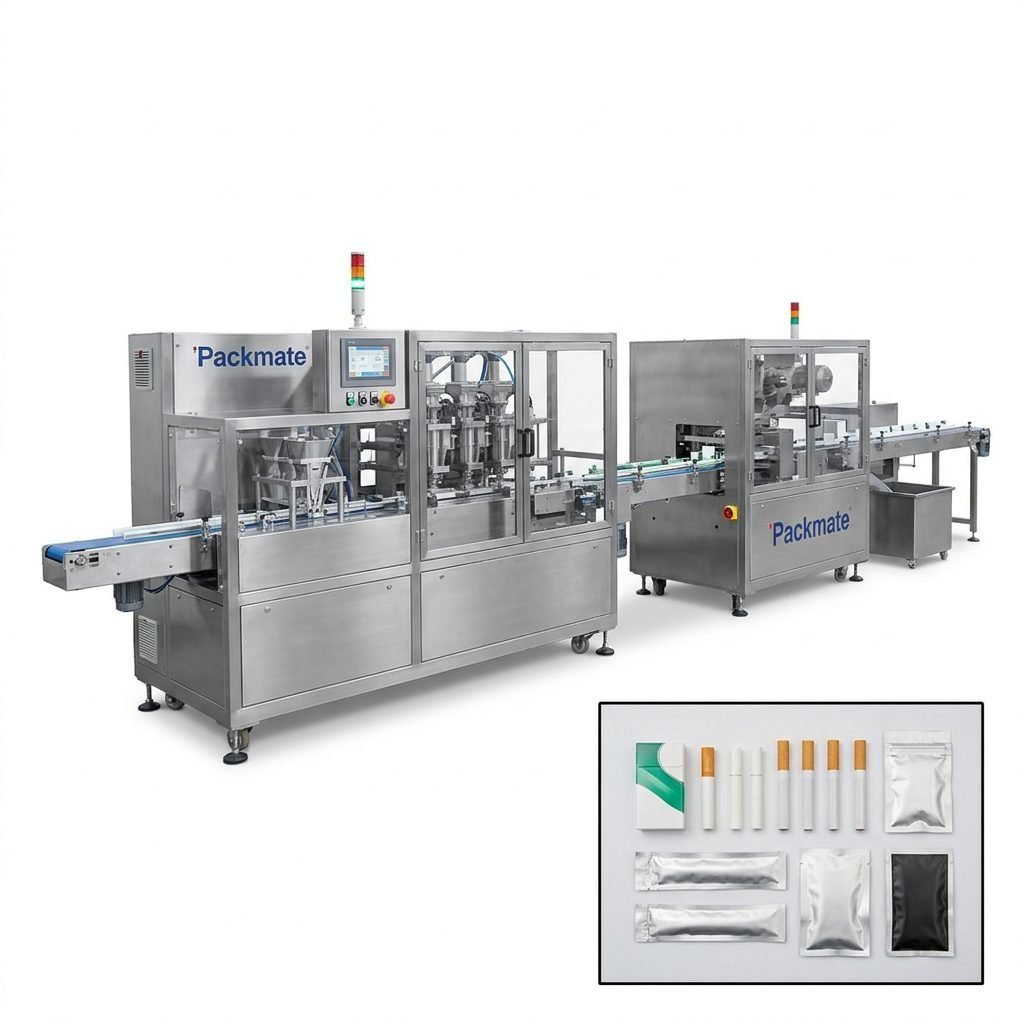
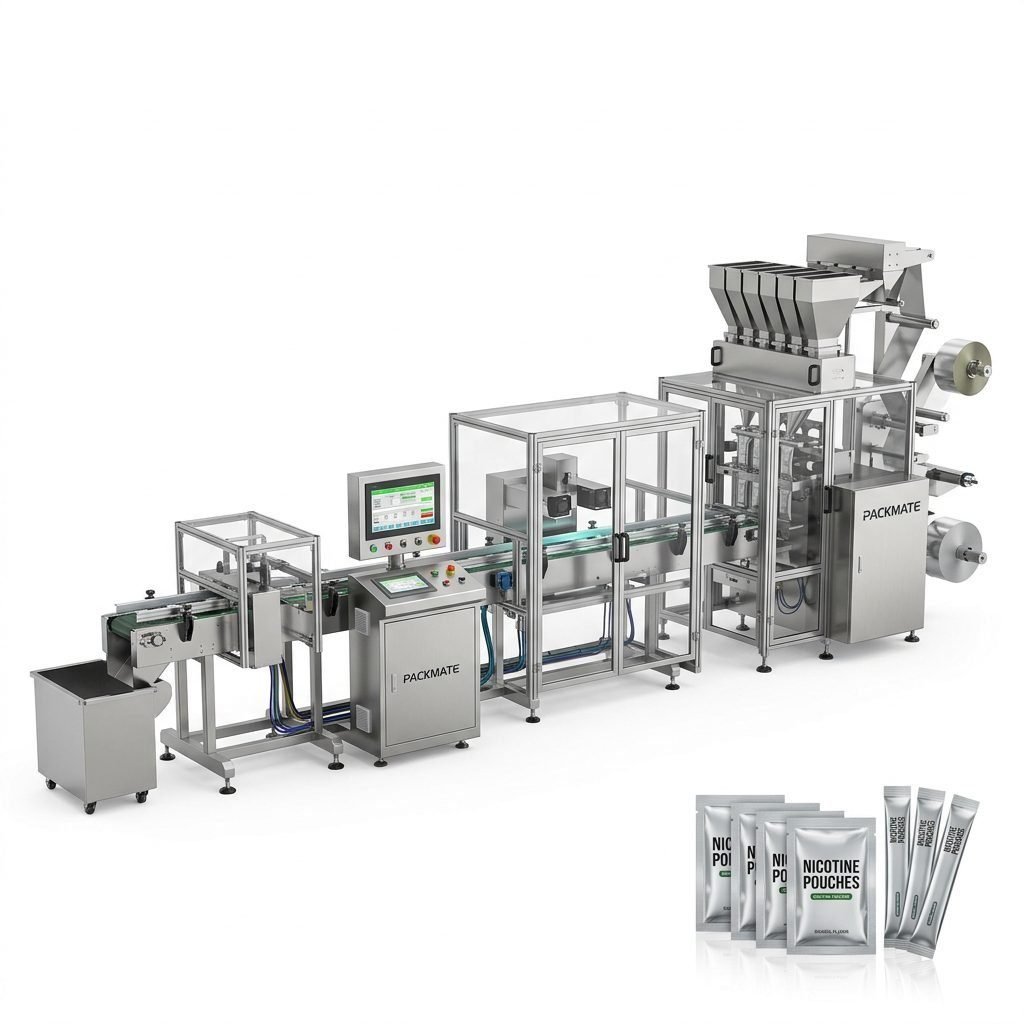
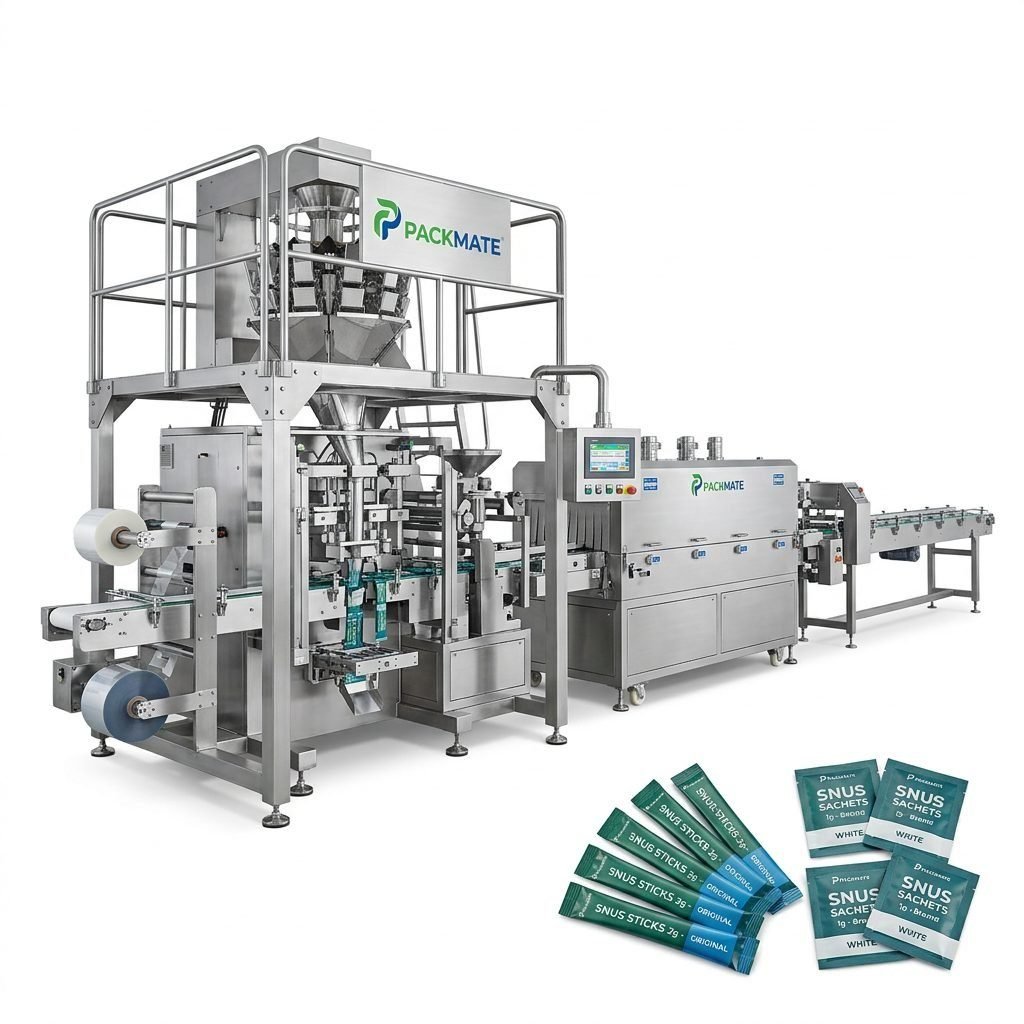
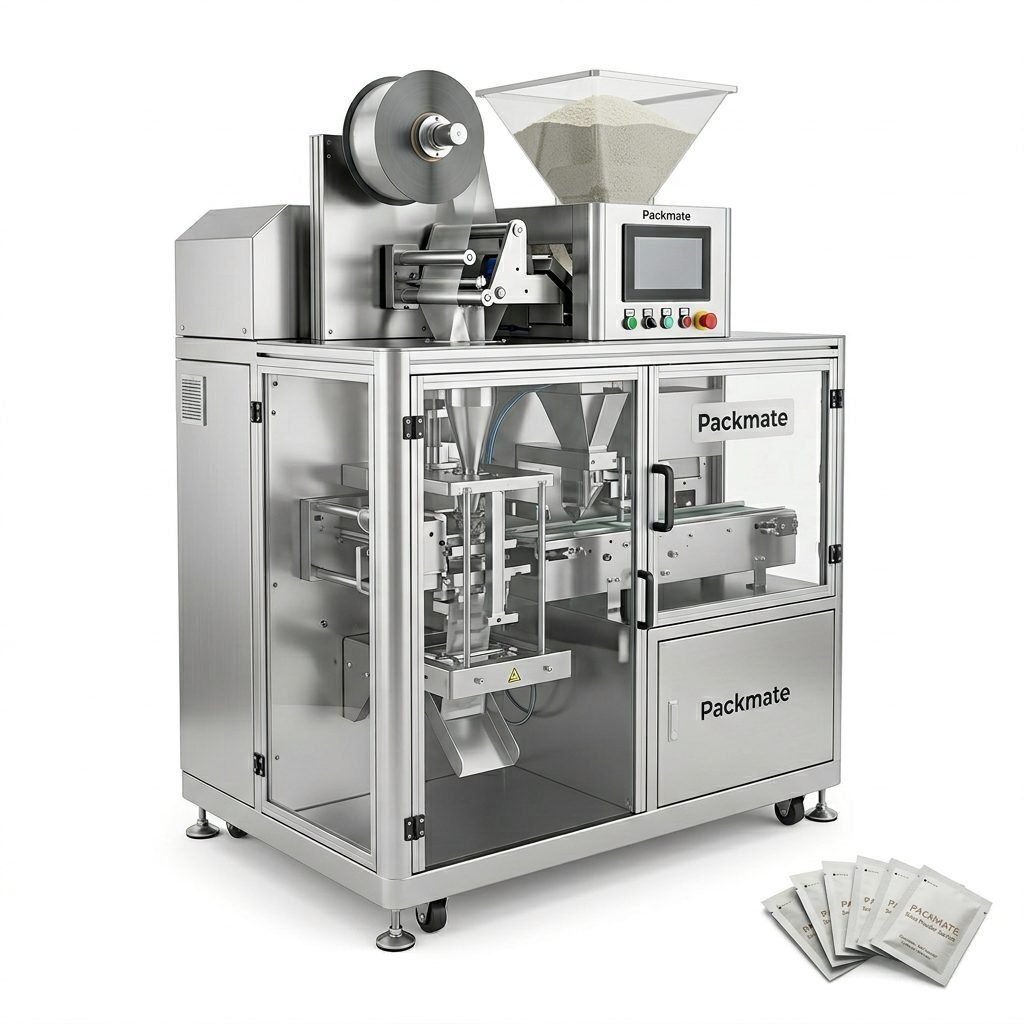
Ensure the manufacturer provides machines designed for nicotine pouches and snus products: multi-lane snus packaging lines, stick pack, sachet, and pouch formats. Look for flexible configurations that allow quick changeovers and accommodate small-dose pouch production.
🔍 Recommended resource: review the manufacturer’s product catalog and case studies, ideally including similar installations. For example, explore Snus & Nicotine Packaging Machines to confirm the available machine types and technical specs.
2. Manufacturing Capacity and Lead Time
Evaluate the supplier’s factory scale, CNC capabilities, and assembly throughput. A larger, well-equipped facility (for example, a 20,000㎡ plant with precision CNC centers) typically indicates the ability to handle custom builds and maintain consistent delivery schedules.
3. Experience and Track Record
Verify industry experience and the number of installed lines for nicotine/snus products. Companies with 20+ years or 30+ years of engineering and multiple international projects often have refined designs and robust support systems.
4. Certifications and Compliance
Machines must meet international standards relevant to your markets: CE, ISO, and documented quality assurance processes. Confirm that electrical components, labeling options, and material-contact parts comply with your local regulations in Seychelles and any export destinations.
5. Customization & Turnkey Solutions
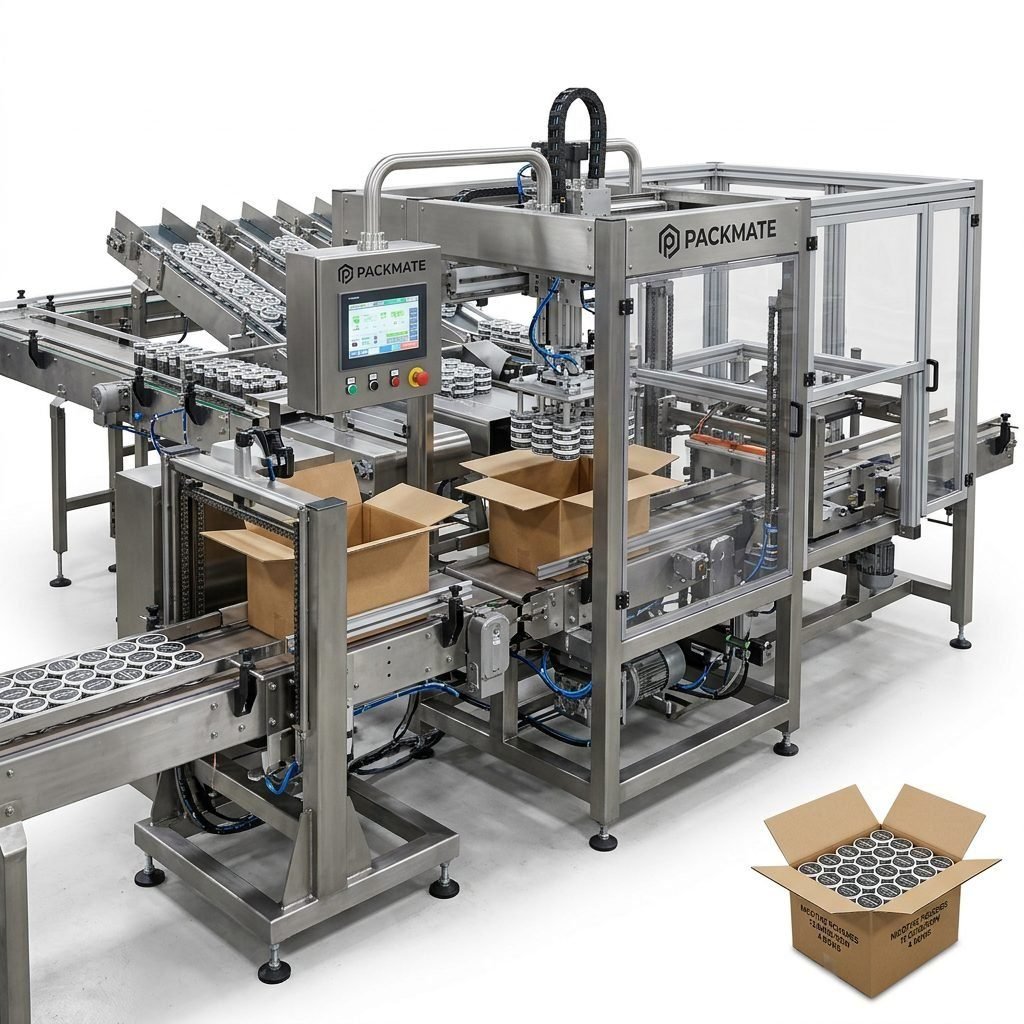
Many nicotine pouch customers require tailored multi-lane systems, complete filling lines, or integration with weighing systems. A manufacturer offering turnkey packaging lines — including weighing, filling, and auxiliary systems — simplifies project management and reduces integration risk.
If you need full-line solutions, review pages like Filling & Packaging Lines and Weighing & Packaging Systems to ensure compatible modules are available.
Assessing After-Sales Support and Spare Parts
After-sales service is often the difference between a profitable packaging line and frequent downtime. Prioritize suppliers who provide clear service plans, remote support, training, and local spare parts availability.
🤝 Service commitments to check: installation supervision, operator training, response times for critical parts, and spare parts kits packaged with the machine.
Remote Diagnostics and Local Presence
Confirm whether the manufacturer offers remote diagnostic tools, PLC/HMI remote access, or regional technical partners. Local representation or distributors in nearby regions significantly reduce the time to resolve issues.
Quality Assurance and Factory Visits
Inspect production records, test reports, and factory acceptance testing (FAT) procedures. A transparent FAT process that includes live testing with your product or a close proxy will demonstrate the machine’s real-world performance and reduce commissioning risks.
🏭 Factory capabilities to verify: precision machining, assembly clean areas, QA test rigs, and documented machine run-in records.
Commercial Terms and Total Cost of Ownership
Don’t focus only on the machine’s sticker price. Assess installation costs, spare parts inventory, consumables, expected energy use, maintenance intervals, and training. These factors determine total cost of ownership (TCO) over the equipment life.
Warranty, Payment Terms, and Financing
Negotiate warranty scope, response SLAs, and spare parts discounts. Ask about payment terms, deposit schedules, and whether the manufacturer provides leasing or financing options to smooth capital expenditure.
References, Case Studies and Demonstrations
Request customer references and documented case studies for nicotine pouch installations. Watching live demonstrations — at a trade show or factory — is invaluable for validating speed, film handling, sealing quality, and ease of use.
Explore the manufacturer’s history and real-world projects. For example, review their project archive and exhibition records to assess credibility: Case and Our Exhibition.
Logistics, Import & Local Regulations for Seychelles
Importing heavy machinery to Seychelles requires attention to shipping methods, customs duties, and local installation permits. Work with manufacturers that provide clear shipping documentation, CIF/FOB options, and support for customs clearance.
Ask about crating options, recommended rigging tools, and whether the manufacturer handles on-site commissioning or will supply an installation technician. This reduces the risk of delays at the port or during civil works on site.
Negotiation Tips and Contract Essentials
When you enter procurement discussions, be explicit about acceptance criteria: performance guarantees (e.g., pouches/minute), allowable downtime, spare parts lead times, and training scope. Include penalties or remedial actions for missed milestones if appropriate.
⚠️ Contract checklist: delivery schedule, FAT acceptance criteria, installation & commissioning plan, spare parts list, training hours, and warranty terms.
Why Consider Packmate and How to Validate Their Claims
A manufacturer with decades of engineering experience and a broad product portfolio can be an excellent partner. For instance, companies similar to Packmate Snus Machine emphasize multi-lane systems, advanced CNC manufacturing, and turnkey solutions. To validate such claims:
- Request a detailed factory brochure and photos of assembly lines.
- Ask for FAT videos or live-streamed machine tests using your product or a close equivalent.
- Check certifications and ask for scanned copies of CE/ISO certificates.
- Request at least two customer references in similar markets and applications.
For more on a full service offering and the company’s background, you can read the manufacturer profile: About Packmate, and review their product range through Sachet & Stick Pack Machines.
Implementation Checklist: From Order to Production
Follow this implementation sequence to reduce risk and speed ramp-up:
- Finalize specifications and production targets (pouches/day; pouch sizes; film types).
- Agree on FAT protocol and acceptance metrics.
- Confirm lead times, shipping terms, and installation schedules.
- Plan civil works, utilities, and operator training before machine arrival.
- Execute FAT, accept machine, and complete on-site commissioning with manufacturer support.
- Maintain a spare parts inventory for critical wear parts for the first 12 months.
Final Recommendations
🌍 Do your homework: verify factory capabilities, machine demonstrations, and references.
🔧 Prioritize serviceability: ensure spare parts and training are clearly defined in the contract.
📄 Document acceptance criteria: require FAT results and measurable performance guarantees before final payment.
Useful Links
If you want to explore machine families and support options, check these sections: Auxiliary Packaging Equipment, Service, and Contact Us for direct inquiries and project support.
Closing Remarks
Choosing the best nicotine packaging machinery manufacturer for your Seychelles operation means balancing technical fit, proven reliability, and responsive service. A methodical evaluation using the criteria in this guide will help you select a partner who not only supplies machines but also delivers consistent production performance and peace of mind.
Common Questions
1. How long does it take from order to production?
Typical lead times depend on customization and factory workload. Standard machines can be delivered in a few months; fully customized multi-lane turnkey systems may take longer. Always confirm lead time and FAT schedule in your purchase agreement.
2. What certifications should I demand?
Request CE and ISO documentation as a baseline. Also confirm electrical component certifications, material contact compliance, and any export-related certifications needed for your target markets.
3. How much spare parts should I stock initially?
Start with a consumables kit for the first 6–12 months, including belts, sealing jaws, sensors, and bearings. Your supplier should recommend a parts list based on expected throughput and local support availability.
4. Can manufacturers support regulatory documentation for Seychelles?
Reputable manufacturers will provide machine manuals, material declarations, and test reports to assist with local approvals. Confirm the extent of documentation provided and whether additional testing or certificates are required by Seychelles authorities.
5. What is the best way to validate a supplier remotely?
Request FAT videos, live-streamed machine runs with your product or a sample proxy, scanned certifications, and customer references. Use these materials plus a factory visit when feasible to confirm claims and build supplier trust.