Choosing the right snus packaging machinery for an Estonian production line is a strategic decision that affects product quality, compliance, output efficiency, and long-term costs. This practical buyer’s guide walks you through the most important considerations—from regulatory context and production capacity to machine types, customization, after-sales support, and return on investment—so you can select equipment that fits your business goals and local market realities.
Understand Estonia’s Market and Regulatory Context
Estonia has a mature tobacco and nicotine product market with steady demand for snus and nicotine pouches. Before purchasing a machine, confirm regulatory requirements for nicotine products in Estonia and the EU, including labeling standards, packaging insert rules, and hygiene certifications. Machines that support precise portioning and traceability features make compliance easier and help minimize recalls.
Why machine choice matters
The right equipment reduces waste, lowers operating costs, and ensures consistent dose accuracy. Investing in proven technology from an experienced supplier can shorten your ramp-up time and improve product consistency—critical when launching new flavors or small-dose formats.
Key Machine Types for Snus & Nicotine Pouches
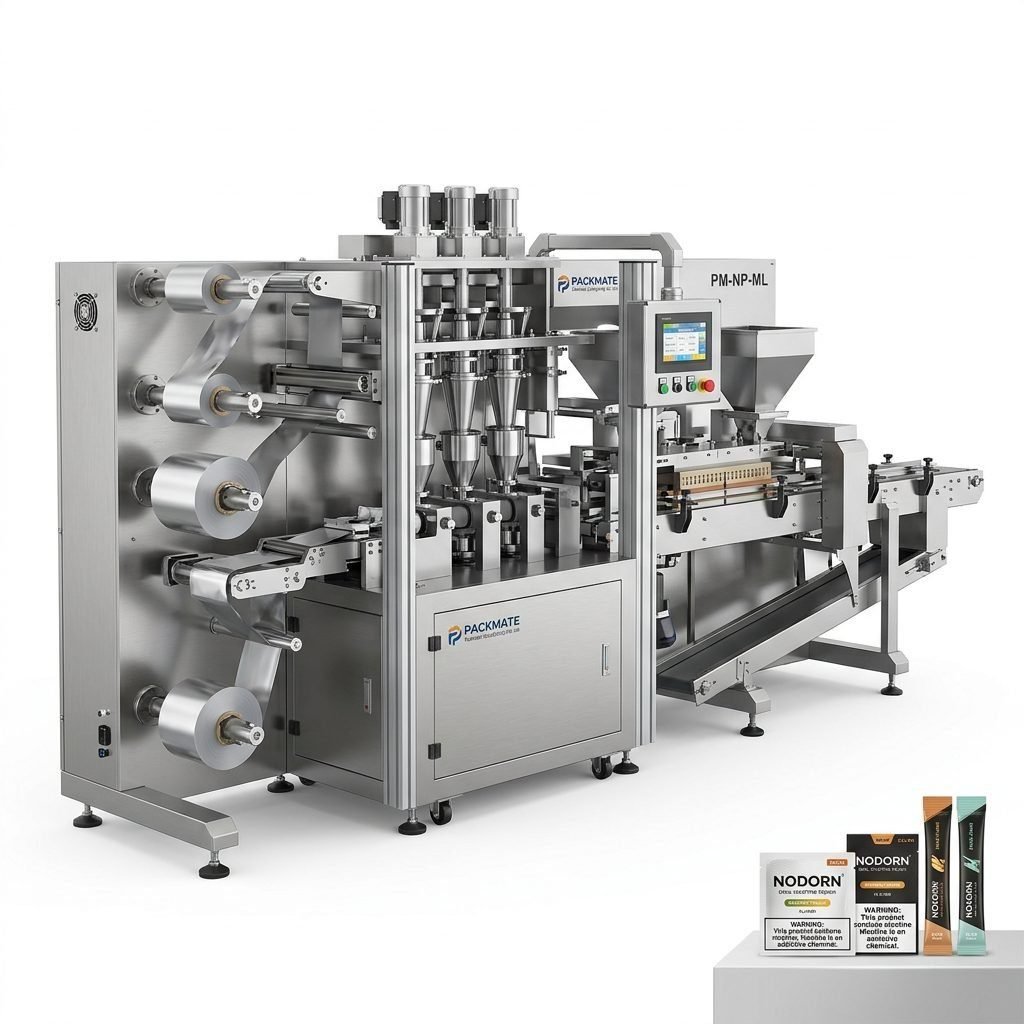
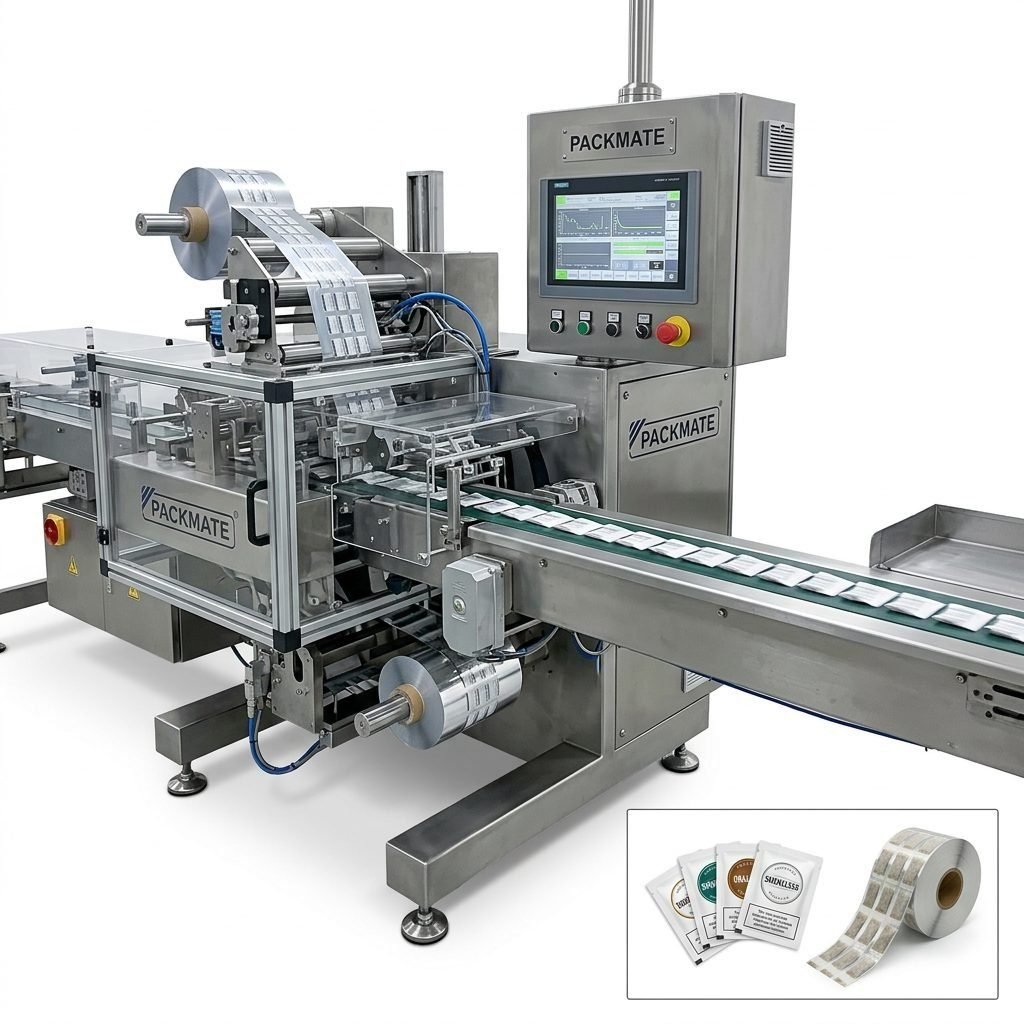
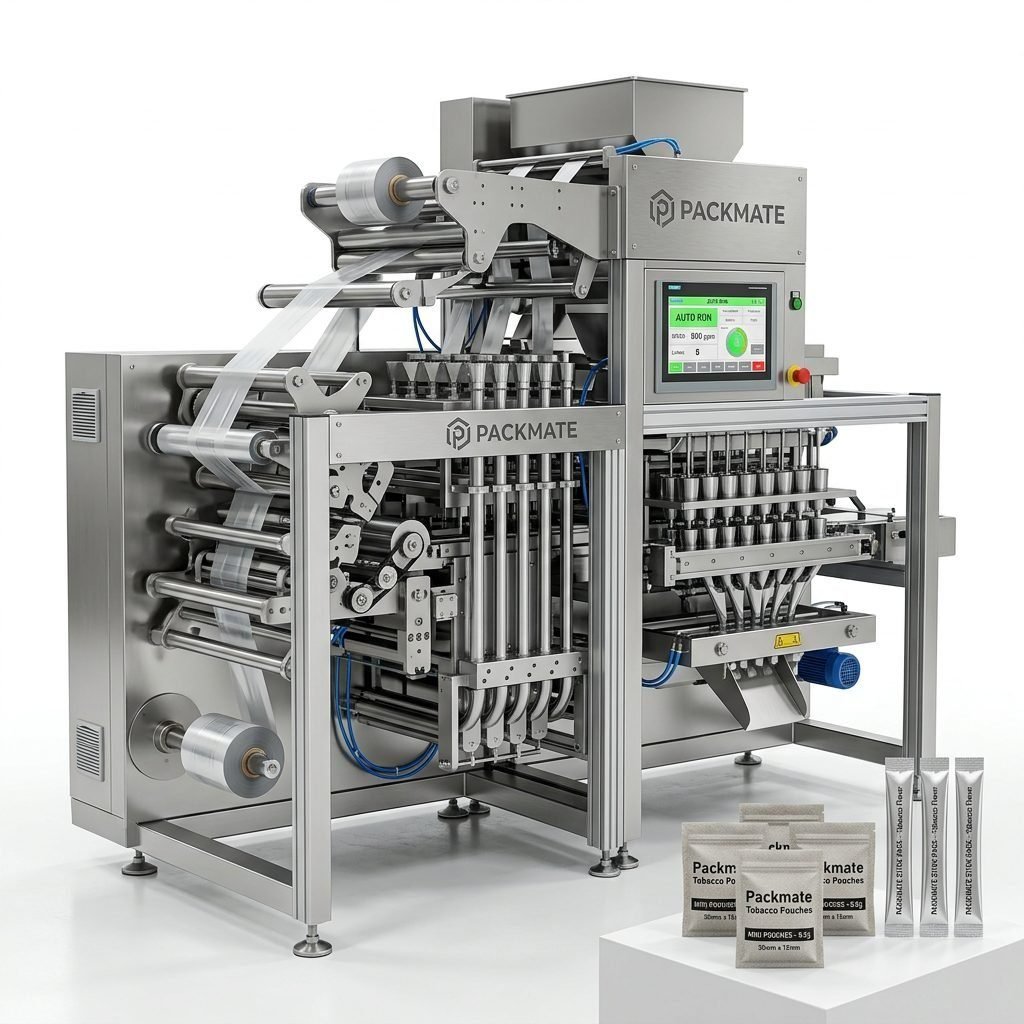
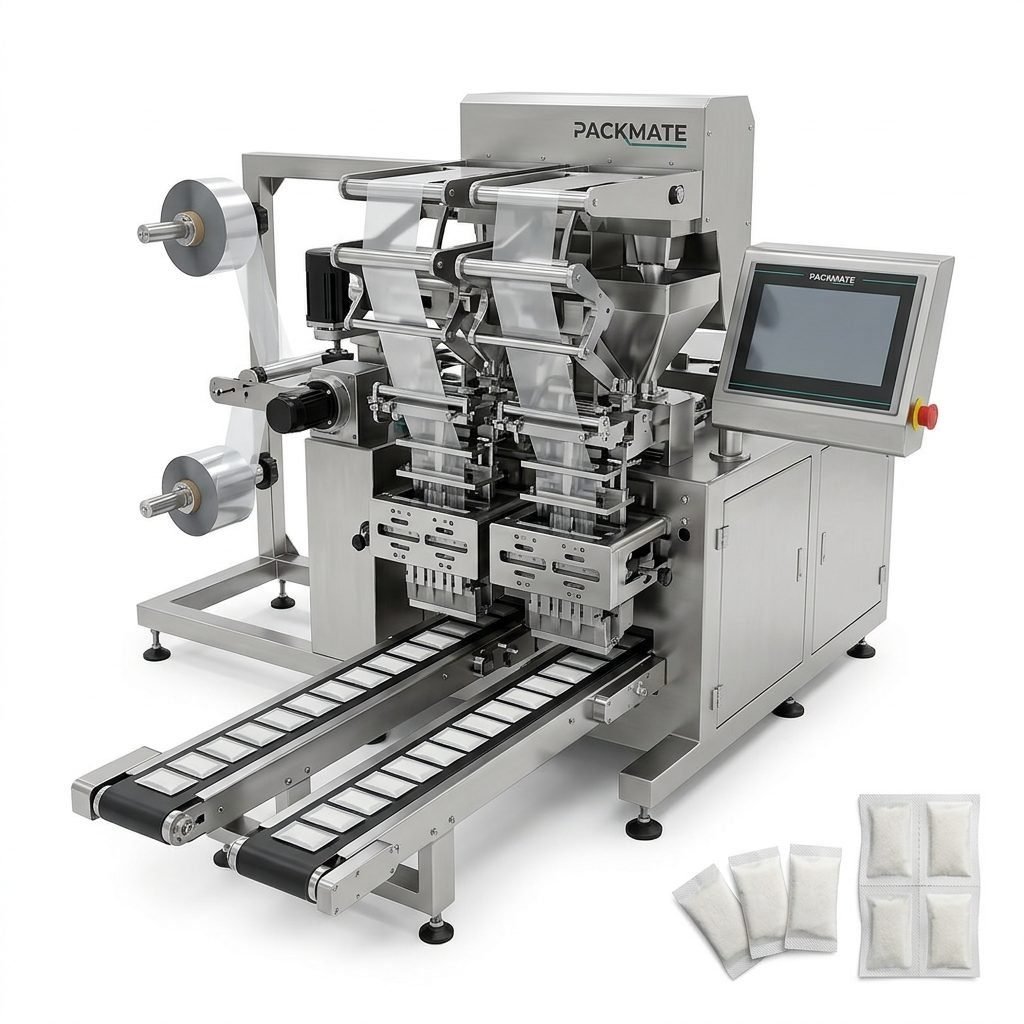
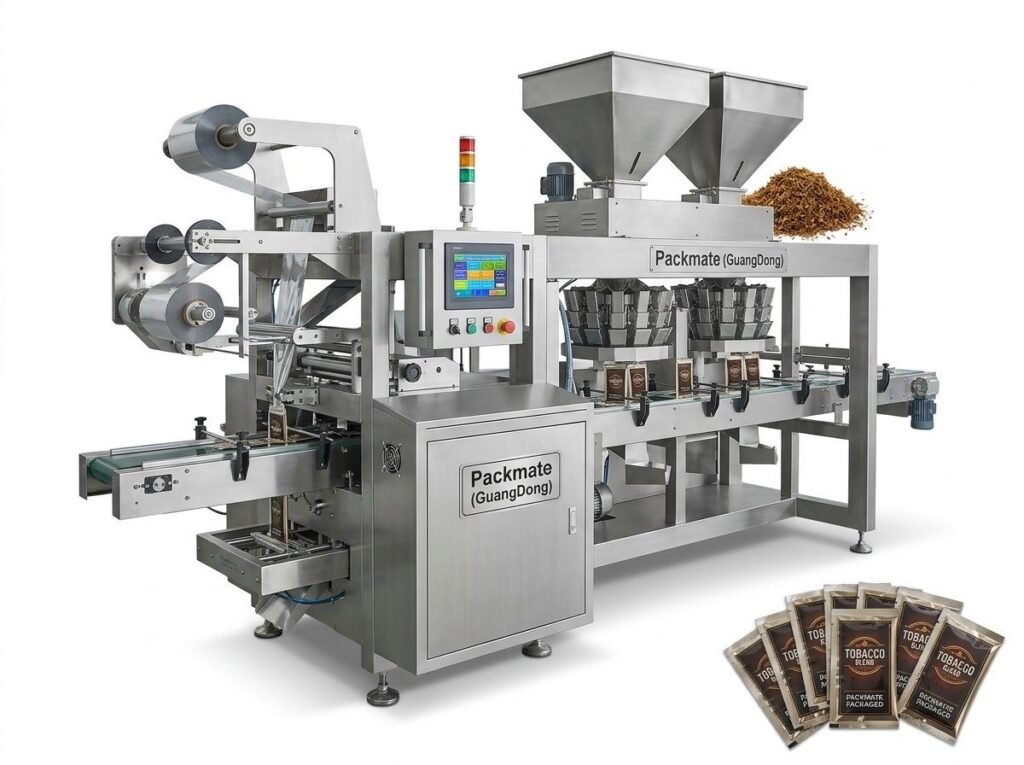
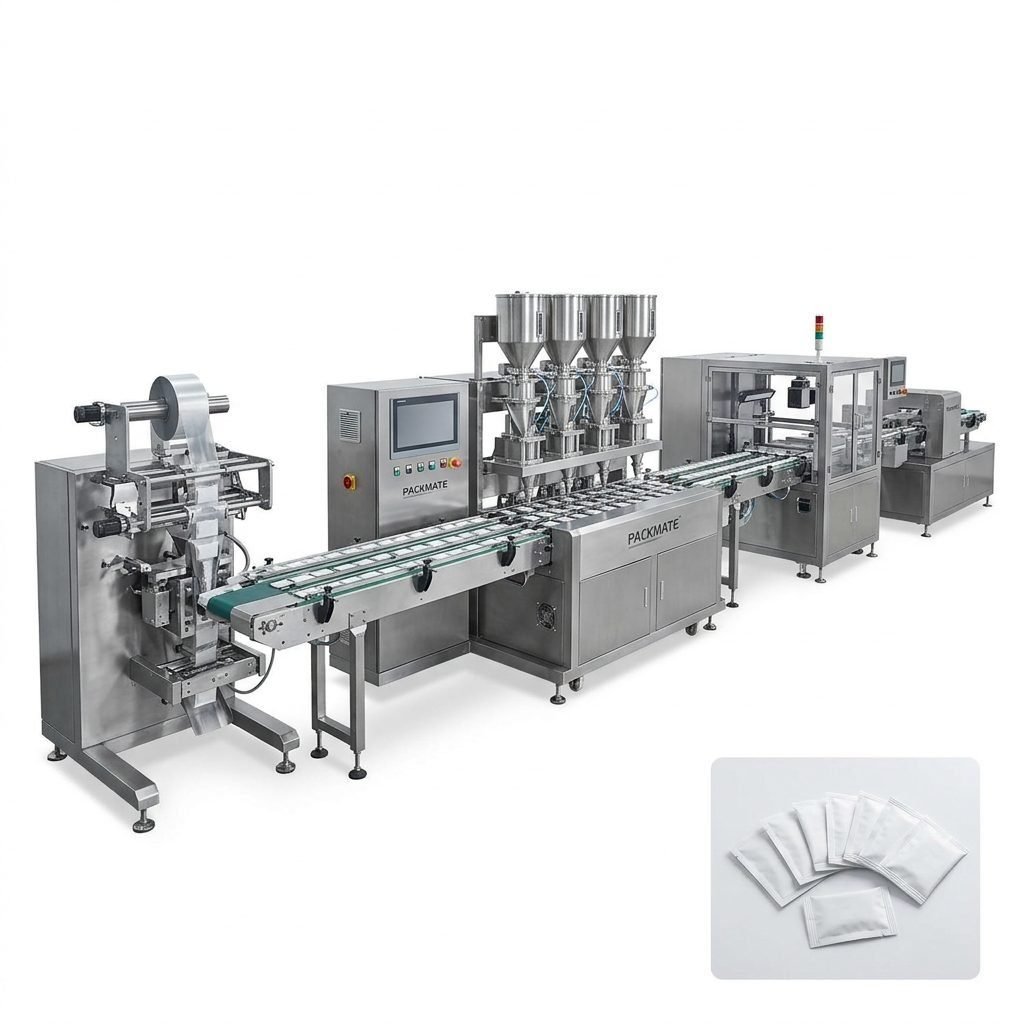
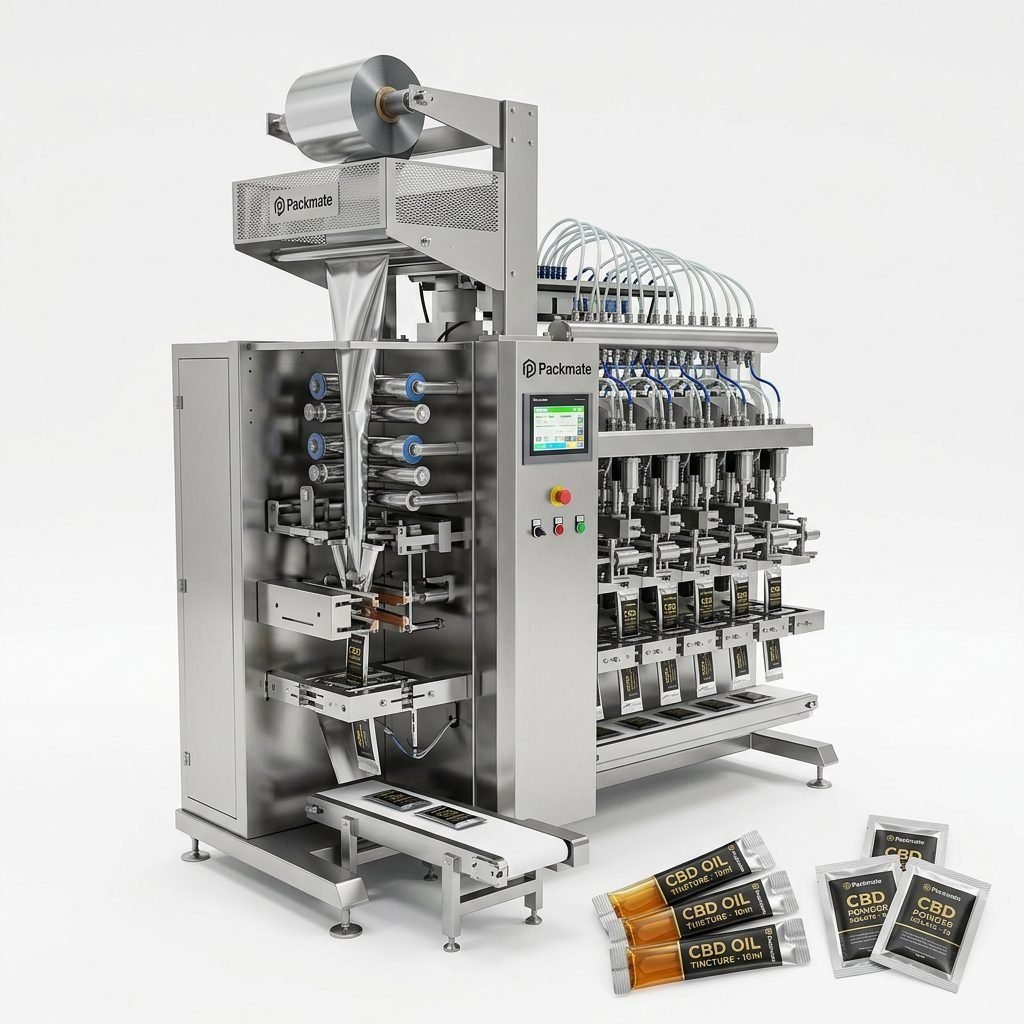
Different production goals require different systems. Typical machine families include stick pack machines, sachet machines, multi-lane snus pouch systems, and fully integrated filling & packaging lines. Evaluate machines by product format (pouch, stick, sachet), dosing technology (weighing, volumetric), and line integration capability.
Tip: If you plan to run multiple SKUs or flavors, prioritize multi-lane and quick-change tooling to reduce downtime and improve throughput.
Links to explore machine options
For an overview of available systems and modules, review product lines like Snus & Nicotine Packaging Machines, Sachet & Stick Pack Machines, and Filling & Packaging Lines. These pages illustrate typical capabilities and configuration options.
Production Capacity & Scalability
Estimate your current and next‑stage production volumes. Machines are rated by pouches per minute or lanes × speed. Choose a baseline that meets short-term needs and leaves headroom for growth. Modular systems are ideal for phased investments—they let you add lanes, upgrade dosing modules, or integrate automated feeding without replacing the entire line.
Checklist: Define SKUs per shift, desired output, changeover frequency, and planned expansions before requesting quotes.
Precision Filling and Dosing Technologies
Snus and nicotine pouches require accurate dosing to meet regulatory limits and maintain customer satisfaction. Evaluate machines by:
- Weighing systems with high-resolution load cells for low-dose accuracy
- Volumetric dosing for powdered blends where density is consistent
- Auger fillers for controlled powder flow
- Integrated checkweighers and metal detectors for quality control
Hygiene, Materials and Construction
Stainless steel construction, tool-free disassembly for cleaning, and smooth surfaces reduce contamination risk. Verify the machine’s washdown rating if you plan to use wet-clean methods. Components that contact product should be food-grade and easy to inspect.
Material compatibility and film options
Choose machines that support the film types you intend to use: laminate films, barrier pouches, or recyclable mono-materials. The sealing system must be compatible with film thickness and sealing temperature range to avoid leaks or package failures.
Automation, Integration and Industry 4.0
Modern production lines benefit from PLC controls, HMI interfaces, recipe management, and remote diagnostics. Look for equipment offering data logging, OEE monitoring, and easy integration with upstream/downstream equipment such as pouch feeders, cartoners, and case packers.
Integration note: If you plan a turnkey line, explore combined solutions on pages like Weighing & Packaging Systems and Auxiliary Packaging Equipment.
Total Cost of Ownership (TCO)
Beyond the purchase price, calculate energy consumption, spare parts, consumables (nozzles, sealing knives), labor requirements, maintenance intervals, and expected uptime. A slightly higher capital investment can be justified by lower operating costs and higher uptime.
Supplier Selection: Experience, Support and Certification
Choose suppliers with proven experience in snus and nicotine pouch machinery. Look for factory certifications (CE, ISO), transparent references, and examples of global installations. Suppliers who offer training, spare parts stocking, remote support, and fast field-service visits reduce long-term risks.
Packmate Snus Machine, for example, highlights 30+ years of engineering experience, a 20,000㎡ facility, and a portfolio of multi-lane and turnkey solutions—details that matter when evaluating long-term partnerships. See more on their About Packmate page and review customer implementations on the Case page.
Commissioning, Training and After-Sales Service
Ensure your contract includes factory acceptance testing, on-site commissioning, operator training, and a clear warranty. Ask about spare parts lead times and whether the supplier maintains a local parts inventory or regional service support for Estonia and nearby markets.
Practical Buyer’s Checklist
✓ Production capacity (pouches/min) and scalability plan
✓ Dosing accuracy and type (weighing/auger/volumetric)
✓ Hygiene design, material contact surfaces, and cleaning procedure
✓ Integration readiness for upstream/downstream equipment
✓ Supplier certifications, references, and after-sales support
Negotiation and purchase tips
Request a detailed quotation with optional extras listed separately. Ask for lead time, payment terms, and post-sale SLA. Consider visiting the supplier’s manufacturing facility if possible, or request a virtual tour and a live machine demo.
Sustainability and Packaging Materials
Sustainability is increasingly important in Europe. Evaluate equipment that supports recyclable films, reduced film usage, and optimized sealing to minimize rejected pouches. Machines that enable trials with new materials and quick parameter adjustments will help you adapt to evolving regulations and consumer preference.
Real-World Example: Typical Turnkey Flow
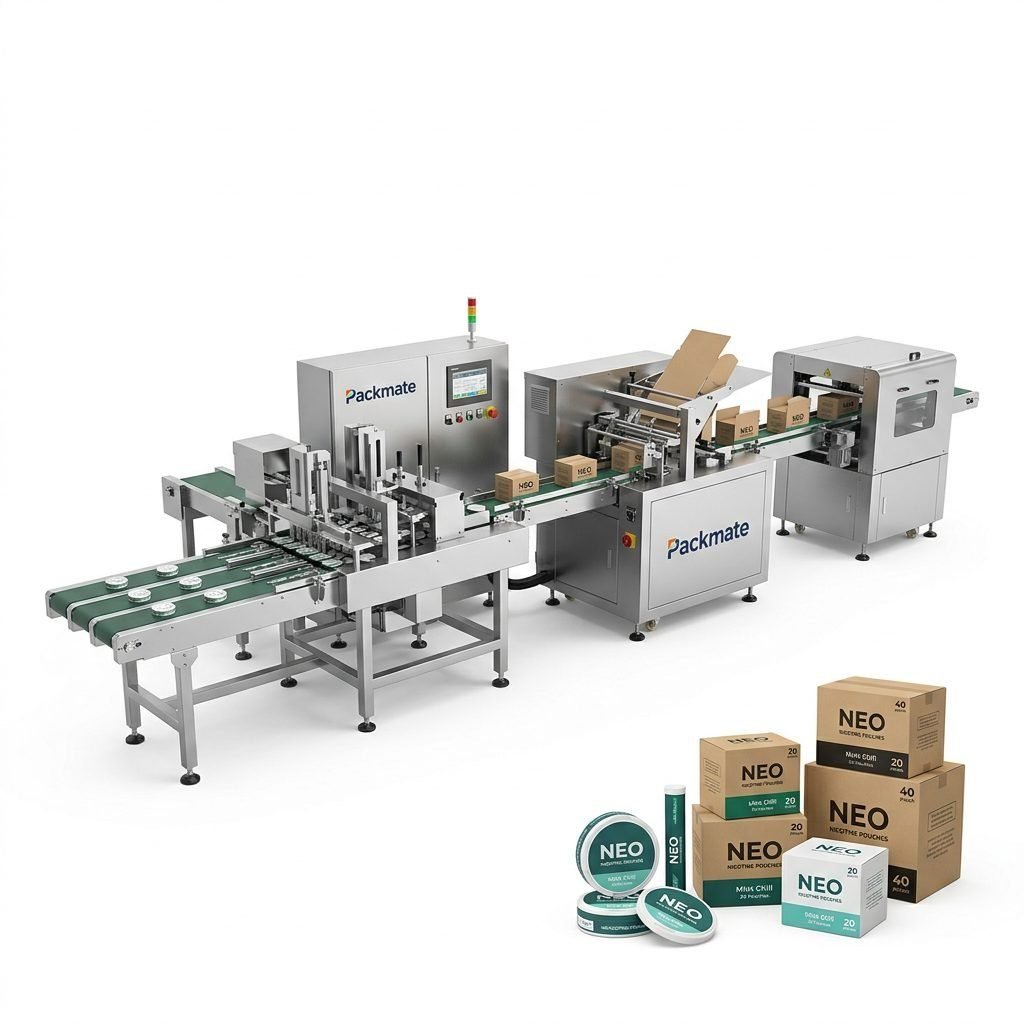
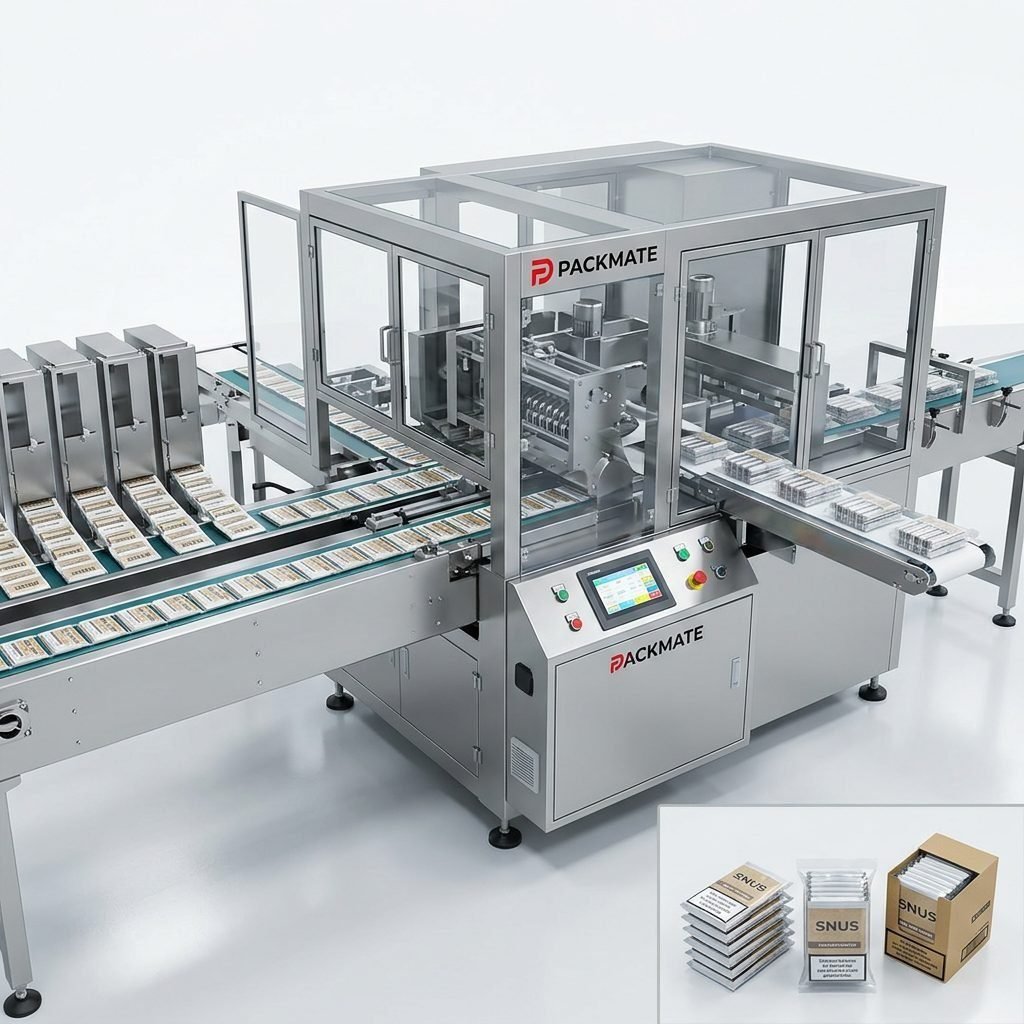
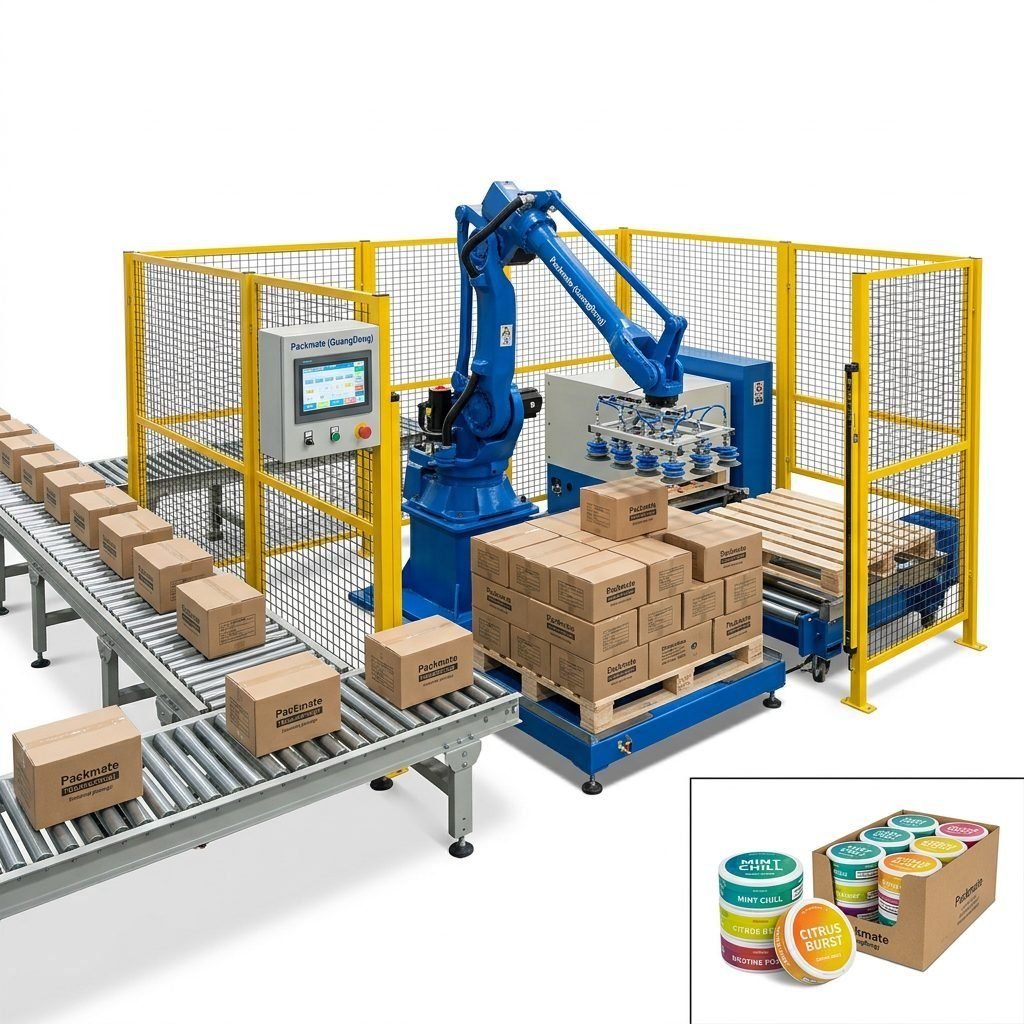
A common turnkey layout includes an automated hopper and dosing feed, a multi-lane pouch former, precision dosing modules, in-line checkweigher and quality camera, and downstream cartoning and case packing. Suppliers often bundle these systems to simplify installation and warranty management.
Quick reference: For integrated lines and components, explore Bag & Pouch Packaging Machines.
Final Selection Steps
Shortlist suppliers, request factory acceptance testing (FAT) videos or visits, evaluate long-term costs, and confirm installation and training schedules. Review contract terms for spare parts, response times, and software update policies. A measured procurement process reduces surprises and speeds time-to-market.
Where to learn more and get help
Many manufacturers publish catalogs, case studies, and FAQs. If you want technical documentation, look at manufacturer catalogs and ask for machine data sheets. For additional assistance, check supplier service pages like Service and the FAQs.
Common Questions (FAQ)
Q1: What production speed is typical for multi-lane snus machines?
A1: Speeds vary by model and lanes; compact multi-lane systems often run hundreds to thousands of pouches per minute across all lanes combined. Always confirm with machine specifications and FAT results.
Q2: How do I ensure dosing accuracy for low-dose nicotine pouches?
A2: Use high-precision weighing systems or calibrated auger fillers. Implement checkweighing and regular calibration routines.
Q3: What after-sales support should I require from a supplier?
A3: On-site commissioning, operator and maintenance training, spare parts availability, remote diagnostics, and clear warranty/service SLAs.
Q4: Can these machines handle recyclable mono-material films?
A4: Many modern machines can be configured for different film types; confirm film handling, sealing parameters, and sample trials.
Q5: How long is a typical lead time for a turnkey snus packaging line?
A5: Lead times depend on customization and capacity; plan for several months for standard lines and longer for bespoke turnkey installations.