Choosing the right snus packaging machine in Southeast Asia requires more than price comparison — it demands an understanding of product format, local regulations, production capacity, and long-term service. This guide breaks down the decision process into practical steps so procurement teams, plant managers, and entrepreneurs can select a machine that fits product quality, uptime expectations, and ROI targets.
Understand the Market & Product Requirements
Every packaging decision starts with the product. Snus and nicotine pouches vary in size, moisture content, and dose distribution. Consider whether you will produce:
-
Single-dose pouches (small, precise dosages)
-
Multi-lane sachets or stick packs for higher throughput
-
Different outer packs — resealable pouches, tins, or flow-wrapped formats
🔴 Key tip: Match machine type to your primary SKU. Switching formats on the same line is possible but often reduces efficiency and increases downtime.
Common Machine Types
Below are the common machine families used for snus and nicotine pouches:
-
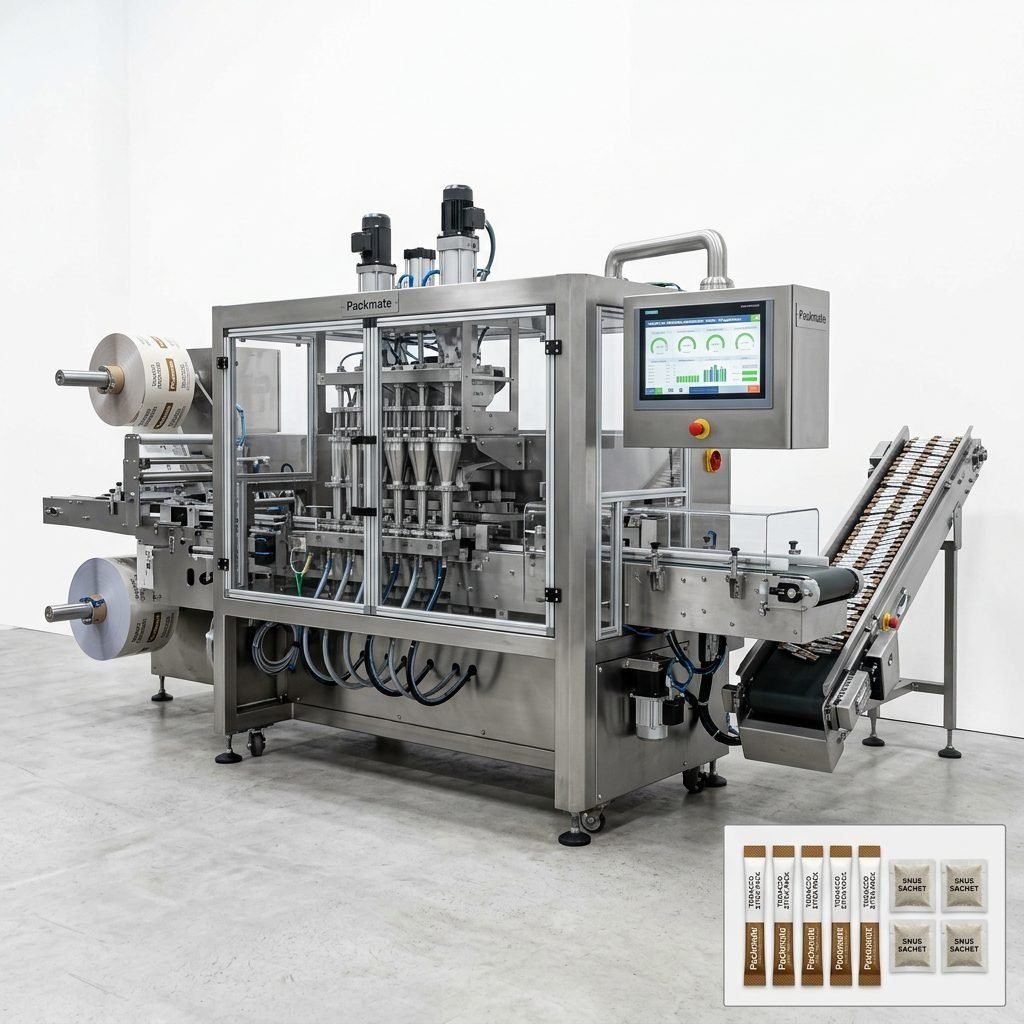
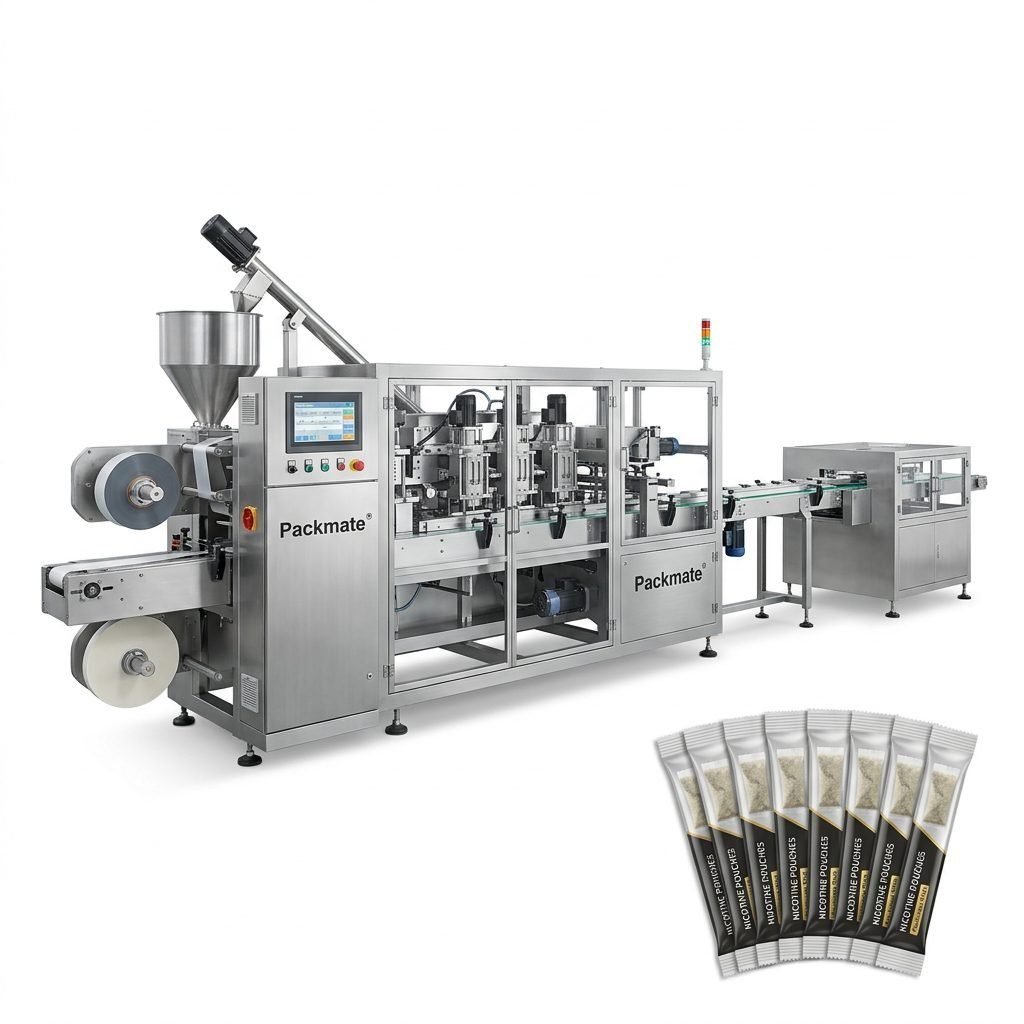
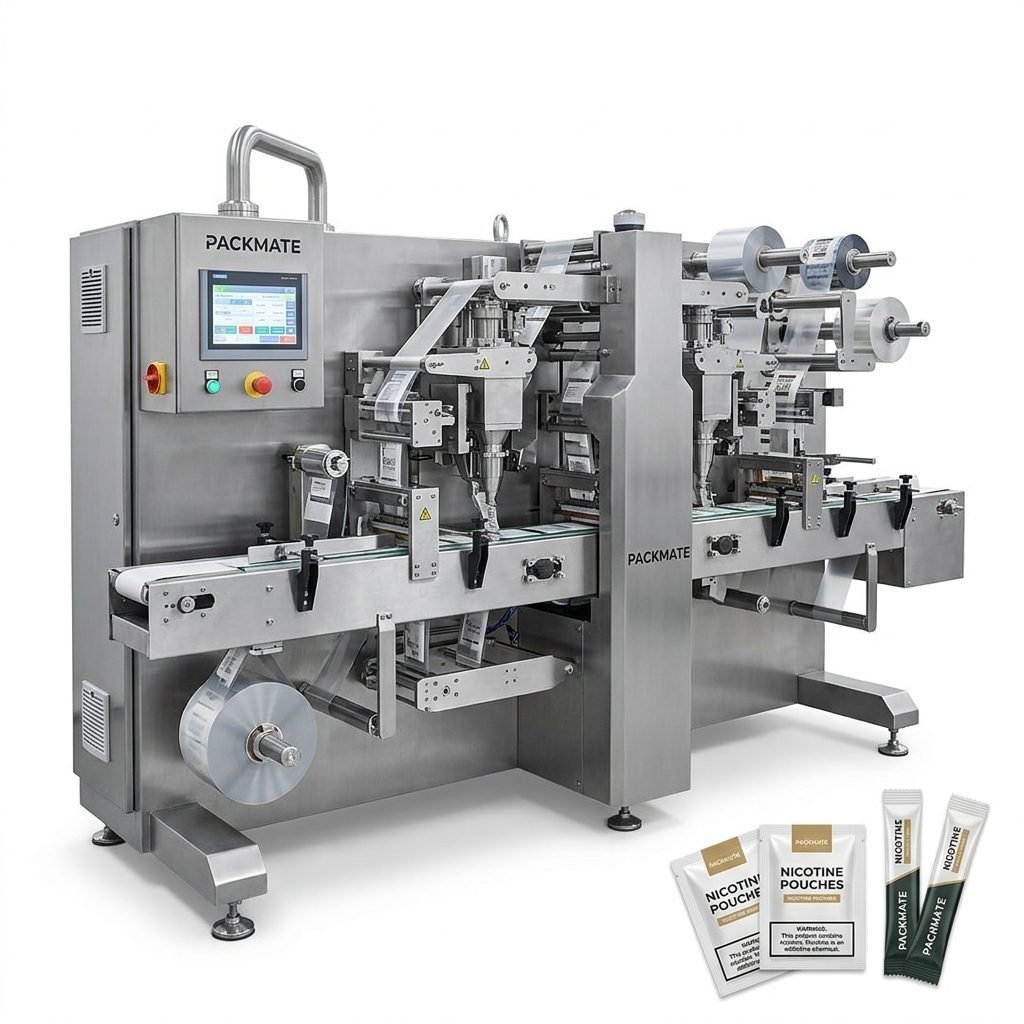
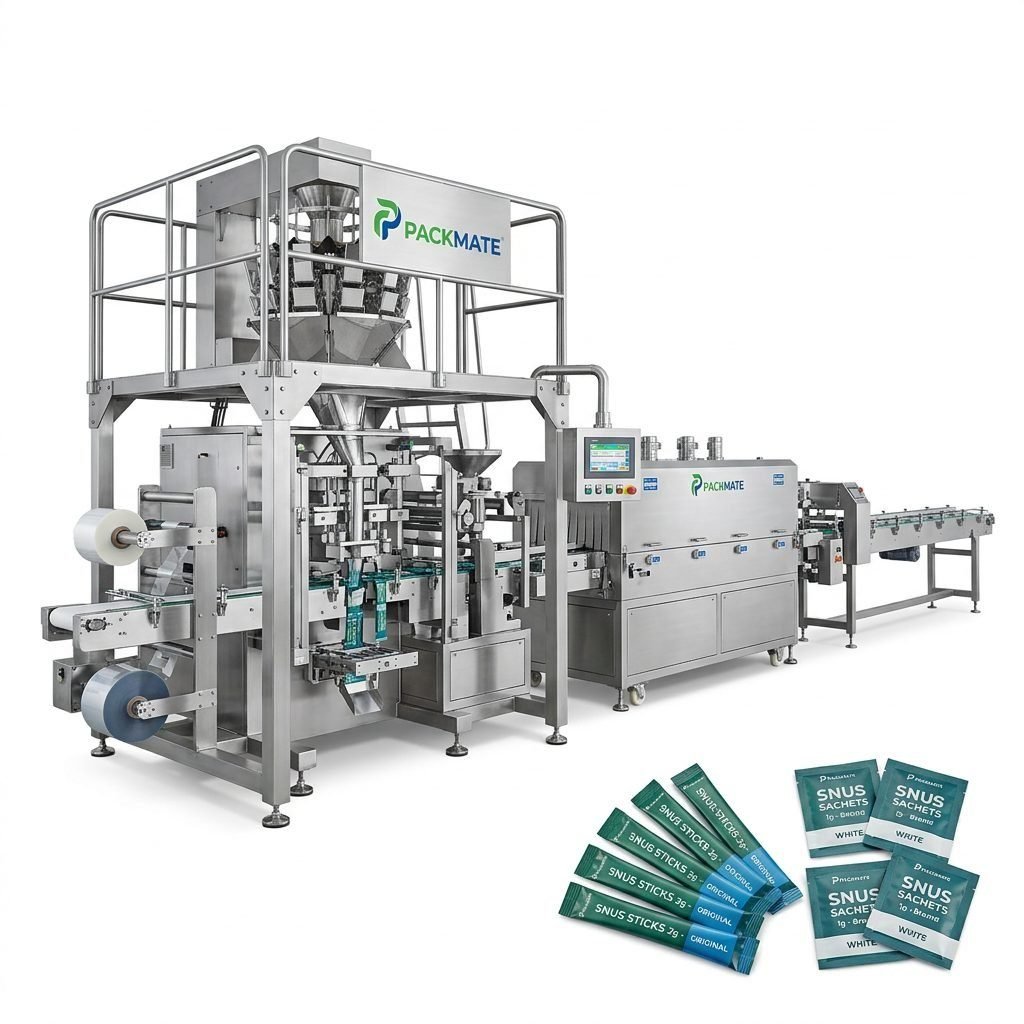
Stick pack machines — ideal for linear single-doses, compact, and cost-effective for medium output.
-
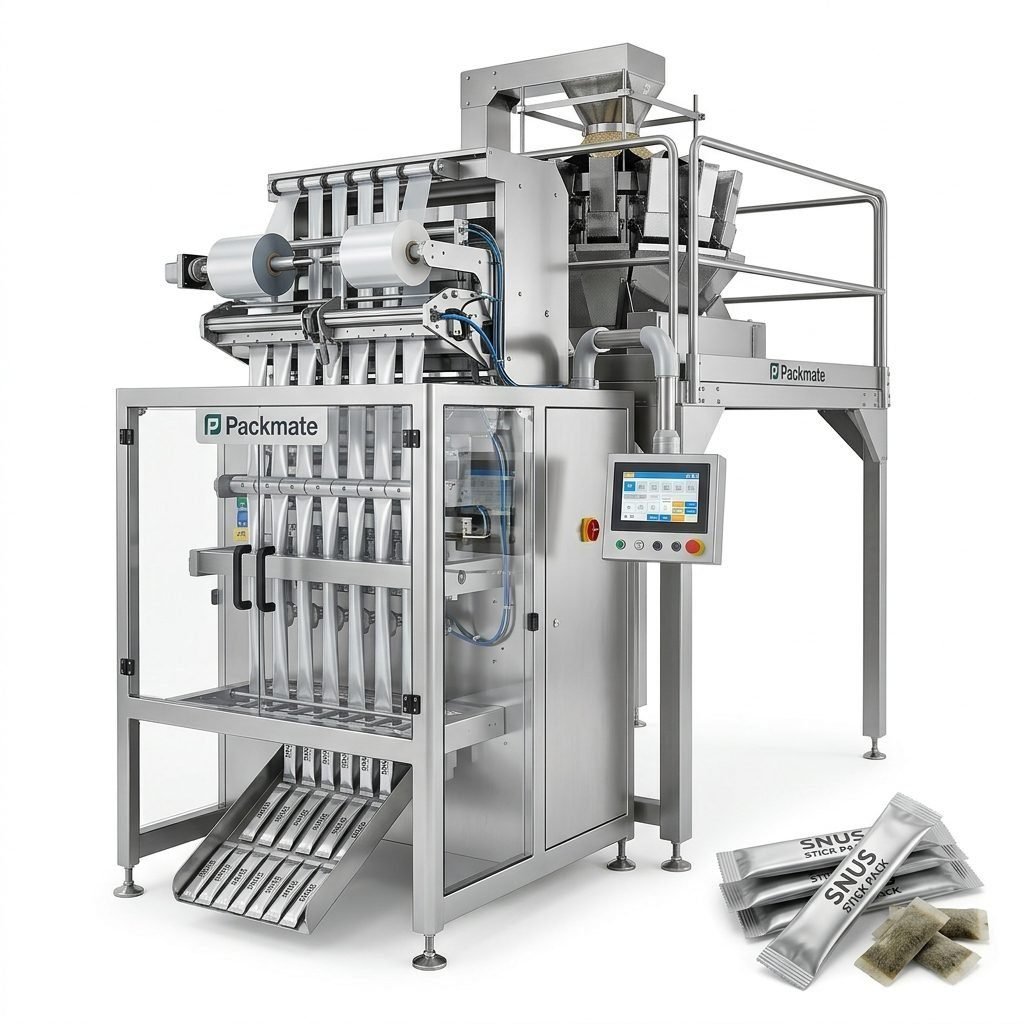
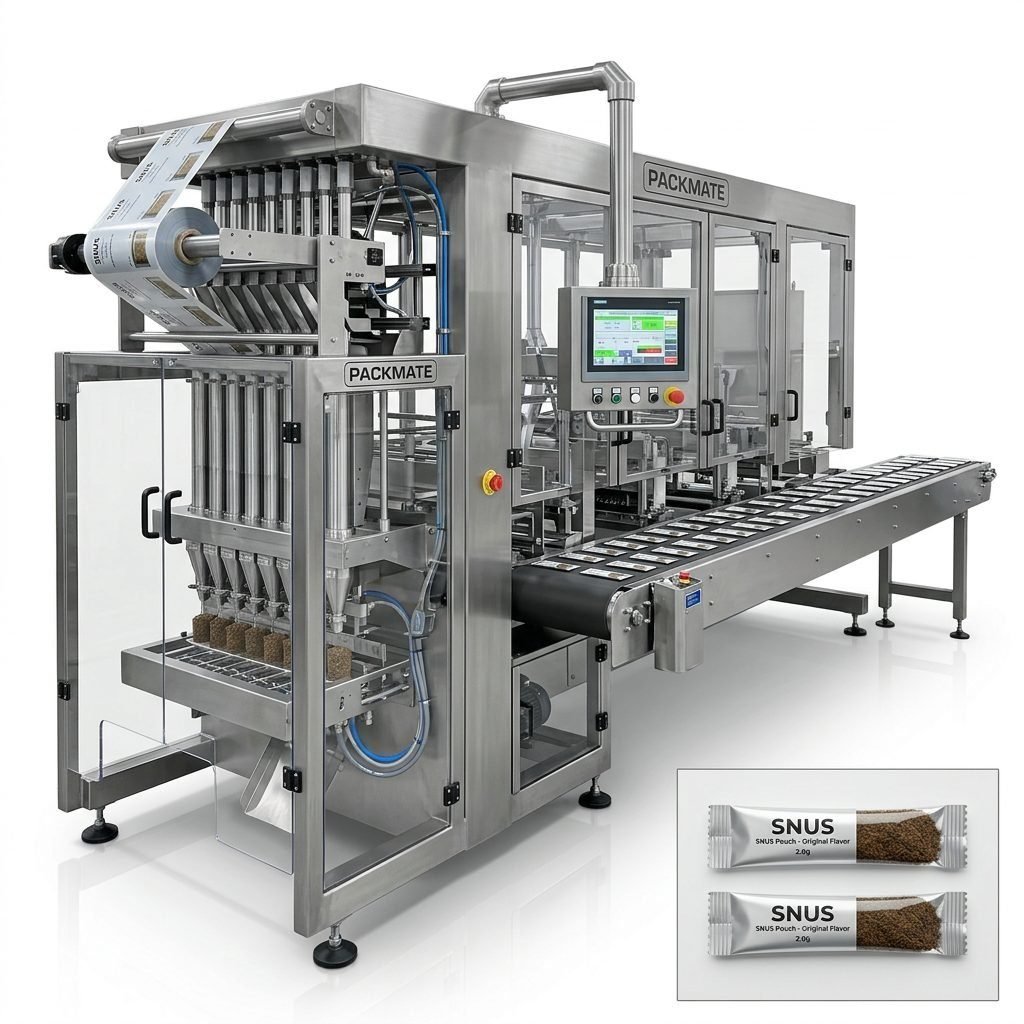
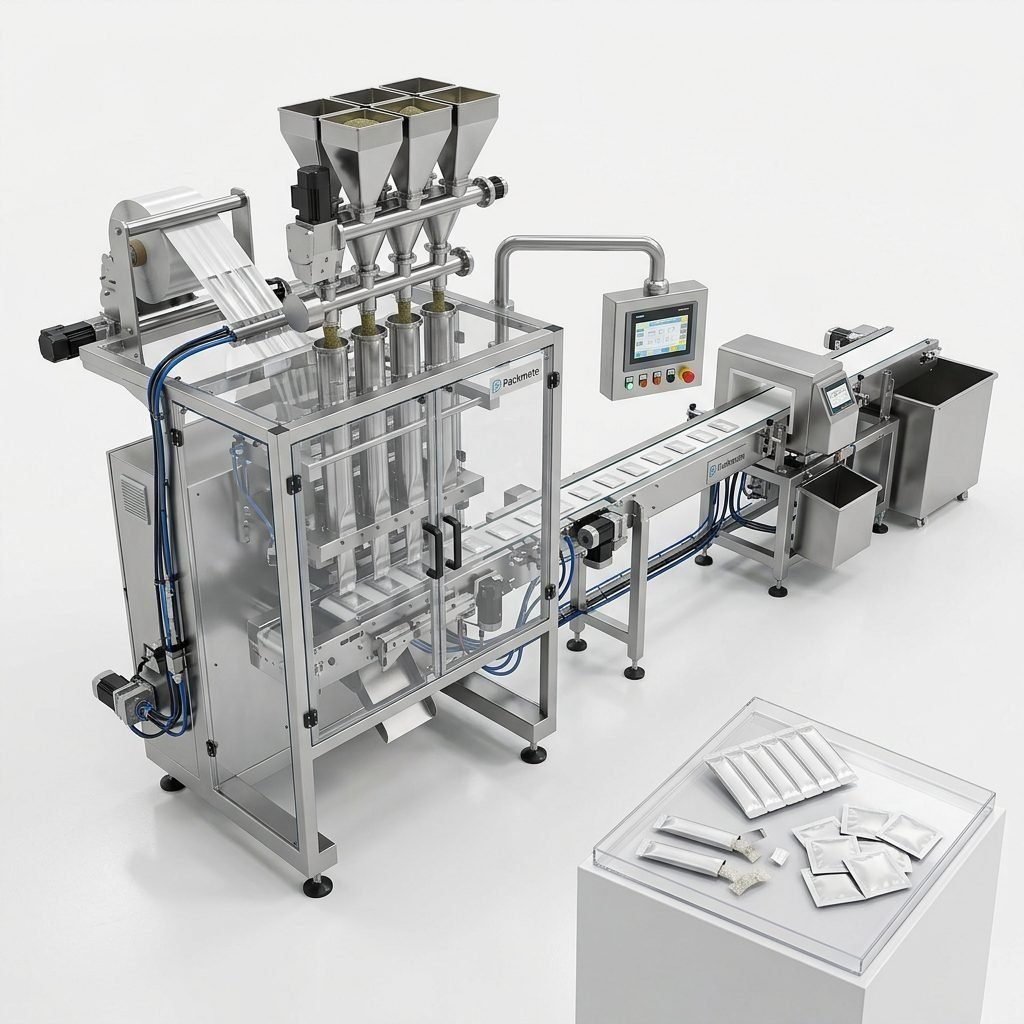
Sachet & multi-lane machines — higher throughput, suitable for mass production; see models and options at Sachet & Stick Pack Machines.
-
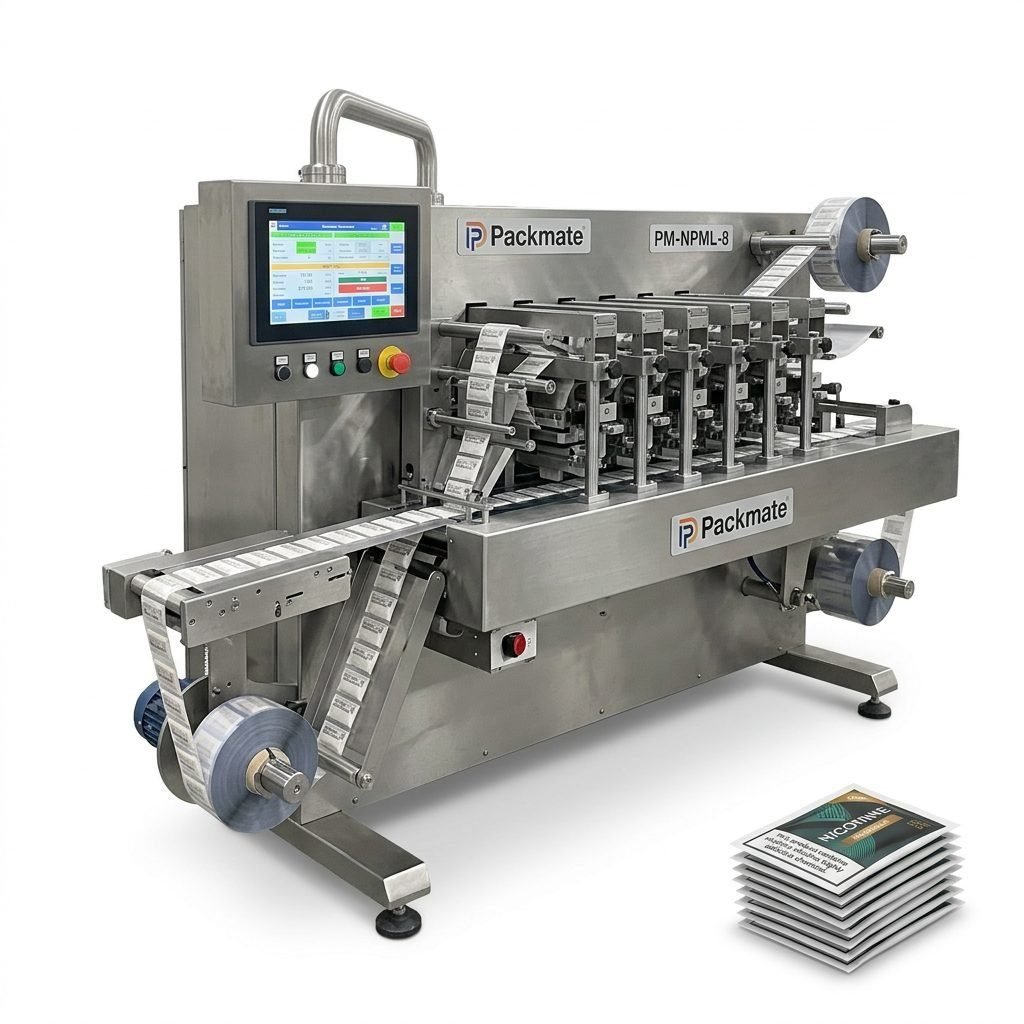
Dedicated snus / nicotine packaging machines — specialized for pouch shapes, inner liners, and tight dose control; browse Snus & Nicotine Packaging Machines for relevant lines.
Assess Production Capacity & Line Configuration
Throughput requirements drive the choice between single-lane and multi-lane systems. Estimate daily output and plan for growth:
-
Calculate target units per minute and daily shifts.
-
Factor in maintenance windows, changeover times, and quality checks.
-
Multi-lane systems increase throughput but require stronger upstream feeding systems and more precise synchronization.
✅ Production checklist: target output, typical run length, number of SKUs, expected growth in 2–5 years.
Technical Capabilities & Integration
A machine is not just a filler and sealer. Evaluate technical features that affect product quality and operational cost:
-
Precision dosing: electronic feeders or vibratory systems for powders/granules deliver better consistency for nicotine pouches.
-
Forming & sealing technology: consider heat-seal vs ultrasonic options depending on film choice and production speed.
-
Automation & control: PLC control, HMI with recipe management, and servo drives reduce setup time and improve repeatability.
-
In-line quality inspection: metal detection, vision systems for seal inspection, and weight checks improve yield.
Integration with Upstream & Downstream Equipment
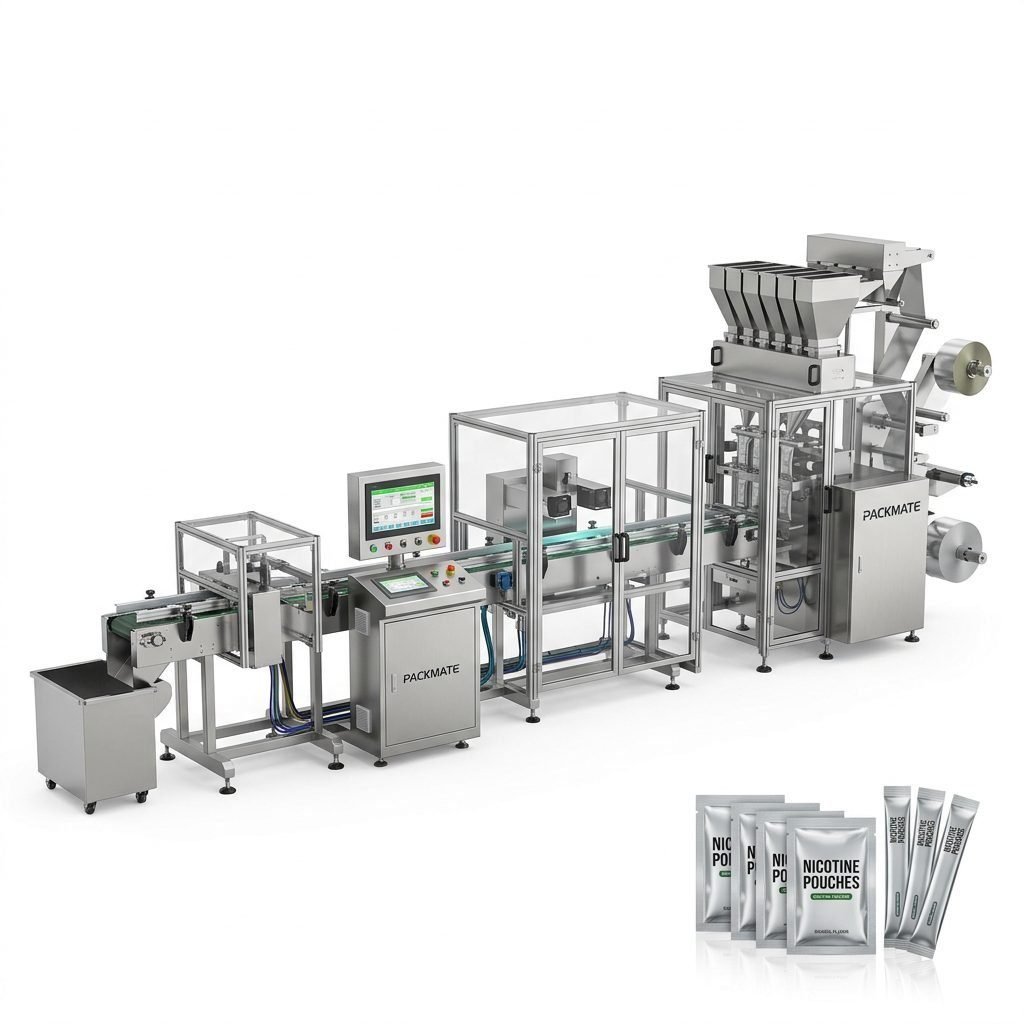
A complete packing solution often includes feeders, weighers, conveyors, and secondary packaging. Visit Weighing & Packaging Systems and Filling & Packaging Lines to evaluate compatible modules.
⚠️ Compatibility alert: confirm electrical, pneumatic, and software interfaces for all modules before purchase to avoid costly retrofits.
Material & Film Considerations
Packaging film choice impacts sealing temperature, barrier requirements, and shelf life. Ask suppliers about recommended film specifications and do material trials:
-
Barrier properties for moisture and oxygen for long shelf-life snus.
-
Co-ex films compatibility with sealing jaws and cutting systems.
-
Recyclability and local waste handling regulations.
Factory Capabilities & Manufacturer Credentials
Select manufacturers with proven experience in snus packaging and a robust factory footprint. Packmate Snus Machine, for example, offers 30+ years of engineering experience, a 20,000㎡ facility, and over 50 machine models — factors that reduce risk for custom solutions and timely deliveries. For more about the company, see About Packmate.
🔍 Due diligence: ask for factory photos, machining capabilities (CNC centers), inspection reports, and sample production records. See real-world implementations at Case.
Certifications, Compliance & Local Regulations
Compliance with local and international standards is critical. Ensure machines meet CE and ISO standards where applicable and verify that packaging materials comply with Southeast Asian regulatory bodies for nicotine products. Ask manufacturers for documentation including electrical safety certificates and machine acceptance tests.
Service, Spare Parts & Technical Support
After-sales support is a major determinant of long-term uptime. Prioritize suppliers who offer:
-
Local or regional service partners for fast response times.
-
Spare parts kits and recommended spare part lists with lead times.
-
Remote diagnostics, training packages, and commissioning support.
Contact channels and proactive service reduce downtime. Use supplier references and visit exhibitions to see machines running; Packmate exhibits worldwide — check Our Exhibition for upcoming events.
Total Cost of Ownership & ROI
Machine price is only part of the equation. Calculate TCO by including:
-
Energy consumption and utilities
-
Labor requirements and automation savings
-
Maintenance intervals, spare parts, and consumables
-
Scrap rates and yield improvements from improved quality control
💡 ROI model: calculate payback period using improved yield and reduced labor as conservative estimates — run sensitivity scenarios for raw material price changes.
Factory Footprint, Utilities & Installation
Plan space and services required for each line. Key considerations:
-
Machine footprint and maintenance clearance
-
Electrical supply: voltage, phase, and breaker sizing
-
Compressed air quality and consumption
-
Dust and moisture control for ingredient handling
Factory Acceptance Tests & Commissioning
Insist on FAT (Factory Acceptance Test) and SAT (Site Acceptance Test) with your actual materials and packaging film. A comprehensive test protocol should include line speed verification, product weight tolerance, seal integrity checks, and electrical safety tests.
Sample Runs & Validation
Request sample packs from the manufacturer using your formulations and film. Validate visual appearance, seal strength, shelf-life indicators, and consumer handling properties. A reputable manufacturer will support sample trials and provide test data.
Customization & Turnkey Solutions
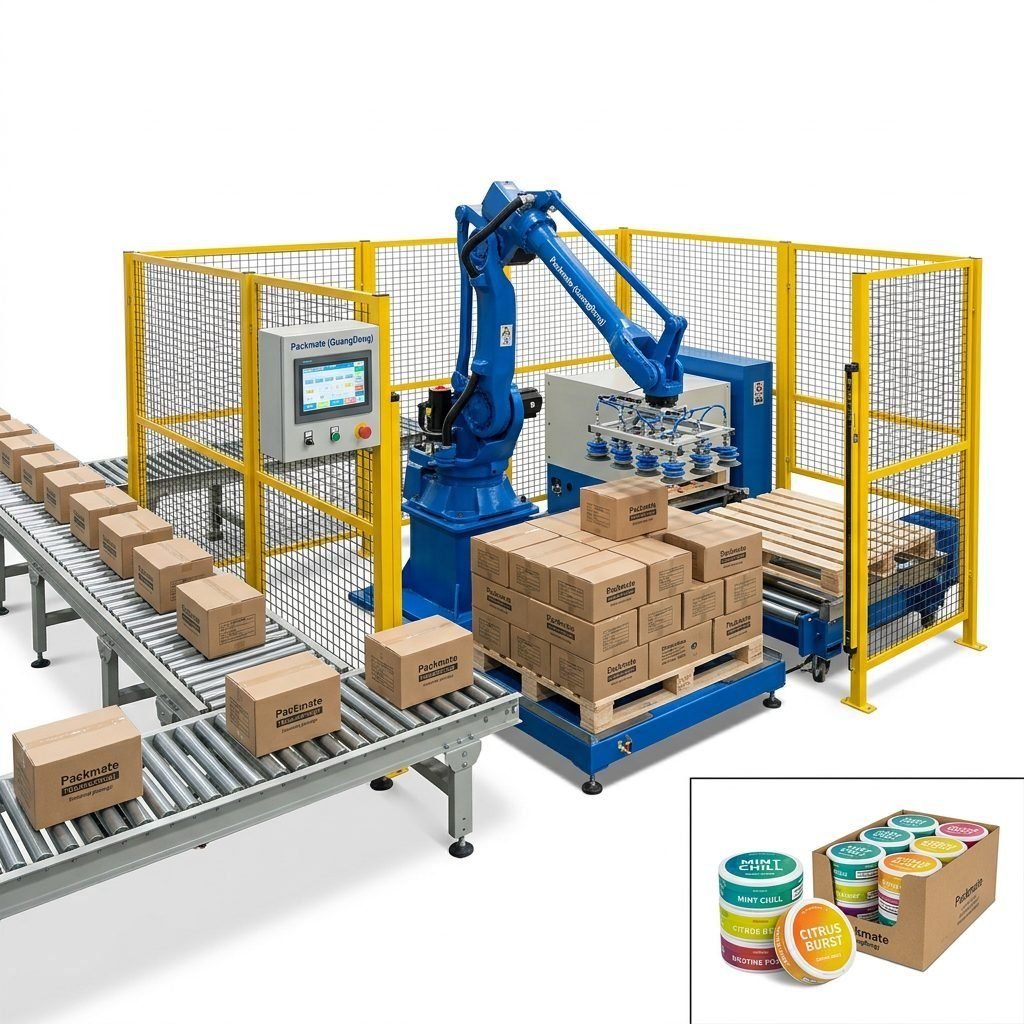
If you need a full production line, consider turnkey suppliers who provide feeders, dosing systems, packaging machines, and secondary packaging integration. Packmate offers complete solutions across snus, stick pack, sachet, and filling lines — see modular options at Bag & Pouch Packaging Machines and Auxiliary Packaging Equipment.
🚀 Turnkey advantage: fewer vendors, unified responsibility, and optimized integration reduce commissioning time and contractual complexity.
Buying Process & Negotiation Tips
A structured procurement process yields better terms and faster delivery:
-
Prepare an RFP with performance metrics, acceptance criteria, and service requirements.
-
Ask for references from similar-sized operations in Southeast Asia.
-
Negotiate warranty, spare parts package, and training as part of the base contract.
-
Verify lead times and shipping logistics, especially for large multi-lane systems.
Next Steps & How to Contact Suppliers
Shortlist suppliers based on technical fit, factory capability, and service footprint. Arrange a factory visit or remote demo and obtain written FAT protocols. When you are ready to engage, contact manufacturers directly — for inquiries, product catalogs, and service options see Contact Us or request product catalogs at Catalog.
Final selection checklist
Use this short checklist to confirm readiness before purchase:
-
Tested sample packs with your materials
-
Clear FAT & SAT criteria
-
Service & spare parts agreement
-
TCO calculation and ROI approval
📌 Pro advice: prefer vendors who publish clear technical data and offer on-site commissioning and operator training — these reduce hidden costs and speed ramp-up.
Conclusion
Selecting the best snus packaging machine in Southeast Asia is a multifaceted decision balancing product requirements, throughput, material compatibility, manufacturer capability, and after-sales support. By following a structured approach — define product needs, validate technology with trials, verify factory credentials and certifications, and secure robust service agreements — you can minimize risk and maximize return on investment.
Frequently Asked Questions
Q1: How do I choose between a single-lane and multi-lane snus packaging machine?
A1: Choose single-lane for smaller volumes and flexibility; choose multi-lane for high-volume production. Base the decision on target units per minute, growth forecasts, and available floor space.
Q2: What certifications should I ask from a manufacturer?
A2: Request CE and ISO compliance documentation, electrical safety reports, and FAT test records. For nicotine products, also ensure materials and labeling can meet regional regulatory requirements.
Q3: How important is local service support in Southeast Asia?
A3: Extremely important. Local or regional service partners shorten downtime, speed spare parts delivery, and enable faster commissioning and training.
Q4: Can I test my own materials before purchase?
A4: Yes — ask manufacturers for sample trials and FAT with your formulations and film. Verified samples reduce surprises during commissioning.
Q5: Where can I learn more about available snus packaging lines and support?
A5: Explore product lines and service pages to match needs: Snus & Nicotine Packaging Machines, Sachet & Stick Pack Machines, and contact vendors directly via Contact Us.