Choosing the right nicotine packaging machinery for your production line in Lebanon requires more than comparing prices. You must evaluate production capacity, product compatibility, regulatory compliance, local service capabilities, and long-term total cost of ownership. This guide walks you through a practical, production-focused decision process that will help you identify the best machines and turnkey solutions for nicotine pouches, snus and related products.
Understand Your Product and Production Goals
Before contacting suppliers, define your product specifications and production targets. Important variables include pouch format (single-dose pouch, stick pack, sachet), pouch materials, dosage weight, moisture sensitivity, and desired daily output. In Lebanon, manufacturers are often balancing small-batch flexibility with growing demand — so plan for scalable options.
- Target output: e.g., 30,000 pouches/day or 100 pouches/min
- Pouch type: nicotine pouch, snus can, sachet, or stick pack
- Fill material: powder, granules, wet pulp
- Regulatory labeling requirements for Lebanon and export markets
Match Machine Type to Product
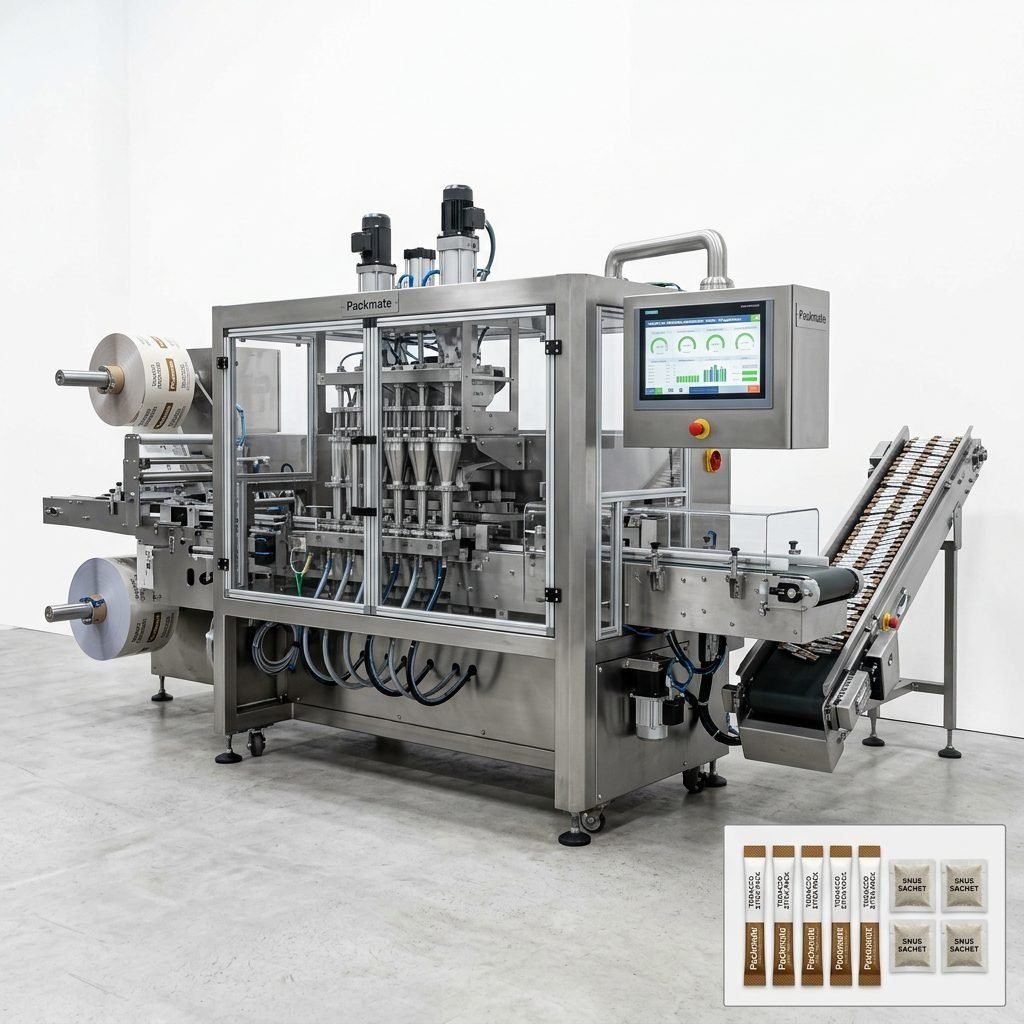
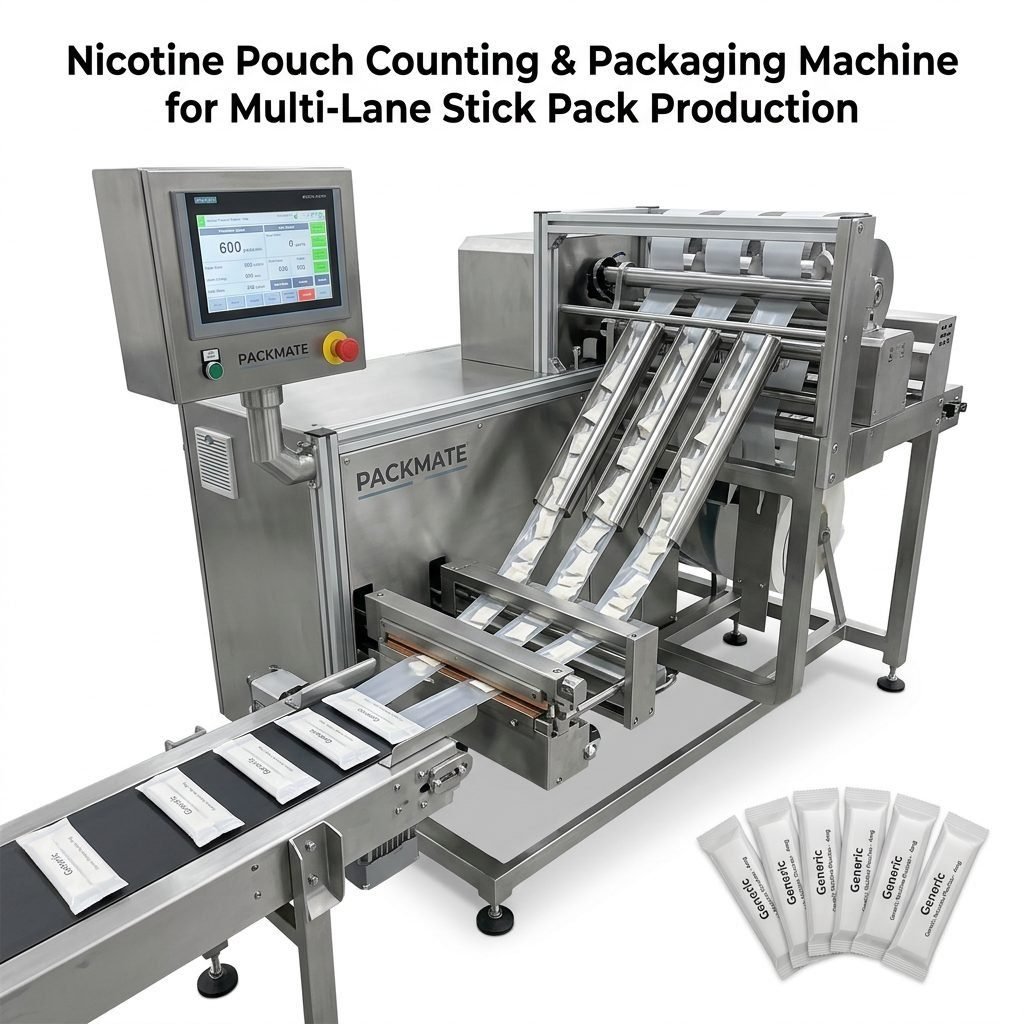
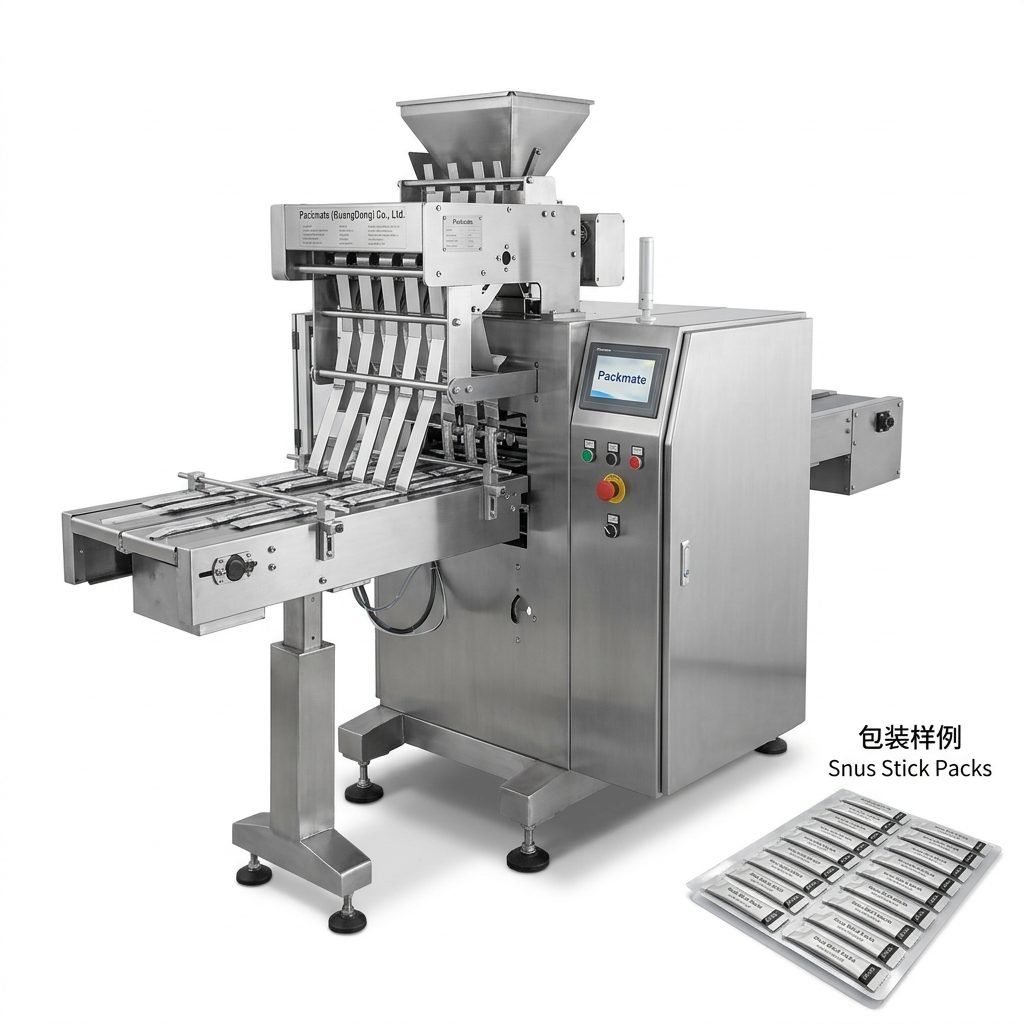
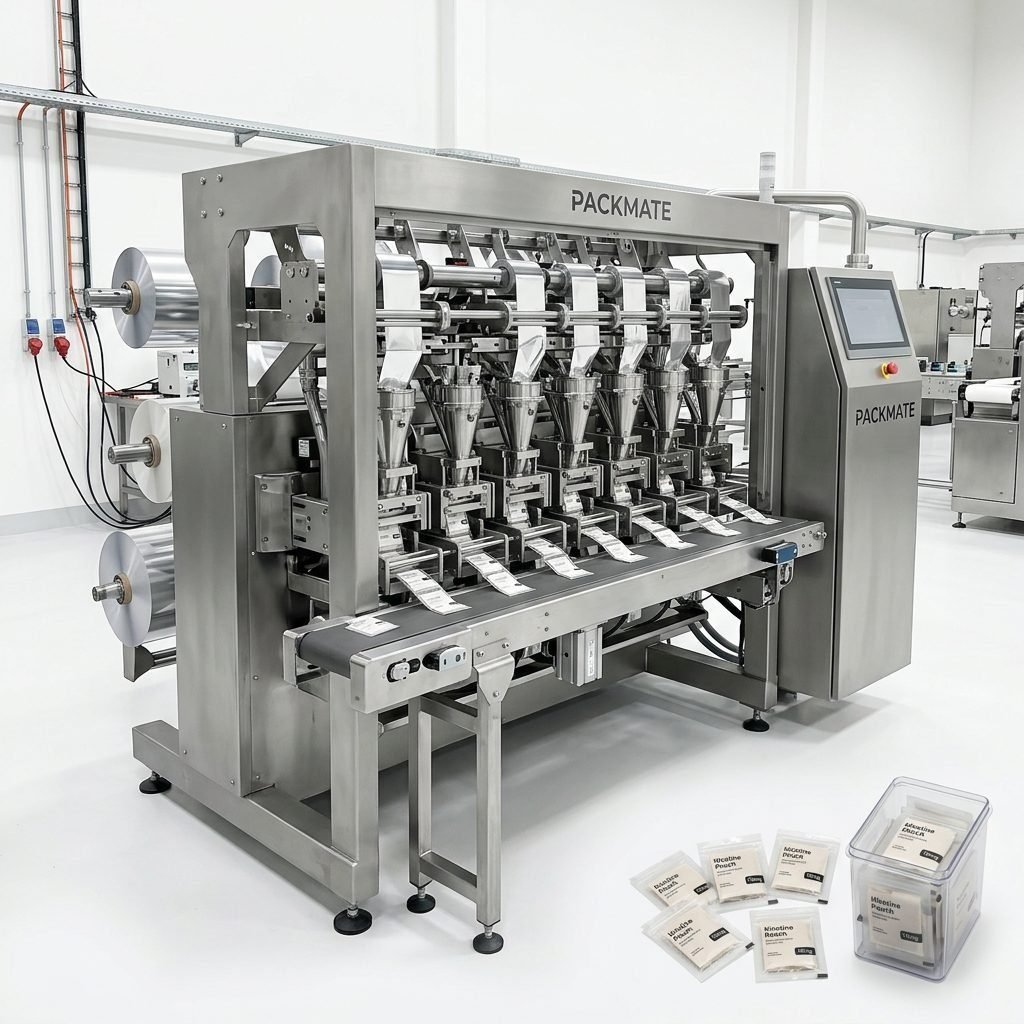
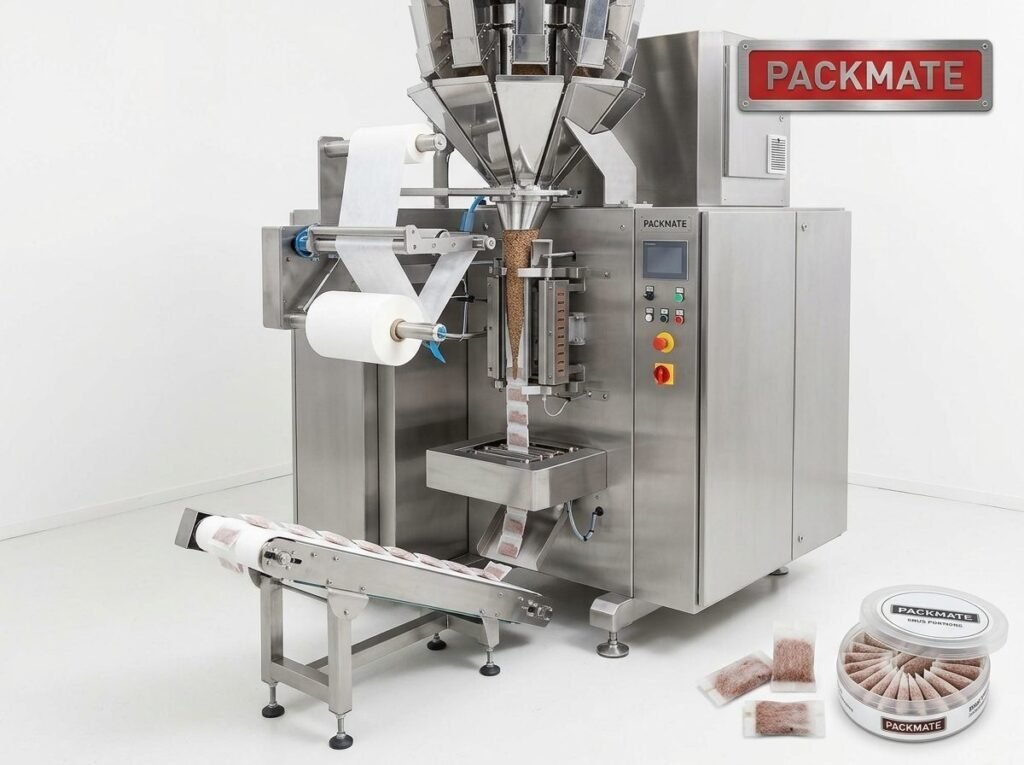
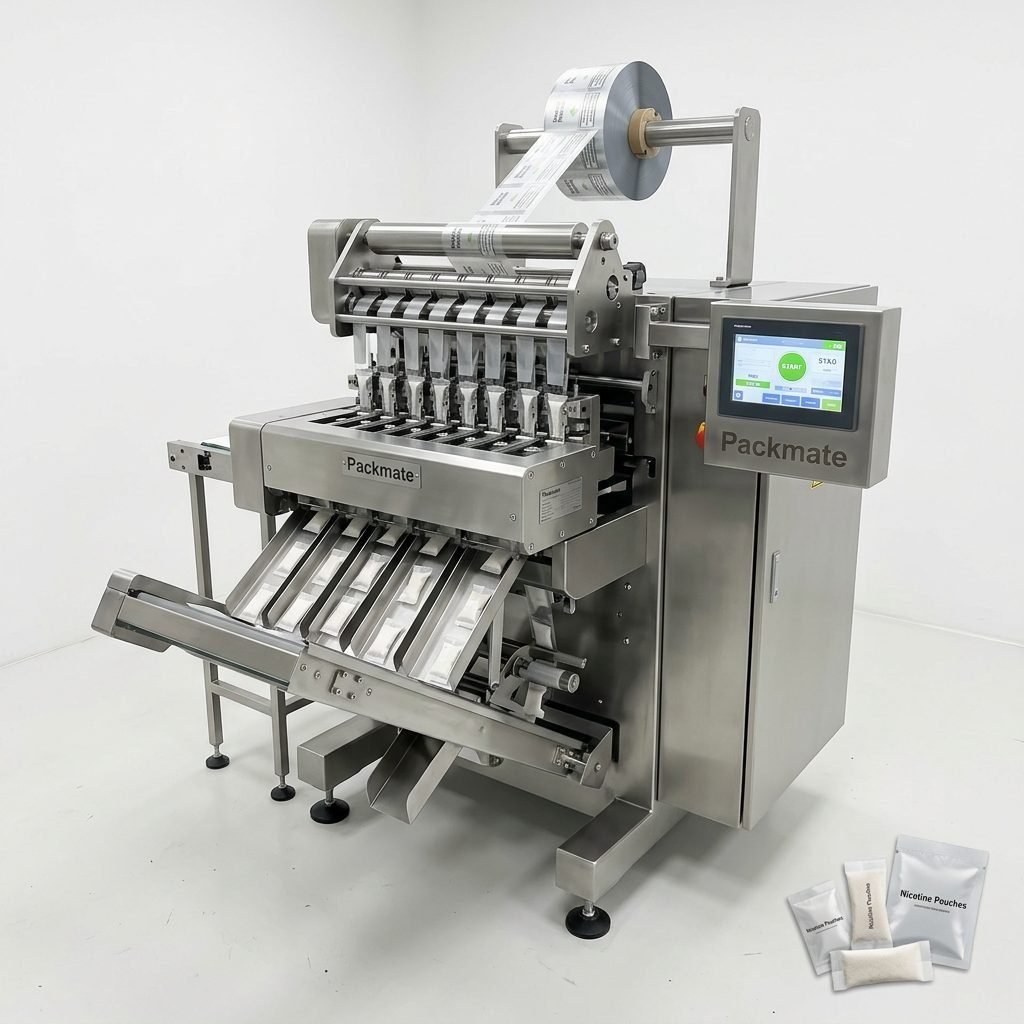
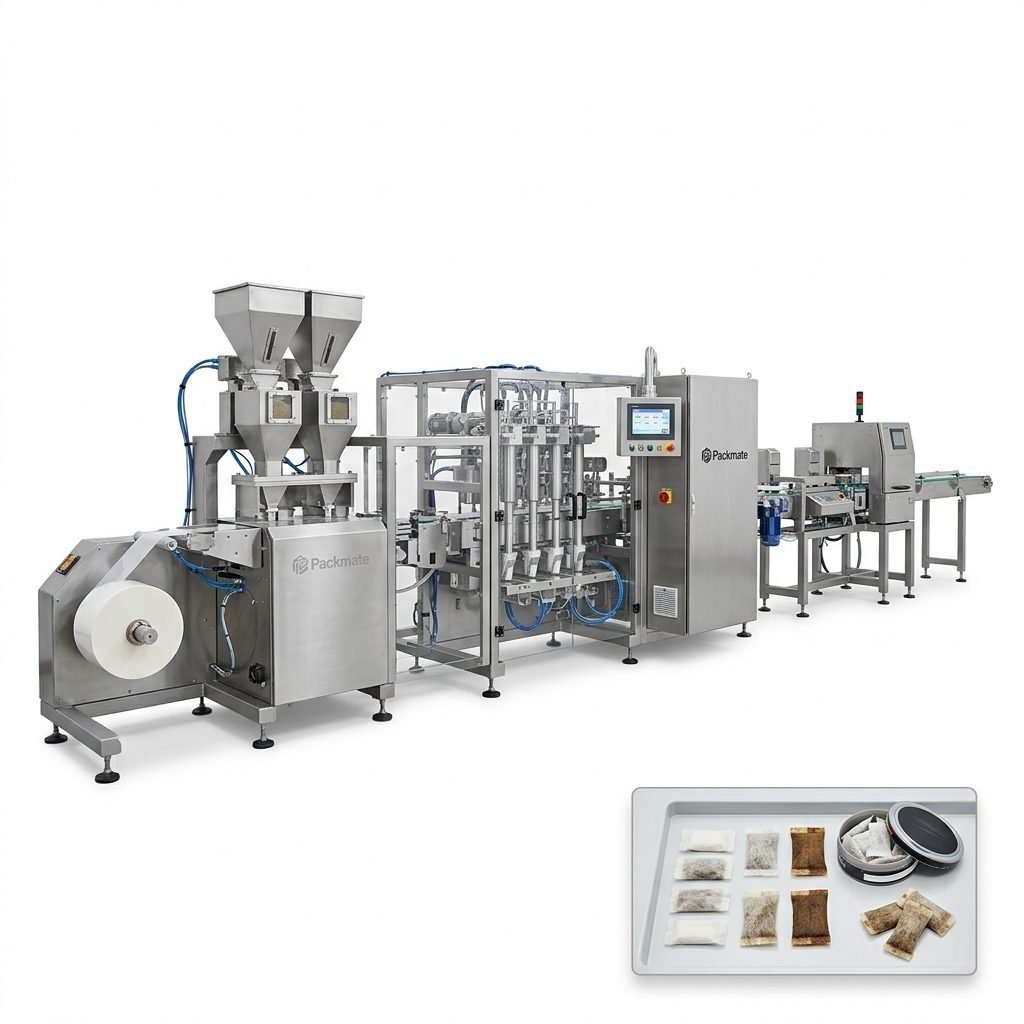
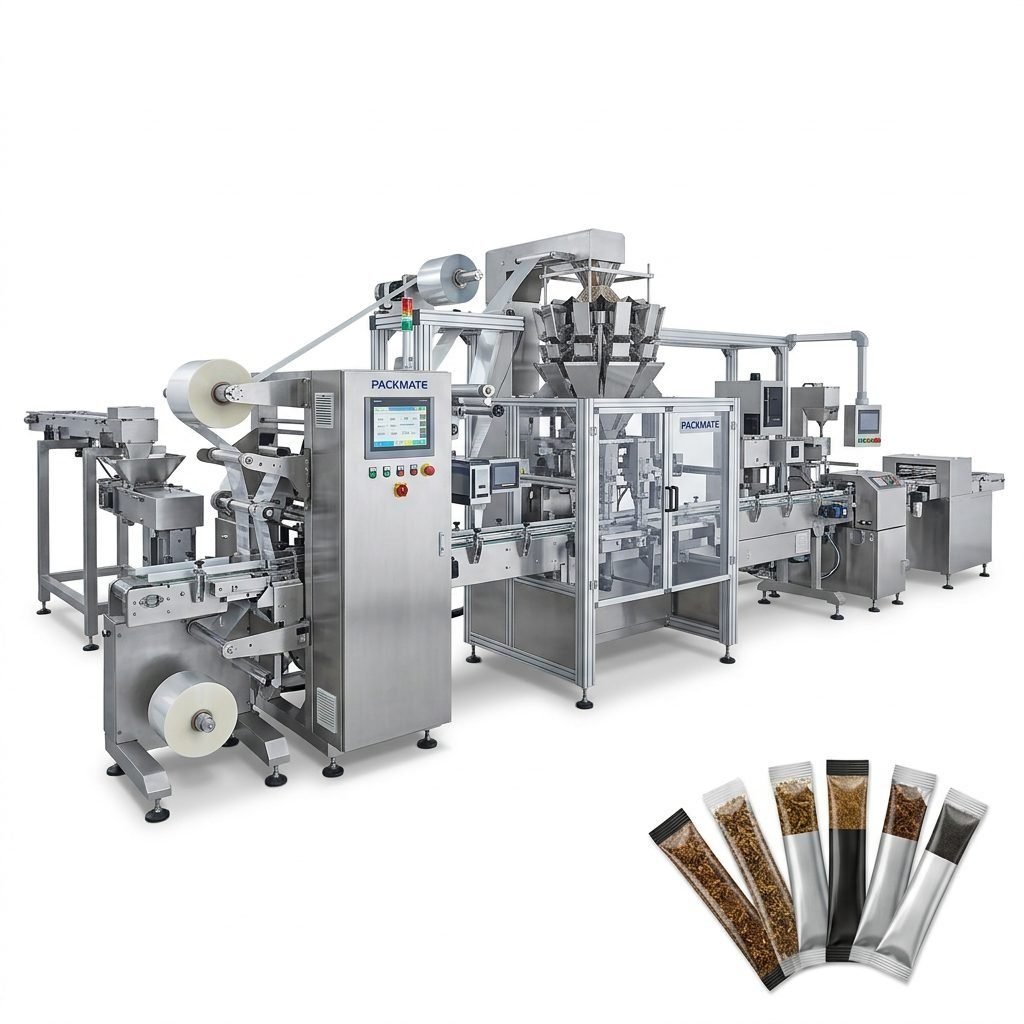
Different packaging machines serve different product requirements. For nicotine pouches, look at specialized snus and nicotine packaging machines designed for small-dose, multi-lane operations. For flexible formats, sachet and stick pack machines may be ideal. If your process includes weighing or multi-component filling, integrate weighing & packaging systems and filling & packaging lines into the solution.
Best for small-dose pouch production and high-precision multi-lane lines. Ideal for consistent pouch weight and fast sealing.
Flexible for single-dose stick formats and sachets — a good choice if you plan multiple SKUs or promotional runs.
Accurate dosing systems and auxiliary equipment ensure stable output and reduce product giveaway. Critical for nicotine pouches where dosage tolerance is strict.
Evaluate Production Capacity and Scalability
Production capacity influences machine selection more than any single factor. Suppliers typically specify theoretical speeds (pouches/min) and practical yields considering changeovers and maintenance. Request real-world performance data and references from similar installations. Choose machines with modular design so you can add lanes, increase speed, or integrate upstream/downstream equipment as demand grows.
Practical tips
– Ask for demonstrated case studies and production videos. See how machines run over full production shifts.
– Prioritize multi-lane systems for higher throughput without proportionally increasing floor space.
– Validate spare part availability and lead times for Lebanon or nearby service hubs.
Quality, Compliance and Certifications
Machines used for nicotine and snus packaging must meet hygiene, safety, and international standards—especially if you export. Confirm CE/ISO compliance and request documentation. For nicotine products, packaging must also support accurate labeling and child-resistant features where required.
Suppliers that provide certificates and formal testing records reduce your regulatory risk. Check the supplier’s quality control and certification pages when possible.
Material Compatibility and Packaging Films
Not all sealing heads and forming tubes work with every film type. Verify compatibility with your selected pouch film, barrier requirements (oxygen/moisture), and printing/lamination specs. If you plan to change materials frequently, request a machine demo using your materials.
Service, Spare Parts and Local Support in Lebanon
After-sales support is a decisive factor. Machines can run for years with proper maintenance; however, downtime costs are significant. Choose suppliers that offer global support, authorized partners, documented spare part kits, and remote diagnostic tools. If the supplier has local partners or can dispatch technicians to Lebanon quickly, that’s a major advantage.
- Spare parts lead times and local stock
- Availability of remote support and PLC software updates
- Training for operators and technicians
- Comprehensive installation and commissioning plans
Total Cost of Ownership (TCO) vs. Purchase Price
The lowest purchase price rarely equals the best investment. Evaluate TCO including spare parts, consumables, energy consumption, maintenance intervals, operator training, and scrap rates. Ask suppliers for detailed cost breakdowns during a representative production cycle.
Checklist to estimate TCO
– Energy consumption per shift
– Typical wear parts and replacement frequency
– Warranty coverage and on-site support costs
– Expected scrap and rework rates for new SKUs
Factory Capability & Supplier Credentials
Prefer suppliers with proven manufacturing infrastructure, precision CNC capabilities, and thorough testing protocols. A reliable manufacturer will share factory facts, machine options, and case histories. When possible, visit the factory or request virtual tours and customer references.
Packmate is a manufacturer with 30+ years of engineering experience, a 20,000㎡ factory, advanced CNC machining centers, and 50+ models. Certified by CE/ISO, they offer turnkey solutions for snus and nicotine pouch lines. (Use supplier credentials as a benchmark when comparing vendors.)
Pre-Sale and Factory Acceptance Testing (FAT)
Request a Factory Acceptance Test (FAT) with your product and packaging materials. FAT demonstrates machine performance under real conditions and reduces commissioning time on-site. Ensure FAT includes full runs, changeovers, and performance data collection.
What to request in FAT
- Time-stamped production logs (pouches/min, uptime, rejects)
- Video of continuous run at target speed
- Sensor and automation checks, alarms and error recovery scenarios
- Verification of labeling, printing and serialization if required
Logistics, Installation and Commissioning in Lebanon
Coordinate shipping, customs and local installation. Choose suppliers experienced with export documentation and customs clearance. Confirm onsite installation timelines and local electrical or utility requirements. A clear commissioning plan with performance acceptance criteria will keep the project on schedule.
Arrange operator training during commissioning and secure spare parts kits for the first 12 months of operation before shipping to Lebanon.
Why Choose a Turnkey Supplier?
Turnkey providers supply not only machines but integrated solutions—hoppers, feeders, conveyors, weighing systems, and packaging optimization. This reduces integration risks and simplifies vendor management. If your production plan includes multiple product lines, turnkey systems ensure consistent interfaces and control architecture.
For turnkey options and system combinations, see available product lines including Filling & Packaging Lines and Auxiliary Packaging Equipment.
Making the Final Selection
Narrow choices by testing with your product, validating references, confirming certifications, and reviewing TCO. Negotiate clear contractual terms for delivery dates, acceptance tests, warranty scope, training, and spare parts supply. If possible, pilot smaller volumes first and scale up as confidence in the solution grows.
When you’re ready to evaluate machines or request quotations and FAT dates, contact the supplier early to clarify timelines and logistics. For additional information on service and contact options, see the supplier’s service pages.
Decision Summary: Essential Questions to Answer
Before signing a purchase agreement, ensure you can answer the following: Does the machine meet your pouch format and material needs? Can the supplier demonstrate performance at target speed? Are spare parts and service available in your region? Is the TCO acceptable for your budget and growth plans? Are certification and FAT deliverables clearly defined?
Final quick checklist
- Product compatibility confirmed
- Real-world production data provided
- Service & spare parts plan in place
- Certified quality assurance and FAT completed
- Clear installation and commissioning schedule
Next Steps
Compile your product specs and target outputs, request quotations and FAT dates from shortlisted suppliers, and schedule machine demonstrations. Use supplier case studies and factory credentials as decision inputs. If you want a reliable point of contact or example supplier pages to begin research, explore the product categories and company pages referenced above.
Frequently Asked Questions
Q1: How do I estimate the machine speed I need?
Calculate your required annual production, divide by operational days and hours, then convert to pouches per minute. Add a safety margin for downtime and changeovers. Discuss realistic yield estimates with vendors during FAT.
Q2: Are multi-lane snus machines suitable for small startups?
Yes, modular multi-lane machines allow startups to begin with fewer lanes and add capacity later. Choose a system with straightforward lane expansion and reliable control software.
Q3: What certifications should I request?
At minimum, request CE and ISO documentation. If you export, verify compliance with your target markets’ regulations and obtain material conformity certificates for films and inks.
Q4: How long is typical lead time for packaging machinery?
Lead times vary by model and customization. Standard models might ship in 8–14 weeks; customized turnkey lines can take longer. Always build contingency for shipping and FAT schedules.
Q5: Can I get local support in Lebanon?
Many manufacturers provide global support networks and remote diagnostics. Verify local partner availability or expedited technician dispatch to Lebanon and ensure spare parts kits are included for commissioning.