Navigating the procurement of nicotine pouch and snus packaging machinery for a remote island market like Kiribati requires careful planning. The unique geographic, cultural, and logistical conditions of the Gilbert Islands chain affect everything from delivery timelines to after-sales service expectations. This guide walks you through how to choose the best supplier for your production needs, covering technical specifications, certifications, logistics, cultural considerations, and long-term support so your packaging investment is productive and compliant in Kiribati.
Understand Your Product and Production Goals
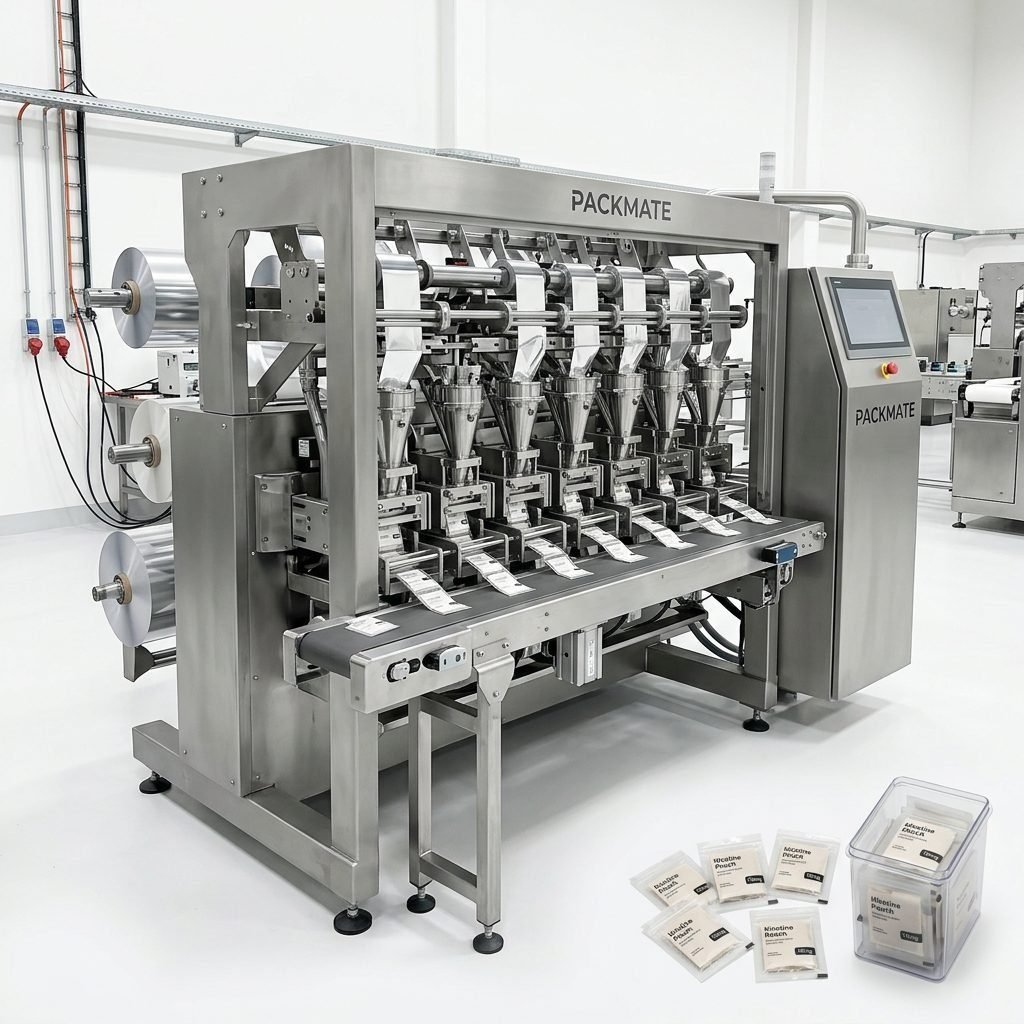
Before you contact suppliers, clarify what you produce now and what you plan to scale into. Nicotine pouch lines differ widely: some designs focus on small-dose multi-lane production for mass retail; others prioritize single-lane flexibility for artisan or limited runs. In Kiribati, where local markets are small and import windows are irregular, you may prefer machines that balance throughput and flexibility.
📌 Key questions to answer:
• What is your target output per minute and per shift?
• Which pouch formats do you need (snus can, sachet, stick-pack, multi-pouch lanes)?
• Will you require automatic weighing, dosing, or only form-fill-seal functions?
Match Machine Types to Product Formats
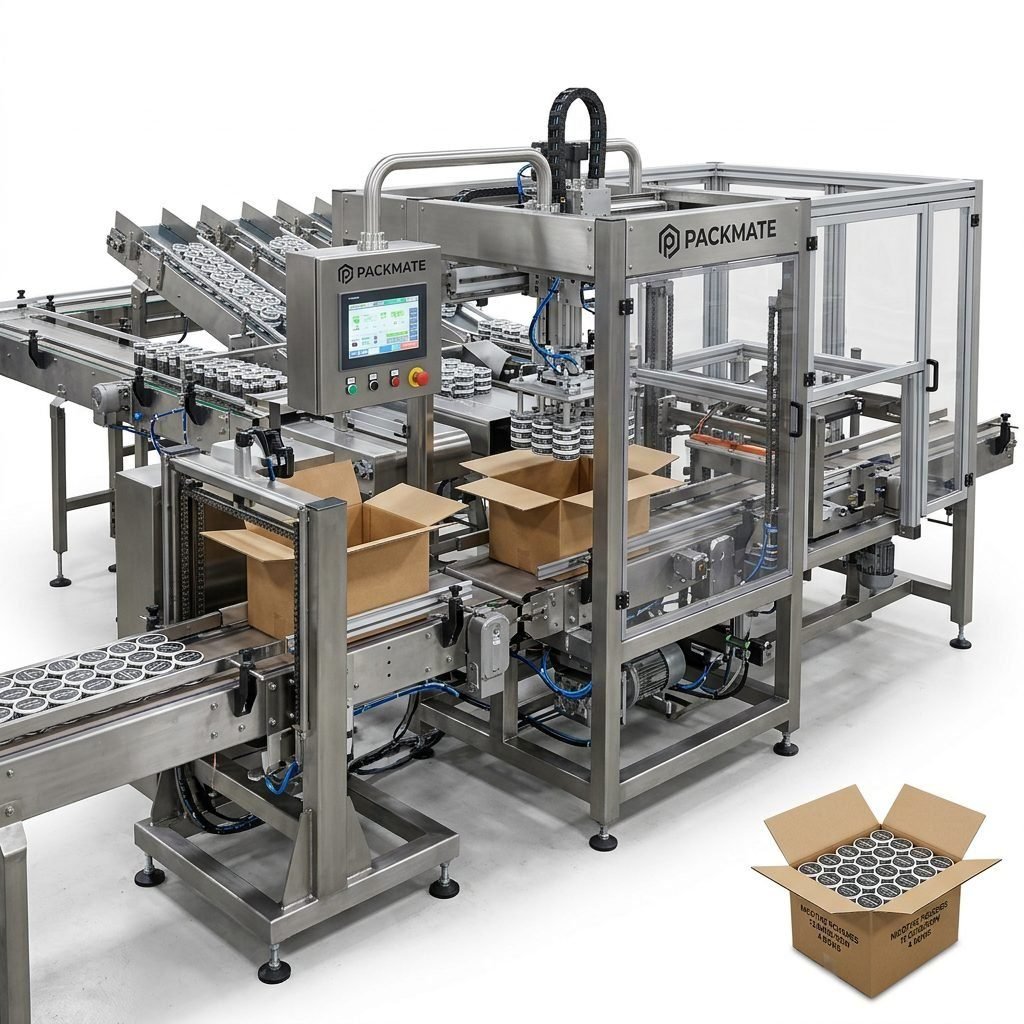
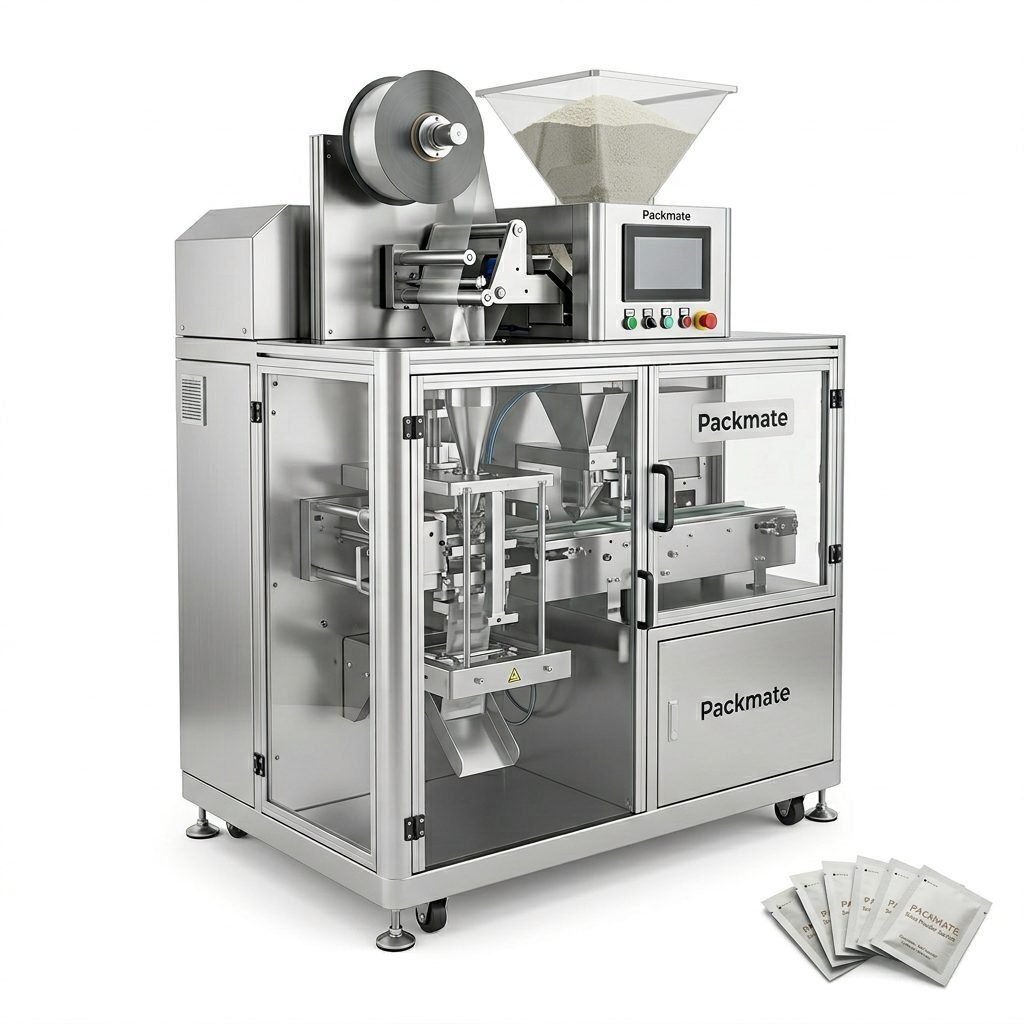
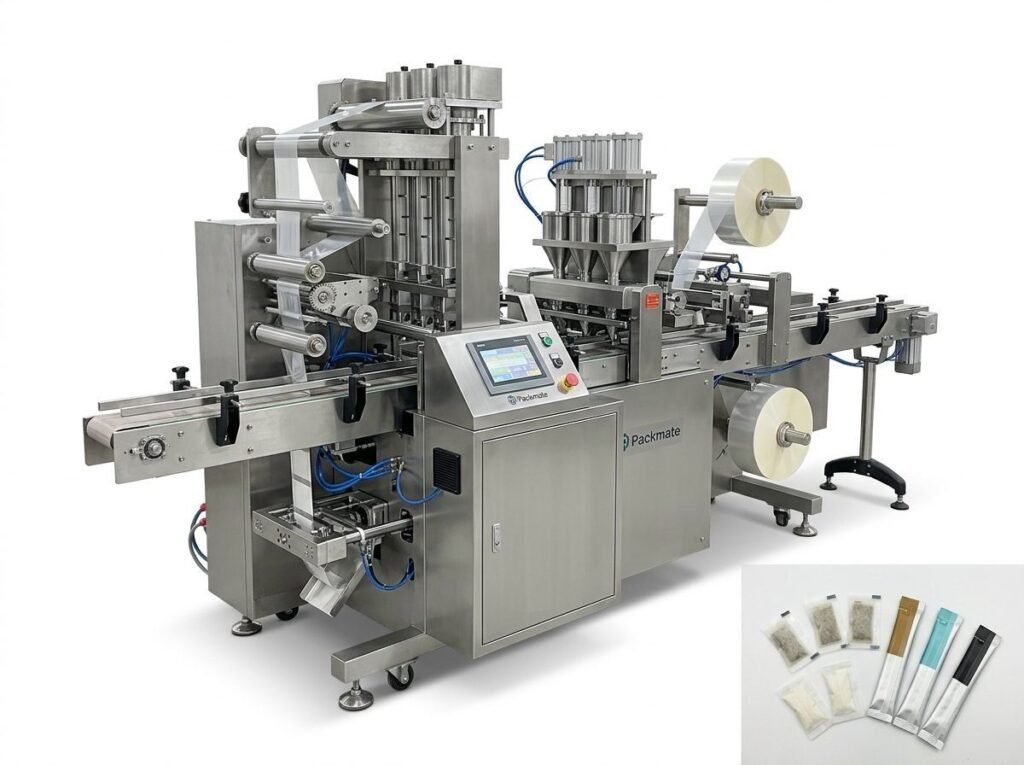
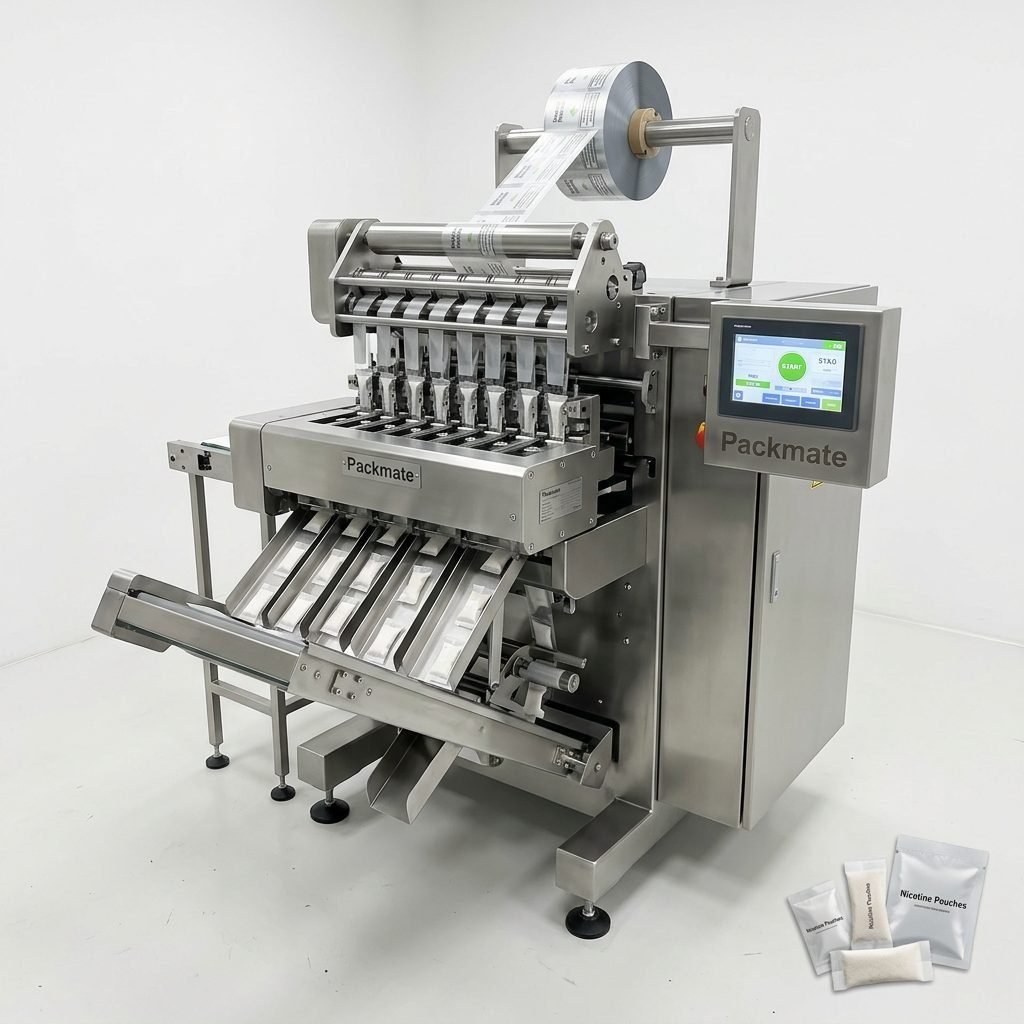
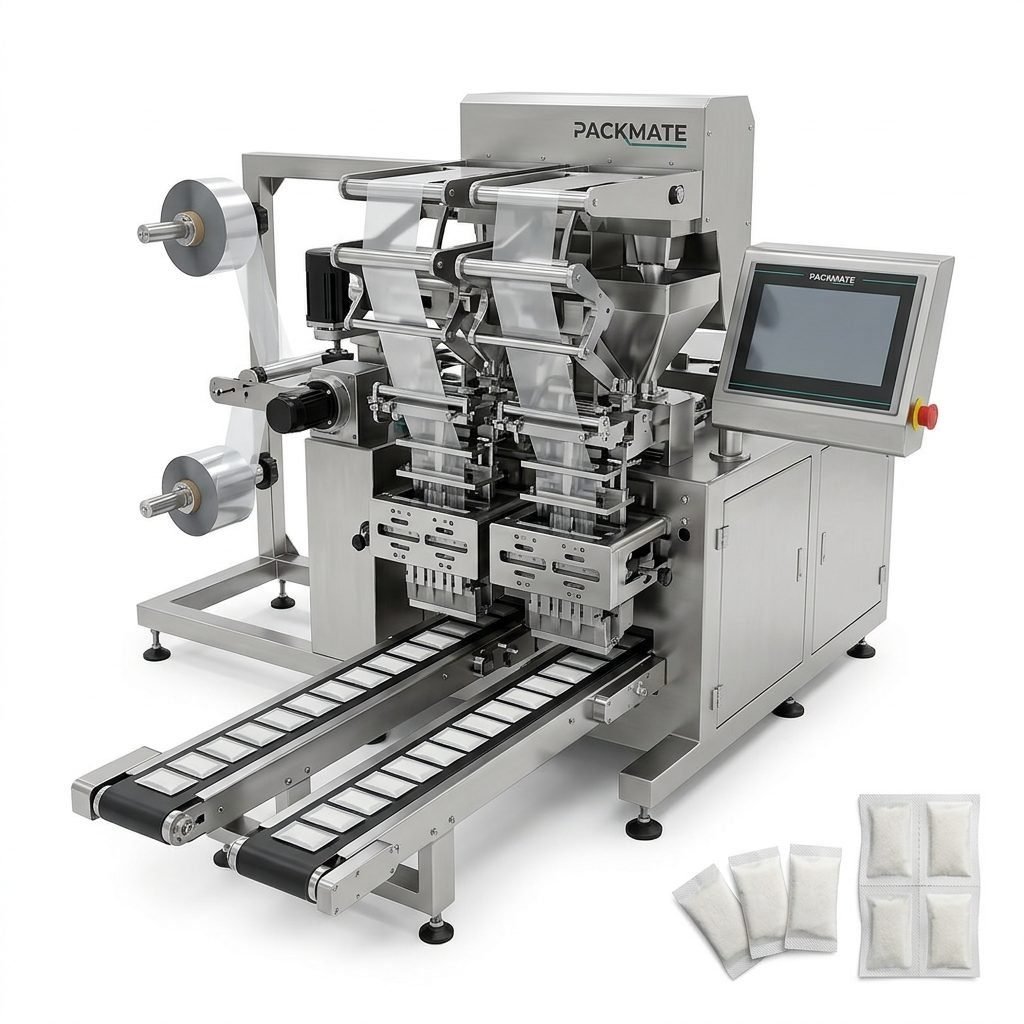
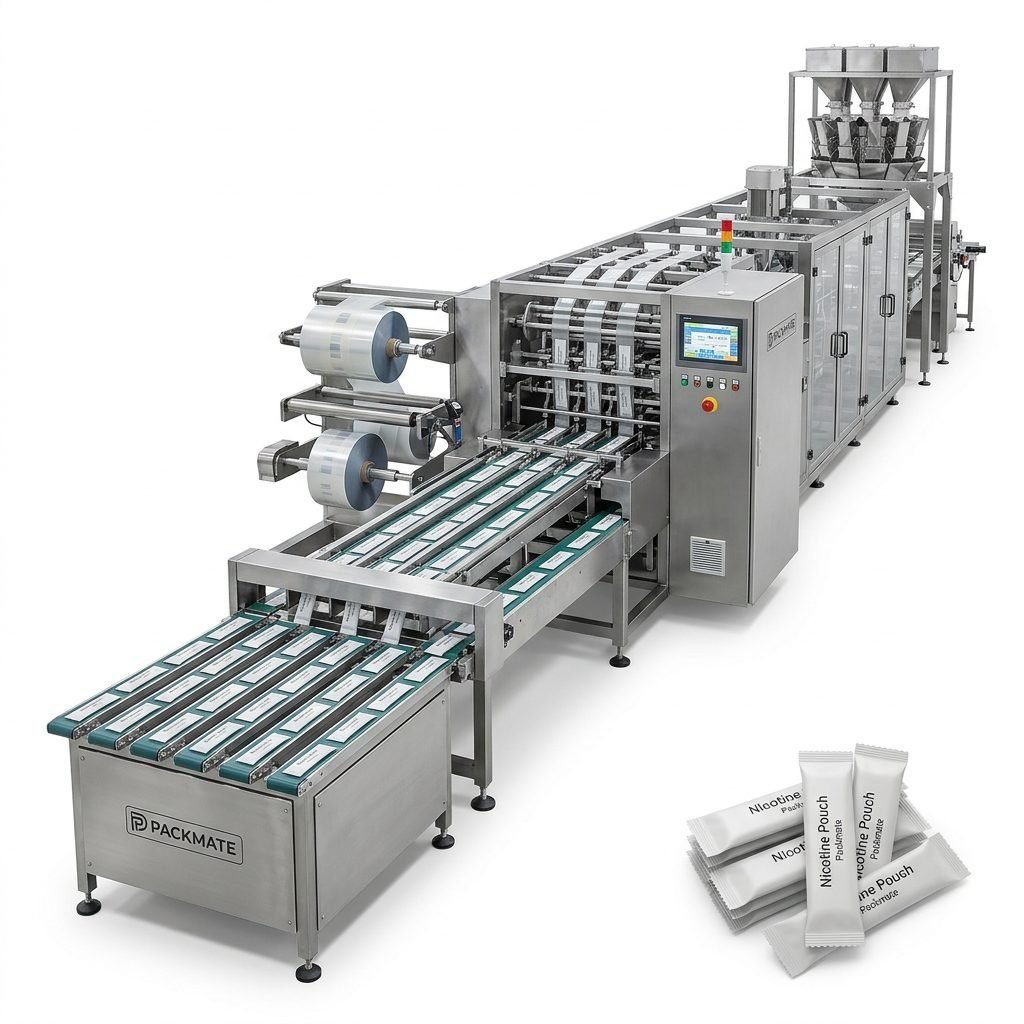
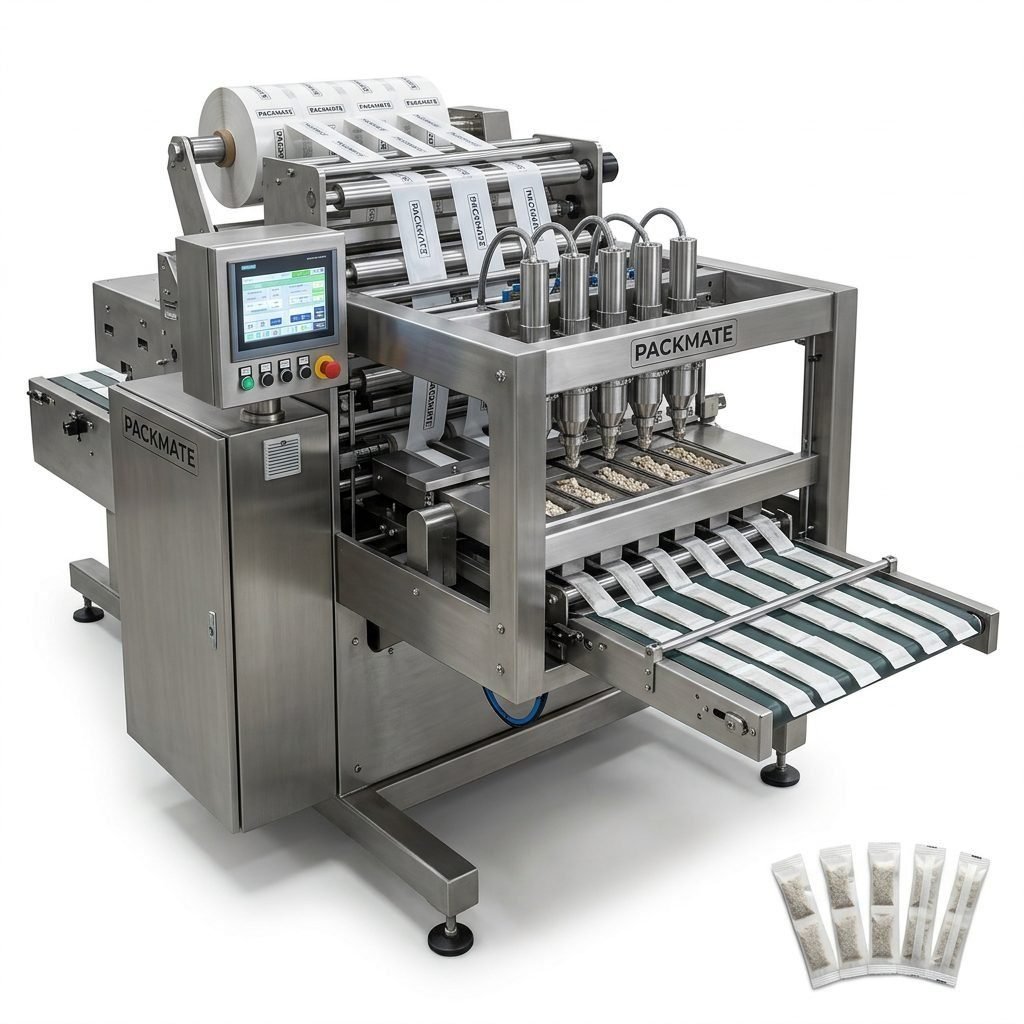
Suppliers like Packmate provide a broad range of equipment—snus/nicotine pouch packing machines, sachet & stick pack machines, and complete weighing + filling lines. If you need versatile lines for multiple SKUs and rapid changeovers, look for multi-lane systems and modular designs that adapt without major downtime. For very small-batch production in Kiribati, a compact single-lane system that is easy to maintain may be preferable.
Evaluate Supplier Experience and Factory Strength
Proven manufacturing strength matters for reliability. Packmate, as an example, has over 30 years in packaging engineering and a 20,000㎡ factory with advanced CNC machining centers, which reduces the risk of inconsistent parts or long delays. When evaluating suppliers, ask for factory photos, production capacity, and model portfolios. Expect suppliers to demonstrate a track record in snus & nicotine packaging machines and turnkey lines.
Useful pages for reference: Snus & Nicotine Packaging Machines, Sachet & Stick Pack Machines.
Certifications, Compliance and Quality Assurance
International certifications like CE and ISO signal manufacturing quality and safety. For Kiribati import and sales, you must also ensure packaging materials and product labeling comply with applicable Pacific regulations and any public health controls related to nicotine. Suppliers should provide material certificates, machine CE/ISO documentation, and test reports. Choose vendors who can support documentation for customs clearance.
Consider Environmental and Local Cultural Constraints
Kiribati’s communities place high value on environmental stewardship—single-use plastics and waste handling are sensitive topics. Seek machines that reduce waste, support recyclable pouch materials, or enable efficient portioning to minimize rejects. Also, respect local customs: business relationships often rely on trust and personal contact. Suppliers offering patient, culturally-aware onboarding and training will be more effective in the islands’ close-knit society.
⚠ Logistics & Energy Realities
• Shipping windows to Tarawa and outer islands are limited and costly. Confirm supplier experience with ocean freight, packing for long transit, and port clearance.
• Power supply may be less stable outside urban centers; check machine tolerance for voltage variation and whether stabilizers or UPS are recommended.
After-Sales Support, Spare Parts and Remote Service
In remote markets, after-sales service is the difference between an investment and a stranded asset. Prioritize suppliers who provide:
• Clear spare parts lists and fast shipping channels.
• Remote diagnostics and training via video calls.
• On-site commissioning and operator training, ideally with documentation in plain English and step-by-step visuals.
Packmate’s global turnkey solutions and exhibition presence demonstrate capacity for international after-sales; see examples at Case and company overview About Packmate.
Customization, Integration and Turnkey Projects
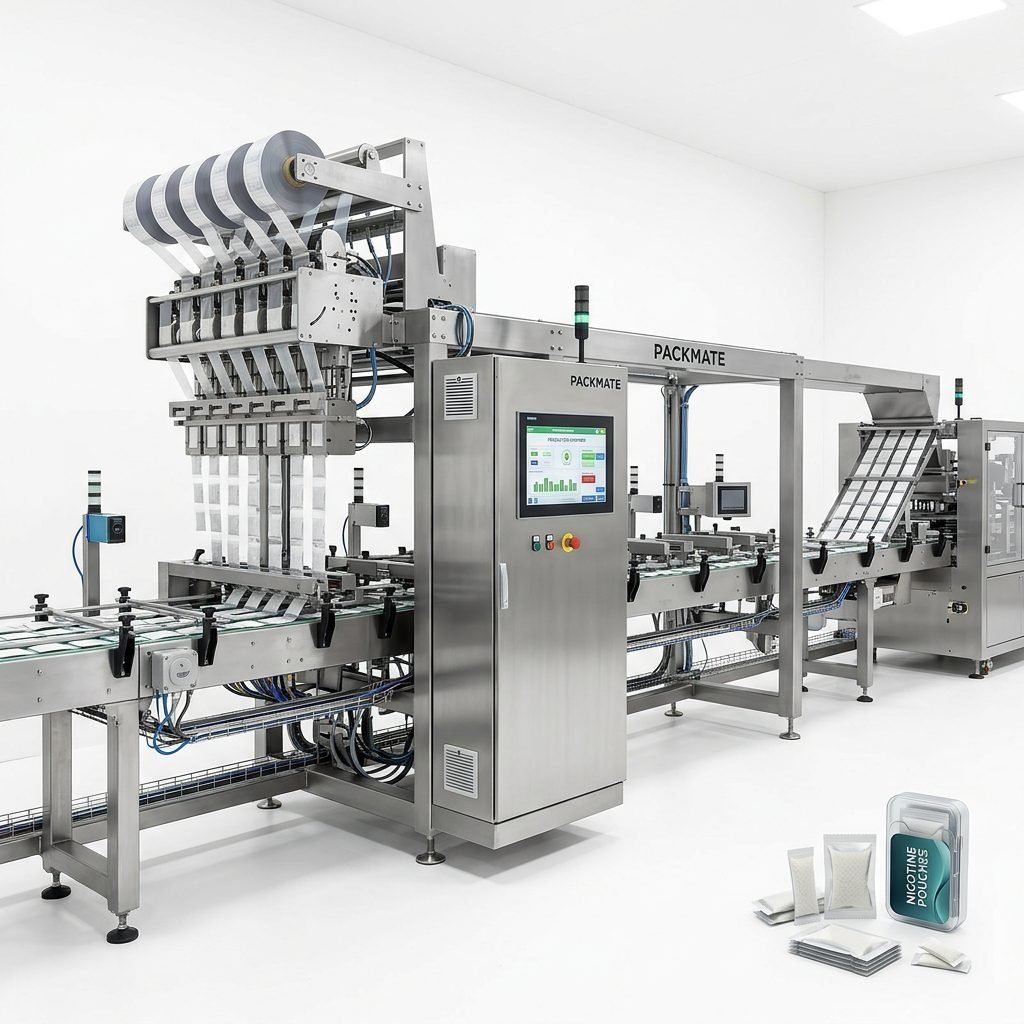
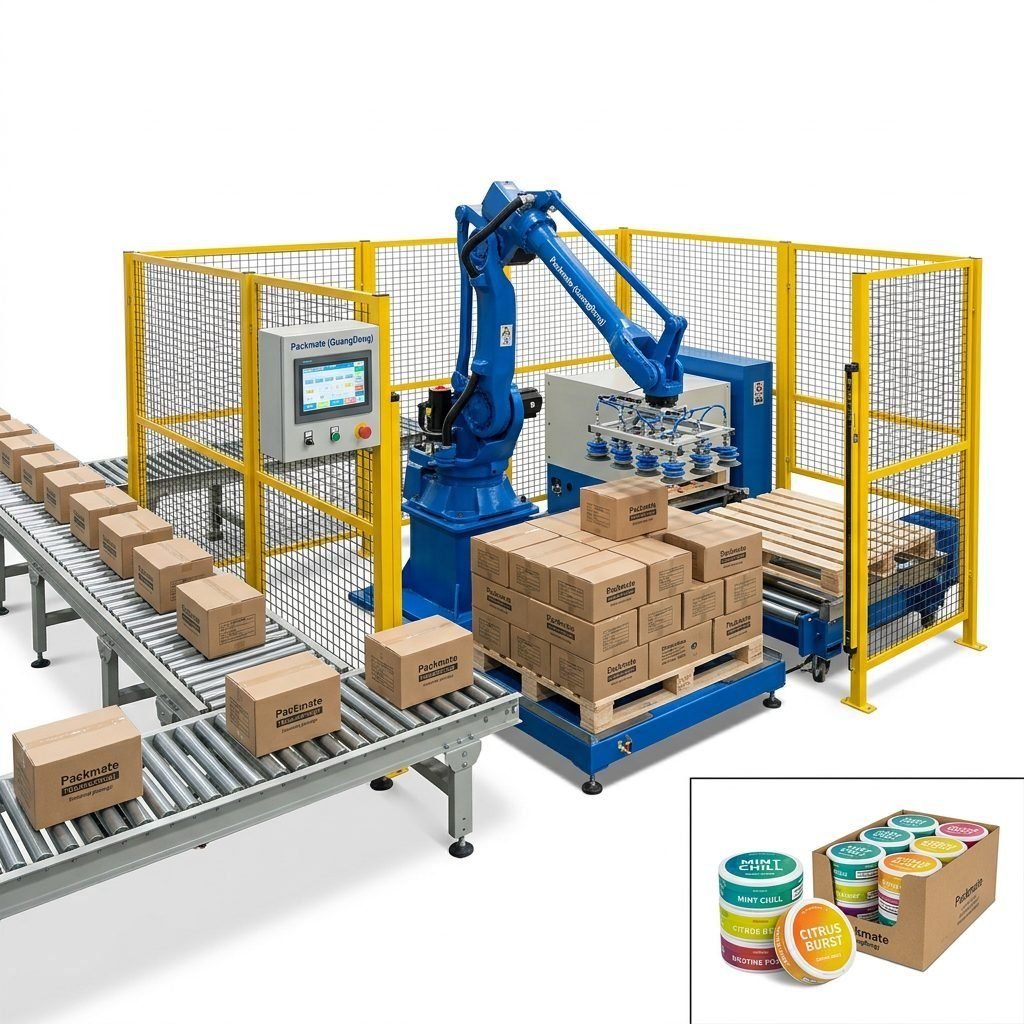
If you require specific pouch shapes, labeling systems, or integration with existing filling/weighing lines, choose a supplier offering modular customization and integration experience. Turnkey vendors can deliver a cohesive production line—filling, weighing, pouch forming, sealing, and secondary packaging—with fewer points of failure. Verify references for completed turnkey projects similar to your scope.
Financial Terms, Lead Times and Warranty
Ask for transparent cost breakdowns: machine price, accessories, testing, spare parts kits, packaging for shipment, and service terms. Lead times to ship to Kiribati can vary—confirm realistic production and shipping estimates, and consider buffer time for customs. Confirm warranty scope (mechanical, electrical) and what is covered during initial commissioning.
🔍 Practical Checklist Before You Order
• Machine model and production capacity verified against live demos.
• Certifications (CE, ISO) and material compliance provided.
• Spare parts kit and first-year recommended spares included.
• Clear shipping, insurance, and customs assistance plan.
• Training & remote support plan documented, with language considerations.
Local Training and Workforce Development
For long-term success in Kiribati, invest in operator and maintenance training. Suppliers that provide hands-on commissioning and train-the-trainer programs help your local staff maintain uptime. Cultural sensitivity in training—respectful scheduling around community obligations and clear, simple manuals—will improve retention and machine reliability.
Sourcing Case Studies and References
Request case studies or references of customers in island or remote markets. Evidence of successful installations in similar conditions shows a supplier’s ability to manage logistics and provide durable machinery. Review show footage from trade exhibitions to see live demos—exhibition participation is a strong sign of an established supplier: Our Exhibition.
Total Cost of Ownership vs. Initial Price
In island markets, lower upfront costs can be offset by high shipping, spare parts delays, and expensive downtime. Calculate total cost of ownership including parts, recommended maintenance intervals, and power consumption. Machines built with international-quality components and robust designs often reduce long-term costs and deliver better ROI.
Communications and Contractual Clarity
Ensure contracts specify delivery terms (Incoterms), acceptance testing procedures, performance guarantees, spare parts lead times, training scope, and post-installation support SLA. Clear communication and documented responsibilities reduce disputes and ensure a smoother project, especially when shipping to remote destinations like Kiribati.
✅ Why a Trusted Supplier Matters for Kiribati
• Faster problem resolution through experienced remote diagnostics.
• Better packing and transport practices to survive long sea voyages.
• Clear documentation to smooth customs and regulatory checks.
Where to Start: Practical Next Steps
1) Create a concise specification sheet describing product formats, target output, and site constraints. 2) Request quotes and lead-time estimates from multiple experienced suppliers and compare total delivered costs. 3) Ask for remote demo videos and references in similar markets. 4) Inspect certification documents and request spare parts lists and recommended initial spare kits. 5) Finalize contractual terms including training, commissioning, and warranty.
If you want to learn about full-scale filling and packaging lines or auxiliary equipment to support your operation, explore resources on Filling & Packaging Lines and Auxiliary Packaging Equipment.
Final Considerations Specific to Kiribati
Respect the local context: prioritize suppliers who demonstrate sensitivity to the islands’ environmental concerns and community dynamics. Coordinate delivery dates around seasonal shipping availability and national holidays. Ensure you have a local plan for secure storage and humidity control to avoid material degradation given the marine climate. Lastly, build a relationship with your supplier—reliable communication and mutual respect go a long way in ensuring machine uptime and sustained partnership.
Conclusion & Quick Vendor Evaluation Checklist
📦 Quick Vendor Evaluation
• Production expertise in snus/nicotine pouch packaging
• Factory strength and quality control (e.g., advanced CNC, assembly lines)
• International certifications and compliance documentation
• Clear spare parts policy, remote support, and training offerings
• Transparent total cost of ownership and reliable shipping experience
Frequently Asked Questions (FAQs)
Q1: How long does it take to get a packaging line delivered to Kiribati?
Delivery timelines depend on machine availability, customization scope, and shipping schedules. Typical lead times range from a few weeks for standard compact models to several months for fully customized turnkey lines. Add buffer time for ocean freight and customs in Kiribati.
Q2: What service should I expect after installation?
Expect commissioning, operator training, and an initial warranty period. Reliable suppliers provide remote diagnostics, spare parts lists, and options for on-site service visits. Verify the response time commitments in your contract.
Q3: Are multi-lane machines suitable for small markets like Kiribati?
Multi-lane machines increase throughput for high-volume needs but may be excessive for small local markets. Consider flexibility: modular lines that can run fewer lanes efficiently or compact systems that require minimal maintenance can be more cost-effective for island operations.
Q4: What documentation is needed for customs and regulatory compliance?
Provide invoices, packing lists, machine manuals, CE/ISO certificates, and material compliance statements. If product-specific regulations apply (e.g., labeling for nicotine products), coordinate with the supplier to ensure printed materials and packaging comply before shipping.
Q5: How do I find a trustworthy supplier for long-term partnership?
Look for suppliers with a long industry history, verifiable cases, trade exhibition presence, clear documentation, and transparent after-sales policies. Visiting a supplier or arranging a live demonstration—physical or virtual—helps validate capabilities. For comprehensive solutions, consider vendors known for snus and nicotine equipment and turnkey lines.