Choosing the right nicotine packaging machine for your production in Botswana requires a clear understanding of your product, regulatory landscape, production volumes, and long-term goals. This guide walks you through practical steps to evaluate machines, compares the main types of equipment available, and highlights the most important technical and commercial factors to ensure your investment delivers reliable output and fast return on investment.
Understanding the Botswana Market and Production Requirements
Botswana’s nicotine pouch and snus sectors are in an evolving phase. Whether you are targeting local retail chains, export markets in Southern Africa, or specialized online channels, you must align machine capability with demand forecasts. Key questions to answer early include: expected daily/weekly output, pouch sizes and weights, number of SKUs, and packaging materials. These parameters determine whether you need a single-lane, multi-lane, or a fully automated filling and packing line.
Production Volume and Flexibility
Small-batch producers may prioritize flexibility and quicker SKU changes, while larger manufacturers need high-speed multi-lane systems for consistent throughput. A practical rule: choose a machine that meets current demand and allows 20-50% capacity growth without major upgrades.
Key takeaway: Define production targets (daily packs, SKUs) before evaluating hardware. This avoids overpaying for unnecessary capacity or under-specifying equipment that requires replacement within a short timeframe.
Types of Nicotine Packaging Machines and When to Use Them
There are several machine types used for snus and nicotine pouch production. Understanding their differences helps you pick a system optimized for cost, speed, and product format.
Snus & Nicotine Pouch Packing Machines
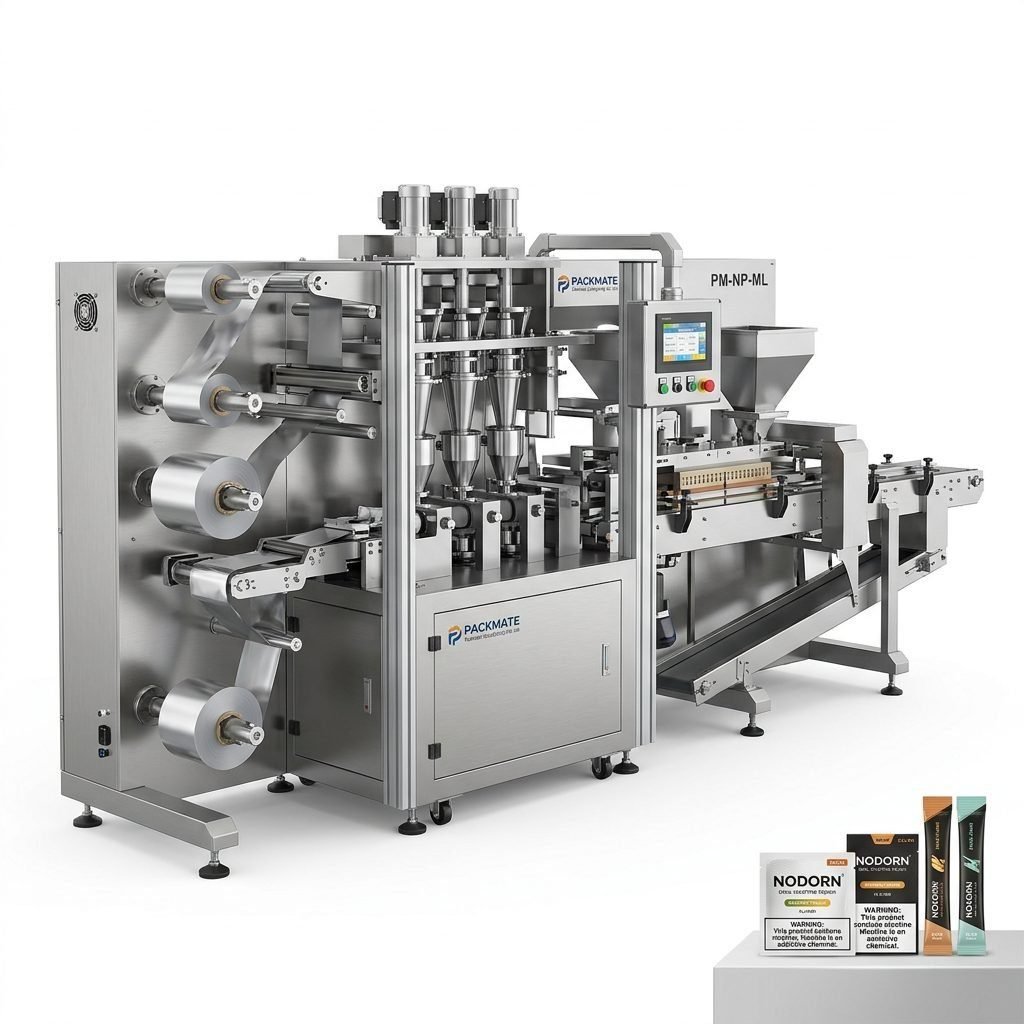
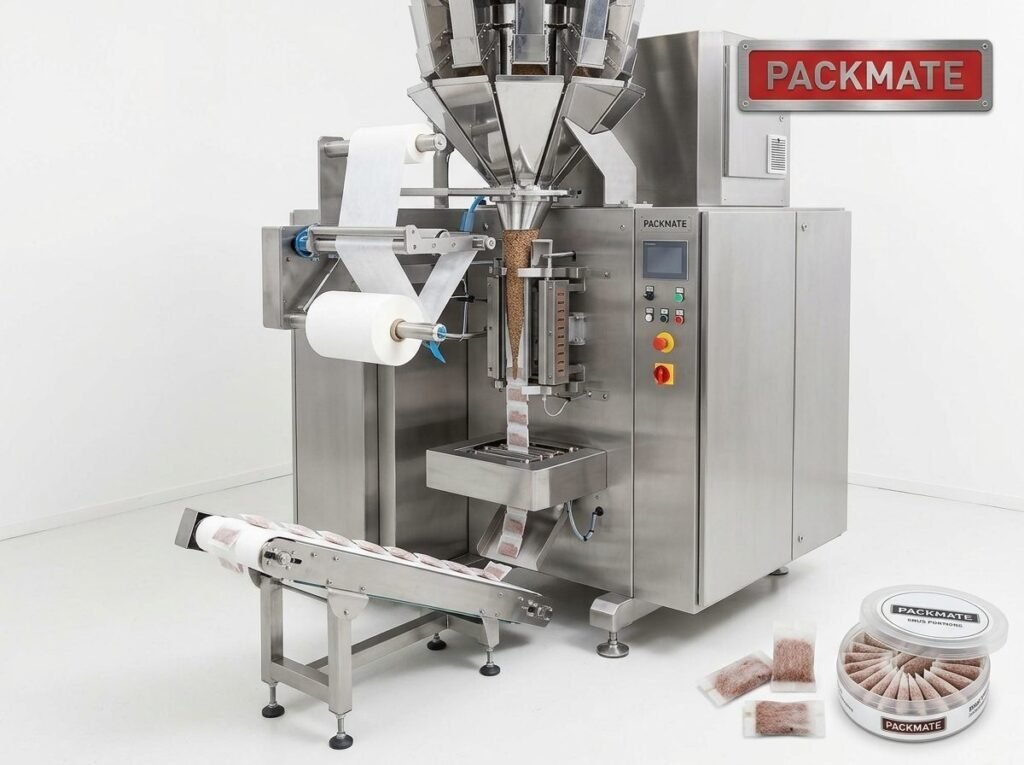
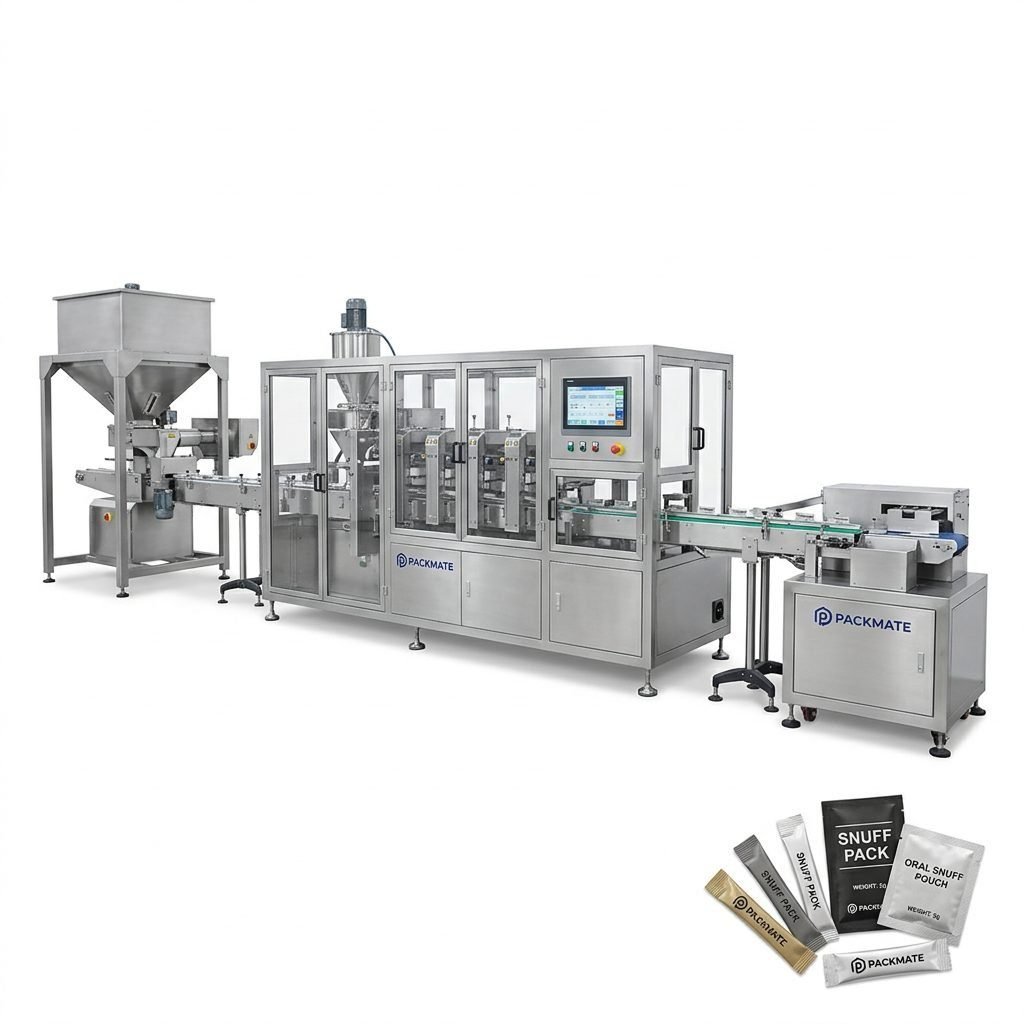
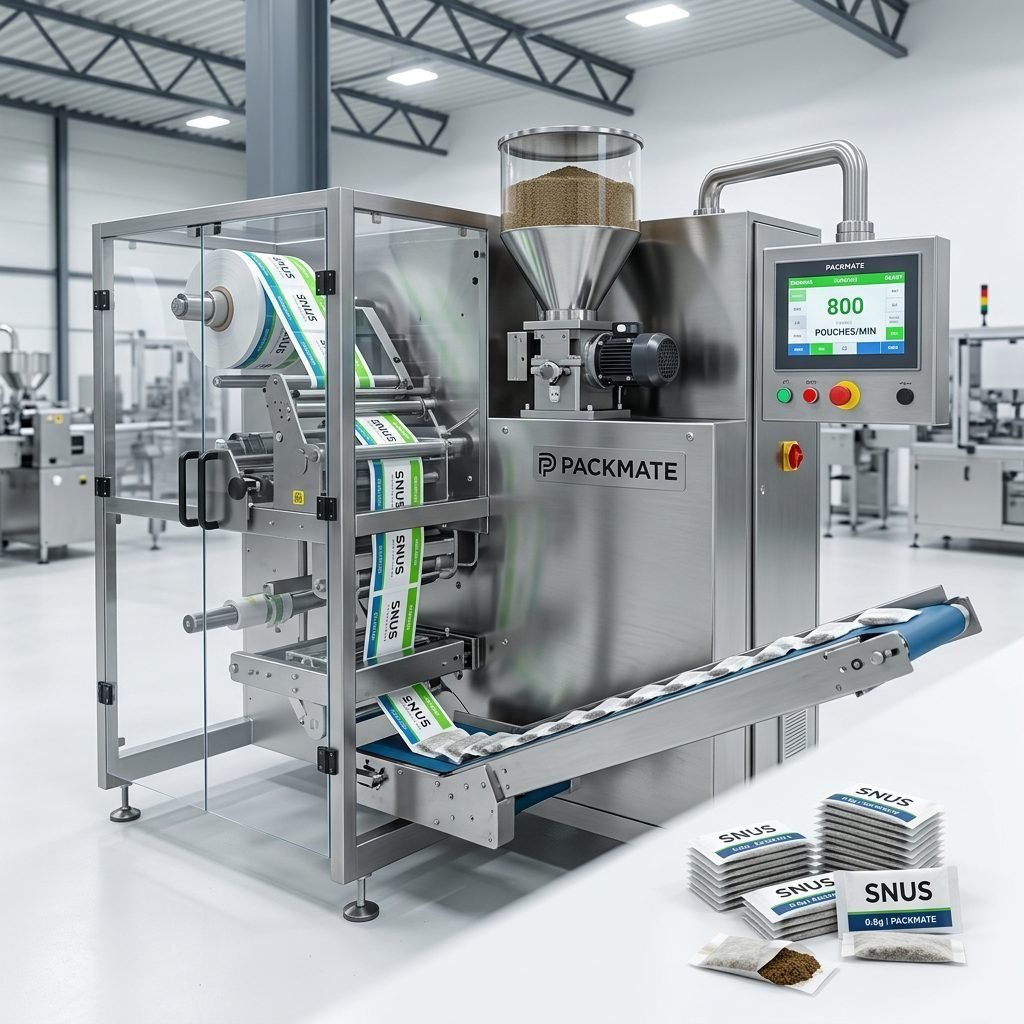
These machines are designed specifically to form, fill, and seal small non-woven or fiber pouches used for nicotine and snus. They often include pouch forming units, precise dosing feeders, and high-speed sealing systems. For specialized nicotine pouch production, consider machines tailored to delicate pouch materials and accurate micro-dosing.
Learn more about industry-specific machines: Snus & Nicotine Packaging Machines.
Sachet & Stick Pack Machines
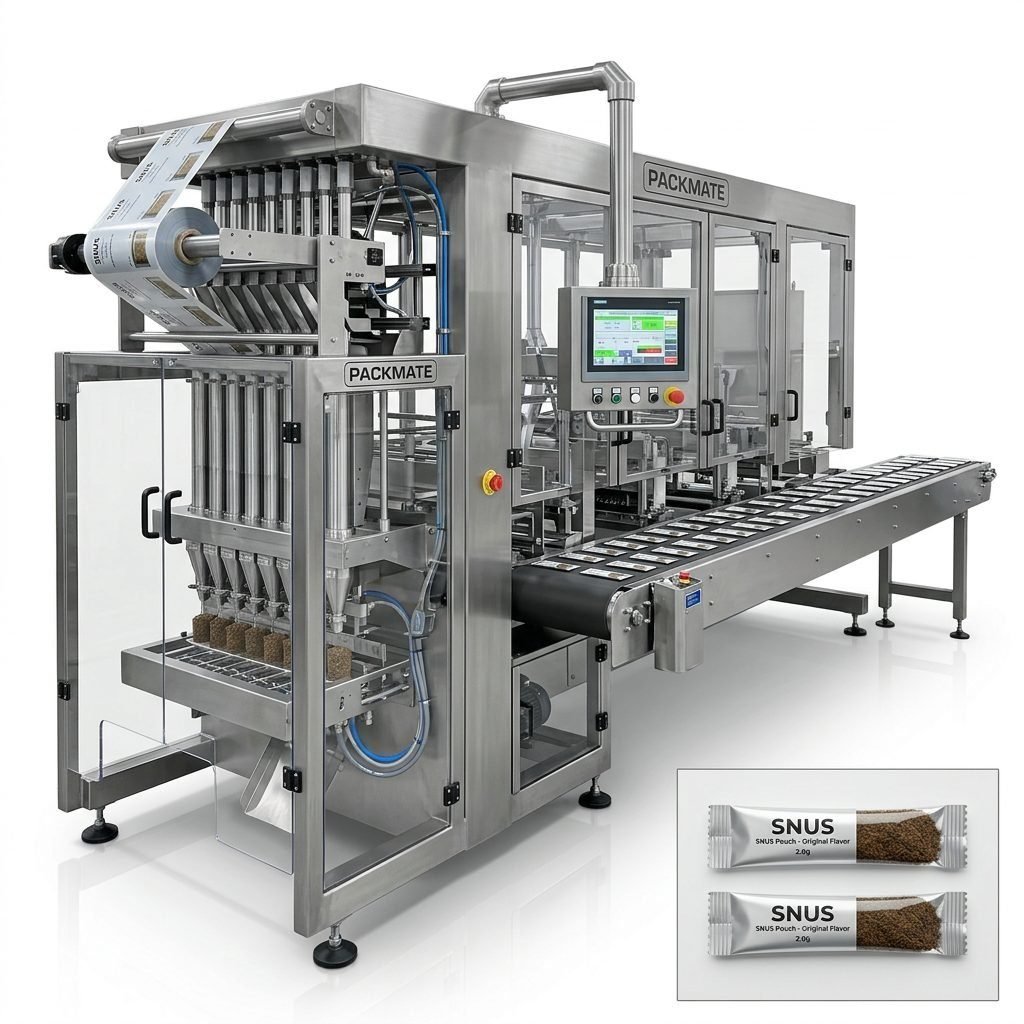
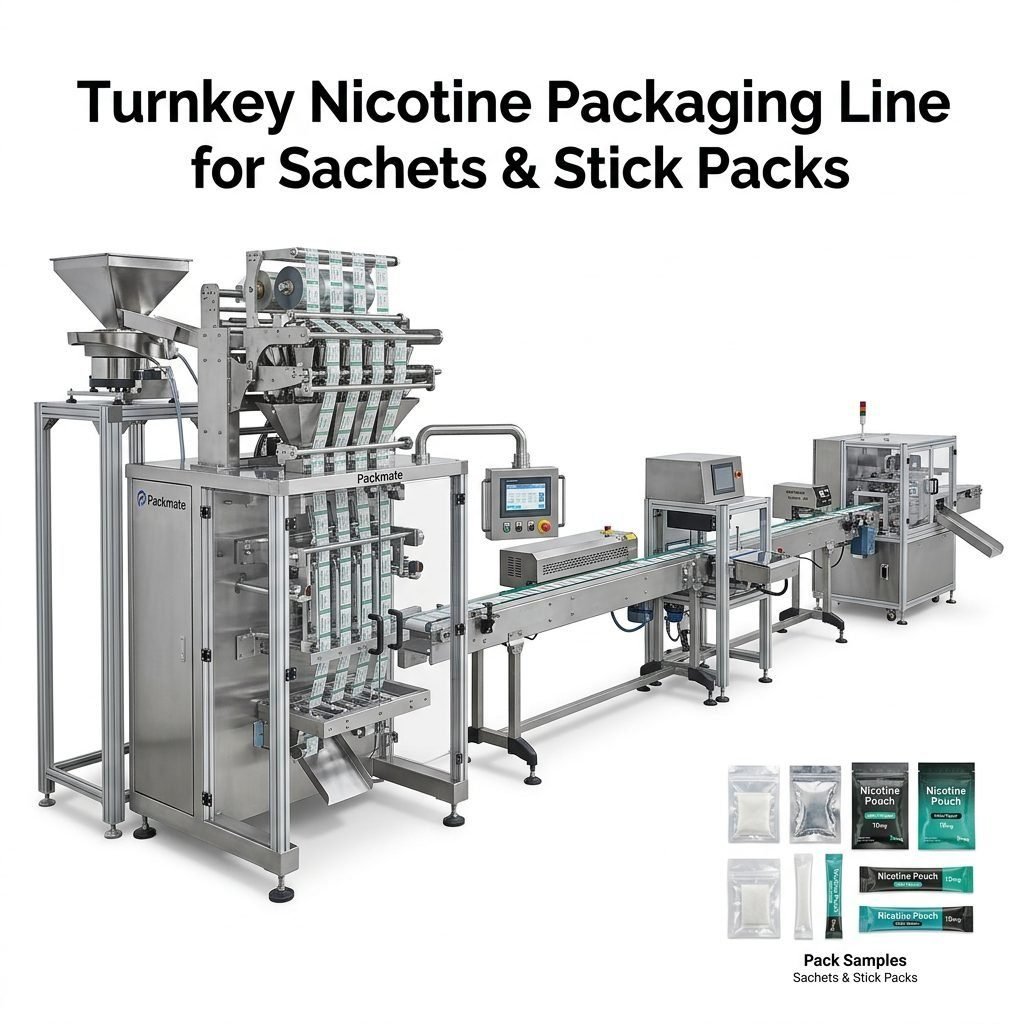
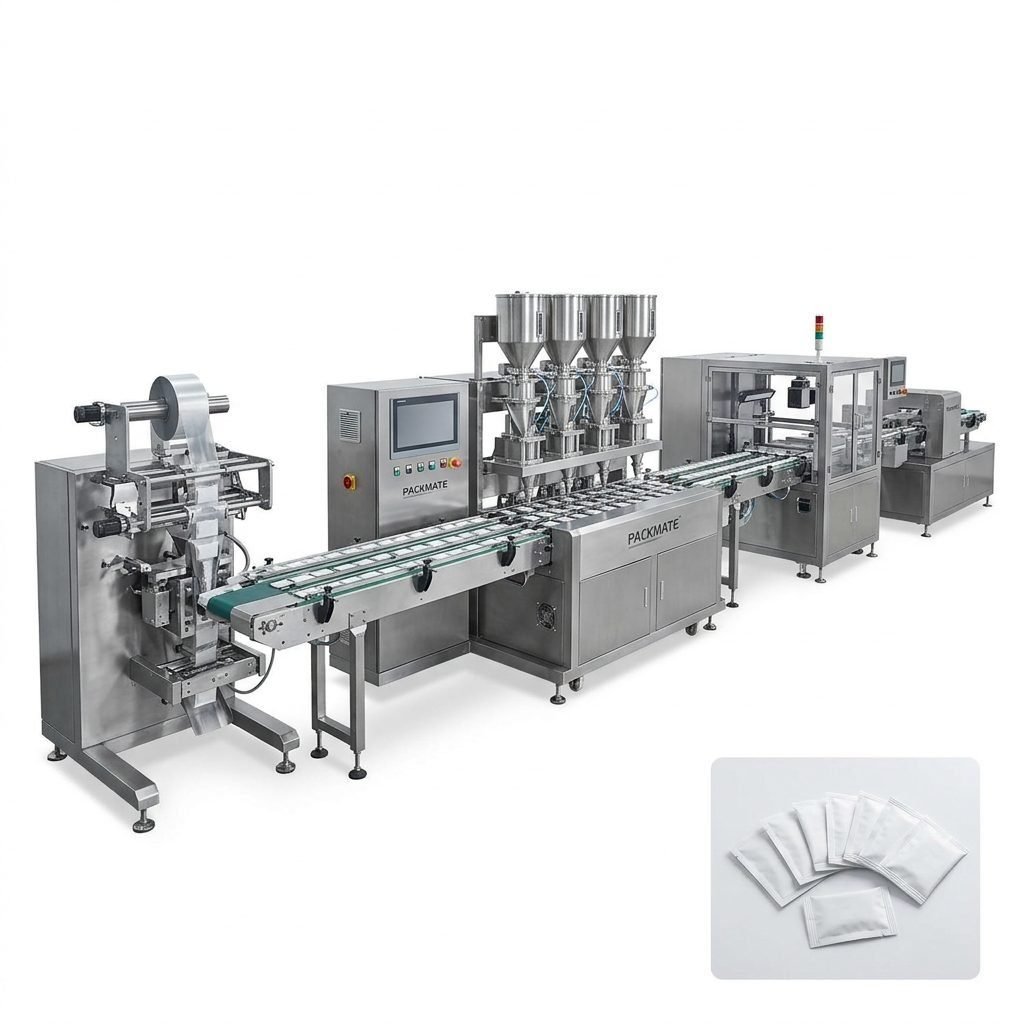
Sachet and stick pack equipment is suitable for single-dose nicotine formats and can be used for promotional or sample units. These systems excel at high-speed horizontal or vertical packaging where low material cost and high throughput are required. Consider this option when your product fits a stick or sachet format. More details: Sachet & Stick Pack Machines.
Filling & Packaging Lines (Integrated Systems)
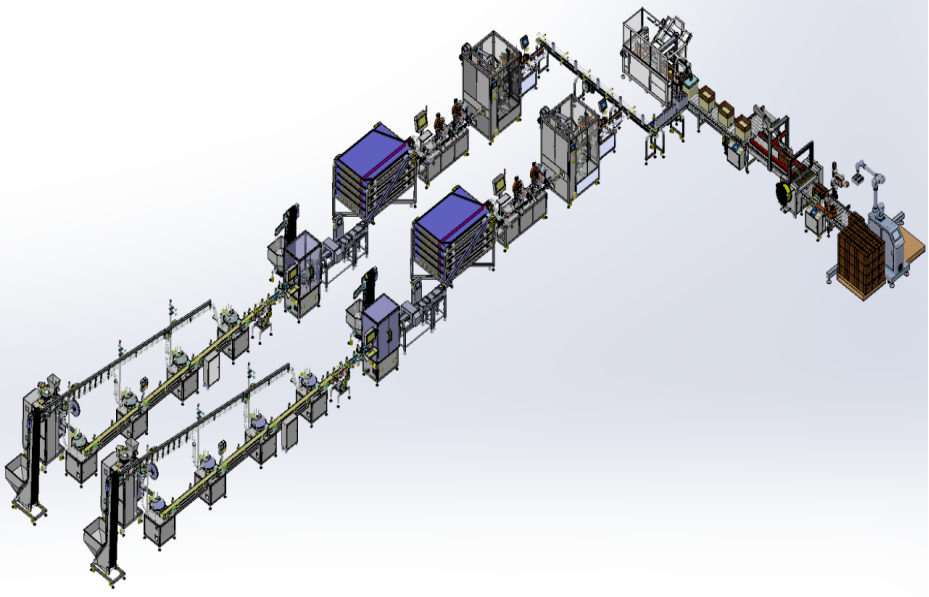
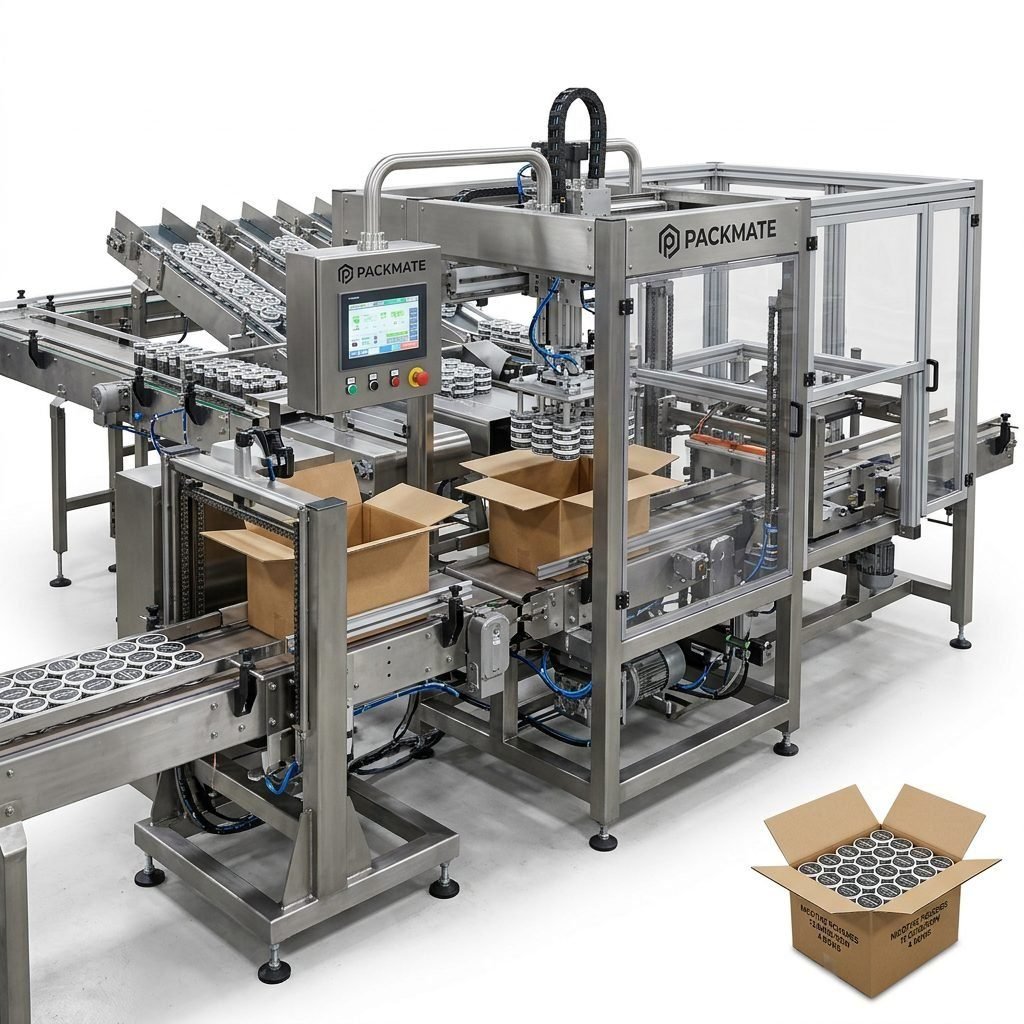
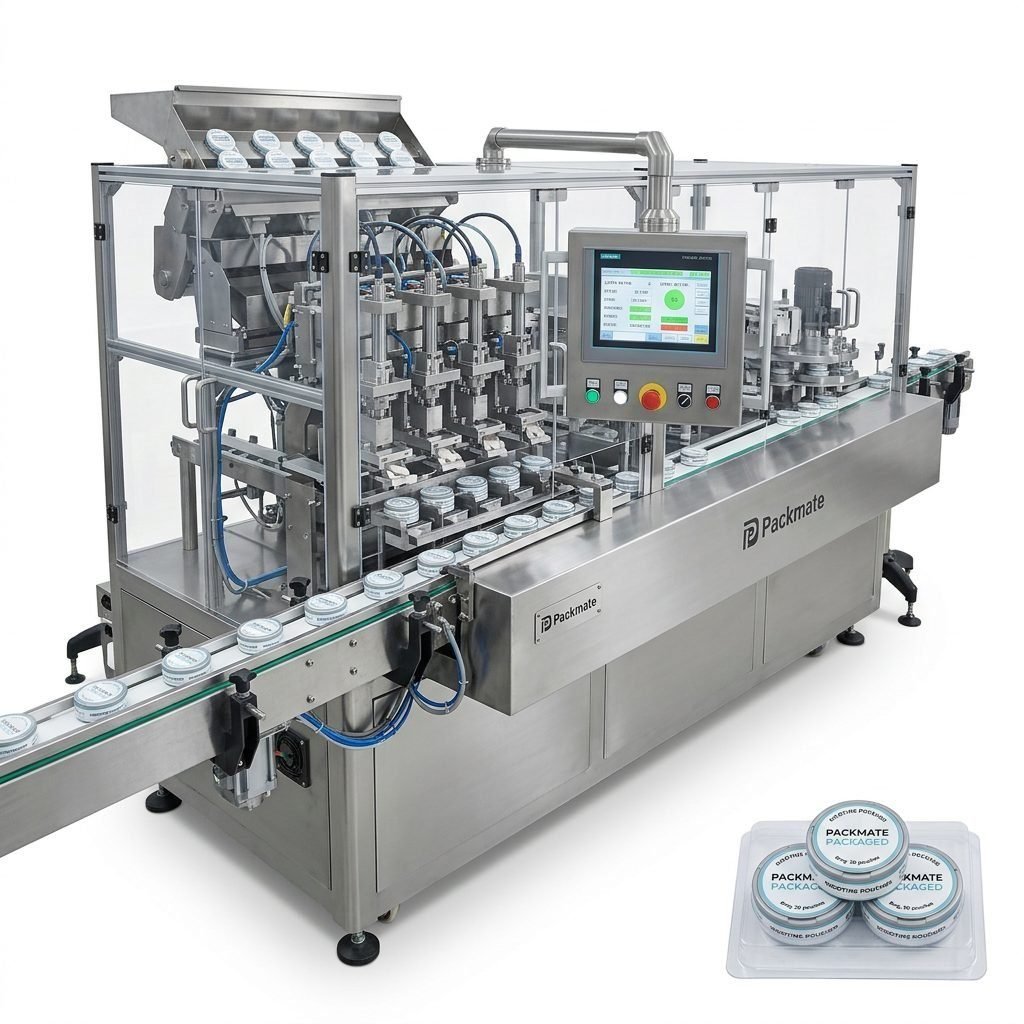
For fully automated production, integrated filling and packaging lines combine dosing, filling, sealing, cartoning, and secondary packaging. These lines reduce manual handling, improve hygiene, and deliver consistent output — ideal for medium-to-large manufacturers. See integrated options: Filling & Packaging Lines.
Practical tip: If you plan to expand product formats (e.g., from pouches to sachets), prioritize modular systems that can be upgraded with minimal downtime.
Technical Specifications to Prioritize
Evaluate machines using objective technical specifications. Prioritize the following parameters when comparing suppliers.
Dosing Accuracy and Fill Range
For nicotine pouches, dosing accuracy directly affects product consistency and regulatory compliance. Look for systems that offer precise micro-dosing with minimal variation (e.g., ±1-3%) across the target weight range.
Speed and Throughput
Match machine speed (packs per minute or lanes × speed) to your production targets. Multi-lane machines can multiply output without increasing footprint proportionally, but require careful synchronization and consistent raw material feed.
Material Compatibility and Sealing Quality
Verify compatibility with your chosen pouch material (non-woven, fiber, film). Seals must be robust to preserve product integrity and shelf life. Ask for sample runs or lab seals testing.
Hygiene, Cleanability, and Maintenance
Food-grade or pharmaceutical-compliant designs reduce contamination risk. Look for stainless-steel contact parts, easy-access panels, and simple tool-free maintenance for frequent cleaning cycles.
Checklist item: Request machine test reports, sample packs, and a demonstration video or onsite run to validate dosing, sealing, and speed before purchase.
Supplier Evaluation: Support, Certifications, and Local Service
A reliable supplier is as important as the machine. Evaluate manufacturers on engineering capability, factory capacity, certifications, and after-sales service. Packmate Snus Machine, for example, emphasizes over 30 years of industry experience, a 20,000㎡ factory, and CE/ISO compliance — factors that reduce procurement and operational risk.
Learn more about the company behind the equipment: About Packmate.
Spare Parts and Local Support
Confirm availability of spare parts, lead times, and whether the supplier offers local technicians or remote support. A strong service network minimizes downtime in Botswana, where rapid replacement of critical components is essential.
Training and Documentation
Operator training, preventive maintenance schedules, and comprehensive manuals should be part of the purchase package. Ask for digital documentation and recommended spare parts lists.
Space, Layout and Integration Considerations
Before ordering, map your factory floor. Account for raw material storage, waste streams, maintenance access, and utility requirements (power, compressed air, vacuum). Multi-lane systems require precise alignment and may need vibration-free foundations.
Important: Ensure electrical and environmental specs match Botswana utilities. Ask suppliers for recommended power conditioning or protection devices.
Cost Components and Return on Investment (ROI)
Evaluate total cost of ownership (TCO) instead of just the purchase price. TCO includes installation, shipping, customs, spare parts, maintenance, utilities, and operator labor. Calculate ROI using realistic yield, wastage rates, and sales price per pack.
Financing and Procurement Options
Consider leasing or phased equipment rollouts to manage cash flow. Some suppliers offer financing or trade terms for reputable buyers. Always verify warranty terms and service-level agreements in writing.
Real-World Examples and References
Reviewing case studies and attending exhibitions are effective ways to validate supplier claims. Packmate regularly demonstrates machines at global shows and has delivered turnkey lines worldwide — a useful reference for buyers seeking proven installations and performance data.
Explore cases and events: Case | Our Exhibition.
Decision quick-check: If a supplier can provide sample production data, spare-part lists, references, and a clear upgrade path, they should be on your short list.
Procurement and Installation Steps
Follow a structured procurement process: define requirements, request quotations, evaluate technical offers, visit factory or request video demos, agree on acceptance tests, arrange shipping and customs, and schedule installation and training.
Factory Acceptance Test (FAT) and Site Acceptance Test (SAT)
Insist on FAT with your product run before shipping. FAT reduces risks of mis-specification, while SAT validates performance in your environment. Agree acceptance criteria in the contract, including speed, dosing accuracy, and packaging integrity.
Sustainability and Waste Reduction
Choose machines that minimize material waste and support recyclable or lower-gauge packaging. Efficient dosing reduces product loss, directly improving margins and reducing environmental footprint.
Final Selection Checklist
📌 Define production targets — daily output, SKUs, and growth roadmap.
⚙️ Match machine type to format — pouch, sachet, stick pack, or integrated line.
✅ Validate dosing & sealing — request sample packs and testing data.
🛈 Confirm service & parts — lead times, local support, and training.
📈 Calculate TCO & ROI — include utilities, customs, and maintenance.
Where to Get Started
Start by preparing a requirement sheet and contacting reputable manufacturers that specialize in snus and nicotine pouch equipment. Consider suppliers with demonstrated turnkey capabilities and industry certifications. For more technical products and turnkey offerings, review supplier portfolios and request demonstrations.
Useful resources: Snus & Nicotine Packaging Machines | Sachet & Stick Pack Machines | Filling & Packaging Lines.
Conclusion
Selecting the best nicotine packaging machine in Botswana depends on a balanced assessment of production goals, technical specifications, supplier reliability, and long-term costs. Prioritize dosing accuracy, sealing quality, and service support. Use factory acceptance tests and real-product trials to validate performance before finalizing your purchase. A well-chosen machine streamlines production, reduces waste, and positions your business for scalable growth.
Frequently Asked Questions
Q1: What is the best machine type for low-volume nicotine pouch production?
A1: For low-volume and high-flexibility needs, a single-lane snus/nicotine pouch machine or a sachet/stick pack system is often ideal due to lower initial cost and easier SKU changes.
Q2: How important is dosing accuracy for nicotine pouches?
A2: Extremely important. Accurate dosing ensures compliance, consistent product performance, and controls nicotine content per unit. Aim for systems that can maintain low variance across batches.
Q3: Should I buy a modular system or a fully integrated line?
A3: Modular systems offer flexibility and lower initial investment; integrated lines reduce manual handling and are better for high-volume, consistent production. Decide based on current volume and planned expansion.
Q4: What after-sales support should I expect from a reputable supplier?
A4: Expect training, spare parts availability, remote diagnostics, scheduled maintenance guidance, and prompt technical assistance. Verify warranties and service SLAs before purchase.
Q5: How can I verify a supplier’s claims before buying?
A5: Request FAT with your product, ask for video demonstrations, review case studies, check certifications (CE, ISO), and speak to references who have similar installations.