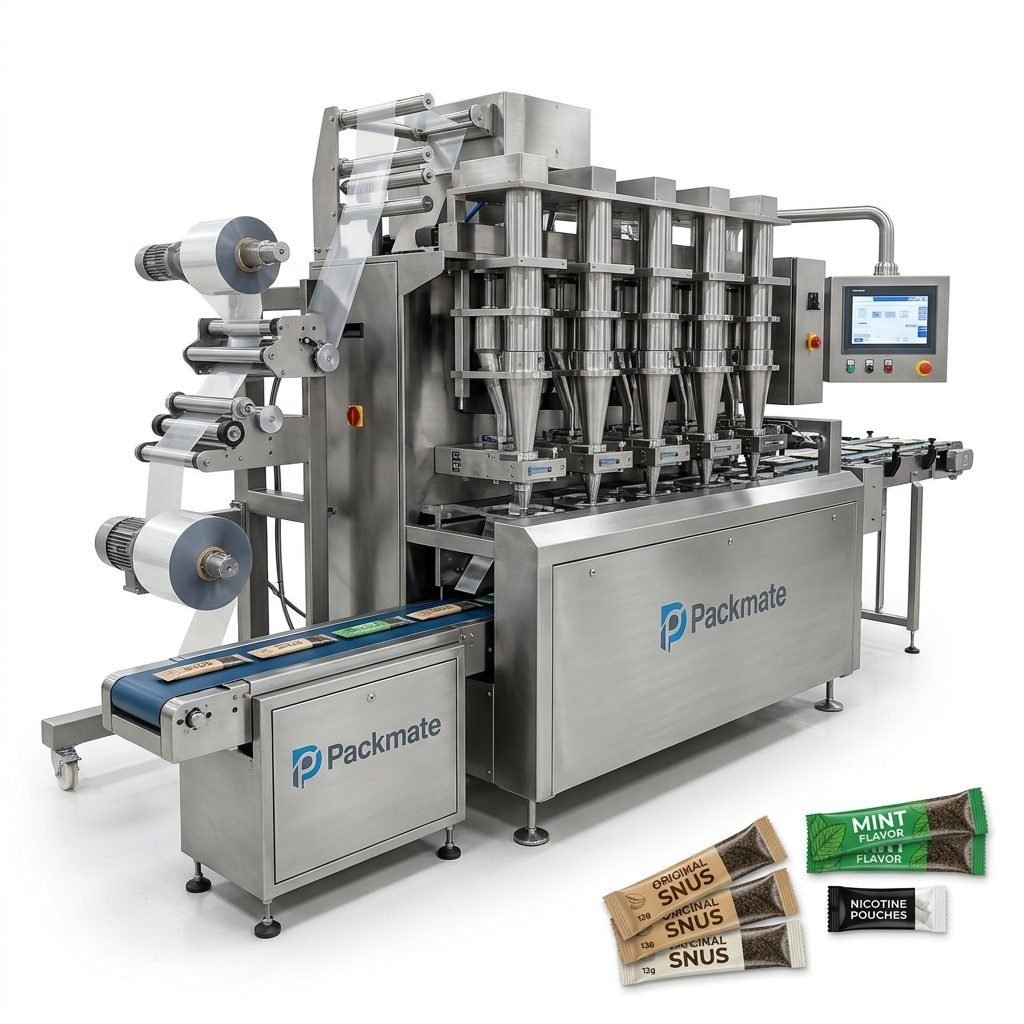
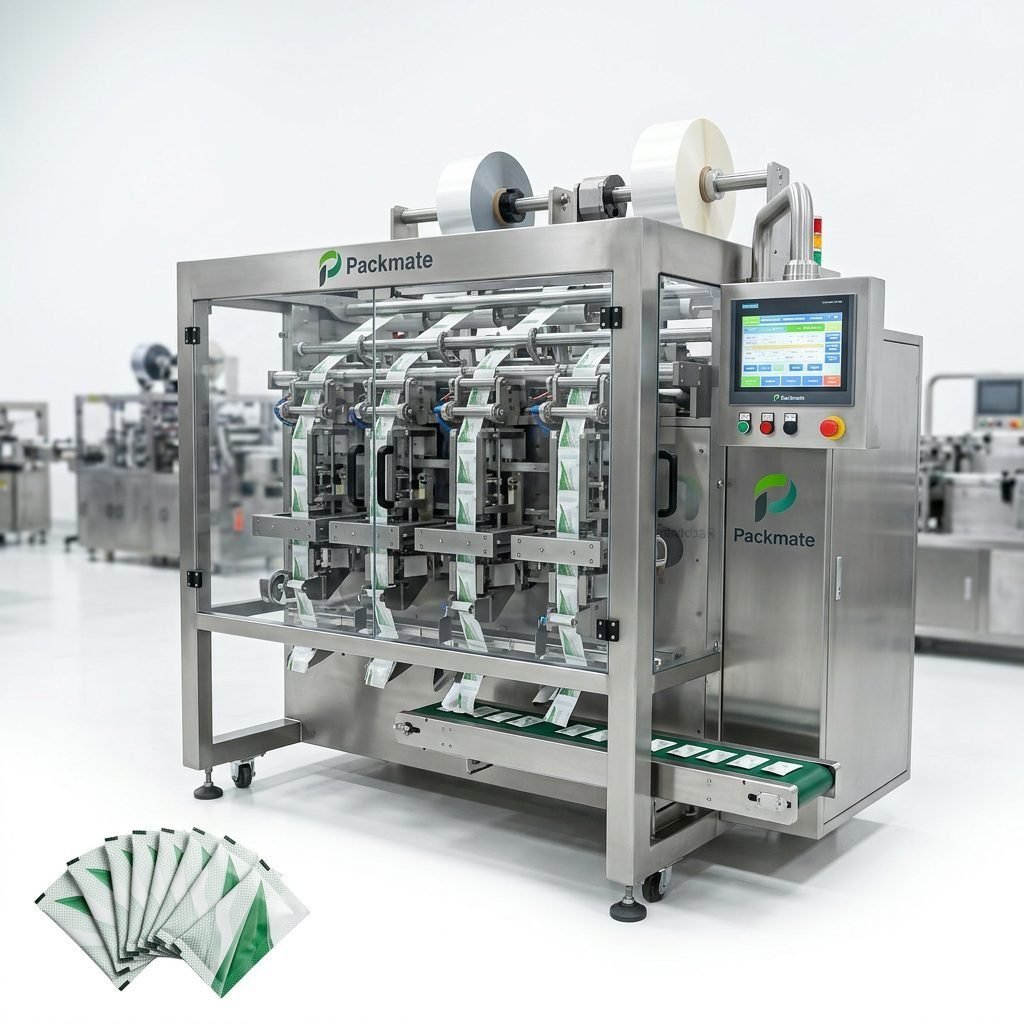
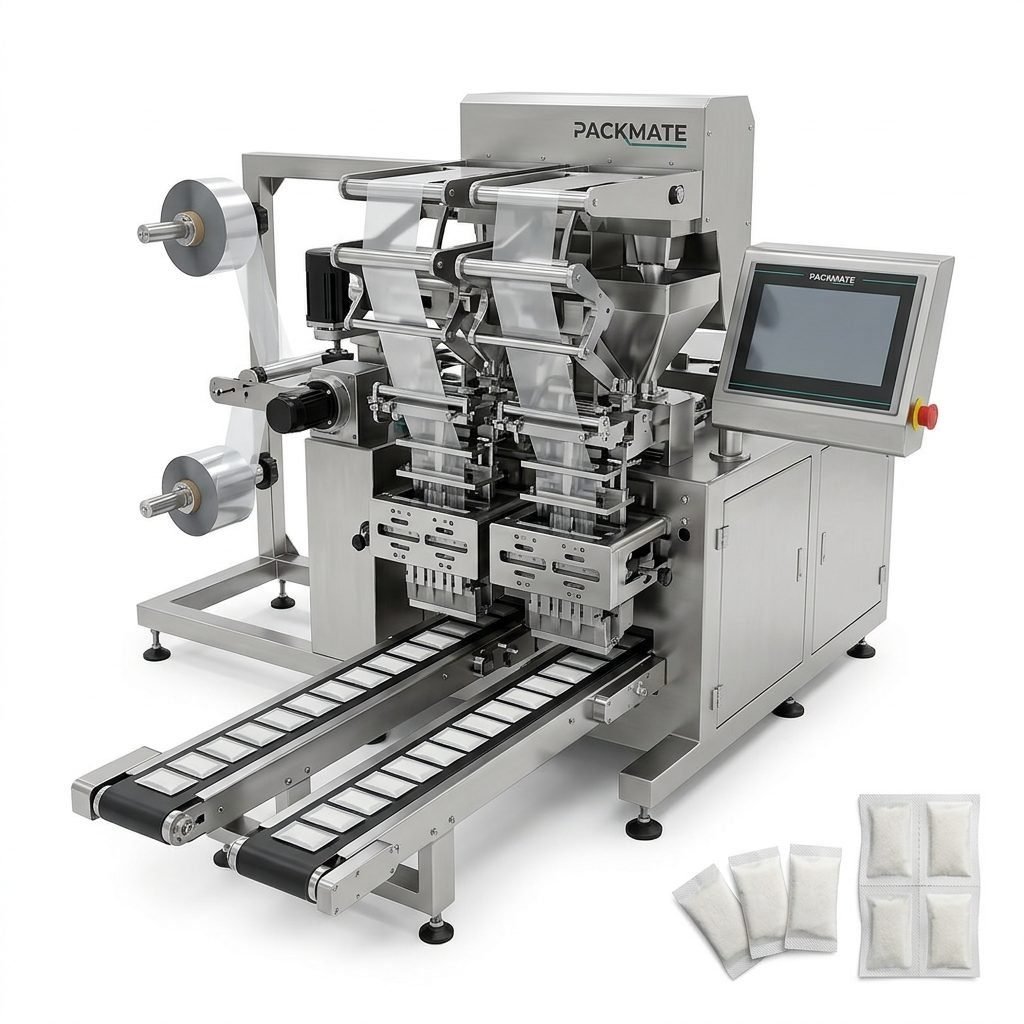
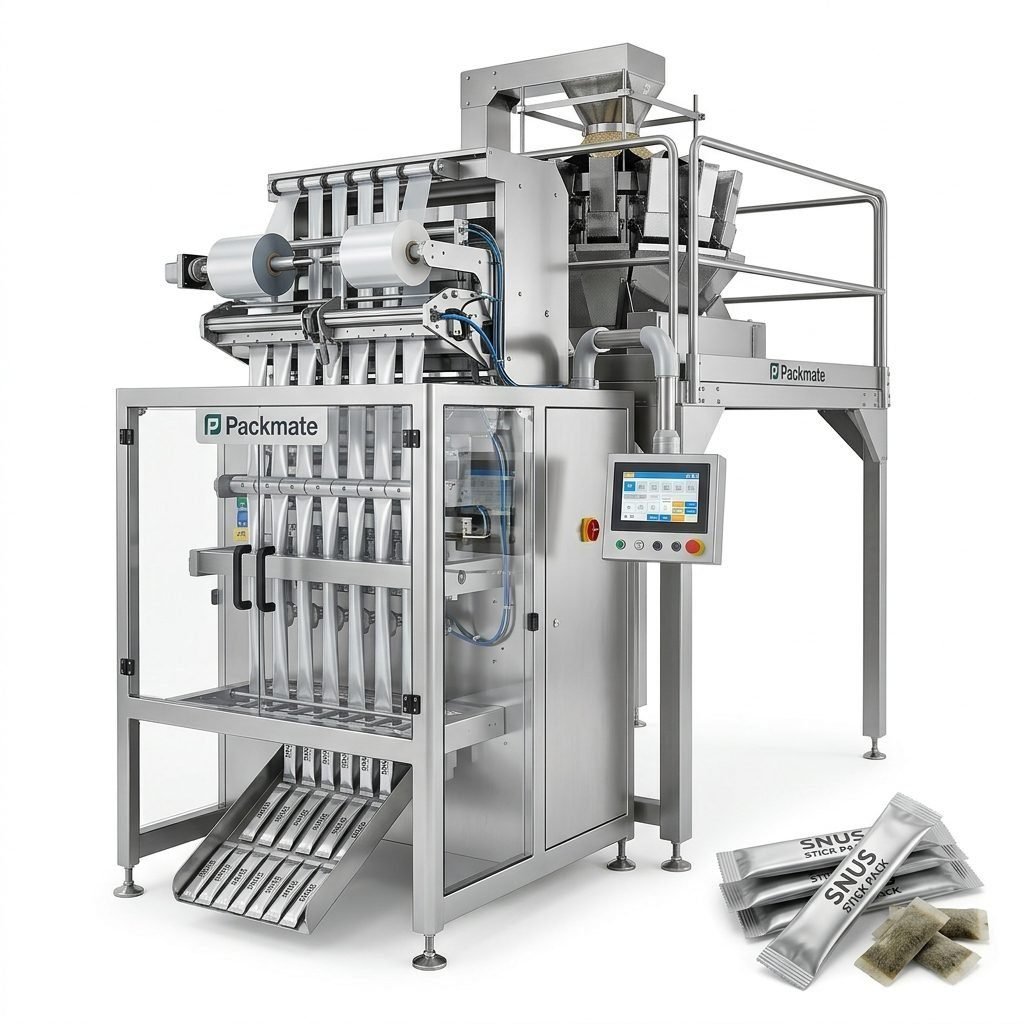
Choosing the right nicotine packaging machinery manufacturer in Ukraine can make or break your production plans. Whether you’re launching a nicotine pouch brand or scaling an existing operation, the right partner delivers consistent output, regulatory compliance, and long-term service. This guide walks you through the practical criteria, inspection checklists, and negotiation tips that will help you select the best manufacturer for your business needs.
Understand Your Production Needs
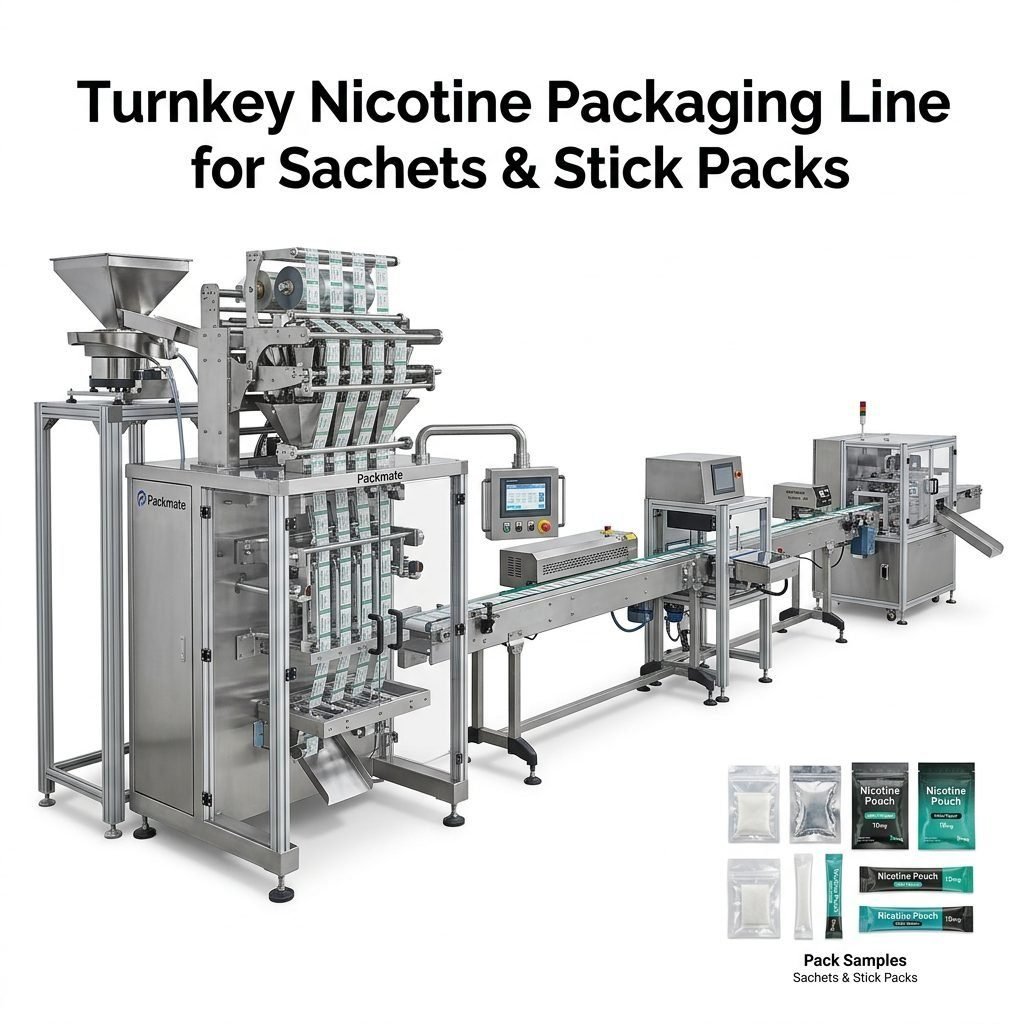
Start by documenting your product specifications and projected volumes. Key variables include pouch format (single-lane, multi-lane), filling tolerance for small-dose nicotine pouches, target speed (pouches per minute), and packaging types (stick pack, sachet, multi-lane snus pouches). These define the machine class you need and help avoid overpaying for unnecessary features.
Checklist: What to record
• Target annual output and peak shift capacity
• Pouch dimensions, weight range, and acceptable variation
• Desired automation level: manual feed vs. fully automatic lines
• Integration needs: weighing, dosing, conveying, and case packing
Evaluate Manufacturer Expertise and Track Record
Experience matters for nicotine and snus packaging because small doses and hygroscopic materials require precision. Look for manufacturers with a proven history in nicotine pouch equipment, multi-lane systems, and turnkey lines. A strong supplier will show documented case studies, product catalogs, and references from global clients.
Packmate Snus Machine, for example, specializes in snus and nicotine pouch packaging and provides a wide range of solutions from stick pack to multi-lane systems. You can review their technology and product range on their Snus & Nicotine Packaging Machines page: Snus & Nicotine Packaging Machines.
Questions to ask manufacturers
• How many years have you supplied nicotine pouch lines?
• Can you provide case studies or client references in Europe?
• Do you offer on-site trials, FAT (Factory Acceptance Test), or video demos?
• What is your average lead time from order to delivery?
Quality, Standards and Certifications
Machines used in nicotine production must meet high safety and hygiene standards. Ask for CE, ISO, and any industry-specific certificates. Quality systems in manufacturing—such as precision CNC machining and rigid QA—reduce breakdowns and maintain long-term accuracy for small-dose fills.
Check the manufacturer’s certification pages and factory credentials. For instance, Packmate highlights CE and ISO compliance and a robust factory setup in their Certificate and About pages: Certificate | About Packmate.
Production Capacity and Factory Facilities
Inspect the factory capabilities: CNC centers, assembly lines, and test labs. A modern facility with multiple models and dedicated assembly areas ensures consistent quality. Confirm spare parts inventory and standard lead times for replacement components.
If possible, visit the factory or request a live virtual tour. Verify the availability of skilled technicians and the presence of a dedicated R&D team that can customize tooling and control systems for unique product formats.
Customization and Turnkey Solutions
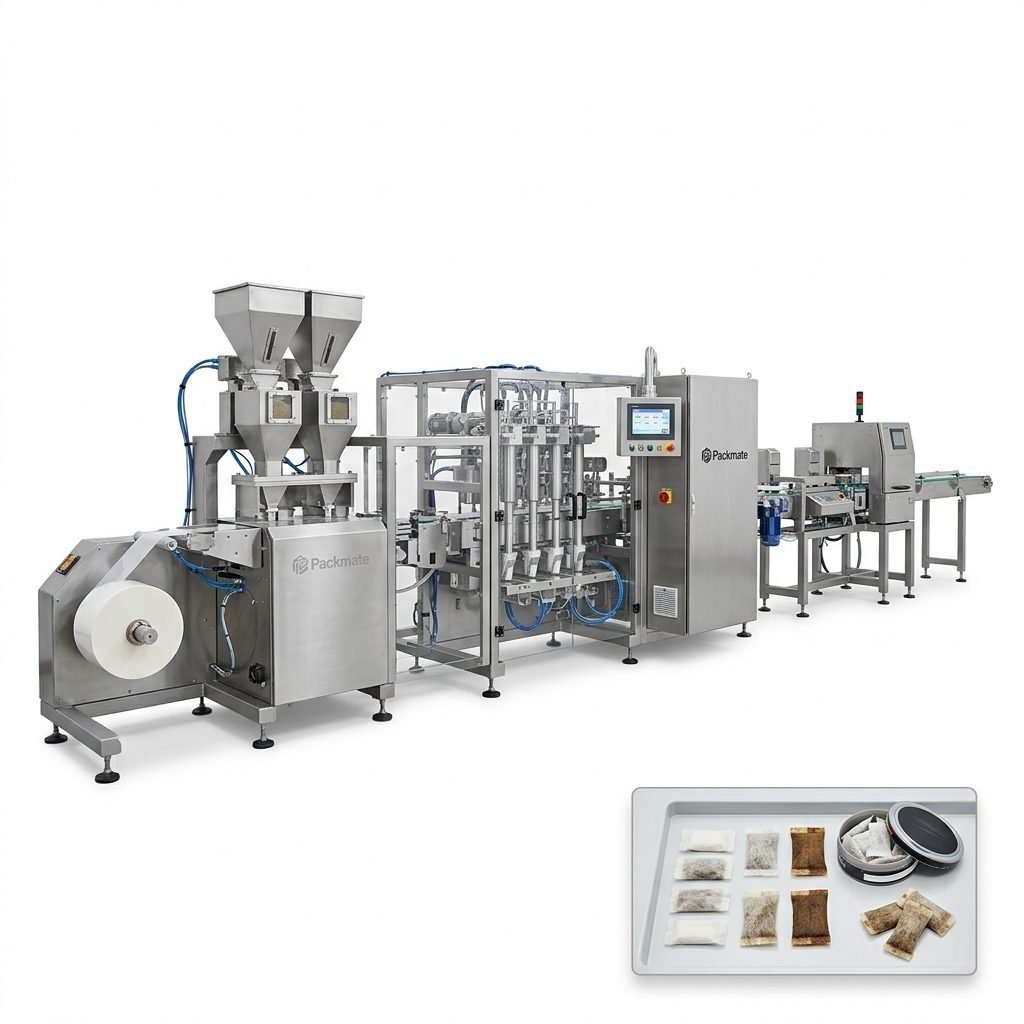
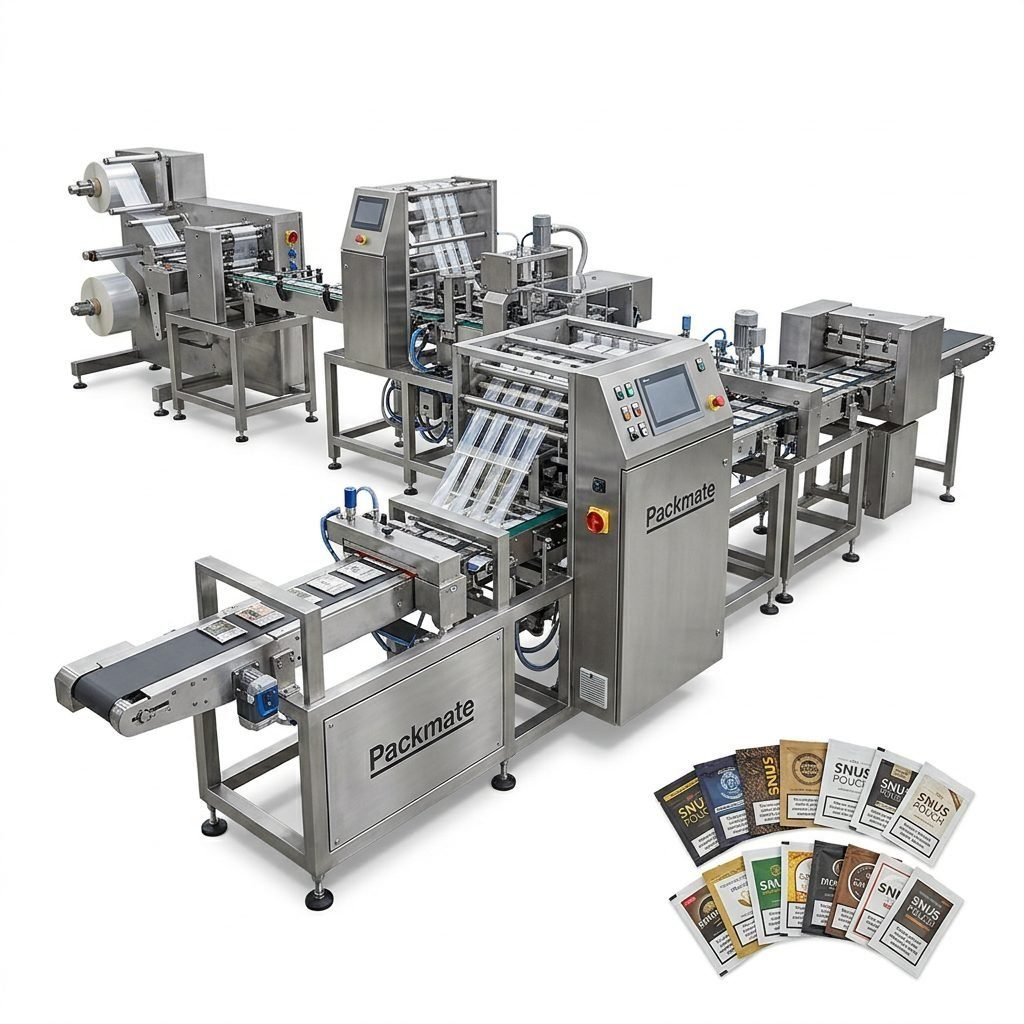
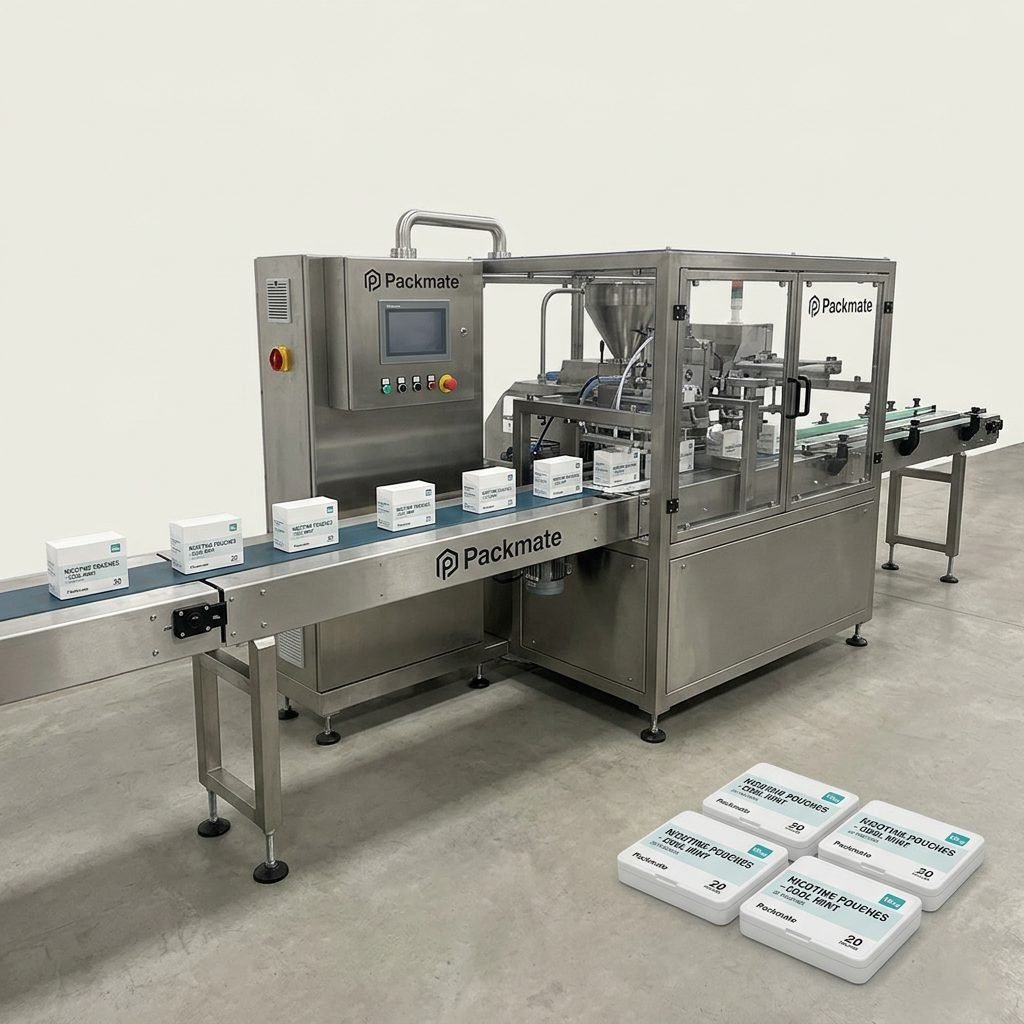
Some businesses need more than a stand-alone machine—consider turnkey lines that integrate weighing, filling, packaging, and secondary packing. Manufacturers that offer complete lines can optimize handoffs between stations and validate full-line performance.
Explore the supplier’s product range to ensure they cover auxiliary equipment like weighing systems, stick pack, sachet machines, and case packers. Packmate provides a comprehensive set of product pages including Bag & Pouch Packaging Machines and Weighing & Packaging Systems: Bag & Pouch Packaging Machines | Weighing & Packaging Systems.
After-Sales Support, Training and Spare Parts
After-sales is where long-term value is realized. Confirm service contracts, remote support capability, spare parts availability, and the cost/time to dispatch technicians to Ukraine. A manufacturer with global service centers or rapid remote diagnostics preserves uptime.
Ask about operator training programs, maintenance manuals, and recommended spare parts lists. Manufacturers that provide on-site commissioning and staff training reduce early-life failures and ensure your team operates the line efficiently.
Service checklist
• Typical response time for service calls
• Remote troubleshooting tools and software support
• Availability of consumables and critical spares
• Training scope and documentation language
Regulatory Compliance and Product Safety
Nicotine products face regulatory scrutiny in many markets. Ensure machinery is designed to avoid cross-contamination, allow hygienic cleaning, and produce consistent fills within specification. Ask if the manufacturer supports documentation for regulatory audits and traceability.
Pricing Structure and Total Cost of Ownership (TCO)
Price is a major factor but don’t focus solely on purchase price. Consider TCO: energy consumption, spare parts, maintenance intervals, expected uptime, and operator productivity. A cheaper machine with frequent downtime will cost more over its lifecycle.
Installation, FAT, SAT and Performance Guarantees
A reputable manufacturer will conduct a Factory Acceptance Test (FAT) showing the machine running to agreed specs before shipment. After installation, the Site Acceptance Test (SAT) should confirm performance with your actual materials. Ensure guarantees are written into the contract with clear KPIs—speed, accuracy, and rejection rates.
Logistics and Local Presence in Ukraine
Consider shipping, customs, and local support in Ukraine. Manufacturers with experience exporting to Europe and having local partners shorten lead times for parts and service. Confirm packaging methods for international shipments and whether import documentation support is provided.
If needed, ask the manufacturer for references of clients operating in Eastern Europe and review case studies to evaluate performance under similar logistical conditions. Packmate showcases global cooperation cases that demonstrate cross-border installations: Case.
Technology Roadmap and Futureproofing
Technology evolves rapidly—ensure your partner can provide future upgrades such as higher-speed modules, improved control software, and quick-change tooling. A manufacturer with active R&D can adapt the line as your product portfolio grows.
Ask about:
• Software update policies and compatibility
• Upgrade paths for additional lanes or higher speeds
• Integration with MES/ERP systems for traceability
Practical Steps to Vet a Manufacturer
1) Shortlist suppliers based on relevant experience and product fit.
2) Request detailed quotes with itemized inclusions.
3) Schedule factory visits or virtual tours; insist on FAT demonstrations.
4) Check references and live installations similar to your needs.
5) Negotiate payment terms, warranty, and service level agreements.
Also review the manufacturer’s exhibition presence to gauge industry engagement—events, live demos, and client feedback can be telling. For more on trade shows and demonstrations, see the manufacturer’s exhibition information: Our Exhibition.
Common Red Flags
• Unwillingness to provide references or FAT videos
• Vague warranty terms or short warranty windows
• No clear spare parts plan or long lead times for critical components
• Poor documentation or lack of operator manuals in your language
Final Procurement Tips
Negotiate a phased payment tied to milestones: design approval, FAT completion, shipment, and SAT. Include penalty clauses for missed delivery or underperformance. Secure a spare parts package for the first 12 months to minimize downtime after commissioning.
If you need a broad product overview to compare technologies and models, the manufacturer’s product pages cover Sachet & Stick Pack Machines and Filling & Packaging Lines that help you map features vs. needs: Sachet & Stick Pack Machines | Filling & Packaging Lines.
Making the Decision
Weight the combination of technical fit, proven performance, service capability, and commercial terms. The best partner is not always the cheapest—it’s the one providing consistent performance, strong after-sales support, and a path to scale as your brand grows.
Frequently Asked Questions
Q1: How important is FAT for snus/nicotine pouch machines?
A1: FAT is essential. It validates machine performance under controlled conditions, verifies tooling and software, and reduces surprises during onsite commissioning.
Q2: What certifications should I request from a manufacturer?
A2: Ask for CE and ISO certifications as a baseline. Also request detailed material and component certificates if you need to demonstrate compliance for regulated markets.
Q3: How long is typical lead time for a turnkey nicotine pouch line?
A3: Lead times vary by customization and capacity. Expect timelines from a few months for standard models to 6–12 months for highly customized turnkey lines. Confirm during quotation.
Q4: Can manufacturers support remote troubleshooting in Ukraine?
A4: Many modern suppliers offer remote diagnostics and software support. Confirm the level of remote assistance and parts availability before purchase.
Q5: Where can I find detailed product catalogs and support information?
A5: Manufacturer websites typically host catalogs, service pages, and FAQs. For an example of a full-service provider with catalog and service options, see Packmate’s Catalog and Service pages: Catalog | Service.
If you’re ready to evaluate suppliers, prepare a clear technical brief and invite shortlisted vendors to present FAT evidence and references. This structured approach will help you confidently select the best nicotine packaging machinery manufacturer for your business in Ukraine.
For further contact and direct inquiries, consult the manufacturer’s contact page: Contact Us.