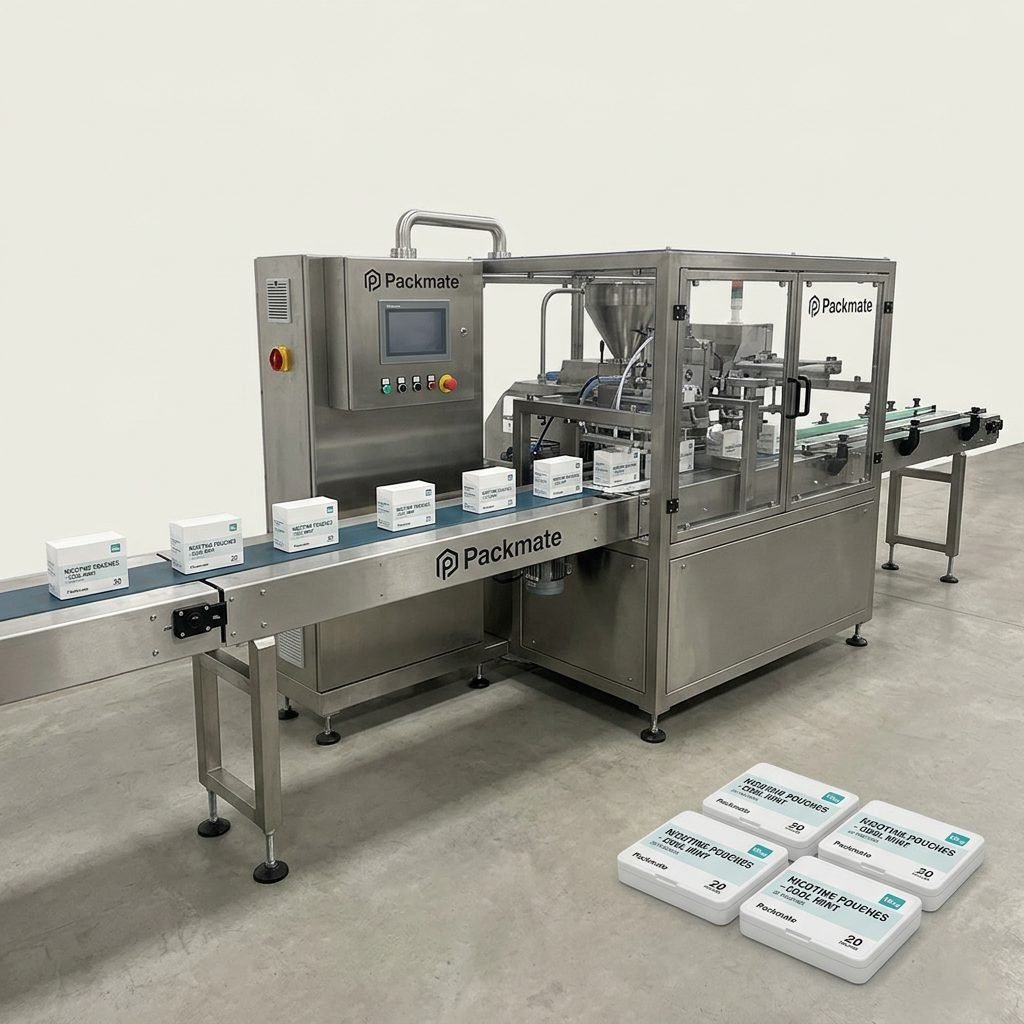
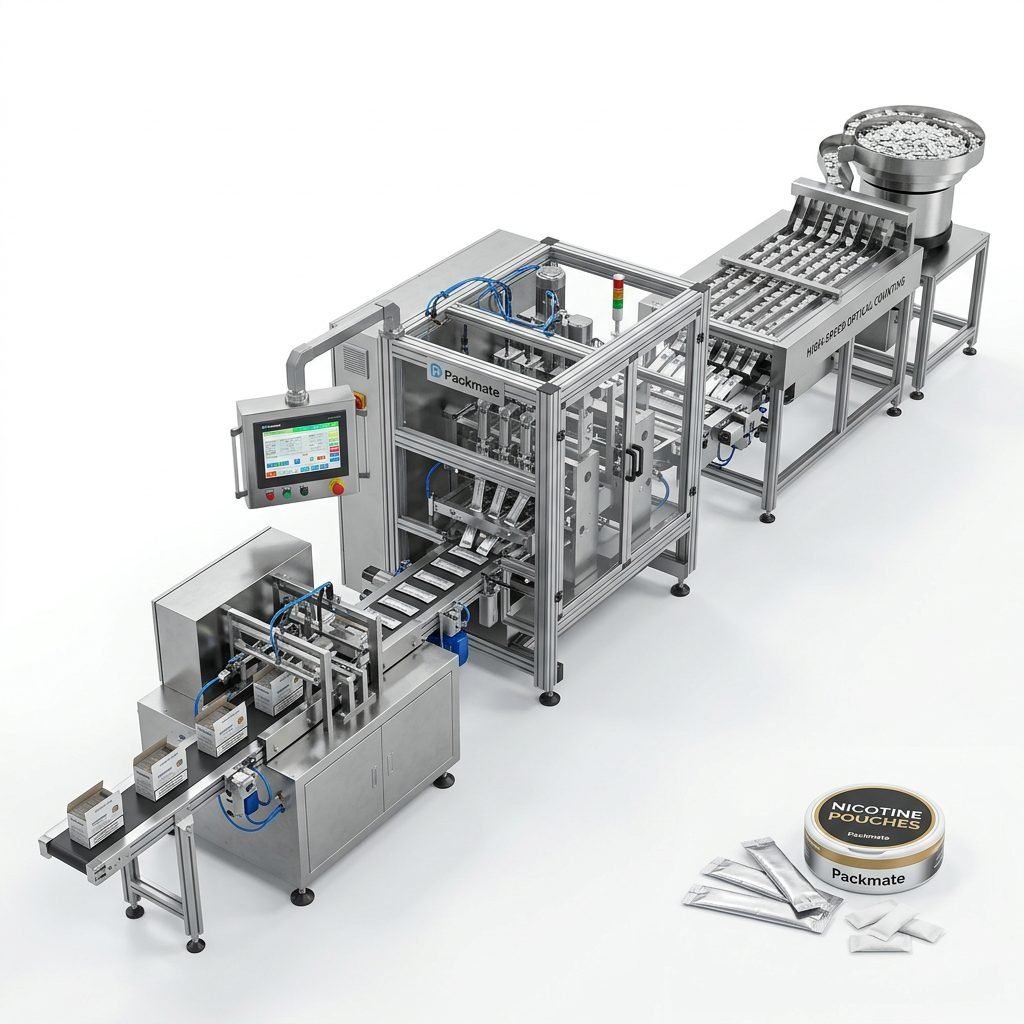
Choosing the right nicotine packaging machinery for your operation in Romania is a strategic decision that impacts product quality, regulatory compliance, and long-term profitability. This guide walks you through practical steps, key technical criteria, supplier selection, and real-world considerations to help you select a machine that fits your production goals—whether you’re scaling from pilot runs to full-scale manufacturing or upgrading to multi-lane automated lines.
Understand the Romanian Market & Regulatory Landscape
Romania’s market for snus and nicotine pouches is evolving rapidly. Before investing, map the local regulations, labeling requirements, and import rules. Compliance concerns often dictate machine features such as tamper-evident sealing, accurate filling tolerances, and traceability for batch coding. Working with a supplier familiar with international standards (CE, ISO) ensures smoother certification and customs clearance.
Tip:
Visit supplier certification pages and request CE/ISO documentation. For a trusted reference, see Certificate.
Define Your Product & Packaging Format
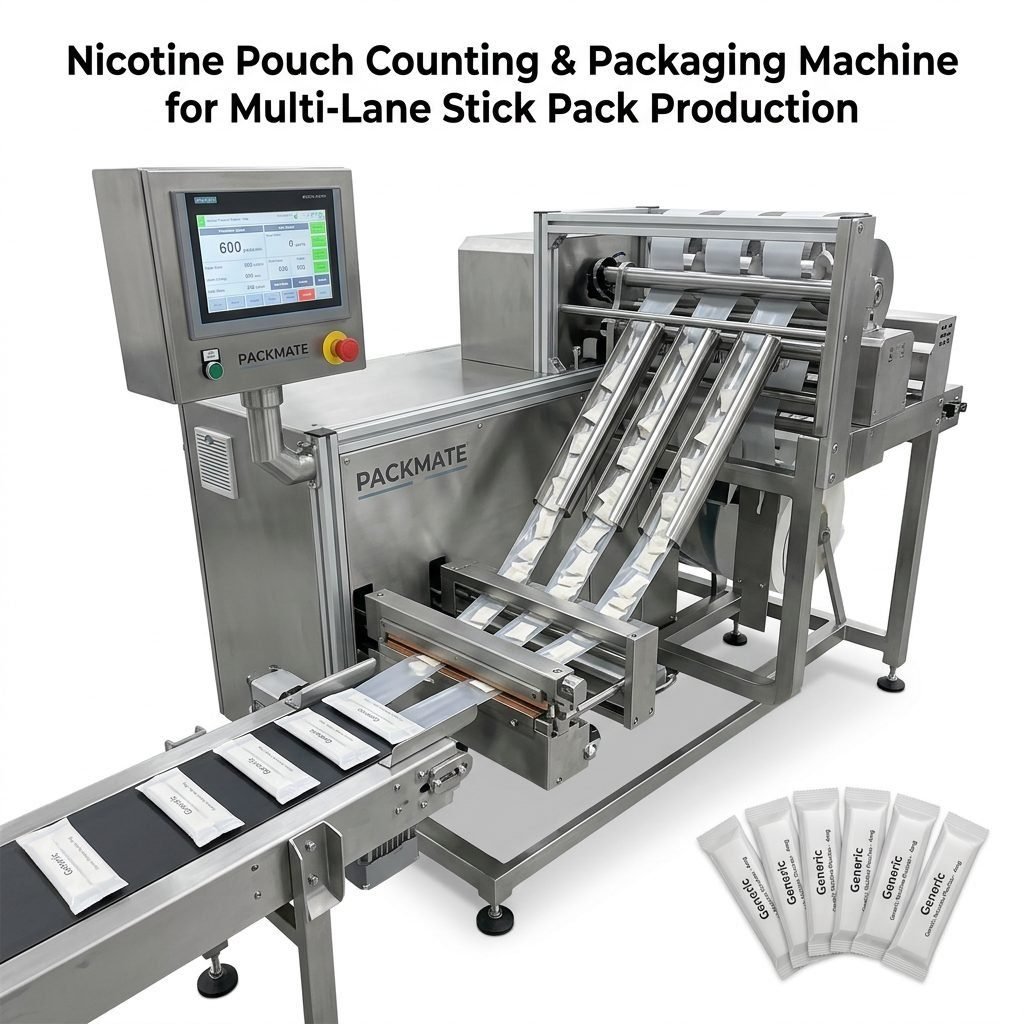
Different nicotine formats require different machinery. Common formats include sachets, stick packs, and portion pouches. Determine whether your product is powder, granule, or paste, and whether you need single-lane or multi-lane production. Your choice affects filling technology, dosing accuracy, and downstream sealing units.
Format Quick Guide:
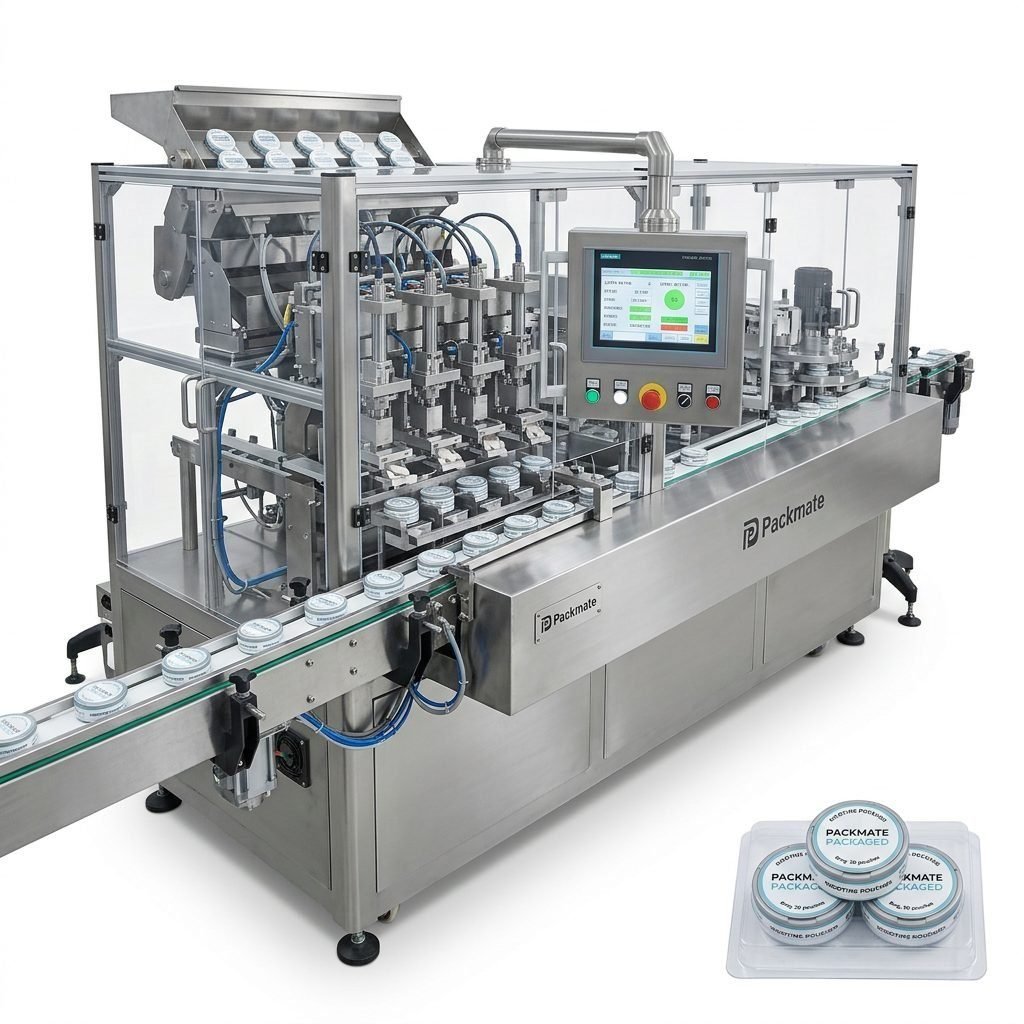
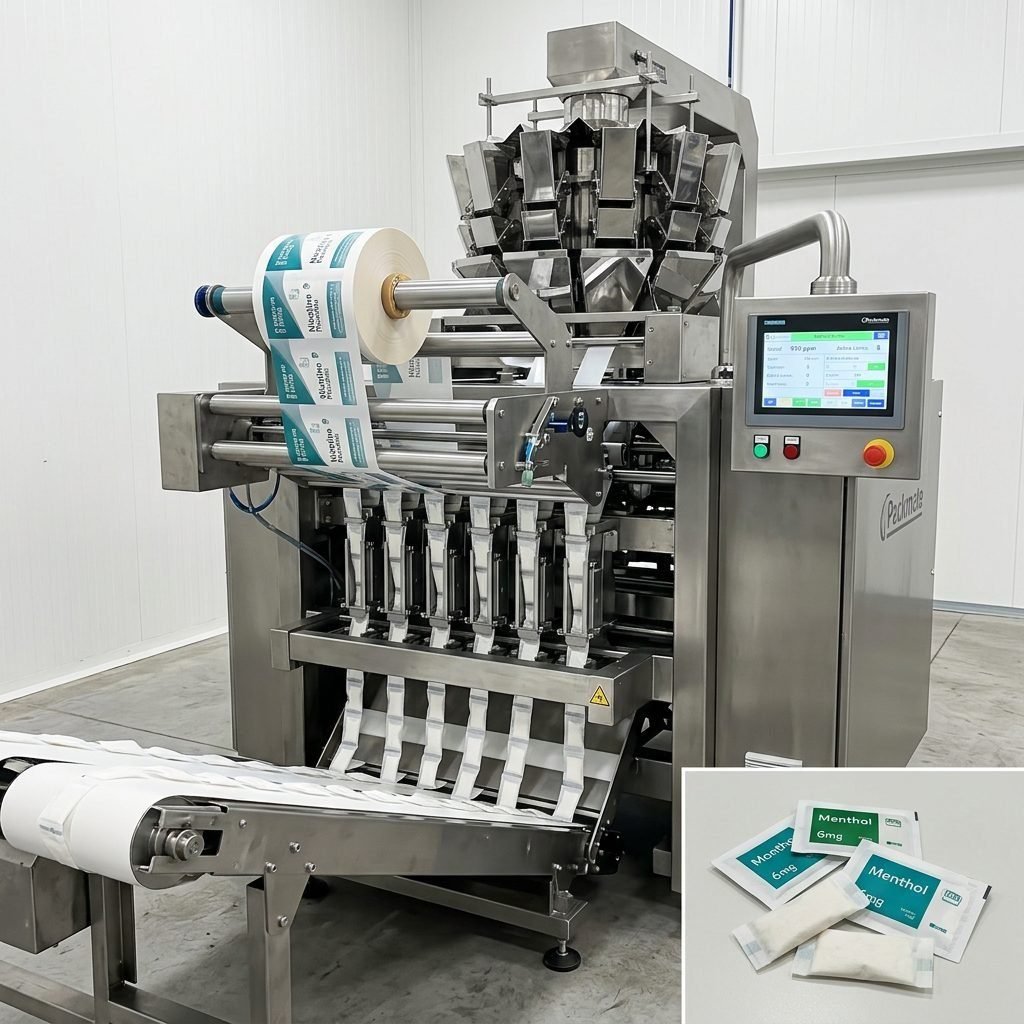
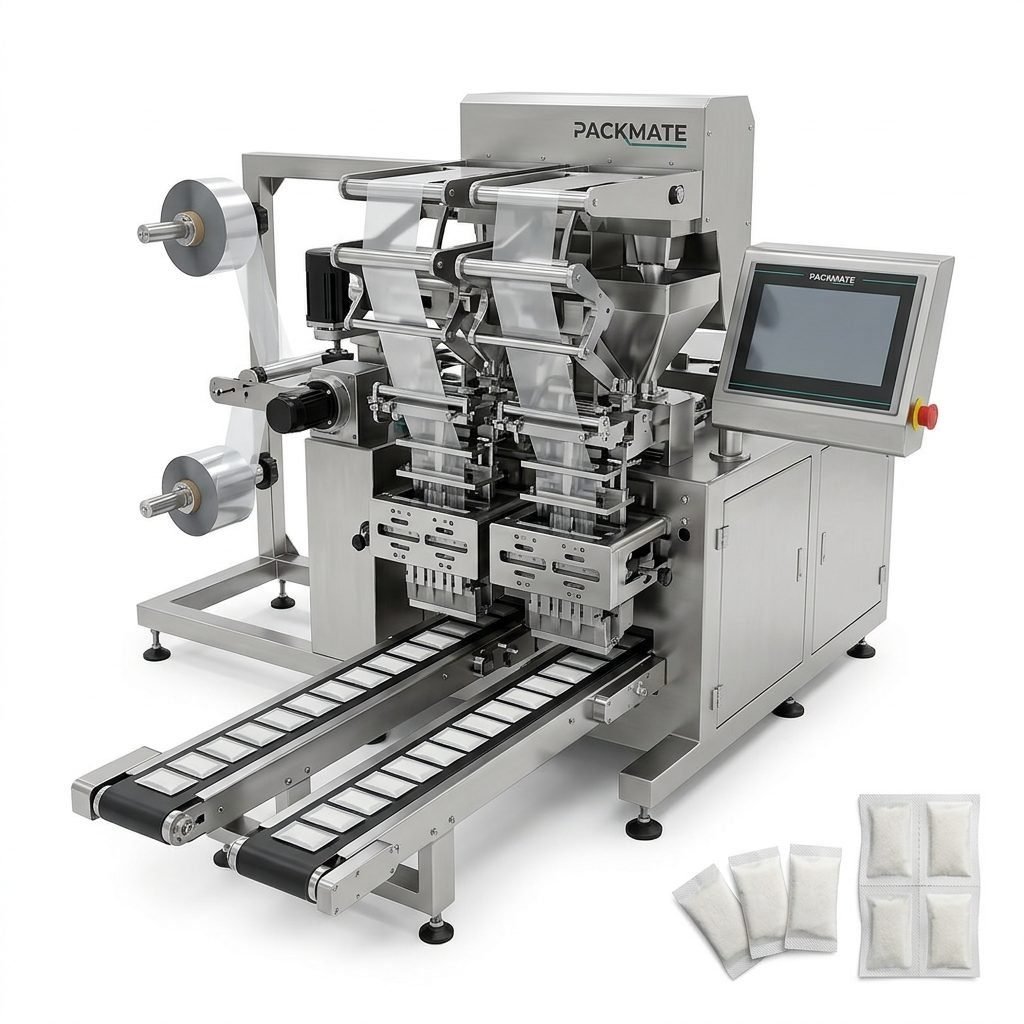
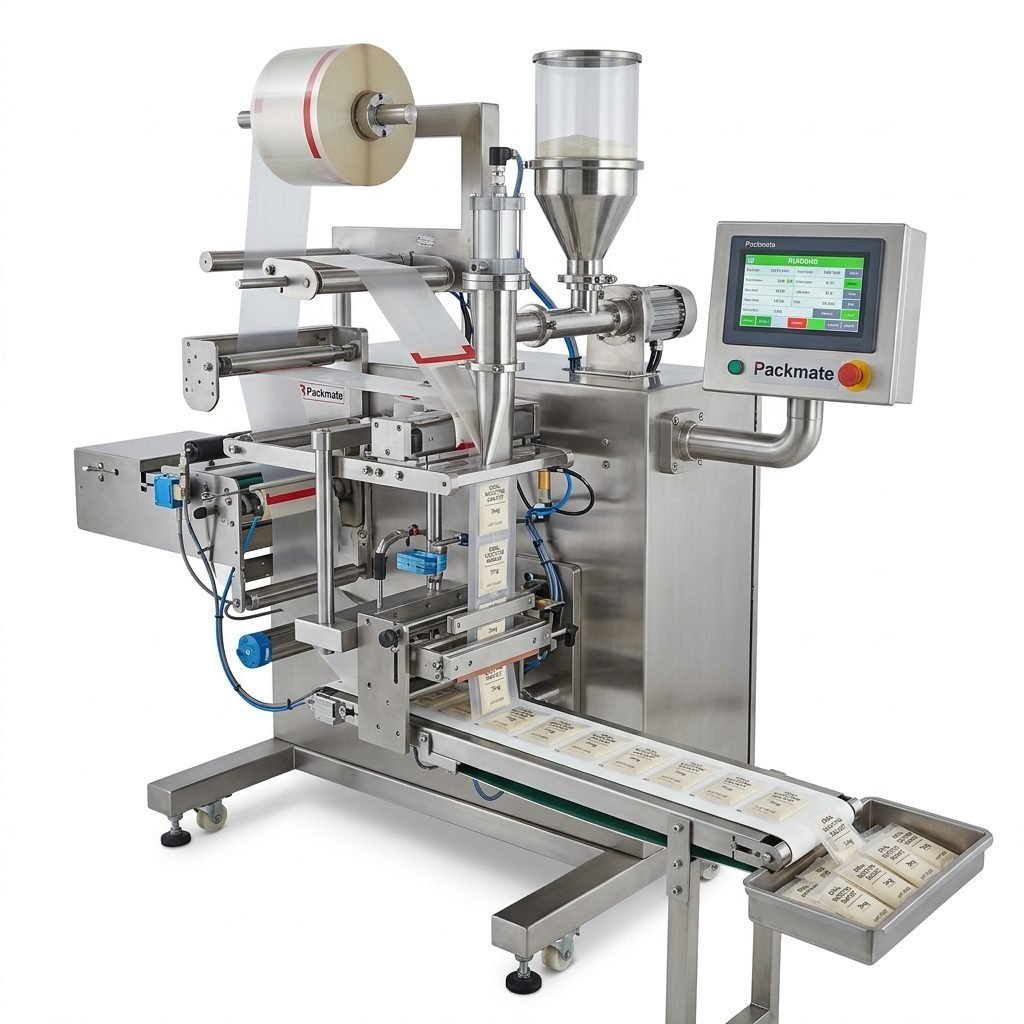
Sachet machines for single-dose convenience; Stick pack for compact single-serve; Multi-lane snus machines for high-volume nicotine pouch production.
Key Technical Criteria to Evaluate
1. Production Capacity & Scalability
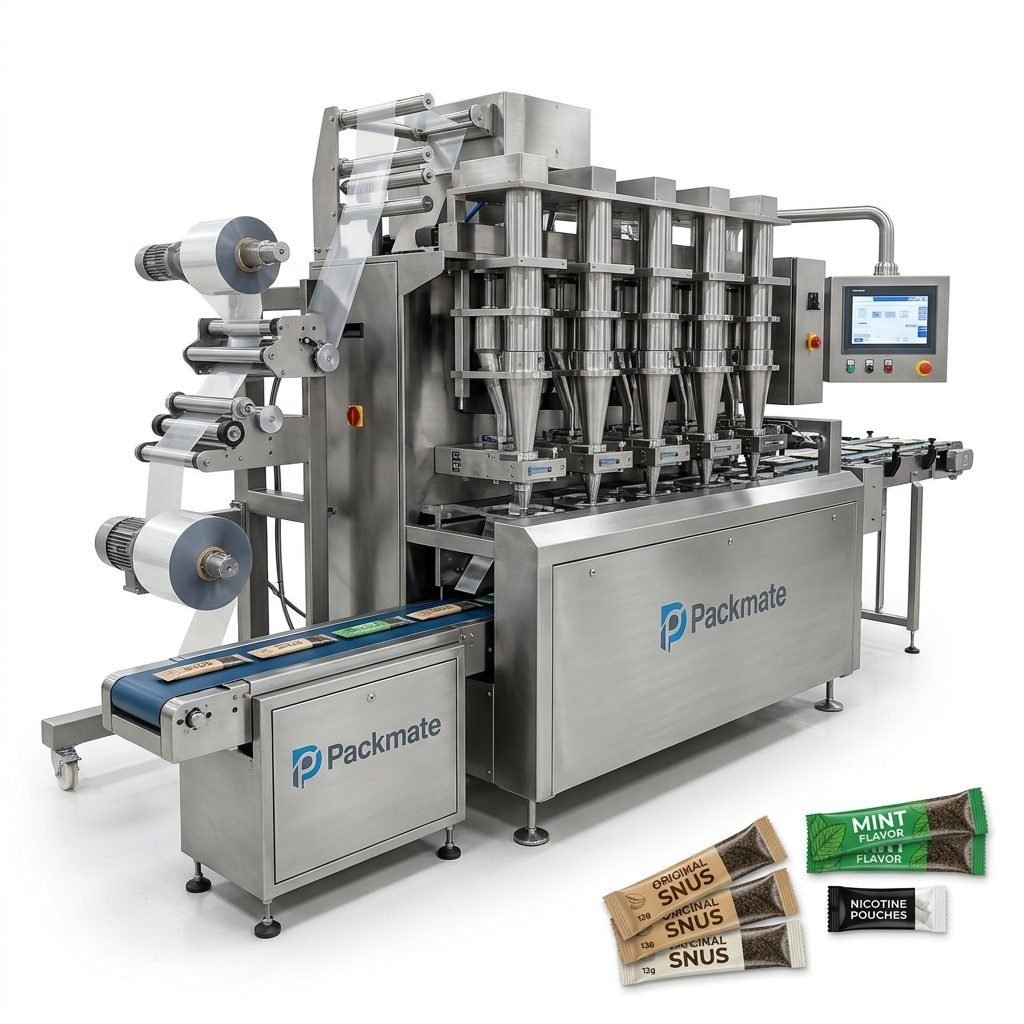
Estimate your required pieces per minute (PPM) and annual throughput. Choose machines that meet current needs with headroom for growth. Multi-lane configurations can multiply output without increasing footprint. A supplier offering modular upgrades helps you scale later with minimal downtime.
2. Filling Accuracy & Consistency
Nicotine products require precise dosing to meet safety and regulatory standards. Check filling technology (coil, auger, multi-head weighers) and ask for accuracy statistics, return rates, and typical tolerances. Machines with integrated weighing systems or feedback loops provide better long-term control.
3. Material Compatibility & Cleanability
Ensure contact parts are stainless steel (food-grade) and easy to disassemble for cleaning. For nicotine and tobacco products, corrosion resistance and sanitation protocols are crucial. Look for machines designed to minimize product buildup and allow quick-change parts for different SKUs.
Automation, Controls & Integration
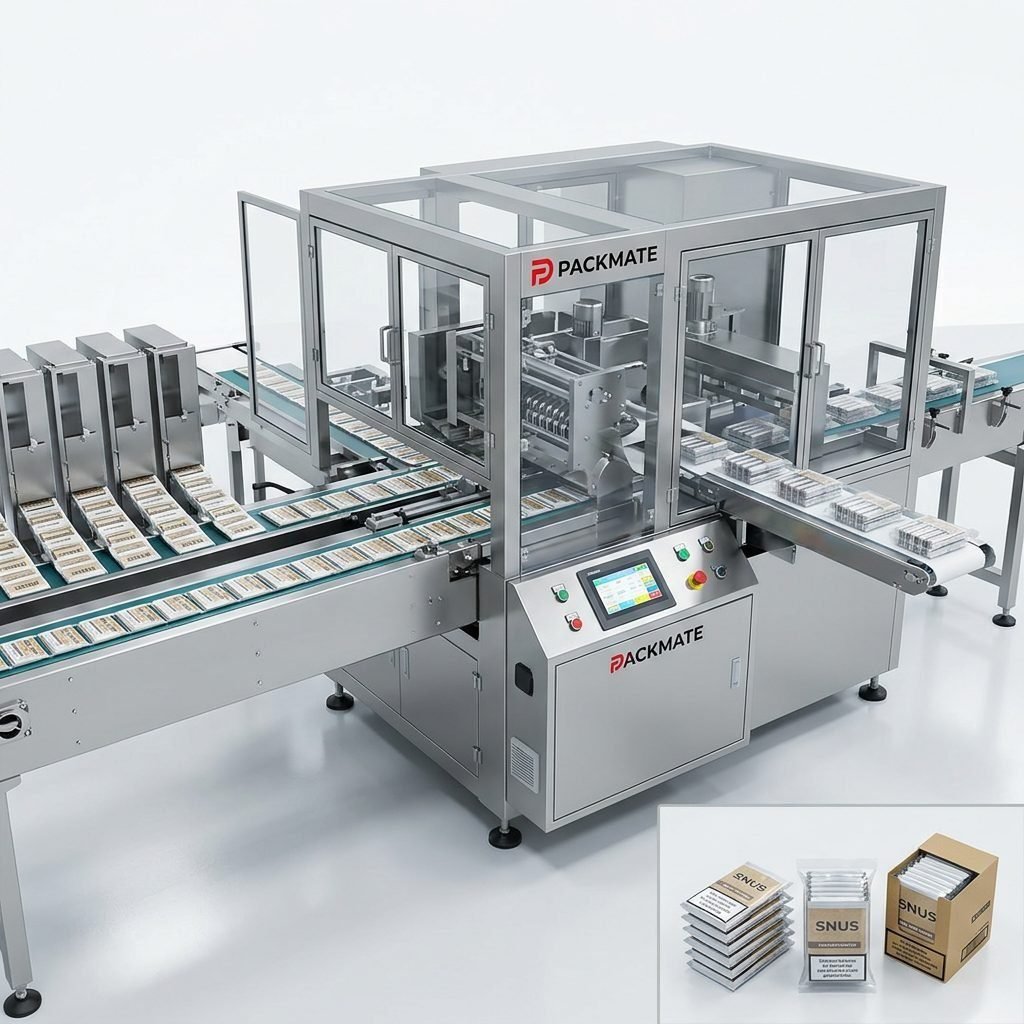
Modern packaging lines need robust PLC controls, HMI interfaces in English, and options for Industry 4.0 connectivity. Ask about data logging, remote diagnostics, and compatibility with upstream/downstream equipment like pouch makers, cartoners, and case packers. Integration reduces manual errors and helps traceability.
Must-have features:
PLC control, HMI, servo drives, and remote support capability.
Evaluate Supplier Capabilities & Reputation
Choose a supplier with industry experience, reliable manufacturing capacity, and a global support network. Look for companies with factory facilities, CNC machining centers, and a documented development history. Packmate Snus Machine, for example, highlights over 30 years of experience and a 20,000㎡ manufacturing facility—key indicators of reliability.
Review case studies, client testimonials, and on-site exhibition demos. Visit the supplier’s Case page and exhibition records to verify performance in real production environments. Confirm spare parts availability and average lead times.
Factory Tour & Acceptance Testing
Whenever possible, conduct a factory acceptance test (FAT) or witness testing. FATs validate machine speed, dosing accuracy, sealing integrity, and integration before shipping. Request videos or live demos if travel isn’t feasible. Confirm documentation: manuals, electrical diagrams, and SOPs for maintenance.
After-Sales Service, Training & Spare Parts
After-sales support is critical. Ask about warranty terms, response times for service calls, remote diagnostics, and training for your operators. Ensure spare parts are stocked and available; long lead times can cripple production. A supplier offering training and commissioning in Romania or nearby Europe reduces startup risk.
Service Checklist:
Local technician training, remote troubleshooting, spare parts catalog, and preventive maintenance schedules.
Total Cost of Ownership (TCO) & ROI
Don’t focus solely on purchase price. Calculate energy consumption, maintenance labor, spare parts, downtime risk, and consumables. Higher initial investment in a precision, multi-lane line often yields lower per-unit costs and faster ROI compared to multiple lower-capacity machines.
Customization & Turnkey Solutions
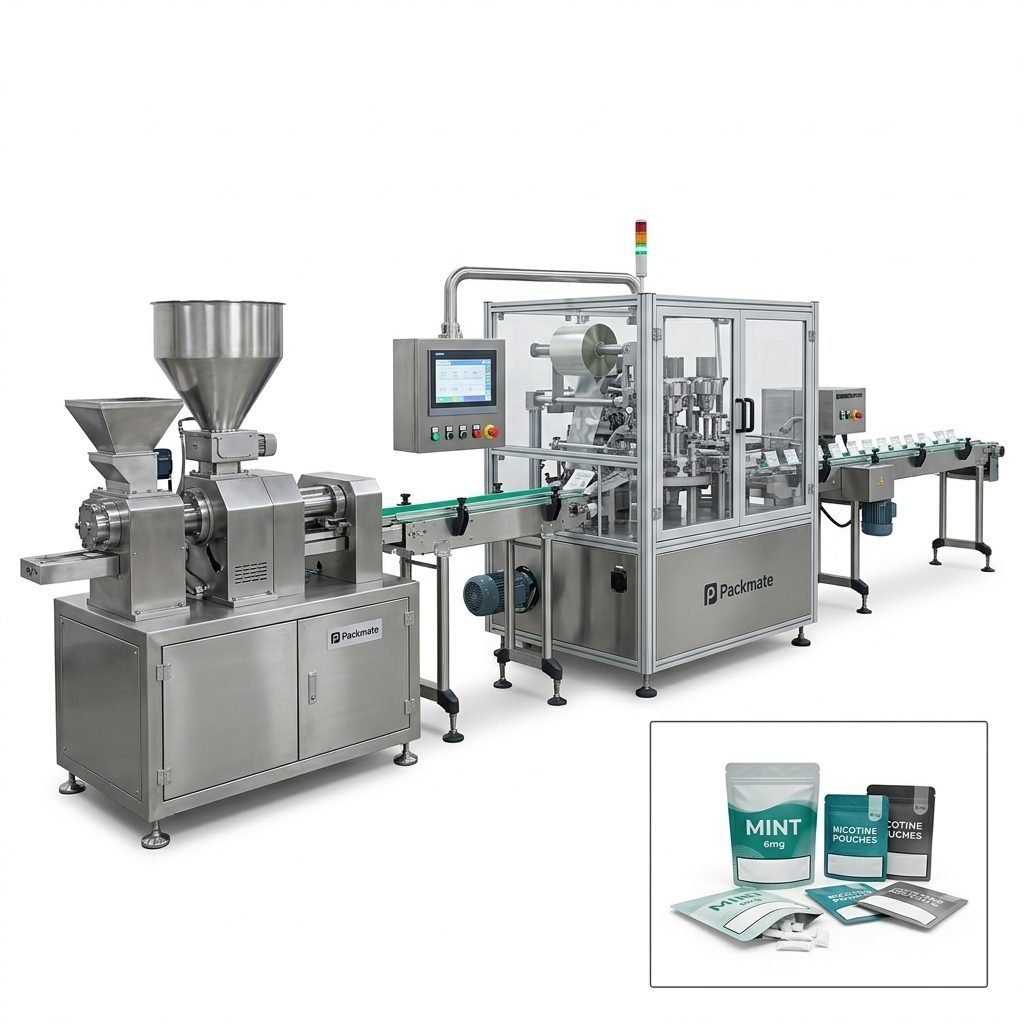
If you need a fully integrated line—filling, pouch forming, sealing, cartoning, and case packing—select a supplier experienced in turnkey projects. Packmate offers integrated lines across product types; review their Filling & Packaging Lines and modular options for seamless commissioning.
Logistics: Shipping, Installation & Commissioning in Romania
Plan for customs clearance, freight forwarding, and site preparation. Confirm electrical requirements, compressed air specs, and floor load capacity before arrival. A reliable supplier will provide installation drawings and on-site support to reduce commissioning time. Consider local partners for faster on-the-ground assistance.
Real-world Buying Checklist
🔧 Confirm CE & ISO certifications • ✅ Verify dosing accuracy and PPM • ⚙️ Check spare parts lead times • 📘 Request manuals & FAT report • 🤝 Validate warranty & service terms • 🚚 Plan shipping & installation
Why Work with Experienced Manufacturers
Companies with deep experience in snus and nicotine packaging invest in specialized tooling, multi-lane systems, and process know-how. An experienced manufacturer can help you choose between sachet, stick pack, or multi-lane pouch solutions and tailor the line to minimize waste and maximize throughput. Explore product lines like Snus & Nicotine Packaging Machines and Sachet & Stick Pack Machines to compare technologies.
Common Pitfalls to Avoid
- Buying based only on price without performance data.
- Failing to verify spare parts availability or local support.
- Underestimating power, air, and site requirements.
- Skipping FATs or on-site acceptance testing.
Next Steps: How to Get Started
Start with a short list of suppliers, request specifications and performance data, and schedule demonstrations. Ask for references and production case studies. If you prefer a partner with proven turnkey capabilities, review supplier portfolios and contact their sales or service team to discuss pilot runs and customization. Packmate’s About Packmate page and contact channels can help initiate a project.
Quick Action Plan:
1) Define product & volumes • 2) Shortlist 3 suppliers • 3) Request FAT & references • 4) Plan site readiness • 5) Secure spare part agreements
Final Considerations
Selecting the best nicotine packaging machinery in Romania balances technical fit, supplier reliability, and long-term serviceability. A machine that integrates precision filling, robust sealing, and modular scalability will protect product quality and reduce lifecycle costs. Prioritize suppliers who provide documentation, training, spare parts, and remote support to ensure minimal disruption after installation.
Contact & Resources
For detailed machine lines and turnkey solutions, explore product categories and request catalogs: Bag & Pouch Packaging Machines, Weighing & Packaging Systems, and connect via Contact Us.
Frequently Asked Questions
1. What machine type suits small-batch nicotine pouch production?
For small batches, single-lane sachet or stick pack machines offer flexibility and lower initial investment. If you anticipate scaling, choose a model that supports modular upgrades to multi-lane setups.
2. How important is CE/ISO certification?
Certifications demonstrate compliance with international safety and quality standards and ease export/import processes. Always request proof of CE and ISO certifications before purchase.
3. What lead time should I expect for delivery and installation?
Lead times vary by customization and spare parts availability. Standard machines may ship in weeks; turnkey and custom lines typically require several months. Discuss shipping, customs, and on-site commissioning timelines with your supplier early.
4. Can I get remote support during production issues?
Many modern suppliers provide remote diagnostics, video troubleshooting, and spare parts dispatch. Confirm remote support offerings and SLA response times as part of your service agreement.
5. Where can I see real machine demonstrations?
Request factory visits, attend exhibitions, or ask for live demos and FAT videos. Check supplier exhibition records and case studies to verify performance under real production conditions—explore the supplier’s exhibition information for upcoming events.