Entering the nicotine pouch and snus packaging market in Zambia requires careful selection of the right packaging machine. Choosing the optimal equipment affects product quality, compliance, production cost and long-term uptime. This guide walks you through the practical considerations specific to Zambia — from regulatory compliance and product format to capacity planning, automation level and supplier selection — so you can make an informed buying decision.
Why the Right Machine Matters in Zambia
The nicotine pouch market is growing across Africa and Zambia is showing demand for high-quality, reliable products. Choosing a machine that matches your product design and business model will help you:
Reduce waste and rejections, ensure consistent dosing, improve packaging aesthetics, and minimize downtime through better serviceability and local support.
Market specifics to consider
Zambia has specific import processes, power availability differences between urban and rural areas, and variable supply chain reliability. You should consider machine robustness, ease of maintenance, and the supplier’s ability to provide spare parts quickly.
Key Factors When Choosing a Nicotine Packaging Machine
1. Product format and compatibility
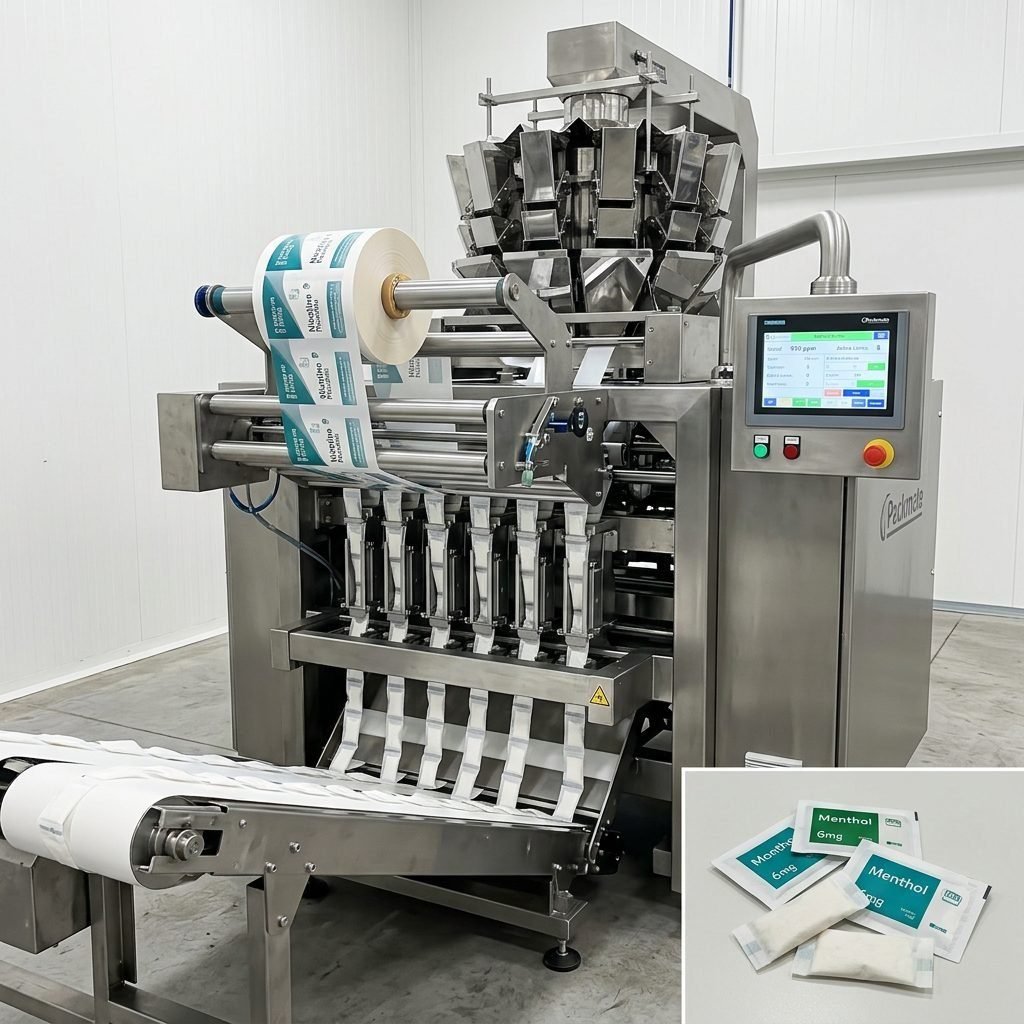
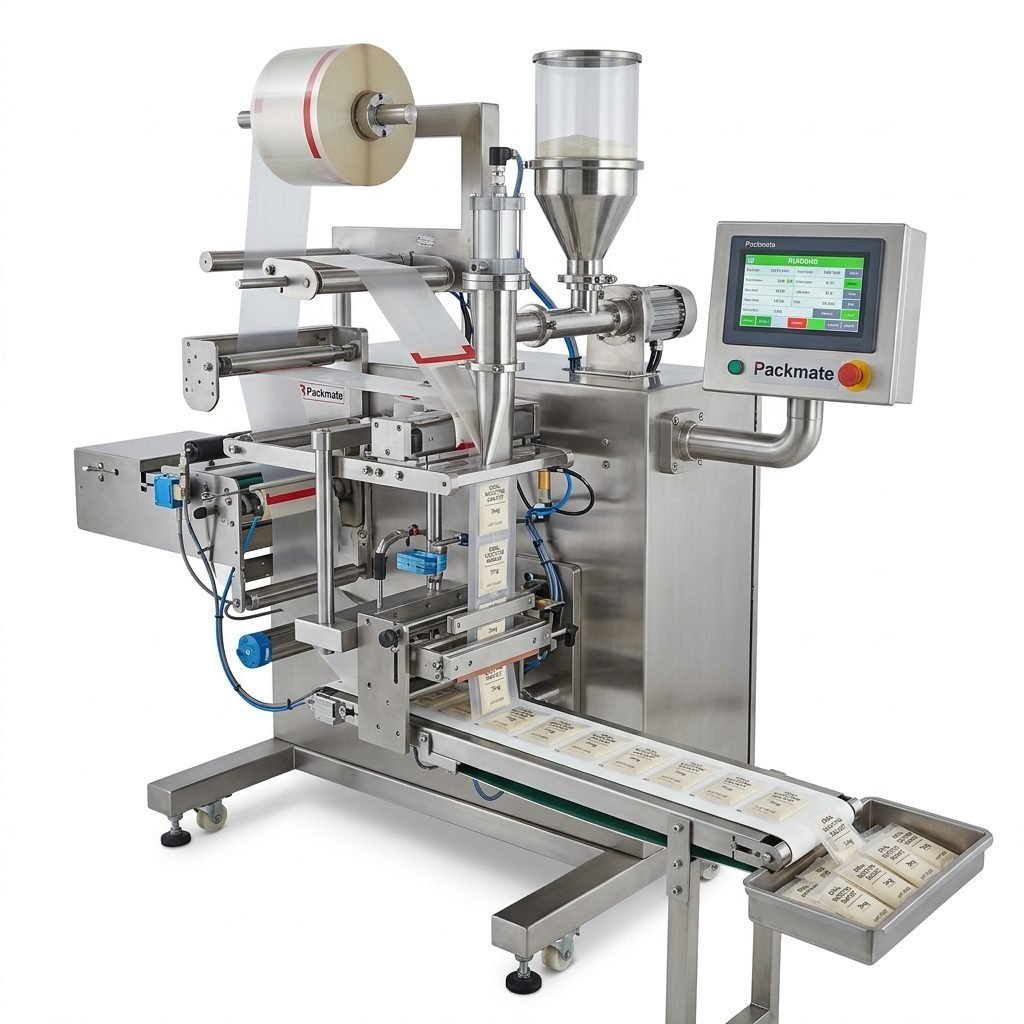
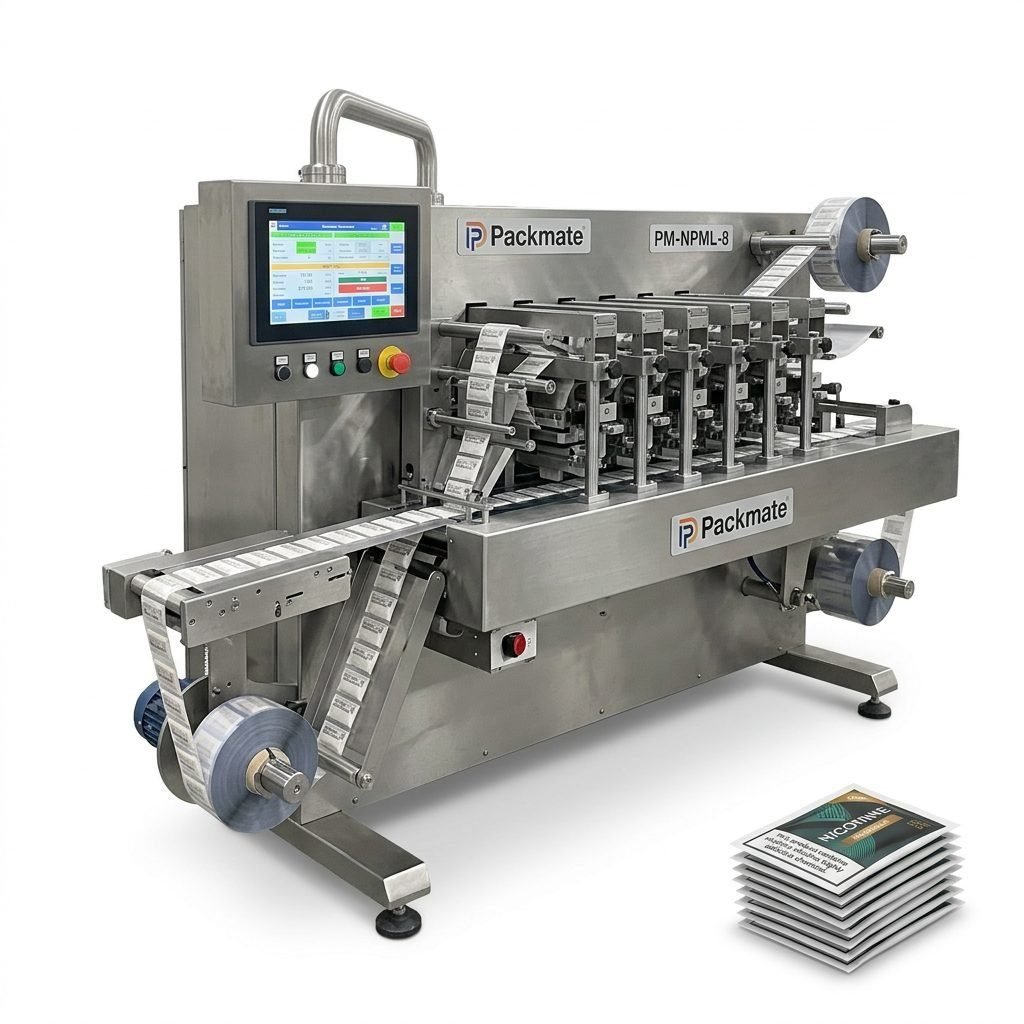
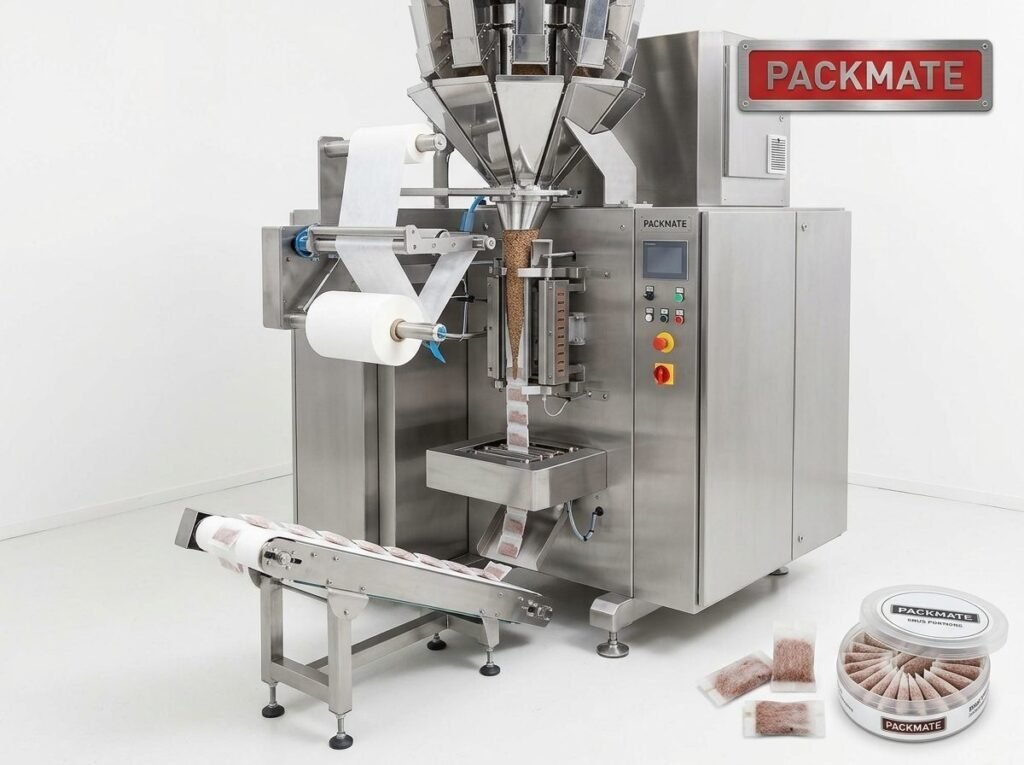
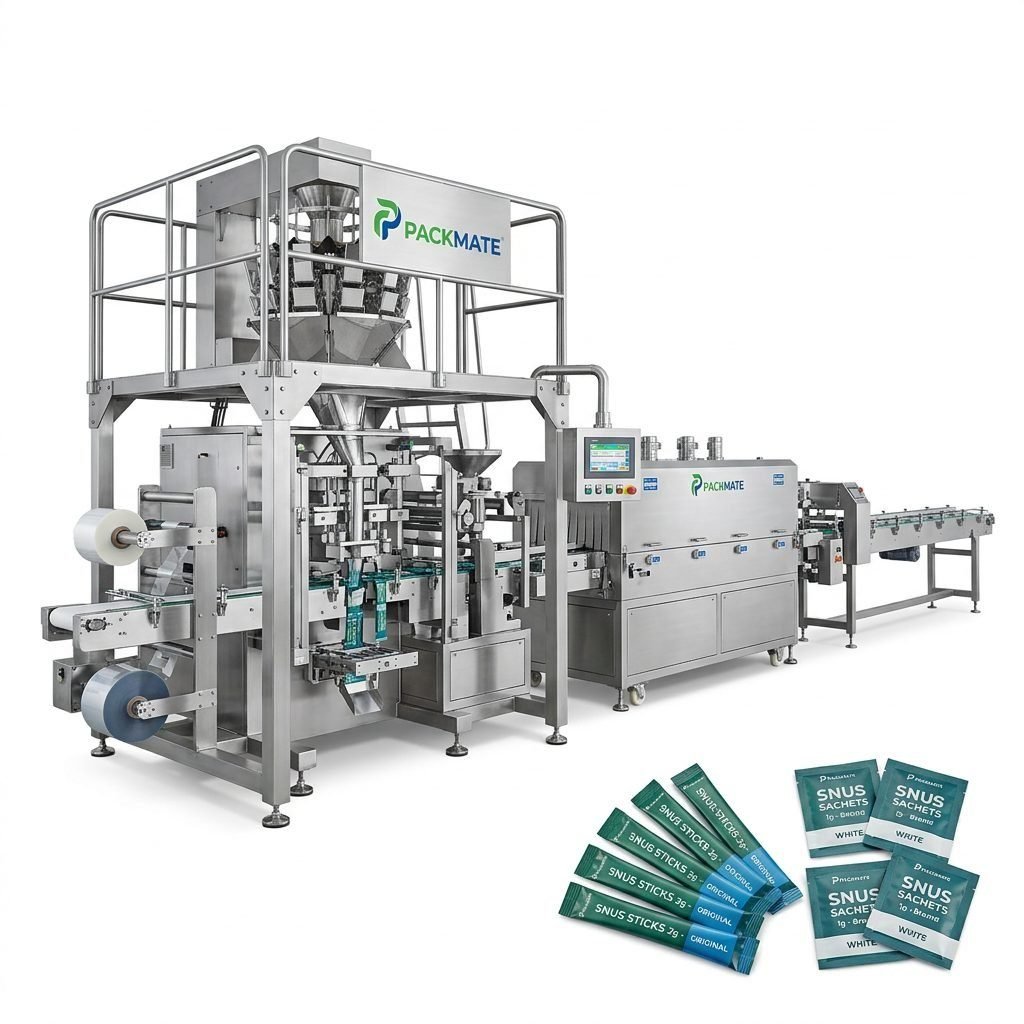
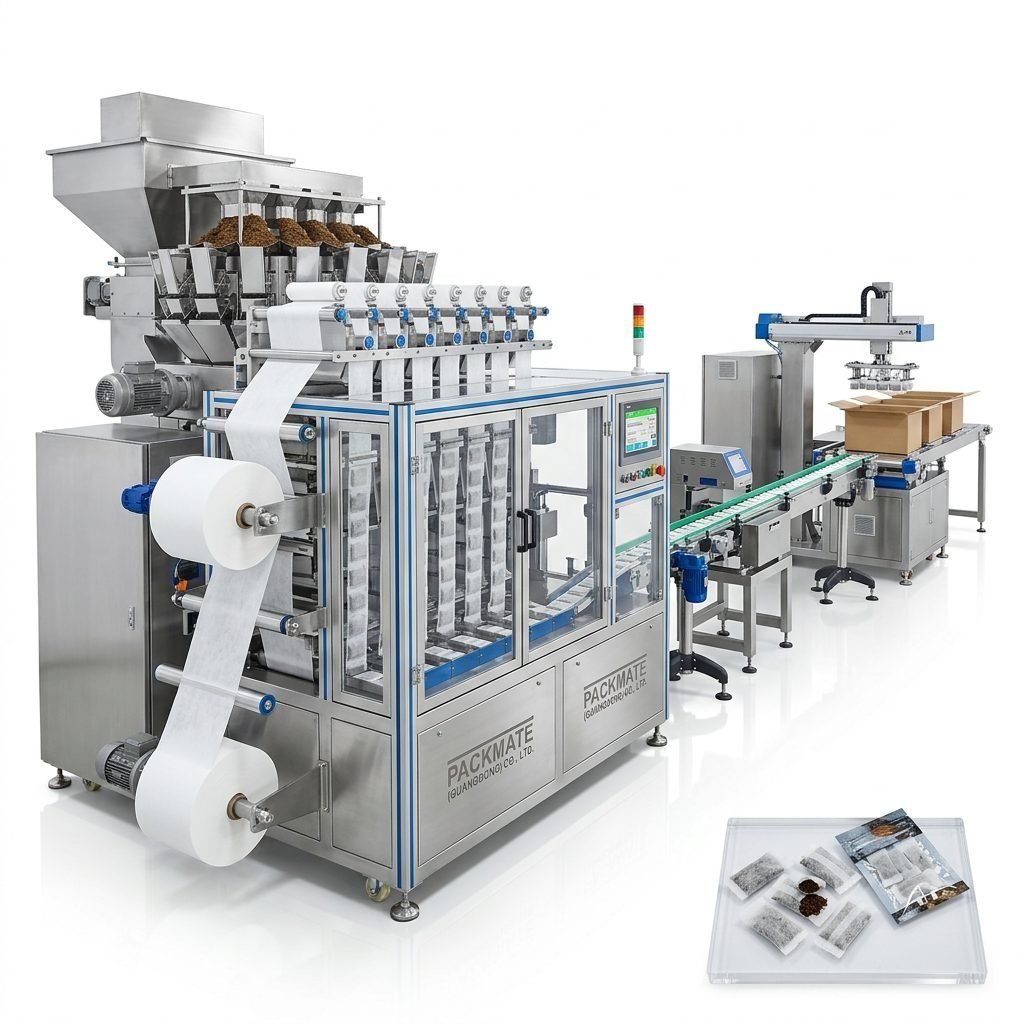
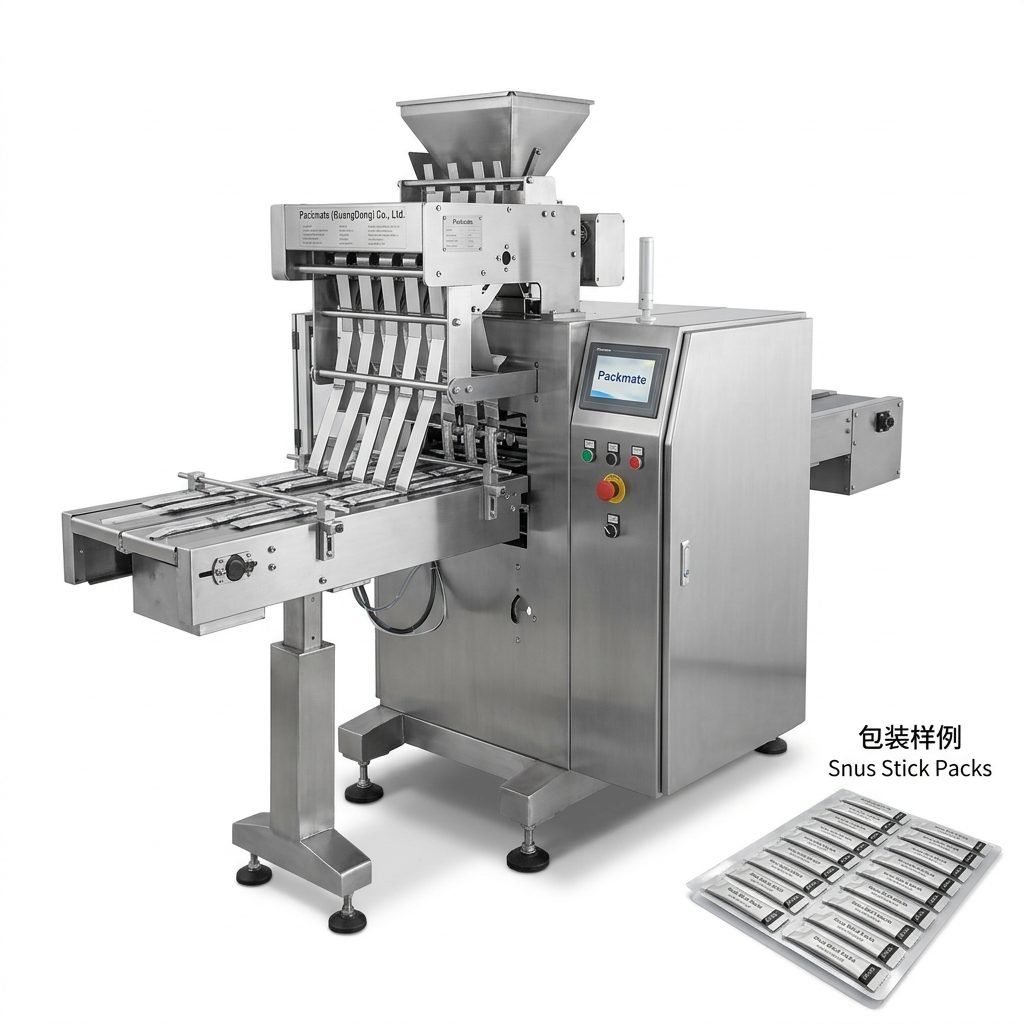
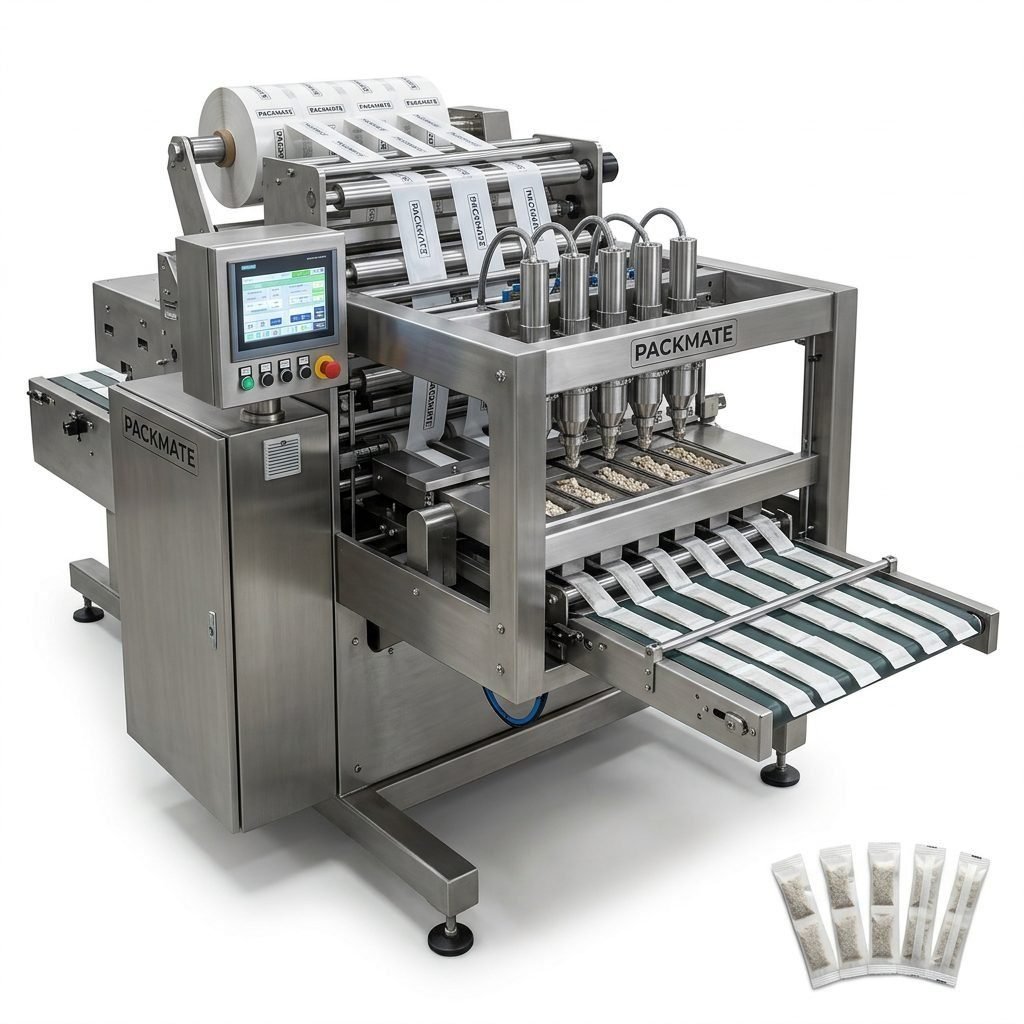
Identify whether you need machines for single-dose sachets, multi-lane pouches, stick packs or tins. Machines designed for nicotine pouches (snus) typically offer specific features such as anti-static handling, gentle pouch forming and accurate low-dose weighing. If you plan to produce multiple formats, prioritize modular or multi-format machines to reduce future capital expense.
Tip: For a full view of product-specific models, explore Snus & Nicotine Packaging Machines.
2. Capacity & speed requirements
Estimate your realistic production volumes: hourly, daily and monthly. Machines range from low-speed, single-lane units for R&D and small-batch production to high-speed multi-lane lines for large-scale manufacturing. Overestimating needed speed leads to higher costs; underestimating can constrain growth.
3. Filling accuracy and dosing technology
Nicotine pouch products require strict dosing accuracy. Look for high-precision weighers or volumetric systems, and ask for performance data such as standard deviation, mean deviation and weight control statistics. Machines with integrated feedback loops and automatic corrections will reduce waste.
Essential: Request test reports or trial runs using your actual formulation to verify accuracy before purchase.
4. Material compatibility and pouch design
Confirm the machine supports your chosen film materials (foil-laminates, PE, PET) and pouch types (flat bottom, pillow, stick). Heat-seal settings, jaw length, and web handling must be compatible with film thickness and sealant properties.
5. Automation level & controls
Modern machines use PLC controls, touchscreen HMI and recipe management. Higher automation reduces operator dependency and speeds format changes. Ensure the controls offer remote diagnostics and support protocols suitable for Zambia’s internet infrastructure if remote service is needed.
6. Ease of maintenance & spare parts availability
Seek straightforward mechanical design, easy access to wear parts, and clear documentation. Fast parts shipping or local stocking options in the region reduces downtime. Ask suppliers about spare parts lead times and local agent networks.
7. Energy consumption and footprint
Evaluate electrical and compressed air requirements. Zambia experiences variable power stability; machines with soft-starts, lower power draws, and the option for voltage stabilizers are advantageous. Assess physical footprint and logistics for delivery through local ports and roads.
8. Safety, quality and compliance
Verify certifications such as CE and ISO which indicate adherence to international standards. Safety interlocks, guards, and emergency stops are essential. Also confirm the equipment can be cleaned and validated to meet local tobacco and nicotine product regulations.
Supplier Selection: What to Ask and Verify
Choosing the right supplier is as important as machine specifications. The right partner will provide technical support, spare parts, and training.
Check the supplier’s credentials
Look for a manufacturer with proven experience in snus and nicotine pouch packaging. Packmate Snus Machine, for example, has decades of engineering experience and multiple machine models tailored for snus production. Review their factory capabilities, certifications and case histories.
See real-world examples in their Case pages and read about company background at About Packmate.
Service, training and installation
Confirm whether the supplier provides on-site installation, operator training and preventive maintenance programs. Remote troubleshooting, spare-part kits and modular training packages will shorten ramp-up time. If local representation is limited, prioritize vendors who offer strong remote support and clear documentation.
Buying Checklist: factory visit, CE/ISO certificates, trial with your product, spare parts list, service SLA, operator training and warranty terms.
Cost Considerations: Beyond the Purchase Price
The upfront machine cost is only one part of the total cost of ownership (TCO). Consider:
– Installation and commissioning fees
– Shipping, customs and local taxes for Zambia
– Training and documentation costs
– Spare parts inventory and logistics
– Energy consumption and utilities
– Downtime and expected maintenance intervals
Return on investment (ROI)
Calculate ROI by comparing projected output (kg or number of pouches), product margin, and running costs against equipment amortization. Higher initial cost for reliable, precise equipment often pays back quickly through reduced waste and higher yield.
Installation, Commissioning and Start-up in Zambia
Plan logistics early. Machines shipped to Zambia must clear customs and may require local modifications for power or conveyor interfaces. Engage the supplier to review site requirements, including floor loading, electrical feed, air supply and drainage.
Request a detailed installation checklist and an on-site commissioning team. Proper commissioning verifies performance, trains operators, and establishes baseline quality metrics.
Practical Examples & Product Lines to Consider
Depending on your format and scale:
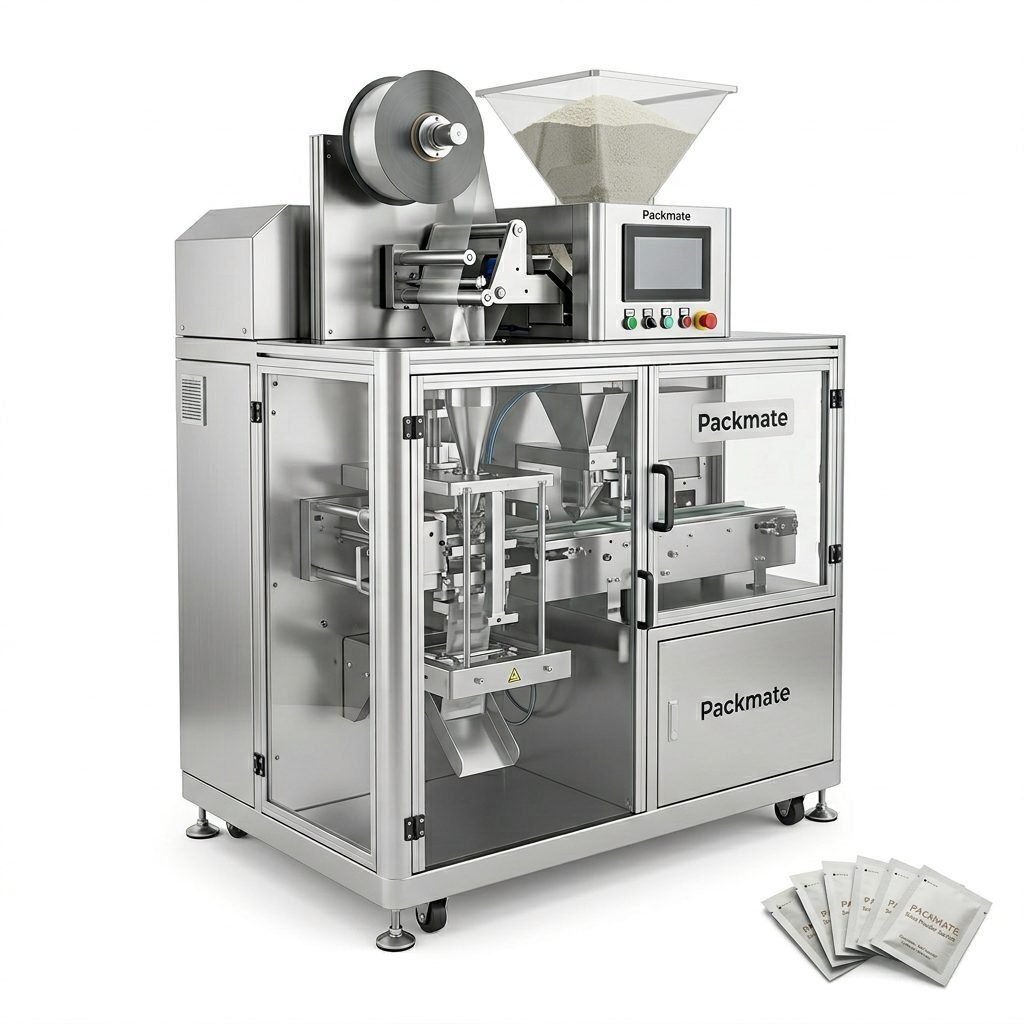
- Start-ups: low-to-mid speed single-lane pouch machines with modular upgrades.
- Growing brands: multi-lane systems for small-dose pouches to increase throughput.
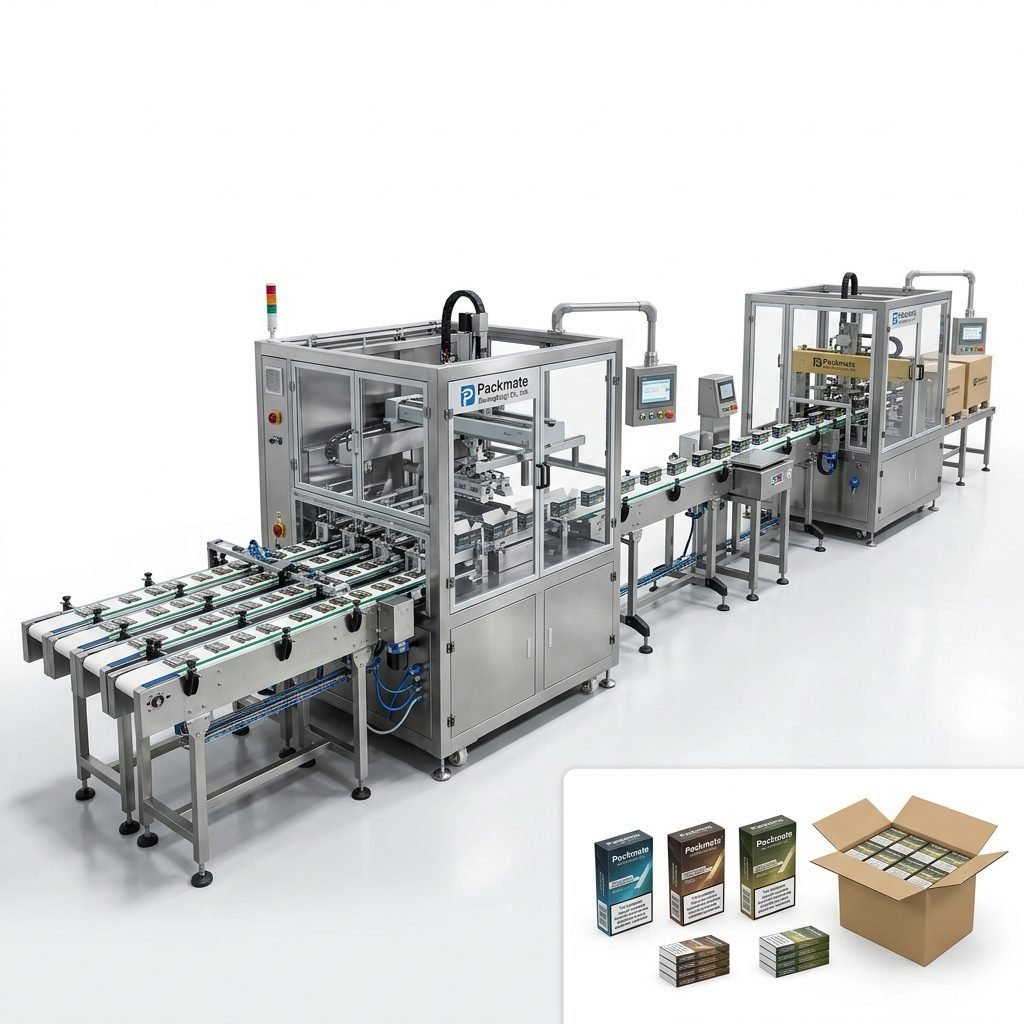
- Contract manufacturers: fully automated lines with in-line weighing and secondary packaging options.
Explore relevant product categories such as Bag & Pouch Packaging Machines, Sachet & Stick Pack Machines, and integrated Weighing & Packaging Systems.
Selecting a Turnkey Solution vs. Individual Machines
Turnkey lines include upstream dosing and mixing, primary packaging, marking and secondary packaging. They simplify integration and may lower long-term costs but require higher initial investment. Individual machines allow phased growth and lower immediate capital needs.
Consider: your growth plan. If you need fast market entry, modular individual machines can get you running quickly. For predictable high-volume needs, turnkey saves integration time.
After-sales Support and Documentation
Good documentation (wiring diagrams, spare-parts lists, maintenance schedules), virtual training, and guaranteed spare parts availability are critical. Ask for warranty terms and extended service contracts. Suppliers who exhibit at global shows often demonstrate commitment to global after-sales presence — see their Our Exhibition records.
Final Buying Steps: A Practical Checklist
Before placing an order:
- Confirm product-fit tests using your materials and formulation.
- Review machine run-speed, downtime projections and mean time to repair (MTTR).
- Secure written details on warranty, spare-part lists and lead times.
- Agree installation scope, training, and acceptance criteria.
- Verify compliance documentation (CE, ISO) and export paperwork for Zambia.
Ready to start? Contact the supplier’s sales and service teams early to coordinate site readiness and logistics: Contact Us.
Conclusion
Choosing the right nicotine packaging machine for Zambia means balancing product needs, production capacity, regulatory compliance and after-sales support. Prioritize dosing precision, modularity, ease of maintenance and supplier reliability. With careful evaluation and trialing your specific product, you can select a solution that supports consistent quality, efficient operations and steady growth.
Frequently Asked Questions
Q1: How do I verify a machine’s filling accuracy before purchase?
A1: Request trial runs using your actual product, ask for statistical performance data, and review in-line weighing or feedback control features offered by the vendor.
Q2: What are the typical power and air requirements for snus packaging lines in Zambia?
A2: Requirements vary by model; confirm electrical voltage, phase, and compressed air pressure/consumption with the manufacturer. Consider voltage stabilizers or backup power if grid stability is a concern.
Q3: How long does installation and commissioning usually take?
A3: For single machines it can be days to a few weeks. Complete turnkey lines may take several weeks to a few months, depending on site preparation and logistics.
Q4: Where can I find machine examples and cases from experienced suppliers?
A4: Review supplier case studies and product pages such as their dedicated Snus & Nicotine Packaging Machines portfolio and Case studies for real-world examples.
Q5: Is it better to buy a turnkey line or modular machines?
A5: If you expect rapid scale-up and want minimal integration work, turnkey may be best. If you need flexibility or have limited capital, modular machines allow staged investment. Evaluate your growth plan and budget to decide.