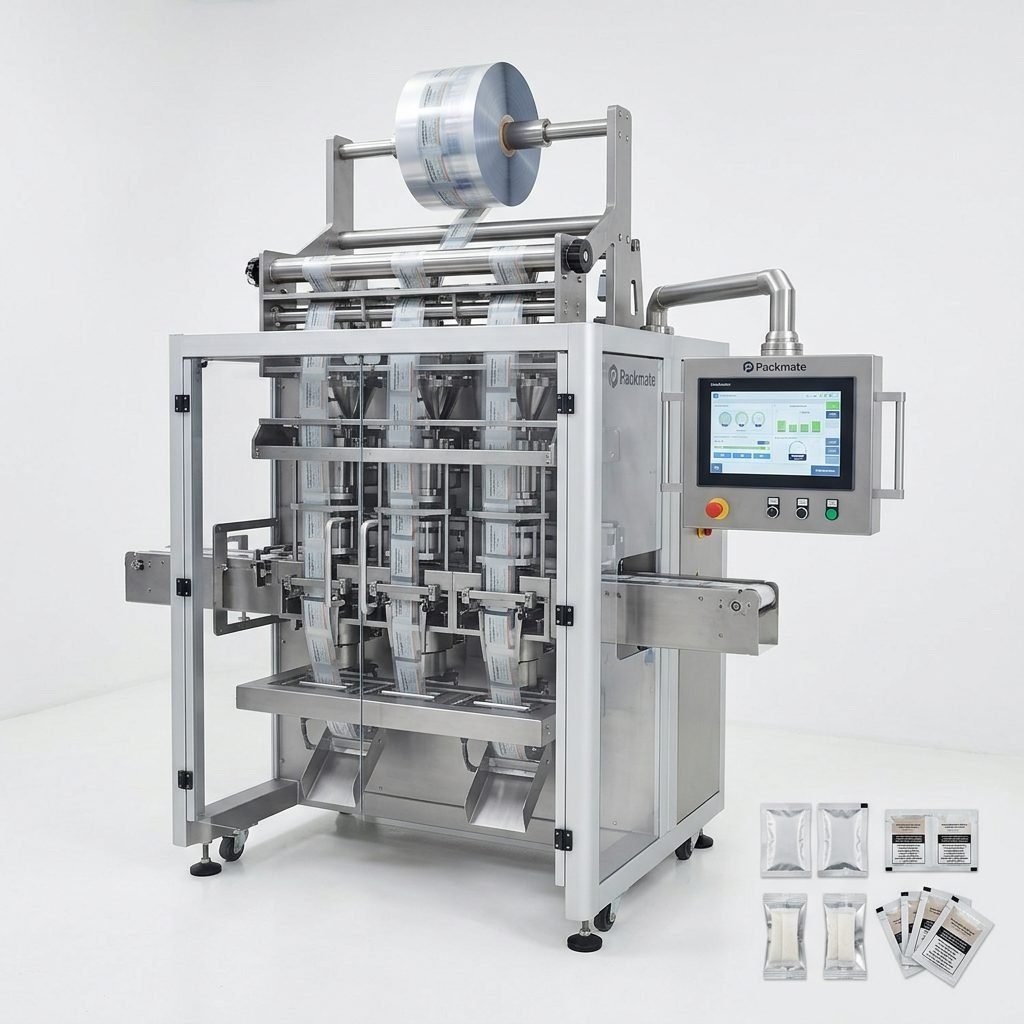
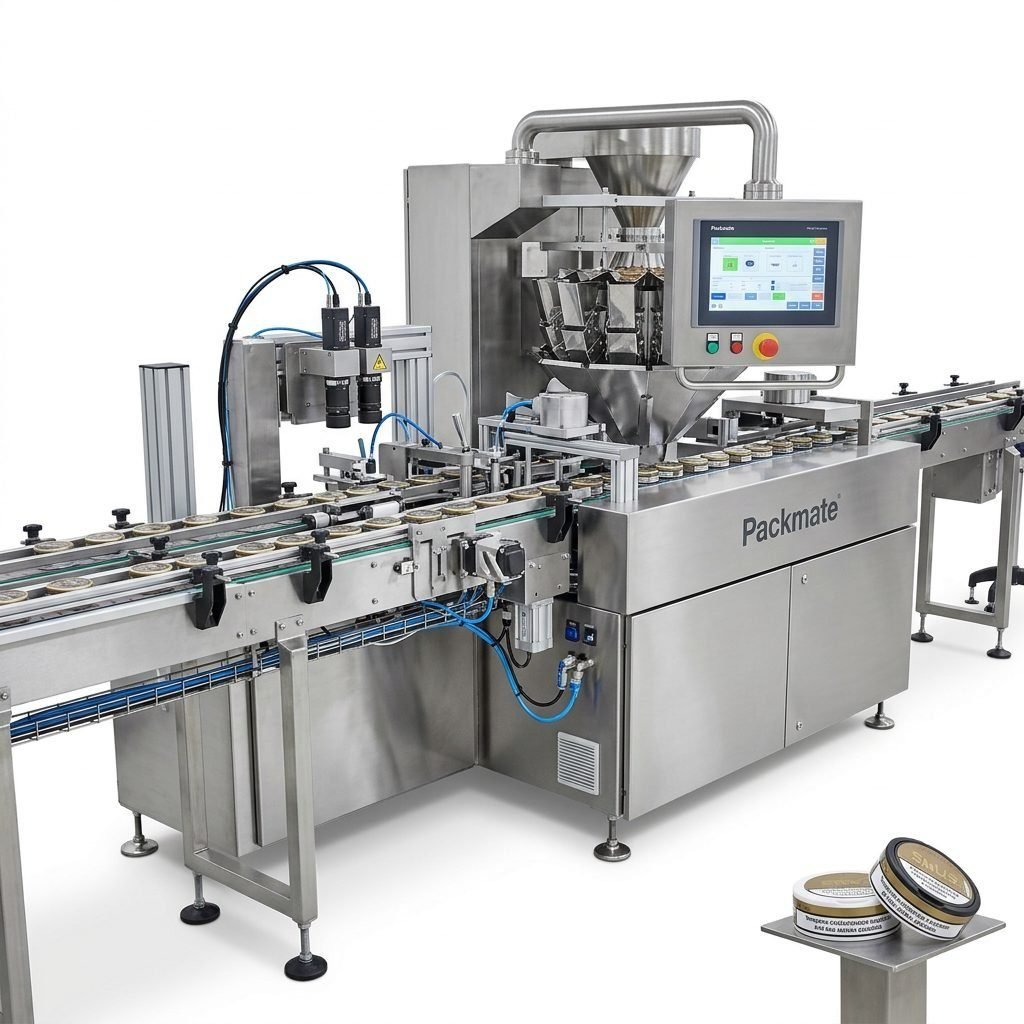
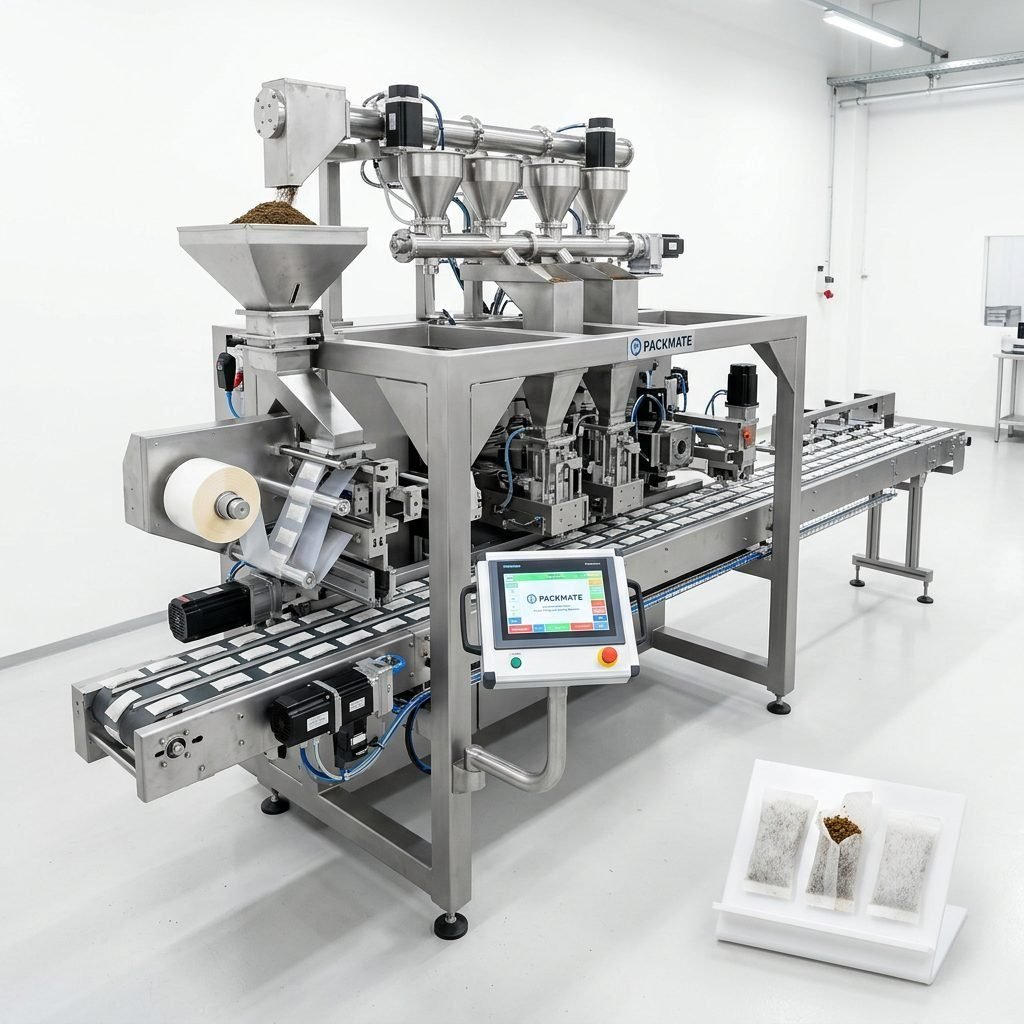
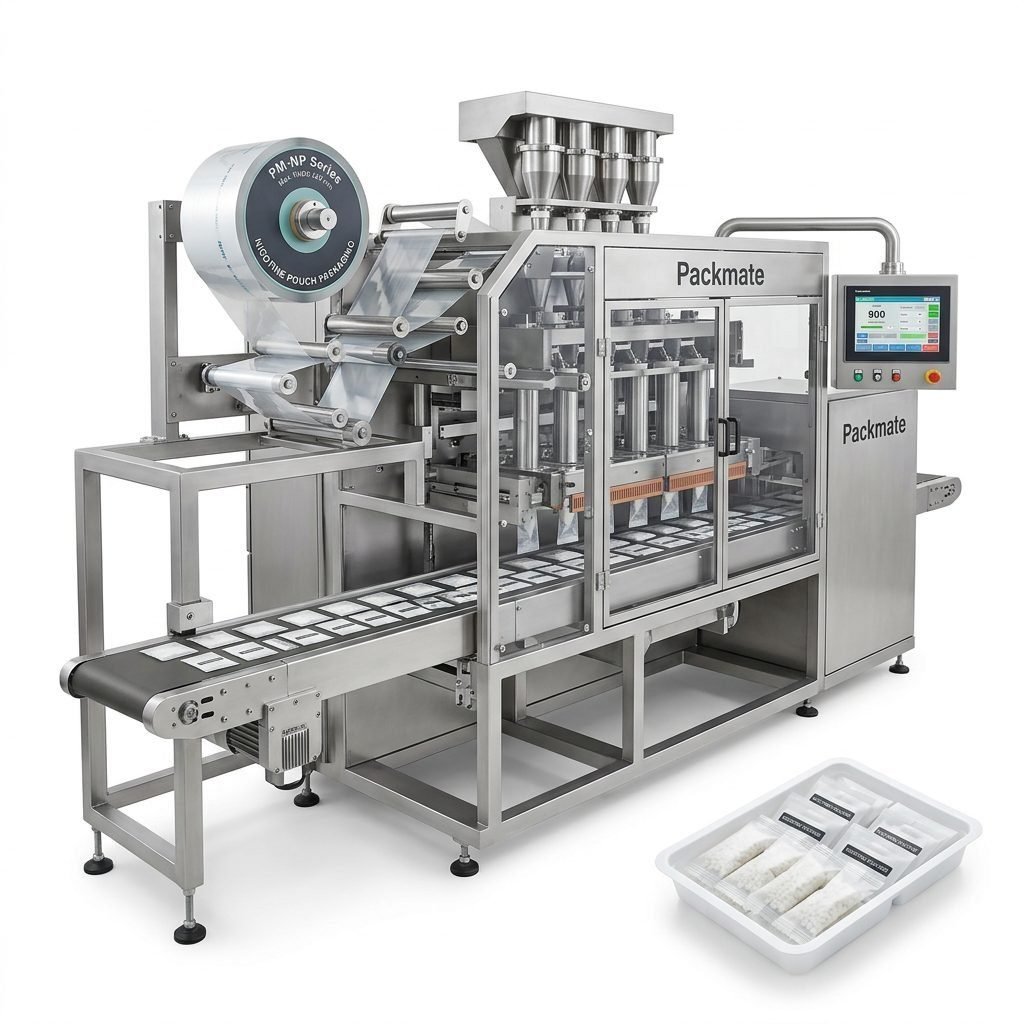
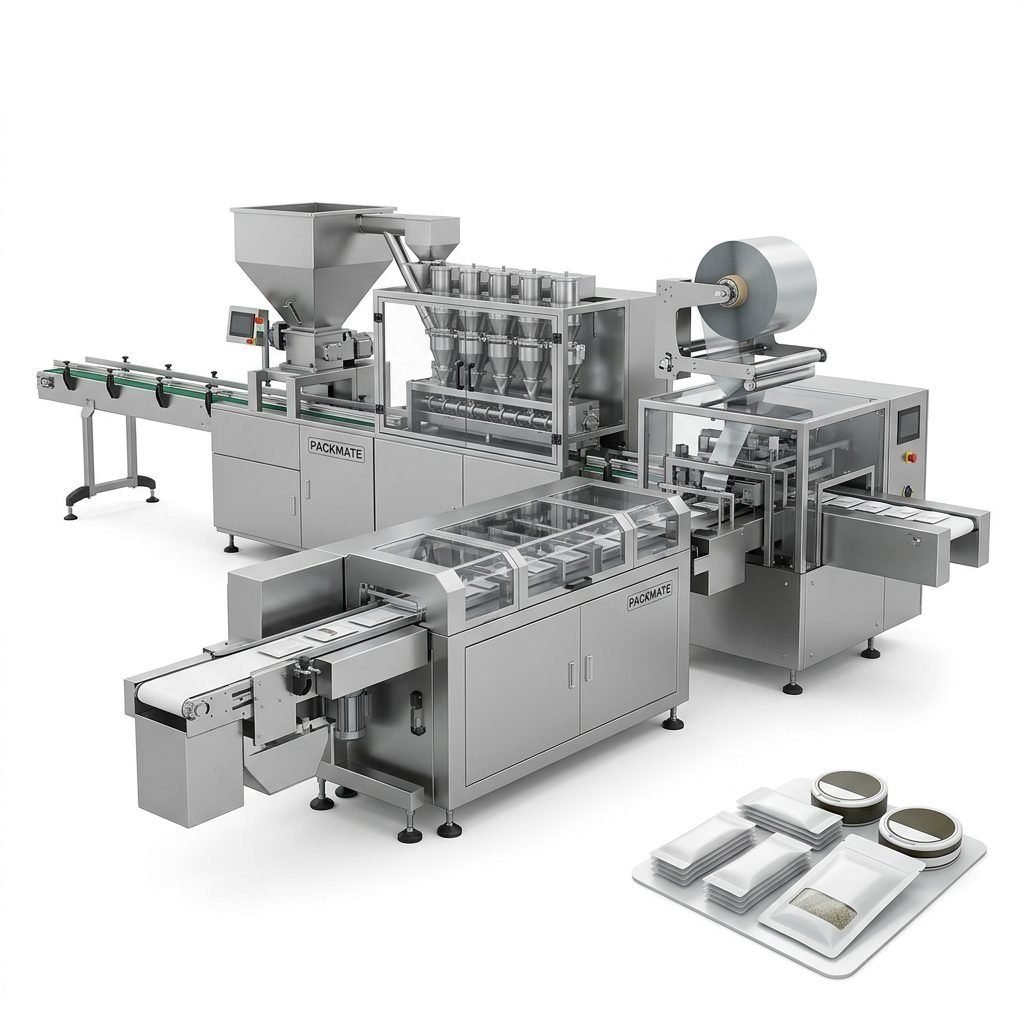
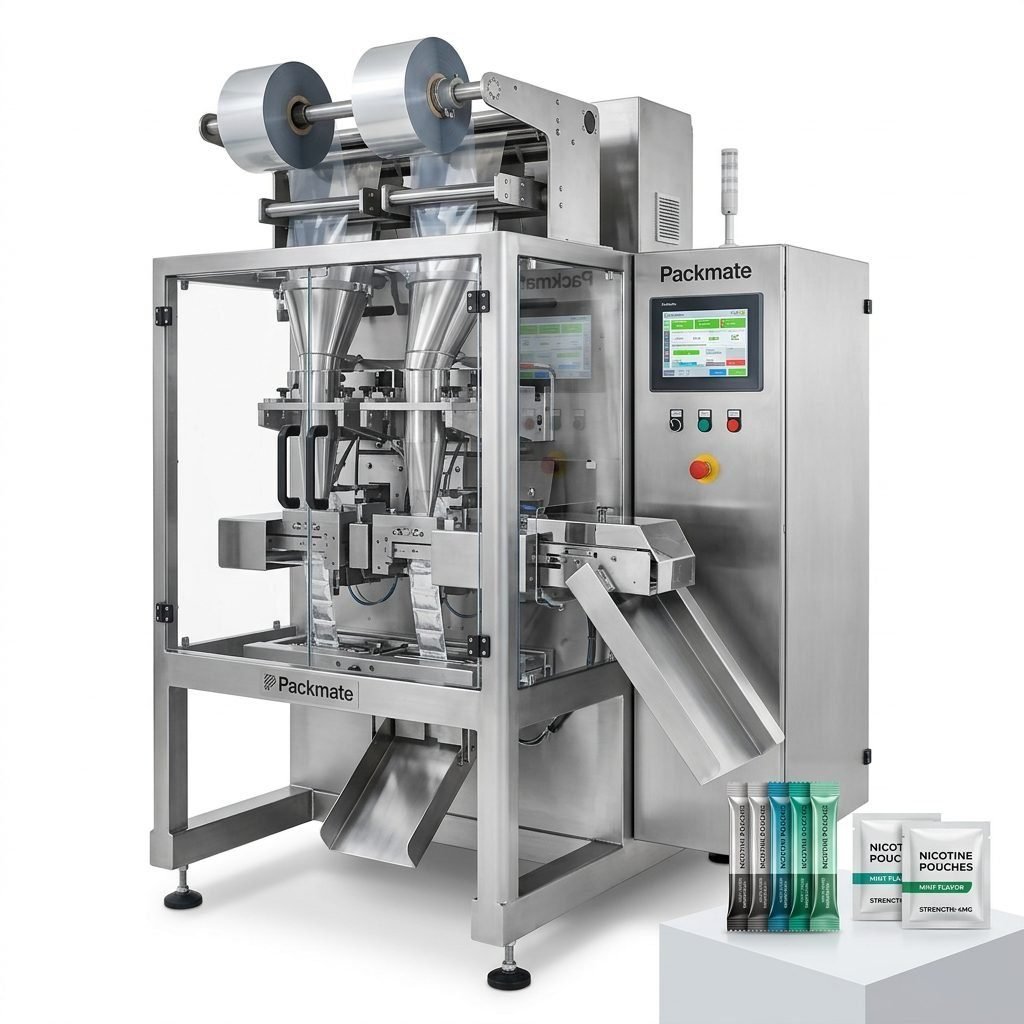
In the fast-evolving snus and nicotine pouch industry, efficiency, consistency, and compliance are no longer optional—they are essential. High speed snus packaging machines provide a turnkey solution for manufacturers seeking to scale production while maintaining quality and regulatory standards. This article explores fully automatic solutions for portion snus production, highlighting design features, workflows, customization options, and the real-world benefits that modern packaging lines deliver.
🚀 Why High Speed Snus Packaging Matters
Global demand for portioned nicotine pouches and snus continues to grow. To meet market expectations, manufacturers must deploy equipment that combines speed with precision. A high speed snus packaging machine reduces labor dependency, minimizes product waste, and ensures consistent pouch weight and sealing quality — all critical factors for brand reputation and regulatory compliance.
📈 Key Business Drivers
Higher throughput — Achieve multi-lane production that multiplies output on a single machine footprint.
Consistent product quality — Precise dosing and sealing technology support strict product specs.
Regulatory compliance — Machines engineered to meet CE/ISO requirements for global markets.
⚙️ Core Features of Fully Automatic Snus Packaging Solutions
Fully automatic snus pouch lines integrate multiple subsystems into a seamless workflow. Below are the essential features that distinguish modern high-speed equipment:
Main Functional Modules
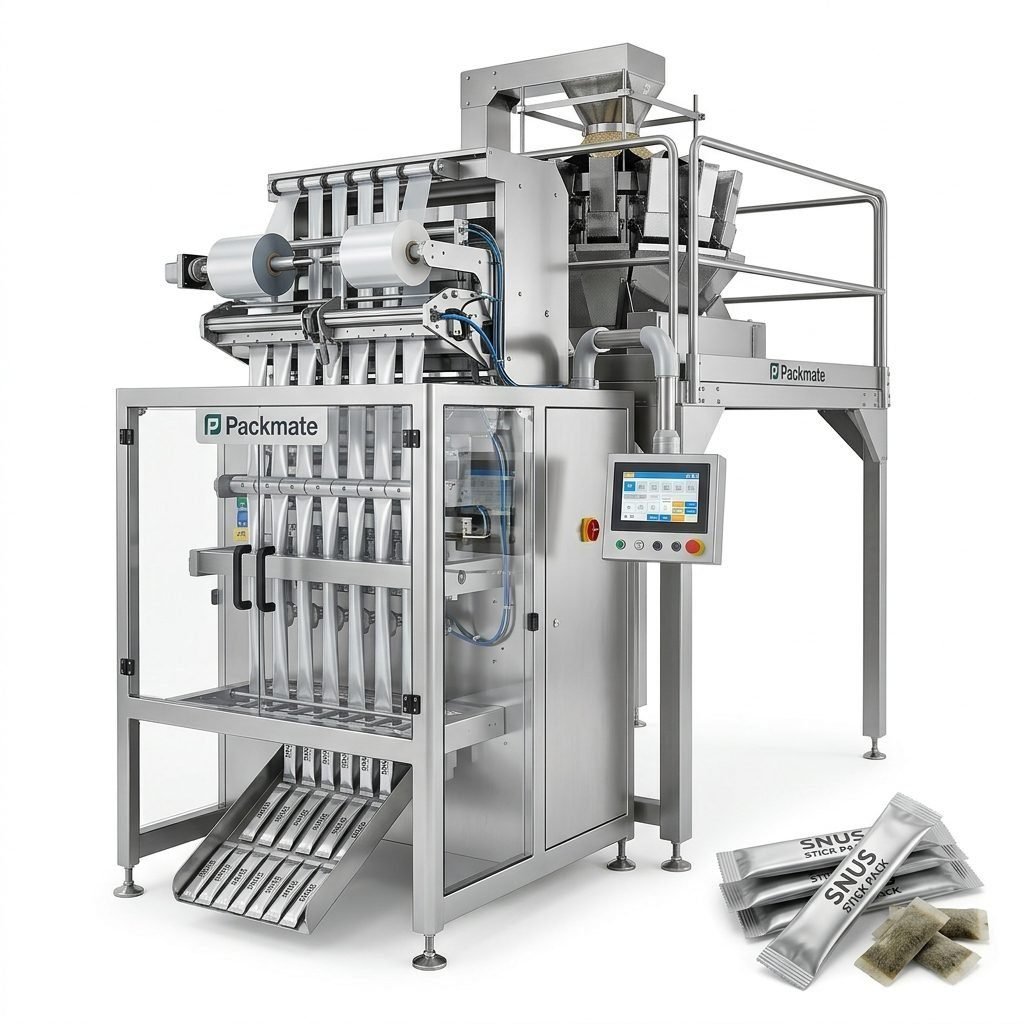
Feeding & metering — Accurate powder or granule dosing systems including multi-head weighers or volumetric feeders for consistent portion weight.
Multi-lane forming & filling — Multi-lane channels allow several pouches to be formed and filled simultaneously, multiplying output without increasing floor space dramatically.
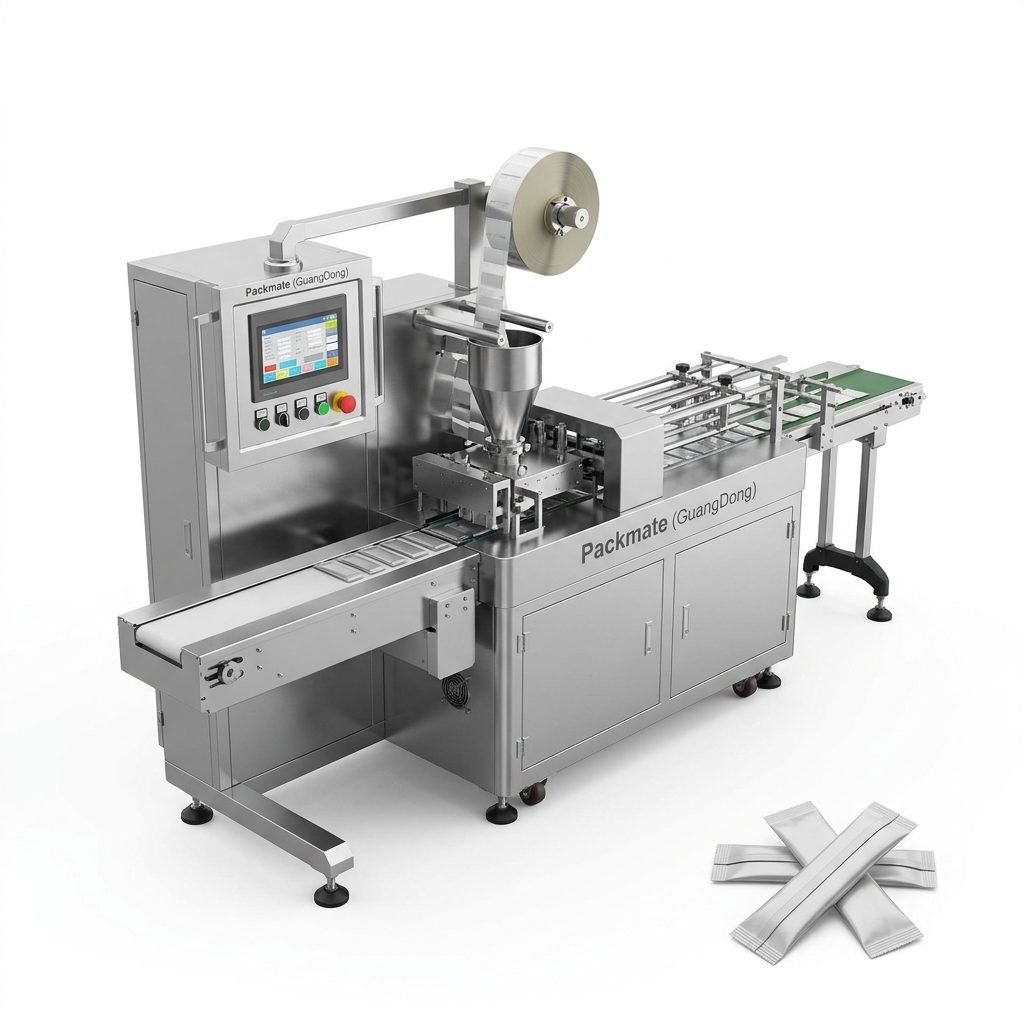
Sealing & cutting — Ultrasonic or thermal sealing units with precision cutting for perfect pouch presentation and leak-free closure.
In-line quality inspection — Vision systems and weight checks to detect seal defects, missing portions, or foreign materials in real time.
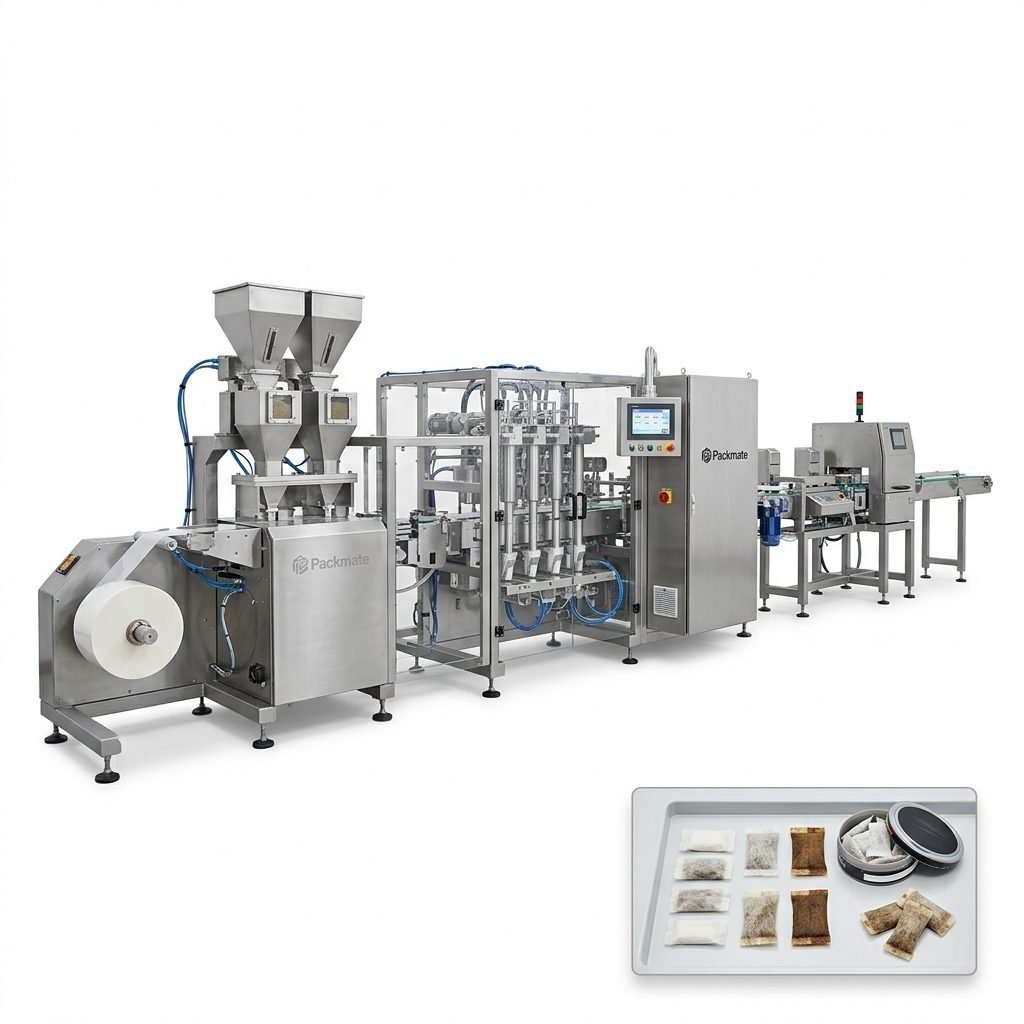
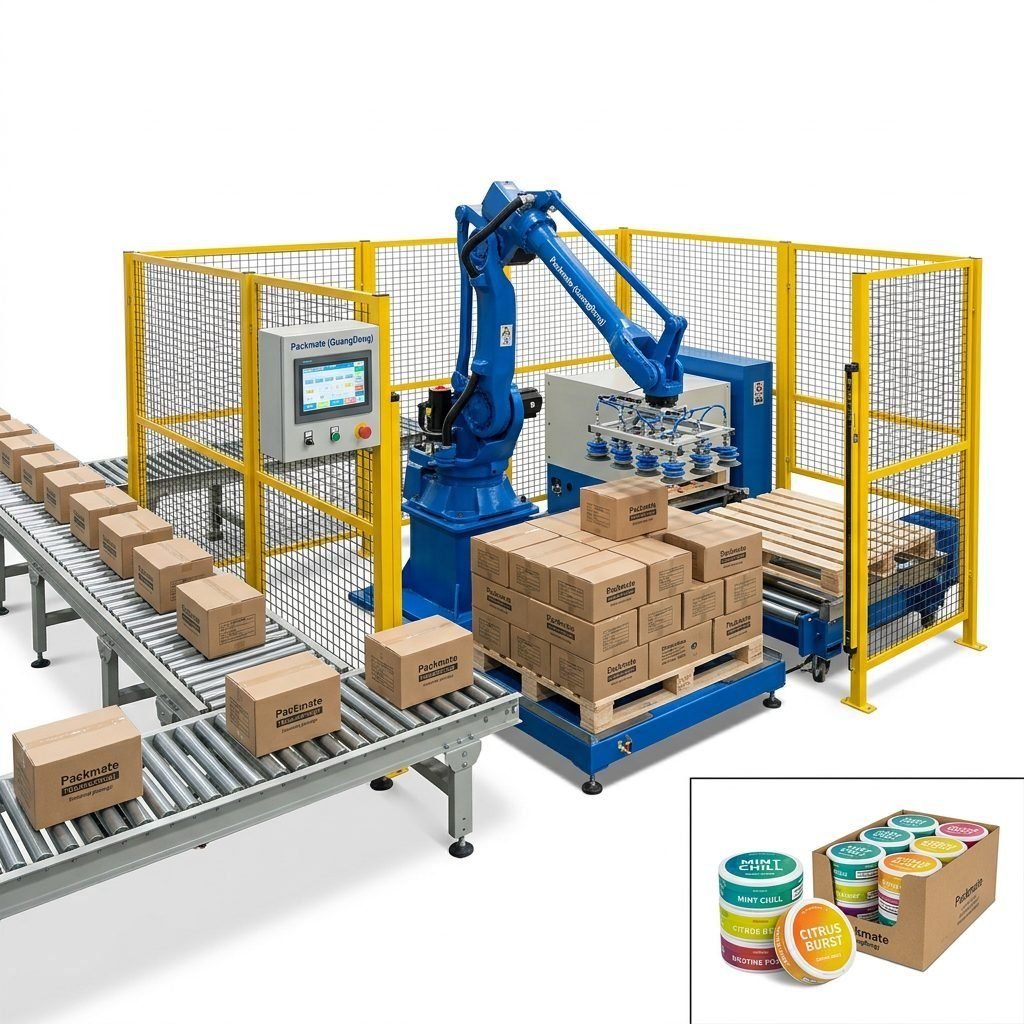
Automated packing & downstream handling — Integrated case packers, cartoners, or flow-wrapping units to complete the packaging line.
🔍 Production Workflow: From Raw Material to Finished Pouch
Understanding the end-to-end workflow helps manufacturers optimize performance. A typical fully automatic snus packaging line follows clear stages:
Step-by-step Process
1. Material preparation and blending — Precise recipe control to ensure consistent nicotine pouch composition.
2. Feeding and metering — Automated weighers ensure each portion meets target weight tolerances.
3. Form-fill-seal operation — Multi-lane forming stations create pouches that are filled and sealed at high speed.
4. Inspection and rejection — Vision systems and checkweighers remove off-spec items before secondary packaging.
5. Secondary packaging — Grouping, cartoning, or case packing for distribution-ready units.
📦 Customization & Multi-Model Flexibility
No two production lines are identical. Leading manufacturers provide modular solutions that can be tailored to product format, capacity targets, and local regulations. Custom options typically include lane counts, pouch formats, dosing methods, and integration with upstream/downstream equipment.
Lane configuration — From single-lane prototypes to multi-lane high-output systems.
Format changeover — Quick-change tooling and recipe memory reduce downtime between product runs.
Ancillary integration — Compatible with weighing systems, feeders, and third-party cartoners.
🏭 Factory & Manufacturing Strength
A strong manufacturing base ensures machines are engineered with precision and can be supported long-term. Packmate Snus Machine leverages decades of experience and a modern 20,000㎡ facility equipped with advanced CNC centers and precision assembly lines to deliver reliable equipment.
Highlights of manufacturing capabilities include:
• 30+ years of engineering experience and continuous R&D to improve multi-lane performance.
• Over 50 machine models with customization options for global markets.
• Rigorous quality testing and compliance with CE and ISO standards.
✅ Quality Control, Certification & Compliance
Regulatory oversight is stringent for nicotine-containing products. Packaging equipment must be designed to reduce contamination risk, enable traceability, and support consistent dosing. Machines that comply with CE and ISO standards provide greater confidence for export and local approval processes.
In-line Quality Measures
Integration of vision inspection, metal detection, and checkweighers supports high quality yield and reduces costly recalls. Preventive maintenance schedules and easy-to-access components further prolong machine uptime.
🔧 Installation, Training & After-sales Support
A trustworthy supplier provides end-to-end services — from layout planning and installation to training and spare parts. On-site commissioning and operator training are crucial for rapid ramp-up and sustained performance. Remote diagnostics and global spare parts distribution accelerate troubleshooting and minimize downtime.
Commissioning — Professional on-site setup to ensure production readiness.
Operator training — Structured programs for production staff and maintenance teams.
After-sales — Spare parts, remote assistance, and upgrade paths for evolving production needs.
💡 How to Choose the Right High Speed Snus Packaging Machine
Selecting the right machine requires balancing production targets, product formats, available space, and budget. Consider the following criteria when evaluating suppliers and machine models:
Selection Checklist
• Required throughput (pouches per minute) and scalability options.
• Supported pouch sizes, shapes, and material types.
• Integration capability with existing upstream/downstream equipment.
• Availability of local support, spare parts, and service teams.
• Compliance with target market regulations and quality standards.
💬 Real-World Case Uses & Global Reach
Successful deployments span Europe, Asia, and the Americas. Manufacturers appreciate modular multi-lane systems that enable fast product changeovers and predictable yields. Examples include nicotine pouch startups scaling from pilot to commercial volumes and established brands upgrading lines for greater automation.
For examples and case references, review global cases and demonstration details to compare solution performance and ROI across different product types and regional requirements.
📚 Additional Resources & Product Links
Explore detailed product categories and company information for further specification and procurement planning:
Snus & Nicotine Packaging Machines
Filling & Packaging Lines
About Packmate
Contact Us
📊 Return on Investment: What to Expect
Investing in a high speed snus packaging machine typically generates ROI through reduced labor costs, improved yields, and faster time-to-market. Key performance indicators to monitor include OEE (Overall Equipment Effectiveness), scrap rate, and downtime. A well-designed multi-lane system often pays back within a defined period depending on production volumes and labor costs.
KPI to track — Throughput, yield, downtime, and cost per pouch.
Optimization — Continuous improvement programs and data-driven maintenance increase ROI long-term.
🔗 Final Thoughts
For manufacturers in the snus and nicotine pouch space, adopting high speed, fully automated packaging machines is a strategic step toward scalable, compliant, and profitable production. Choose equipment from an experienced supplier with robust manufacturing capabilities and a global support network to secure long-term performance.
❓ Frequently Asked Questions
Q1: What throughput can I expect from multi-lane snus packaging machines?
A1: Throughput varies by lane count and pouch format. Multi-lane systems multiply per-lane speeds — many high-performance lines reach several thousand pouches per hour per lane. Consult specific machine specs for exact figures.
Q2: Are these machines suitable for different pouch materials and sizes?
A2: Yes. Modern machines support a range of pouch materials and have quick-change tooling to minimize downtime during format changes.
Q3: What certifications should I look for when buying snus packaging equipment?
A3: Prioritize suppliers whose equipment meets CE and ISO standards and who provide documentation for compliance with local market regulations.
Q4: How quickly can a packaging line be commissioned and operators trained?
A4: Commissioning and training timelines depend on line complexity. Typical on-site commissioning and training can range from a few days to several weeks for full production ramp-up.
Q5: Where can I find more technical details and case studies?
A5: For product catalogs, case studies, and technical documents, visit the supplier’s product pages and case sections to compare models and read real-world examples.