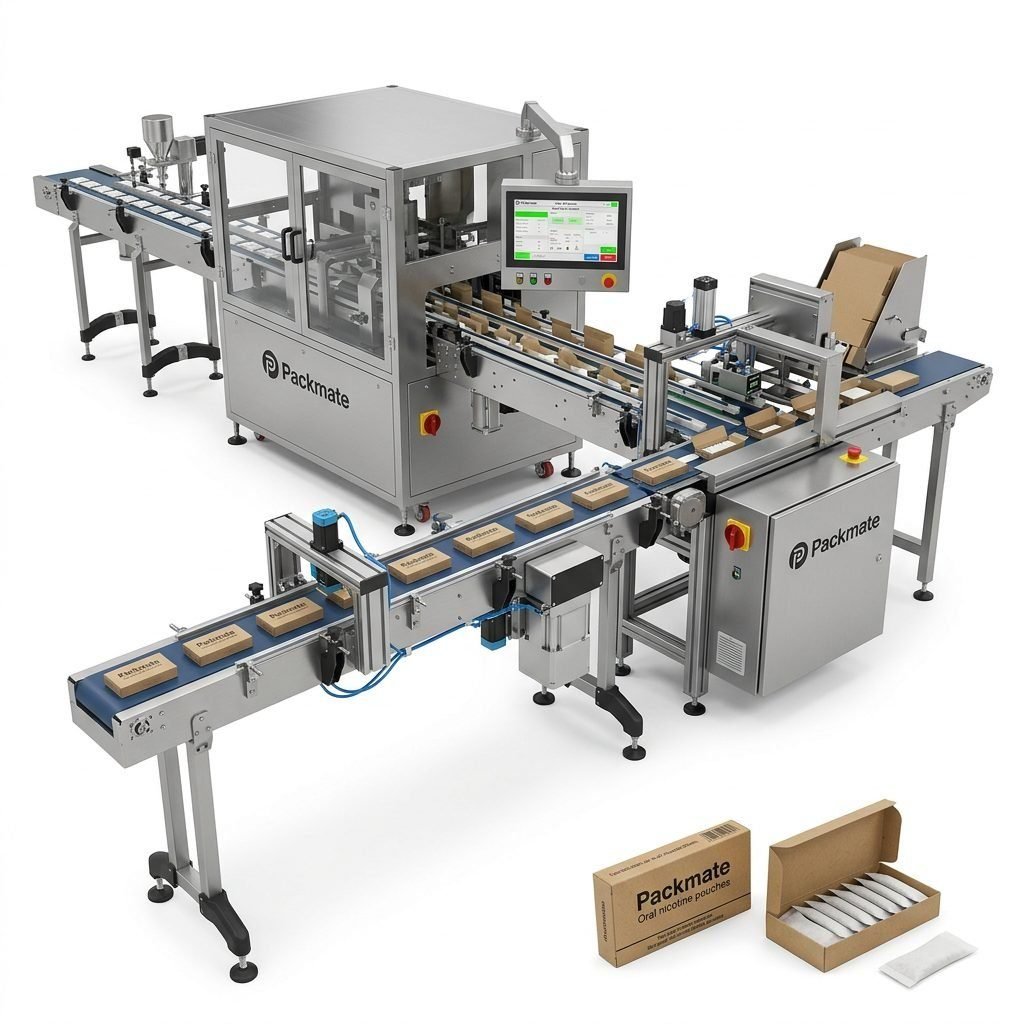
Choosing the right nicotine packaging machine manufacturer in Argentina can make the difference between a production line that runs smoothly for years and one that struggles with downtime, quality inconsistency, and costly maintenance. This guide walks you through practical criteria and decision-making steps so you can select a partner who understands snus and nicotine pouch packaging technology, offers reliable engineering, and supports long-term growth for your business.
Market Context in Argentina: Why Local Decisions Matter
Argentina is a growing market for nicotine pouches and related formats. Local regulations, distribution logistics, and consumer preferences require packaging solutions that are adaptable. When you source a machine, you are investing in a partner who must align engineering know-how with your market rhythm—production speed, pouch format variety, and quality control standards. Look for a manufacturer who has demonstrable experience serving similar markets and can advise on regulatory compliance and product presentation.
3 Critical Reasons to Prioritize the Right Manufacturer
Reliability: downtime directly impacts revenue. Machines built with precision parts and tested in high-volume conditions reduce unplanned stoppages.
Customization: nicotine pouches require variable dose control, multi-lane formats, and specialized sealing. Off-the-shelf may not be enough.
Support & Parts Availability: local or quick global support ensures spare parts and technical service minimize production loss.
Key Evaluation Factors: What to Inspect Before You Buy
When evaluating manufacturers, focus on measurable capabilities. Below are the practical checkpoints you can use during initial contact, technical review, and factory visits.
1) Engineering & Product Range
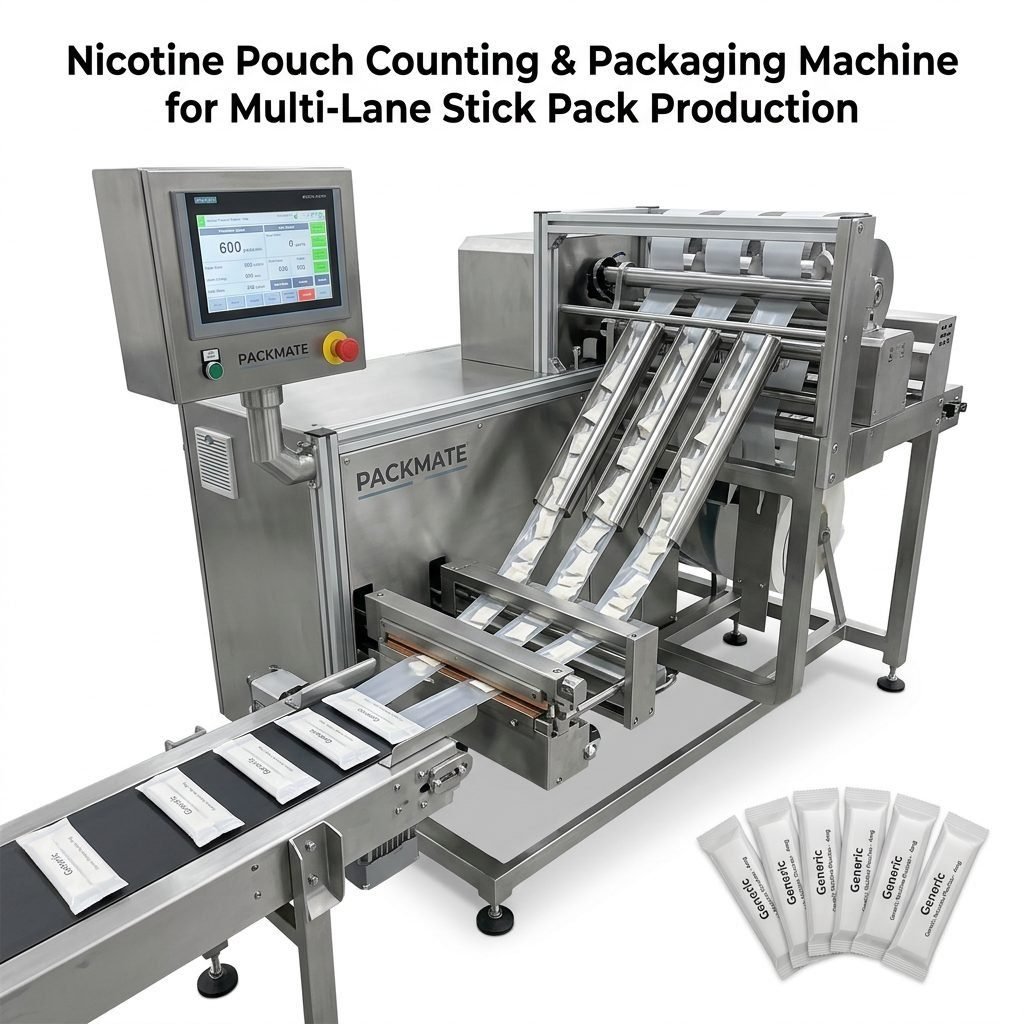
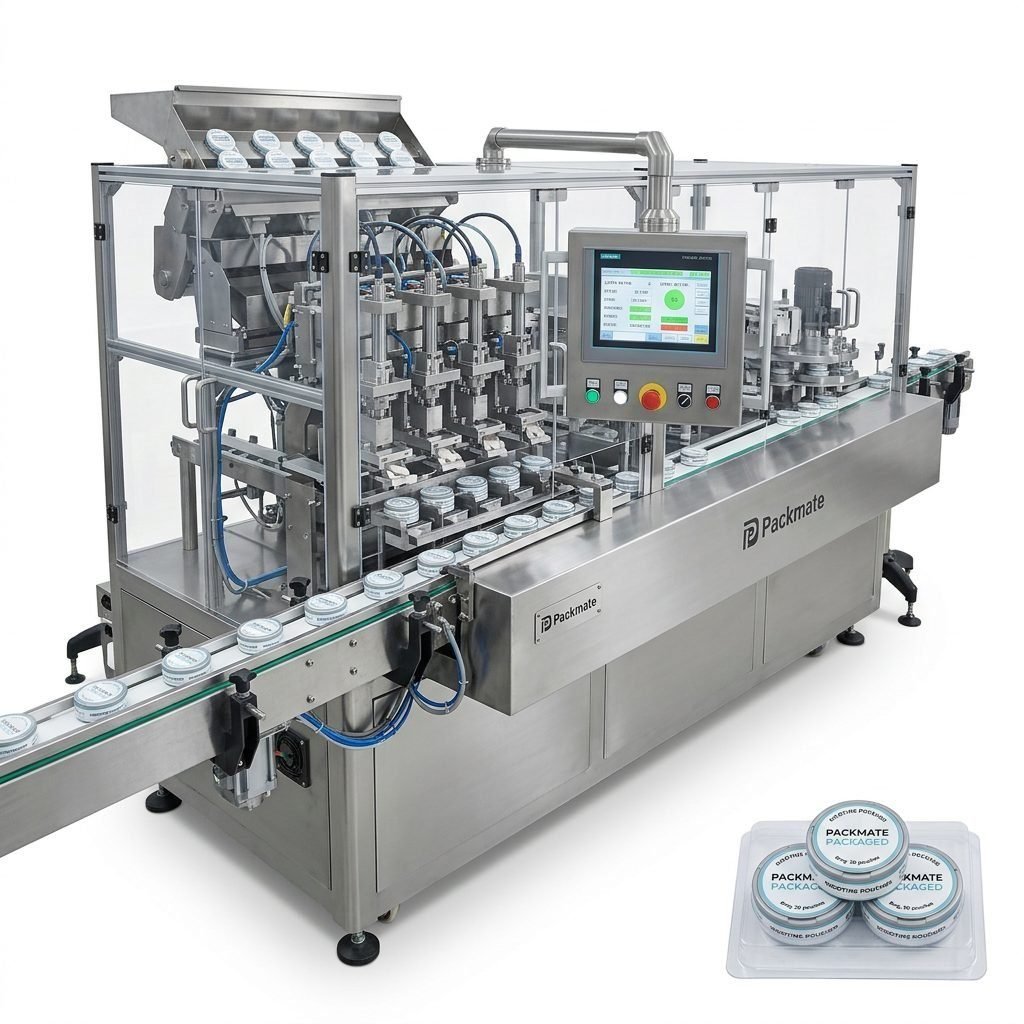
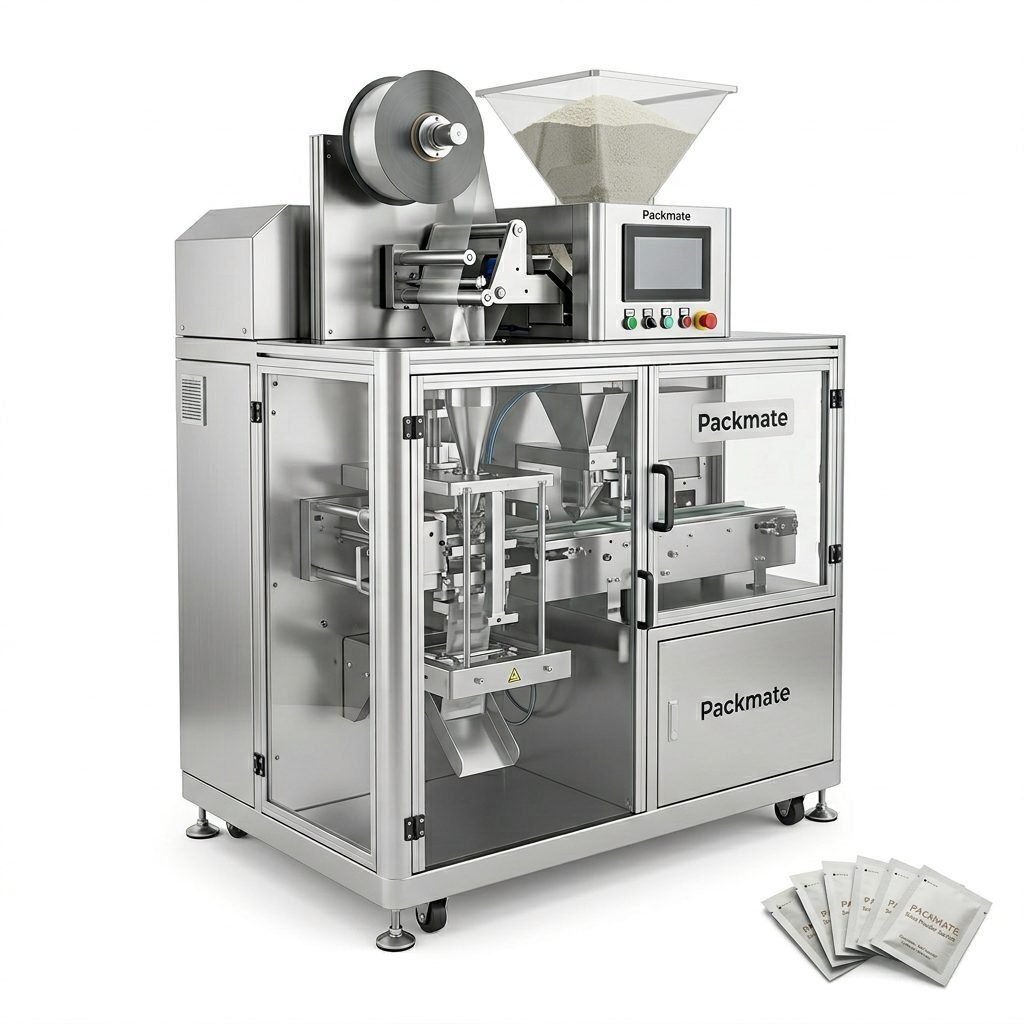
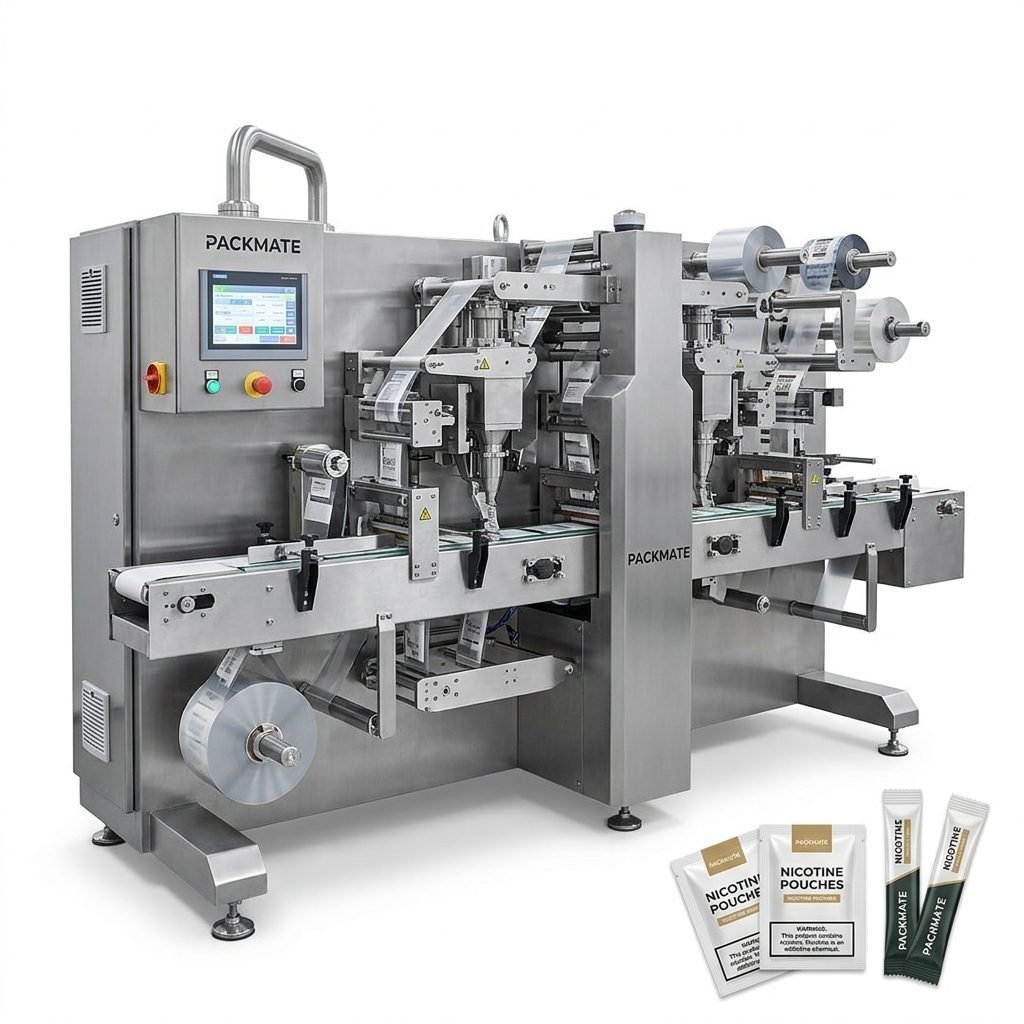
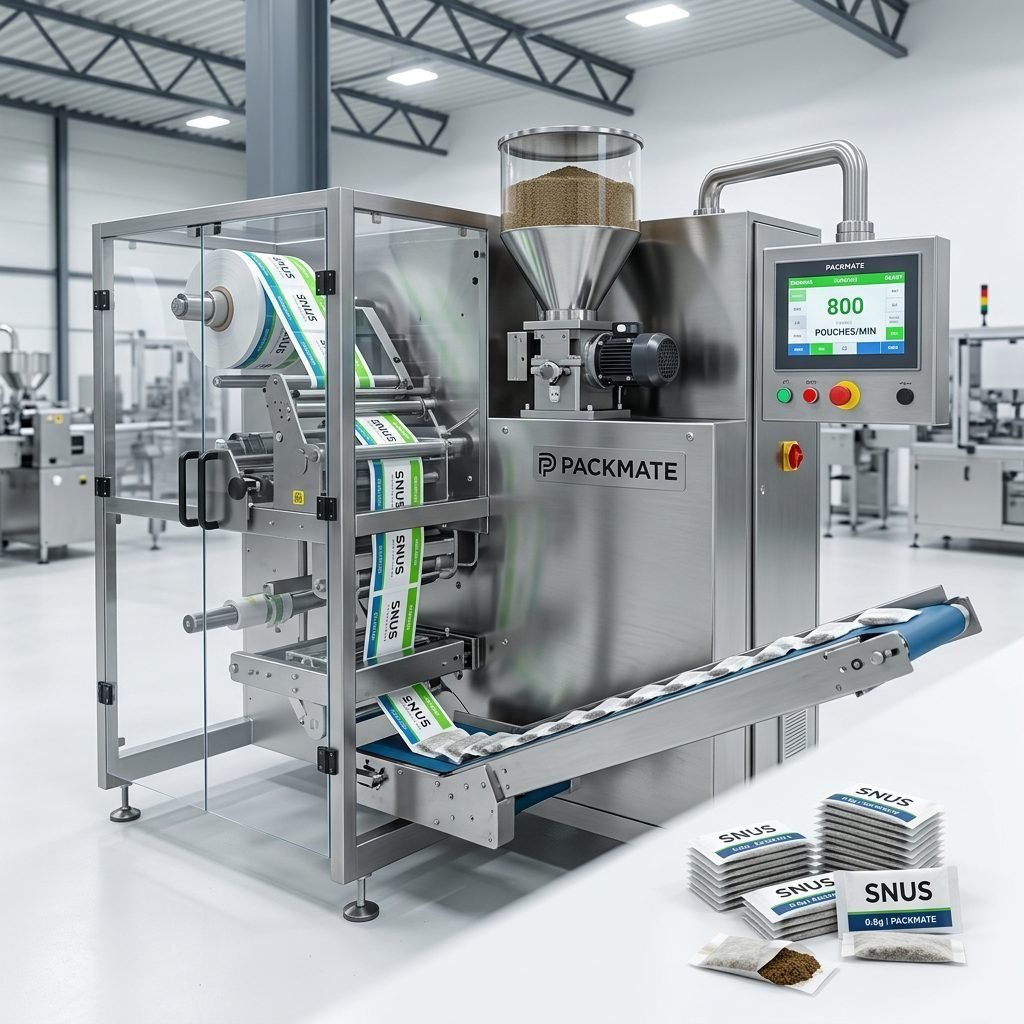
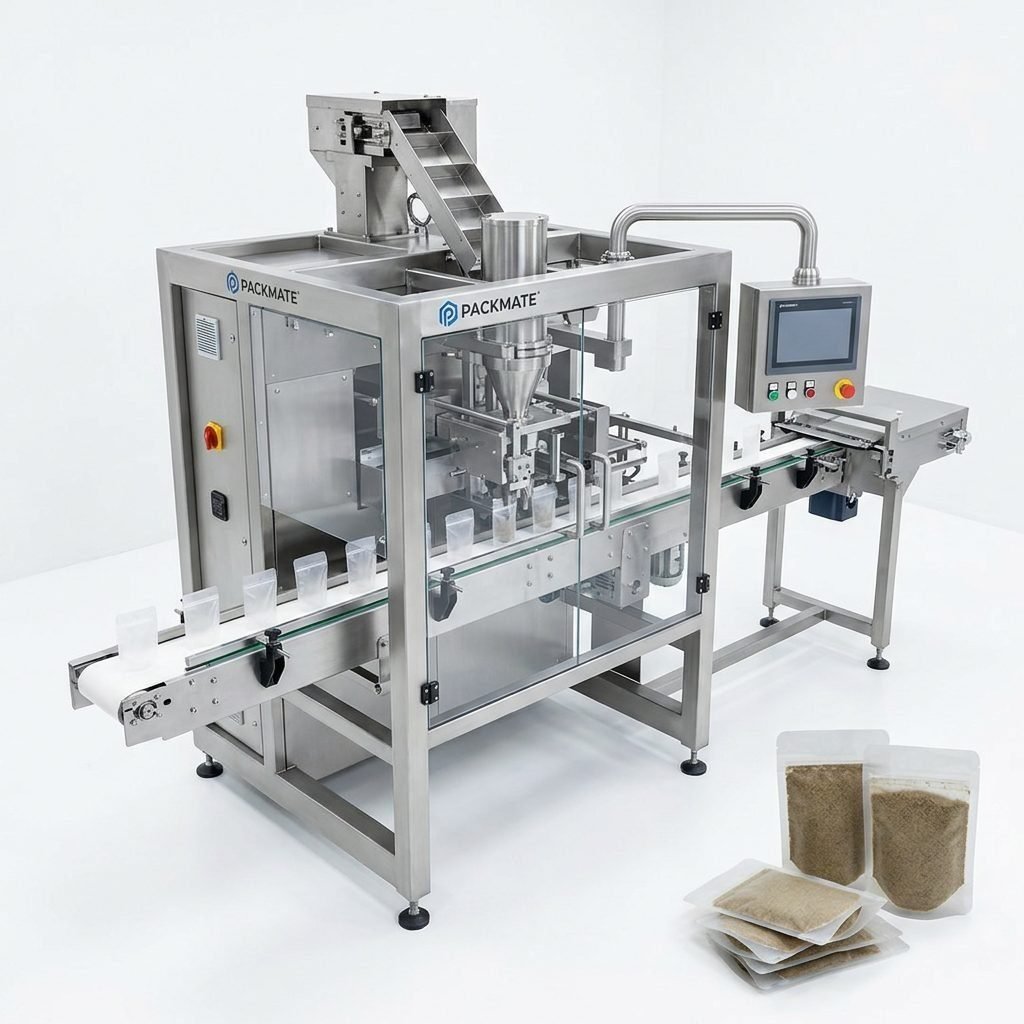
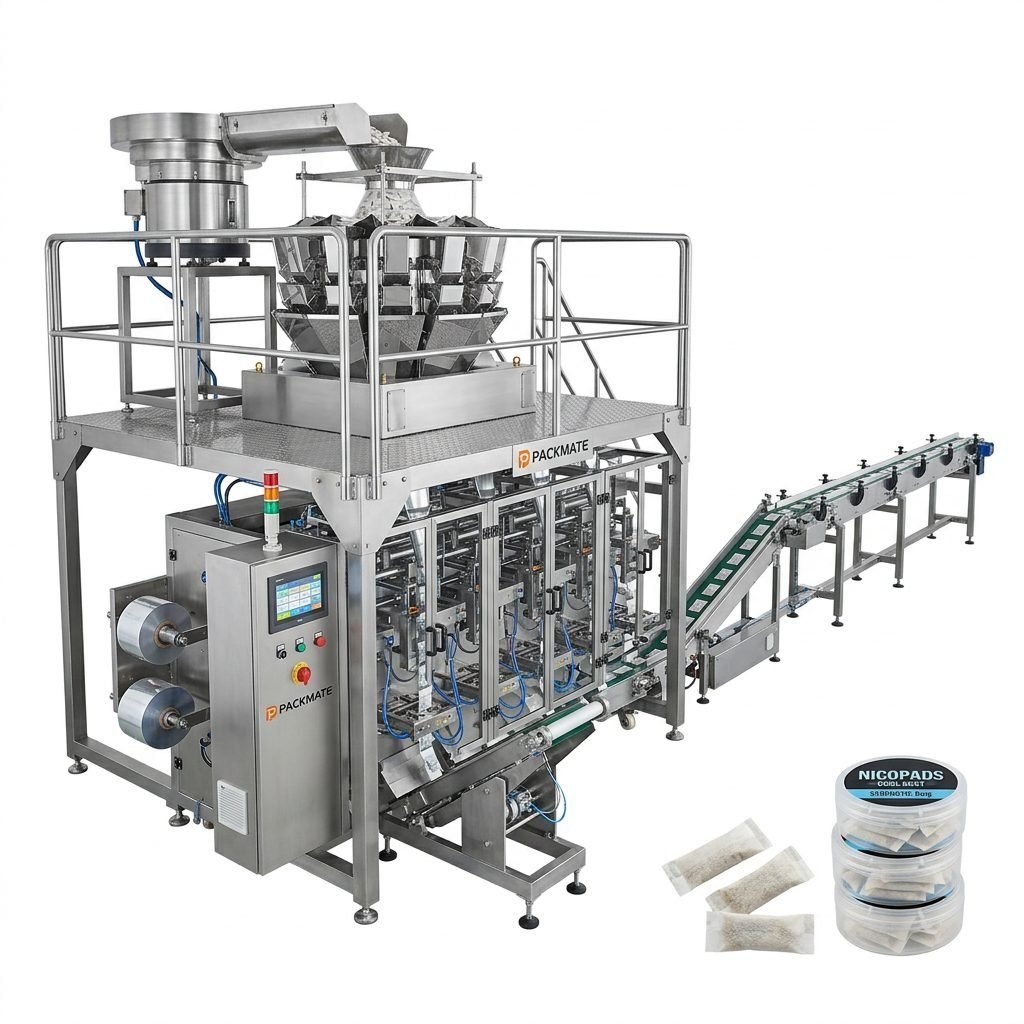
Assess whether the manufacturer offers machines specifically for nicotine pouches, such as multi-lane snus packing machines, sachet and stick pack systems, and filling/packaging lines for powders and granules. A broad catalogue with niche models suggests deep domain expertise. For example, manufacturers with proven snus solutions typically document multi-lane systems for small-dose pouch production and integrate weighing and filling systems into turnkey lines. Explore product lines like Snus & Nicotine Packaging Machines and Sachet & Stick Pack Machines to understand available formats and speeds.
2) Manufacturing Capacity & Quality Control
A manufacturer with advanced CNC machining centers, precision assembly lines, and a dedicated quality testing department signals consistent machine accuracy. Look for documented factory area, number of models, and visible assembly workflows. A factory that publishes its processes and certifications provides transparency and reduces procurement risk.
3) Certifications & Regulatory Compliance
International certifications such as CE and ISO show that equipment meets recognized safety and quality standards—critical when entering regulated markets. Confirm the manufacturer can provide certificates and assist with documentation required for Argentina and export destinations. Learn more about company credentials via pages like Certificate.
Questions to Ask Potential Manufacturers (Checklist)
🔧 How many years of experience do you have specifically with snus/nicotine pouch machines?
✅ Can you provide references or case studies from similar projects? (Request factory photos or installation videos)
📦 What is your lead time for standard models and for custom turnkey solutions?
⚙️ What are the Mean Time Between Failures (MTBF) and recommended maintenance routines?
📃 Are spare parts stocked locally or shipped from the factory, and what are typical delivery times?
Turnkey Solutions vs. Standalone Machines
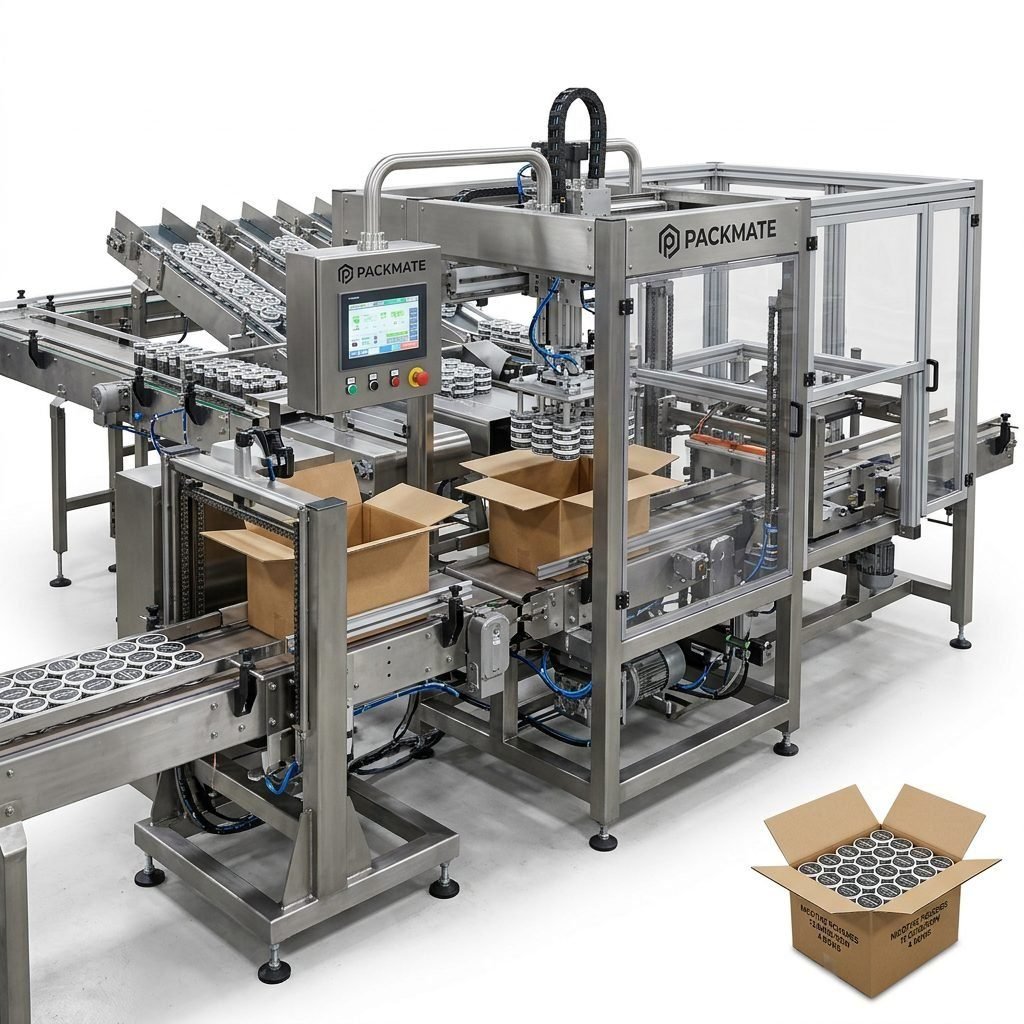
Decide whether you need a standalone packaging machine or a fully integrated turnkey production line. Turnkey solutions include upstream dosing/weighing, multi-lane packing, labeling, and downstream cartoning. They reduce integration risk but require stronger supplier project management. Suppliers experienced in full lines can optimize throughput, minimize manual handoffs, and guarantee machine-to-machine compatibility. See examples of integrated systems at Filling & Packaging Lines and Weighing & Packaging Systems.
Customization & Flexibility: What to Prioritize
Nicotine pouch products evolve rapidly—sizes, materials, and multi-lane throughput demand adaptable machines. Prioritize manufacturers who offer modular designs, easy changeover kits, and software-controlled parameter storage for multiple SKUs. Confirm that the control systems (e.g., PLC and HMI) are user-friendly and support remote diagnostics for faster troubleshooting.
After-sales Service, Spare Parts & Training
Strong after-sales support mitigates production risk. Ask about warranty terms, spare parts kits included with delivery, remote support capabilities, and on-site commissioning. Training for operators and maintenance teams should be part of the package, along with clearly defined service response times. A high-quality supplier often provides extended support, technical documentation, and video resources to speed up learning curves.
Factory Visit: What to Look For Onsite
When visiting a supplier’s manufacturing site, verify the machining and assembly environments, inspect sample machines in operation, and review testing protocols. Observe how machines are packaged and prepared for export. Check for clean documentation, traceability of parts, and a professional QA process. A transparent factory will willingly demonstrate machine runs and provide references.
Cost vs. Total Cost of Ownership (TCO)
Initial machine price is only part of the equation. Consider energy efficiency, spare parts pricing, mean time to repair, operator training costs, and expected service life. A slightly higher investment in a robust, well-supported machine often yields a lower TCO through reduced downtime and better product yields. Request a realistic TCO estimate covering at least 5 years of operation.
Supplier Profile Snapshot: What Solid Suppliers Show
• Clear company history and engineering track record (30+ years is a strong sign).
• A wide model range and the ability to customize multi-lane systems.
• A modern manufacturing facility with CNC capabilities and documented QA.
• Certifications like CE and ISO and active participation in international exhibitions.
Real-World Evidence: Case Studies & Demonstrations
Ask potential manufacturers for case studies that reflect real production scenarios. Case documentation should include the project scope, machine models used, production metrics achieved, and customer feedback. Video demonstrations of machines running real product are invaluable. You can explore supplier portfolios and past projects on pages like Case.
How Packmate-Like Suppliers Stand Out
Manufacturers with specialized brands in snus packing machines bring valuable advantages: decades of continuous improvement, dedicated R&D for nicotine pouch formats, and the ability to supply both single machines and complete production lines. Companies that openly present their workshop scale, production models, and global service footprint show transparency—an important trait when selecting a long-term partner. Learn more about company background and mission at About Packmate.
Decision-Making Roadmap: From Inquiry to Installation
1) Shortlist suppliers based on product fit and references. 2) Request technical proposals and TCO estimates. 3) Schedule factory visits or live demos. 4) Negotiate warranty, training, and spare parts agreements. 5) Plan installation, FAT (Factory Acceptance Test), and SAT (Site Acceptance Test). 6) Ensure post-installation support is contractually agreed. For direct contact and service queries use supplier contact pages such as Contact Us.
Final Considerations
Selecting the right nicotine packaging machine manufacturer in Argentina requires balancing technical capability, real-world performance evidence, after-sales service, and financial sense. Prioritize partners who demonstrate domain expertise in snus and nicotine pouch technology, provide transparent factory information, and offer structured support during the machine lifecycle.
Quick Reference Links
Explore more machine types and solutions on product pages like Bag & Pouch Packaging Machines and Auxiliary Packaging Equipment to better match your production needs.
Frequently Asked Questions
Q1: How long does it typically take to receive a fully customized nicotine pouch line?
Lead times vary by complexity and factory workload. Typical delivery for custom turnkey projects ranges from 12 to 26 weeks including design, manufacturing, FAT, and shipping. Confirm exact timelines during quotation.
Q2: What level of local support can I expect after installation?
Reliable suppliers offer remote diagnostics, on-site commissioning, spare parts supply, and operator training. Service contracts can include preventive maintenance schedules and priority response times for critical components.
Q3: Are nicotine pouch machines compatible with multiple pouch materials and sizes?
Most modern machines are designed for flexibility—modular tools and changeover kits allow adaptation to various pouch widths, thicknesses, and materials. Always validate material compatibility during specification and testing.
Q4: How can I verify the manufacturer’s claims about production speed and yield?
Request video demonstrations with your product or similar formulations, detailed FAT reports, and customer references. Onsite factory testing and sample runs provide the most reliable confirmation.
Q5: What documentation should be included with the machine delivery?
Essential documentation includes user manuals, electrical and pneumatic diagrams, spare parts lists, QC certificates, FAT reports, and a commissioning checklist. Ensure warranty terms and service contacts are clearly stated.