Choosing the right snus packaging machine manufacturer in Bosnia and Herzegovina can make the difference between a production line that delivers consistent quality and uptime, and one that creates constant headaches. Whether you are producing nicotine pouches, snus, or other small-dose sachets, this guide will walk you through the practical steps to evaluate manufacturers, compare technologies, and secure a long-term partner who supports growth, regulatory compliance, and operational efficiency.
Understand Your Production Needs
Before you contact any manufacturer, map out your production requirements in detail. Key variables include daily output targets, target pouch types (stick pack, sachet, multi-lane pouches), product formats (powder, granules, liquid or pouch material), and required automation level. If you need to produce high volumes of nicotine pouches, prioritize manufacturers experienced with multi-lane systems and precise dosing. A clear specification list helps you get accurate proposals and prevents costly misunderstandings.
Checklist: Production Specification
• Target units per minute/hour/day
• Pouch sizes and formats
• Product material characteristics (moisture, flowability)
• In-line weighing or multi-head systems required
• Desired degree of automation and operator requirements
Evaluate Manufacturer Experience and Track Record
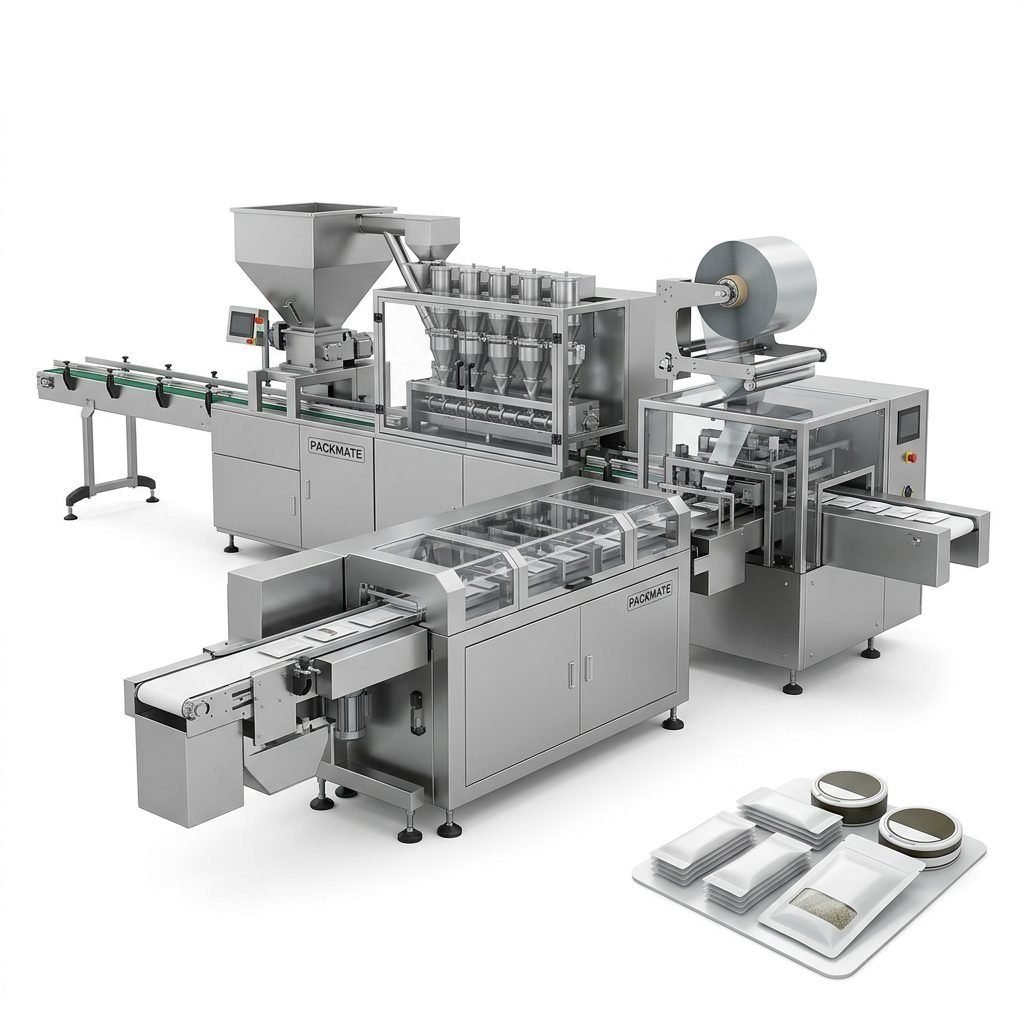
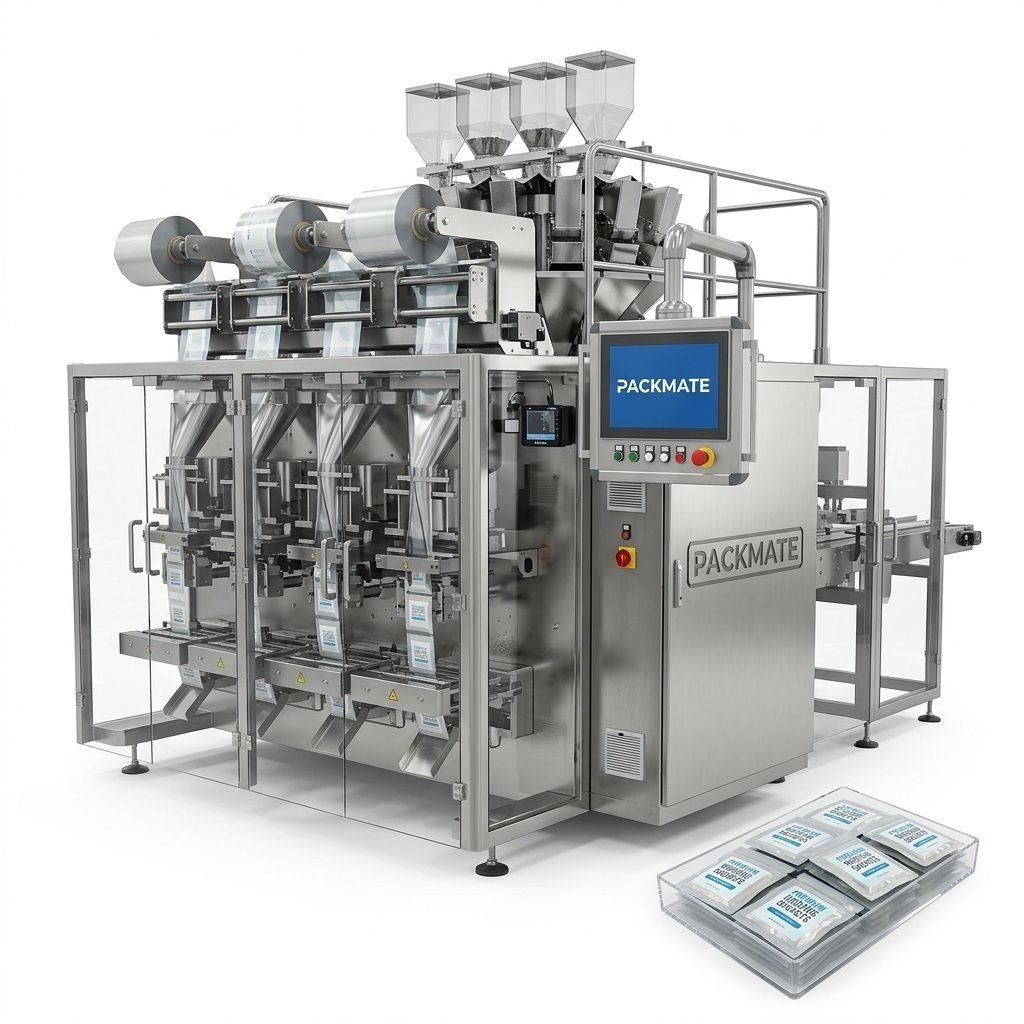
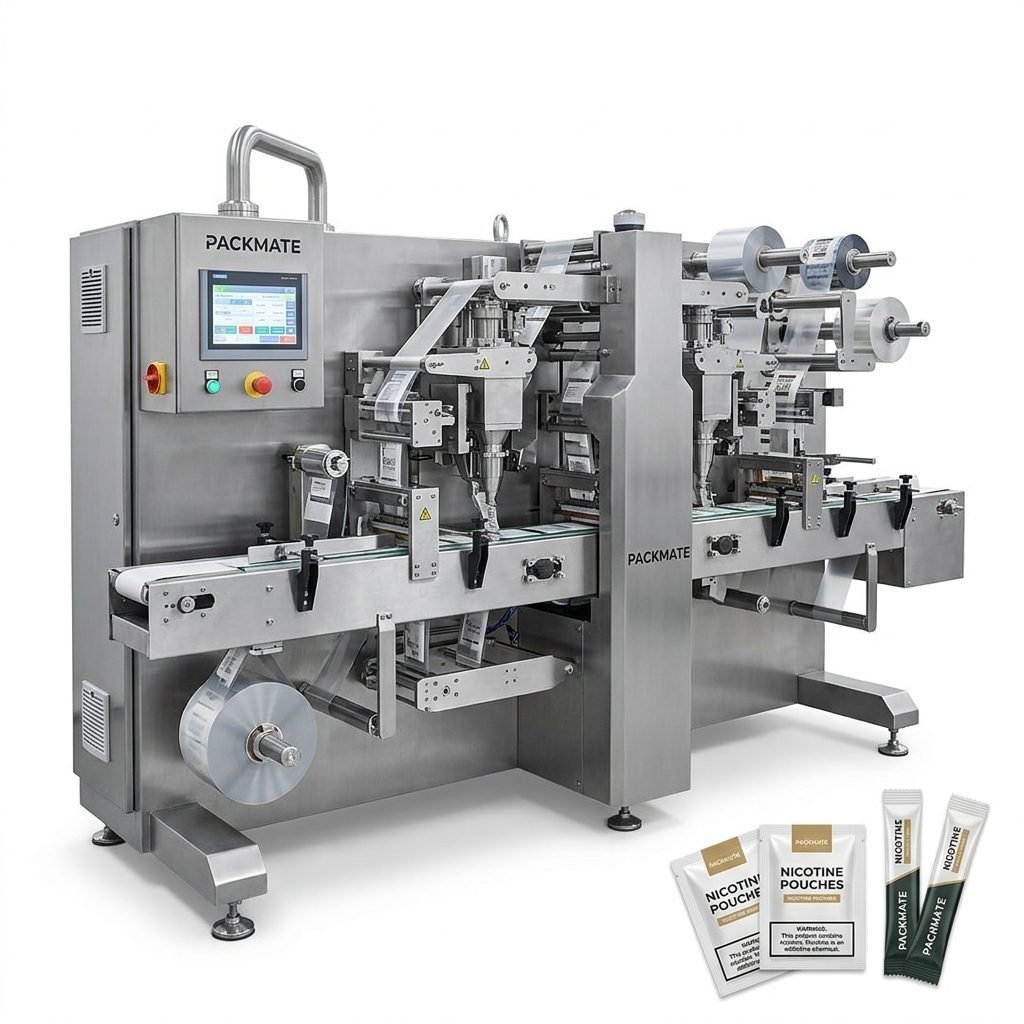
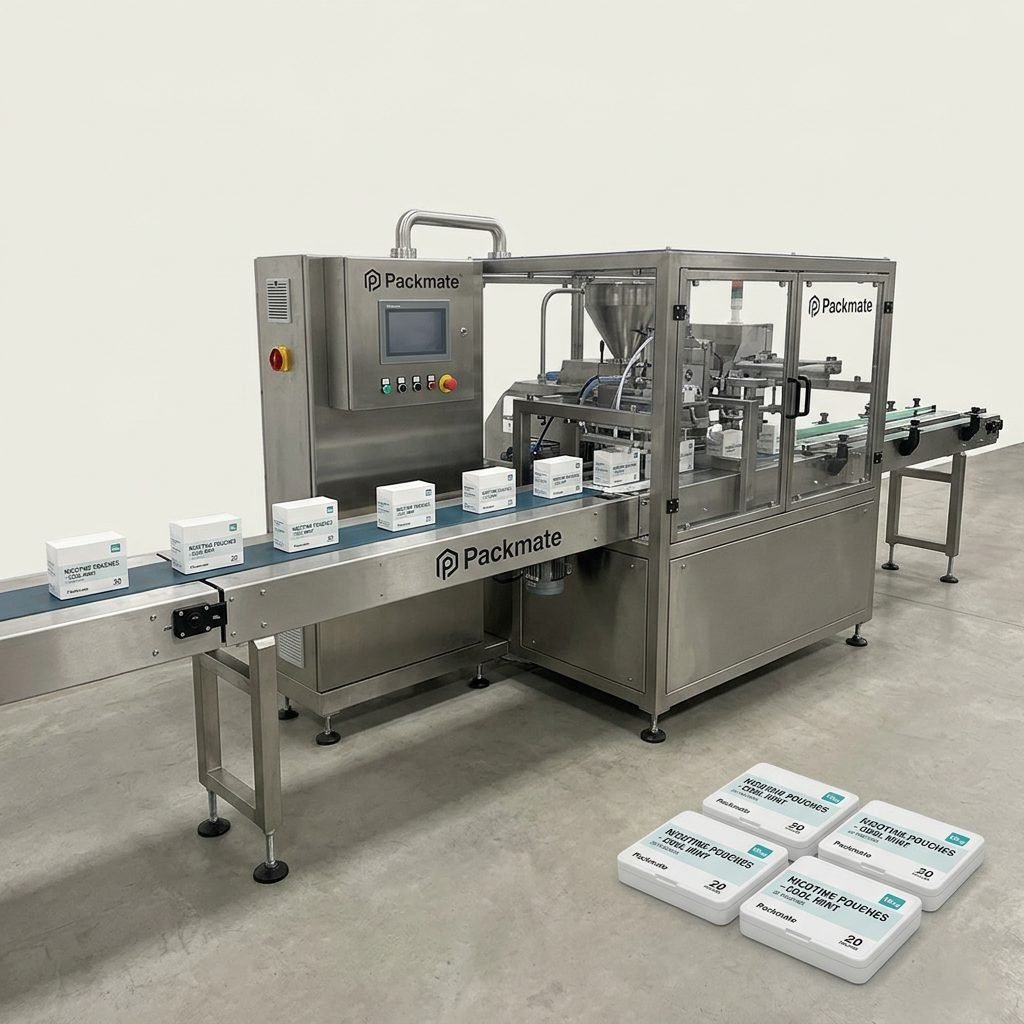
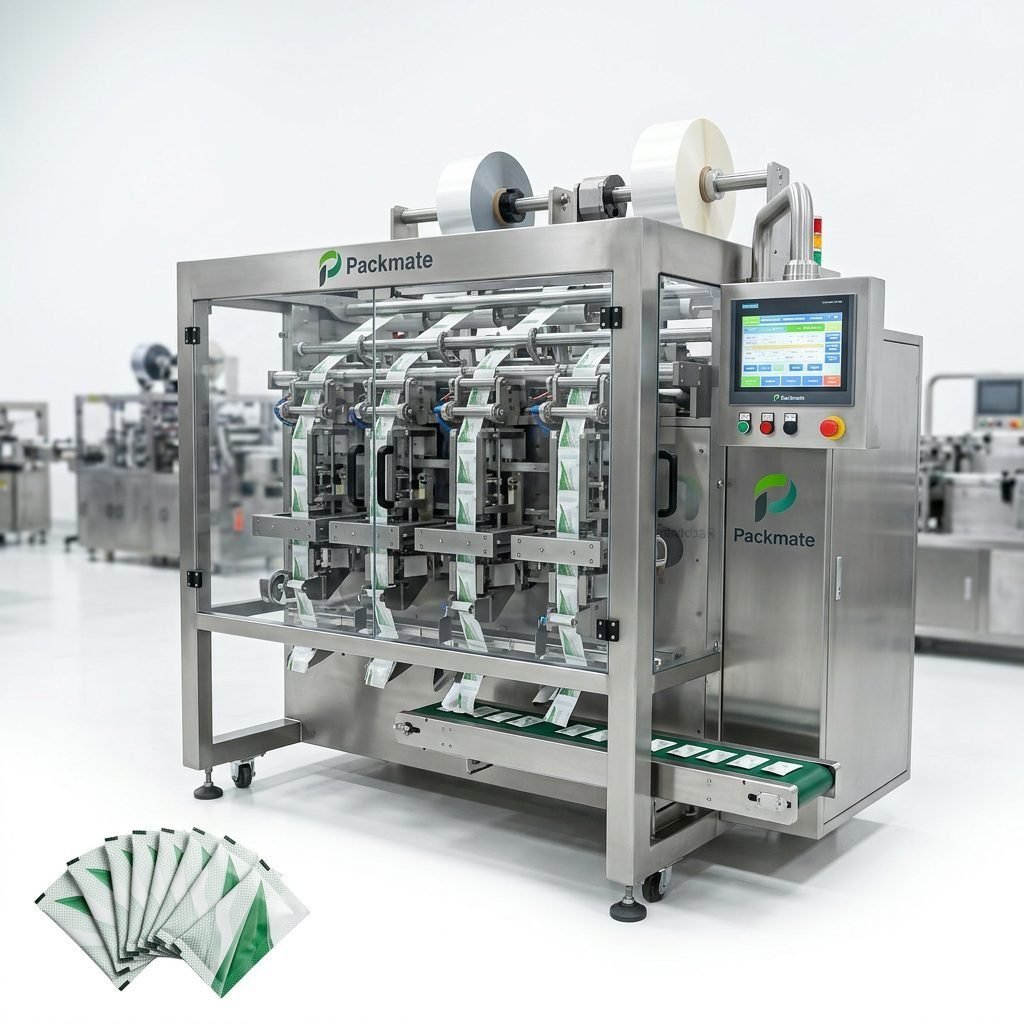
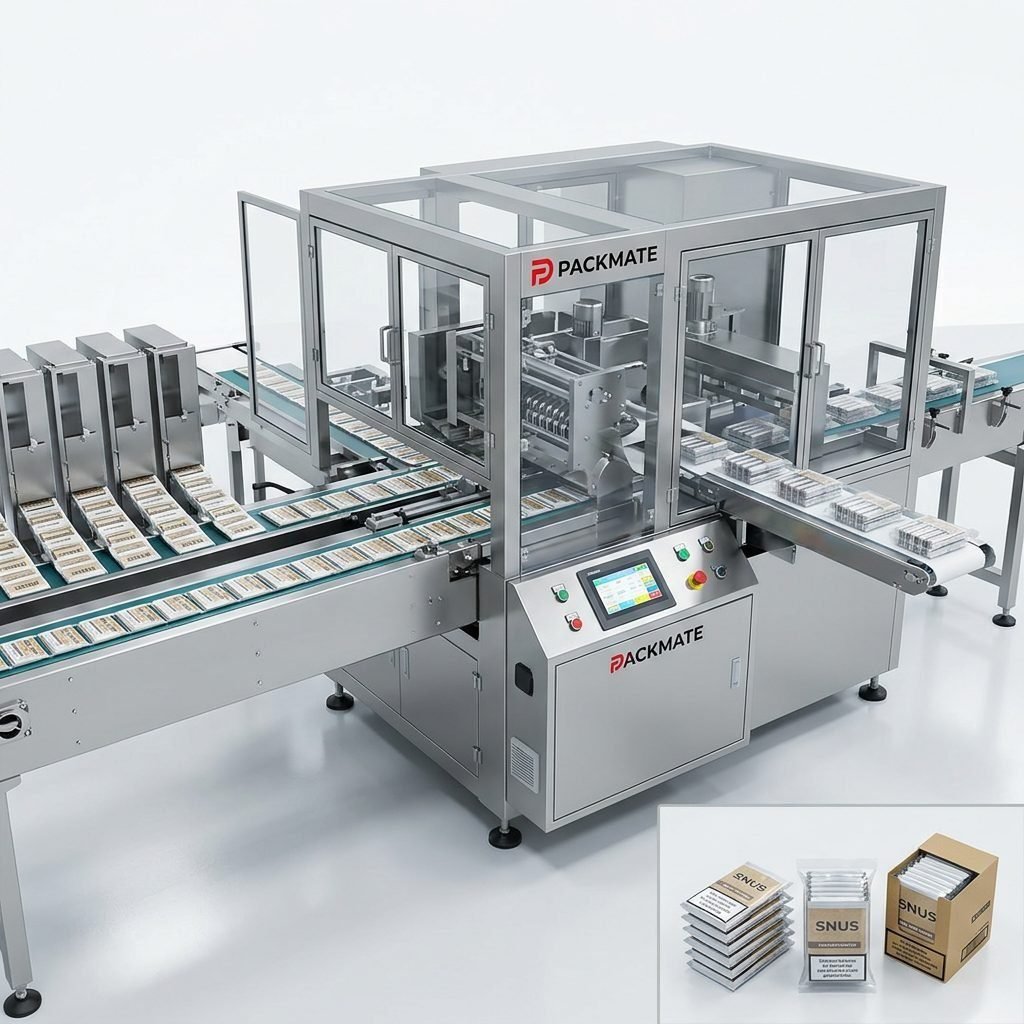
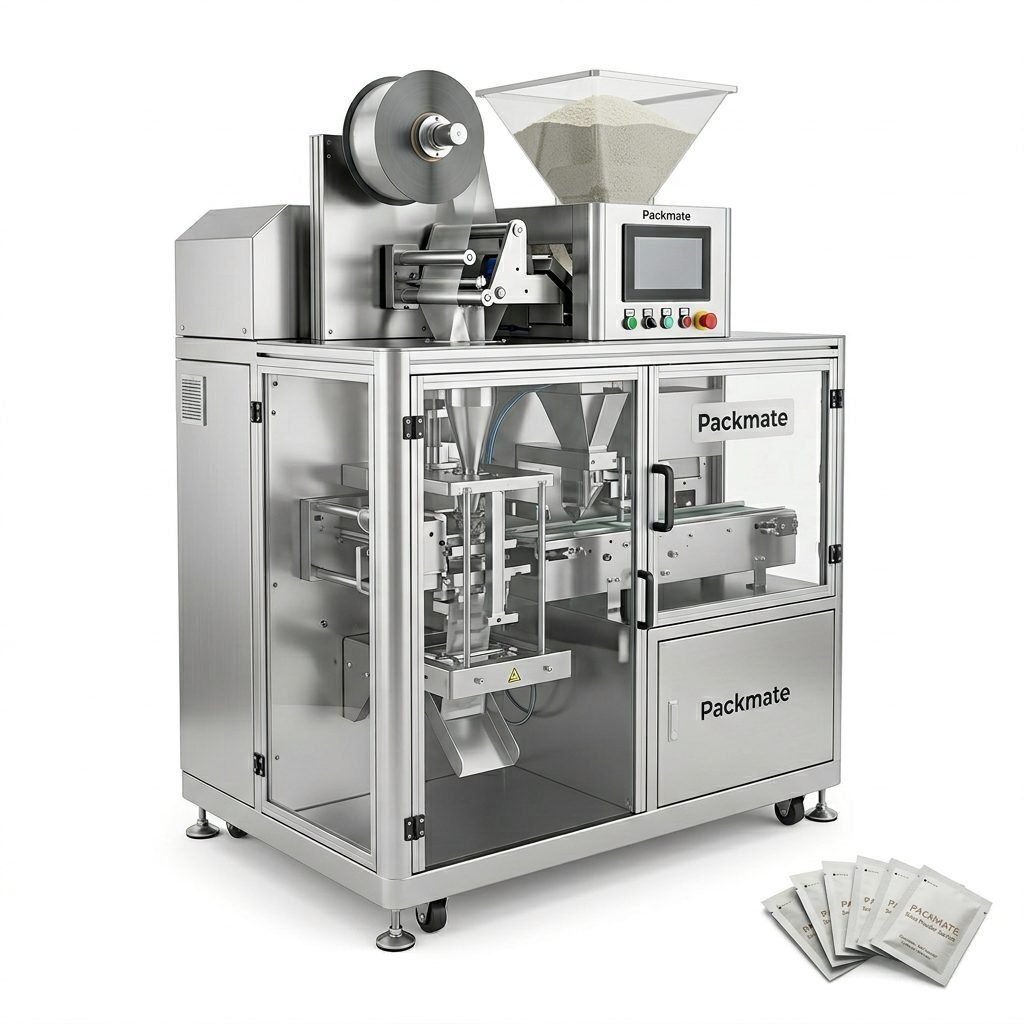
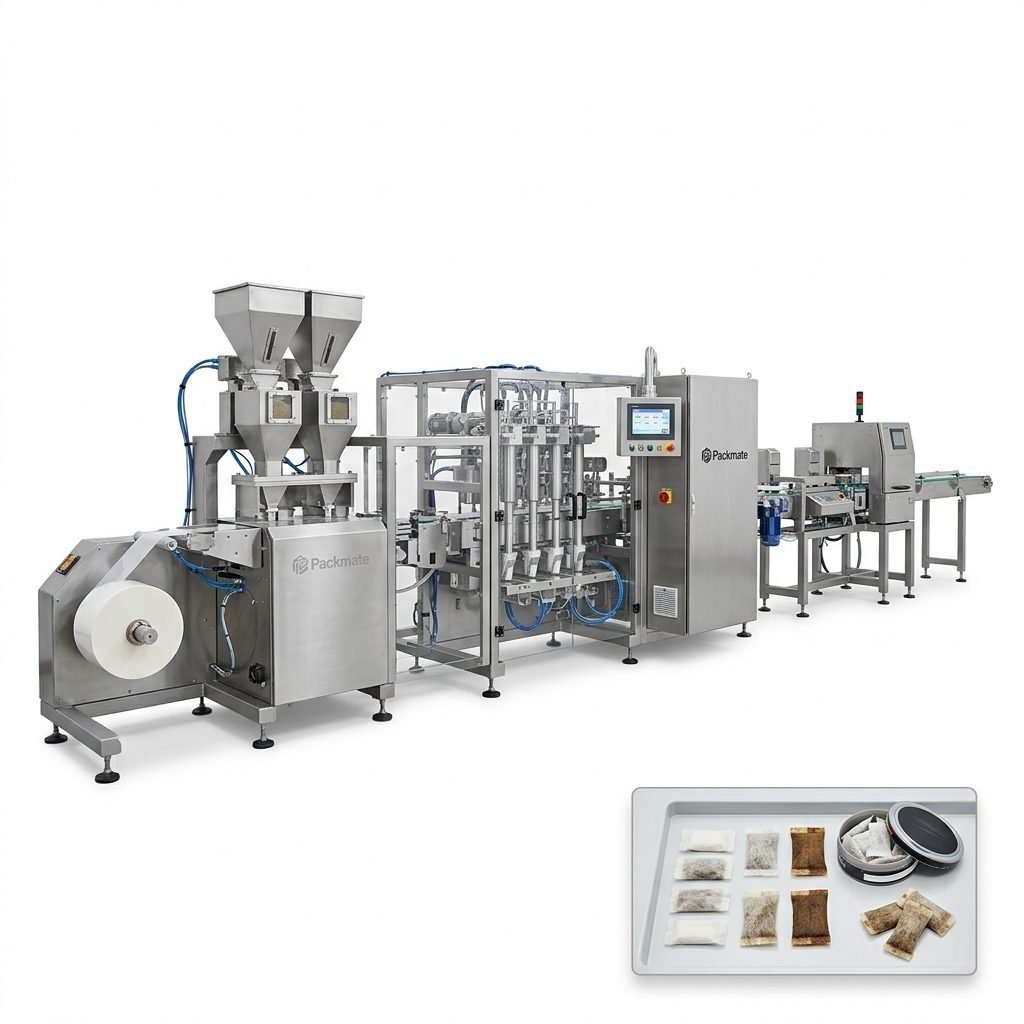
Experience matters. Look for manufacturers with a proven history in snus and nicotine pouch equipment. Companies that have designed and delivered complete lines—like filling, pouch forming, sealing and secondary packaging—often offer more reliable solutions and better integration. For example, Packmate Snus Machine has decades of engineering history and a portfolio that covers snus & nicotine packaging machines, stick pack and sachet systems. Reviewing case studies and exhibition presence can reveal how well a vendor supports international customers.
Learn more about specialized product lines such as Snus & Nicotine Packaging Machines and explore related modules on the manufacturer’s website to judge breadth and depth of experience.
Inspect Engineering and Factory Capabilities
A strong factory infrastructure is a compelling indicator of consistent quality. Inspect whether the manufacturer has advanced CNC machining centers, precision assembly lines, and rigorous quality control processes. A 20,000㎡ production facility, modern machine tools, and a stable assembly process indicate the ability to supply multiple models and handle customizations. If possible, request a virtual or physical tour to verify shop floor practices and see machines being tested before shipment.
🔎 Tip: Ask for photos or video of test runs that match your product type. Real-world test evidence of the exact pouch format reduces risk and helps you validate throughput claims.
Assess Technology & Customization Options
Leading manufacturers provide flexible platforms that can be adapted to different pouch styles and product characteristics. Evaluate the modularity of the design: can the same base machine support different dosing modules, lane counts, or sealing methods? Confirm whether the supplier offers turnkey solutions—integrating filling, weighing, pouch forming, and secondary packaging—and whether they have experience with related equipment such as bag/pouch packaging machines and auxiliary systems.
Explore product categories like Bag & Pouch Packaging Machines and Weighing & Packaging Systems to see how integrated lines are configured.
Customization Questions to Ask
• Can the manufacturer deliver multi-lane systems for small-dose pouches?
• Are dosing heads interchangeable and easy to maintain?
• What PLC/HMI platforms are used and are they multilingual?
• Can machines be adapted for regulatory labeling or batch tracking?
Verify Certifications and Regulatory Compliance
Safety, hygiene, and compliance credentials are essential. Check for CE, ISO, and any other applicable certifications that validate machine safety and manufacturing quality. Certifications provide reassurance that equipment meets international standards—an important factor if your products will be exported from Bosnia and Herzegovina or sold in regulated markets.
✅ Must-have: CE and ISO certificates, plus documented quality control records for final testing and acceptance.
After-Sales Support and Spare Parts Availability
After-sales service is a decisive factor. Even well-designed machines require maintenance, occasional parts replacement, and software updates. Assess the manufacturer’s service network, lead times for spare parts, and technical support channels (remote troubleshooting, on-site technicians, spare parts warehouses). Confirm warranty terms, service level agreements, and availability of training for operators and maintenance staff.
A strong supplier will provide documentation, spare parts lists, and long-term technical support options—vital for maintaining uptime and ensuring consistent product quality.
Total Cost of Ownership (TCO) Instead of Price Alone
Don’t make decisions based solely on purchase price. Consider installation, commissioning, operator training, spare parts, energy consumption, and expected machine lifetime. A higher initial investment can be justified by lower downtime, fewer lost batches and better energy efficiency. Ask manufacturers to provide a TCO estimate and a breakdown of ongoing maintenance costs.
Cost Comparison Points
• Energy consumption and power requirements
• Predicted mean time between failures (MTBF)
• Accessibility and interchangeability of wear parts
• Ease of changeover and cleaning time
Factory Acceptance Testing (FAT) and Site Acceptance Testing (SAT)
A reliable supplier will offer FAT before shipment and SAT after installation. FAT confirms that the equipment achieves the agreed specifications in the manufacturer’s environment, while SAT verifies performance under real production conditions. Document agreed acceptance criteria such as pouch seal integrity, fill accuracy, production speed, and packaging aesthetics.
📌 FAT Checklist: test with real product, run continuous cycles for several hours, and record rejection rates. Demand video evidence and signed FAT report.
References, Case Studies and Exhibition Presence
Ask for references and case studies—preferably from industries and geographies similar to yours. Reviewing documented cases and visiting exhibitions where the manufacturer demonstrates their machines offers insight into real-world performance and innovation. Manufacturers that present at international events and maintain transparent case studies demonstrate engagement with global best practices and customer feedback loops.
View example projects and customer success stories on the manufacturer’s case page to evaluate machine performance across different product lines: Case.
Negotiating Contracts and Lead Times
Ensure contracts specify lead times, delivery terms, performance guarantees, penalty clauses for late delivery, and clear acceptance criteria for FAT and SAT. Include a spare parts kit and training package in the purchase order if possible. Clear terms reduce disputes and help align expectations for commissioning and ramp-up.
Local Support in Bosnia and Herzegovina
While manufacturers may be based abroad, local representation or certified service partners in Bosnia and Herzegovina are invaluable. They shorten response times for maintenance, simplify spare parts logistics and provide local regulatory guidance. Ask about service agreements and whether they maintain authorized partners in your region.
Why Choose a Well-Established Manufacturer
Established manufacturers typically bring timelier innovation, documented quality systems, and structured after-sales programs. For example, companies with decades of experience and diverse machine portfolios—covering snus packing machines, filling & packaging lines, and auxiliary equipment—are better positioned to deliver turnkey lines and long-term spare parts supply. Explore their corporate history and technical evolution to ensure they have scaled responsibly and maintained quality standards.
To review corporate background and mission statements, visit their about page: About Packmate.
Final Steps Before Purchase
1) Collect competitive quotes and evaluate TCO.
2) Request FAT with your product and sign an acceptance protocol.
3) Confirm documentation, training schedules, and spare parts lists.
4) Negotiate warranty, penalties and support SLAs.
5) Plan commissioning with clear SAT criteria.
📞 Action: When you are ready, contact the supplier to request a customized proposal and a FAT schedule. Use their service and contact pages to secure pre-sale consultation: Contact Us and Service.
Wrapping Up
Selecting the best snus packaging machine manufacturer in Bosnia and Herzegovina requires a balance between technical capability, quality assurance, and commercial clarity. Prioritize manufacturers with proven snus & nicotine pouch experience, robust factory capabilities, transparent testing procedures, and reliable after-sales service. Document everything in the contract—especially FAT/SAT criteria—and lean on references and case studies to validate performance claims.
Frequently Asked Questions (FAQs)
Q1: How long does it typically take from order to delivery for a snus packaging line?
A1: Lead times vary by complexity; simple single machines can ship in weeks, while complete multi-lane turnkey lines often require several months for customization, FAT, and shipping. Discuss realistic timelines with the vendor and include them in the contract.
Q2: What spare parts should I stock initially?
A2: Essential spare parts include sealing rolls, dosing nozzles, belts, sensors, and common wear items. The supplier should provide a spare parts kit and a recommended stocking list based on expected throughput.
Q3: Can I see references or site visits in similar industries?
A3: Yes—ask for customer references, case studies and, if possible, arrange factory or end-user visits. Reviewing real installations and speaking with existing customers provides critical insights into reliability and service responsiveness.
Q4: Are multi-lane machines suitable for small-dose nicotine pouches?
A4: Absolutely. Multi-lane systems are often the best solution for small-dose, high-throughput pouches, but ensure dosing accuracy and lane-to-lane consistency are proven through FAT tests.
Q5: Where can I find additional technical resources and catalogs?
A5: Visit the manufacturer’s catalog and product pages for detailed specifications and system configurations: Catalog.