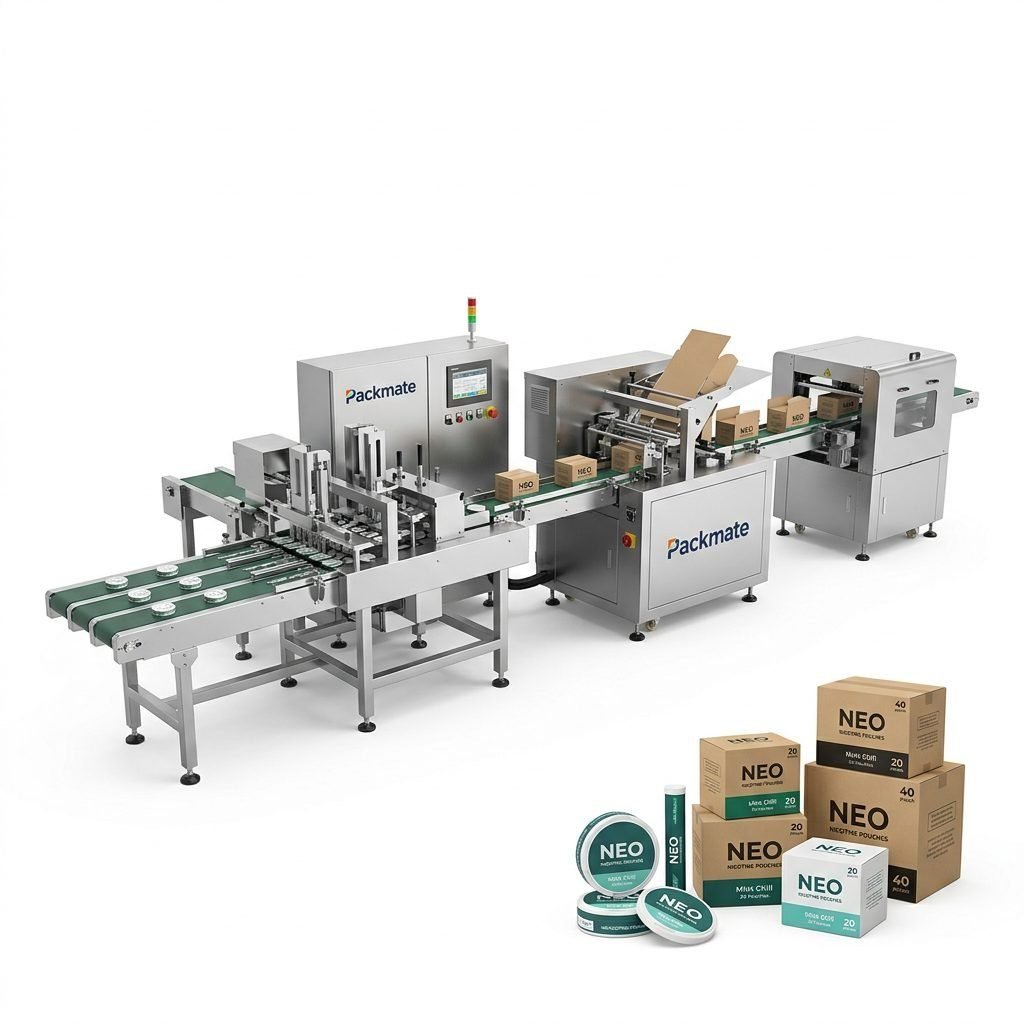
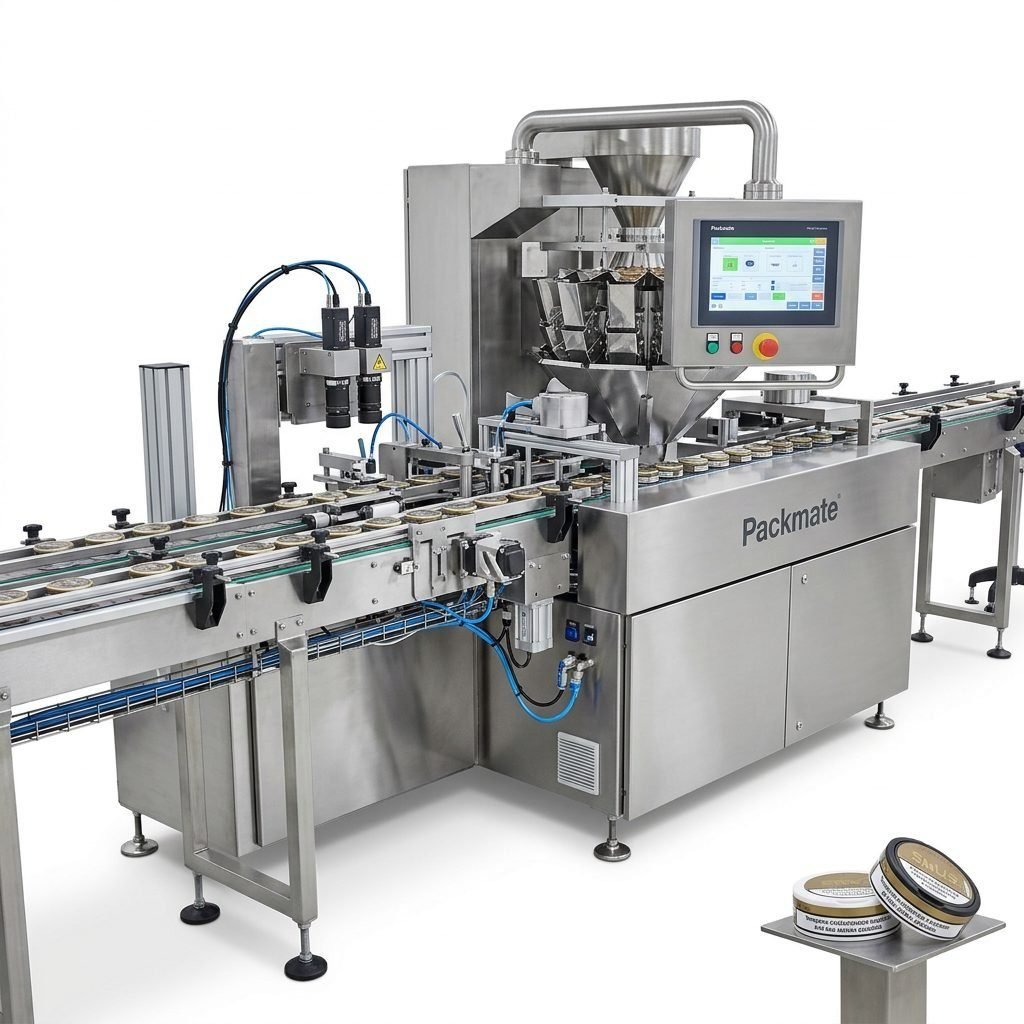
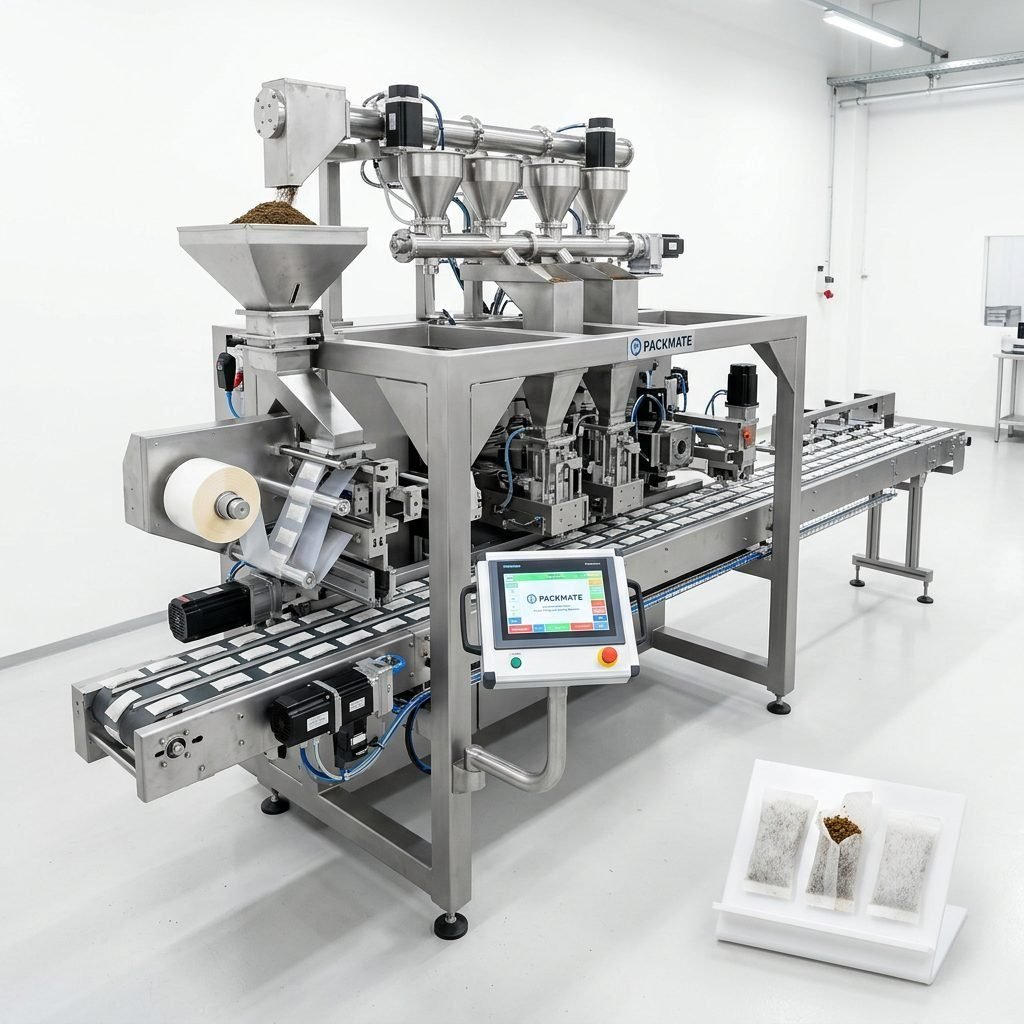
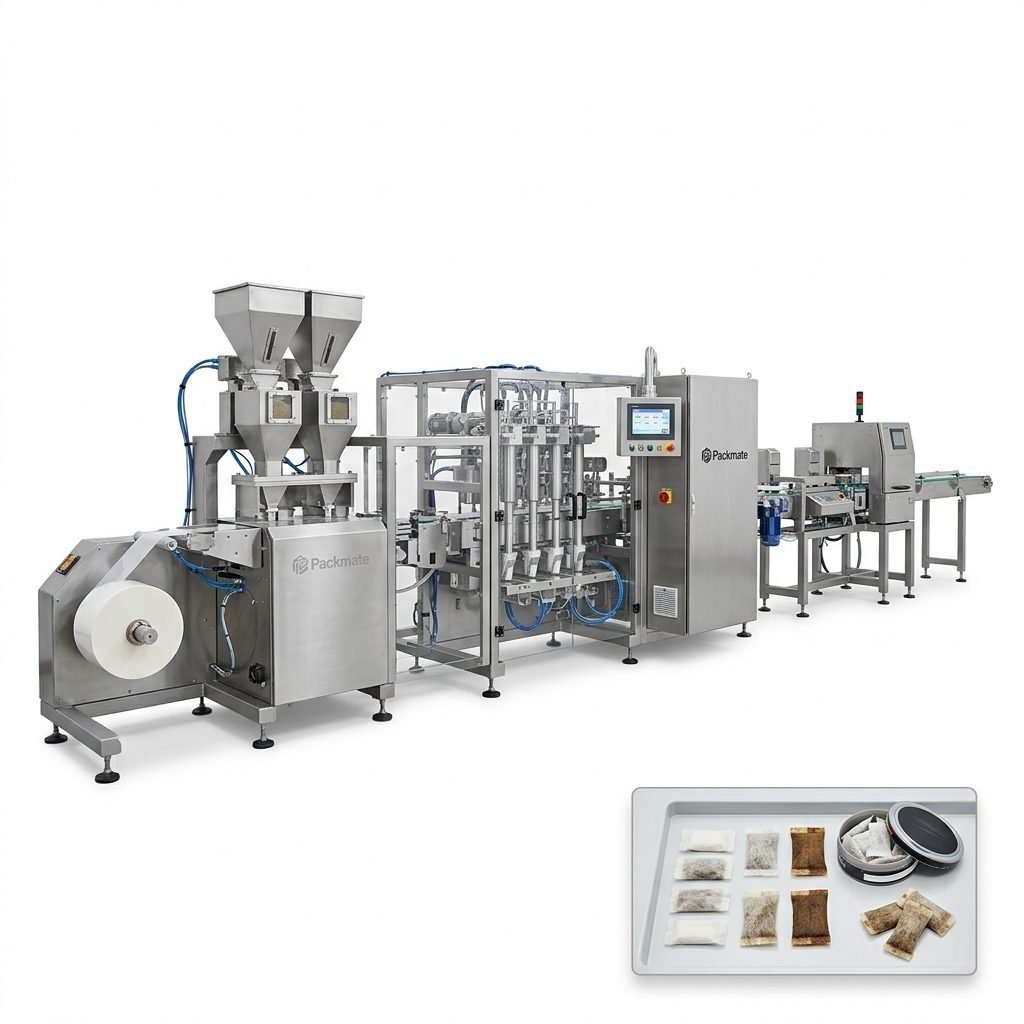
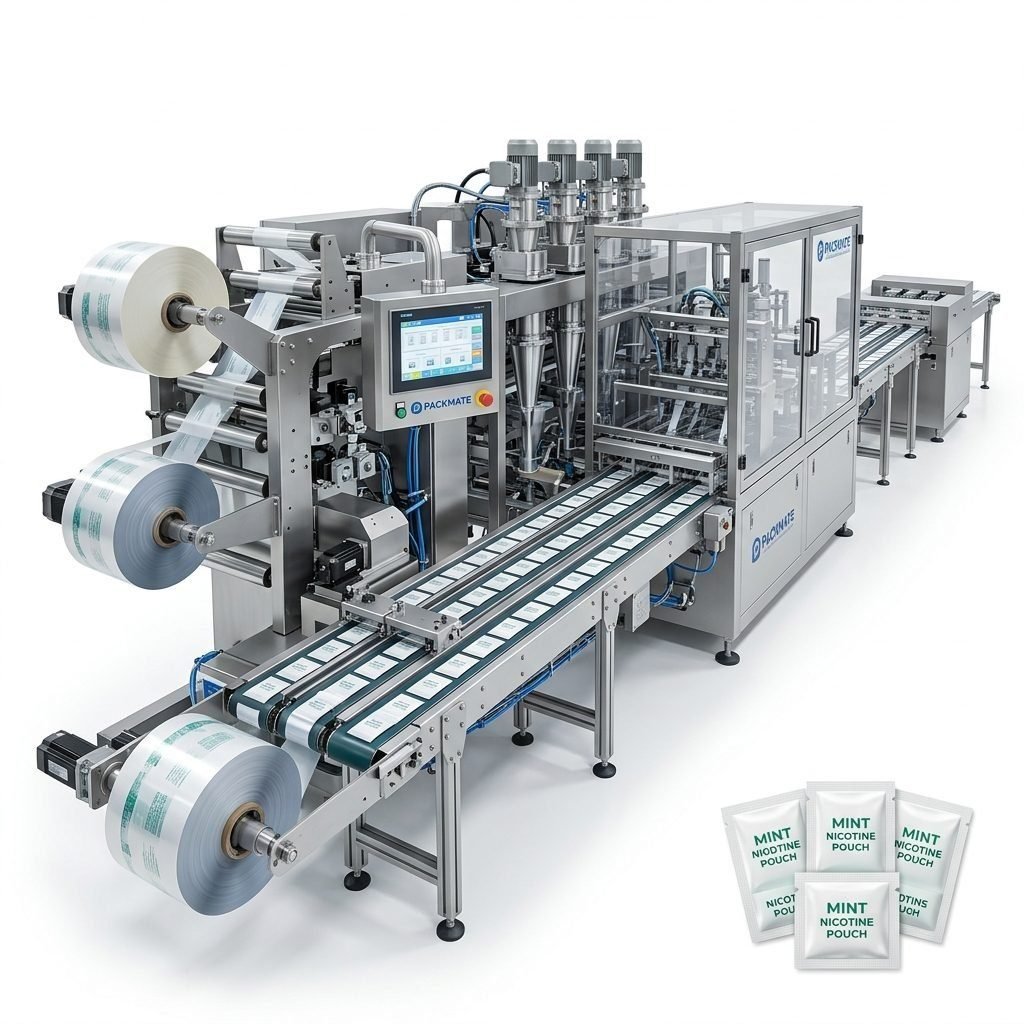
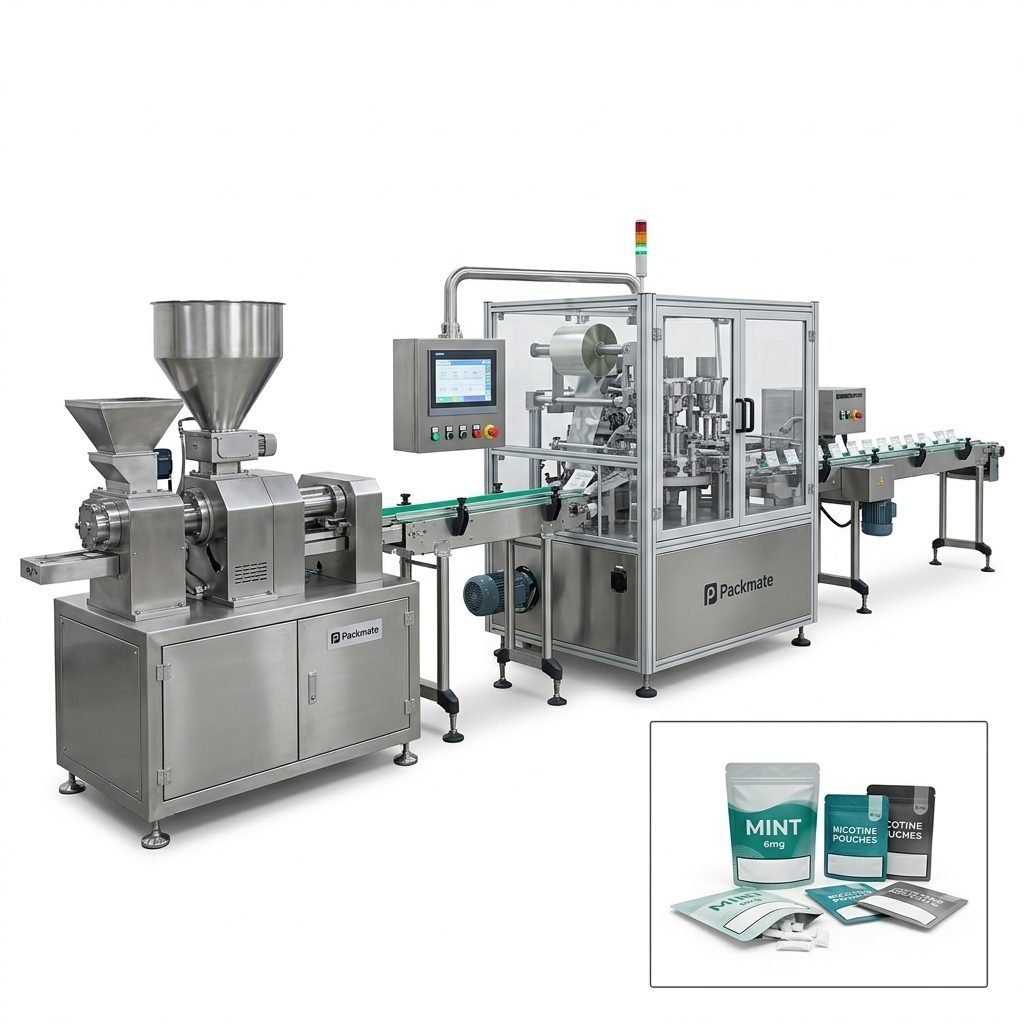
Choosing the right snus packaging machine for your tobacco business in Jamaica is a critical decision that affects product quality, regulatory compliance, and long-term profitability. This guide walks you through types of machines, key selection criteria, installation and maintenance considerations, and why partnering with an experienced manufacturer can save time and money. Whether you are launching a nicotine pouch brand or scaling up production, the right equipment will support consistency, efficiency, and compliance.
🔎 Understanding the Main Types of Snus Packaging Machines
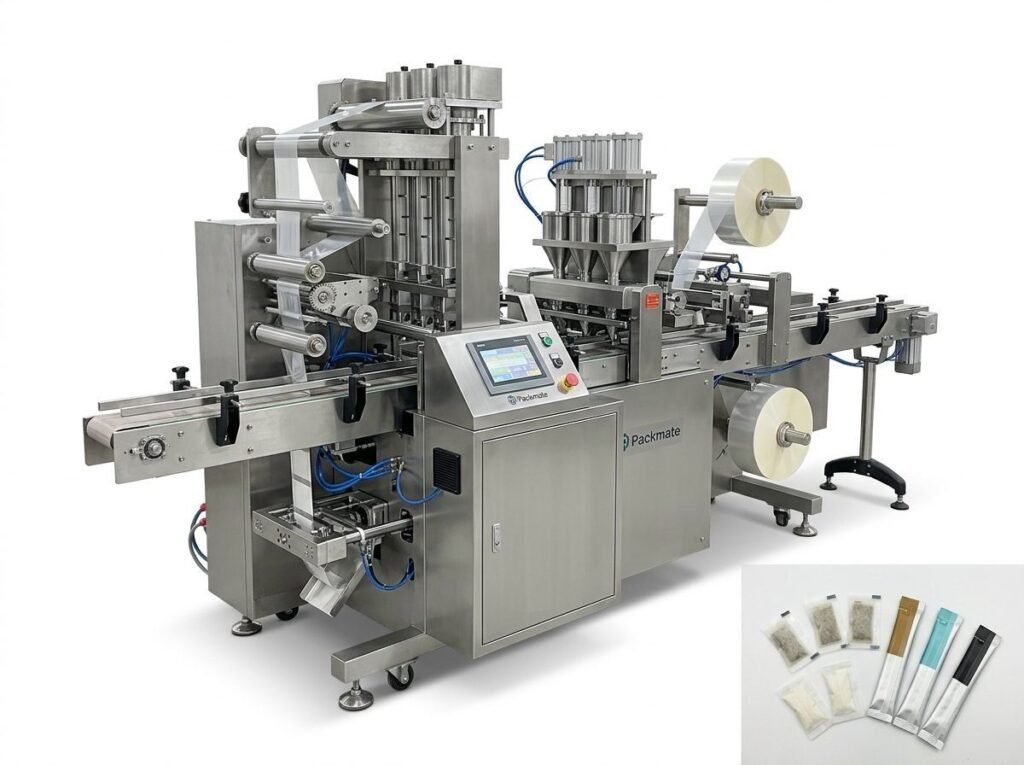
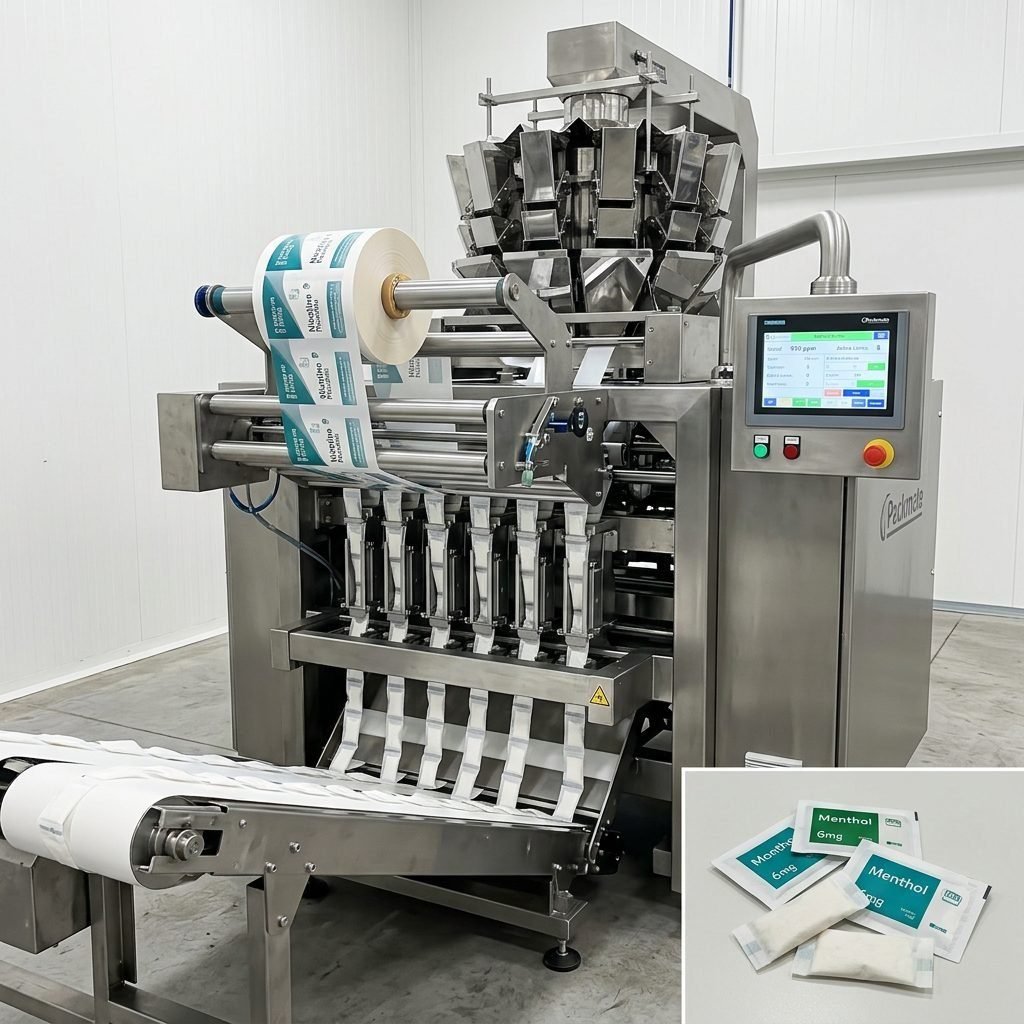
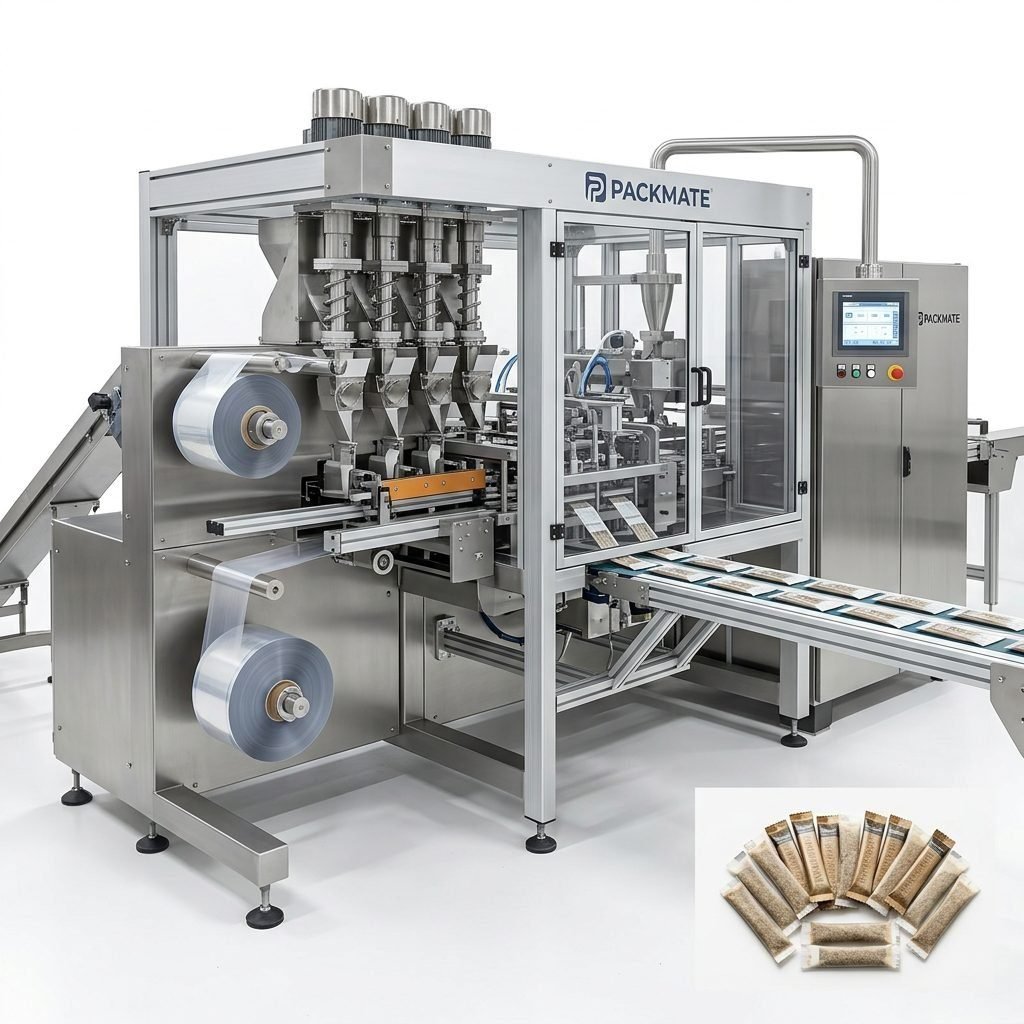
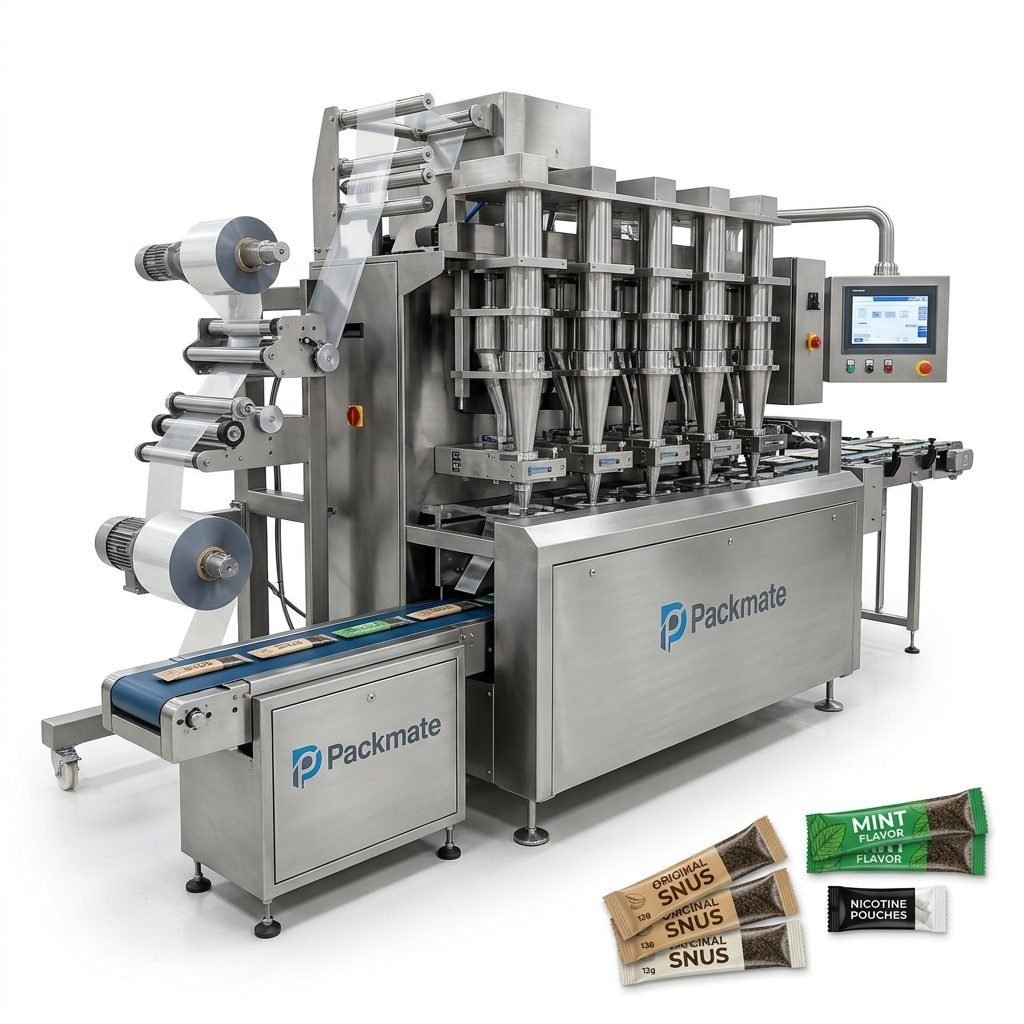
There are several machine types tailored to snus and nicotine pouch packaging. Selecting the correct format depends on your product format, speed needs, and budget:
🔧 Pouch / Sachet Machines – Ideal for single-dose nicotine pouches. Offer precise dosing and reliable sealing for shelf-stable products.
📦 Multi-lane Systems – High throughput lines that run several lanes simultaneously; suitable when scaling production.
⚙️ Stick Pack & Sachet Machines – Best for single-use sachets or stick formats with compact footprint and fast changeover.
📌 Key Factors to Consider When Choosing a Machine
Use the checklist below to evaluate machines objectively. Each factor directly affects production consistency, cost, and regulatory compliance.
1. Production Capacity & Speed
Estimate daily and monthly output requirements. Machines are rated by units per minute or pouches per hour. For startups a single-lane machine may suffice; for regional distribution, a multi-lane high-speed system is often necessary.
2. Product Compatibility & Dosing Precision
Ensure the machine supports your snus formulation (powder, granule, or wet pouch). Accurate dosing is crucial for nicotine products—look for electronic weighing systems and repeatability specifications.
3. Packaging Material & Seal Integrity
Your choice of film or laminate, barrier properties, and seal types (e.g., fin seal, lap seal) will affect shelf life and leak resistance. Request test reports or sample runs from the manufacturer.
Tip: always ask for a trial run of your actual film and pouch design to validate sealing and appearance.
4. Automation Level & Integration
Consider whether you need a stand-alone unit or a fully integrated line (weighing, feeding, packaging, cartoning). Higher automation reduces labor cost and improves traceability but increases upfront cost.
5. Regulatory Compliance & Certifications
For nicotine and tobacco products, machines and production lines should support hygienic design and meet international standards. Choose suppliers with CE and ISO certifications, and ask about documentation to support Jamaican/regional regulatory audits.
6. Spare Parts & After-Sales Support
Local availability of spare parts or fast international shipping is essential. Training, setup, and long-term technical support minimize downtime—prioritize manufacturers with global service networks.
🏭 Why Manufacturer Experience Matters: Packmate Case
Experienced manufacturers reduce risk. Packmate Snus Machine brings over 30 years of engineering and offers tailor-made solutions for snus and nicotine packaging. Their factory capabilities and multi-lane designs are geared toward scalable production needs.
Explore their product lines and capabilities: Snus & Nicotine Packaging Machines, Sachet & Stick Pack Machines, and learn more About Packmate.
🇯🇲 Practical Considerations for Buyers in Jamaica
Jamaica presents specific operational conditions—tropical humidity, variable power stability, and import logistics. Here are actions to take during procurement:
- Confirm the machine’s environmental tolerance and add dehumidification or climate control if needed.
- Verify the electrical requirements (voltage, phase) and whether a transformer or UPS is needed for stable operation.
- Arrange import documentation and customs clearance—work with a supplier experienced in international shipping to Jamaica.
- Plan on commissioning with factory technicians or certified local engineers for smooth start-up.
✅ Pro tip: request spare parts kits and remote troubleshooting capability to minimize downtime for operations on an island.
💡 Installation, Validation & Commissioning
Proper installation and validation ensure your machine runs within specifications. Follow these steps:
- Pre-installation site survey (power, floor loading, environment).
- Factory acceptance testing (FAT) to verify performance before shipment.
- On-site installation and commissioning with documented IQ/OQ/PQ where required for regulated markets.
- Operator training and maintenance handover for sustainable operation.
🛠️ Maintenance & Common Operational Tips
Regular maintenance extends machine lifetime and prevents unexpected stoppages. Implement a preventive maintenance schedule that includes:
- Daily cleaning of feed and sealing areas (avoid residue buildup).
- Weekly lubrication of moving parts and inspection of belts and sensors.
- Monthly calibration of weighing systems and verification of dosing accuracy.
- Keep critical spare parts in stock: sealing bars, sensors, belts, and PLC modules.
💸 Calculating Total Cost of Ownership (TCO) & ROI
Purchase price is only part of the equation. Include installation, commissioning, spare parts, operator training, and expected maintenance when calculating TCO. Higher initial investment in automation often returns value through reduced labor costs, lower waste, and higher throughput.
📦 Real-World Case Examples & References
Manufacturers like Packmate have delivered turnkey lines across continents. Review implementation examples for similar product types to your own—this helps benchmark performance and understand integration challenges. See their customer cases for reference: Case Studies.
🔗 Supplier Selection Checklist
📌 Ask for these items before placing an order:
- Performance data and machine specifications (throughput, accuracy).
- FAT report and sample runs with your materials.
- Warranty terms and spare parts lead times.
- Training program and availability of on-site commissioning.
- References from other customers in similar markets.
📣 Next Steps: How to Engage with Suppliers
Prepare a detailed request for quotation (RFQ) that includes product formulation, pouch design, expected output, and special requirements (e.g., child-resistant packaging, barrier films). Share this with shortlisted vendors and request sample runs. For more product lines and integration solutions, review Filling & Packaging Lines and Weighing & Packaging Systems.
🔍 Final Recommendations
Invest time in validation and choose a partner with proven snus packaging expertise. Prioritize dosing accuracy, sealing integrity, regulatory compliance, and strong after-sales support. With proper selection and setup, your line will deliver reliable performance and support growth in the Jamaican market.
❓ Frequently Asked Questions
Q1: What machine format is best for small-batch nicotine pouches?
For small batches, single-lane pouch or sachet machines with quick changeover are ideal. They reduce waste and require lower capital investment while allowing you to validate products before scaling.
Q2: How important is supplier certification?
Certifications (CE, ISO) demonstrate compliance with international manufacturing standards and safety. They are especially important when exporting or satisfying regulatory audits in Jamaica and other markets.
Q3: What lead time should I expect for delivery and installation?
Lead times vary with customization and factory workload. Typical delivery can range from a few weeks for standard machines to several months for customized, fully integrated lines. Factor in shipping and customs clearance when estimating total time.
Q4: Can I get remote support and spare parts in Jamaica?
Many manufacturers provide remote troubleshooting, spare parts shipment, and scheduled on-site visits. Confirm spare parts availability and shipping times before purchase to avoid long downtimes.
Q5: How do I evaluate a supplier’s real-world performance?
Request case studies and customer references, review FAT reports, and ask for video demonstrations or sample production runs with your materials. Visiting an installation or speaking directly with existing customers provides the best insight.
For direct inquiries and tailored solutions, contact the manufacturer and request a consultation to align machine selection with your product strategy and Jamaican market requirements: Contact Us.