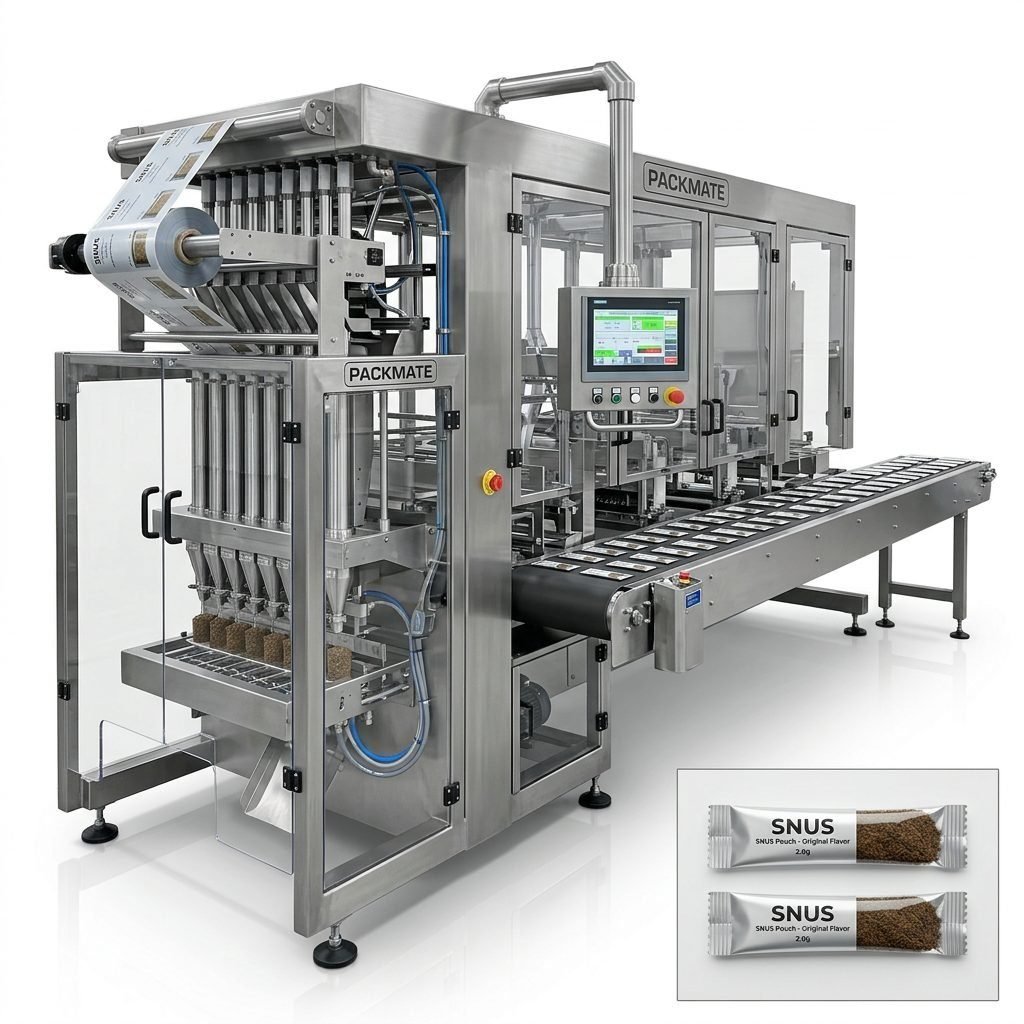
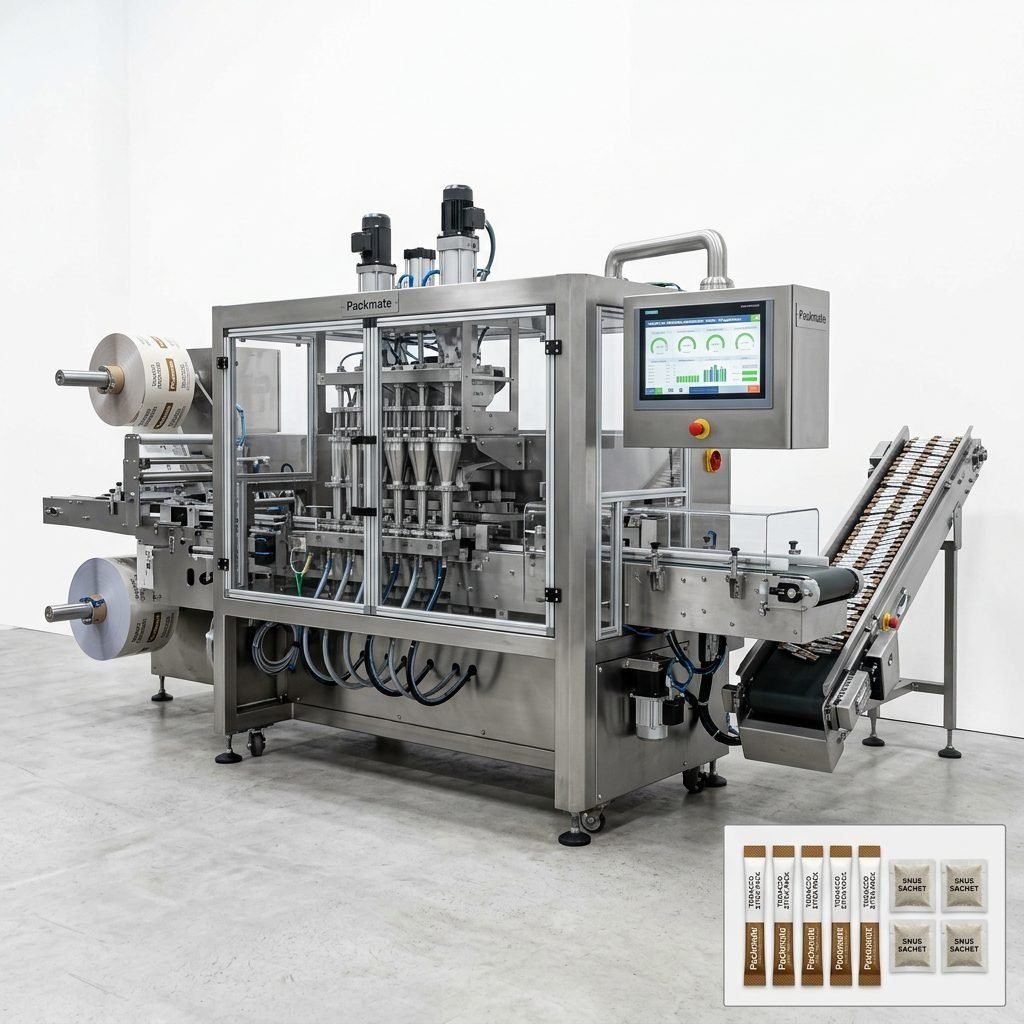
Choosing the right nicotine packaging machine manufacturer is one of the most important decisions for any company in the snus, nicotine pouch, or tobacco-adjacent product sector — especially in a niche market like the Bahamas. The right manufacturer affects production speed, product consistency, regulatory compliance, and long-term profitability. This guide walks you through practical factors to consider, technical criteria to evaluate, and the questions you should ask before signing a contract with a supplier.
Understand Your Product and Process Needs
Before you approach any manufacturer, map out the full scope of what you need. Different nicotine formats (pouches, sachets, stick packs, cans) require different machines and line configurations. Key variables include:
🔎 Product format and dosing: single-portion pouches vs. multi-lane small-dose pouches;
🔧 Fill material: powder, granule, paste or liquid;
⚙️ Target output: pieces per minute and number of lanes;
🌡️ Packaging material: foil, film, paper or composite materials;
🧾 Regulatory and labeling needs: serialization, batch codes and tamper evidence.
Why this matters
If a machine is optimized for single-portion liquid sachets, it won’t necessarily perform well for small-dosed multi-lane nicotine pouches. Defining your process needs narrows down suppliers and prevents wasted time evaluating unsuitable equipment.
Manufacturer Capabilities and Experience
A seasoned manufacturer brings engineering maturity, production capacity, and quality systems. Look for these indicators:
✅ Years of industry experience: Manufacturers with decades of R&D and field service will have solved real-world issues;
✅ Specialized product lines: Dedicated snus and nicotine pouch equipment shows focused development;
✅ Range of models: Multiple machine types (stick pack, sachet, multi-lane) support flexible growth.
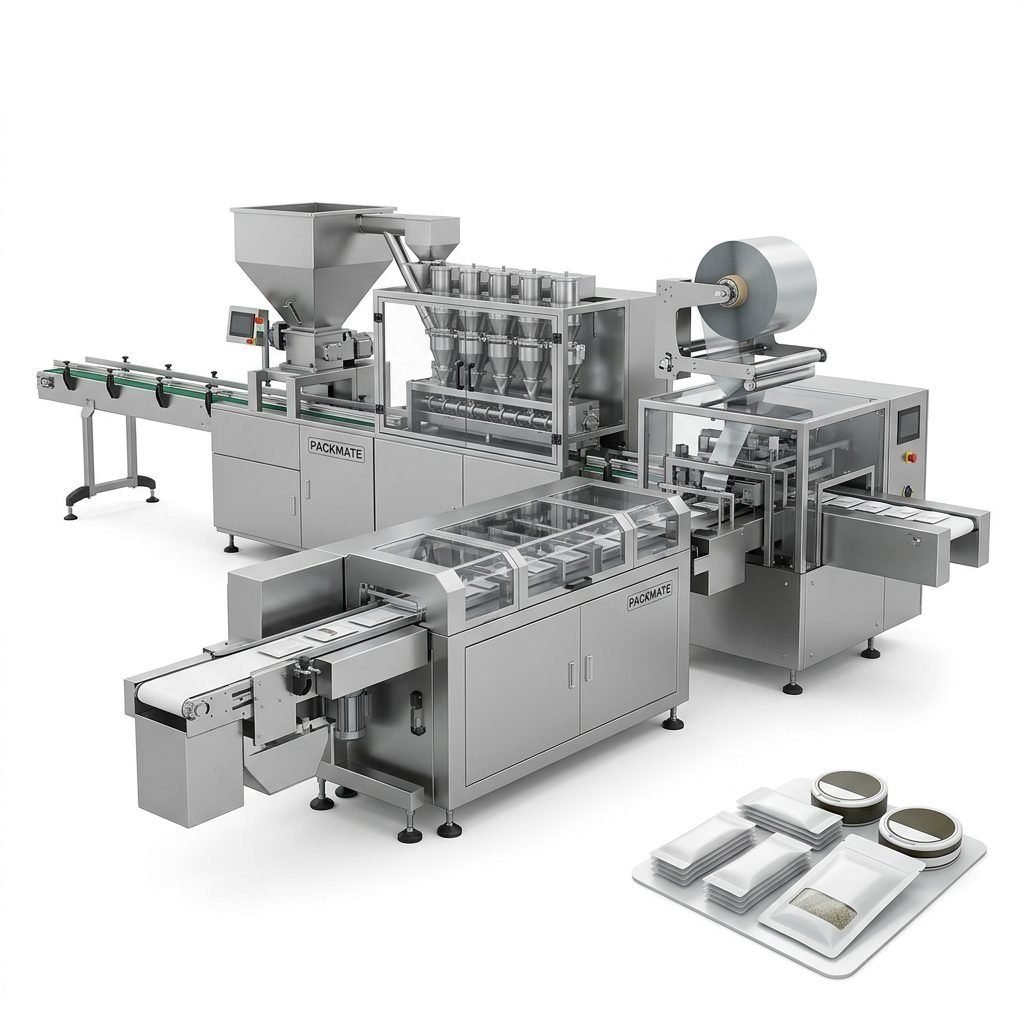
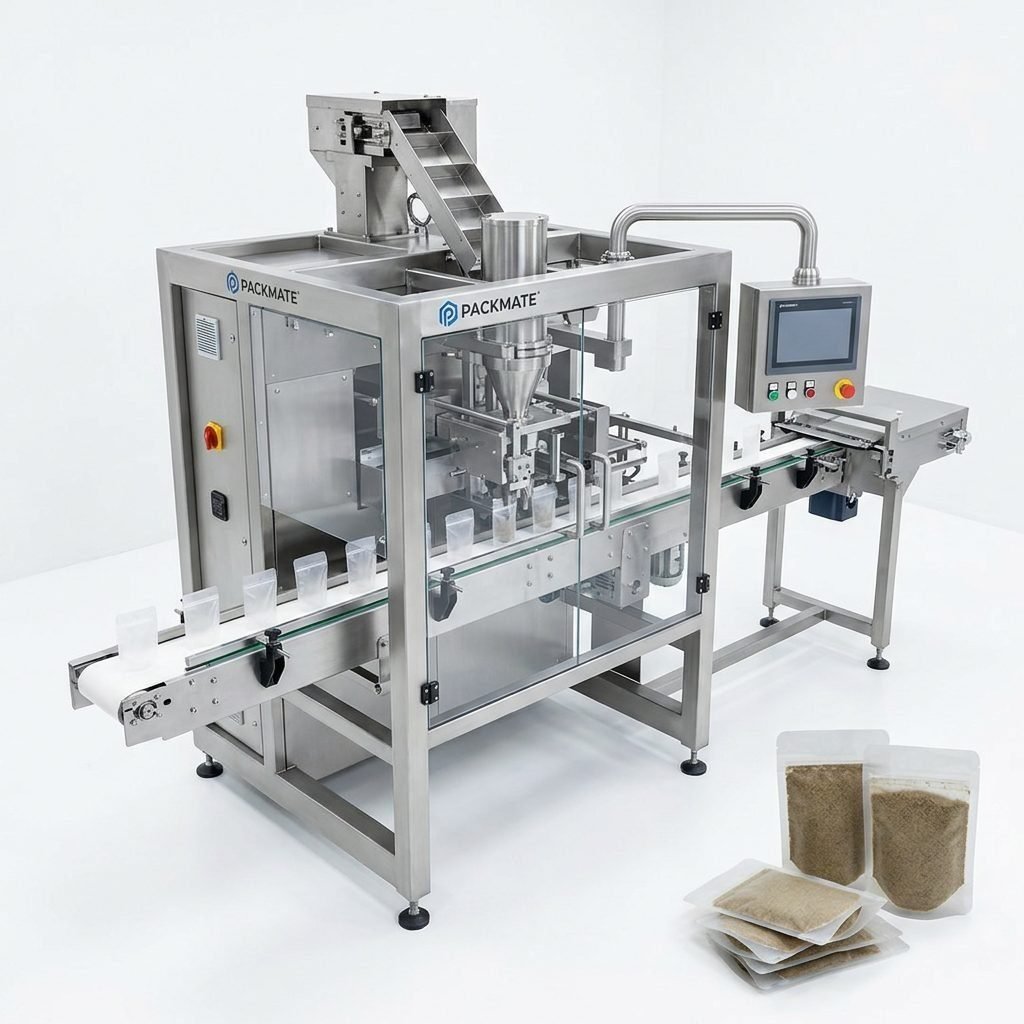
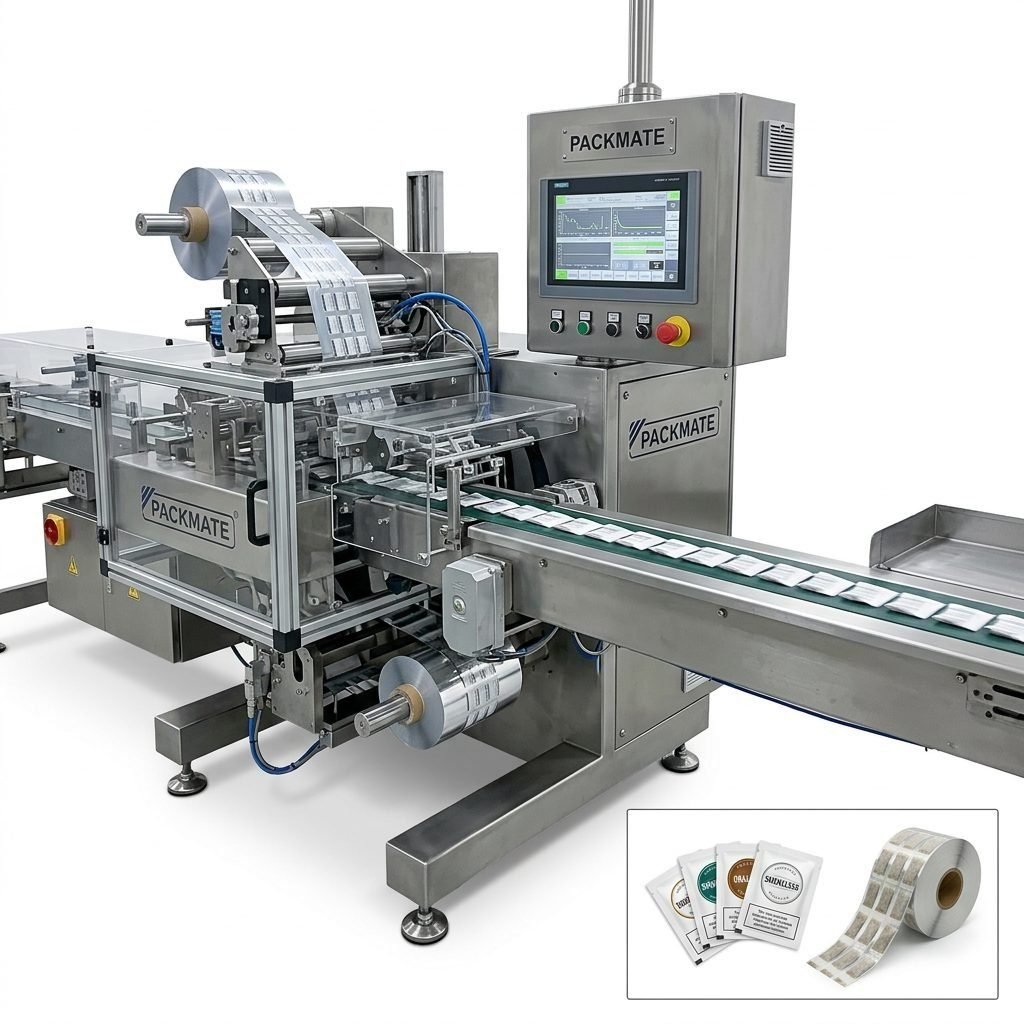
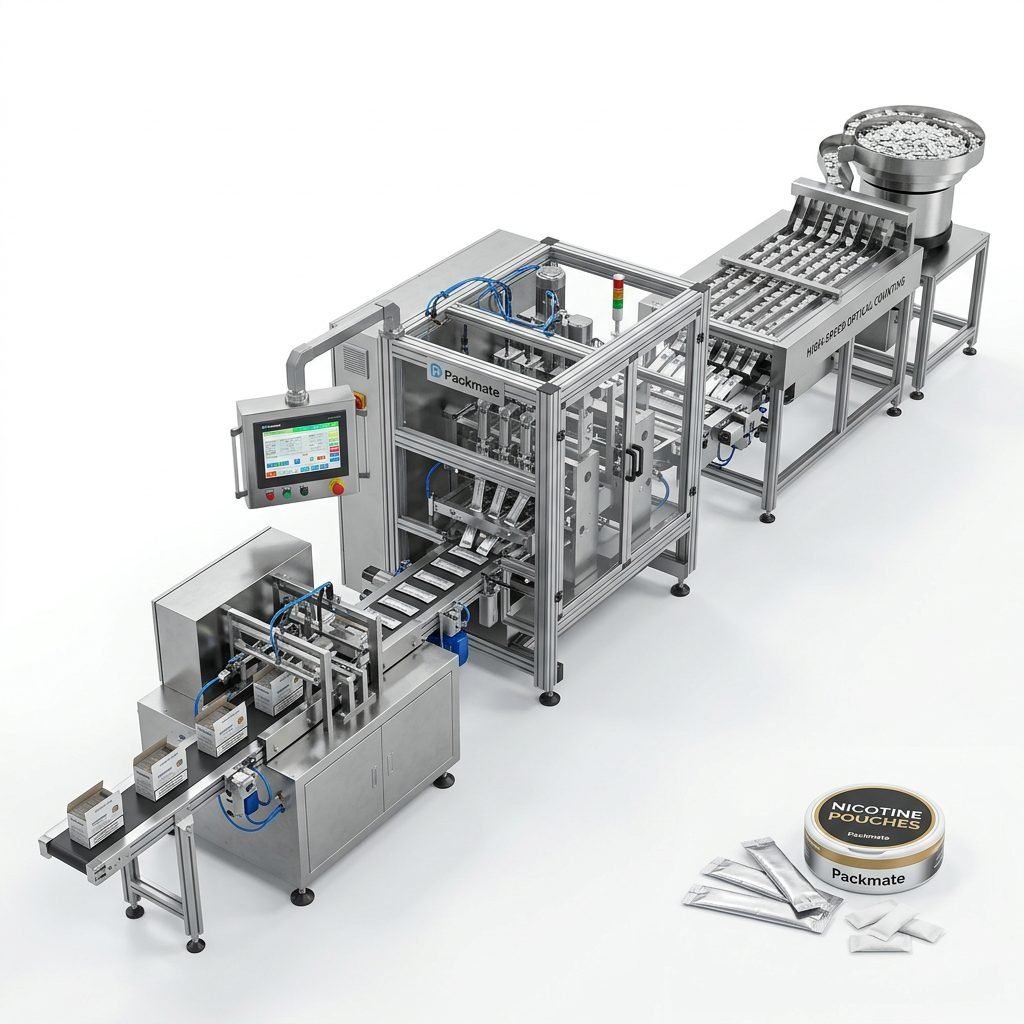
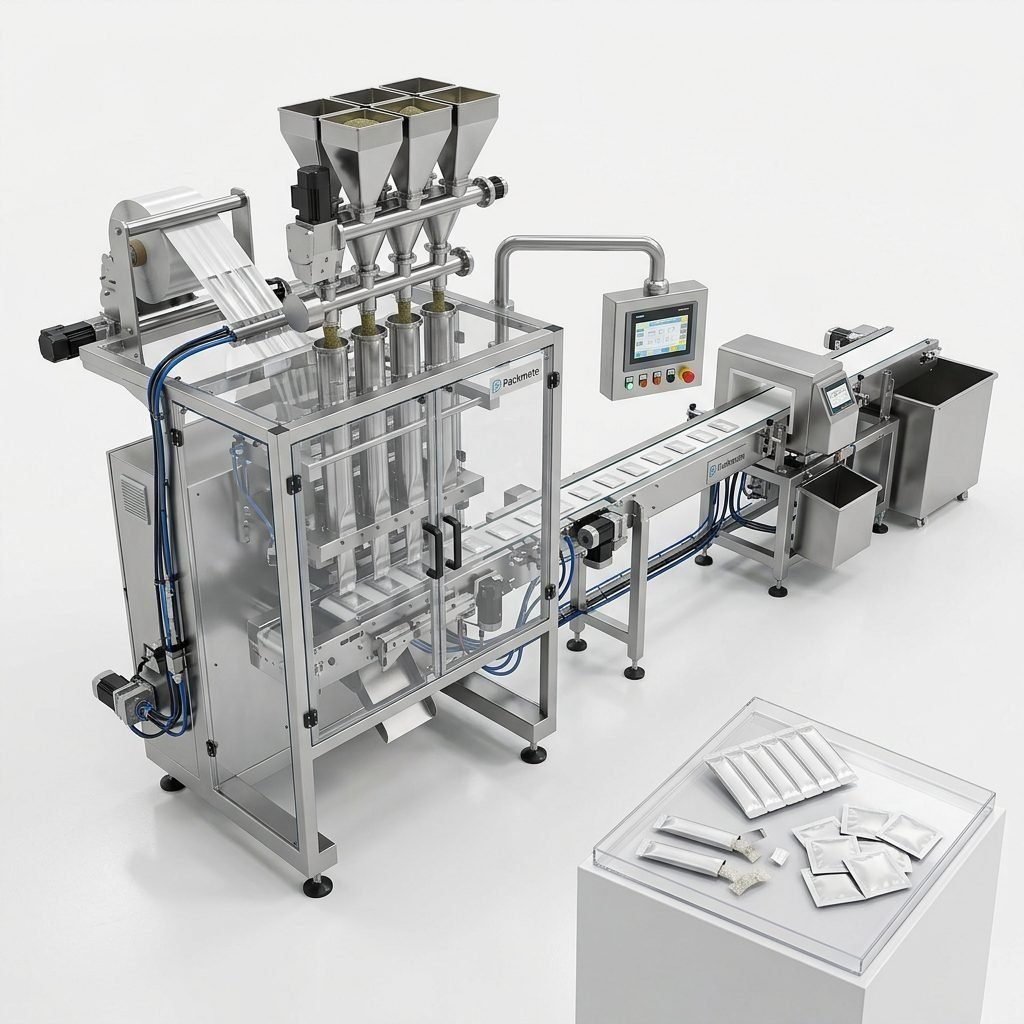
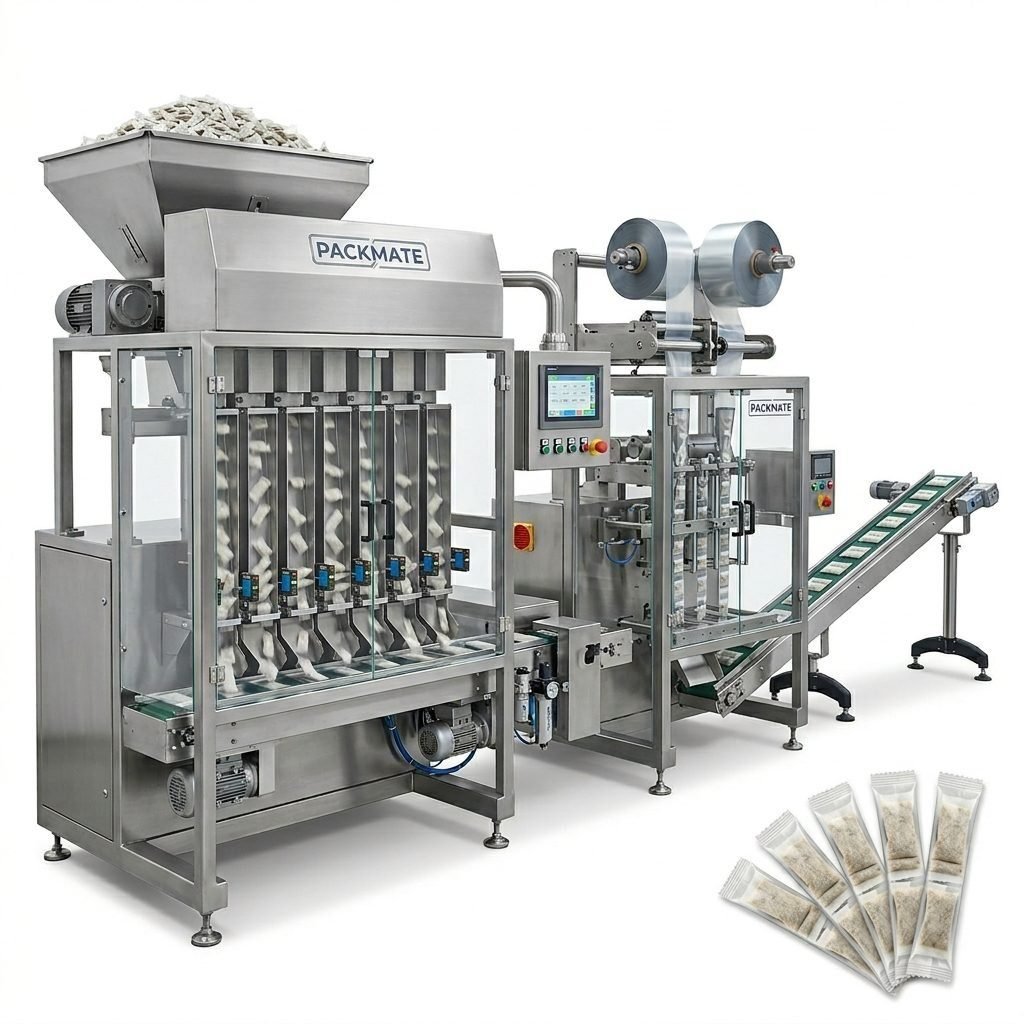
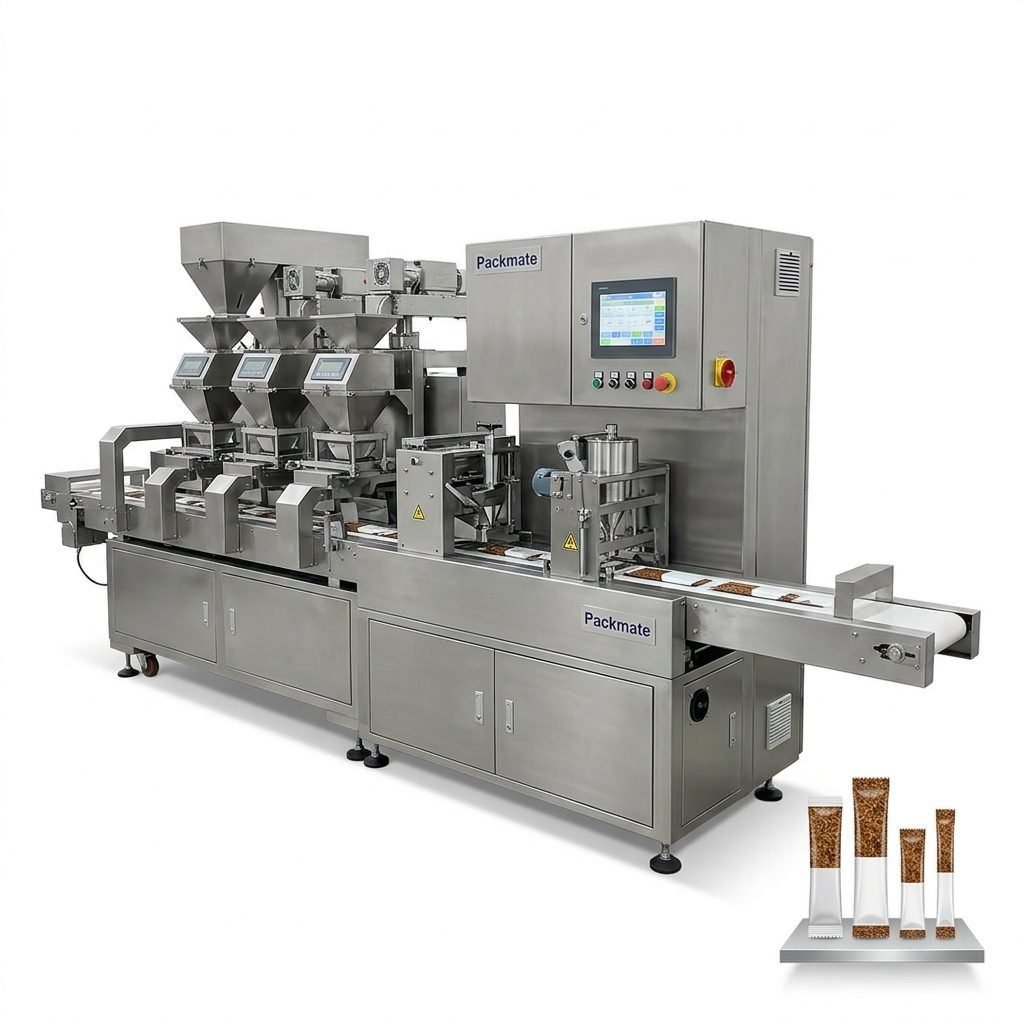
For example, companies offering comprehensive lines — including weighing, filling and auxiliary equipment — can provide a turnkey solution that simplifies implementation. If you want to explore a trusted supplier with lines tailored for nicotine pouches, check product ranges like Snus & Nicotine Packaging Machines and Sachet & Stick Pack Machines.
Factory scale and engineering resources
Factory area, CNC capability, and availability of precision assembly lines are tangible evidence of manufacturing capability. A large, well-equipped factory reduces lead time risks and supports custom configurations. Ask for factory tours or virtual walkthroughs to verify capabilities.
Technical Features to Evaluate
Focusing on technical features helps ensure that the machine will meet performance and quality targets. Important parameters include:
⚙️ Tolerance and accuracy: dosing precision and weight consistency;
⏱️ Speed and scalability: max output and ability to add lanes;
🔄 Changeover flexibility: ease of format change and tool-less adjustments;
🔩 Build quality: stainless steel contact parts, robust frames, reliable drive systems;
🧠 Automation & controls: PLCs, HMI, remote diagnostics and recipe storage;
🧼 Hygiene & maintenance: accessibility, CIP features (if applicable), and clean design.
Machine footprints and plant layout
Don’t forget to check the machine footprint and utilities requirements (power, air, drainage). A machine that is technically excellent but physically incompatible with your facility will cause costly delays.
Quality, Compliance and Certifications
Regulatory compliance is non-negotiable in nicotine and food-related packaging. Verify certifications and quality management systems:
🏷️ International standards: CE, ISO and other relevant certifications;
🧪 Testing and validation: factory acceptance tests (FAT), performance validation and sampling;
📁 Documentation: manuals, spare parts lists, wiring diagrams and SOPs.
A manufacturer that rigorously tests machines before shipment and provides clear documentation will reduce commissioning time on site and accelerate returns to production.
After-Sales Support, Spare Parts and Training
A machine is a long-term asset; after-sales support keeps it productive. Evaluate service models and responsiveness:
📞 Support channels: phone, email, remote diagnostics and on-site service;
🔁 Spare parts availability: local stock, lead times and recommended spares;
📚 Training & commissioning: operator training, preventive maintenance training and commissioning packages;
🌍 Global presence: local partners or presence in nearby regions (important for the Bahamas).
Service level agreements (SLAs)
Negotiate SLAs for response time and uptime commitments. Clarify warranty coverage, exclusions and turnaround times for major components.
Total Cost of Ownership and ROI
Price is important, but the lowest quoted machine may be the most expensive over time. Consider:
💰 Initial CAPEX: machine, tooling and installation costs;
🔧 Operating costs: energy, maintenance, consumables and spare parts;
⏳ Downtime risk: MTTR (mean time to repair) and spare-part lead times;
📈 Throughput & yield: actual output, waste rates and rework costs.
Ask the supplier for case studies or references that show payback periods and real-world operating costs. Many established manufacturers can provide examples of ROI from comparable installations.
Factory Visits, Demonstrations and References
Seeing machines run is invaluable. Request live demonstrations, FAT videos, and customer references. If possible, visit a factory or a customer site to observe reliability under production conditions.
🎥 Factory acceptance test (FAT): Insist on FAT with your product or a close analog;
👥 Customer references: Ask for contactable references in your region or industry;
🗂️ Service records: uptime statistics, common issues and how they were resolved.
For manufacturers with a global footprint, exhibition appearances and published case studies are helpful indicators — see examples on the supplier’s exhibition and case pages to verify experience: Our Exhibition and Case.
Commercial Terms, Lead Times and Logistics
Clarify delivery timelines, payment terms, shipping responsibilities and incoterms. For the Bahamas, consider customs clearance, import duties and local handling. A reliable manufacturer will help coordinate logistics and provide comprehensive packing lists and certificates.
📦 Lead time transparency: realistic production and shipping schedules;
🧾 Export paperwork: CE/ISO certificates, material declarations and packing lists;
🚢 Freight & customs support: assistance with local import logistics to the Bahamas.
Questions to Ask Potential Manufacturers
Use this checklist to evaluate suppliers during discussions and site visits:
❓ Can you run my product in a demo or FAT?
❓ What is the expected uptime and MTBF for this model?
❓ What spare parts should I stock, and what are typical lead times?
❓ Do you offer training, commissioning and remote support?
❓ Can you supply references from customers with similar products?
Why Consider Packmate (Real-World Example)
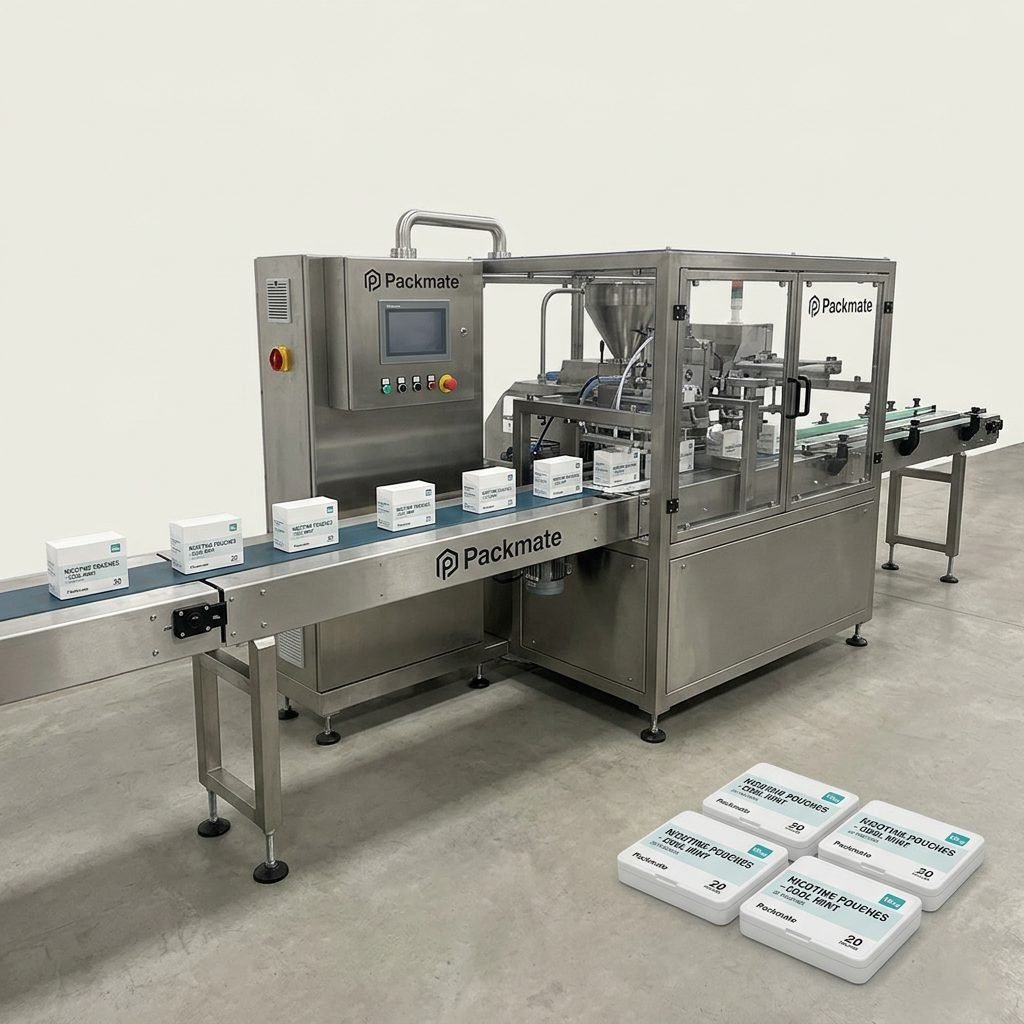
When evaluating manufacturers, consider firms with deep snus and nicotine pouch expertise. Packmate, for instance, specializes in snus packing machines and full packaging solutions with decades of engineering experience, a wide model range, and a large manufacturing facility. If you want to review a supplier that offers integrated lines — from filling to multi-lane pouch packaging — check their product suites such as Filling & Packaging Lines and Bag & Pouch Packaging Machines.
Packmate’s strengths typically include strong CNC capabilities, strict quality control, CE/ISO compliance, and global service options — all critical for a reliable long-term partner in nicotine pouch manufacturing.
Selecting the final supplier
Narrow your shortlist to 2–3 manufacturers, compare FAT results, negotiate SLAs and warranties, and validate commercial terms. Conduct a final technical review and confirm support commitments in writing before purchase.
Quick Decision Checklist
🔎 Defined product specs and targets
🏭 Verified manufacturing capability and factory scale
🧪 Certification and FAT evidence
🔧 Clear after-sales support and spare parts plan
💵 Total cost of ownership and realistic ROI analysis
📅 Firm lead times and logistics plan
Finally, keep open communication and document every technical agreement. A well-documented specification and clear acceptance criteria at FAT reduce disputes and ensure the machine delivered meets your production expectations.
Next steps
If you’re ready to get quotations or arrange demonstrations, reach out to suppliers with a detailed RFQ (product specs, target output, materials and regulatory needs). For more supplier information and to review product catalogs or request a quote, see manufacturer resources such as About Packmate and their Contact Us page.
FAQs:
1) What is the minimum production speed I should consider for a nicotine pouch line? — It depends on market demand, but evaluate machines that meet current needs with room to scale; multi-lane options can multiply output without a full new line.
2) How important are certifications like CE and ISO? — Very important: they demonstrate compliance with international safety and quality standards and simplify regulatory acceptance in many markets.
3) Can manufacturers run FATs with my product? — Reputable manufacturers will run FATs or provide demo runs with similar products; insist on product-specific validation.
4) What typical spare parts should I stock? — Fast-wearing items, belts, sensors, and critical drives; request a recommended spare-parts list during negotiation.
5) How is remote support typically handled? — Through a combination of phone, video diagnostics, remote PLC access and local service partners where available.