Entering the Rwandan market with snus or nicotine pouch products requires a careful selection of packaging equipment. Choosing the right machine affects product quality, regulatory compliance, production efficiency, and long-term profitability. This guide walks you through the key factors to consider when selecting the best snus packaging machine in Rwanda, with practical advice on specifications, suppliers, compliance, and after-sales support.
Understanding Rwanda’s Market and Regulatory Context
Rwanda is a growing market for modern consumer products with a strong focus on safety and traceability. Before investing in packaging machines, confirm local regulations for nicotine products, import requirements, labeling, and sanitary standards. Regulatory compliance is not optional — it influences machine choice (materials and cleaning protocols), packaging format, and documentation needed from suppliers.
ℹ️ Tip: Look for machines with CE and ISO certifications and request documentation from the manufacturer to ease import clearance and local approvals.
1. Know the Product and Desired Packaging Format
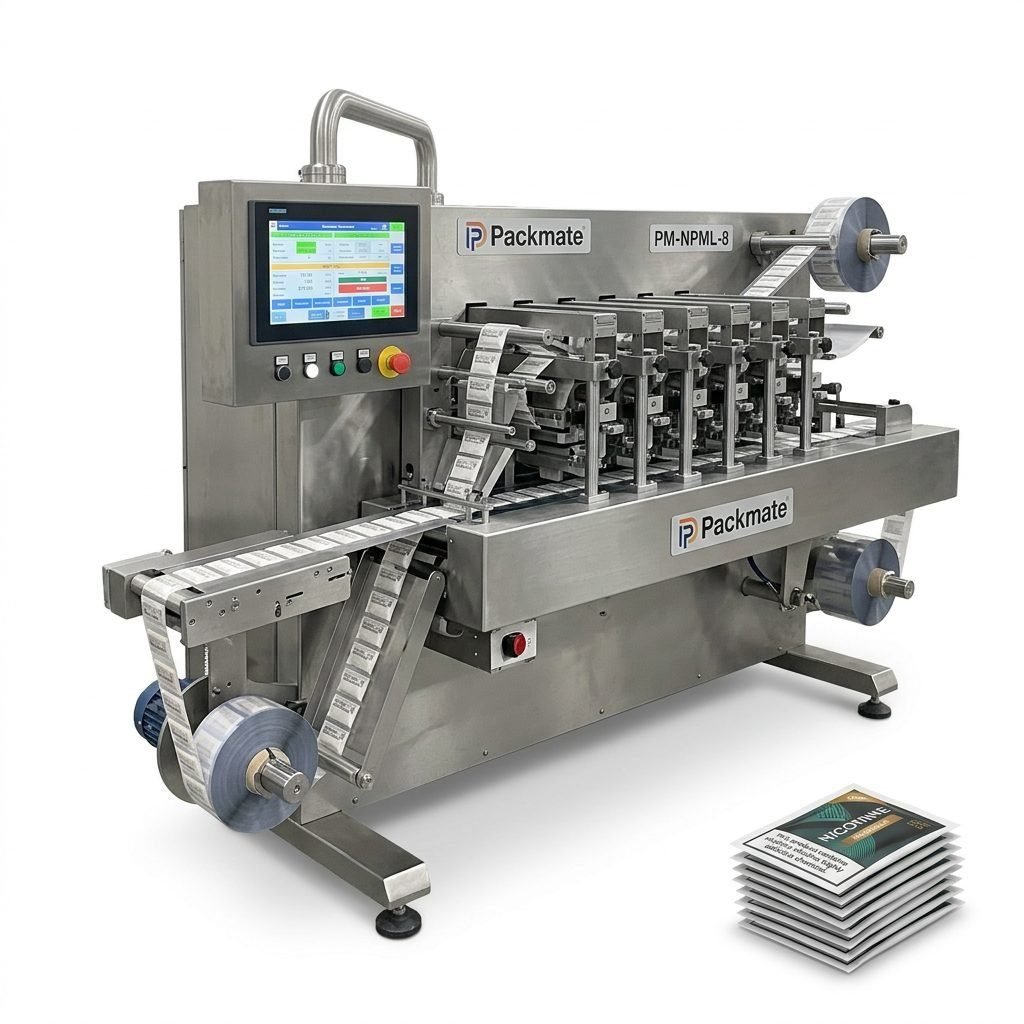
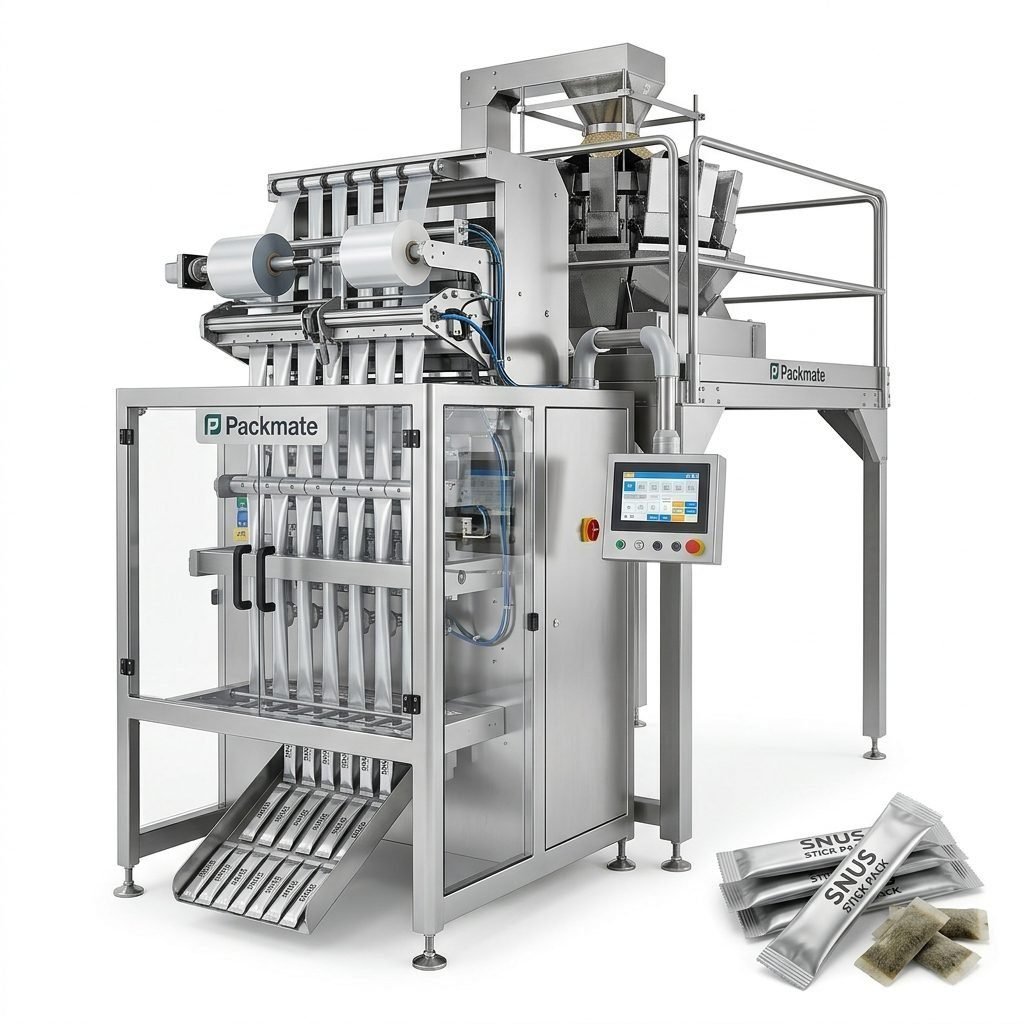
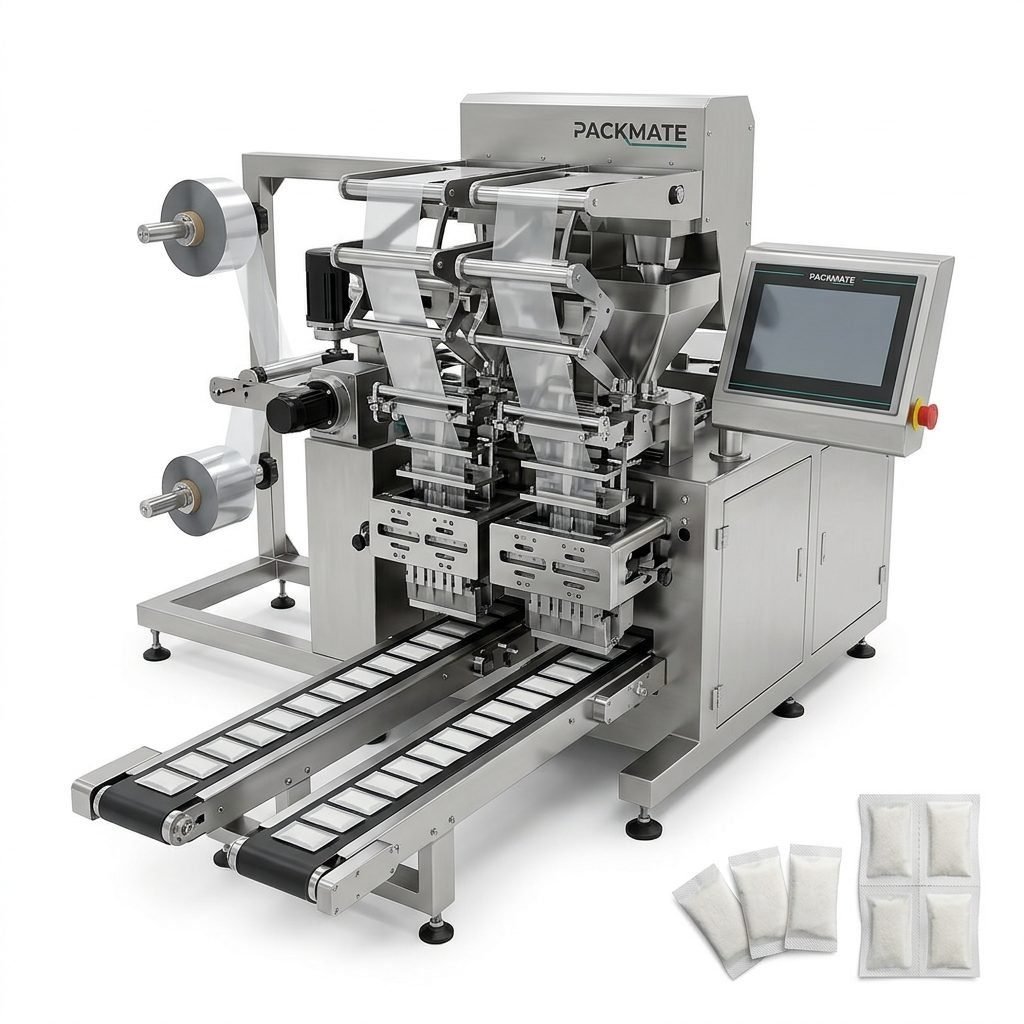
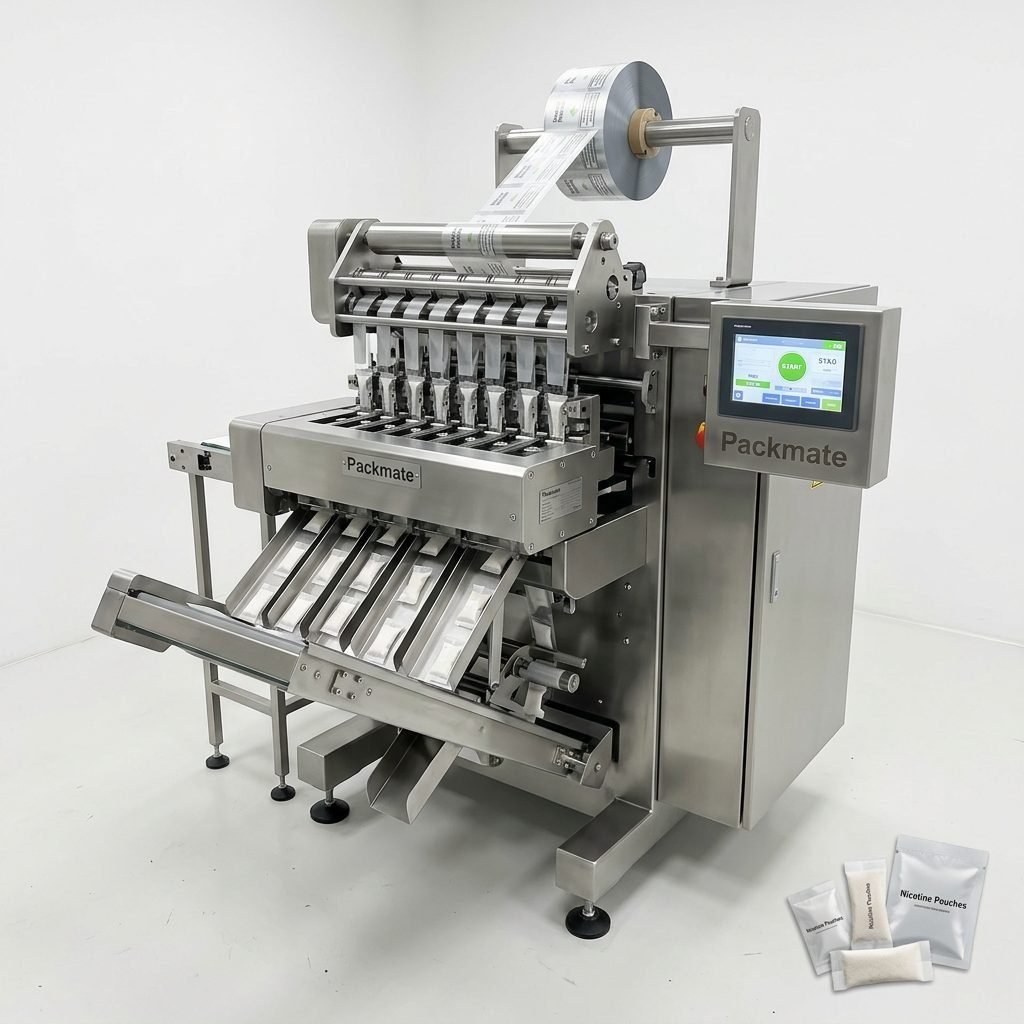
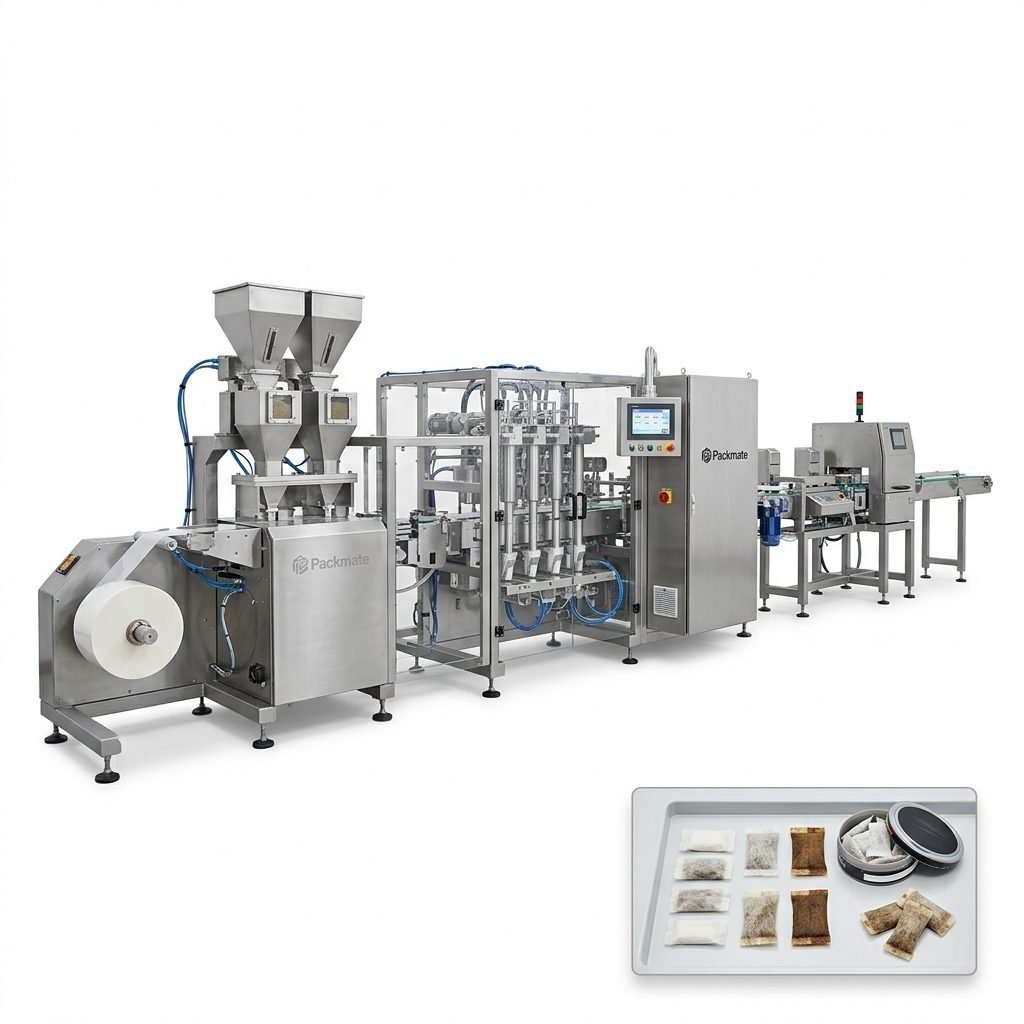
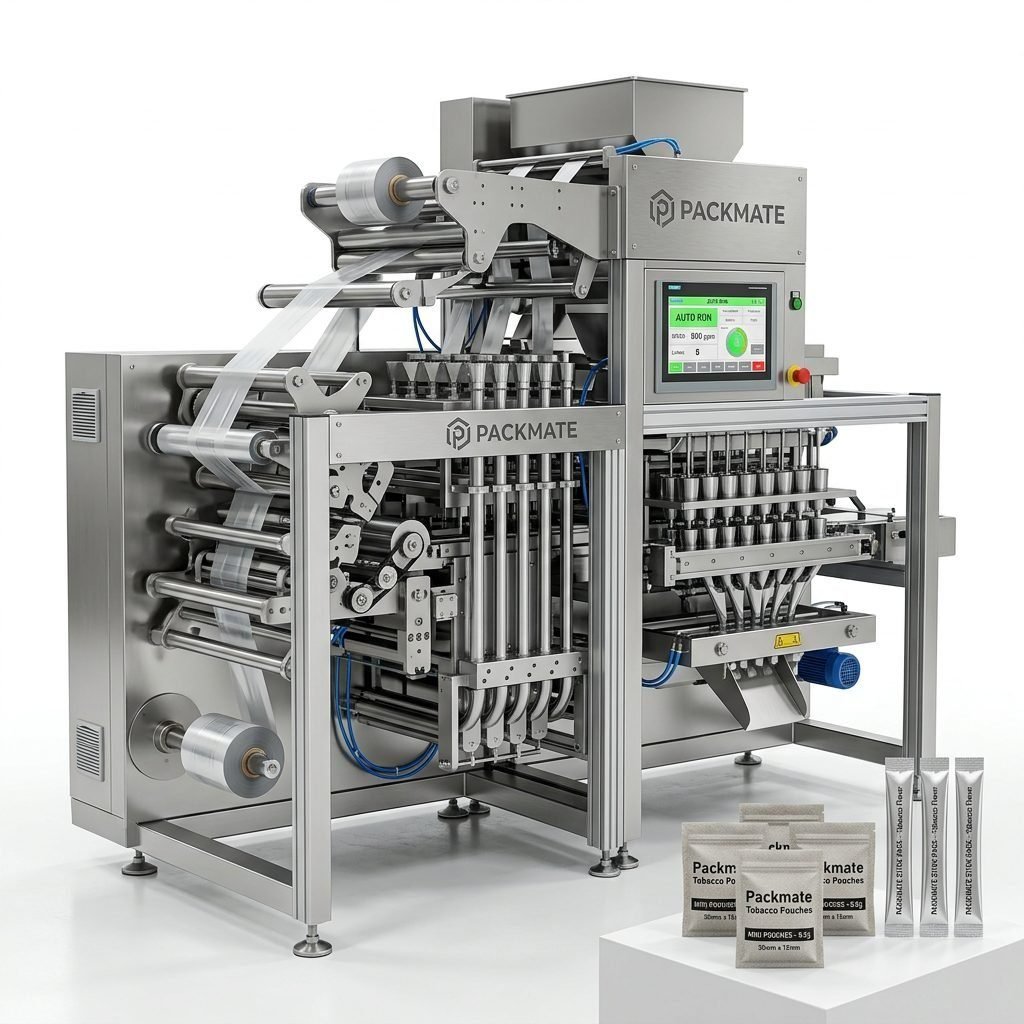
Snus and nicotine pouches come in various forms: single-dose sachets, multi-pouch trays, stick packs, or multi-lane sachets. The machine must match the pouch size, material (paper, foil, laminated film), and sealing method. Choosing the wrong format can lead to high scrap rates, poor sealing, and non-compliant labels.
Consider whether you need:
🔧 Single-lane stick or sachet machines for small runs and flexibility.
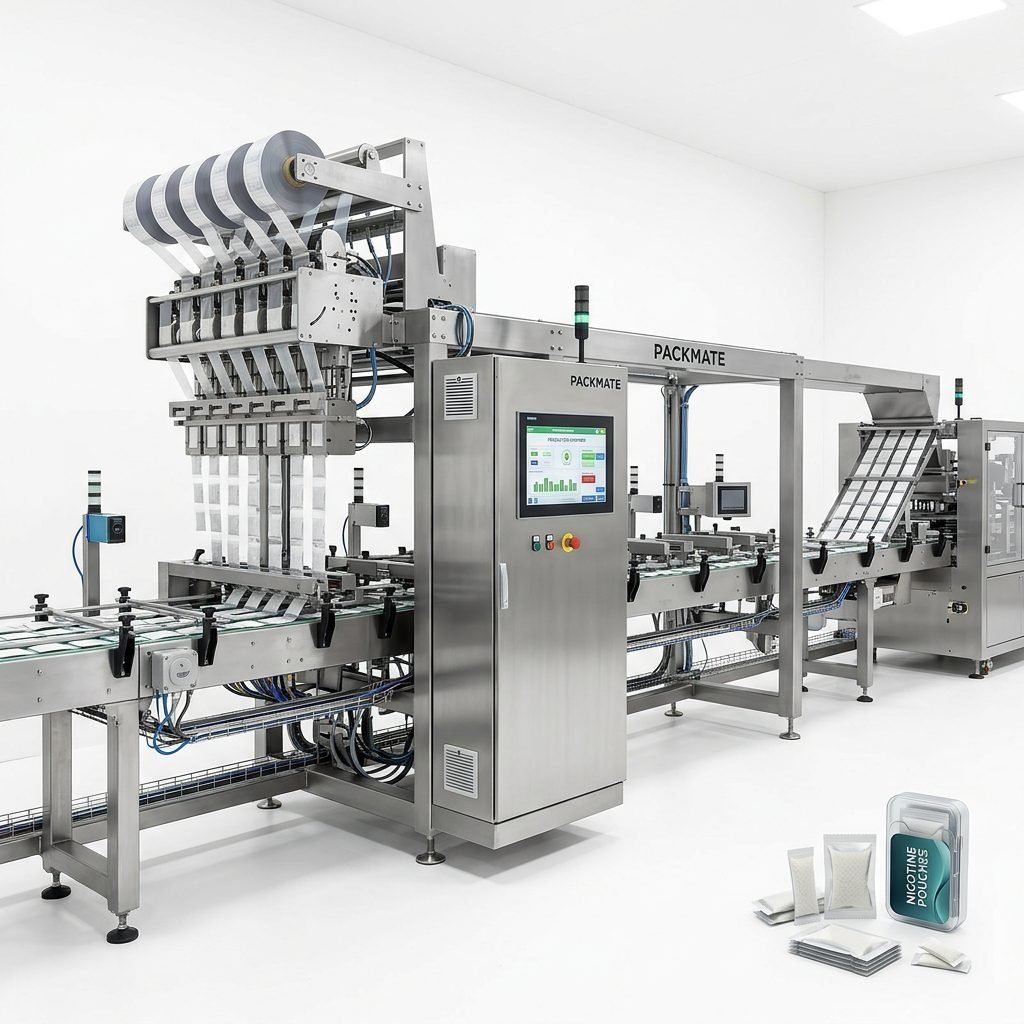
📦 Multi-lane systems for high throughput and consistent output.
🔁 Modular lines that integrate weighing, filling, and secondary packaging.
2. Production Capacity and Speed Requirements
Assess current demand and forecast growth for at least 3–5 years. Machines are rated by pouches per minute (ppm) and overall hourly output. A compact machine that runs at 30–60 ppm might be ideal for startups, while established brands often need multi-lane machines offering hundreds of ppm.
✔️ Key metric: Calculate required capacity as (expected monthly pouches) / (working hours per month). Add 20–30% buffer for growth.
3. Accuracy, Filling Systems and Weighing Integration
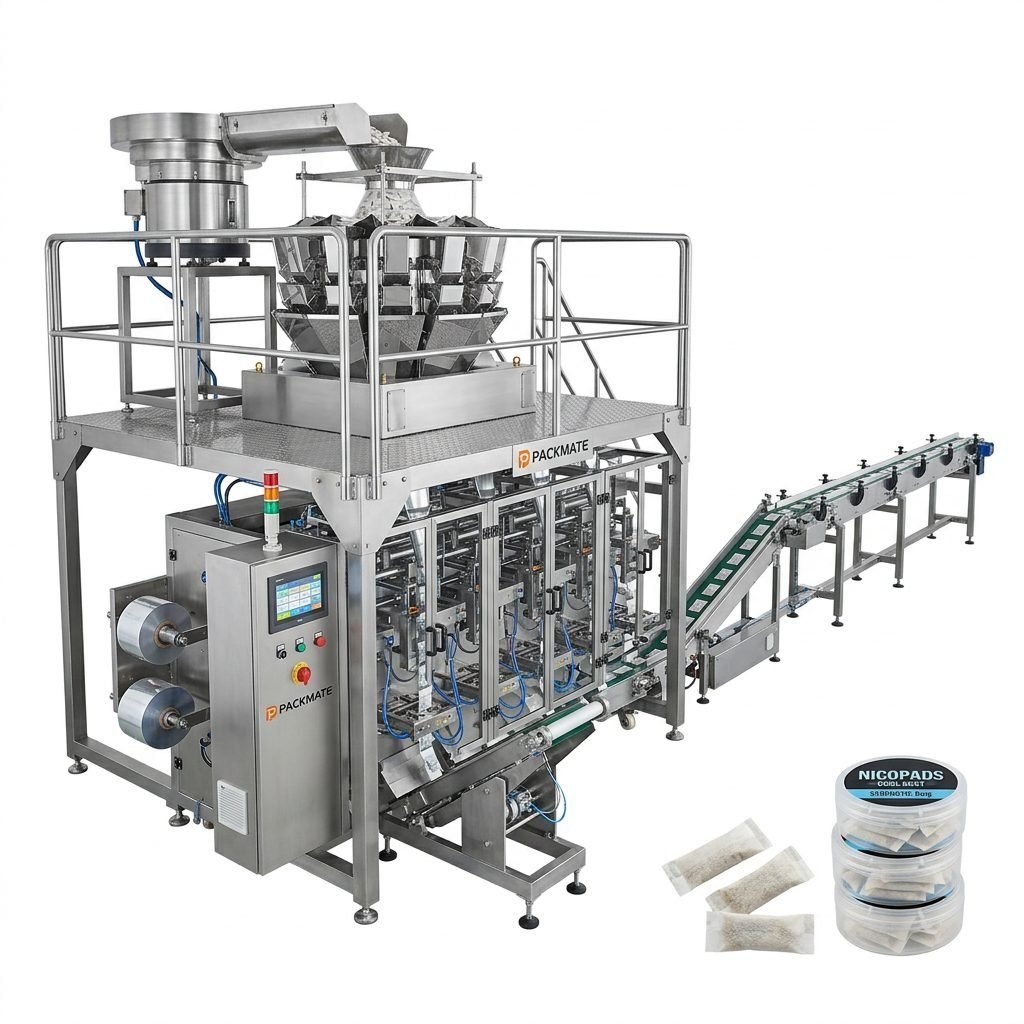
Consistent dose accuracy matters for regulated nicotine products. Machines with integrated precision weighing or volumetric fillers reduce variability. For powder or granular nicotine blends, consider a multi-head weigher or an auger filler with closed-loop control. For moisture-sensitive blends, select systems that minimize product exposure during filling.
For turnkey solutions, explore combined systems like filling + packaging + case packing. Manufacturers often list these under Weighing & Packaging Systems and Filling & Packaging Lines.
4. Machine Reliability, Build Quality and Materials
Robust machines reduce downtime and maintenance costs. Check for stainless steel contact parts (SUS304 or SUS316 where required), high-quality electrical components, and proven mechanical design. Look for machines with clear spare parts lists and local service options.
Packmate Snus Machine emphasizes advanced CNC machining and precision assembly — a capability that often translates into durable, high-precision equipment. Learn more about the manufacturer on their About Packmate page.
5. Hygiene, Cleaning and Maintenance
Hygiene is critical for products consumed orally. Choose machines with easy-to-disassemble components, smooth surfaces, and accessible areas for cleaning. Consider CIP features or quick-change parts to minimize downtime during maintenance. Ensure the supplier provides a clear maintenance schedule and toolkits for routine servicing.
6. Automation, Controls and User Interface
Modern packaging machines use PLC controls with touchscreen HMI for recipe management, troubleshooting, and data logging. Look for:
🖥️ Intuitive HMI with multiple language support.
🔄 Recipe recall for quick changeovers between pouch sizes.
📈 Data capture for OEE, alarms, and production reports.
7. Customization, Multi-Lane Options and Flexibility
If you plan to run multiple SKUs or higher volumes, multi-lane machines reduce footprint and increase throughput. Ask about lane configurations, independent lane control, and modular upgrades. Custom tooling for unique sachet shapes or printing integration (date codes, batch numbers) is often available from experienced manufacturers.
8. Supplier Reputation, Factory Capacity and Certifications
Choosing a supplier with proven experience in snus/nicotine packaging matters. Packmate highlights over 30 years of engineering experience, a 20,000㎡ factory, and a portfolio of machine models. Verify references, case studies, and attendance at international exhibitions to assess credibility. Useful resources include product categories like Snus & Nicotine Packaging Machines and Bag & Pouch Packaging Machines.
📌 Must ask: Factory visit availability, spare parts lead times, warranty terms, and local service network.
9. Spare Parts, Local Support and After-Sales Service
Fast access to spare parts keeps lines running. Negotiate spare parts kits, training for local technicians, and remote diagnostic options. Suppliers that provide installation, commissioning, and training reduce startup risk. Check the supplier’s service page and FAQs to understand response times and support scope; Packmate’s Service resources are an example of comprehensive support offerings.
10. Total Cost of Ownership and ROI
Instead of comparing only purchase prices, calculate total cost of ownership: initial investment, consumables, spare parts, energy consumption, maintenance, and downtime. A slightly higher upfront cost may be justified by lower scrap rates, higher uptime, and faster changeovers. Run an ROI model using realistic production schedules to validate the investment.
11. Shipping, Installation and Site Preparation
Plan site preparation: floor loading, electrical supply, compressed air, and drainage. Work with the supplier to confirm machine dimensions, utilities, and lifting requirements. Confirm whether the supplier offers installation and commissioning or local partners who can perform these tasks.
12. Real-World Case and References
Ask for case studies relevant to your product type. Manufacturers often publish examples of lines used in similar markets — review their Case pages and exhibition history (Our Exhibition) to validate machine performance.
🔎 Checklist: Capacity, pouch format compatibility, certification, spare parts lead time, warranty, and service availability.
Choosing the Right Partner
A reliable supplier should be transparent about capabilities, provide technical documentation, and offer after-sales support. When evaluating offers, request: technical datasheets, video demos, reference contacts, and a clear warranty and parts policy. If possible, visit the manufacturer’s factory or watch live demos to verify build quality and performance.
Why Packmate Might Be a Fit for Rwanda
Packmate Snus Machine showcases decades of R&D, a large manufacturing facility, multiple machine types, and turnkey line experience. Manufacturers with this profile can supply solutions ranging from single-lane sachet machines to multi-lane snus packaging lines. For inquiries and direct contact, check their Contact Us page and catalog resources like the Catalog.
Final Practical Steps Before Purchase
1. Define product specifications and expected monthly volumes.
2. Request machine quotes with clear technical specs, lead times, and warranty terms.
3. Ask for references and video demonstrations with similar products.
4. Confirm spare parts lists and local service arrangements.
5. Validate compliance documents and on-site installation plans.
✅ Decision shortcut: If you need reliable multi-lane throughput, proven engineering, and turnkey options, prioritize established manufacturers with strong factory capabilities and international certifications.
Common Questions
Q1: How do I estimate the right machine speed for my business?
A1: Calculate your monthly demand and divide by working hours; then add a 20–30% buffer. Choose a machine whose rated output meets or slightly exceeds this number.
Q2: Are multi-lane machines necessary for small markets like Rwanda?
A2: Not always. Multi-lane systems are ideal when you need high throughput or want to save floor space for high-volume SKUs. Single-lane or modular machines are better for flexibility and lower initial investment.
Q3: What certifications should I ask a supplier for?
A3: Request CE and ISO certifications, material certificates for contact parts, electrical component certificates, and any product-specific compliance documentation required by local authorities.
Q4: How important is local after-sales support?
A4: Extremely important. Quick access to technicians and spare parts minimizes downtime. Verify the supplier’s support network or arrange training for in-country engineers.
Q5: Can I start with a small machine and upgrade later?
A5: Yes. Look for modular systems or suppliers who offer upgrade paths (adding lanes, automated feeders, or weighing modules) to scale with your business.