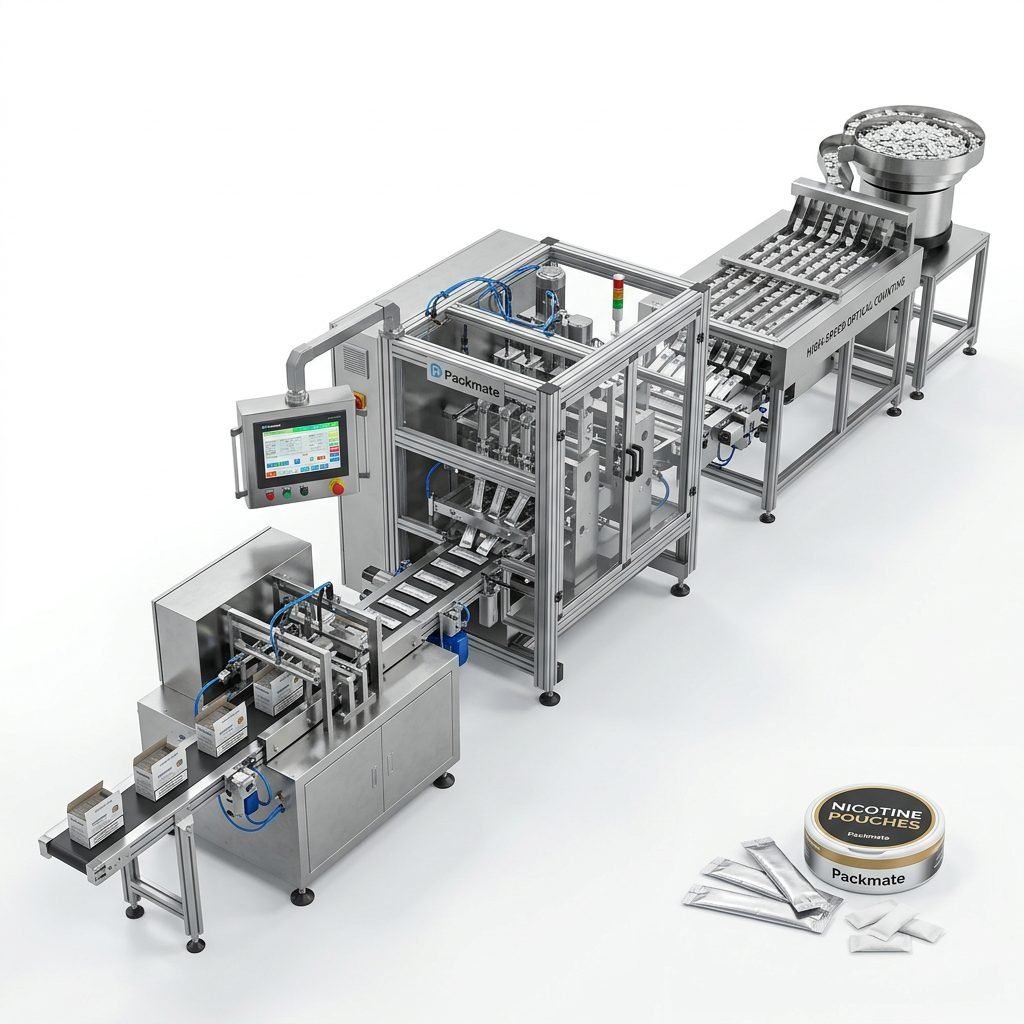
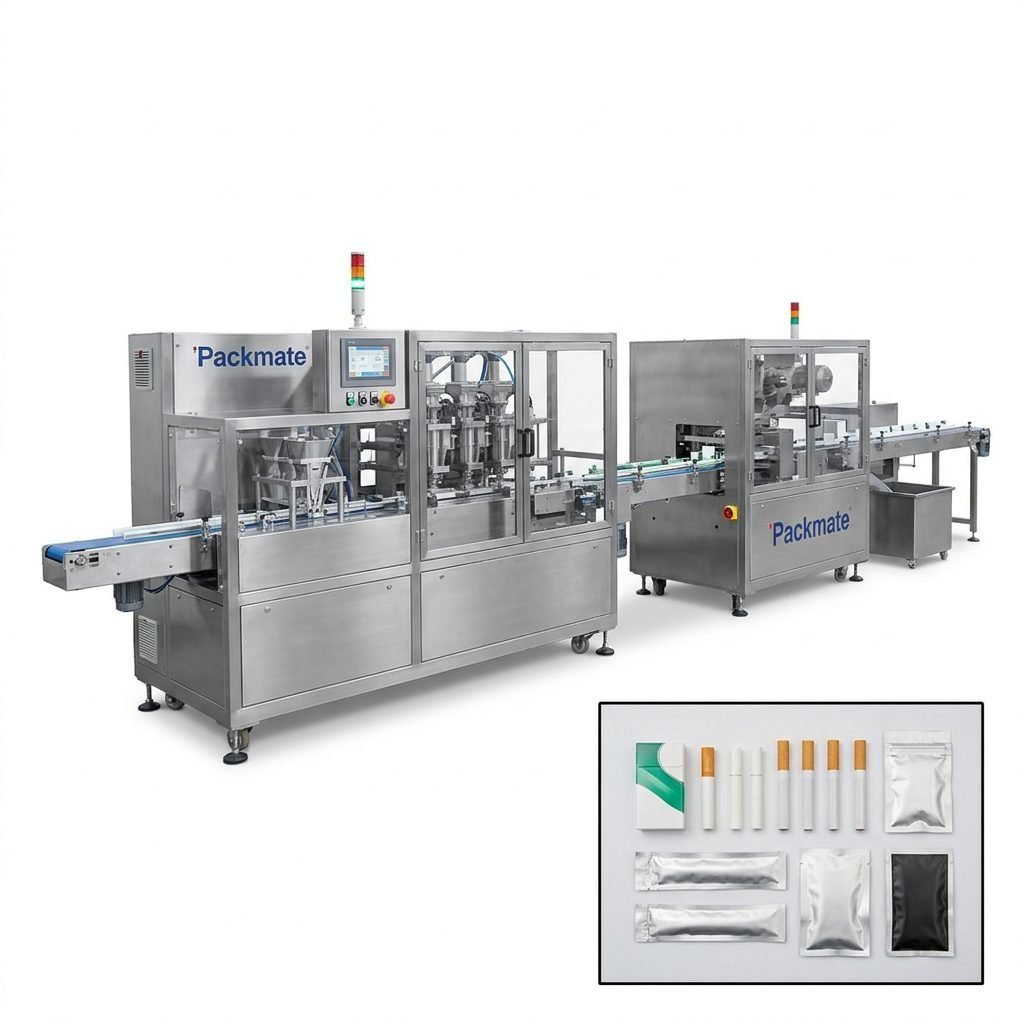
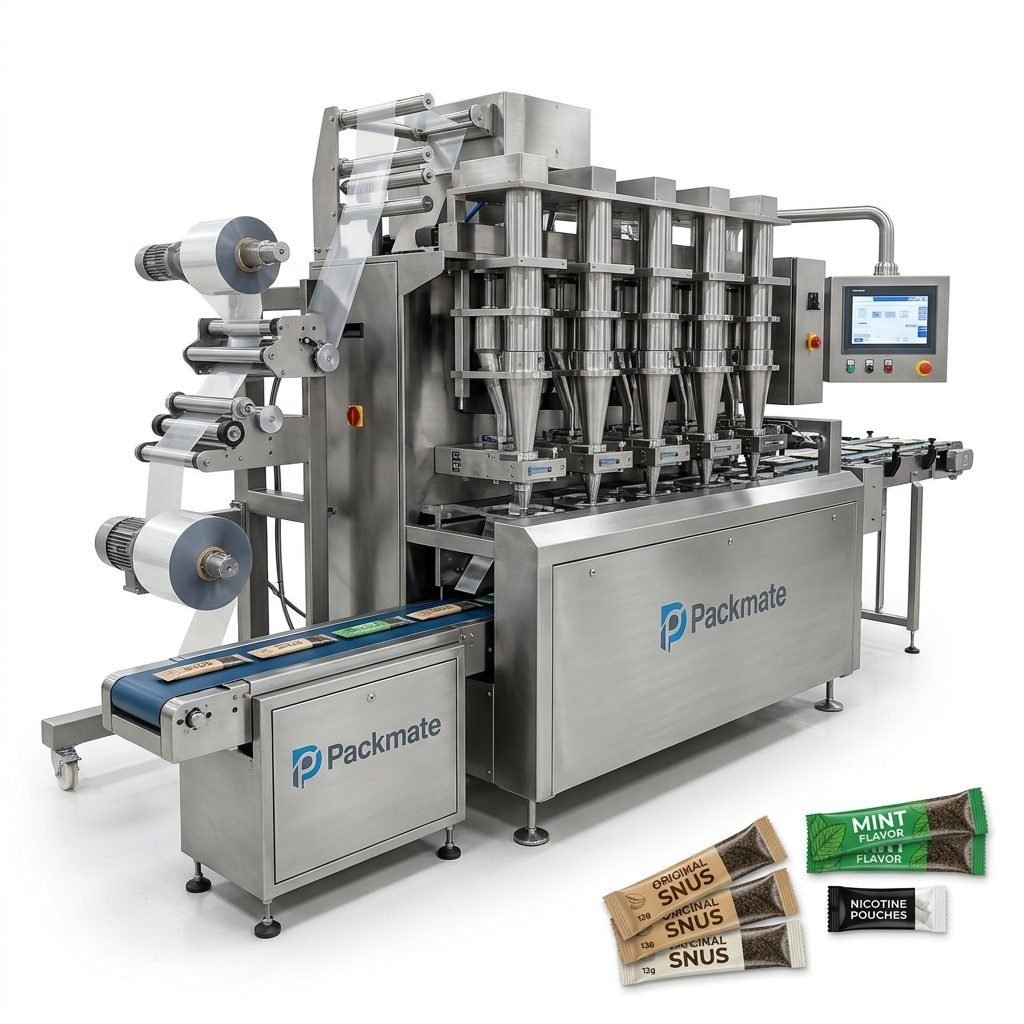
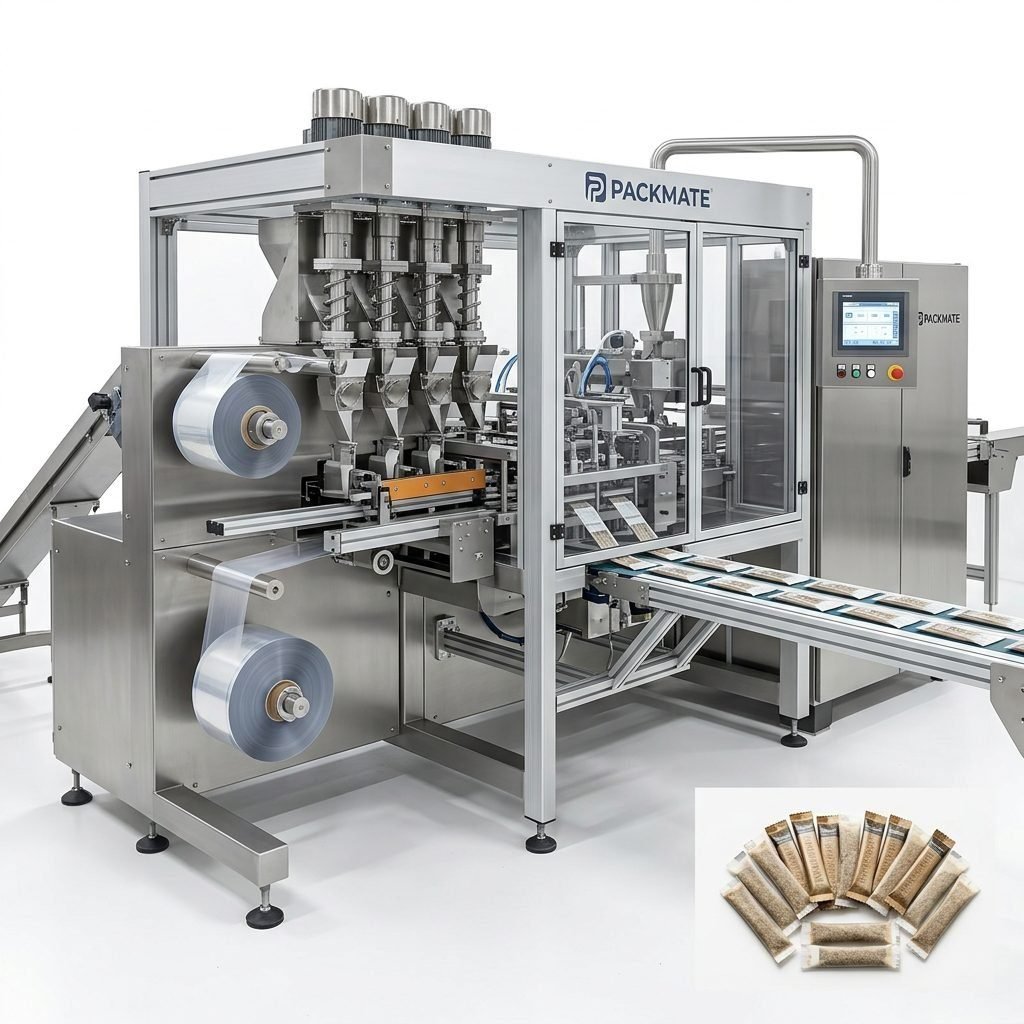
Selecting the right nicotine packaging machinery manufacturer for operations in Lebanon is a decision that affects throughput, regulatory compliance, and long-term costs. This guide walks you through practical, industry-proven criteria to evaluate manufacturers — from technical capability and quality systems to local support and customization. Whether you plan to package nicotine pouches, snus, or related products, these insights will help you shortlist reliable partners and avoid costly mistakes.
Understand Your Production Profile First
Before contacting manufacturers, map out your production needs in detail: expected daily output, pouch formats (single-dose, multi-lane, sachets, stick packs), material types, and integration with upstream/downstream systems. Knowing whether you require high-speed multi-lane lines or a compact single-lane solution will immediately narrow the field.
Key production questions to answer
🔍 What is your target pieces per minute (PPM) and shifts per day?
🔍 Which pouch formats and packaging materials will you use (PE, PA/PE, laminated films)?
🔍 Do you require additional functions such as nitrogen flushing, printing, or tamper-evident features?
Assess Manufacturer Technical Capability
Technical strength matters more than price. Look for manufacturers with experience in snus and nicotine packaging systems, advanced CNC machining, and multi-lane design. For example, a supplier with a large facility, many models, and decades of engineering experience can offer robust solutions and quicker custom development.
✅ What to verify: factory size, number of models, availability of precision manufacturing (CNC), and turnkey line experience.
Check certifications and compliance
Confirm the manufacturer holds international certifications like CE and ISO, which indicate adherence to safety and quality systems. Compliance matters if you plan to export or need to meet Lebanese import and tobacco-related regulations.
Evaluate Design & Customization Flexibility
Nicotine pouch products evolve quickly; choose a supplier that can customize machines and adapt to new pouch formats or dosing systems. The ability to provide tailored multi-lane solutions, modular add-ons, and PLC/HMI customization will protect your investment.
🛠️ Ask for examples: request case studies of similar nicotine pouch lines, such as multi-lane snus or stick pack solutions, to judge engineering depth.
Inspect Quality Control & Factory Capability
Physical verification of a supplier’s production capability is vital. A well-equipped factory with precision assembly lines, inspection stations, and a strong QA team ensures consistent machine performance and longevity. If an in-person visit is not possible, request a virtual tour or live machine demonstration.
For reference, manufacturers that operate large-scale facilities with advanced CNC centers and strict testing protocols typically deliver more reliable equipment for continuous nicotine packaging operations.
What factory details to confirm
📦 Number of machine models and customization examples
📦 Evidence of precision equipment (CNC, assembly lines)
📦 Documented quality control and test reports
Service, Spare Parts & After-Sales Support
After-sales support determines uptime. Ask about spare parts supply, remote diagnostics, training, and installation. A responsive service network — or a partner willing to train your local technicians — reduces downtime and production losses.
📞 Service checklist: guaranteed parts lead times, onsite commissioning, remote support SLA, and operator training plans.
Pricing, Total Cost of Ownership & Financing
The lowest purchase price can mask higher lifecycle costs. Evaluate energy consumption, maintenance labor, spare parts pricing, and uptime guarantees. Ask suppliers to provide a Total Cost of Ownership (TCO) estimate that includes consumables and expected MTBF (mean time between failures).
Negotiate wisely
Negotiate payment terms, warranty extensions, and an agreed commissioning timeline. For larger lines, discuss staged payments tied to milestones like FAT (Factory Acceptance Test), shipping, and successful commissioning in Lebanon.
Factory Acceptance Test (FAT) and Site Acceptance Test (SAT)
A clear FAT procedure reduces surprises. Insist on performance validation using your actual packaging materials and product doses. After shipment, the SAT at your Lebanese site confirms installation, integration, and line speed under real conditions.
✅ FAT items to include: speed tests, pouch integrity, sealing strength, dosing accuracy, and simulated continuous operation.
Local Partnering & Logistics for Lebanon
When importing packaging machinery to Lebanon, practical logistics and local partnerships matter. Confirm the supplier’s export experience, shipping packaging standards, customs documentation, and ability to coordinate with local freight forwarders or agents.
Local support options
Evaluate whether the manufacturer provides a local service partner, remote troubleshooting, spare parts forward stocking, or on-demand technician visits. These elements accelerate recovery when issues occur.
Reputation, Case Studies & References
Request client references and case studies specific to nicotine pouch or snus packaging. Verified examples give insight into reliability and long-term support quality. You can also review exhibition participation and certificates to gauge credibility.
Explore detailed product lines and cases from established suppliers to compare engineering approaches, available modules, and client feedback. For instance, look at product pages and case studies to see how solutions were implemented in real operations:
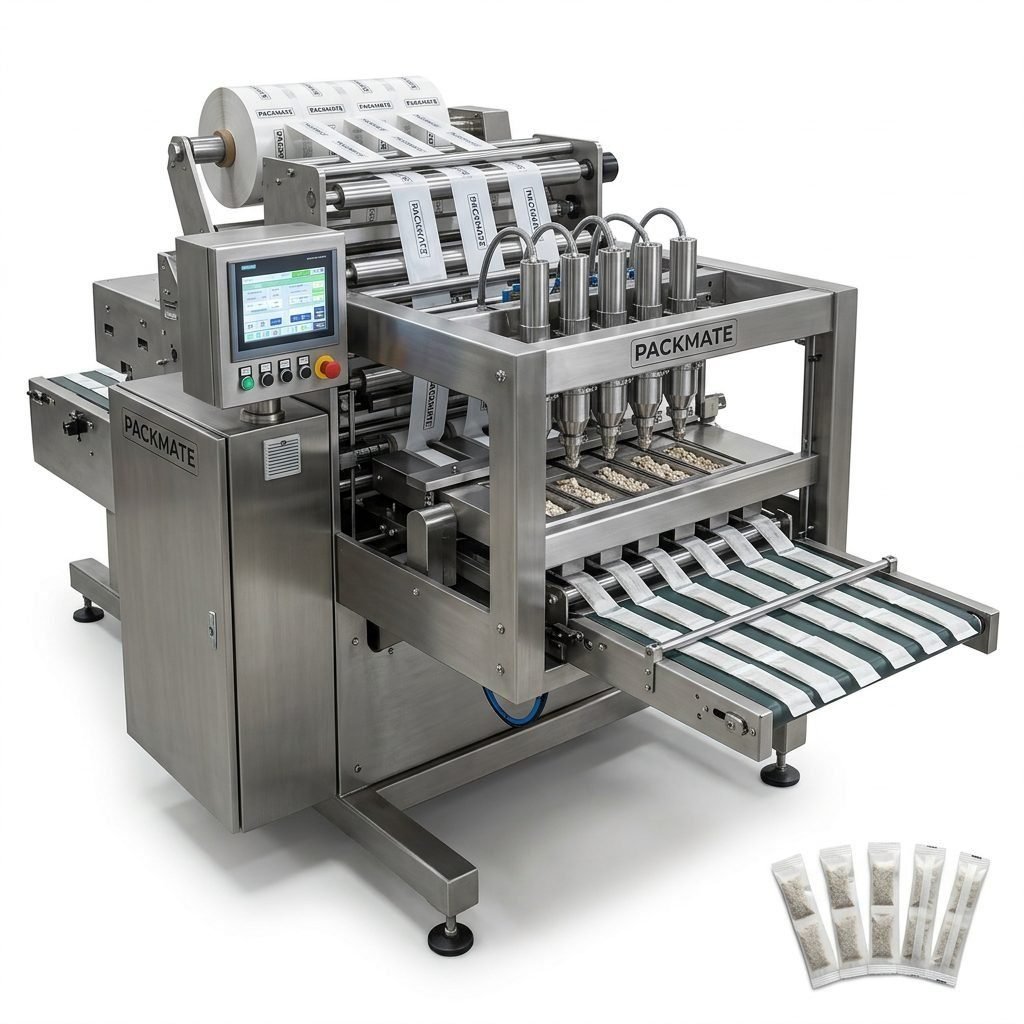
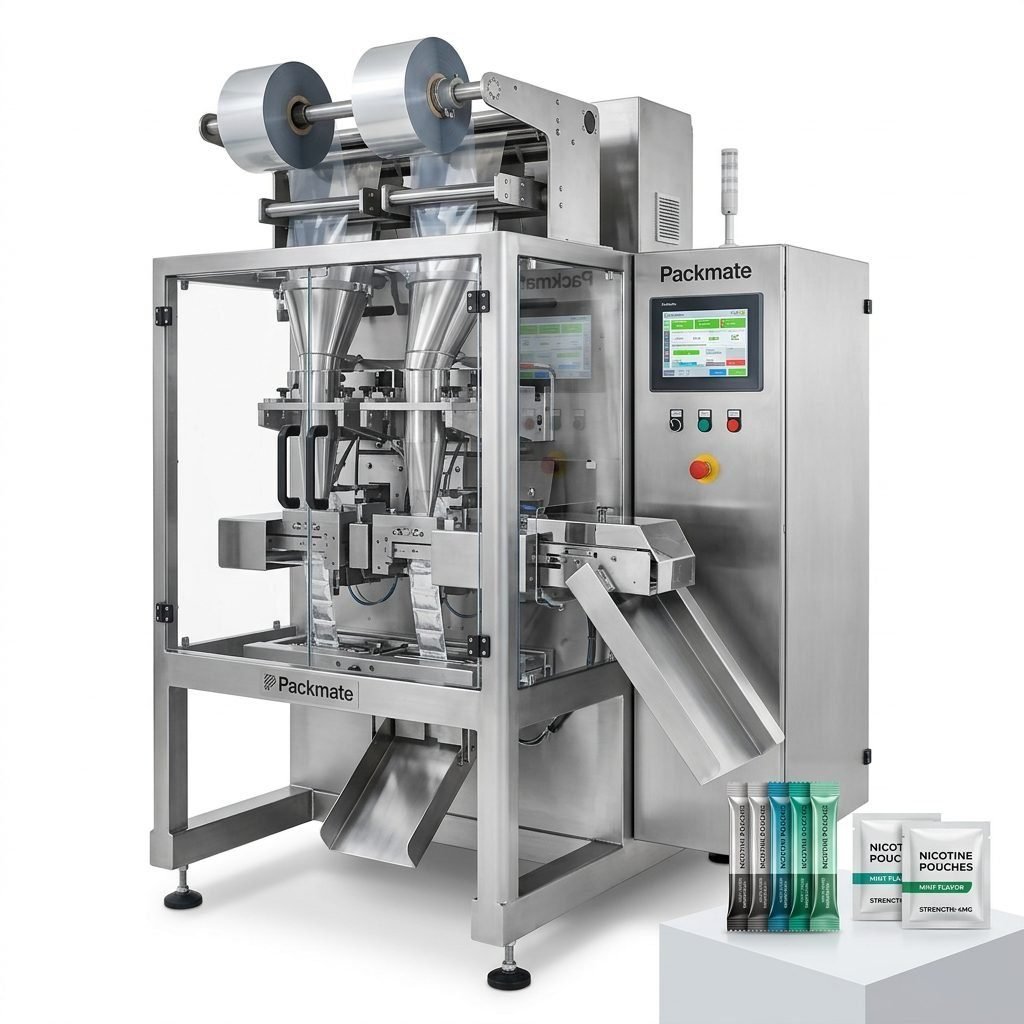
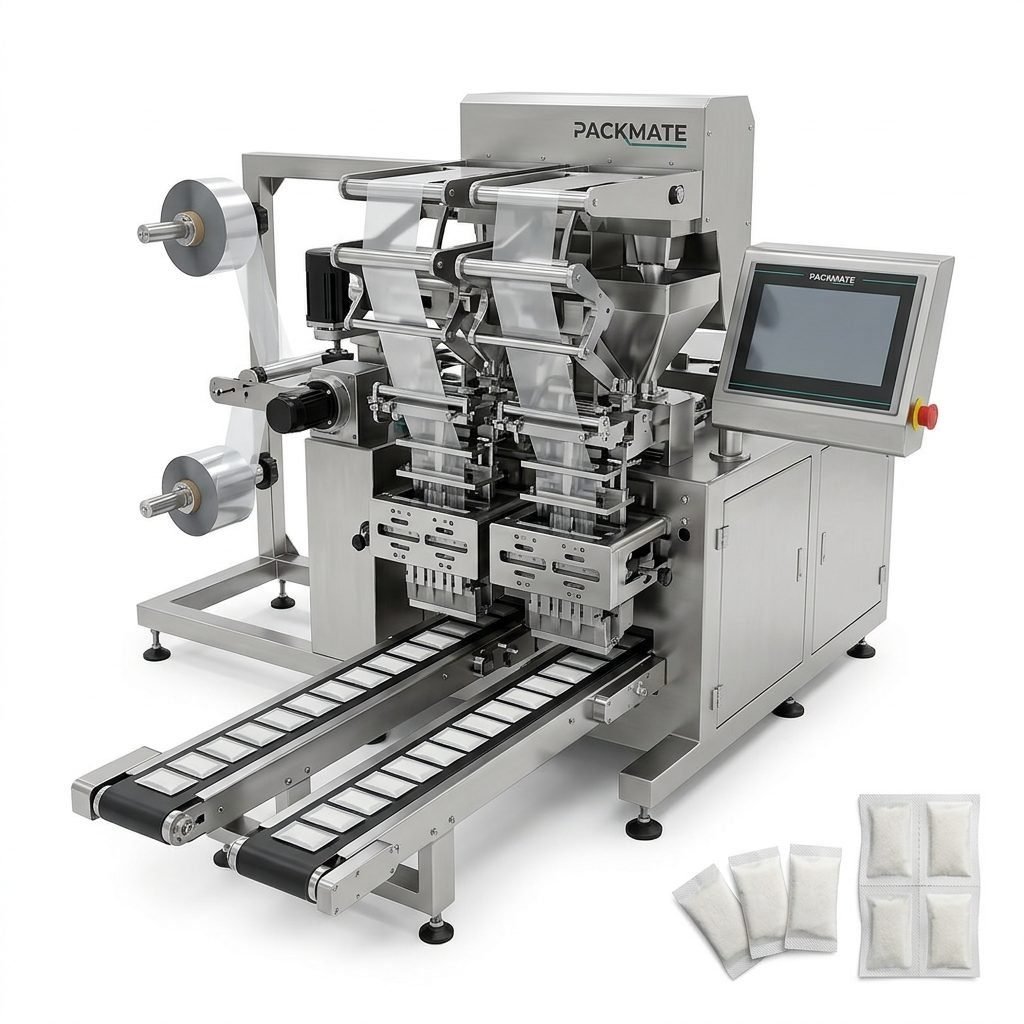
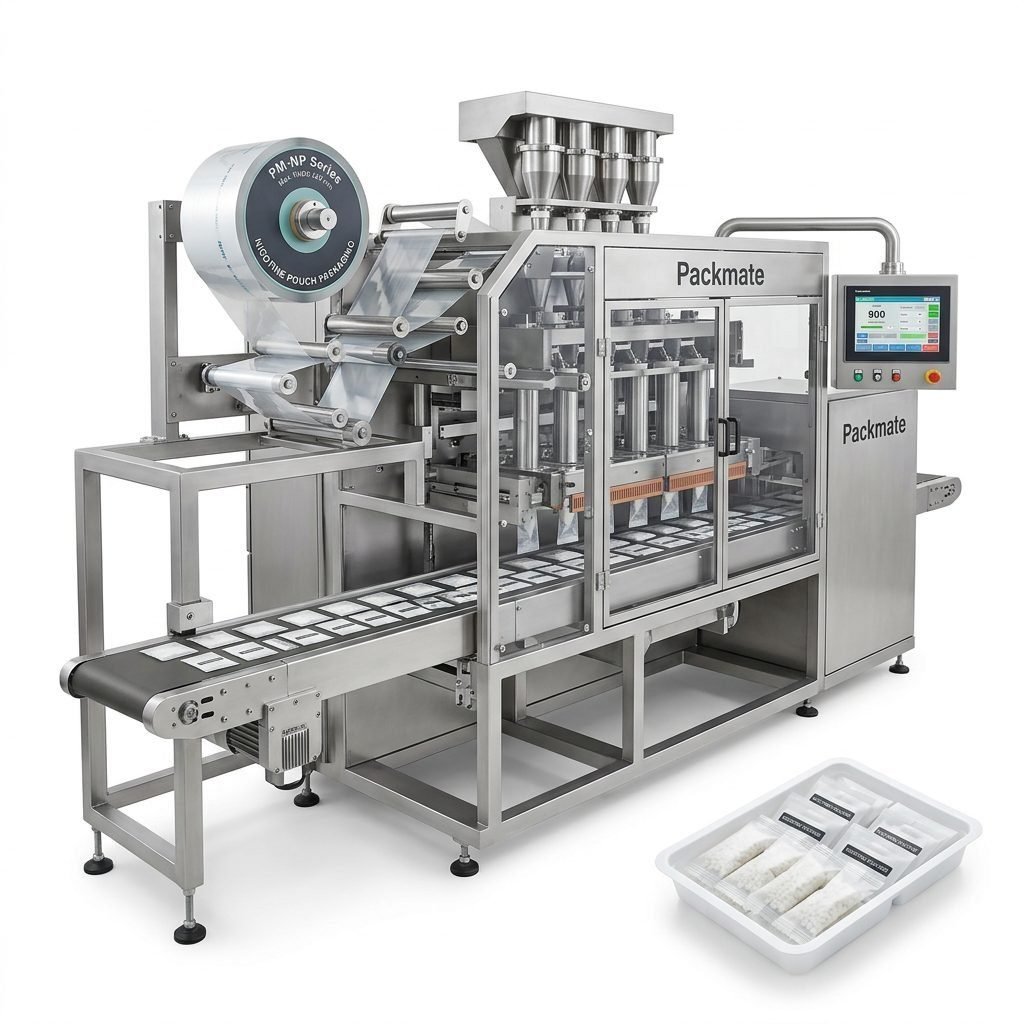
• See live equipment and machine types: Snus & Nicotine Packaging Machines
• Review company background and capabilities: About Packmate
• Inspect real deployment examples: Case and ask for contactable references.
Questions to Ask Potential Manufacturers
🔎 What is your experience with nicotine pouch/snuse packaging lines?
🔎 Can you provide FAT reports and demo videos using my film and pouch specs?
🔎 What is included in the warranty and what are common excluded items?
🔎 How do you handle spare parts supply and emergency support for overseas customers?
🔎 Can you support commissioning and operator training in Lebanon, or provide remote guidance?
Red Flags to Watch For
Beware of vague answers about customizations, missing FAT, or refusal to demonstrate machine performance with real materials. Poor documentation, unverified claims about certifications, or inability to provide references are signs to move on.
⚠️ Red flag checklist: no FAT, unclear spare parts policy, no client references, or resistance to contract terms.
Making the Final Decision
Rank candidate suppliers by technical fit, documented performance, after-sales support, and TCO. If two suppliers appear similar, prioritize the one that demonstrates better documentation, quicker parts delivery, and proven nicotine pouch experience.
Practical next steps
1. Request detailed quotes including TCO and spare parts lists.
2. Schedule FAT or live demos and inspect QA records.
3. Negotiate payment linked to milestones and confirm clear warranty & service SLAs.
How Packmate-Like Suppliers Can Help
Suppliers with long-term experience in snus and nicotine packaging — offering multiple machine models, advanced manufacturing, and turnkey lines — can accelerate your market entry while reducing technical risk. For more details on product categories, equipment, and support offerings, explore product pages and service descriptions before engaging.
• Explore the breadth of packaging equipment categories: Bag & Pouch Packaging Machines
• Contact the provider directly to request project consultations: Contact Us
Final Checklist Before Signing
✅ Confirm FAT acceptance criteria and required test materials.
✅ Receive a sealed spare parts list with lead times.
✅ Agree on commissioning timeline, training plan, and warranty coverage.
✅ Verify export documentation and logistics plan for Lebanon.
Conclusion
Choosing the best nicotine packaging machinery manufacturer in Lebanon requires careful assessment of technical capability, QA practices, customization, after-sales support, and total lifecycle costs. Prioritize suppliers that demonstrate measurable performance with nicotine pouch systems, provide transparent FAT/SAT processes, and commit to local or remote support to keep your lines running reliably.
Frequently Asked Questions
Q1: How important is a FAT for nicotine packaging lines? — A FAT is essential. It validates machine performance with your film and product under controlled conditions, reducing risk before shipping.
Q2: What spare parts should I stock locally in Lebanon? — Start with critical wear parts: sealing jaws, cutting blades, belts, sensors, and motor drivers. Agree on parts lead times with the supplier.
Q3: Can remote support be sufficient for commissioning? — Remote support helps, but on-site commissioning ensures full integration. Negotiate a hybrid approach with local technician training.
Q4: How do I verify a supplier’s nicotine pouch experience? — Request case studies, client references, and demo videos showing machines running with similar products and materials.
Q5: Where can I find more product details and examples? — Review product pages and cases from experienced suppliers to compare specifications and real-world deployments.