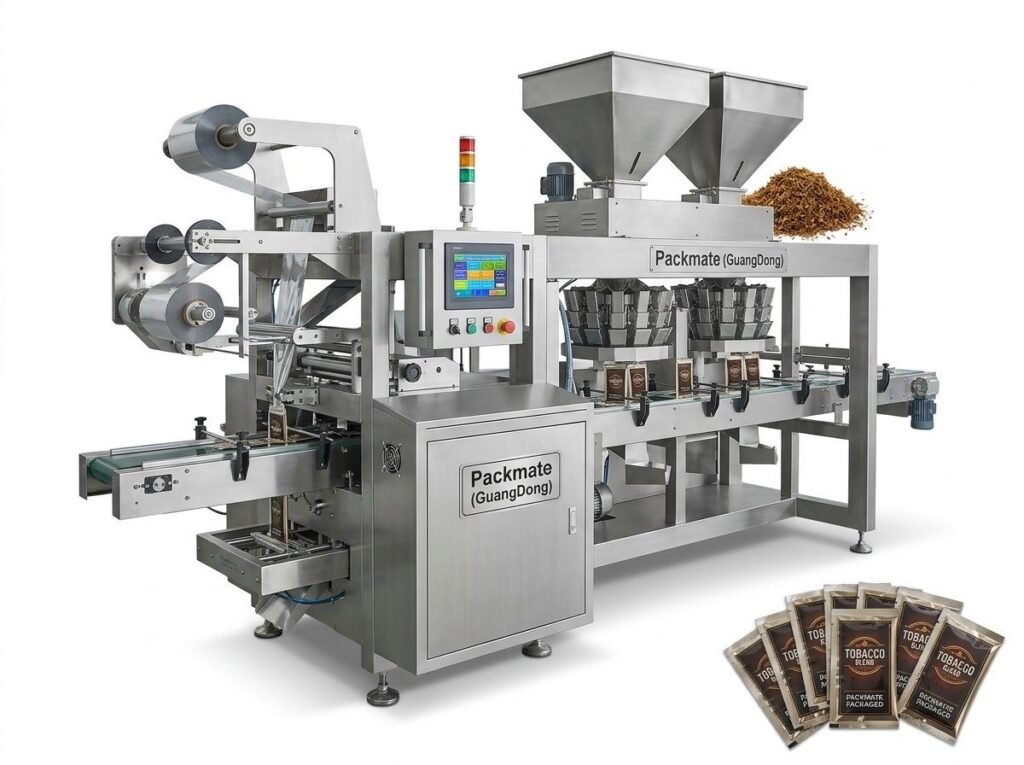
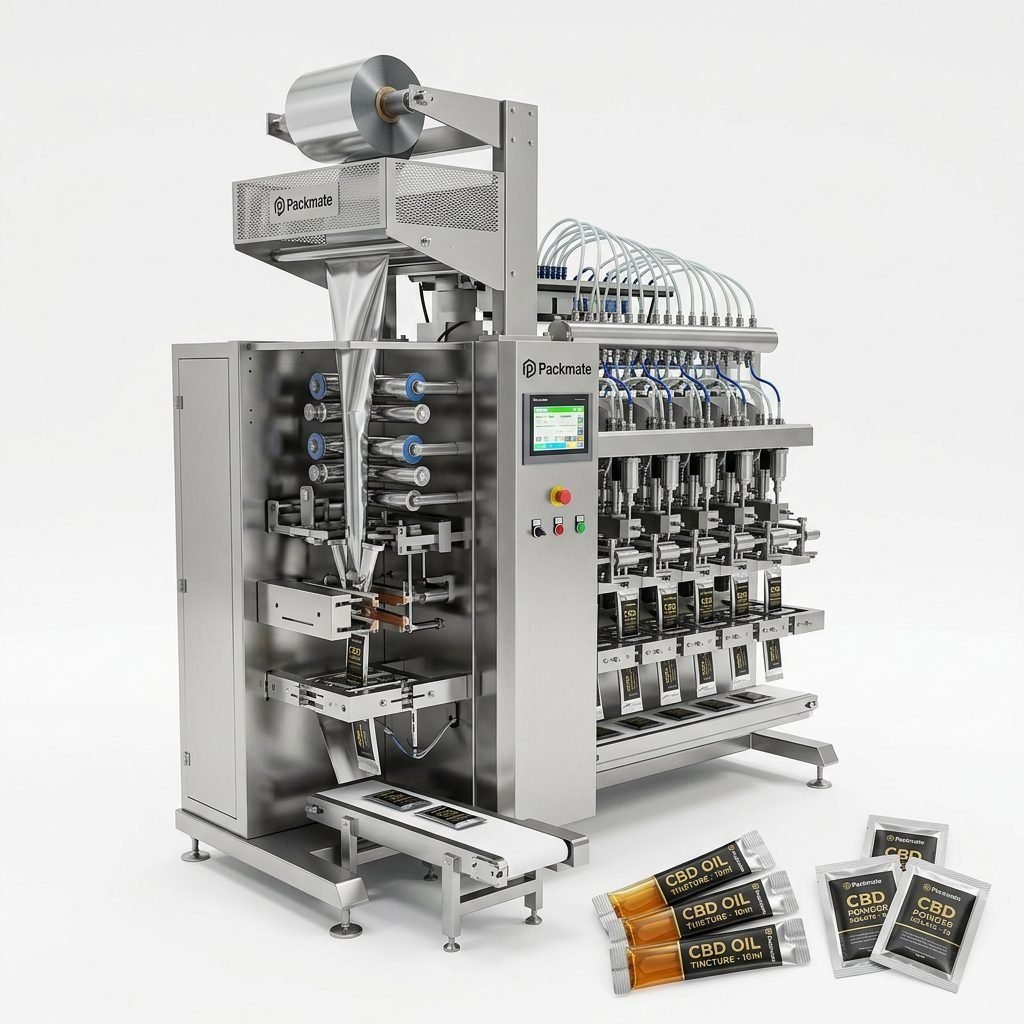
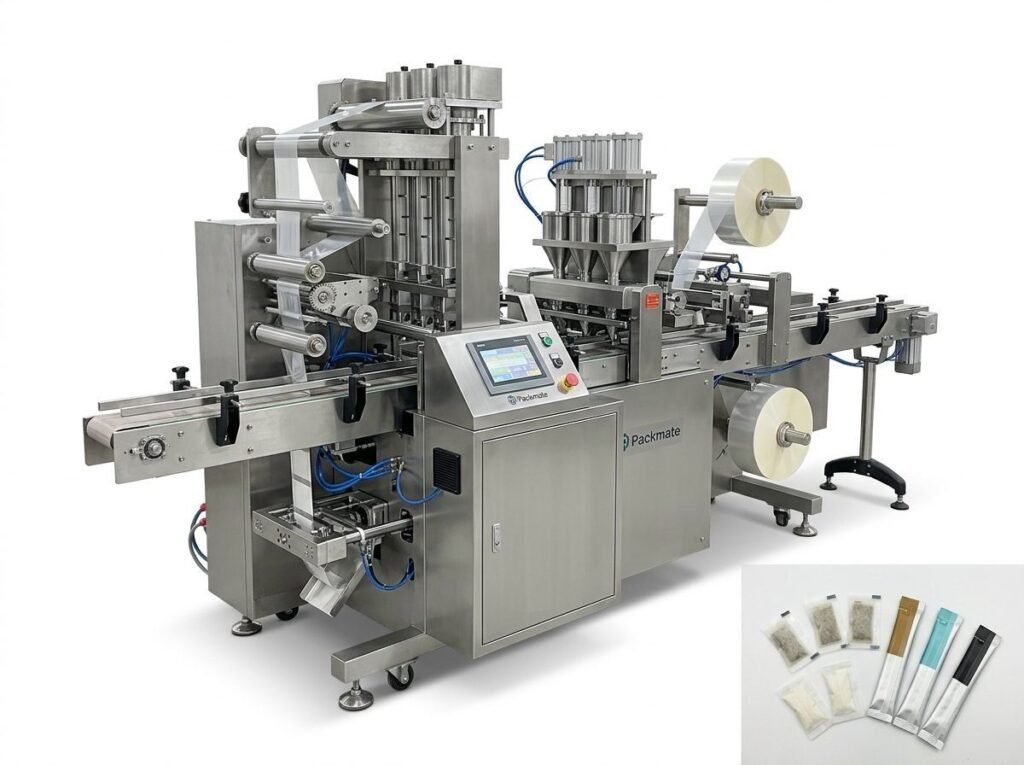
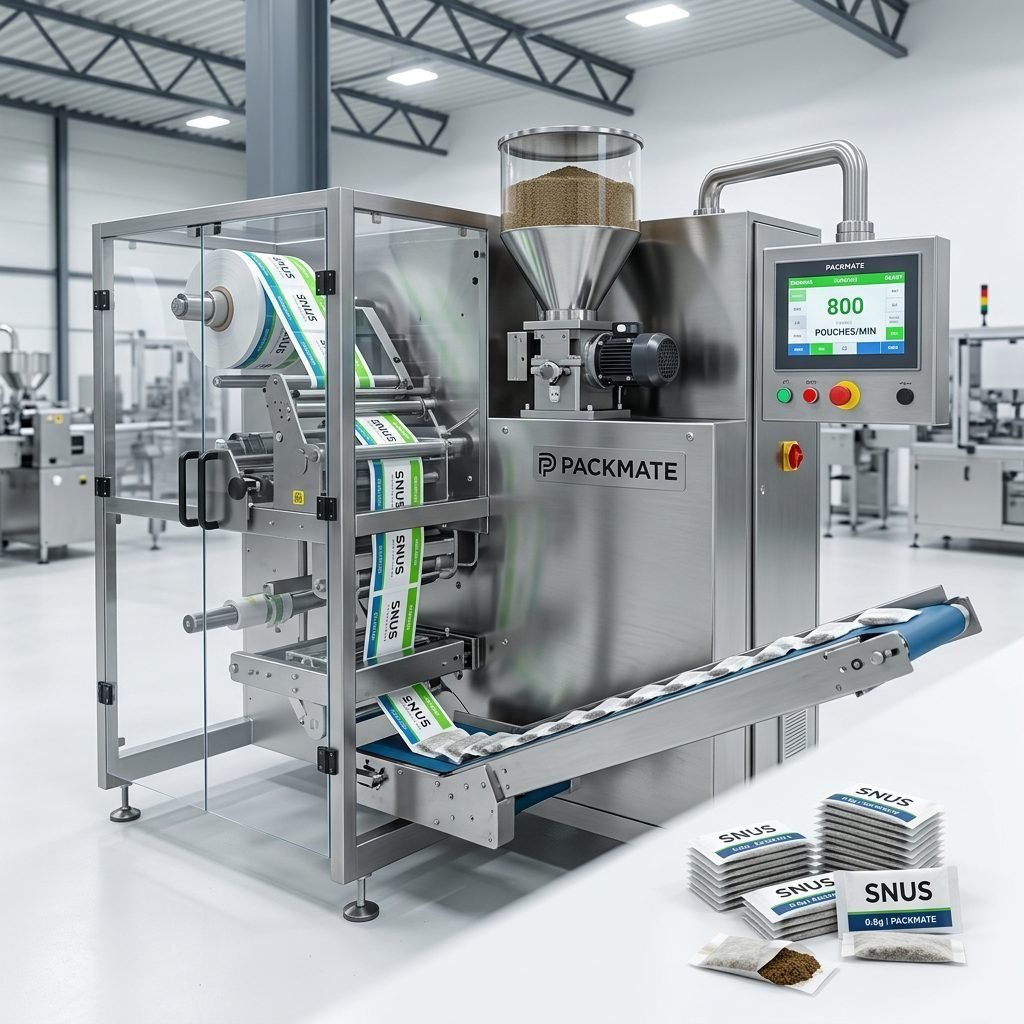
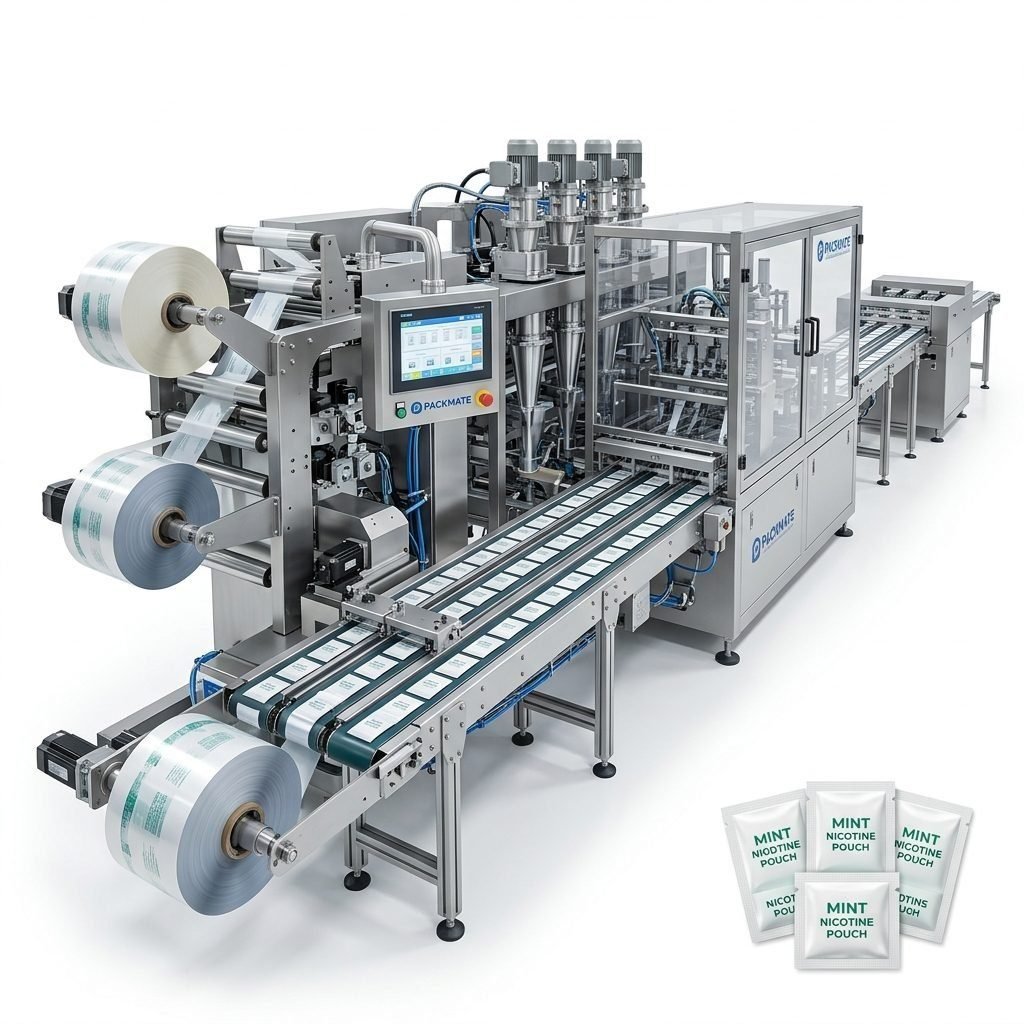
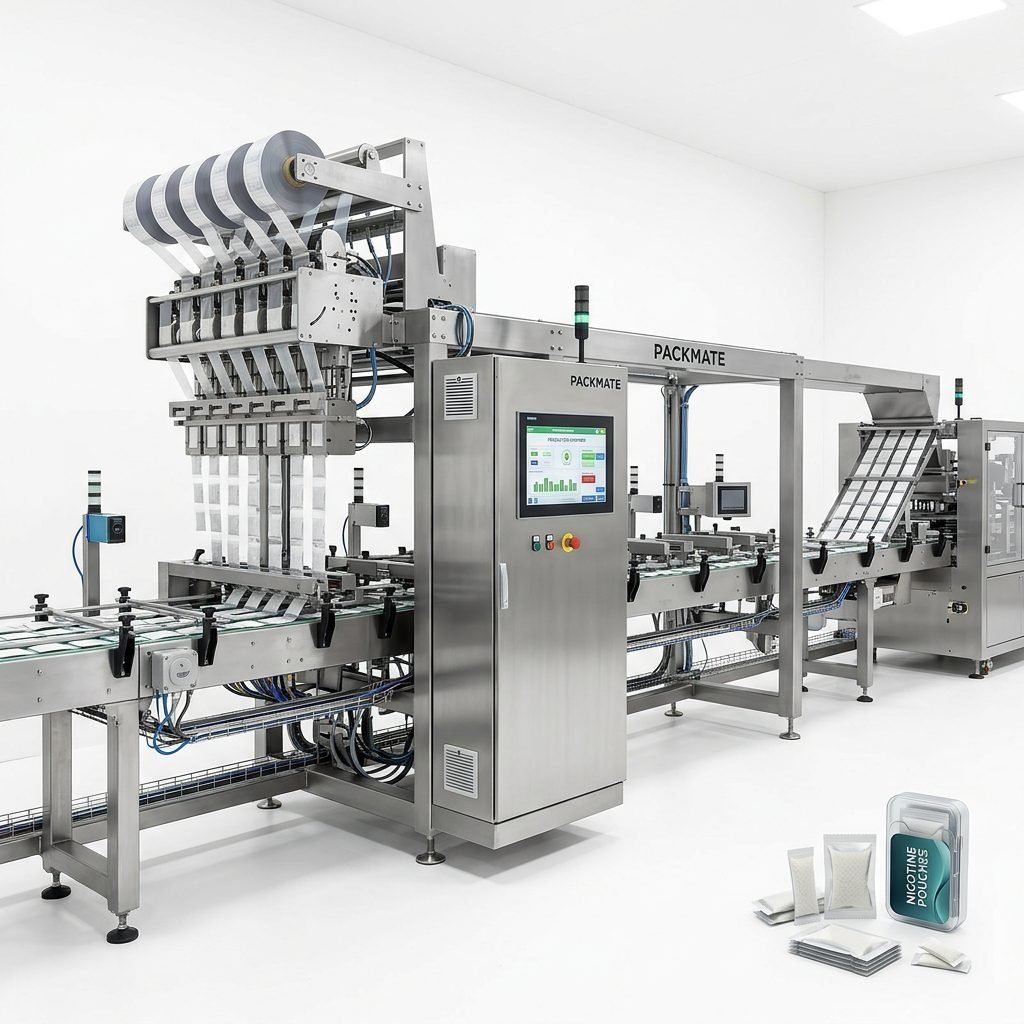
Choosing the right snus packaging machinery in Mauritius requires balancing production goals, regulatory compliance, space and utility constraints, and total cost of ownership. This guide walks you through the practical steps and technical considerations to select a reliable snus or nicotine pouch packaging line that fits your business — from machine types and throughput planning to supplier evaluation and after-sales support.
🔍 What makes snus packaging different?
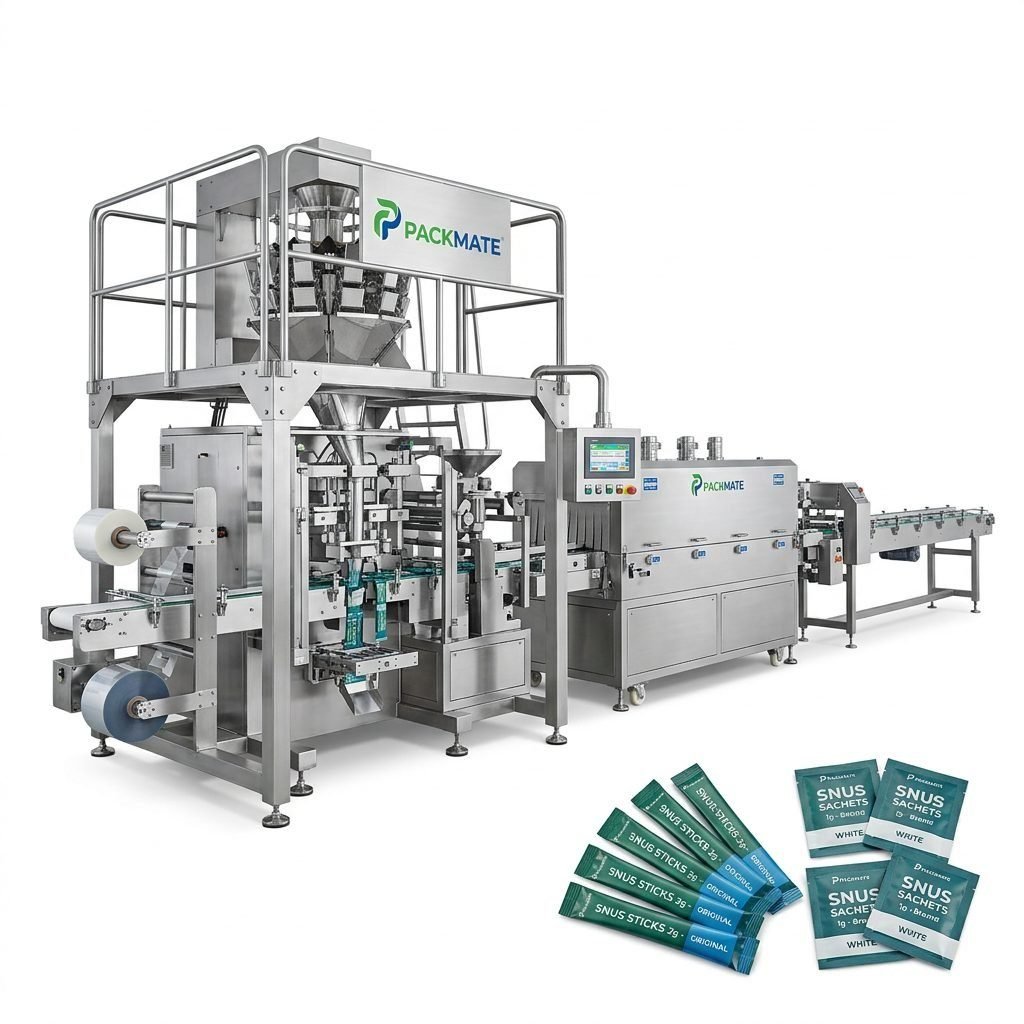
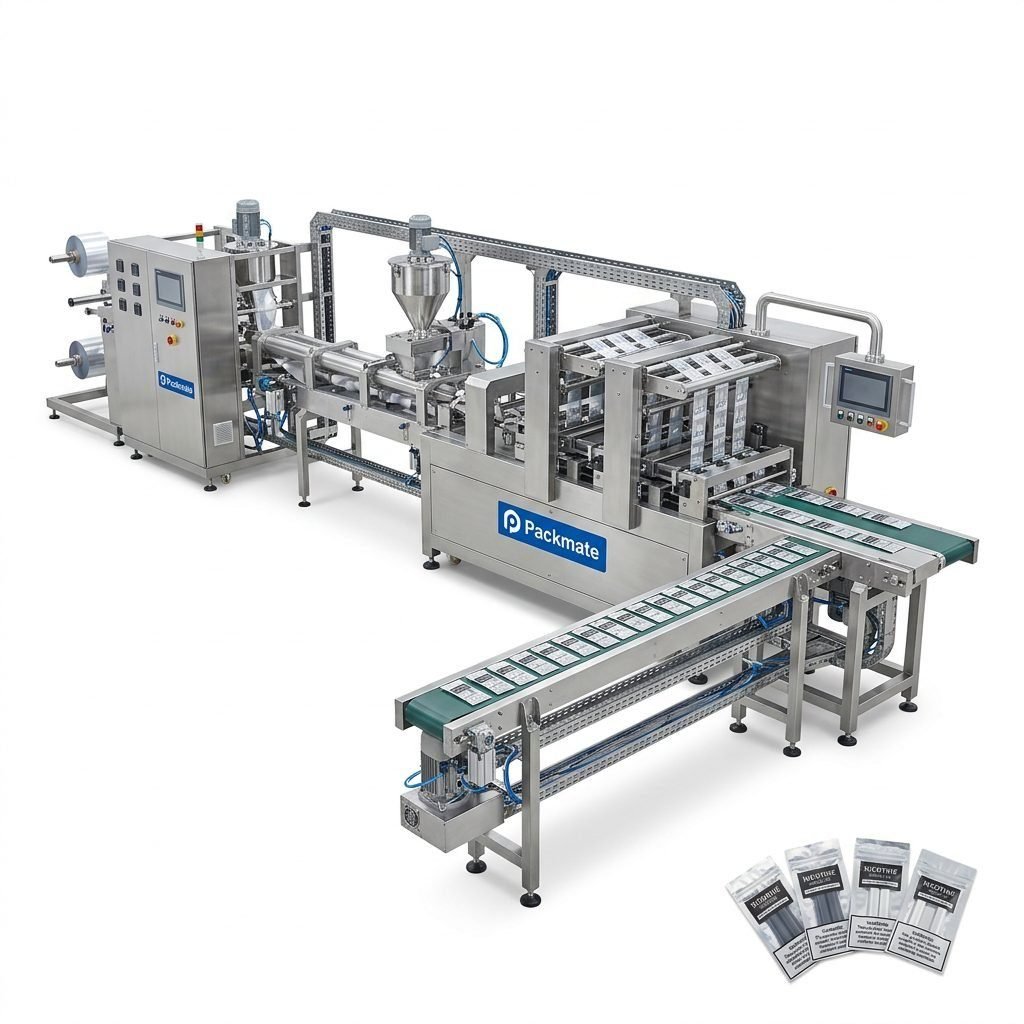
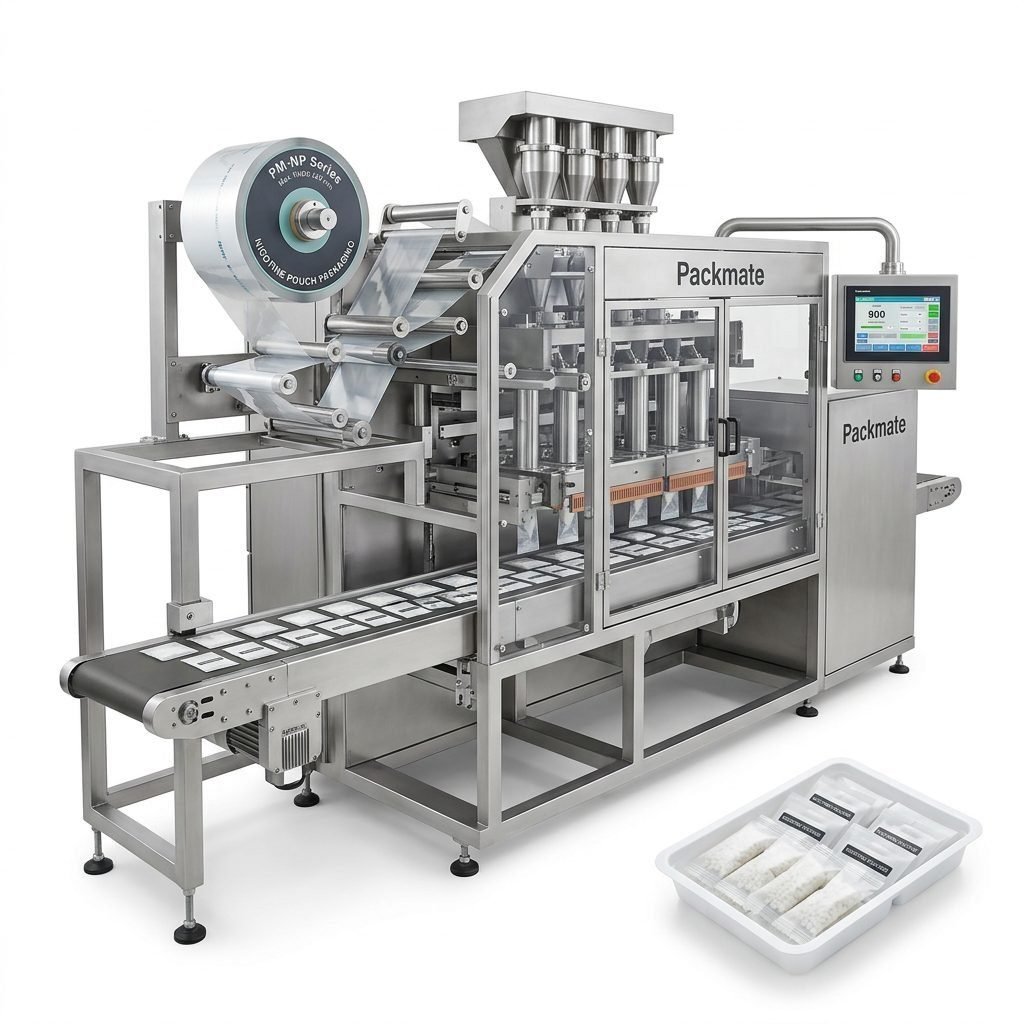
Snus and nicotine pouches are small-dose products that demand precise filling, gentle handling, and consistent sealing to ensure product integrity and shelf stability. Unlike bulk bagging, these products require high-accuracy weighers, controlled dosing systems, and flexible pouch or stick formats. Packaging solutions often combine multiple machines (filling, forming, sealing, batching, and secondary packaging) into a seamless production line to achieve high efficiency.
📦 Common packaging formats
Stick packs — long, single-serve sachets for individual doses; ideal for high-speed, single-lane applications.
Sachets and pouch formats — pillow or fin-seal sachets, customizable for branding and barrier requirements.
Multi-lane systems — multiple synchronized lanes for small-dose pouches to maximize output in limited floor space.
⚙️ Key technical specifications to evaluate
When comparing machines, use the following checklist to make objective comparisons. These details will directly impact output quality, uptime, and total cost of ownership.
✅ Throughput and lane count: Check the machine’s maximum pouches per minute per lane and total lanes. Multi-lane systems can deliver very high outputs in small footprints.
✅ Filling accuracy: Tolerance in mg or percentage is critical for nicotine pouches; look for high-precision dosing modules or integrated weighing systems.
✅ Material compatibility: Ensure compatibility with powders, granules, fibrous materials, or wet blends used in your recipe.
✅ Hygiene & cleanability: Stainless steel contact parts, easy-to-access components, and CIP-compatible designs reduce contamination risk and speed cleaning cycles.
📈 Production capacity planning
Estimate your 12-month demand and then add a buffer for growth and downtime. For example, if you expect to pack 30 million pouches per year, calculate the required pouches per minute, shift patterns, and redundancy. Selecting a machine with modular scalability (add lanes or integrate extra modules later) helps accommodate market growth without a full replacement.
🔧 Integration: What a full packaging line includes
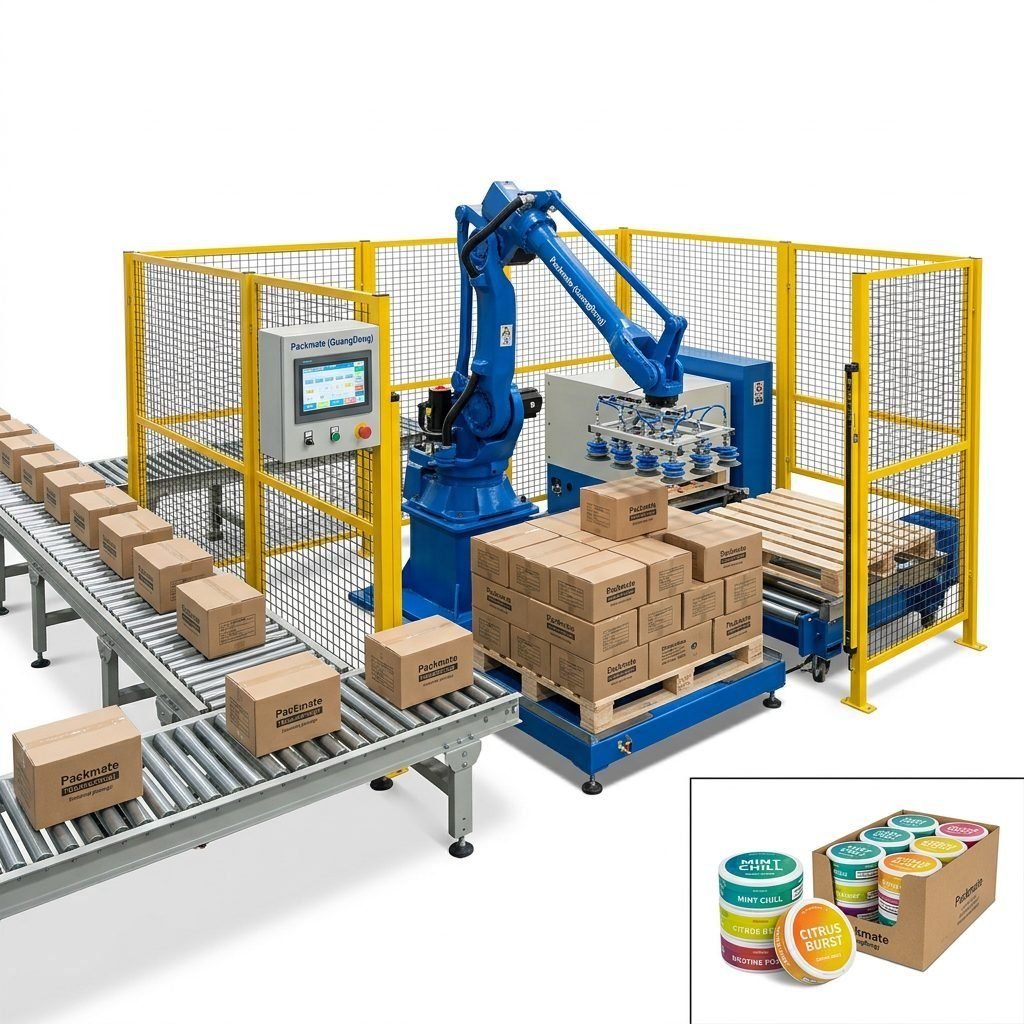
A complete snus packaging solution often includes upstream dosing and mixing, the primary packaging machine (form-fill-seal, stick pack, or multi-lane pouch maker), lubrication/air systems, date-coding, secondary packaging (cartoning, shrink-wrapping), and palletizing. Choosing a supplier that offers turnkey solutions reduces integration risk and simplifies warranty and support.
📎 Typical line components:
• Feed system and dosing/weighing modules
• Primary pouch/stick forming and sealing unit
• Quality inspection and metal detection
• Secondary packaging and case packing
🌍 Regulatory & local considerations for Mauritius
Mauritius has its own import regulations, labeling requirements, and possibly nicotine product controls. Verify electrical standards, machine certifications (CE/ISO), and required documentation for customs clearance. Choose equipment certified by recognized bodies to avoid delays. If needed, work with a local agent or the supplier’s local support team to ensure smooth commissioning.
📌 Compliance checklist
• Machine CE & ISO certificates (if selling/importing from China or Europe)
• Documentation for electrical panels, safety guards, and emergency stops
• Material contact surface declarations (stainless steel grades, FDA or EU compliance when applicable)
🏭 Evaluating manufacturers and suppliers
Supplier selection is as important as the machine specification. Look for manufacturers with a proven track record in snus and nicotine pouch equipment, transparent factory facilities, strong quality control, and global service networks. Prioritize vendors that provide on-site training, spare parts, and remote support.
🔎 What to request from a supplier:
• Detailed machine datasheets and layout drawings
• Video of the machine running your product or a similar product
• References or case studies from customers in related markets
• Service and spare-parts lead times
For example, Packmate Snus Machine is a specialist with decades of experience in snus packing equipment and turnkey lines. Their portfolio includes multi-lane systems and specialized sachet and stick pack machines, and they publish examples and case studies on their website which can help you evaluate real-world performance: About Packmate, Case examples, and product ranges such as Snus & Nicotine Packaging Machines.
💡 Installation, commissioning and training
Successful commissioning depends on pre-shipment FAT (Factory Acceptance Testing), clear mechanical and electrical drawings, and a joint plan for site preparation (foundations, air, water, electrical supply). Request supplier-led installation and operator training. Remote commissioning support is common and useful for follow-ups.
🛠 After-sales support & spare parts
Verify the availability of spare parts, lead times, and whether the supplier maintains recommended spare kits. Consider a maintenance contract or extended warranty for critical lines. Local partners or service agents in your region shorten response times and reduce downtime.
💸 Price vs. total cost of ownership (TCO)
The lowest purchase price rarely equates to the lowest TCO. Factor in uptime, energy consumption, maintenance intervals, spare parts cost, and the machine’s expected lifetime. A robust, well-supported machine from a reputable manufacturer often provides a better ROI over its lifespan.
📊 Calculate TCO by including:
• Initial investment and shipping
• Installation and commissioning costs
• Annual maintenance and spare parts
• Energy and consumable usage
📝 Final checklist before purchase
✅ Confirm production rate meets your demand with a headroom for growth.
✅ Request FAT videos or onsite trials to validate performance with your product.
✅ Obtain clear lead times for delivery, installation, and spare parts.
✅ Verify compliance certificates and local import requirements for Mauritius.
✅ Agree on training and warranty terms before signing the contract.
📞 Where to get help and next steps
Reach out to specialized manufacturers for tailored advice and quotes. Many vendors provide modular solutions and can supply turnkey lines. To explore product ranges and request technical support, see product pages like Bag & Pouch Packaging Machines, Sachet & Stick Pack Machines, and Contact Us for specific inquiries.
Conclusion
Selecting the right snus packaging machine in Mauritius means combining technical fit, regulatory compliance, and reliable supplier support. Define your production goals, validate machine performance with FAT or samples, and opt for suppliers who demonstrate experience in snus and nicotine pouch lines. A thoughtful investment in the right equipment will reduce downtime, ensure consistent product quality, and provide better cost-efficiency over time.
Frequently Asked Questions
Q1: What machine type is best for small starter volumes?
For starter volumes, a single-lane sachet or stick pack machine with modular expansion options is often the most cost-effective. It allows you to scale by adding lanes or upgrading modules as your volume grows.
Q2: How important is multi-lane technology?
Multi-lane systems maximize output while minimizing footprint and labor. They are especially valuable for small-dose products like snus where each pouch is very small but aggregate volume is high.
Q3: What certifications should I ask for?
At minimum request CE and ISO documentation, plus detailed electrical and safety paperwork. Also request material contact surface specifications and any local import documentation required by Mauritian authorities.
Q4: How do I manage spare parts and maintenance?
Keep an agreed spare parts list and lead times as part of the purchase contract. A local service partner or the supplier’s global support network can reduce downtime; consider a service contract for critical lines.
Q5: Where can I see real-world examples?
Review supplier case studies and exhibition demonstrations. Packmate publishes case examples and product pages that showcase lines for snus and nicotine pouches: Case and Snus & Nicotine Packaging Machines.