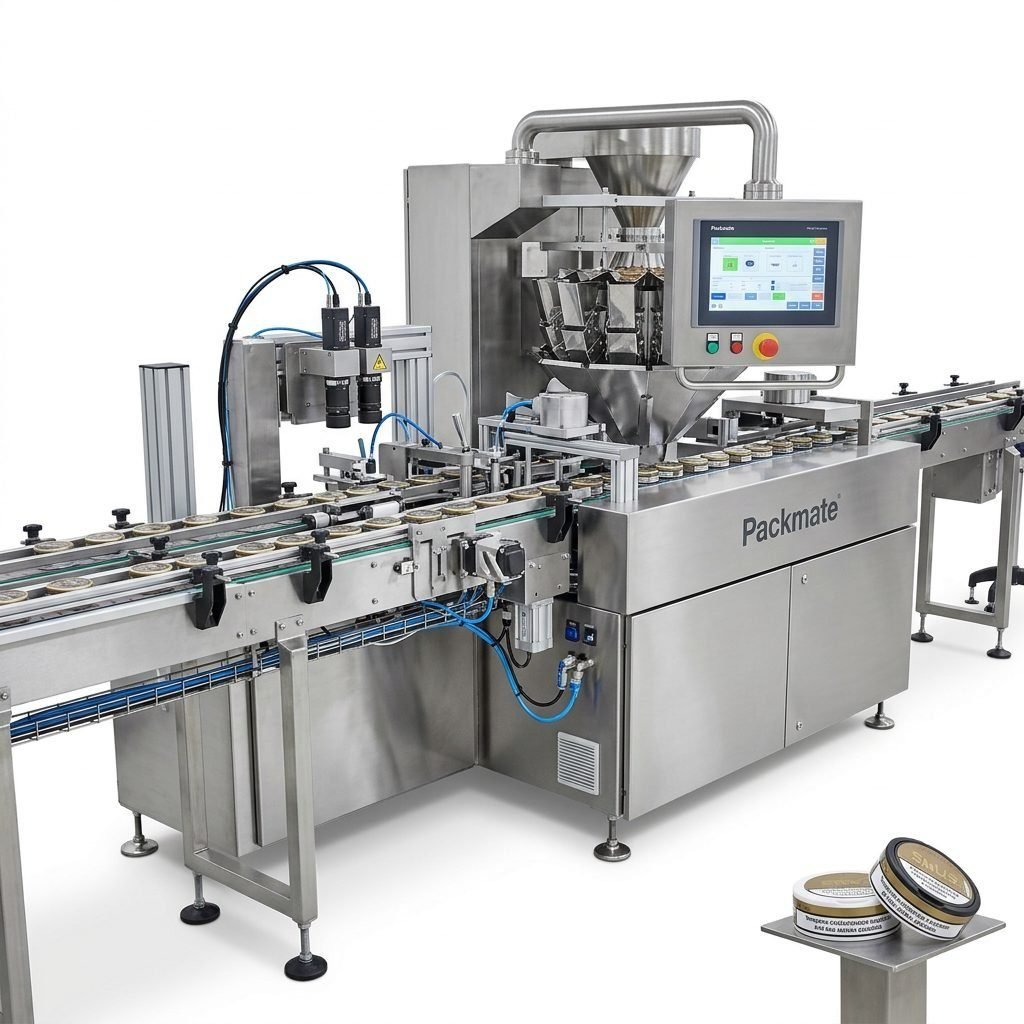
Choosing the right snus packaging machine manufacturer for your business in Albania requires more than a price comparison. It involves understanding local market habits, navigating regulatory requirements, and selecting equipment that matches your production goals, product format, and growth plans. This guide walks you through the essential factors—technical, commercial, and cultural—to help you select the best partner and machinery for snus and nicotine pouch production in Albania.
Understand Albania’s Market and Consumer Habits
Albania’s tobacco and nicotine product scene is shaped by regional habits, purchasing power, and evolving youth trends. While traditional smoking remains common, nicotine pouches and smokeless formats are gaining interest among urban consumers seeking discreet alternatives. When selecting a packaging machine, consider:
📌 Product format preferences: small-dose sachets, portioned pouches, or stick packs are popular for discreet use. Machines that can handle multiple formats or be adapted are valuable for a growing business.
📌 Climate and storage: Albania’s Mediterranean climate can bring humidity in coastal regions. Choose packaging solutions and sealing technologies that protect pouches from moisture and maintain shelf life.
📌 Local labeling & language: be ready to incorporate Albanian labeling, health warnings, and tax stamps. Your supplier must support customization of printing and coding systems for local regulatory compliance.
Key Technical Criteria for Snus Packaging Machines
Selecting the right machine starts with technical fit. Evaluate:
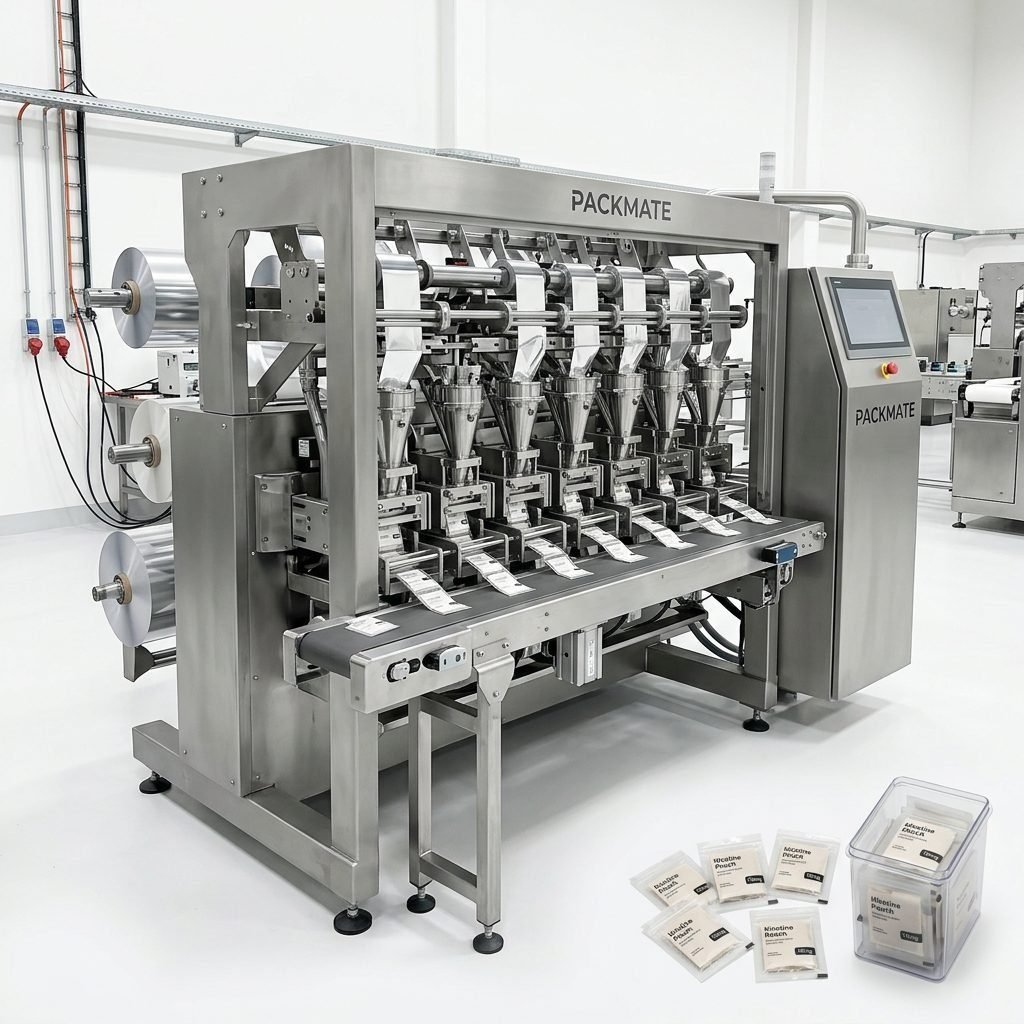
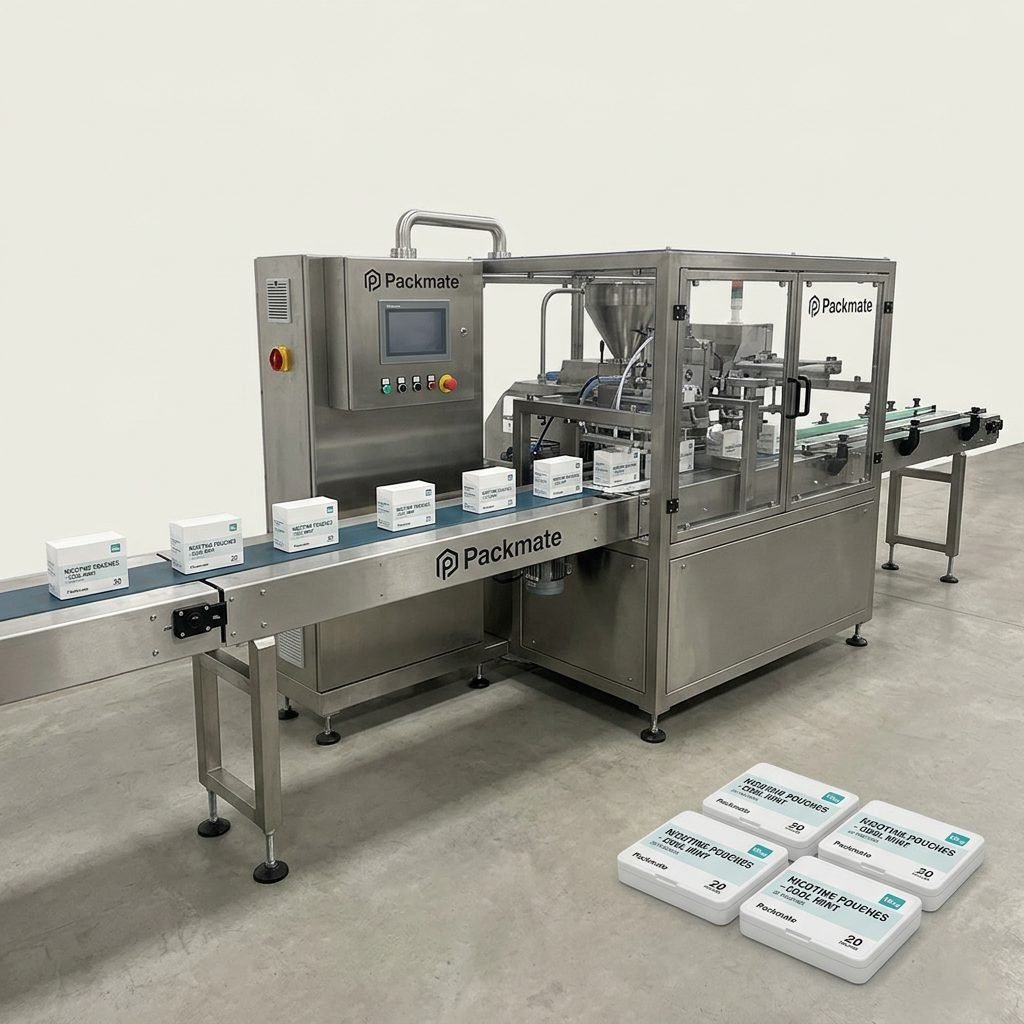
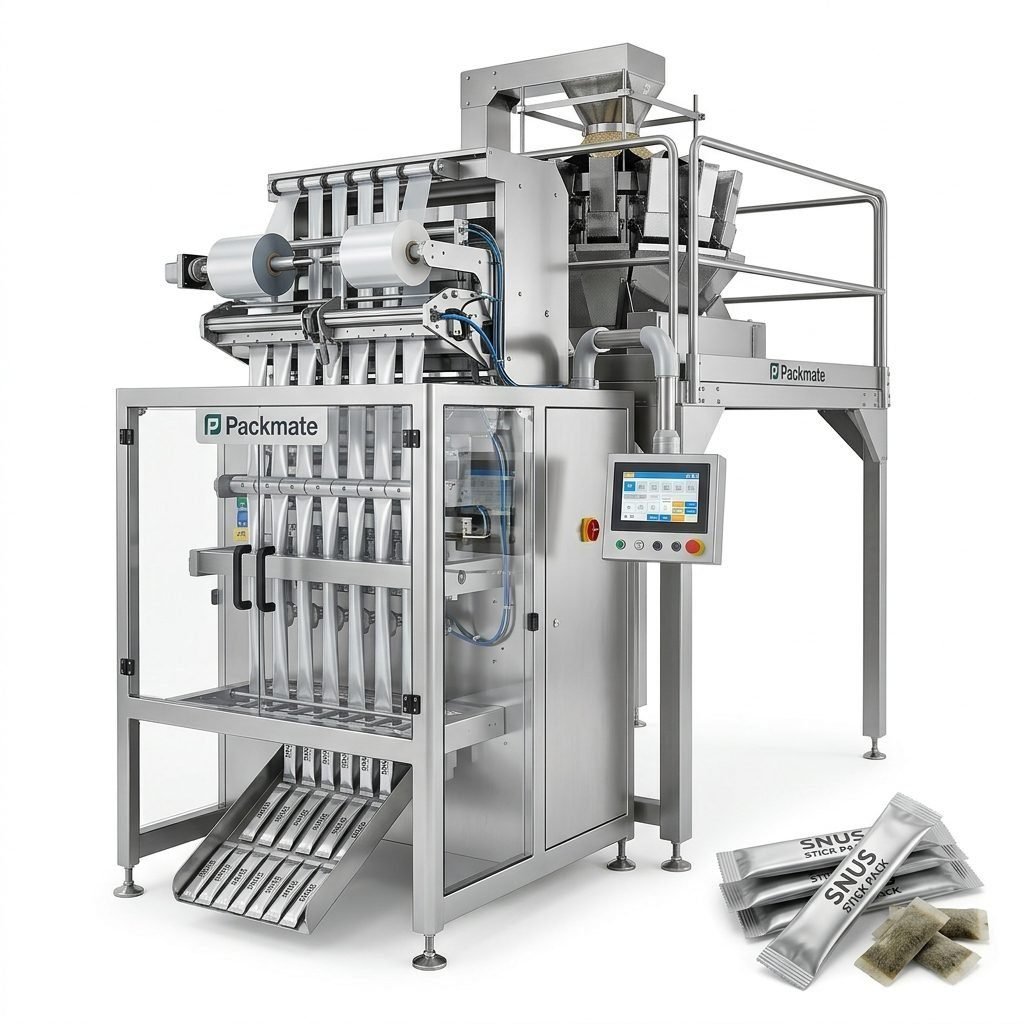
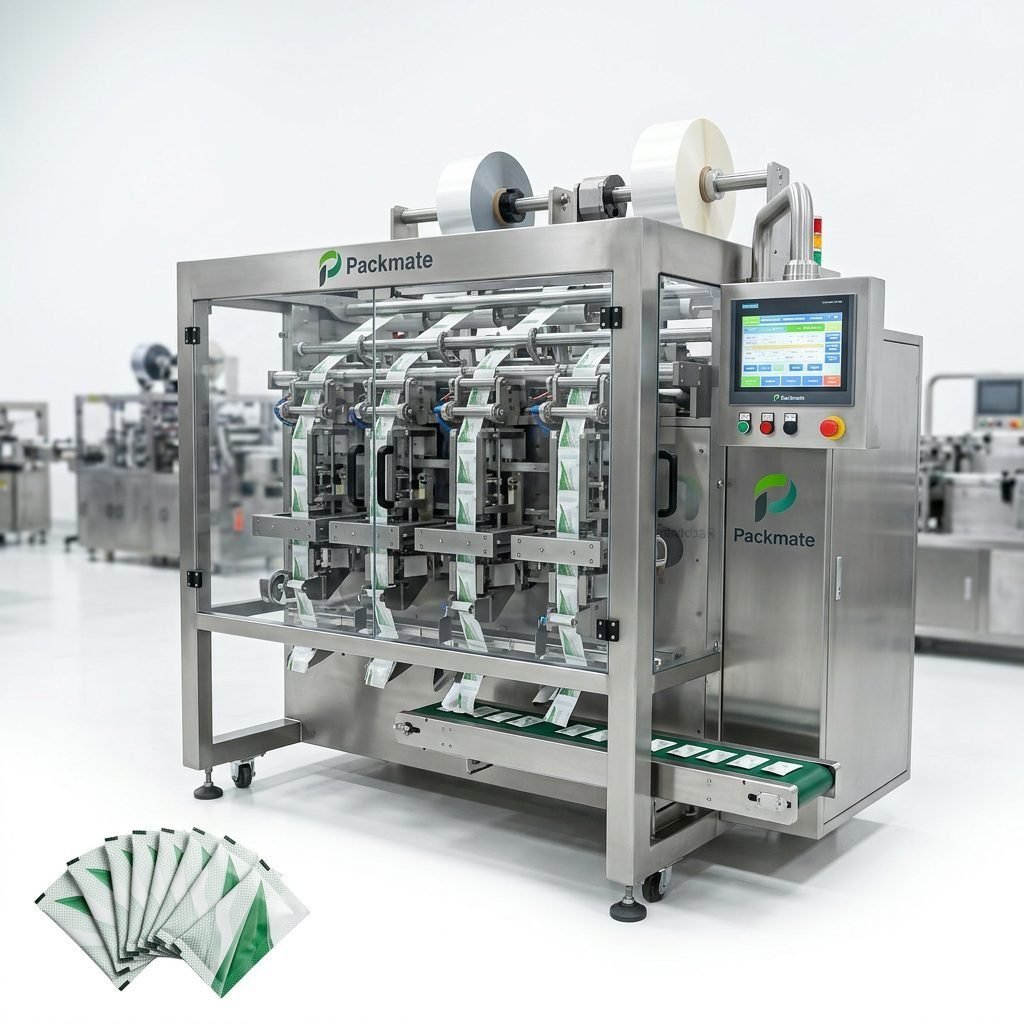
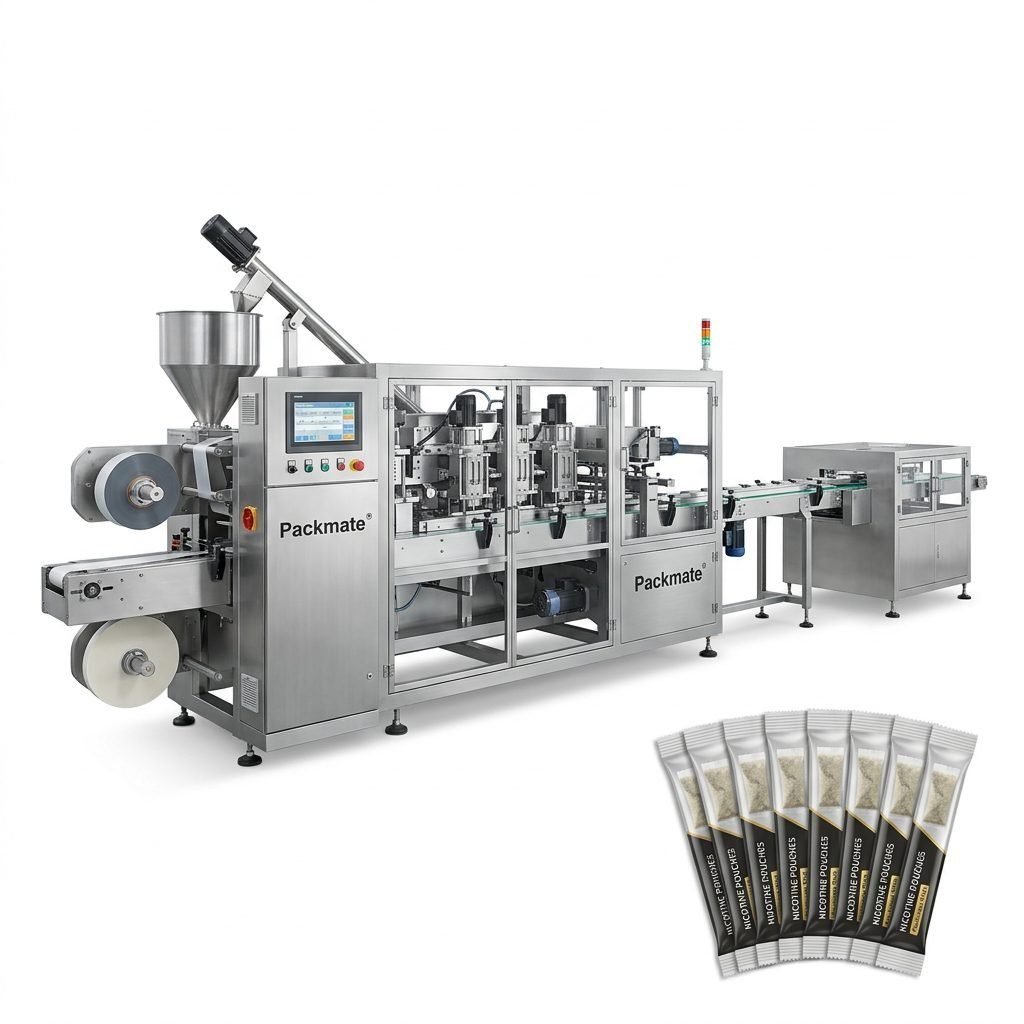
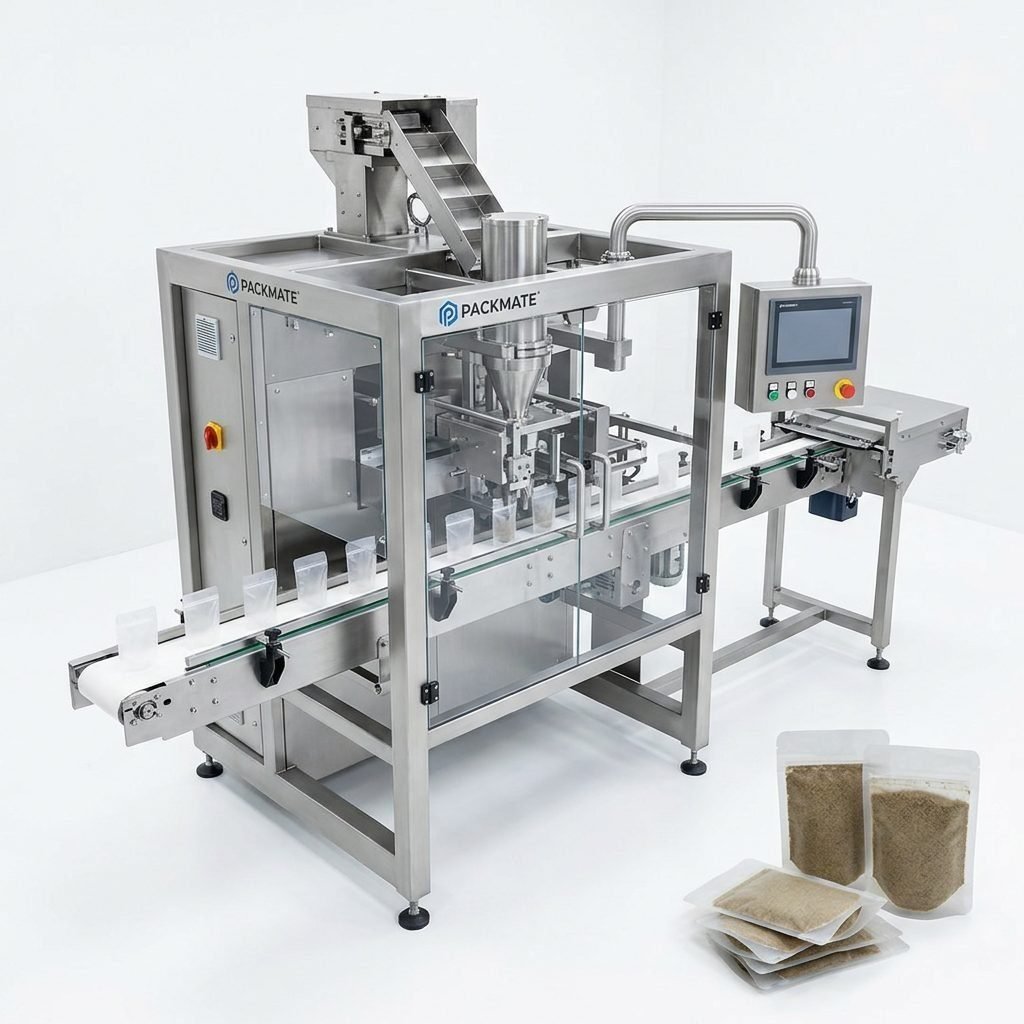
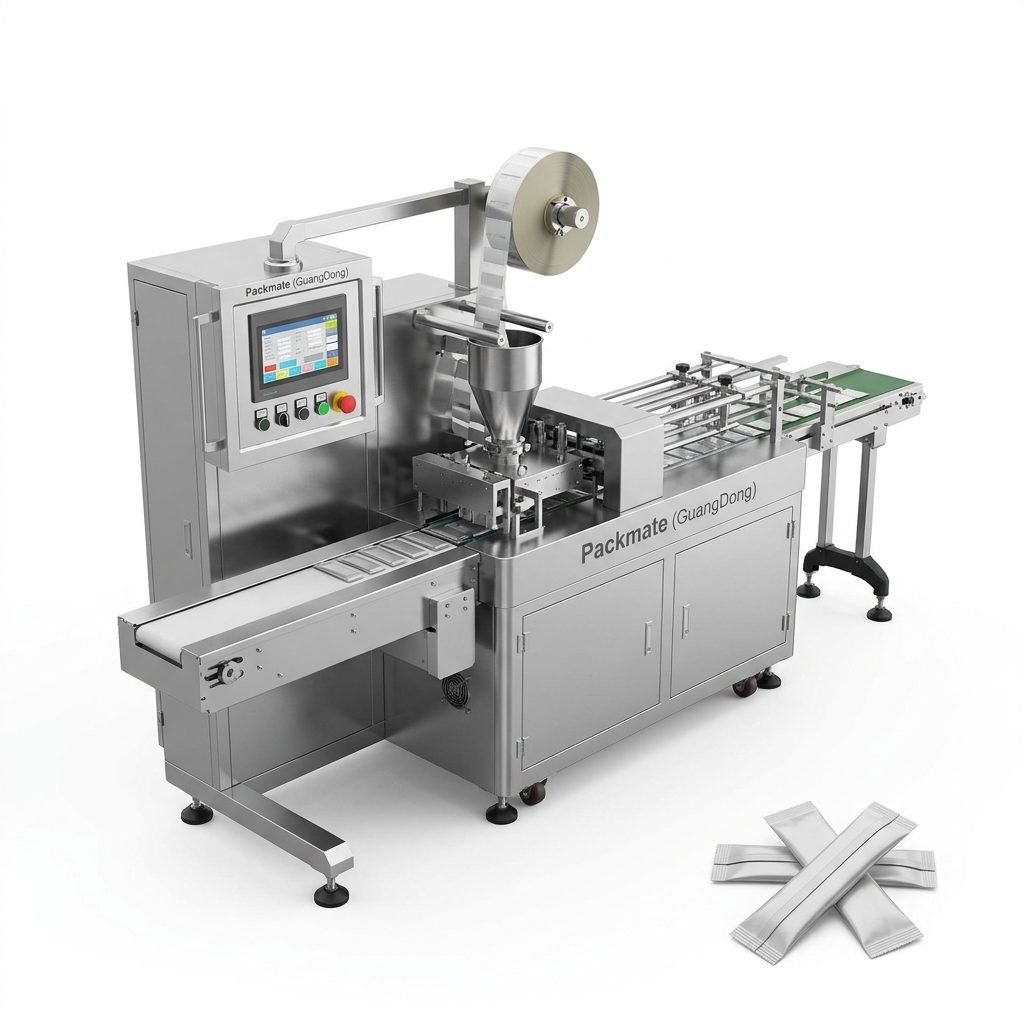
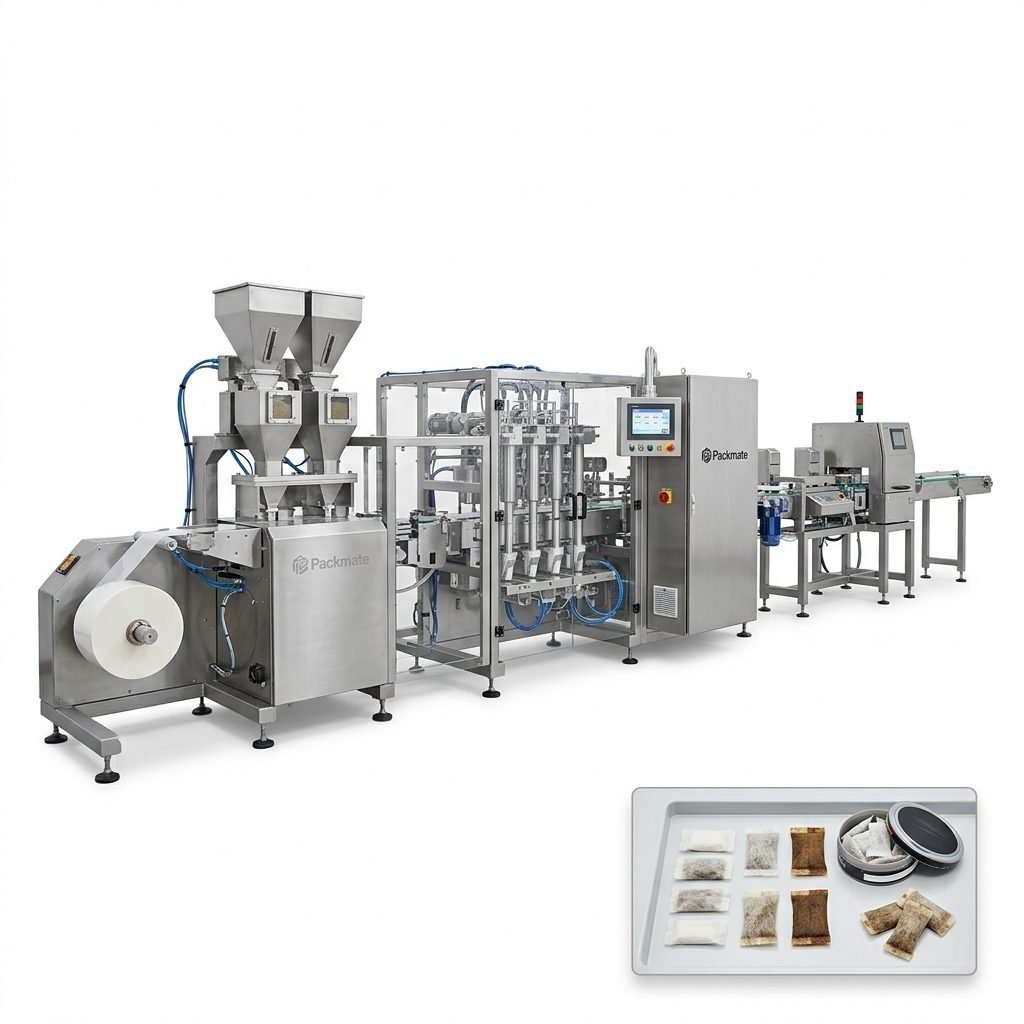
🔧 Machine format compatibility: Does the manufacturer provide dedicated snus/nicotine pouch machines, sachet equipment, or stick pack options? Multi-lane systems are critical for high throughput.
🔧 Throughput & scalability: Ensure the machine’s output matches your current volumes and projected growth. Look for modular designs that permit capacity upgrades without full replacement.
🔧 Filling accuracy & product handling: Nicotine pouches require precise dosing. Check the manufacturer’s weighing or metering systems, especially for low-dose multi-lane lines.
Why certifications and testing matter
A manufacturer with CE and ISO certifications demonstrates adherence to safety and quality standards—critical when exporting or complying with Albanian import rules. Look for documented factory testing, acceptance reports, and available performance videos or demonstrations.
Evaluate Manufacturer Experience and Track Record
Choose a partner with demonstrable experience in snus and nicotine pouch packaging. Years of R&D, production capacity, and successful installations are indicators of reliability. For example, an established manufacturer that has worked for decades and offers a wide model range can provide both standard machines and customized turnkey lines.
🔎 Check case studies and exhibition participation to verify real-world performance. You can review customer cases and machine demonstrations to assess reliability and suitability. Visit supplier resources such as Case to see references and project details.
Company Capabilities: What to Ask Your Supplier
When speaking with manufacturers, focus on production capability, customization, and long-term support:
✅ Factory size & equipment: A manufacturer with advanced CNC centers and dedicated assembly lines can ensure part precision and machine stability.
✅ Model range & customization: Look for 50+ models or the ability to tailor multi-lane systems, especially if you plan to run diverse pouch types.
✅ Turnkey solutions: If you need an entire production line—including filling, weighing, and auxiliary equipment—choose a supplier that offers integrated systems and project management.
Packmate example
A supplier with 30+ years of engineering experience and a 20,000㎡ facility typically provides mature designs, strict quality control, and global service capability. If you want to learn more about such a company’s story and technical background, check their About page: About Packmate.
Service, Training, and Spare Parts Support in Albania
After-sales is often the decisive factor. For Albania, where local technical teams may be limited, evaluate the supplier’s ability to deliver:
🛠️ On-site installation & training: Confirm whether the manufacturer provides engineers for installation, start-up, and operator training in English—or arrange an interpreter for Albanian-speaking teams.
🔁 Spare parts availability: Ask about common spare parts, pricing, and delivery times. Fast access prevents downtime and lost revenue.
🌍 Remote support & documentation: Look for remote diagnostics, clear manuals, and video training libraries. A strong supplier will maintain spare parts stock and offer timely support for international customers.
Cost vs. Total Cost of Ownership (TCO)
The lowest capital cost is rarely the best choice. Focus on TCO: reliability, energy consumption, maintenance intervals, spare part costs, and production uptime. Consider:
💡 Energy efficiency: Machines with efficient servo drives and optimized sealing systems reduce operating costs over time.
💡 Durability & warranty: Longer warranty and durable components usually correlate with fewer breakdowns and lower maintenance expenses.
Customization for Albanian Packaging Preferences
Packaging design matters in Albania: consumers respond to clear branding, convenience, and perceived quality. Your machine supplier should support:
🎨 Flexible printing and coding: Inline printers for batch numbers, expiry dates, and Albanian language text.
🎨 Multiple sealing styles: Choose machines that can produce sealed sachets, stick packs, or portion pouches to match consumer expectations.
Regulations, Import Duties and Compliance in Albania
Albania’s regulatory environment for nicotine products is evolving. Ensure your machinery and product packaging can meet labeling, health warnings, and any excise requirements. Work with a manufacturer familiar with international compliance (CE/ISO) and ready to adapt printing/coding systems for local laws.
Integration with other production systems
If you need an integrated line, confirm compatibility with fillers, weighers, and auxiliary equipment. Trusted suppliers can design complete production lines—from weighing and filling to packaging and case packing. Explore product families and integrated systems such as Weighing & Packaging Systems and Filling & Packaging Lines.
Factory Visit, Demonstrations, and Pre-Sale Testing
Always request a factory visit or video demonstration. Seeing a machine run your exact product gives confidence in performance and helps identify potential handling issues. Ask for:
📺 Live demos or trial runs with your formulation.
📑 Factory acceptance test (FAT) documentation and performance metrics.
Logistics, Lead Times and Delivery to Albania
Lead times and shipping costs are crucial. Consider:
🚢 Packing standards for export: Machines should be shipped in export-grade crates with clear documentation for customs.
🚢 Local import experience: Suppliers experienced in shipping to Europe and the Balkans can help with customs clearance and local delivery.
Evaluating Quotations and Contracts
When comparing offers, ensure transparency on:
🔍 Scope of supply: Identify what is included—installation, training, spare parts kit, documentation, and acceptance testing.
🔍 Warranty & responsibilities: Clarify warranty periods, service response times, and who bears shipping costs for warranty parts.
References and Live Installations
Request references and, if possible, contact existing customers in neighboring countries. A reliable supplier will present past projects and exhibitions where their machines were demonstrated—reviewing such evidence reduces risk. Explore product pages such as Snus & Nicotine Packaging Machines for machine types and specifications.
Final checklist before purchase
Use this checklist to finalize your decision:
✔️ Technical fit: machine format, lanes, filling accuracy, and sealing method match your product.
✔️ Factory capability: certifications, machining capability, and model range support long-term supply.
✔️ After-sales: installation, spare parts availability, training, and local support options.
✔️ Compliance: ability to print/encode local labels, health warnings, and meet import regulations.
✔️ Commercial terms: clear warranty, lead time, and transparent TCO calculation.
Contact and Next Steps
When you are ready to request quotations or technical proposals, prepare your product specification: pouch dimensions, target doses, desired output (pieces/min or kg/hr), and any labeling or coding needs. If you want an example of a full line provider who can deliver machines, integrated systems, and long-term technical support, see the company’s service and contact pages such as Service and Contact Us.
Conclusion
Selecting the best snus packaging machine manufacturer for your Albanian business blends technical evaluation with cultural and regulatory awareness. Prioritize a supplier with proven snus/nicotine experience, robust factory capabilities, strong after-sales support, and clear documentation. This approach minimizes risks, shortens time-to-market, and helps you build a reliable production line tailored to Albanian consumer expectations and regulatory requirements.
Frequently Asked Questions
Q1: How important are CE and ISO certifications when buying packaging machines for Albania?
A1: Very important. Certifications demonstrate compliance with international safety and quality norms, which simplifies import procedures and gives assurance of equipment reliability.
Q2: Can a single machine produce multiple snus pouch formats?
A2: Some modular machines support multiple formats or can be retooled, but for frequent format changes you may prefer machines with quick-change tooling or separate dedicated lines to reduce downtime.
Q3: What local support should I expect after installation?
A3: Expect on-site commissioning, operator training, spare parts kits, and remote diagnostics. Confirm response times and available spare parts stock for your region.
Q4: How do I ensure product shelf life in Albania’s climate?
A4: Use machines and materials that provide strong moisture barriers and hermetic seals. Also consider desiccants, foil laminates, and appropriate storage conditions.
Q5: Where can I view real-world examples and machine specifications?
A5: Review product pages and case studies for machine specs, user stories, and exhibition demos. Useful resources include the manufacturer’s product pages such as Sachet & Stick Pack Machines and the Catalog.