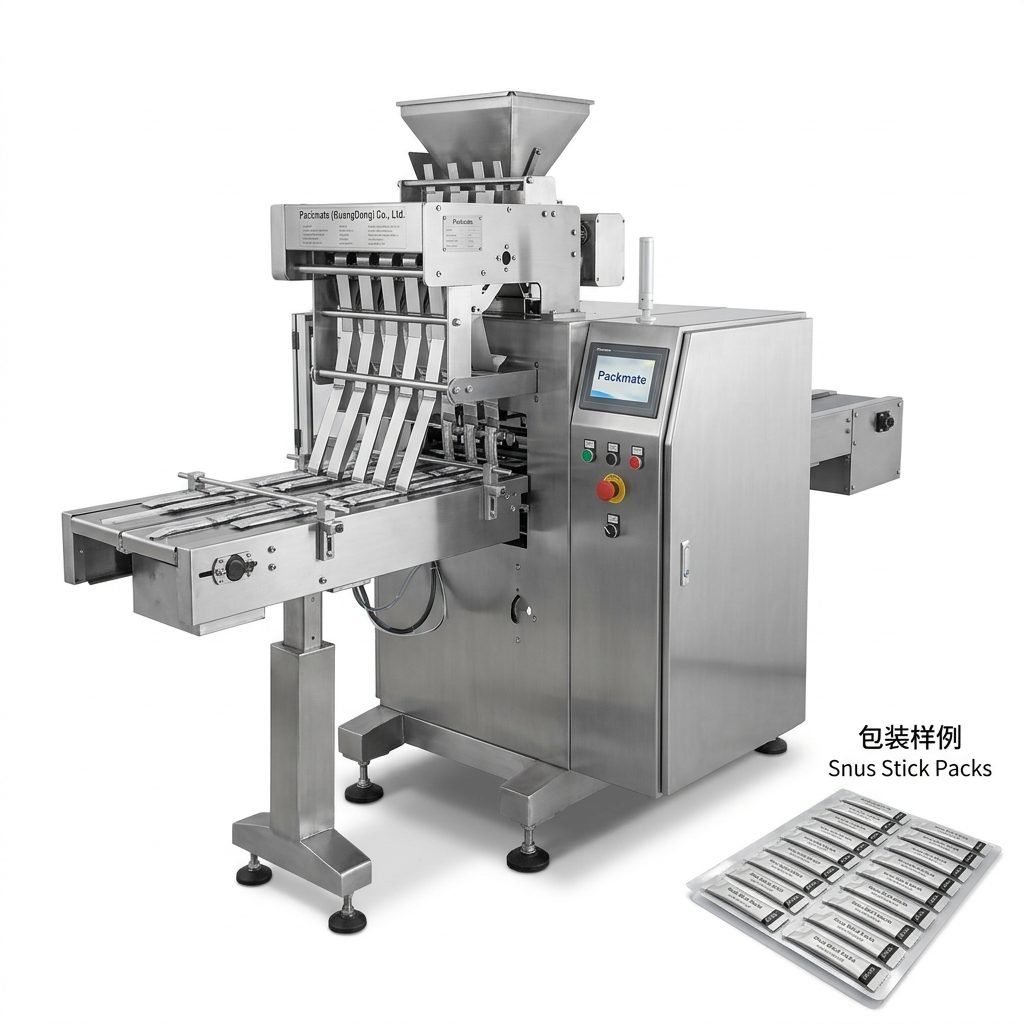
Choosing the right manufacturer for snus packaging machinery in Bahrain can be a decisive factor in the success of your production line. Production efficiency, regulatory compliance, equipment longevity, and post-sale service are all directly affected by that decision. This guide walks you through practical criteria and step-by-step considerations to help you evaluate suppliers, compare technical specs, and select a machinery partner that aligns with your production goals and long-term growth plans.
Why the Manufacturer Matters: Key Business Impacts ⚙️
A packaging equipment supplier is not just a vendor — they become an extension of your operations. The right partner ensures machine uptime, rapid troubleshooting, and timely upgrades. Consider three direct business impacts:
- Production stability and throughput — determines whether you meet daily targets.
- Quality consistency — affects product shelf appearance and regulatory compliance.
- Service and spare parts availability — influences your mean time to repair (MTTR).
Assess Technical Capabilities and Product Fit 🧩
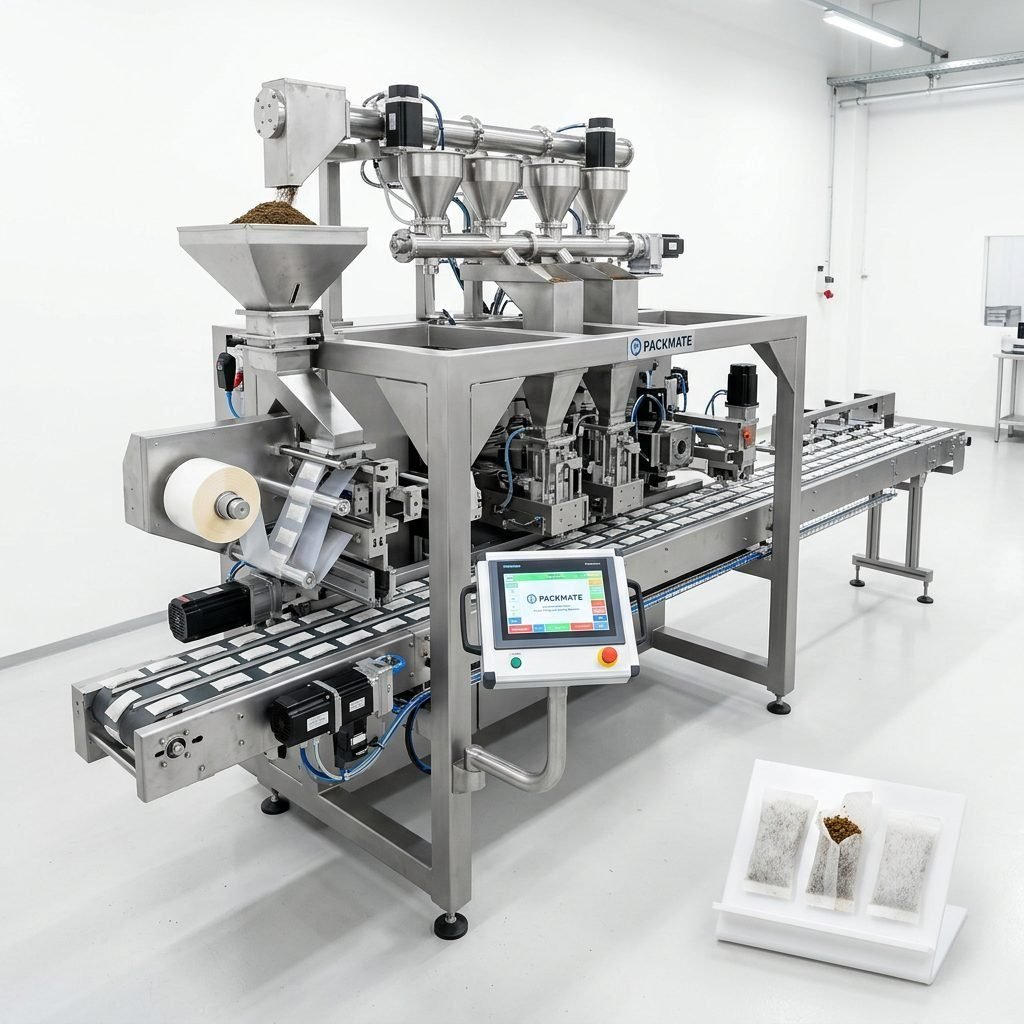
Evaluate machines based on the formats you run today and any foreseeable future SKUs. For snus and nicotine pouches, look for experience with small-dose, multi-lane pouch formation and stable dosing systems. Important technical factors include sealing technology, lane synchronization, and material compatibility.
Quick checklist:
- Does the machine support multi-lane pouch formats and high-speed indexing?
- Is the filling system suitable for powder, granule, or moisture-sensitive formulas?
- Are hygiene and CIP-friendly designs included if needed?
- Can the supplier provide OEM-level spare parts and preventive maintenance schedules?
Check Industry Expertise and Track Record
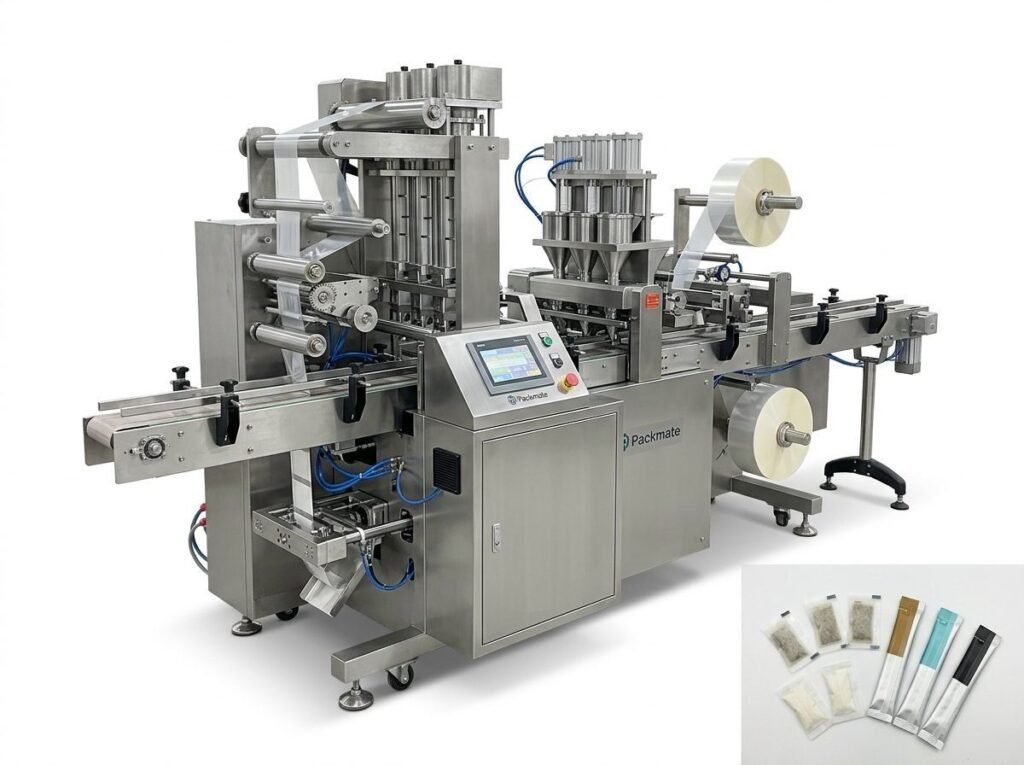
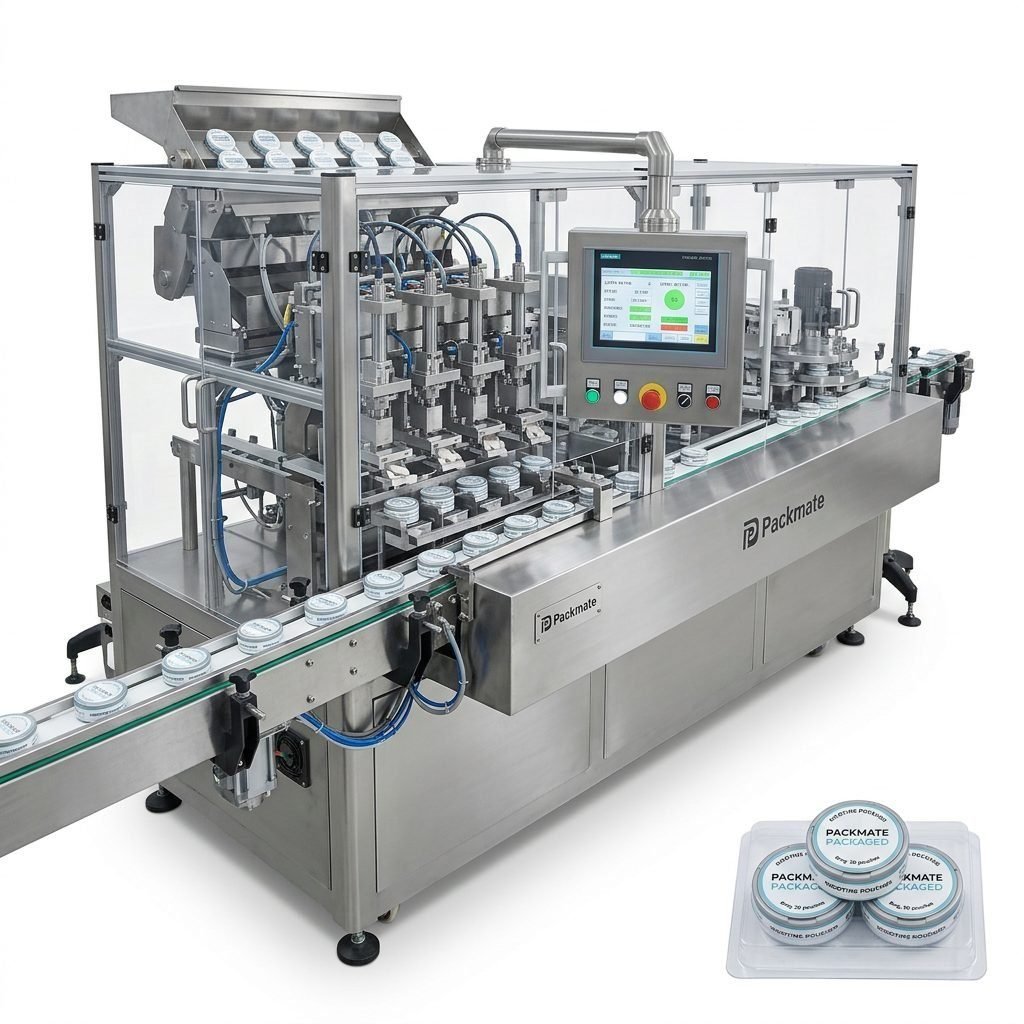
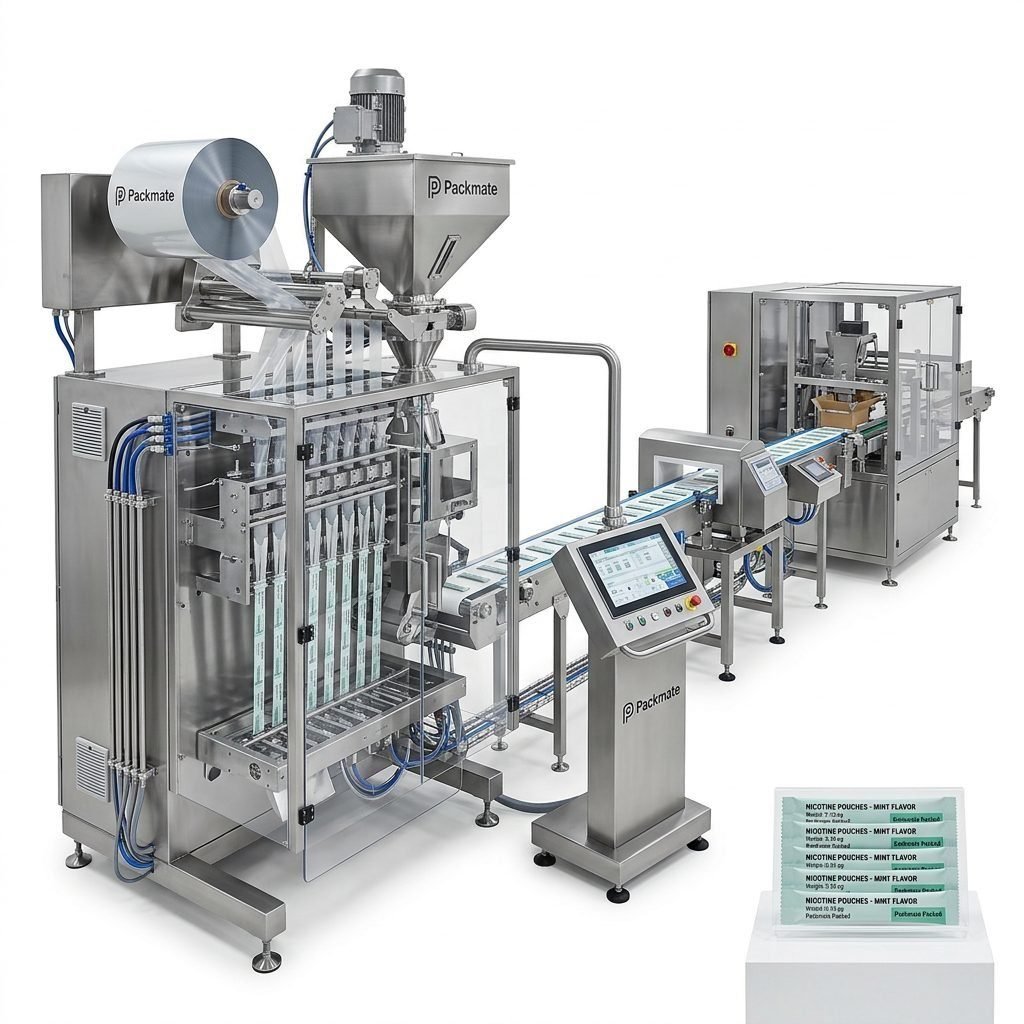
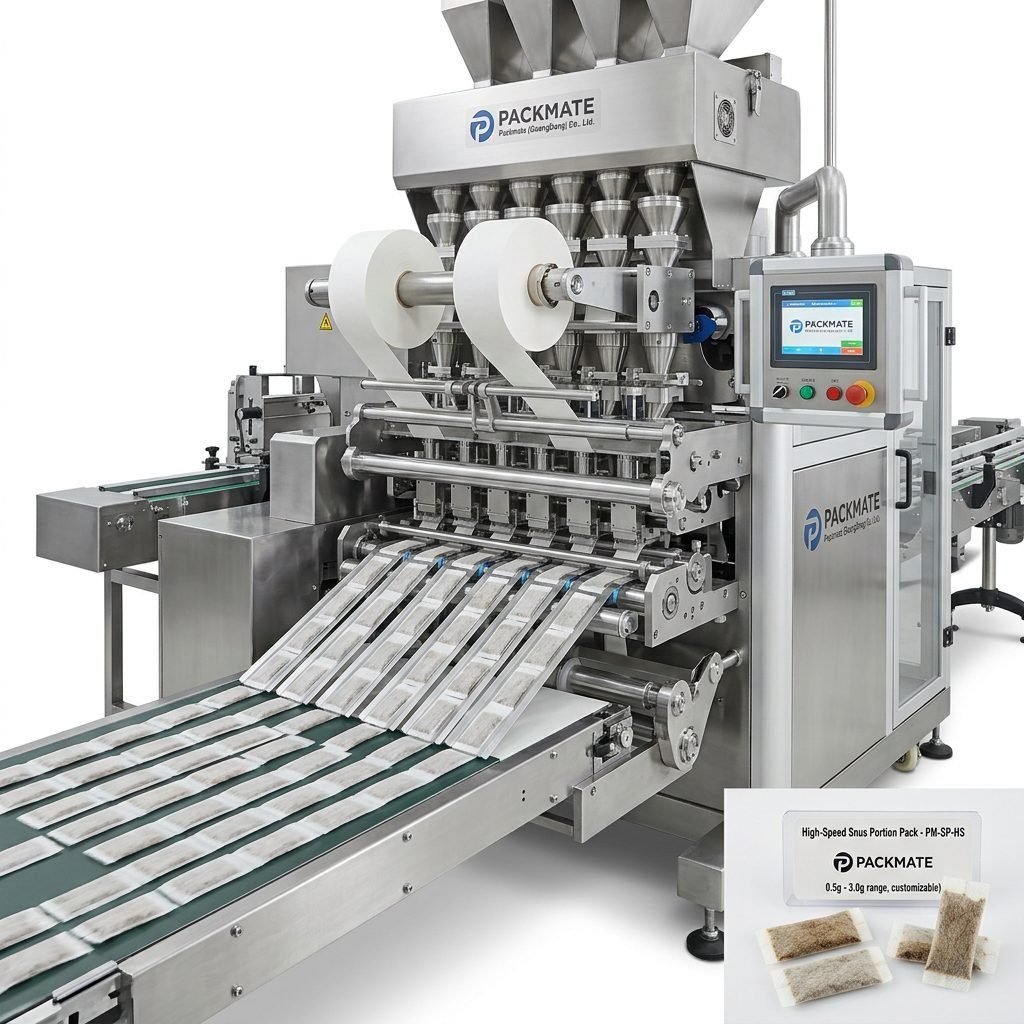
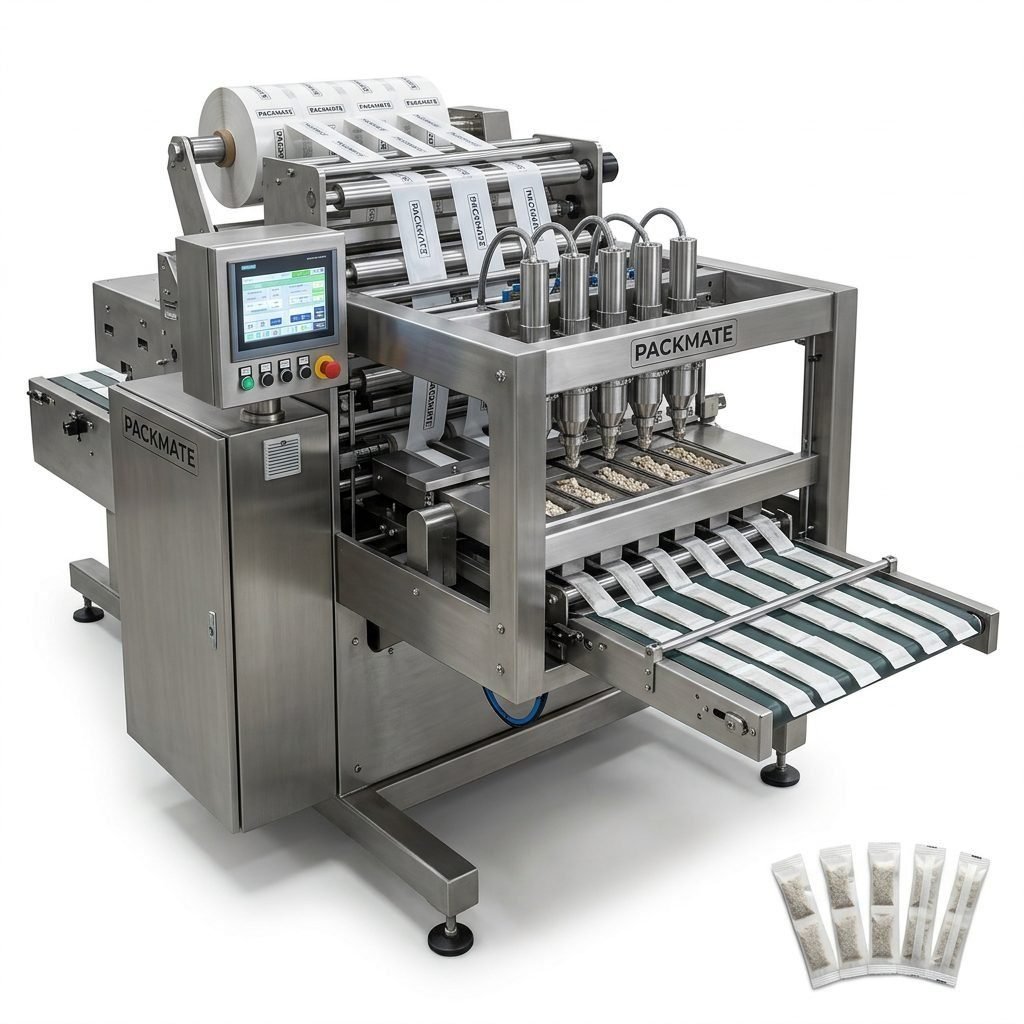
Prior experience in snus and nicotine pouch equipment is invaluable. Manufacturers with decades of engineering history typically have refined tolerances and troubleshooting knowledge for niche small-dose packaging. Review case studies, customer references, and the range of machine models offered. For a closer look at specialized product lines, you can explore Snus & Nicotine Packaging Machines and Sachet & Stick Pack Machines that illustrate solutions tailored to this market.
Factory Scale, Manufacturing Quality and Certifications
A robust production facility with CNC machining, precision assembly lines, and standardized quality checks is a strong indicator of consistent machine performance. Ask about factory size, quality control process, and international certifications such as CE and ISO. These certifications are especially relevant if you plan to export finished goods or meet international safety standards.
Factory indicators to request
- Photos or videos of assembly lines and machining centers.
- Sample QC reports and acceptance test protocols.
- List of certifications and conformity declarations.
Customizability and Turnkey Solutions
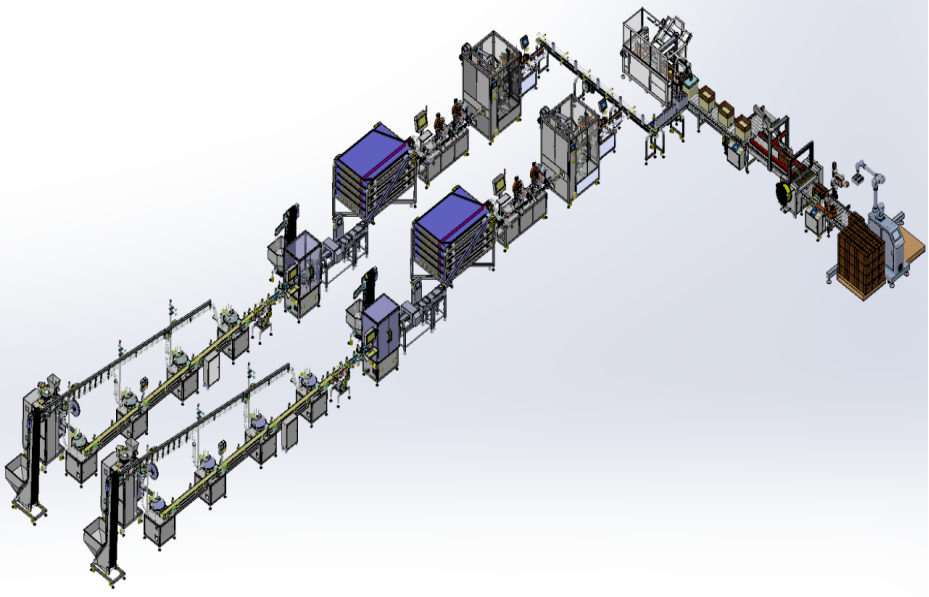
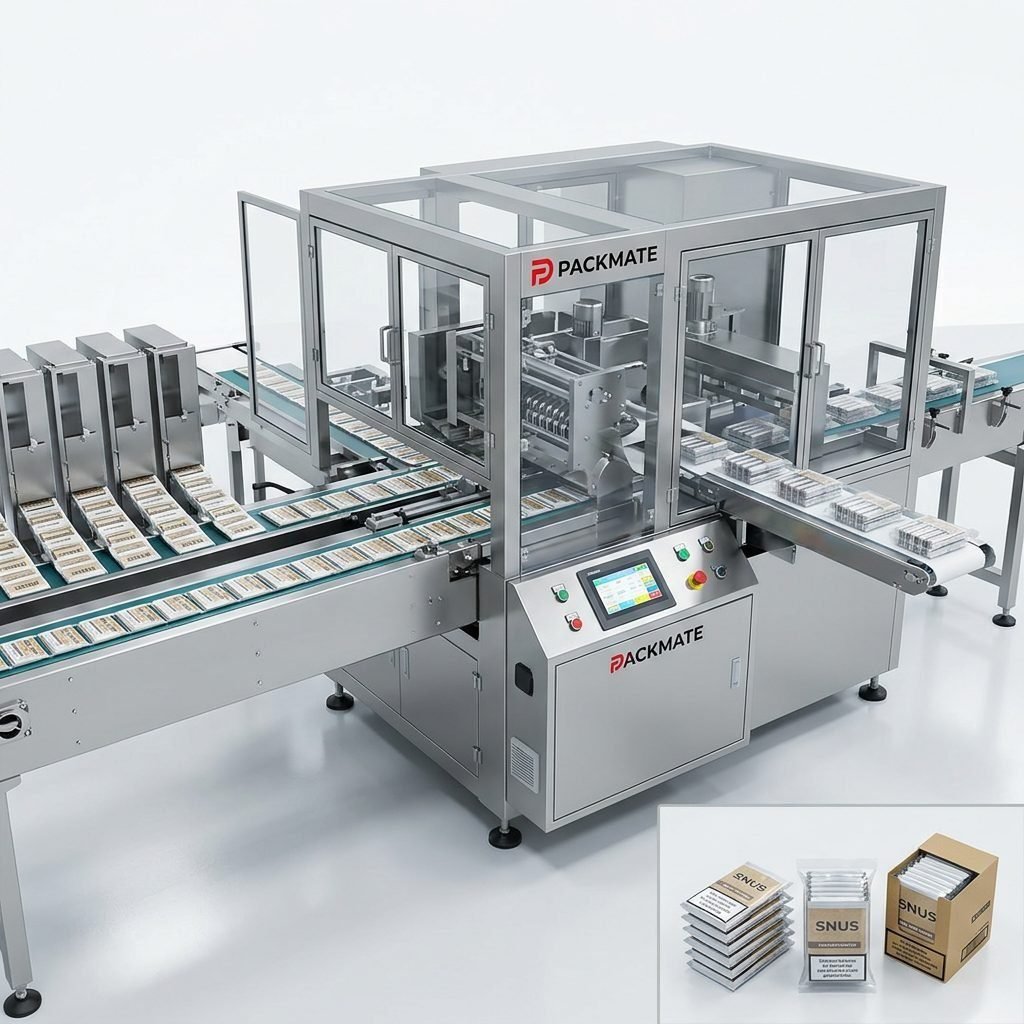
Packaging needs evolve. Choose a manufacturer capable of customizing machine configurations and integrating upstream/downstream equipment into a turnkey line. Suppliers offering weighing & packaging systems, auxiliary equipment, and filling lines can reduce integration risk and accelerate commissioning. See related solution examples under Weighing & Packaging Systems and Filling & Packaging Lines.
Service, Training, and Spare Parts Strategy 🛠️
After-sale support is as important as machine specs. Verify the supplier’s global service network, remote diagnostics capability, and availability of spare parts. A clear spare-parts catalog, rapid shipping channels for critical components, and on-site training programs reduce downtime risk. Ask for details: average lead time for spares, availability of local technicians, and training modules for operators and maintainers.
Service questions to clarify:
- Is 24/7 technical support available for critical breakdowns?
- Are machine manuals, PLC programs, and maintenance schedules provided in English?
- Does the supplier offer preventive maintenance contracts?
Total Cost of Ownership (TCO) vs. Upfront Price
Focus on TCO instead of the lowest purchase cost. TCO includes energy consumption, consumables, spare parts, training costs, expected MTBF (mean time between failures), and the lifespan of critical modules. A slightly higher-quality machine might pay back rapidly through fewer stoppages and lower maintenance frequency.
On-Site Acceptance and FAT (Factory Acceptance Test)
Ensure the supplier conducts a comprehensive Factory Acceptance Test before shipment. FAT should validate performance for your specific product shapes, fill weights, and packaging materials. After delivery, run a Site Acceptance Test to confirm installation, electrical compatibility, and integration with upstream/downstream equipment.
Logistics, Lead Times, and Installation Considerations 🚚
For machinery procurement in Bahrain, shipping time and customs handling influence the project schedule. Ask about packing methods, crate dimensions, and recommended logistics partners. Also check whether installation supervision and commissioning engineers can be dispatched internationally, or if remote commissioning with local support is feasible.
Safety and Regulatory Compliance
Confirm the equipment meets safety directives appropriate for your market. Safety guards, emergency stops, electrical protections, and CE markings are essential for export and local compliance. Ask for copies of compliance documents and machine safety assessment reports.
Comparative Evaluation Template
When comparing suppliers, use a weighted-score matrix reflecting your priorities: reliability, speed, customization, TCO, certifications, and service presence. Assign weights and score each vendor based on evidence such as FAT reports, reference site visits, and test runs.
Decision driver checklist (sample):
- Production target compatibility (units/minute)
- Multi-SKU changeover time and ease
- Spare parts lead time and cost
- Warranty terms and service SLAs
Why Choose an Experienced Snus Machine Manufacturer
Manufacturers with deep vertical experience in snus and nicotine pouch machinery understand the nuances of small-dose handling, static control, hygroscopic powders, and delicate pouch sealing. They often provide optimized packaging formats and multi-lane options to maximize yield while preserving product integrity. For concrete product offerings and machine families, explore the manufacturer product pages like Bag & Pouch Packaging Machines and Auxiliary Packaging Equipment.
Evaluating the Vendor’s Market Presence and Case Studies
Review published case studies and exhibition participation to gauge market acceptance and technical maturity. Vendors who actively demonstrate equipment at trade shows usually maintain higher transparency and continuous product improvement. See examples in their exhibition and case portfolios for direct machine demonstrations and use cases.
Negotiation Tips and Contract Clauses to Protect You 🔐
When negotiating purchase terms, include clear acceptance criteria, penalty clauses for late delivery, spare parts supply agreements, and warranty scope with response time commitments. Include a clause for training scope and documentation delivery. If possible, phase payments with clear milestones tied to FAT completion and successful commissioning.
Making the Final Choice
Sum up vendor assessments across technical capability, service readiness, factory strength, and commercial terms. Prioritize partners that demonstrate transparent engineering practices, strong references, and a willingness to tailor solutions. A partner that offers turnkey lines and integrated systems can drastically reduce integration risk and shorten time-to-market.
Getting Started with Packmate (Example Supplier)
When evaluating suppliers like Packmate Snus Machine, review their 30+ years of engineering experience, 20,000㎡ factory footprint, and wide model range. Check product pages and business information to match their capability with your needs. For more technical details and company background, see About Packmate and Contact Us for direct inquiries.
Final Checklist Before You Commit ✅
Before signing a purchase order, verify the following items in writing:
- Detailed machine specification and performance guarantees.
- Comprehensive FAT and SAT procedures and acceptance criteria.
- Warranty terms, spare parts commitments, and service SLAs.
- Training, manuals, and software/PLC source code access terms.
- Clear logistics, installation schedule, and penalty clauses for delays.
Helpful links for deeper research:
Snus & Nicotine Packaging Machines |
Sachet & Stick Pack Machines |
About Packmate |
Contact Us
Concluding Recommendation
Invest time in a structured evaluation. Prioritize suppliers who combine proven snus packaging expertise with robust after-sales support and clear commercial protections. A thoughtful selection process will lead to improved production efficiency, consistent product quality, and long-term partnership benefits.
Common Questions
Q: What is the typical lead time for a snus packaging machine?
A: Lead time varies by model complexity and customization. Standard multi-lane machines may take 12–20 weeks including FAT, while custom turnkey lines can require longer planning and manufacturing windows.
Q: How do I validate a manufacturer’s performance claims?
A: Request FAT videos, performance reports for similar products, and client references. Independent trials using your representative materials are the most convincing validations before purchase.
Q: What warranty and service terms should I require?
A: Ask for at least a 12-month warranty, clearly defined response times for critical failures, and spare parts availability guarantees. Consider including preventive maintenance options in the contract.
Q: Can suppliers support installation and training in Bahrain?
A: Many established suppliers offer on-site commissioning and operator/maintenance training either by sending engineers to your site or via hybrid remote support. Confirm travel arrangements and local visa timelines early.