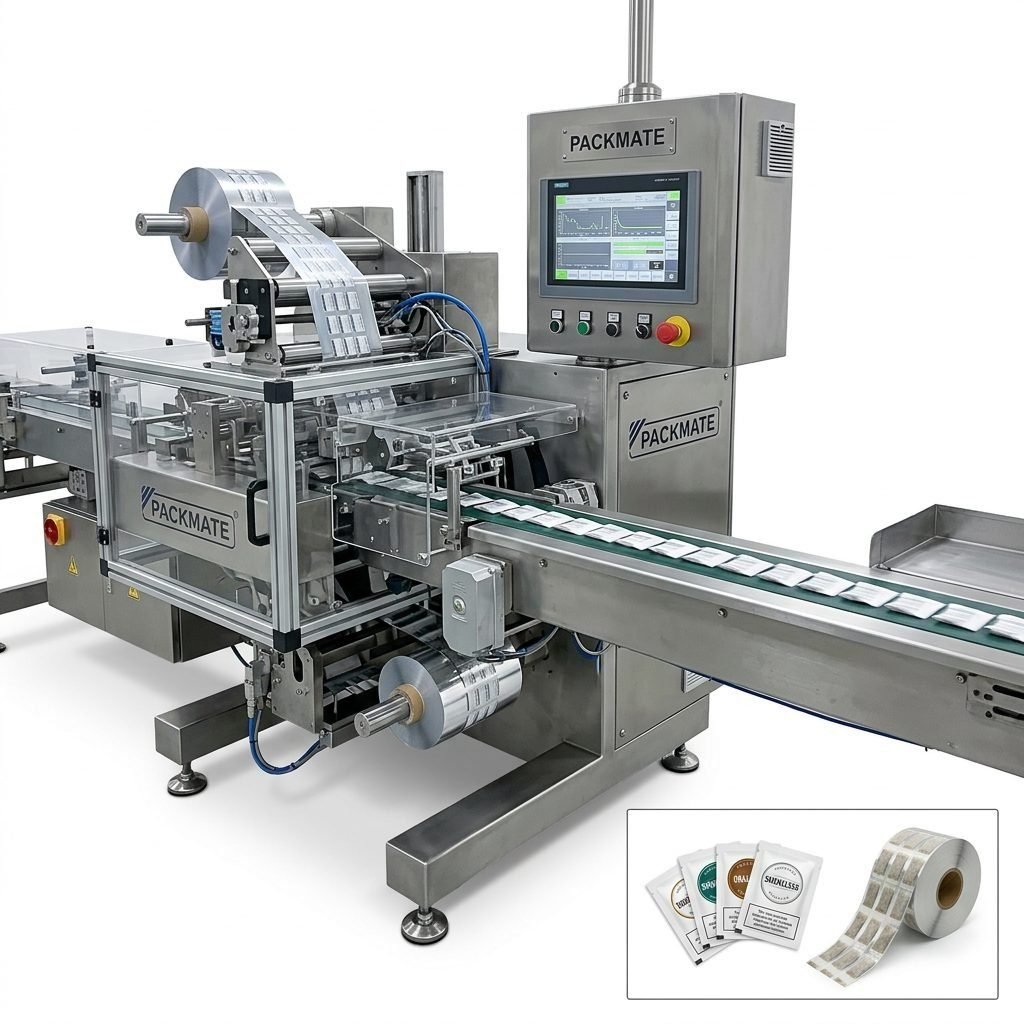
Choosing the right nicotine packaging machine in Egypt for your production line requires careful consideration of regulatory compliance, production capacity, material compatibility, and supplier reliability. This guide walks you through practical steps to evaluate options, explains core machine types, and highlights how to match equipment features to your factory needs so you can invest with confidence and minimize downtime.
Understand the Egyptian Market and Regulations
Egypt’s market for nicotine pouches and related products is evolving, with stricter controls and growing consumer demand. Before selecting machinery, verify local regulations on nicotine products, labeling, and packaging materials. Engage with local legal advisors to ensure your production line meets customs and health authority requirements. Compliance prevents costly rework and protects your brand reputation.
Key regulatory checkpoints
Inspection of label and ingredient requirements — ensure your machine can handle accurate label placement and variable data printing. Child-resistant closures, where required, and traceability features should be considered early in your specification.
Types of Nicotine Packaging Machines and When to Use Them
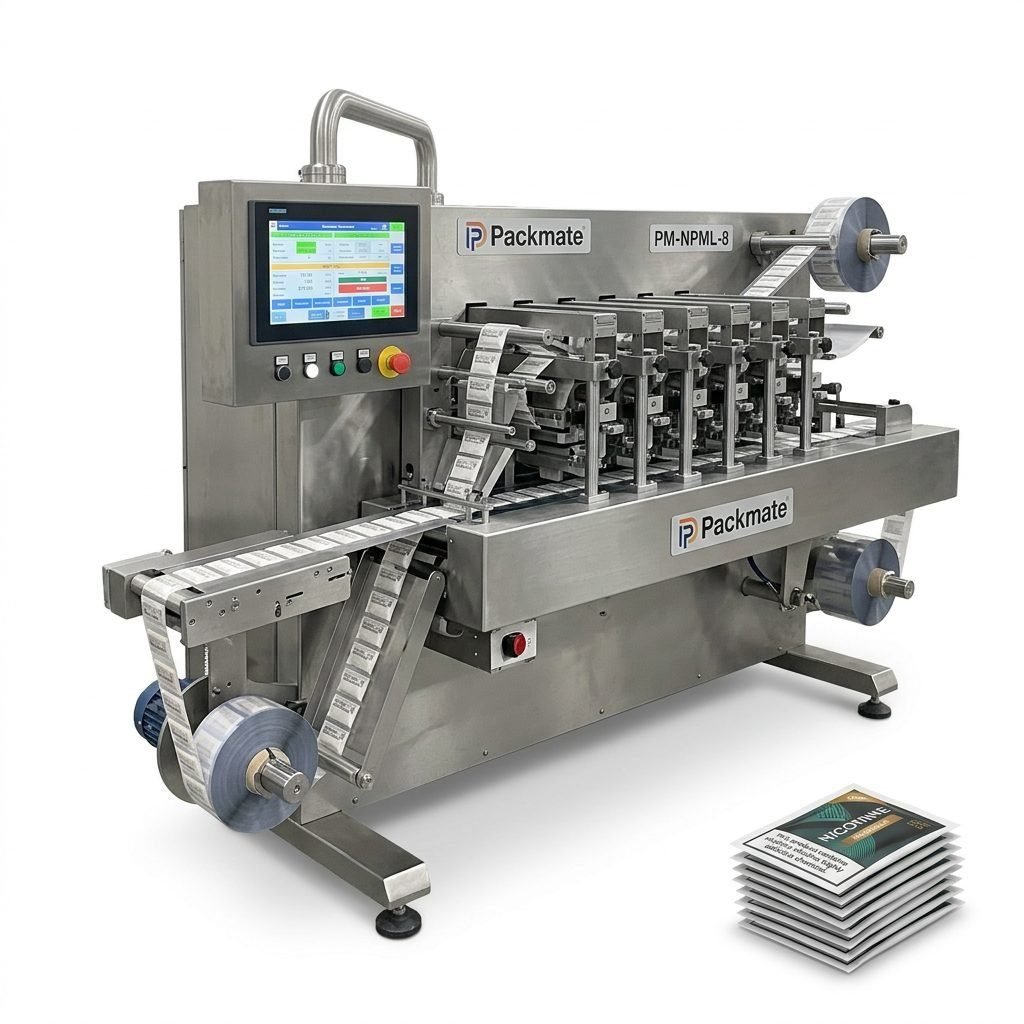
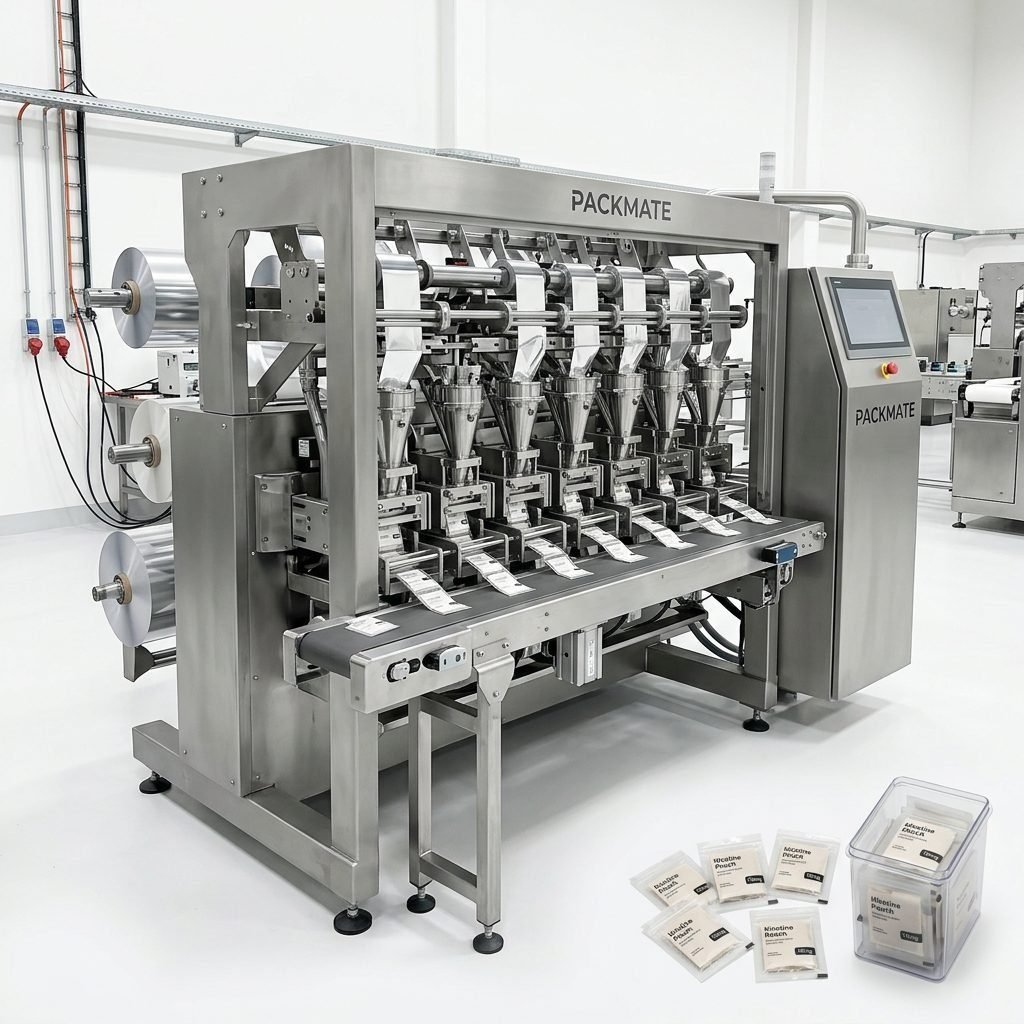
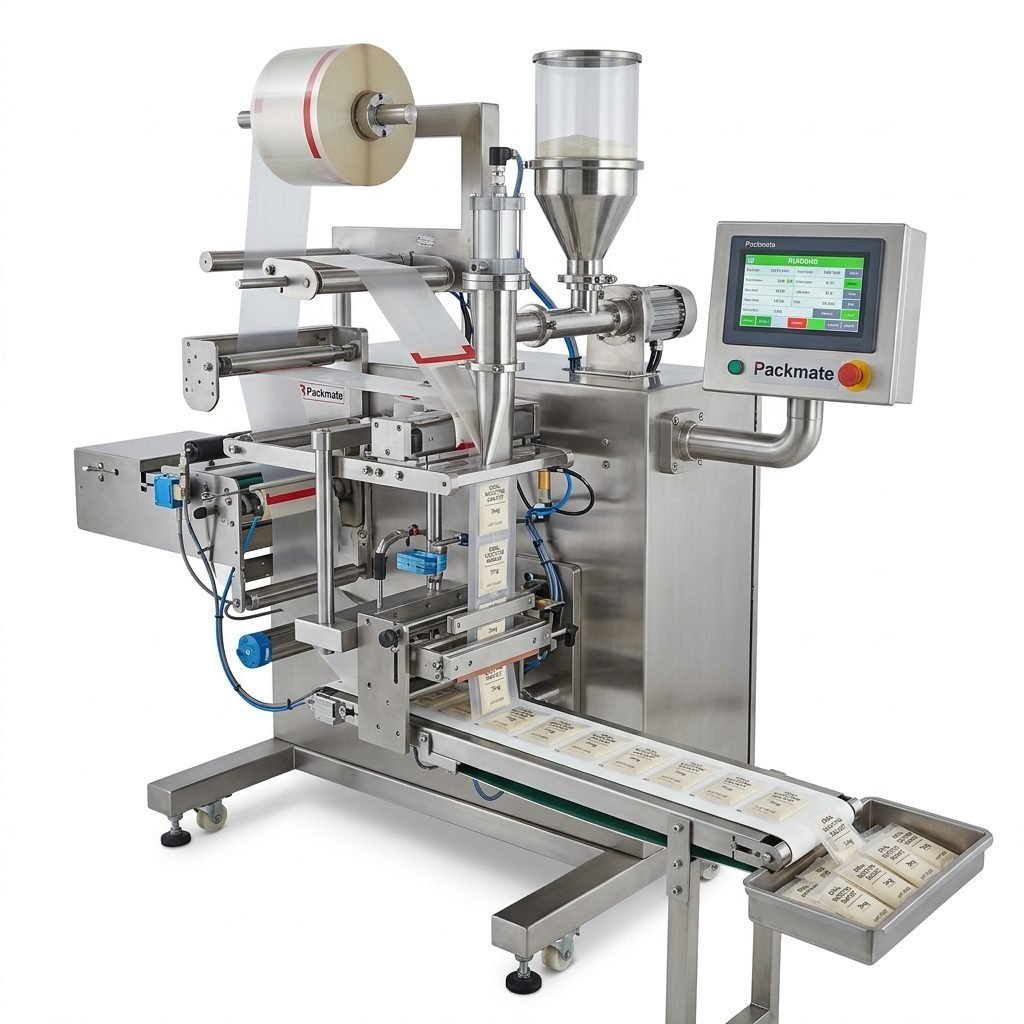
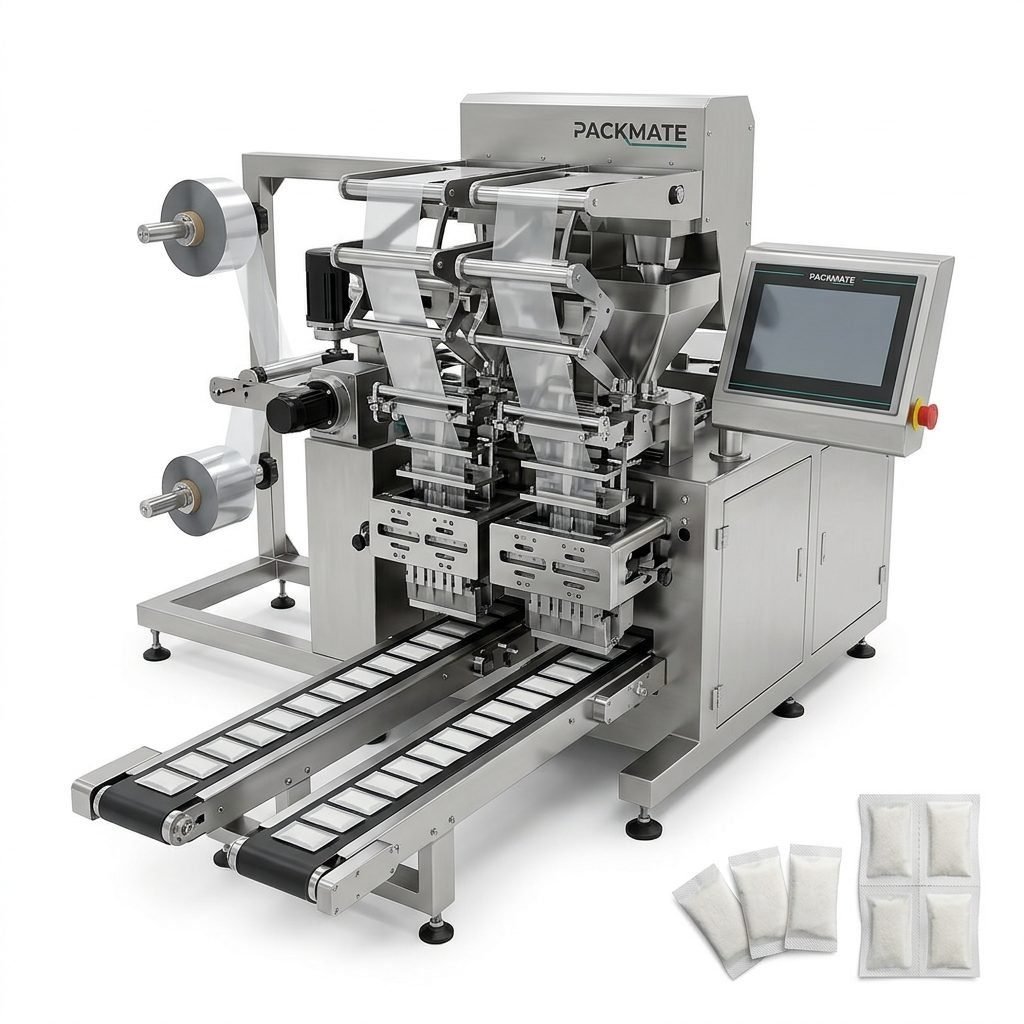
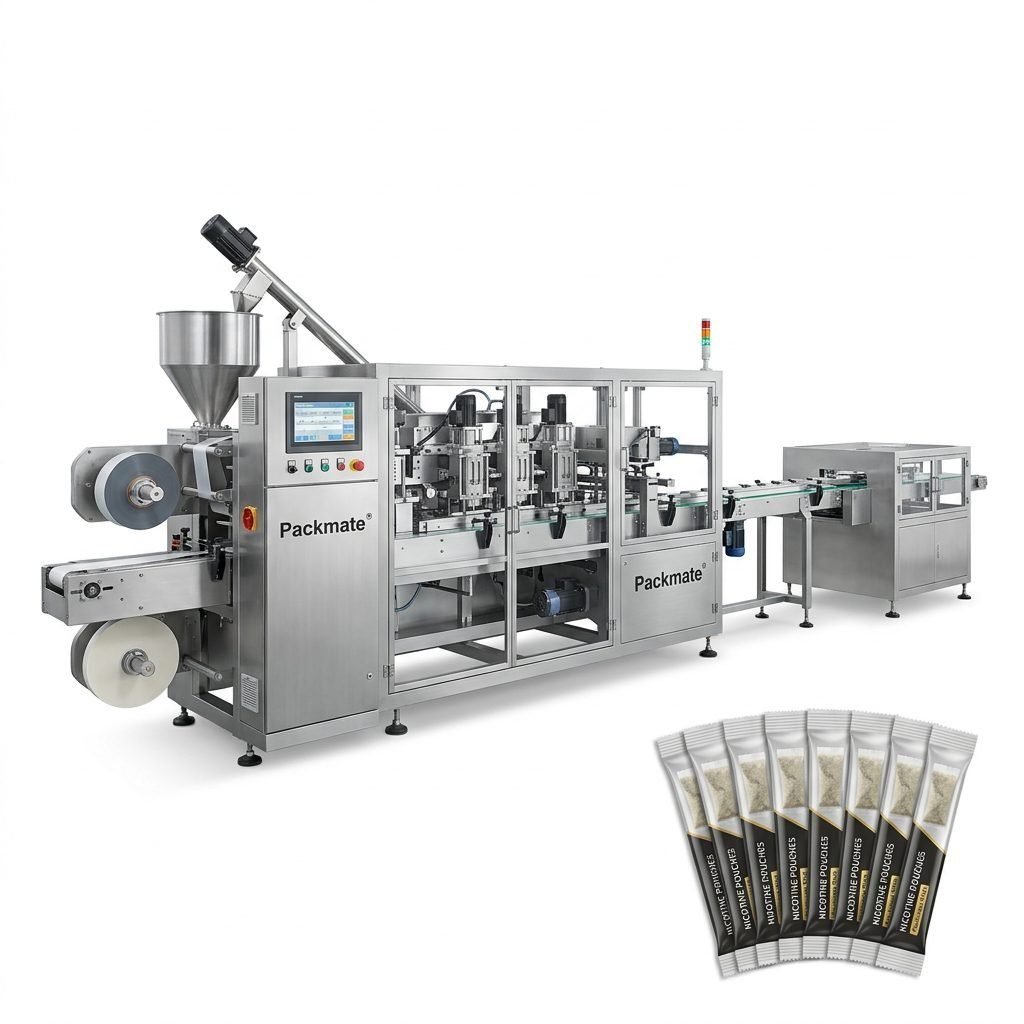
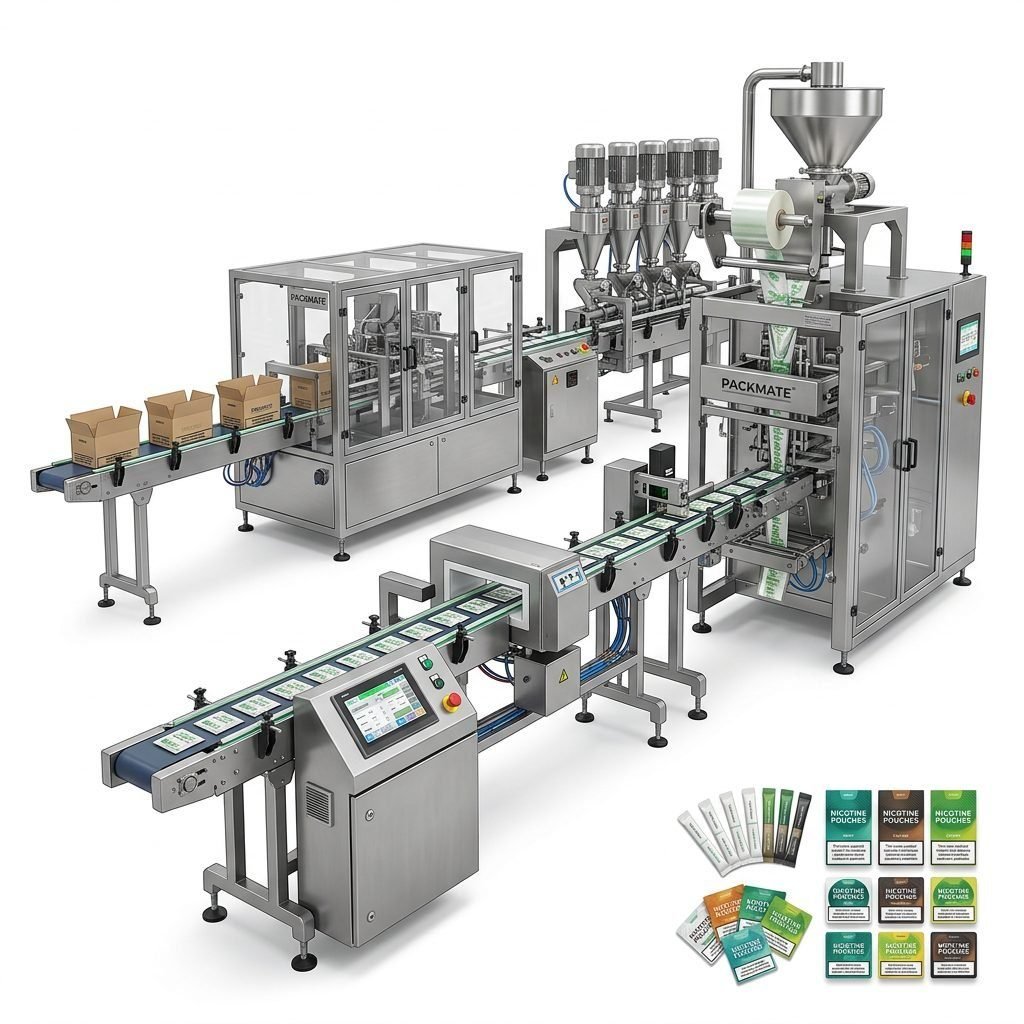
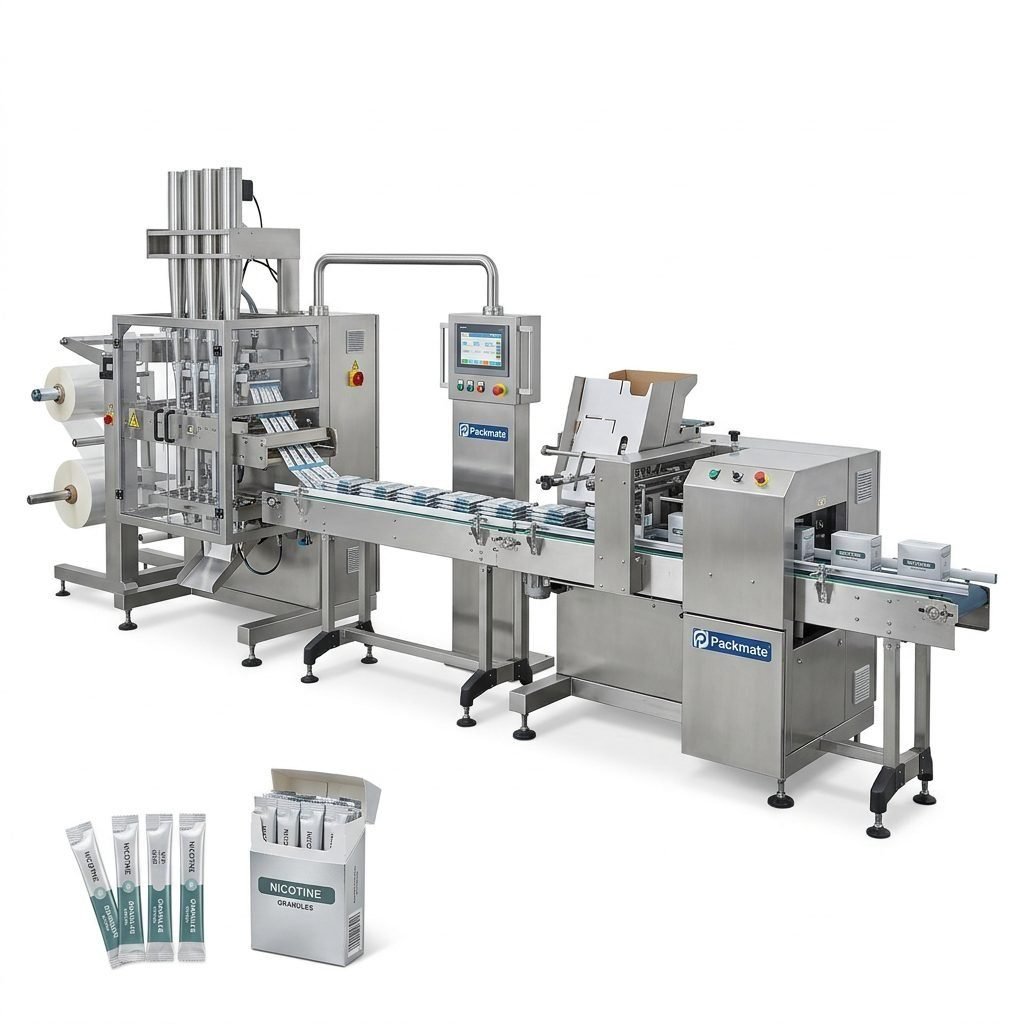
Selecting the right machine type depends on product format, output goals, and budget. Common systems include stick pack machines, sachet packaging machines, multi-lane snus pouch lines, and fully integrated filling & packaging lines. For specific machine families and detailed models, review specialized product pages such as
Snus & Nicotine Packaging Machines
and
Sachet & Stick Pack Machines.
⚙️ Stick pack machines are ideal for single-dose nicotine sachets with high speed and low footprint — perfect for brands prioritizing fast output and compact lines.
📦 Multi-lane snus pouch systems support simultaneous filling across multiple tracks, reducing cost per pouch and suitable for medium to large-scale manufacturers producing small-dose pouches.
Choosing by format and flexibility
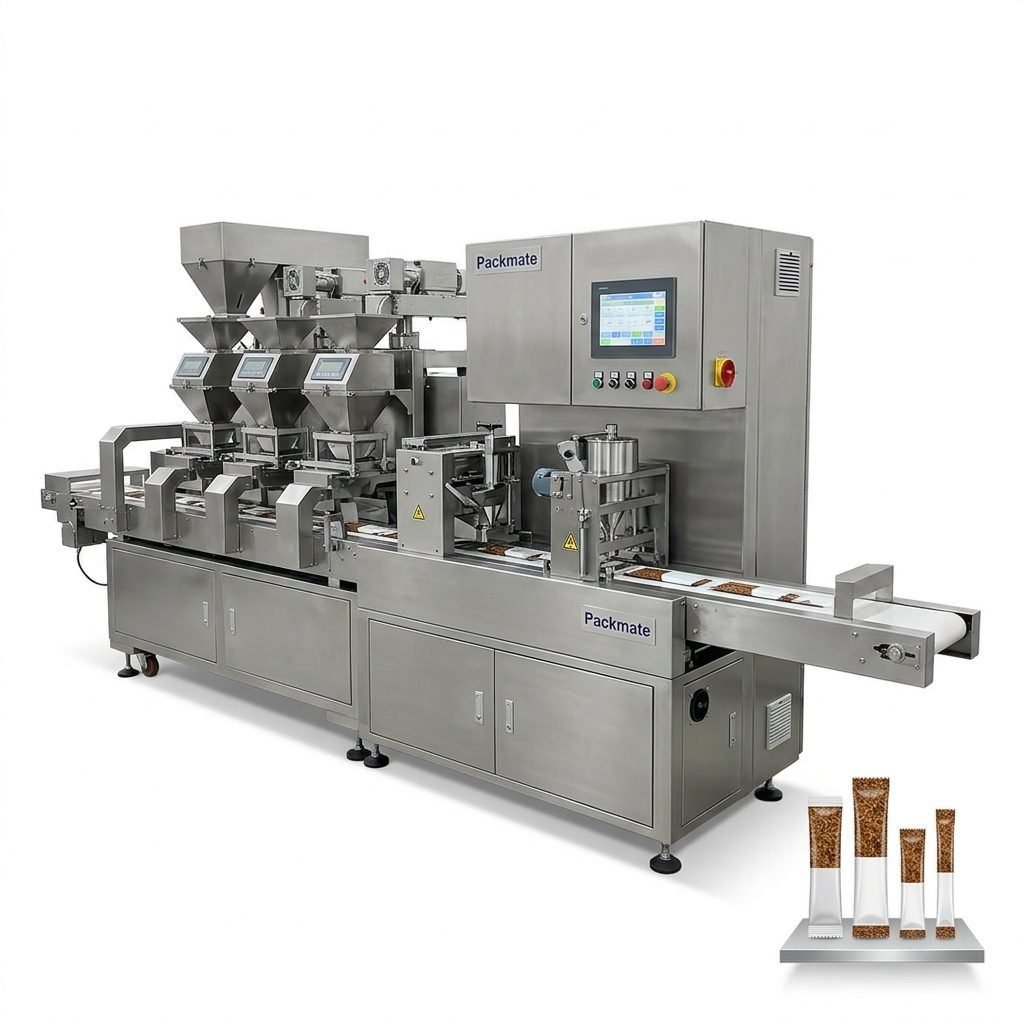
If your product line includes several formats (e.g., pouches, sachets, small bags), consider versatile equipment or modular systems that allow quick changeovers. Integrating auxiliary equipment such as weighing & packaging systems or auxiliary packaging equipment can boost precision and line efficiency — see related solutions at
Weighing & Packaging Systems
and
Auxiliary Packaging Equipment.
Evaluate Production Capacity and Machine Speed
Production capacity is often the primary driver of machine selection. Estimate your required output in pouches per minute/hour and factor in future growth. Machines are rated by maximum theoretical speed; however, realistic throughput depends on product characteristics, operator skill, and line integration. Always request performance trials and references from similar installations.
Material Compatibility and Packaging Types
Nicotine pouches may use a variety of films and laminates. Confirm your chosen machine can handle the specific film thickness, seal types (heat, ultrasonic), and barrier properties required for nicotine shelf life. Machines with adjustable sealing temperature, precise film feeding, and reliable web handling reduce rejects and material waste.
🔍 Important: Ask suppliers for a test run using your actual materials. A small validation run reveals potential sealing issues, dosing inaccuracies, and film handling problems.
Automation, Control Systems, and Integration
Modern packaging lines deliver greater value when machines are designed for automation and easy integration with upstream and downstream equipment. Look for PLC controls, HMI interfaces with recipe management, servo-driven components for precision, and ethernet connectivity for Industry 4.0 monitoring. Compatibility with filling lines and case packers eliminates bottlenecks and streamlines inspection and palletizing.
Integration checklist
– Ensure machine I/O matches existing line equipment.
– Confirm synchronization capability for multi-lane systems.
– Verify data logging for batch traceability and QA.
– Check remote support options for diagnostics.
Quality, Certifications and Local Support
Purchase machines from manufacturers who demonstrate strict quality control and international certification. CE and ISO certifications indicate adherence to safety and manufacturing standards. For after-sales service in Egypt, choose suppliers with global support networks or local partners to minimize downtime and ensure parts availability. Packmate Snus Machine highlights its factory strength and certifications — learn more on the
About Packmate
page.
✅ Supplier review: Verify factory capabilities (CNC machining centers, assembly lines), years of experience, and case studies. Check references for installations in similar climates and regulatory environments.
Total Cost of Ownership and ROI Considerations
Purchase price is only part of the story. Evaluate energy consumption, spare parts pricing, expected maintenance intervals, and labor costs. A higher initial investment in reliable multi-lane equipment often yields lower cost per pouch and faster ROI due to reduced downtime and waste. Request a TCO analysis from the vendor and ask for case studies or references demonstrating ROI.
Service, Training, and Spare Parts Availability
Ensure the supplier offers comprehensive commissioning, operator training, and preventive maintenance plans. Quick access to spare parts and technical service keeps production stable. Verify if local technicians can be trained or if remote diagnostics are available. For international suppliers, confirm shipping lead times for critical components.
Case Examples and Proven Solutions
Reviewing real-world installations helps you understand machine performance under production conditions. Manufacturers often publish case studies showcasing turnkey lines, multi-lane systems, and special solutions for nicotine pouch production. Explore successful projects and machine portfolios at the
Case
section to benchmark your expectations.
Practical Tips for Procurement Teams
– Start with a clear product specification sheet indicating pouch size, weight tolerances, and film types.
– Request machine demonstrations with your actual materials.
– Include acceptance tests and performance guarantees in contracts.
– Negotiate spare parts kits and training packages as part of the purchase.
Why consider Packmate Snus Machine?
Packmate is a specialist in snus and nicotine packaging machines with decades of experience, a large manufacturing facility, and a broad machine range. If you need a tailored solution from stick pack to multi-lane snus pouch systems or fully integrated filling & packaging lines, explore their product portfolio at
Filling & Packaging Lines.
📣 Pro tip: Combine machine purchase with a pilot run and staff training to accelerate ramp-up and reduce early-phase defects.
Final checklist before signing a purchase order
– Confirm regulatory compliance and label capabilities.
– Validate material compatibility and sealing performance.
– Verify production capacity and realistic throughput.
– Ensure integration features for upstream/downstream equipment.
– Secure service contracts, spare parts agreements, and training.
Conclusion
Selecting the right nicotine packaging machine in Egypt balances regulatory compliance, production goals, material science, and reliable supplier support. By focusing on validated performance, integration capability, and total cost of ownership, procurement teams can implement efficient, compliant, and profitable production lines. Engage with experienced manufacturers, evaluate real-world case studies, and insist on testing with your actual materials to ensure success.
Frequently Asked Questions
Q1: How do I know which machine speed I actually need?
A1: Calculate your target monthly output, divide by operating hours, and include a margin for growth. Ask suppliers for tested throughput with similar products and account for changeover times.
Q2: Are multi-lane machines suitable for small startups?
A2: Multi-lane equipment yields lower unit costs but requires higher initial investment and more skilled maintenance; startups with rapid growth plans can benefit, while very small volumes may suit single-lane or stick pack machines.
Q3: What certifications should I require from a packaging machine supplier?
A3: At minimum request CE and ISO certificates; also review material safety data, electrical compliance for local standards, and documentation for traceability systems.
Q4: How important is spare parts availability in Egypt?
A4: Extremely important — long lead times increase downtime costs. Negotiate spare parts kits and check local distributor networks or express shipping options.
Q5: Can I integrate my existing fillers with new packaging equipment?
A5: Often yes, if the new machine supports common I/O protocols, speed synchronization, and mechanical alignment. Work with suppliers that offer integration services or middleware to harmonize different equipment brands.