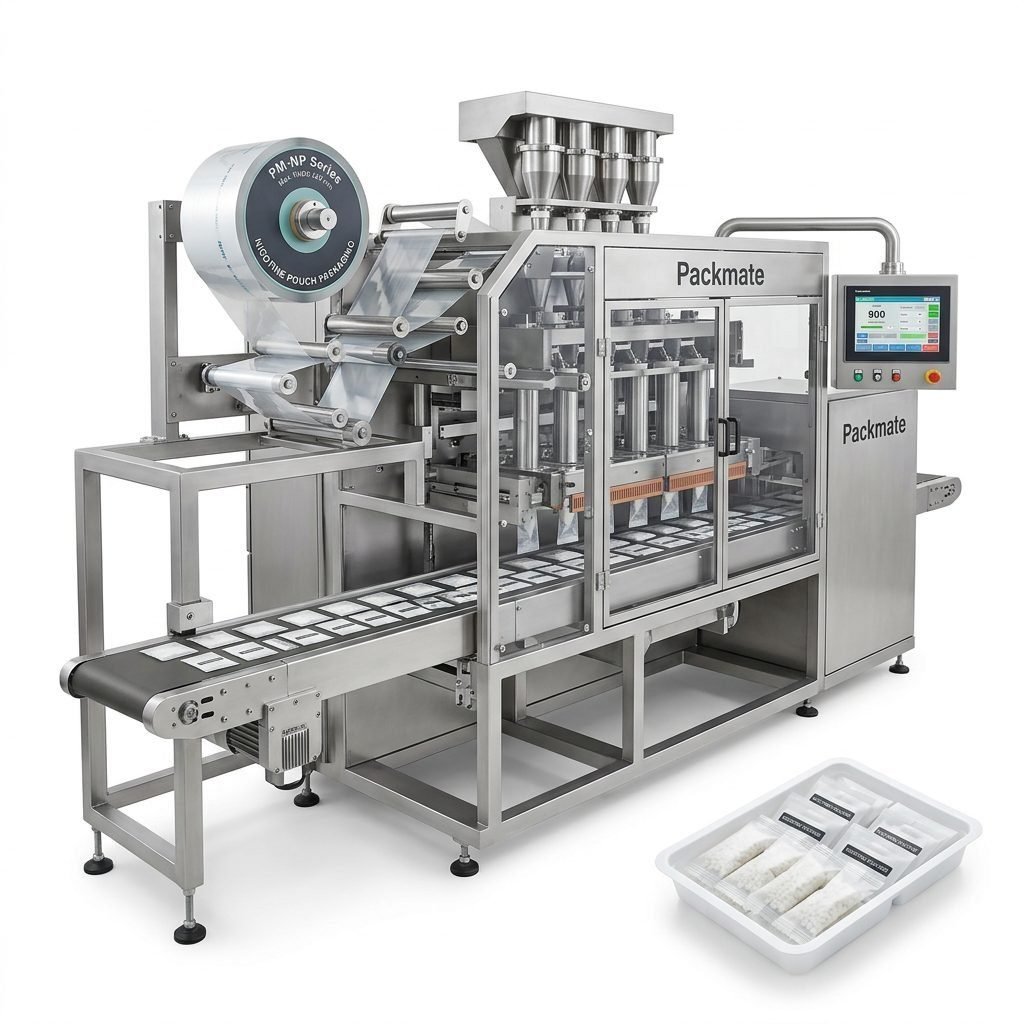
Choosing the right nicotine packaging machinery manufacturer in Europe is a strategic decision that can affect product quality, regulatory compliance, production costs, and long-term scalability. This guide walks you through the critical factors to evaluate when selecting a partner for snus and nicotine pouch packaging lines, helping you make an informed choice that fits your technical needs and commercial objectives.
Understand Your Production Requirements
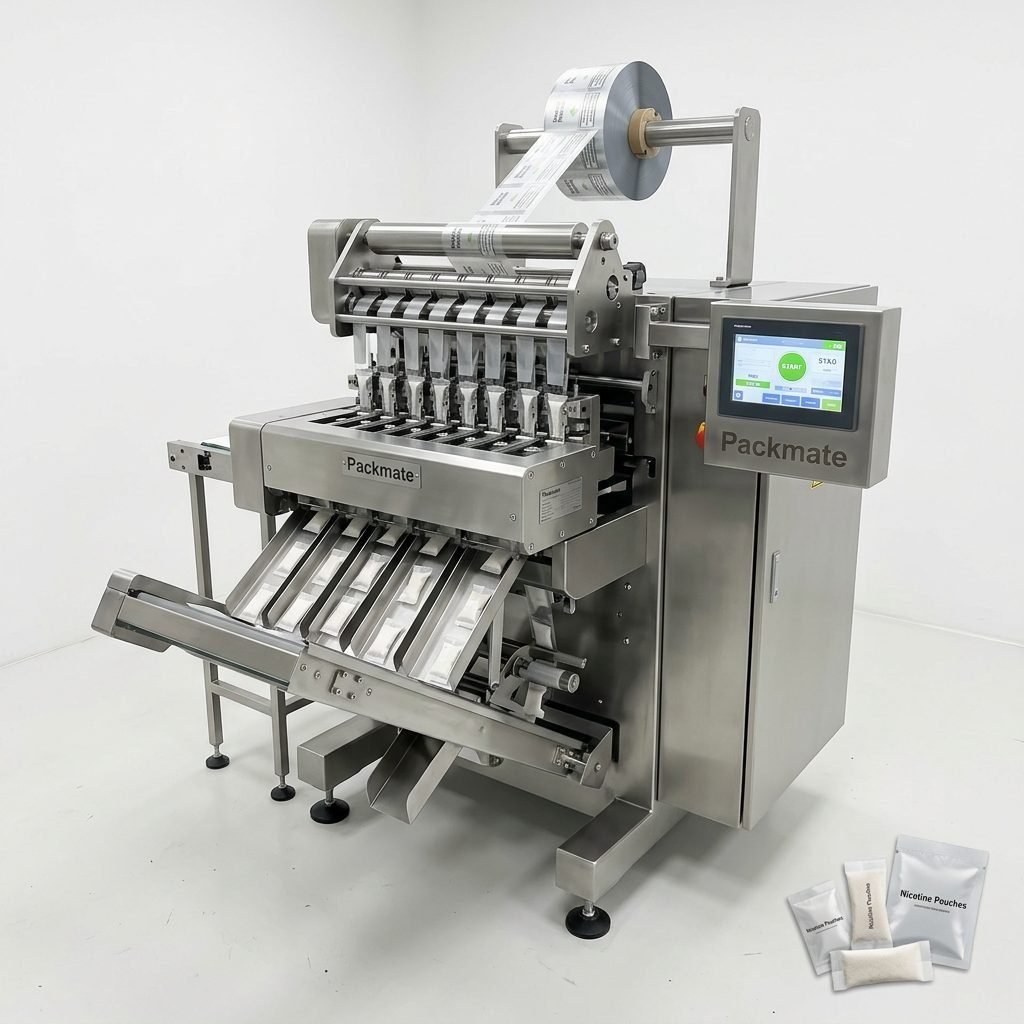
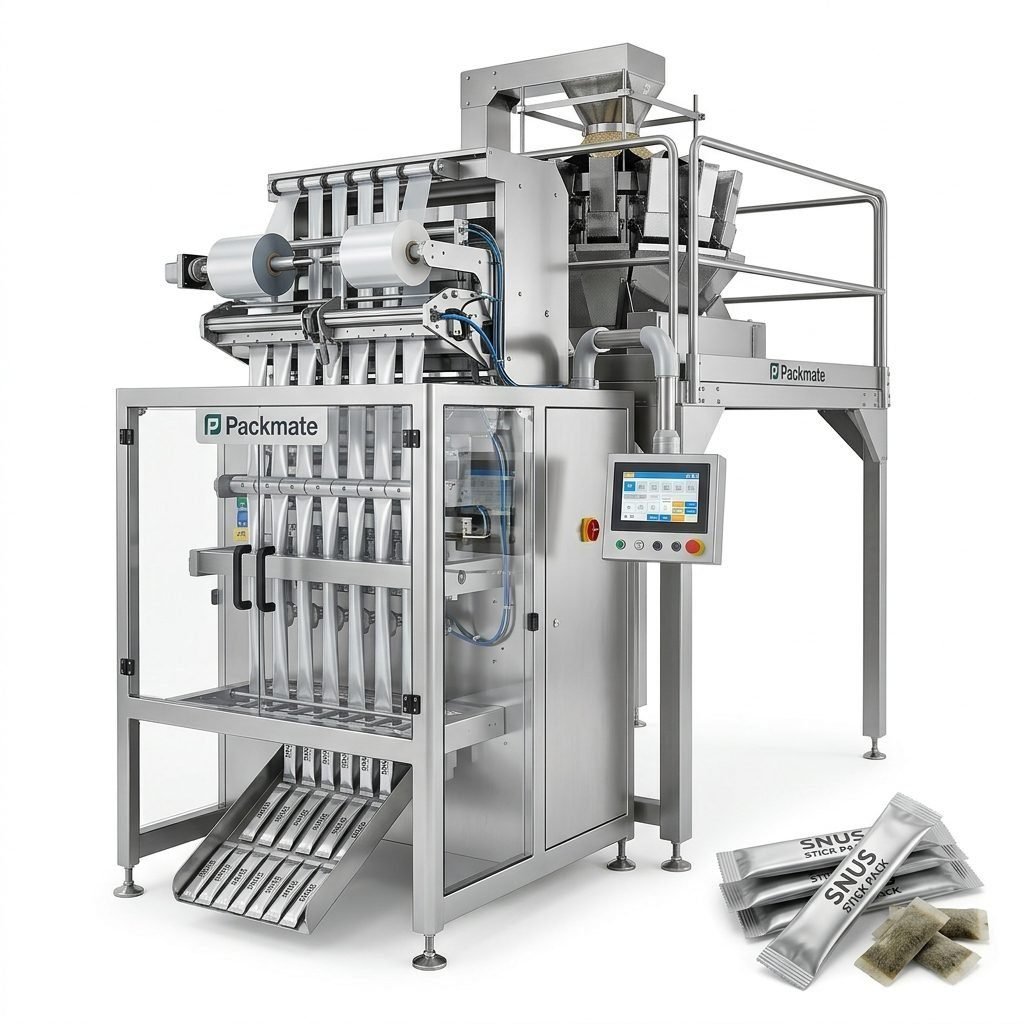
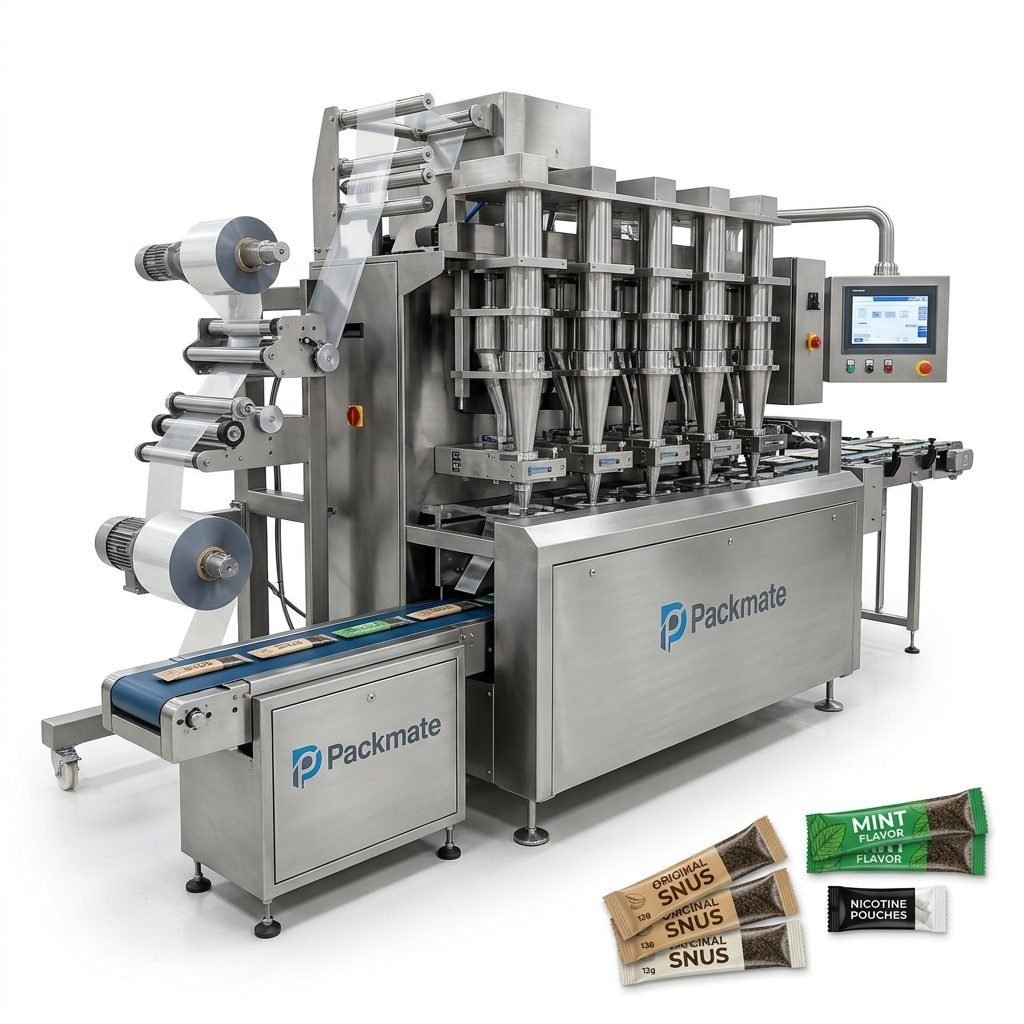
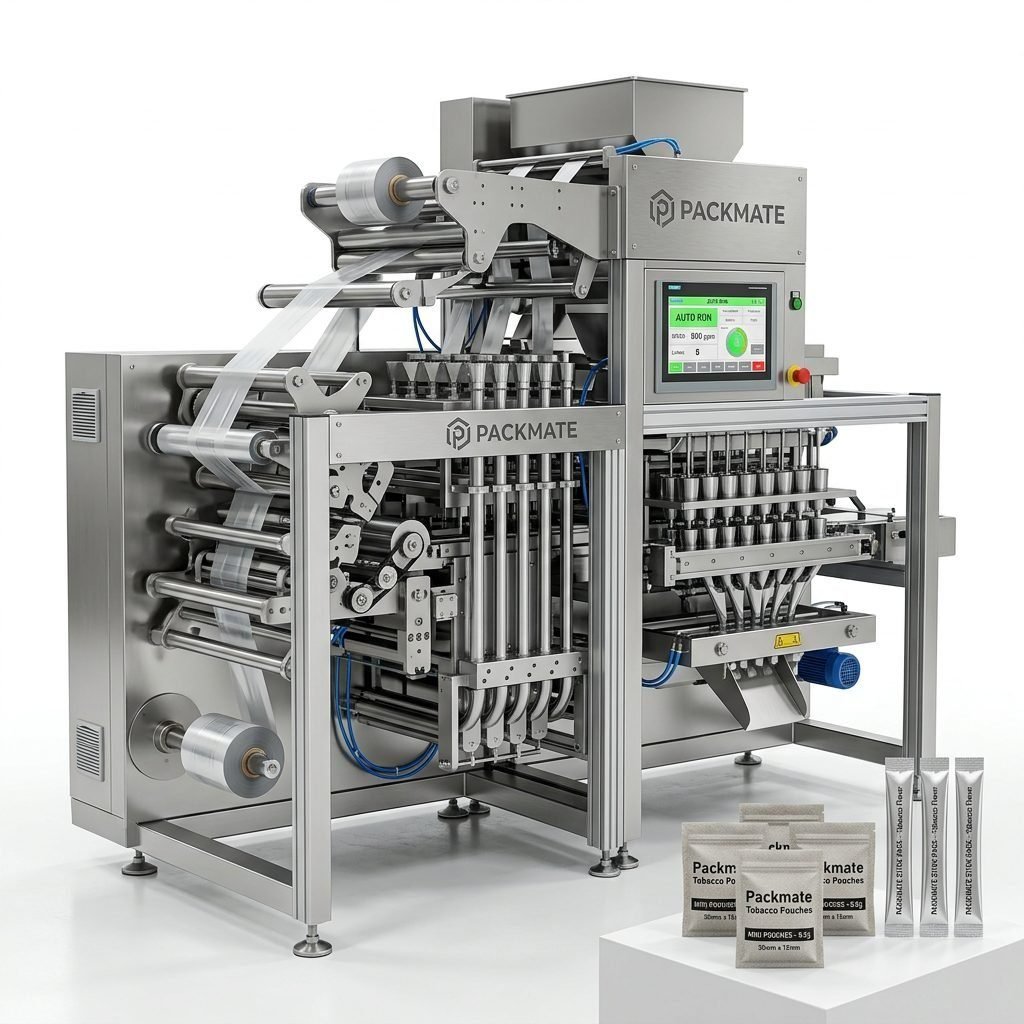
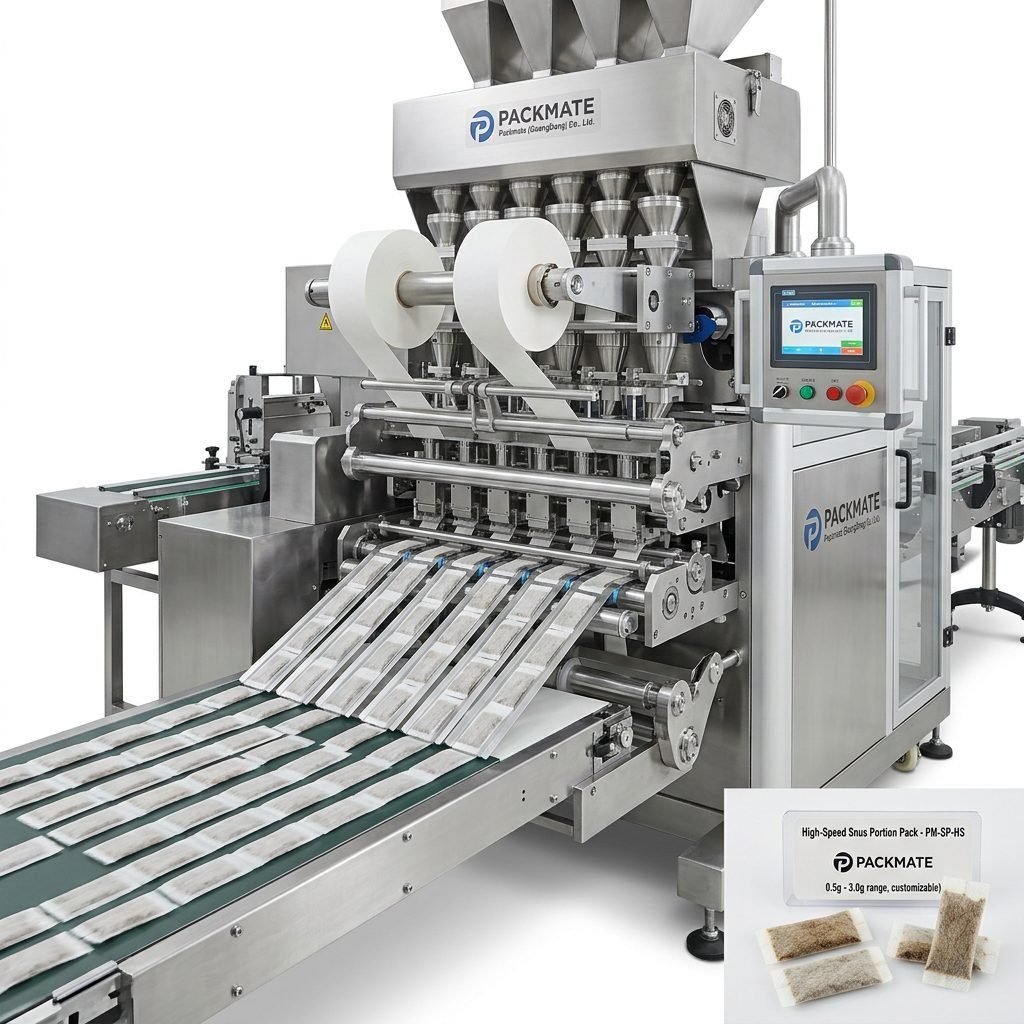
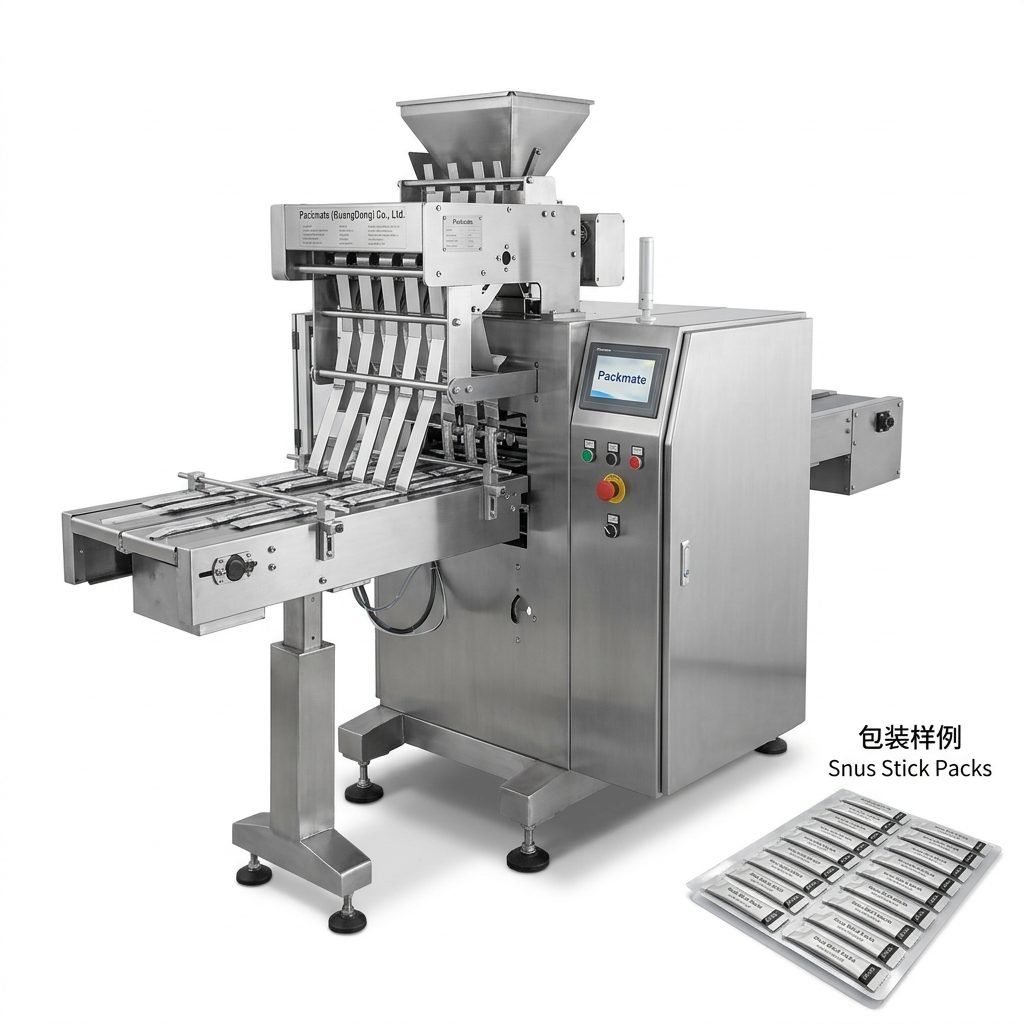
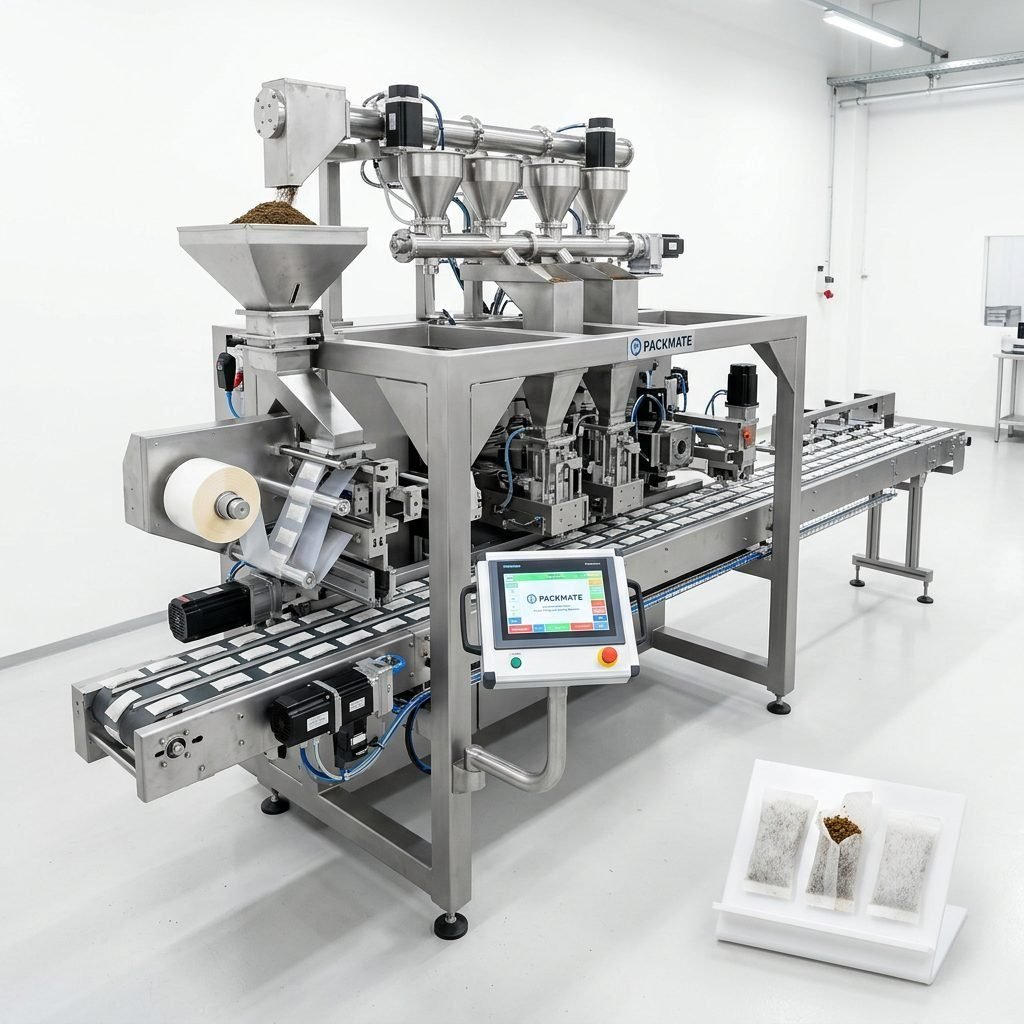
Before contacting any manufacturer, define your production goals: expected daily output, pouch formats (single-dose, multi-lane, stick pack, sachet), materials (foil, paper, laminated film), and any secondary processes like weighing, nitrogen flushing, or secondary labeling. Manufacturers who specialize in nicotine and snus solutions will help you map machine models to your output targets. For example, you may want to explore specialized equipment such as Snus & Nicotine Packaging Machines to match small-dose pouch production.
Evaluate Technical Capabilities and Model Range
A manufacturer with a wide model range can offer more tailored solutions. Look for companies that provide multi-lane systems, stick pack and sachet lines, and integrated filling and weighing options. A versatile supplier will let you scale from pilot runs to full production without costly retooling. If you need combined systems, consider vendors who list complementary systems like Filling & Packaging Lines and Weighing & Packaging Systems.
Key technical features to verify
🔧 Reliability & precision: Machines must maintain consistent pouch weight and seal integrity across long runs.
📈 Scalability: Check for multi-lane options and modular upgrades to increase throughput.
⚙️ Integration capability: Ensure compatibility with your existing conveyors, checkweighers, and packaging lines.
🔒 Regulatory readiness: Machines should support GMP-friendly design and easy cleaning where applicable.
Assess Manufacturing & Quality Control
Manufacturing capacity, machining quality and inspection regimes determine a machine’s longevity and uptime. Top manufacturers operate advanced CNC centers and precision assembly lines and provide documented quality processes such as ISO or CE compliance. When you evaluate vendors, request factory capability summaries, inspection checklists, and warranty terms. Packmate’s factory footprint and experience can be a useful benchmark when discussing these topics with suppliers; learn more on their About Packmate page.
Service, Spare Parts and After-Sales Support
After-sales support is often the differentiator between a good purchase and a costly mistake. Confirm lead times for spare parts, availability of local technicians or certified service partners in Europe, and remote diagnostic capabilities. Manufacturers with global service networks or regional warehouses reduce downtime and logistic delays. Always request a clear service level agreement and remote support options before committing.
What to ask about support
• Typical spare part lead times in Europe and emergency shipping options.
• Availability of training (on-site and remote) for operators and maintenance staff.
• Remote monitoring, software updates and troubleshooting procedures.
• Warranty coverage and terms for consumables and wearing parts.
Compliance, Certifications and Documentation
Regulatory compliance is non-negotiable for nicotine and snus packaging. Verify that the manufacturer provides CE marking, ISO certificates and machine-specific documentation like electrical diagrams, material declarations, and validation support. Ask for case studies or references from European customers so you can confirm that the machines meet local standards and regulatory expectations.
Customization and Turnkey Solutions
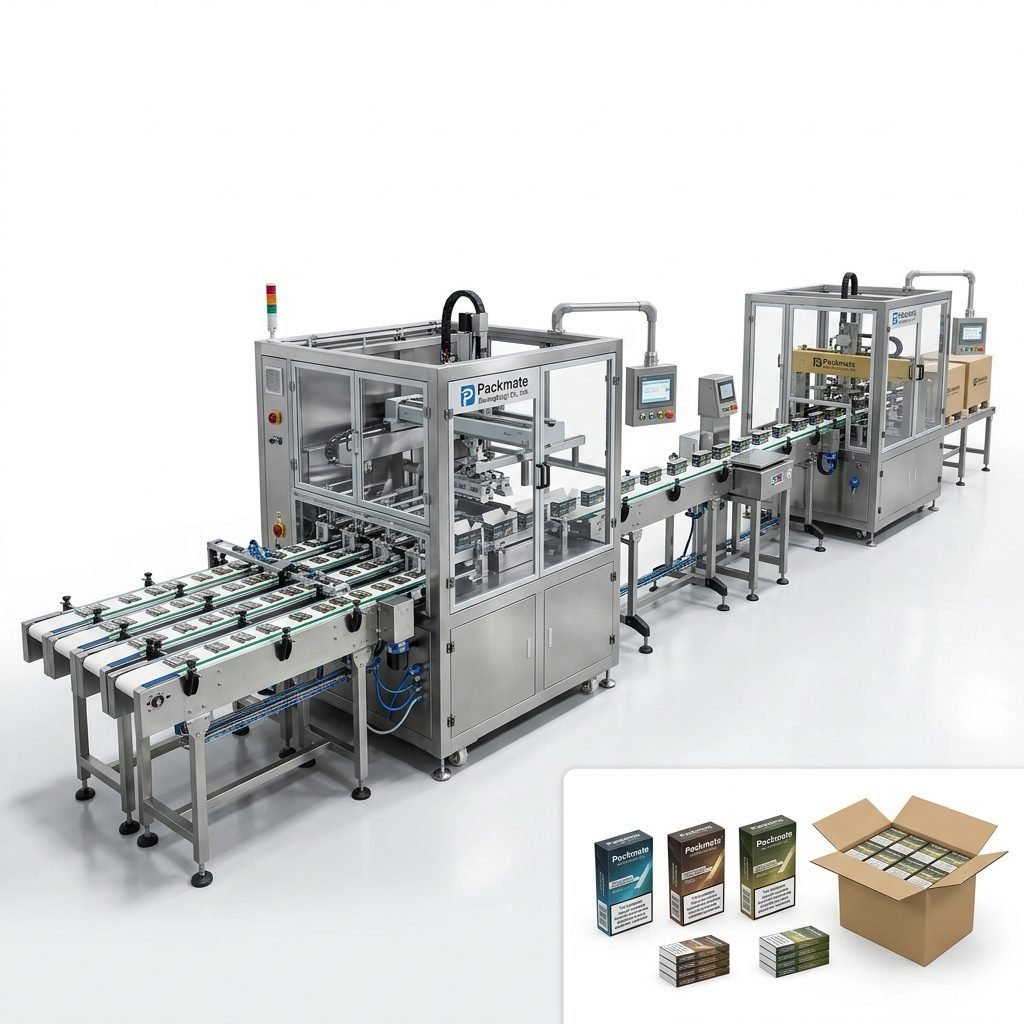
Some manufacturers offer off-the-shelf machines while others provide fully customized turnkey lines including feeding, dosing, packaging, secondary packaging and palletizing. If your project requires integrated solutions, prioritize vendors with proven experience in delivering end-to-end production lines. A partner that manages the entire line reduces integration risk and simplifies project management. Explore examples of full-line solutions under categories like Bag & Pouch Packaging Machines.
Factory Visits and Factory Acceptance Tests (FAT)
Whenever possible, arrange a factory visit or live machine demonstration at an exhibition. A factory acceptance test (FAT) provides proof of performance before shipment. During FAT, verify speed, sealing quality, weight control and that the machine handles your actual materials. If a physical visit is difficult, request a detailed video demo and live Q&A with the engineering team.
Checklist for FAT
✓ Run the machine at expected production speeds.
✓ Test with the exact pouch film and product you will use.
✓ Validate machine changeover time and ease of cleaning.
✓ Review documentation and training plan with the engineering team.
Total Cost of Ownership (TCO) vs. Initial Price
Price is important, but the cheapest machine may cost more over time due to downtime, maintenance, or poor energy efficiency. Evaluate TCO considering energy consumption, spare parts pricing, expected lifetime, and operator training needs. A higher initial investment in a robust, precision-engineered machine often yields lower cost per pouch and greater reliability.
Lead Times, Shipping and Installation in Europe
Confirm realistic lead times from order to delivery and factor in customs clearance and installation schedules. Manufacturers with experience serving European markets understand local logistics, voltage and safety requirements and can expedite on-site installation and commissioning. Early coordination of site preparation, utilities and operator training ensures a smoother ramp-up.
References, Case Studies and Exhibitions
Ask for client references, case studies, and examples of similar installations in Europe. Attendance at international exhibitions often indicates an active commitment to market presence and support; review a supplier’s exhibition participation to see recent demonstrations. You can also view specific case examples on a manufacturer’s case pages to verify performance in real-world conditions.
Sustainability and Waste Reduction
Sustainable production is increasingly important. Ask about the machine’s material efficiency, film waste management during changeovers, energy-saving features, and whether the manufacturer supports recyclable packaging structures. These factors influence both environmental impact and long-term packaging costs.
Negotiation Tips and Contract Essentials
When negotiating, be clear about delivery milestones, acceptance criteria, penalties for missed deadlines, and spare parts commitments. Include training, documentation delivery, and SAT/FAT clauses in the contract. Make sure warranty periods and scope are explicit, especially for moving and wearing parts.
Quick negotiation checklist
• Clear delivery & commissioning schedule.
• Defined FAT/SAT acceptance tests.
• Spare parts list with pricing and lead times.
• Training scope and documentation handover.
• Warranty details and service response times.
Making the Final Decision
Balance technical fit, TCO, service capability and regulatory compliance. A successful supplier will not only deliver a machine but partner with you on installation, training and long-term support. If you need examples of comprehensive solutions and global support experience, consider exploring the supplier’s product range and support pages and reach out directly via their Contact Us page.
Why Industry Experience Matters
Experienced manufacturers bring practical know-how in handling fragile powders, moisture-sensitive nicotine blends, and the small-dose accuracy required in snus production. They also often provide references, proven multi-lane systems and documented production lines that demonstrate long-term reliability. Many long-standing companies publish their company story and milestones which helps you evaluate stability and technical evolution.
Additional Resources
For detailed machine classifications and product categories, review product pages such as Sachet & Stick Pack Machines and explore auxiliary equipment options. These resources help identify complementary modules and accessories suited to nicotine pouch lines.
Conclusion
Choosing the best nicotine packaging machinery manufacturer in Europe requires a methodical review of technical capabilities, quality control, service infrastructure, regulatory compliance and total cost of ownership. Prioritize suppliers that demonstrate proven experience with snus and nicotine pouch lines, offer comprehensive after-sales support, and provide transparent documentation and FAT procedures. With the right partner you secure not only equipment but also the expertise to scale and optimize your production.
Common Questions
Q1: How long does it typically take to install and commission a snus packaging line in Europe?
A1: Installation and commissioning typically take several days to a few weeks depending on line complexity, site readiness, and utility coordination. Schedule FAT and on-site training in advance to shorten ramp-up time.
Q2: What certifications should I expect from a reputable manufacturer?
A2: Expect CE marking, ISO quality management documentation, and clear machine documentation including electrical diagrams, material certificates and validation support for regulatory compliance.
Q3: Are spare parts and local service available in Europe?
A3: Leading manufacturers either maintain regional spare parts inventories or partner with service providers in Europe. Confirm SLA terms for emergency support and typical spare part lead times before purchase.
Q4: Can manufacturers provide turnkey lines including dosing, weighing and secondary packaging?
A4: Yes—many suppliers deliver turnkey lines integrating dosing, weighing and secondary packaging modules. Review case studies and request a single-point project manager to coordinate delivery and installation.
Q5: How can I validate machine performance before shipment?
A5: Require a Factory Acceptance Test (FAT) with your product at required speeds. If you cannot attend, request a live video demonstration and recorded test data showing weight accuracy, sealing quality and throughput.