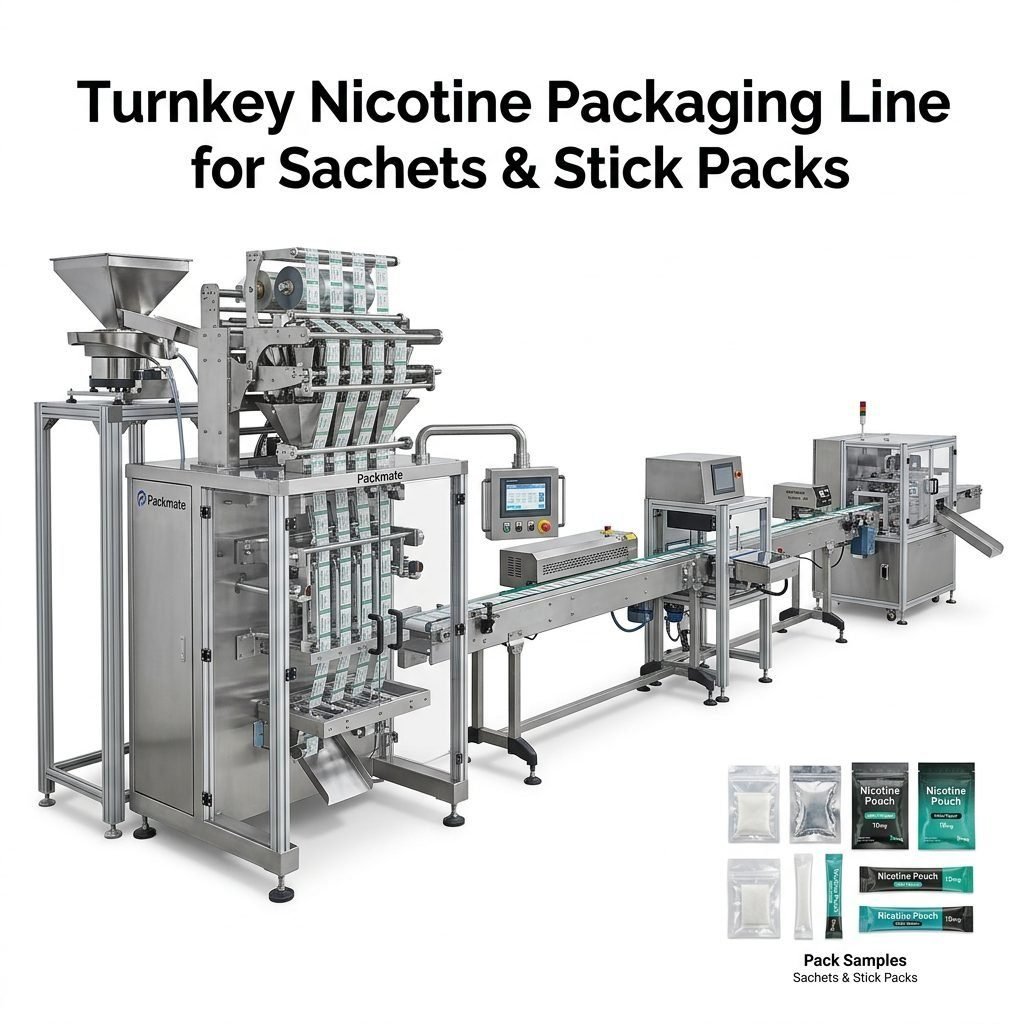
Selecting the right snus packaging machinery for a production line in the Czech Republic requires a clear understanding of product format, production capacity, regulatory requirements, and long-term serviceability. This guide walks you through the practical steps and technical considerations so you can make a cost-effective, future-proof choice that matches your business goals and local market demands.
🔧 Understand Your Product and Format Requirements
The first decision point is the product form: traditional snus pouches, nicotine pouches, dry powder, or something hybrid. Each format has distinct packaging needs. For instance, multi-lane stick pack or sachet systems are ideal for high-speed stick or small-dose pouches, while vertical form-fill-seal variants suit sachets and pillow packs. Consider moisture sensitivity, powder flow, and pouch sealing requirements. If you plan to produce multiple SKUs, prioritize machines with quick changeover features to reduce downtime.
✅ Key product questions to answer
• What is the pouch type and typical pouch weight per unit?
• Do you need single-lane precision or multi-lane high-speed lines?
• Is moisture or oxygen control required for shelf life?
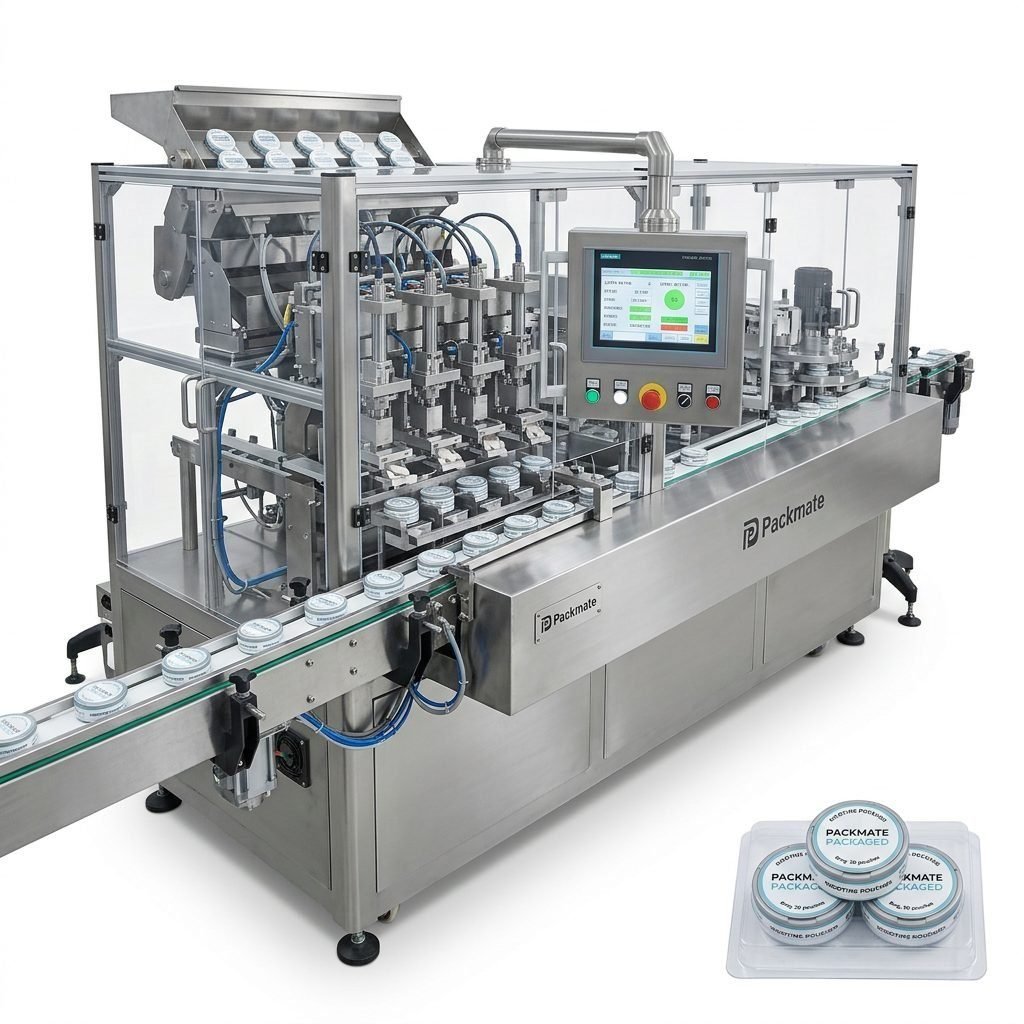
• Will you package into secondary boxes, tins, or flow-wraps?
Tip: If you are focused on nicotine pouches and snus, review dedicated systems such as the manufacturer’s Snus & Nicotine Packaging Machines to ensure specialized handling and dosing accuracy.
Snus & Nicotine Packaging Machines
⚙️ Evaluate Capacity, Speed and Scalability
When choosing equipment for the Czech market, determine both current production targets and realistic growth projections for the next 3–5 years. Machines are typically rated in pieces per minute (ppm) or pouches per minute. Multi-lane systems multiply lane speed by lane count, providing high throughput without needing excessively fast single lanes. Make sure that the rated speed is achievable with your specific product and packing material—lab trials are essential.
📈 Planning for growth
Choose systems that allow lane expansion or modular upgrades. Investing in a flexible platform reduces future capital expenditure when demand increases. Confirm that the supplier offers upgrade kits and clear spare parts availability.
🔩 Machine Types and Technology Comparison
The most common machine types for snus and nicotine pouches include stick pack machines, sachet machines, and multi-lane pouch lines. Each has advantages:
Stick Pack Machines
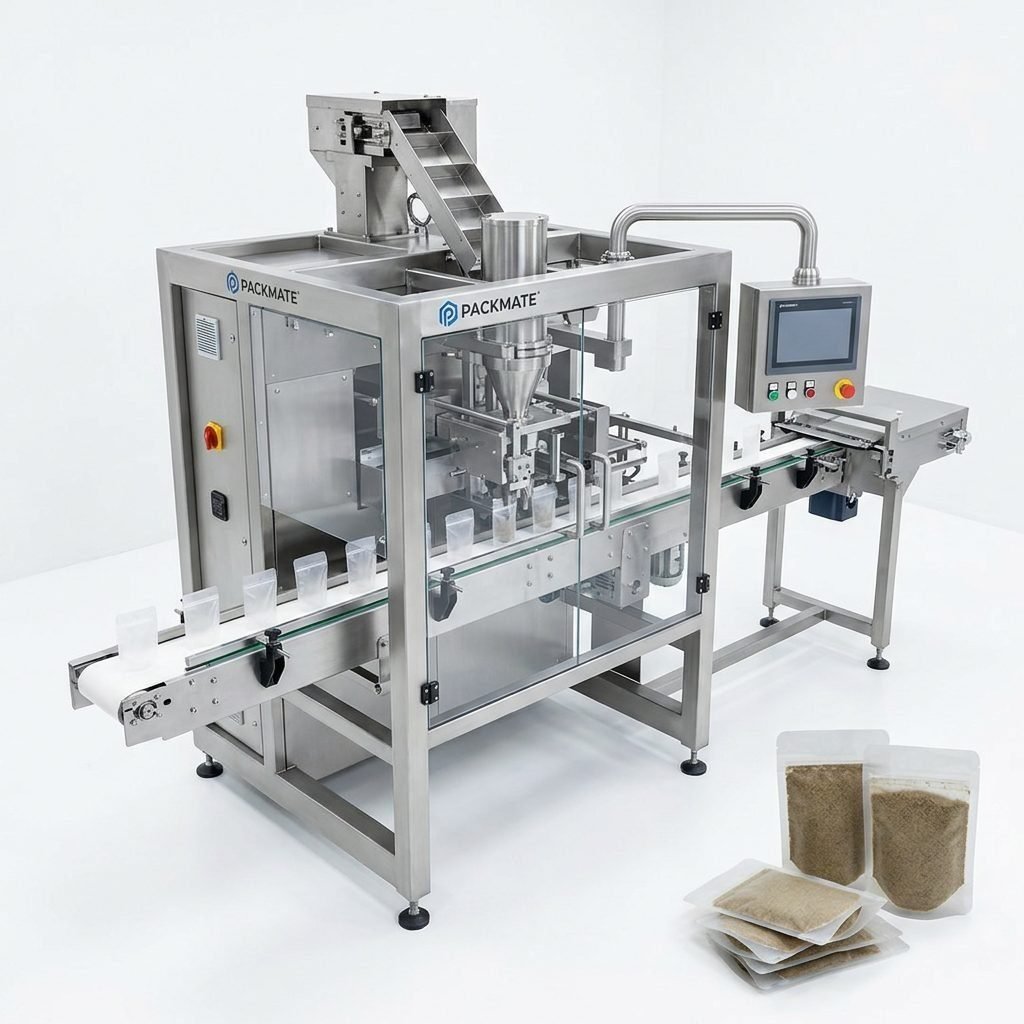
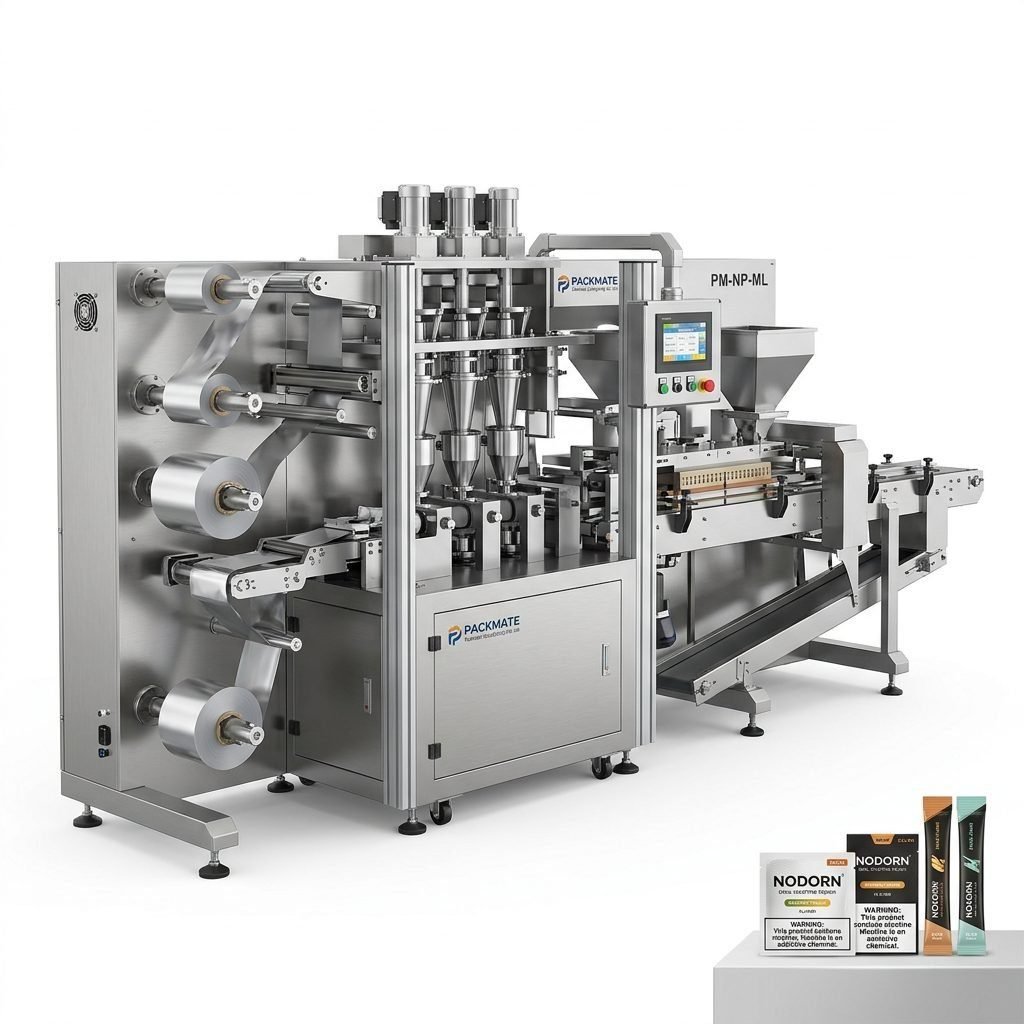
Ideal for single-dose powdered products or small pouches. Look for precise dosing units, hermetic sealing, and continuous motion designs for high-speed output. Consider ease of cleaning and quick tooling changeovers if you run multiple SKUs.
Sachet & Multi-Lane Machines
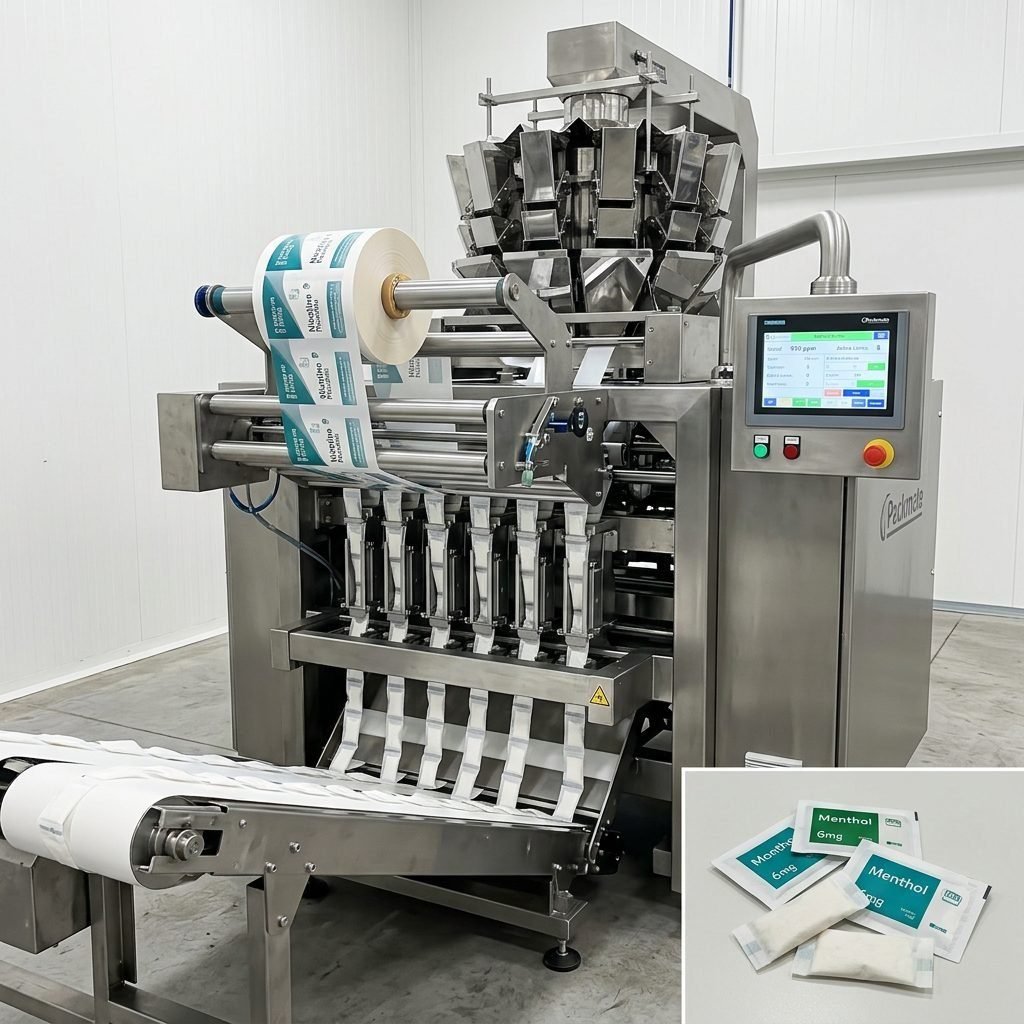
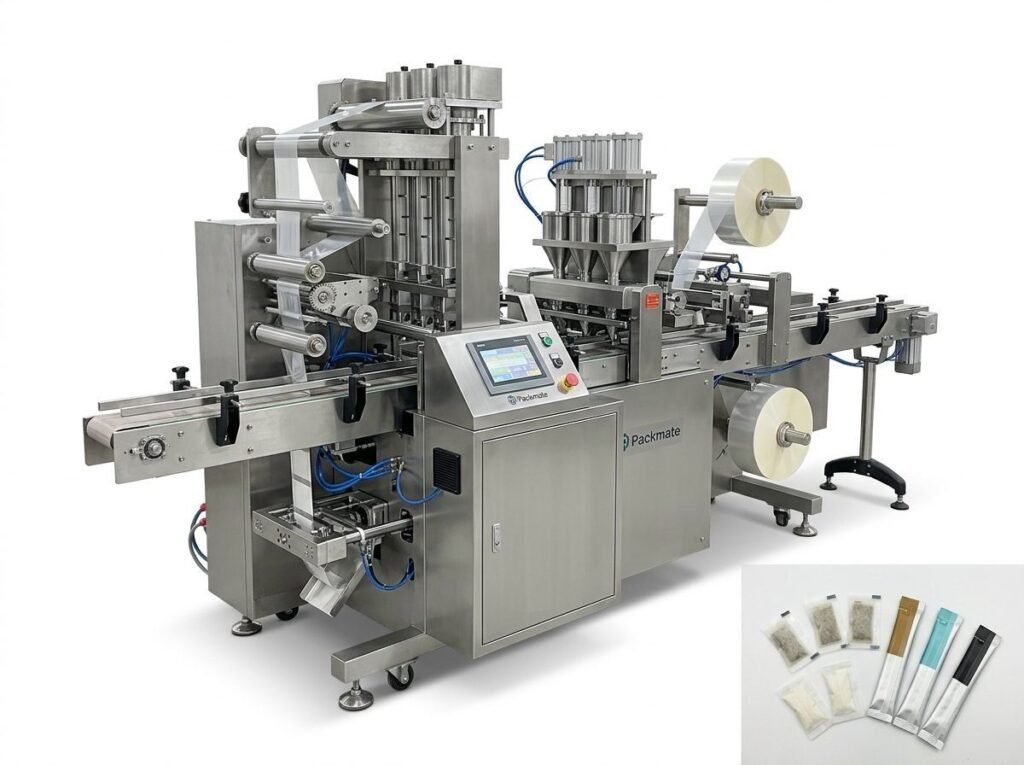
Multi-lane sachet and stick pack machines dramatically increase throughput while keeping footprint relatively small. Verify lane synchronization controls and individual lane fault detection to avoid scrapping entire runs. The manufacturer’s Sachet & Stick Pack Machines page provides examples of lanes and layout options.
Note: For powdered nicotine pouches, ensure the dosing system handles fine powders with minimal dust and high repeatability. Pneumatic or screw-based metering systems have different maintenance needs.
🔗 Integration with Downstream and Upstream Equipment
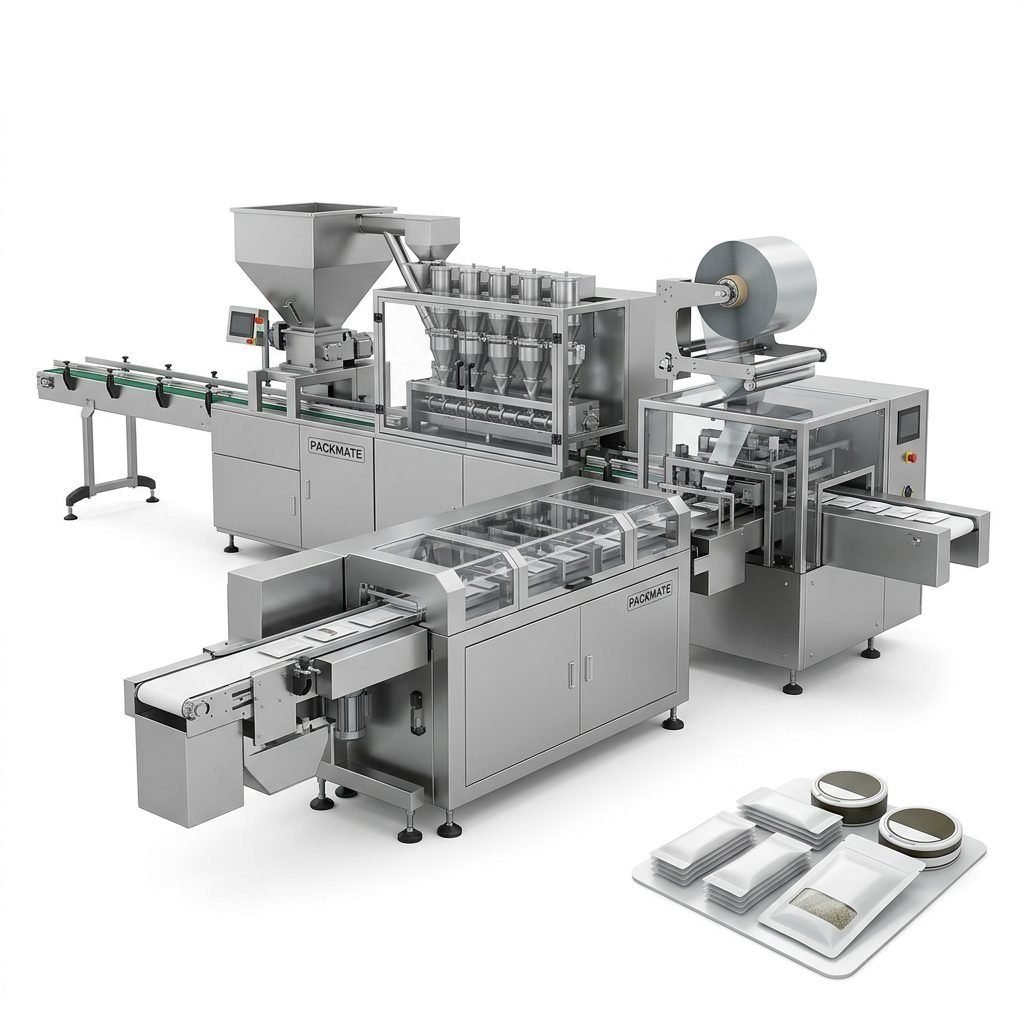
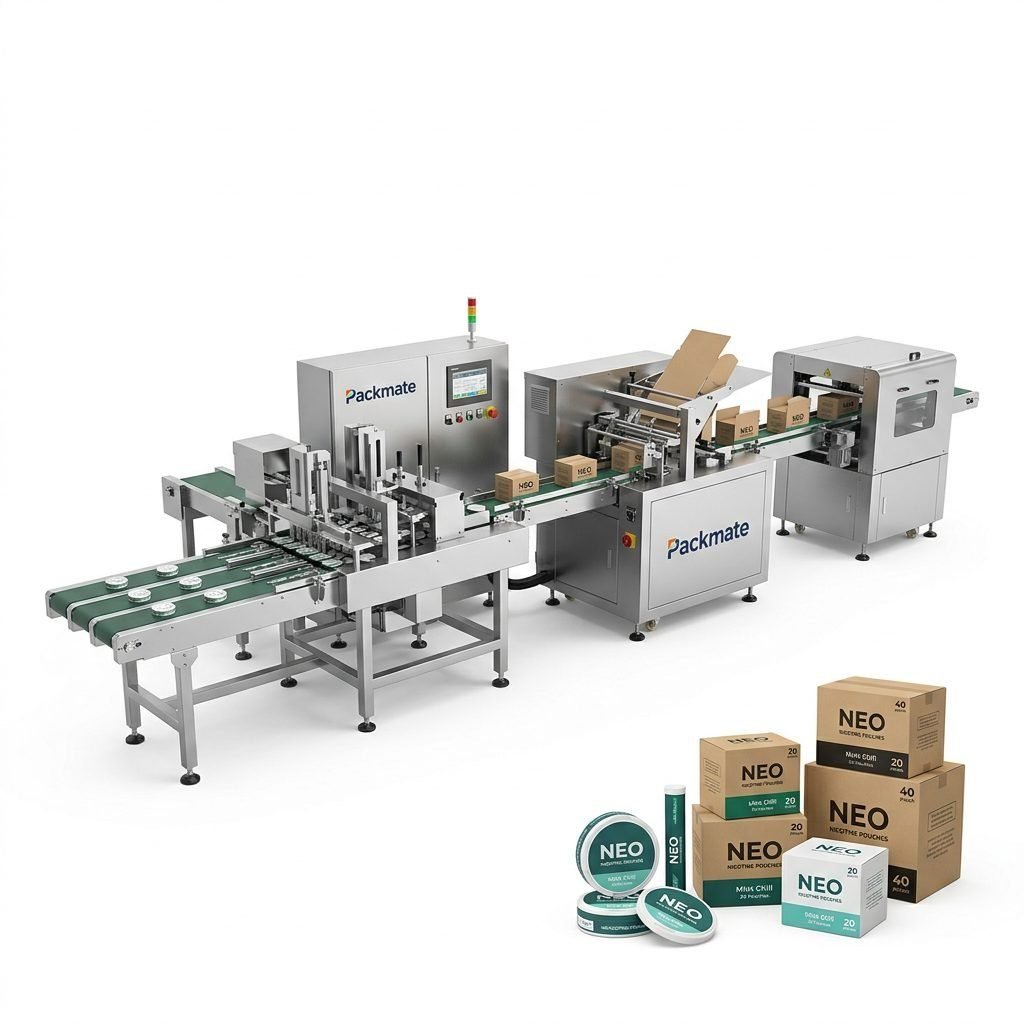
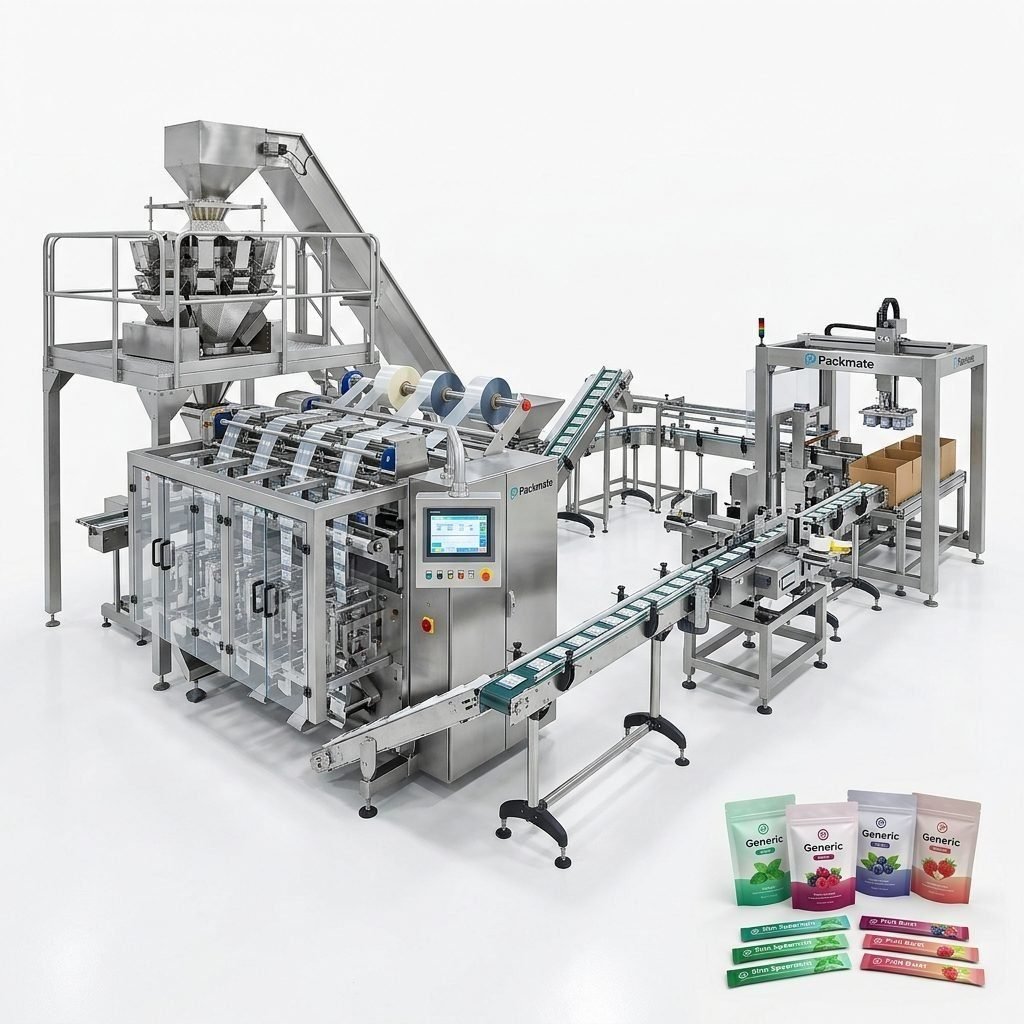
Packaging machinery rarely operates alone. Consider how the snus packer will integrate with fillers, ribbon weighers, conveyor systems, cartoners, and secondary packing equipment. A coordinated line reduces manual handling and increases overall equipment effectiveness (OEE). If you require a full line, review integrated solutions such as the Filling & Packaging Lines.
System controls and communication
Ensure machines support standard industrial protocols (e.g., Ethernet/IP, ProfiNet) for PLC and supervisory integration. Remote diagnostics and HMI screenshots can cut troubleshooting time significantly—confirm the supplier’s remote support policy.
🛠️ Maintenance, Spare Parts and Local Support in Czech Republic
After-sales service is a critical factor. Ask whether the manufacturer or a local partner provides on-site maintenance, spare parts stocking, and technician training in the Czech Republic. Machines with widely available, modular components are easier and cheaper to maintain in the EU market. Check for CE and ISO compliance to ensure easier regulatory acceptance and safety standards.
Important: Confirm lead times for critical spares and request a recommended spare parts list for your expected annual throughput. Fast access to parts minimizes downtime.
📋 Compliance, Safety and Documentation
Tobacco and nicotine pouch regulations vary across jurisdictions. Machines must accommodate labeling, traceability features, and tamper-evident packaging if required. Verify the supplier provides full documentation, CE certification, user manuals, and IQ/OQ support if necessary. For hygiene-sensitive products, prioritize stainless-steel contact parts and IP-rated electrical enclosures.
💡 Factory & Manufacturer Credentials
Prioritize manufacturers with proven experience in snus and nicotine packaging. Look for a strong engineering background, advanced CNC manufacturing, and dedicated production facilities. For example, Packmate Snus Machine boasts over 30 years of experience, a 20,000㎡ production facility, and more than 50 machine models—credentials that indicate a mature supply chain and product range. Learn more about the company on their About page: About Packmate.
Factory tour and references
Whenever possible, request a factory visit or video tour, inspect QA procedures, and ask for case studies or references from European clients. Seeing machine assembly and endurance testing firsthand provides confidence in build quality.
💸 Total Cost of Ownership (TCO) vs. Initial Price
Initial purchase price is only part of the decision. Evaluate TCO including spare parts, consumables (sealant, film), energy consumption, expected MTBF, and training costs. Machines optimized for low maintenance and easy cleaning often deliver better long-term ROI even if upfront costs are higher.
Checklist: Ask for predicted energy consumption, recommended annual maintenance hours, and a suggested spare-parts kit. Request real-world OEE numbers from similar installations.
🧪 Testing, FAT, and Commissioning
Factory Acceptance Tests (FAT) and on-site commissioning are essential. FAT should replicate your product and packaging materials; it validates dosing, sealing, and machine stability at expected speeds. A good supplier supports SAT (Site Acceptance Testing) in the Czech Republic and provides operator training during commissioning to ensure a smooth handover.
🌍 Logistics, Import and After-Sales Support in EU
Ensure clear logistics plans for shipping, customs clearance, and on-site installation. For non-EU manufacturers, check warranty terms covering import-related delays and whether spare parts are stocked within Europe. Establish a local support channel or distributor to reduce response time for urgent repairs.
🔍 How to Evaluate Suppliers — Questions to Ask
• Can you provide references from similar European installations?
• What is your machine uptime guarantee and typical MTBF?
• What is included in the standard warranty and what are service contract options?
• Do you offer modular upgrades and spare parts kits?
• Can you perform FAT with my product and materials?
🔗 Useful Resources and Next Steps
If you need a full packaging solution, explore supplementary equipment such as bag & pouch packers and weighing systems. Packmate offers a range of complementary machines which can simplify line integration: Bag & Pouch Packaging Machines and Weighing & Packaging Systems.
Next step: Compile your product specs (pouch dimensions, target ppm, film type) and request a tailored proposal and FAT plan from prospective suppliers. For inquiries and contact details, see Contact Us.
📝 Conclusion
Choosing the best snus packaging machine in the Czech Republic hinges on matching machine capabilities to your product specifications, planned capacity, and regulatory environment. Prioritize manufacturers with proven snus/nicotine experience, robust after-sales support, and demonstrable factory QA. With careful FAT testing, modular planning, and a focus on TCO, you can minimize risk and build a reliable, efficient production line.
❓ Frequently Asked Questions
Q1: How do I know if I need a multi-lane machine or a single-lane high-speed unit?
A1: Choose multi-lane when you need higher throughput with better product stability and less stress on individual lanes. Single-lane high-speed units are suitable for compact operations with very specific packaging formats.
Q2: What documentation should come with the machine for EU compliance?
A2: The machine should include CE declaration, machine user manuals, electrical diagrams, maintenance guides, spare parts lists, and IQ/OQ if required for regulated environments.
Q3: How long is typical lead time and installation for a complete snus line?
A3: Lead times vary by customization and capacity but typically range from 12–20 weeks. Commissioning and SAT may add 1–3 weeks depending on site readiness and local logistics.
Q4: Can I visit the factory before purchase?
A4: Reputable manufacturers welcome factory visits or virtual tours. Inspect assembly processes, CNC capabilities, and request FAT demonstrations using your product if possible.
Q5: Where can I find detailed product lines and support information?
A5: For detailed product models, spare parts, and service options, review the manufacturer’s product pages and service section such as Auxiliary Packaging Equipment and their Service pages.