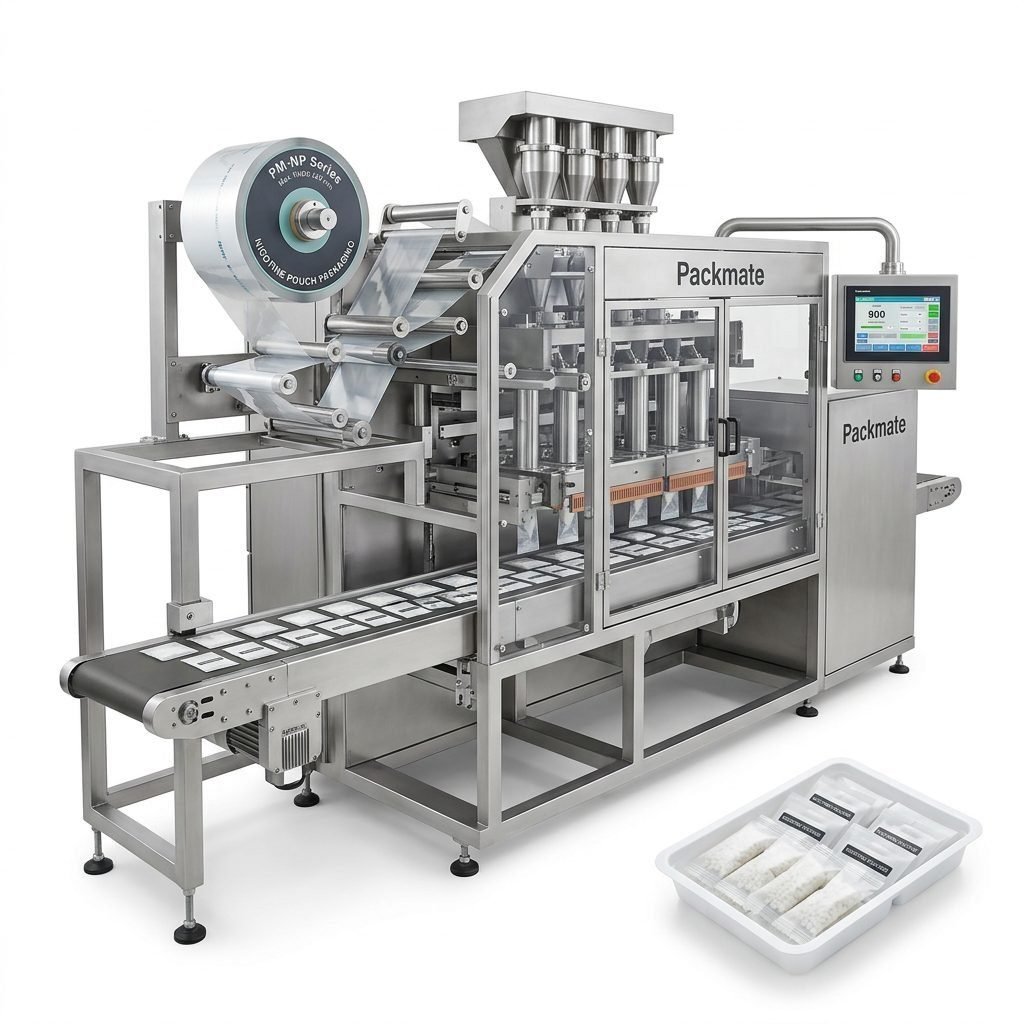
The global demand for precision snus and nicotine pouch packaging has driven innovation in automated production lines. This guide provides a practical overview of an automatic snus production line, from core equipment and process flow to packaging solutions and post-sale support. Whether you are evaluating turnkey systems or optimizing an existing line, the following sections outline the technical building blocks, operational best practices, and commercial considerations to help you make informed decisions.
Key Equipment Overview
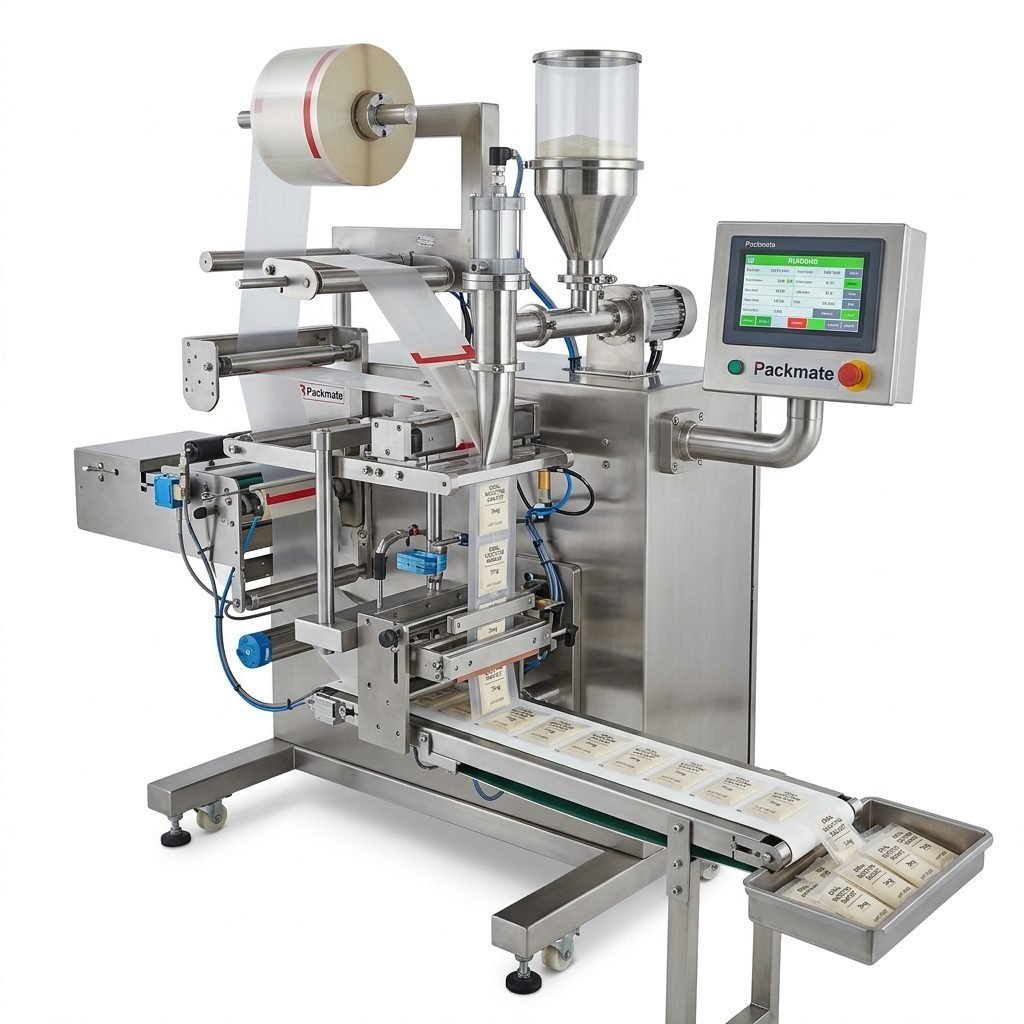
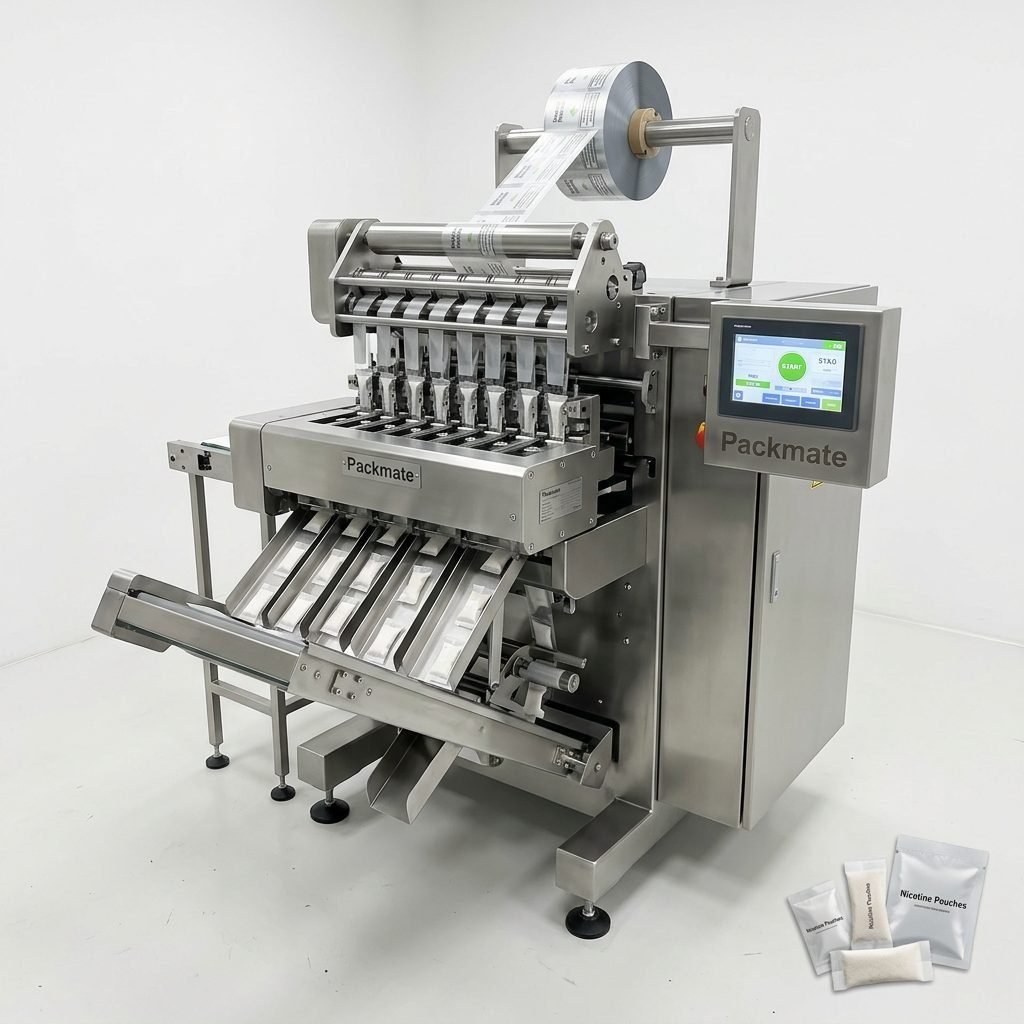
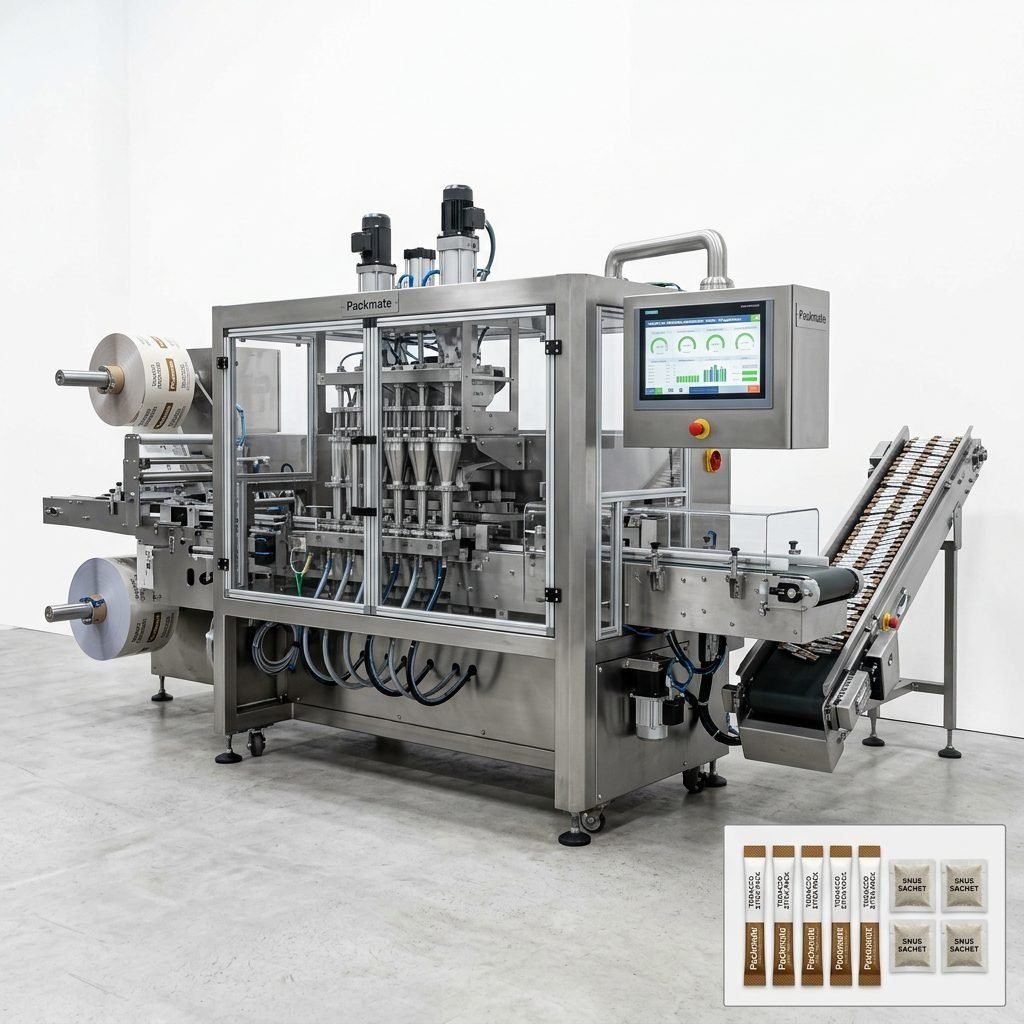
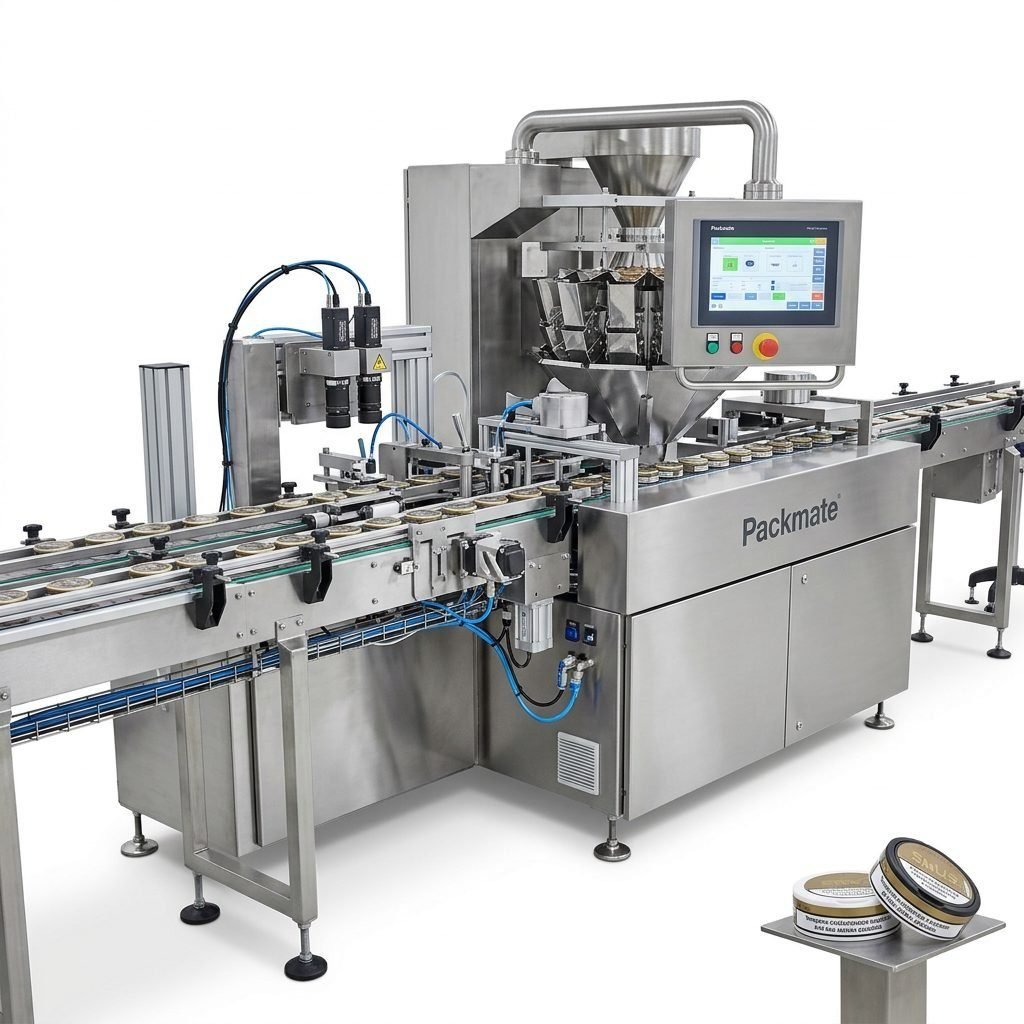
A modern automatic snus production line is a composite of specialized machines working in sequence. Typical elements include dosing and filling modules, multi-lane sachet or stickpack machines, pouch forming units, date-coding and sealing systems, and carton or display packing. Manufacturers like Packmate offer dedicated systems for nicotine pouches and snus, including scalable multi-lane platforms that maximize throughput while maintaining precision.
📦 Core machines to consider:
• Snus & Nicotine Packaging Machines — specialized for small-dose pouches and snus formats.
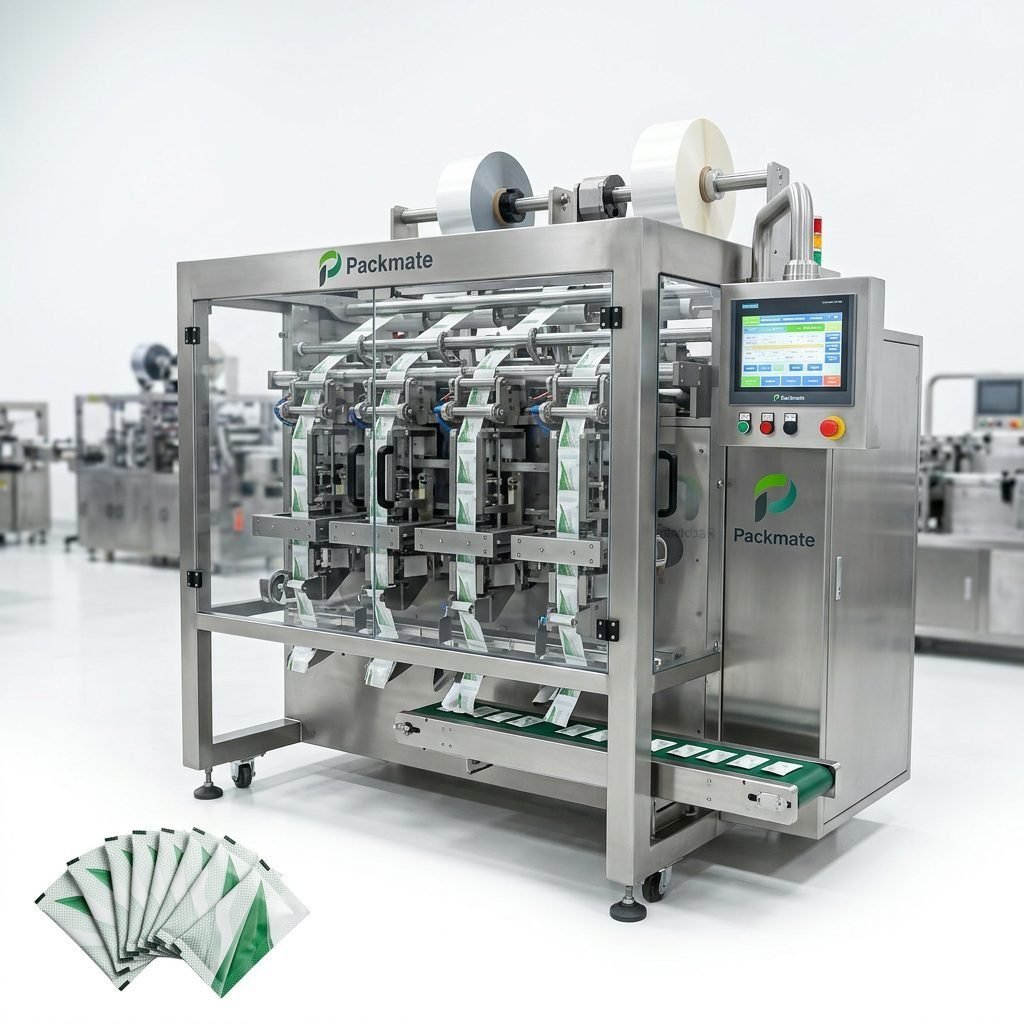
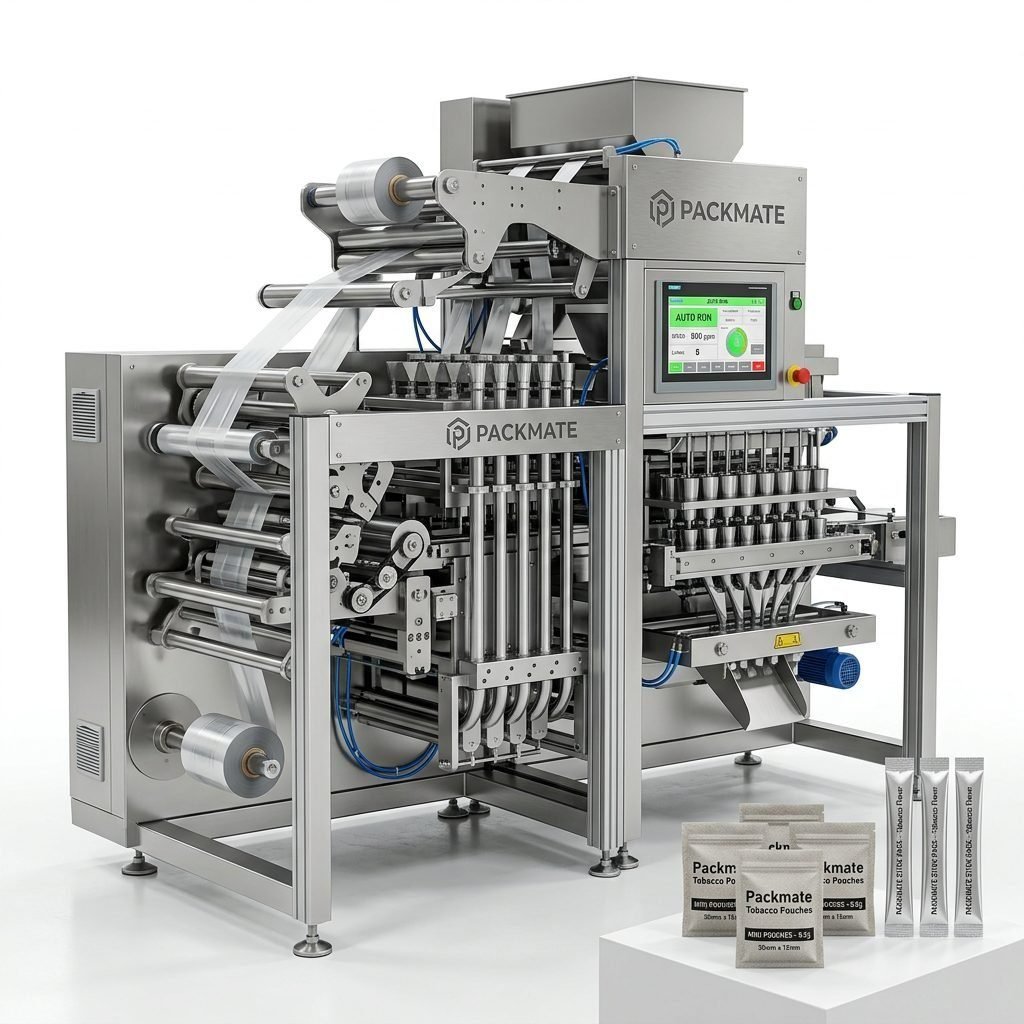
• Sachet & Stick Pack Machines — high-speed, multi-lane options for stick or sachet formats.
• Weighing & Packaging Systems — for accurate dosing of powders and blends.
Filling & Dosing Technologies
Reliable filling is the foundation of consistent product quality. Depending on material type — powder, granule, or micro-pellet — you may deploy multi-head weighers, auger fillers, or vibratory dosing modules. For nicotine pouch production, precision micro-dosing with low variation is essential to meet regulatory labeling and portion uniformity.
Forming, Sealing and Pouch Handling
Pouch forming technologies can be vertical or horizontal; multi-lane rotary platforms accelerate output while preserving sealing consistency. Key parameters to monitor are sealing temperature, dwell time, and film tension. Inline quality cameras and leak-detection systems reduce waste and ensure each pouch meets acceptance criteria.
⚠️ Critical performance factors: consistent dose weight, accurate film registration, and robust sealing are non-negotiable for a compliant snus line. Strong process control reduces rejects and downstream downtime.
Typical Process Flow: From Raw Material to Packed Cases
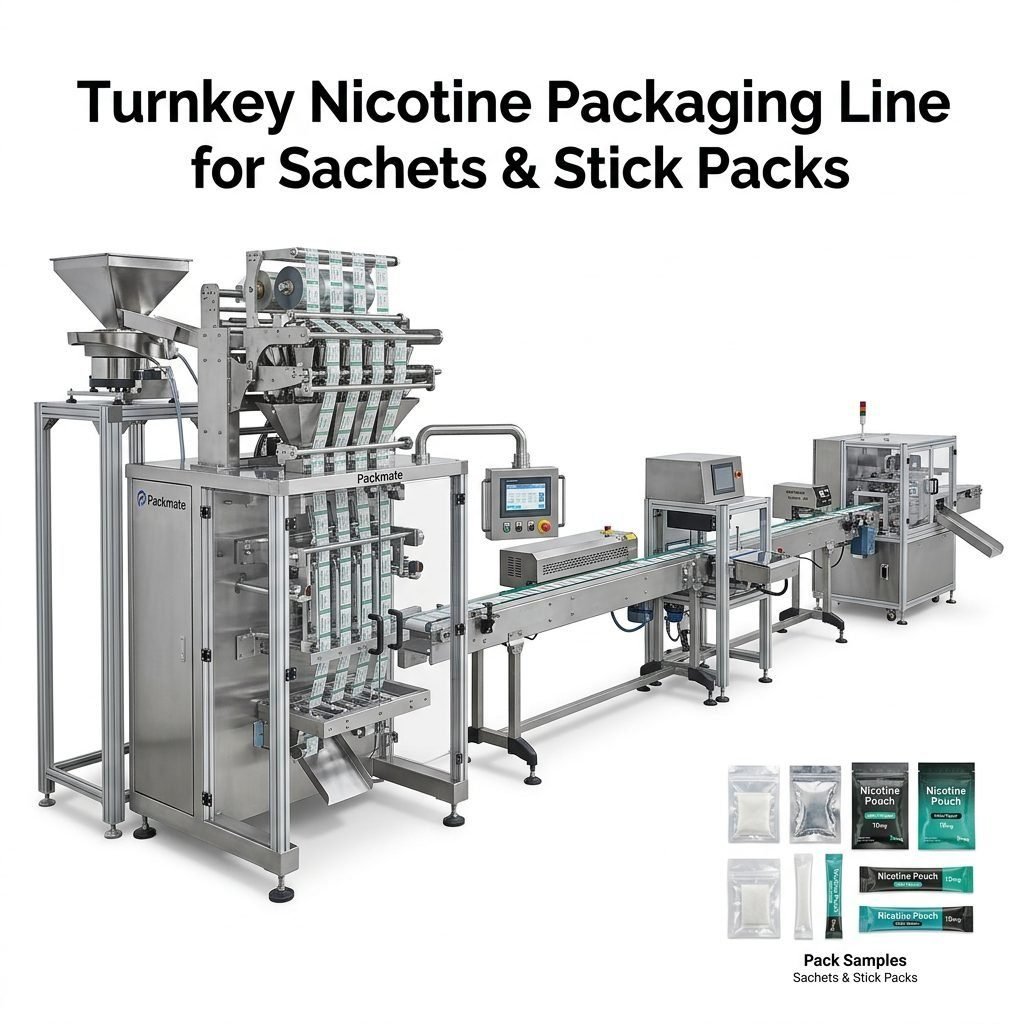
The production flow for a snus line follows a logical progression: raw material preparation, dosing and filling, pouch forming and sealing, secondary packaging (cartoning or flow-wrap), and palletizing. A controlled material handling plan and synchronized machine speeds deliver the most efficient throughput.
Step-by-step:
1. Raw materials (tobacco blends, nicotine blends, cellulose bases) are prepared and homogenized in blending stations. 2. Dosing modules portion accurate micro-weights into pouch molds or sachet strips. 3. Pouch/stick packaging machines form, fill and seal; visual inspection systems verify pouch integrity. 4. Finished pouches are aggregated into secondary packs or cartons, labeled, and case-sealed. 5. Palletizing and logistics packaging prepare shipments.
Inline Inspection and Traceability
Integrating barcode/QR printing, date coding, and vision inspection ensures traceability and batch control. These elements enable swift recalls and facilitate compliance with regional tobacco and nicotine regulations. Consider modular add-ons for serialization if needed.
Packaging Formats and Custom Solutions
Snus production lines support various finished formats: single-dose pouches, multi-dose cans, sachets, and stick packs. Choosing the right format depends on brand positioning, regulatory constraints, and distribution strategy. Flexible machinery allows rapid format changeovers to support seasonal SKUs or test-market runs.
📌 Packaging options to evaluate:
• Sachets and stick packs for single-use convenience.
• Multi-lane pouch systems for high-volume production.
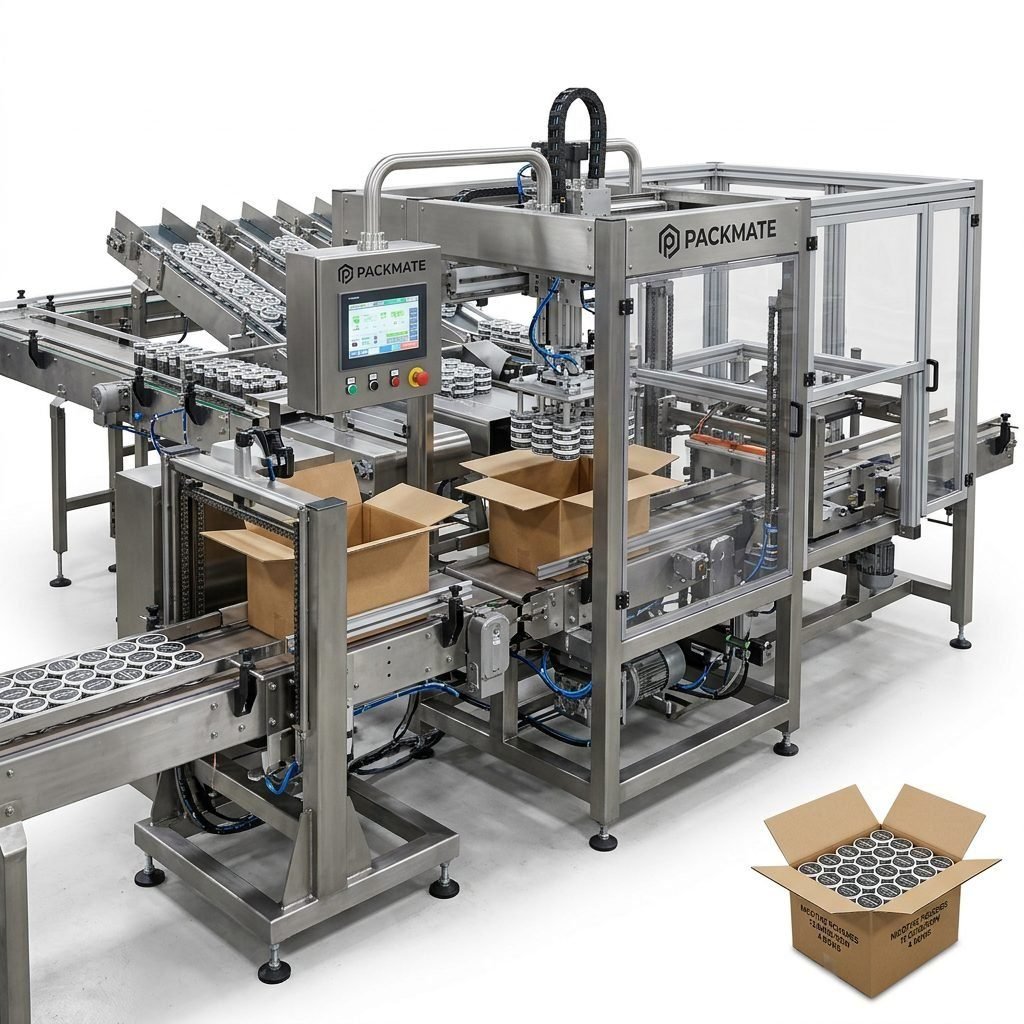
• Secondary carton or retail-ready display solutions for shelf appeal.
Customization and Turnkey Integration
For many brands, a turnkey line—combining filling, primary packaging, and secondary packaging—offers the fastest route to production. Manufacturers with deep industry experience, like Packmate, provide integrated solutions and customization options including multi-lane conversion kits, specialized dosing heads, and robotic pick-and-place systems.
Find turnkey options and modular components on the Filling & Packaging Lines page: Filling & Packaging Lines.
Automation, Controls and Integration
Modern snus lines include PLC control systems, HMI touchscreens, and Industry 4.0-ready communication protocols. Predictive maintenance modules and remote support capabilities reduce downtime and support continuous improvement activities. A well-designed control architecture synchronizes speeds across modules to prevent bottlenecks.
✅ Benefits of integrated automation:
• Reduced manual intervention and contamination risk.
• Stabilized production rates and consistent product quality.
• Easier compliance reporting through digital traceability.
Quality, Certifications and After-Sales Support
Purchasing from a certified manufacturer ensures equipment meets international safety and performance standards. Packmate’s machines typically comply with CE and ISO norms and the company offers comprehensive after-sales services including installation, training, spare parts, and long-term maintenance contracts.
To review credentials and global presence, see the About Packmate and Certificate pages: About Packmate • Certificate.
Factory Capabilities and Manufacturing Strength
A robust manufacturing base with CNC machining centers and precision assembly lines ensures repeatable quality and delivery assurance. Packmate’s 20,000㎡ facility and long history of machine development contribute to stable lead times and the ability to produce customized models.
Global Cases, Exhibitions and Customer Success
Real-world installations across Europe, Asia, and the Americas demonstrate scalable performance of modern snus lines. Customers often choose multi-lane systems to meet surge demand while reducing footprint. To explore case studies and exhibition appearances, visit: Case • Our Exhibition.
Buying Considerations and ROI
When evaluating suppliers, consider total cost of ownership (TCO) rather than purchase price alone. Key metrics include throughput per line, yield (reject rate), maintenance intervals, energy consumption, and the flexibility to handle multiple SKUs. Multi-lane investments often pay back faster when demand justifies higher output with limited labor increases.
💡 Quick ROI checklist:
• Expected production hours and annual throughput.
• Changeover time between SKUs.
• Spare parts availability and service response time.
Maintenance, Spare Parts and Training
A preventative maintenance plan and onsite training reduce unplanned downtime. Stock critical spare parts such as sealing jaws, dosing screws, and PLC modules. Many suppliers provide remote diagnostics to troubleshoot issues quickly and to optimize performance between scheduled visits.
Service & Support Channels
Establish a clear SLA for installation, commissioning, and ongoing support. For direct inquiries and service requests, consult the Contact page to connect with factory support: Contact Us.
Conclusion
Investing in an automatic snus production line requires a balanced view of equipment capabilities, process control, regulatory compliance, and supplier competence. Focus on precision dosing, robust sealing systems, and integrated inspection to deliver consistent product quality. Partnering with an experienced manufacturer that provides turnkey solutions, global service, and factory provenance can shorten time-to-market and protect operational uptime.
Frequently Asked Questions
Q1: What production speeds can a multi-lane snus machine achieve?
A: Throughput depends on lane count and pouch format; multi-lane rotary systems commonly reach tens to hundreds of thousands of pouches per shift. Exact figures require specification of lane numbers and pack dimensions.
Q2: How are dosing accuracy and portion consistency guaranteed?
A: By selecting the proper dosing technology (multi-head weighers, precision auger dosing), implementing inline check-weighers, and maintaining strict calibration and material flow control.
Q3: What certifications should I expect from a reputable supplier?
A: CE and ISO certifications are standard for international equipment suppliers. Request documentation and factory inspection reports to verify compliance.
Q4: Can I get a turnkey line including secondary packaging and case-packing?
A: Yes. Many manufacturers supply integrated solutions that combine filling, primary pouch packing, cartoning, and case-packing with robotic palletizing options.
Q5: How do I start the procurement process?
A: Prepare product specifications, desired throughput, and packaging formats. Contact the supplier with these details for a tailored proposal and site layout planning.