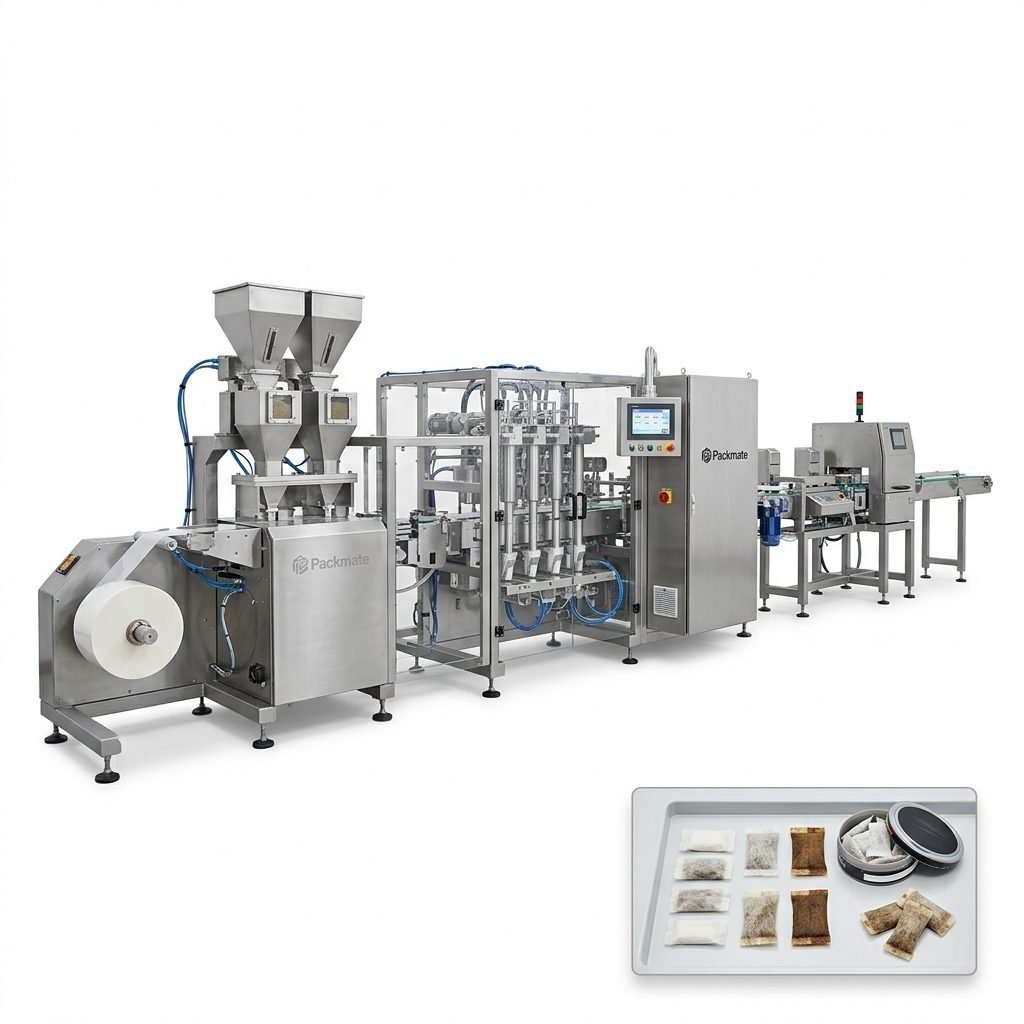
The Myanmar market is moving quickly as local demand for convenience nicotine products and snus-style pouches grows. If you are planning to start or expand a snus production line in Myanmar, selecting the right packaging machinery is one of the most important strategic decisions you will make. Below is a practical, trade-focused guide that helps manufacturers, packagers and investors evaluate and choose the best snus packaging machinery for their business needs.
Understand the Myanmar Market & Regulatory Environment
Before buying any machine, assess the local regulatory framework for nicotine products and consumer packaging in Myanmar. Compliance requirements influence pack sizes, labeling, child-proofing and documentation. Engaging a local regulatory advisor or a supplier experienced in export compliance will reduce the risk of costly rework.
Quick tip: Document local labeling rules and keep a compliance checklist near procurement so machine specifications (e.g., print stations or label applicators) match regulatory needs.
Choose the Right Packaging Format for Your Product
Snus and nicotine pouches come in many formats: single-dose pouches, stick packs, sachets, multi-pouch trays and retail-ready bags. Each format requires different machinery types and line configurations.
Common machine types
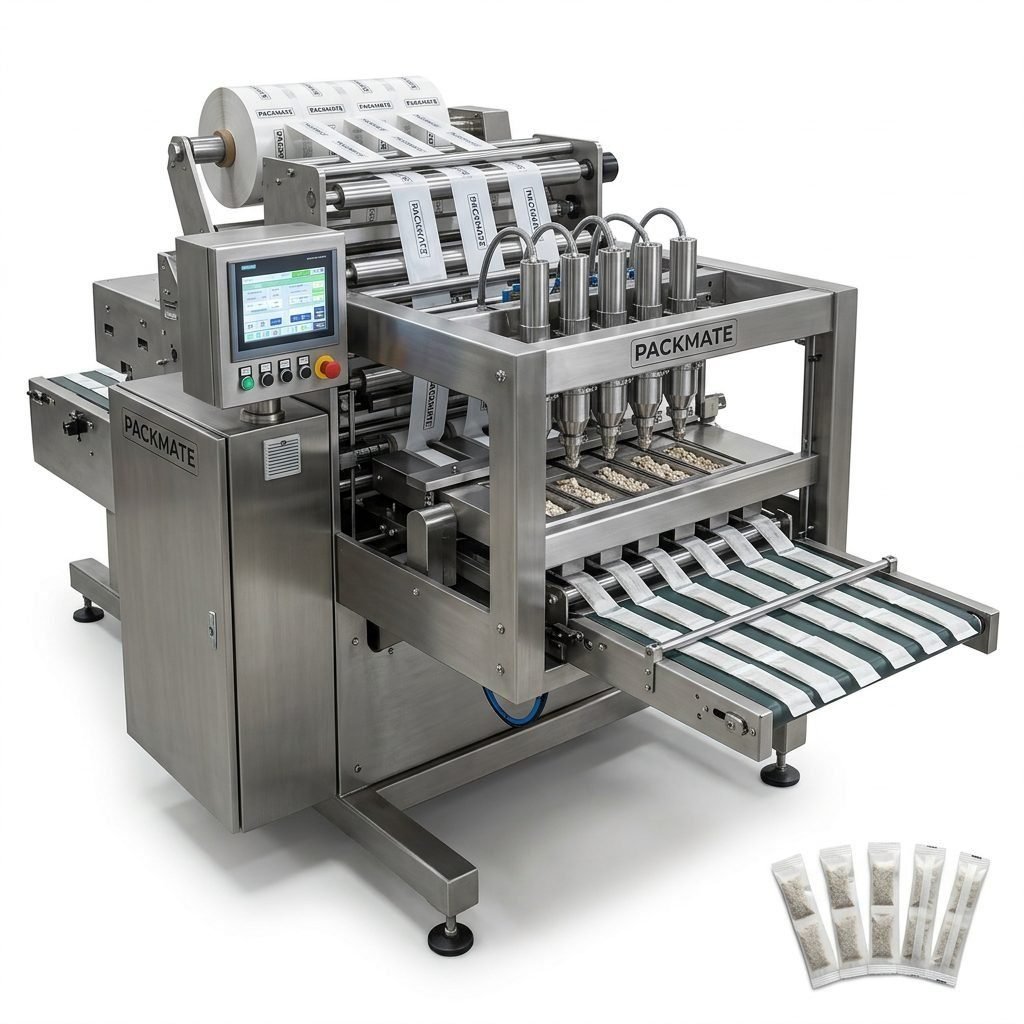
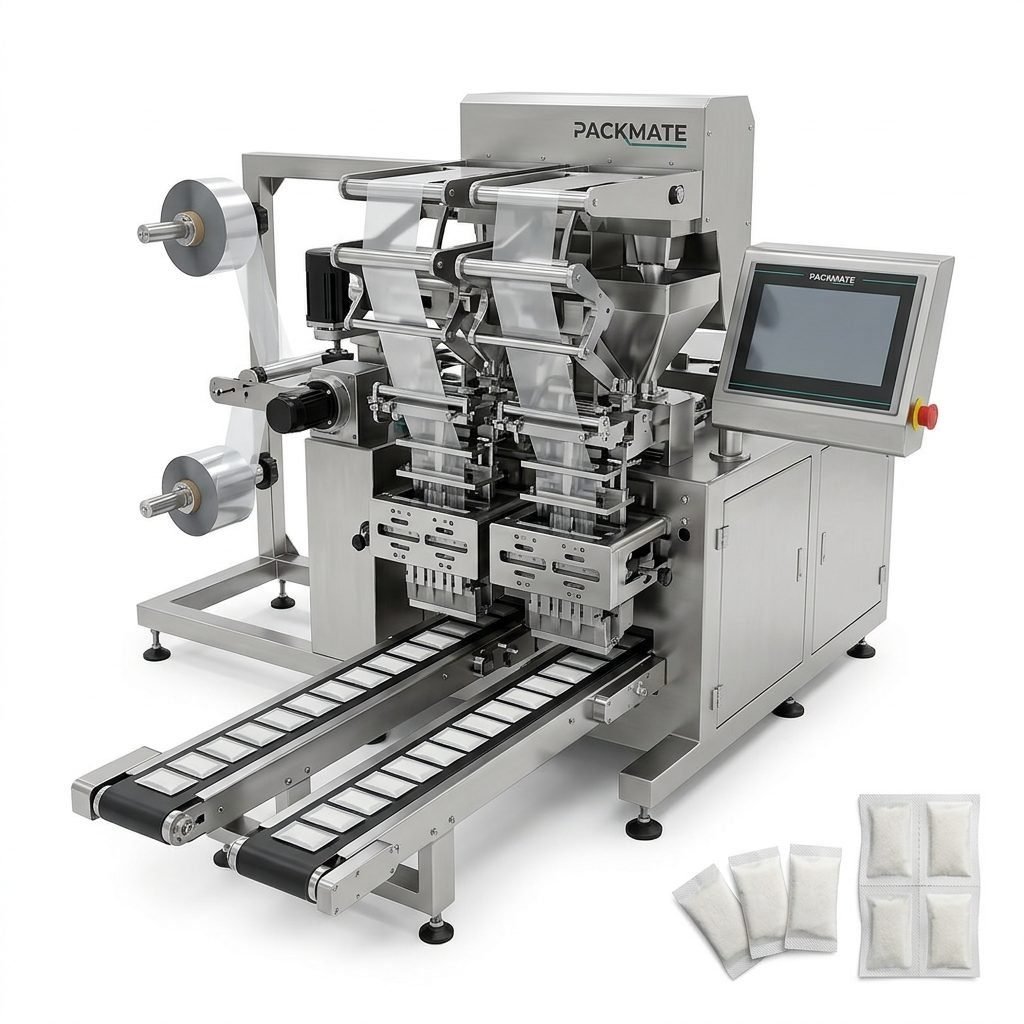
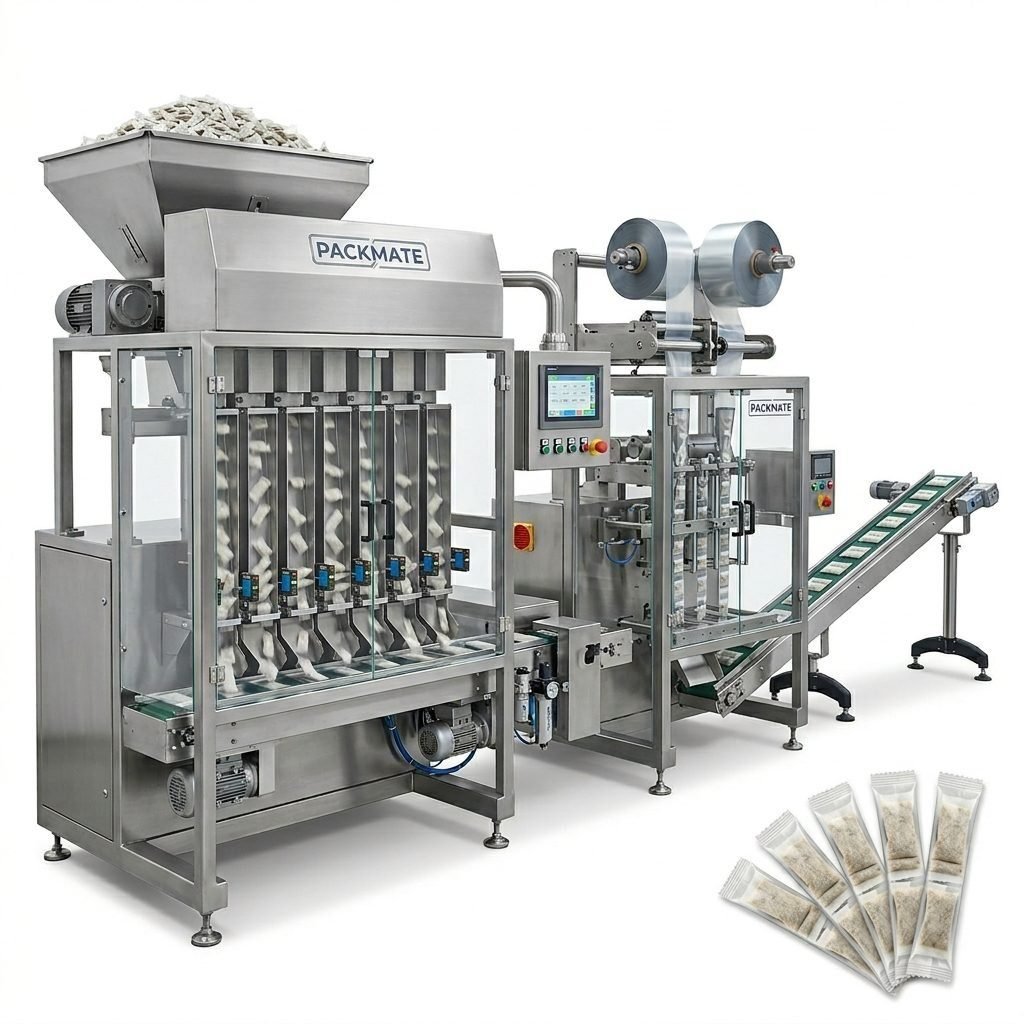
– Stick pack and sachet machines are flexible for single-dose pouches.
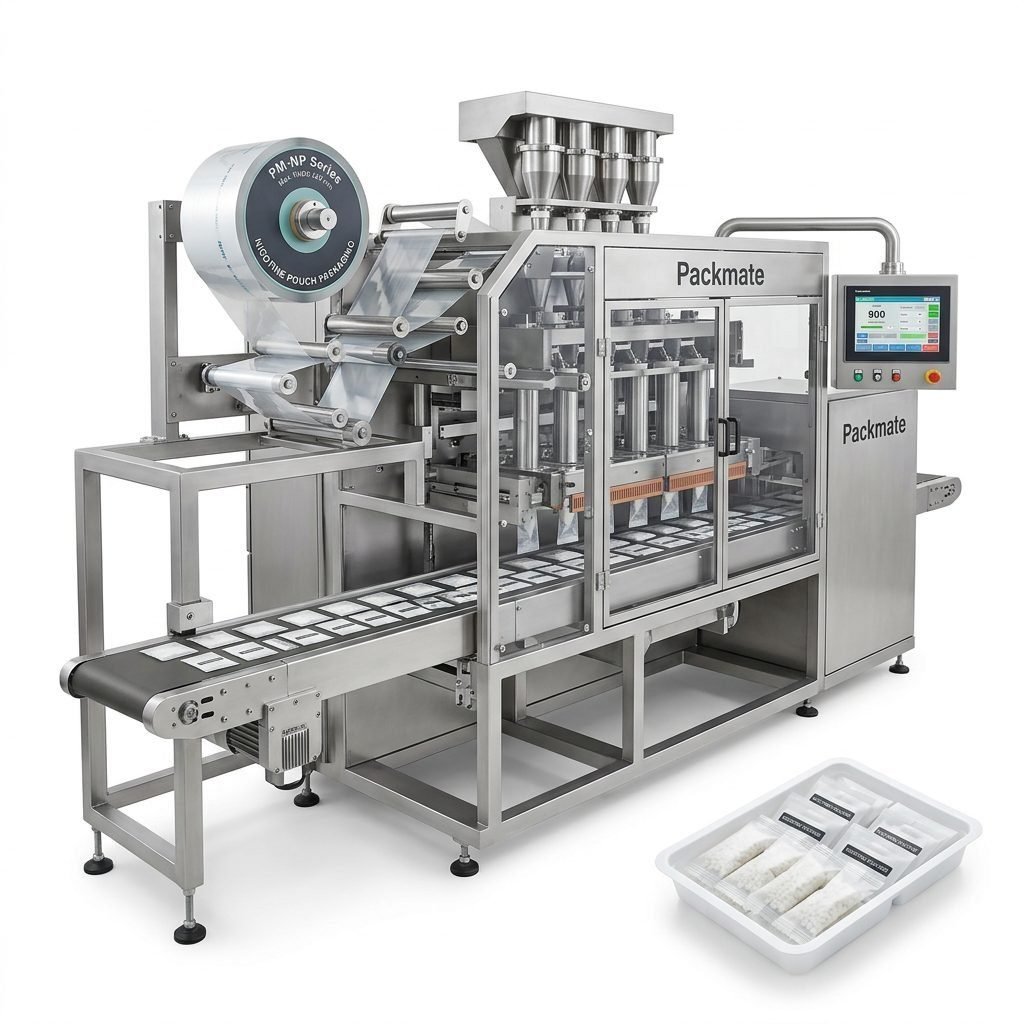
– Multi-lane pouch machines increase throughput for small-dose nicotine pouches.
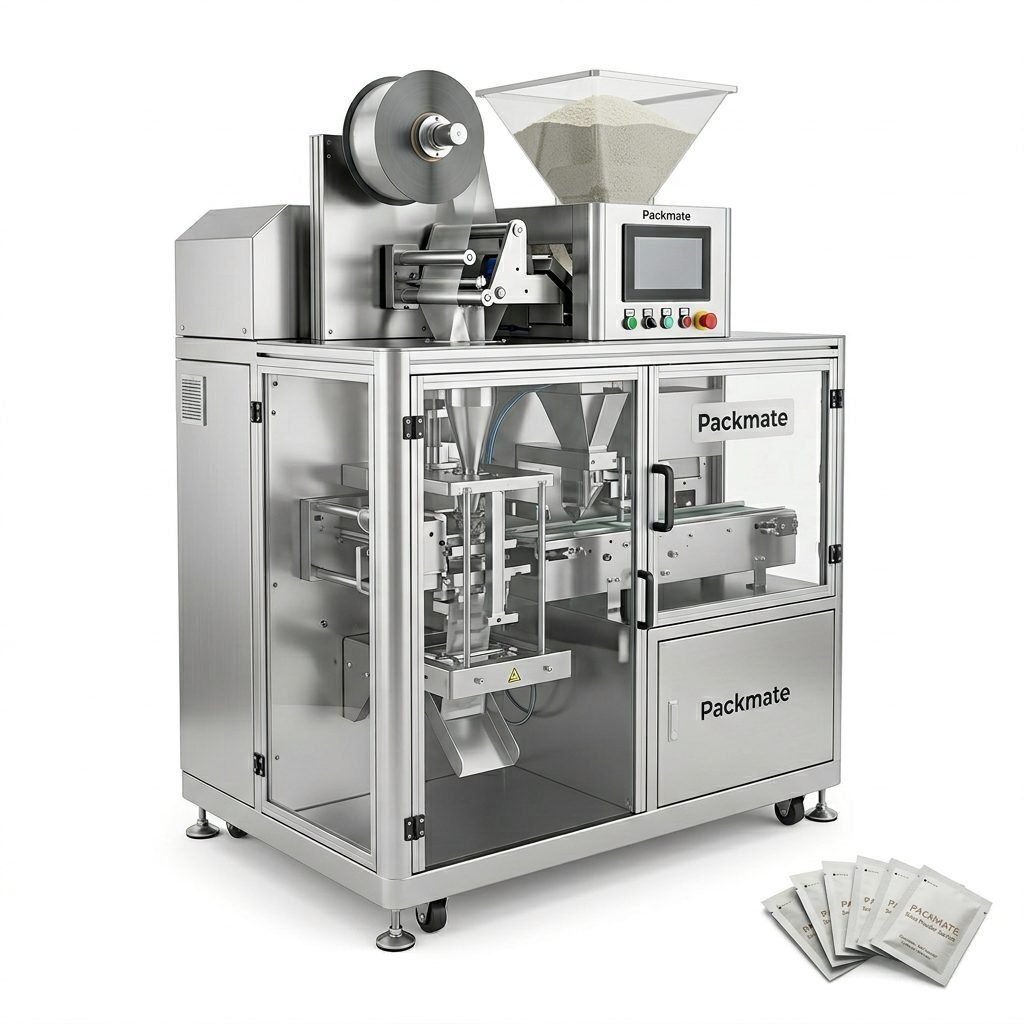
– Bag and pouch machines are suitable for bulk retail packs or refill bags.
– Weighing & dosing systems are critical when your product is powdered or granular.
Explore validated product pages to match formats: Snus & Nicotine Packaging Machines, Sachet & Stick Pack Machines, and Bag & Pouch Packaging Machines.
Assess Production Capacity & Line Speed
Determine your required daily output and choose a machine or multi-lane system that meets that capacity with room to grow. For example, small startups may opt for single-lane sachet machines, while established operations often prefer multi-lane stick pack lines to reach high CPM (cases per minute).
Capacity rule: Choose machines with 20–30% headroom over your forecasted peak output to accommodate maintenance and growth.
Evaluate Technical Features & Customization
Key technical features include filling accuracy, sealing quality, material compatibility (e.g., heat-seal films, paper-based pouches), print and coding options, and integration with weighing or feeding systems. If you plan to run multiple SKUs, look for quick-change tooling and recipe memory.
Important specifications
– Dosing accuracy (critical for nicotine content control).
– Cycle speed and multi-lane options (for scalability).
– Servo-driven controls and PLC with HMI for easy operation.
– Materials contact parts in stainless steel (SUS304/SUS316) for hygiene.
– Optional inline metal detectors or checkweighers for QA.
Quality, Certifications & Supplier Reputation
A supplier with strong manufacturing capability, certifications and global experience reduces supply chain risk. Prefer vendors with CE/ISO certifications and a clear history of delivering turnkey lines. For an experienced partner in snus machinery, review the manufacturer’s background and factory capability.
You can learn more about factory strength and company history on the manufacturer’s page: About Packmate.
Questions to ask prospective suppliers
– Can you provide CE, ISO and performance test certificates?
– Do you offer onsite commissioning and operator training in Myanmar?
– What is the lead time for spare parts and machine servicing?
– Can the machine be customized for my specific pouch dimensions and materials?
After-sales Support, Spare Parts & Local Service
The availability of spare parts, remote diagnostics, and onsite technical support is crucial. Ask about guaranteed response times, training programs and long-term maintenance contracts. Many global suppliers now offer remote troubleshooting and spare parts kits shipped internationally.
For service options and support plans, see typical offerings on the manufacturer’s service portal: Service.
Total Cost of Ownership & Return on Investment
Do not focus solely on purchase price. Calculate total cost of ownership (TCO) including shipping, installation, operator training, spare parts, energy consumption, film/packaging material compatibility and expected uptime. Estimate ROI by comparing labor savings, reduced waste and improved throughput.
ROI checklist: Include film cost per pouch, expected scrap rate, operator hours saved, and expected production uptime.
Installation, Training & Validation
Proper installation and staff training are essential. Choose suppliers who provide factory acceptance testing (FAT), on-site commissioning (SAT) and operator training. For nicotine products, process validation and production records are also necessary for regulatory inspection readiness.
Local Supply Chain & Spare Parts Logistics in Myanmar
Confirm how spare parts will be shipped and the expected delivery times. Establish a parts inventory for critical wear items like belts, seals and dosing pistons to avoid extended downtime. Prefer suppliers with global logistics experience and local partners or agents in Southeast Asia.
Real-World Case & Demonstration
Ask your supplier for case studies and references in similar markets. Visiting an exhibition or watching a live machine demo can provide valuable insight. See examples of delivered lines and cases here: Case and check upcoming events on Our Exhibition.
Practical Buying Checklist
Confirm regulatory compliance and labeling requirements.
Verify capacity, multi-lane options and headroom.
Ensure spare parts availability and local technical support.
Ask for FAT/SAT, training, and warranty terms in writing.
How Packmate Can Help Your Myanmar Project
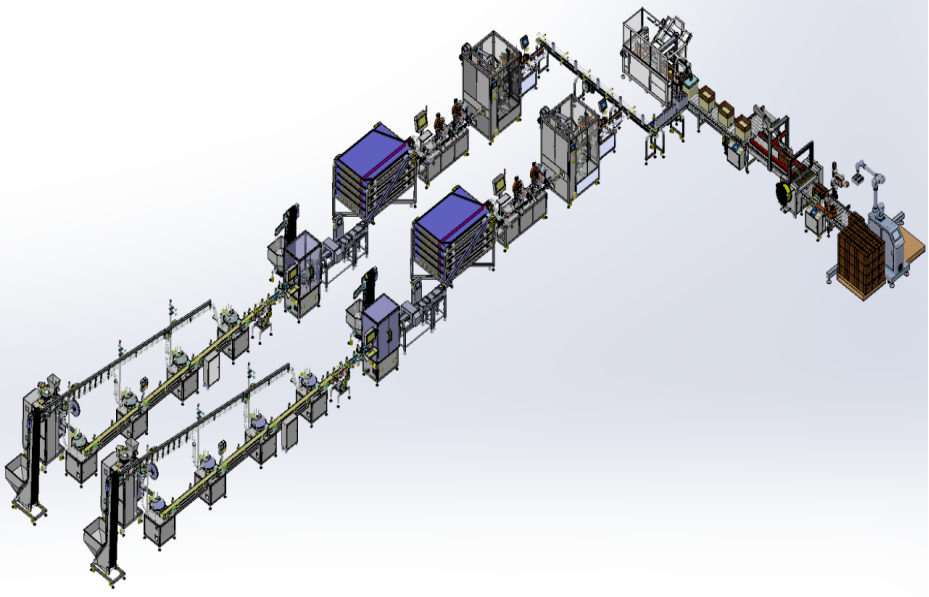
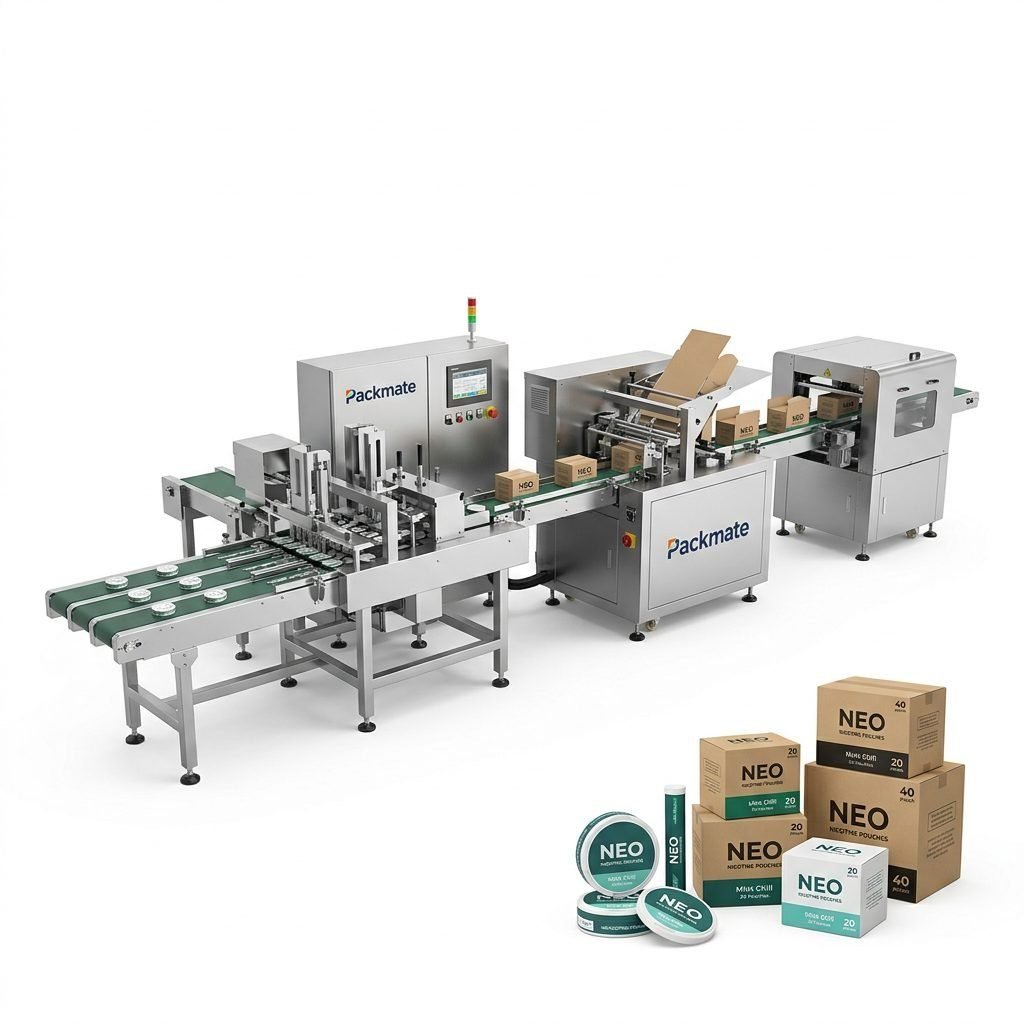
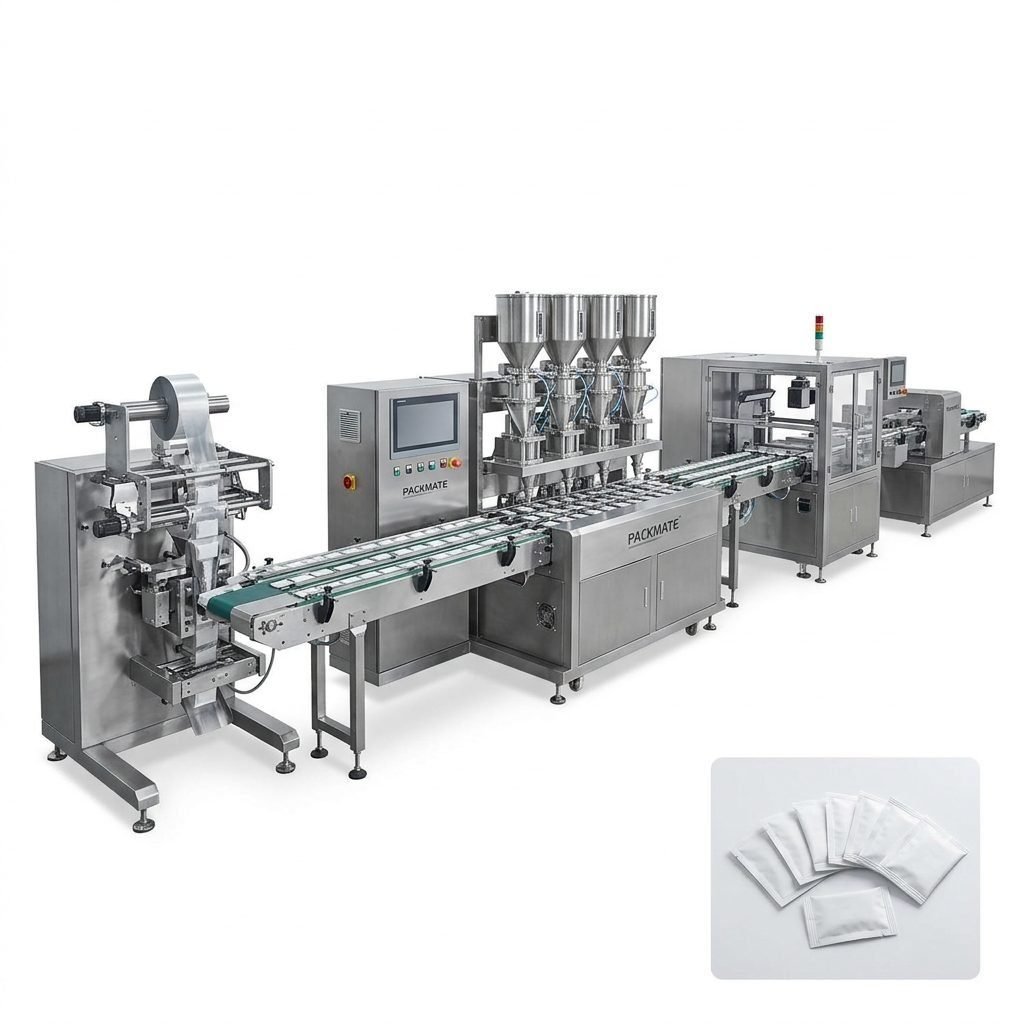
With decades of engineering experience and a wide portfolio including specialized snus machines, Packmate offers turnkey solutions from filling systems to multi-lane sachet and stick pack lines. Their factory capabilities, test reports and global service network make them a reliable partner for projects in Myanmar.
Explore product families such as Filling & Packaging Lines and Weighing & Packaging Systems to see complete line options.
Final Steps Before Purchase
– Arrange a factory visit or a video FAT.
– Request references in similar markets.
– Negotiate warranty, commissioning and spare parts terms.
– Plan a phased ramp-up with operator training and validation runs.
Contact & Next Action
When you are ready to discuss specifications, or to request a quote and timeline, contact the supplier directly through their contact page: Contact Us.
Frequently Asked Questions
Q1: What machine type is best for a startup in Myanmar?
A1: For small production runs, a single-lane stick pack or sachet machine is cost-effective. As demand grows, consider multi-lane systems for higher throughput.
Q2: How important is certification like CE/ISO for snus packaging machinery?
A2: Very important — certifications indicate adherence to safety and quality standards and simplify import and acceptance in regulated markets.
Q3: How quickly can I get spare parts in Myanmar?
A3: Lead times depend on the supplier. Confirm local stock options or estimated international shipping times before purchase; keep a critical spare parts kit on site.
Q4: Can machines handle different pouch materials?
A4: Yes, but verify compatibility. Machines with adjustable sealing temperature, pressure and tooling allow more flexibility for films, laminates and paper-based materials.
Q5: Where can I see reliable machine references and case studies?
A5: Review supplier case pages and exhibition demos. For example, Packmate publishes case studies and exhibition activity to demonstrate real-world machine performance.