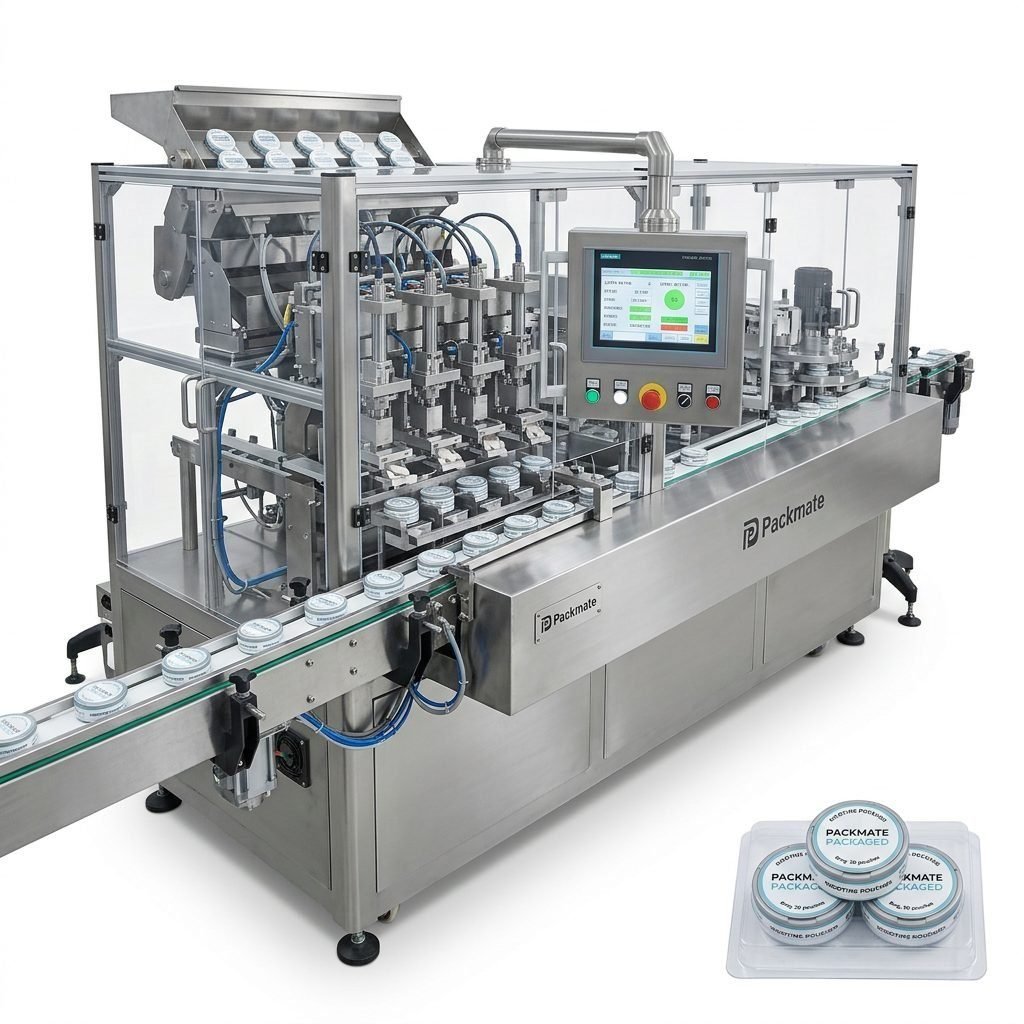
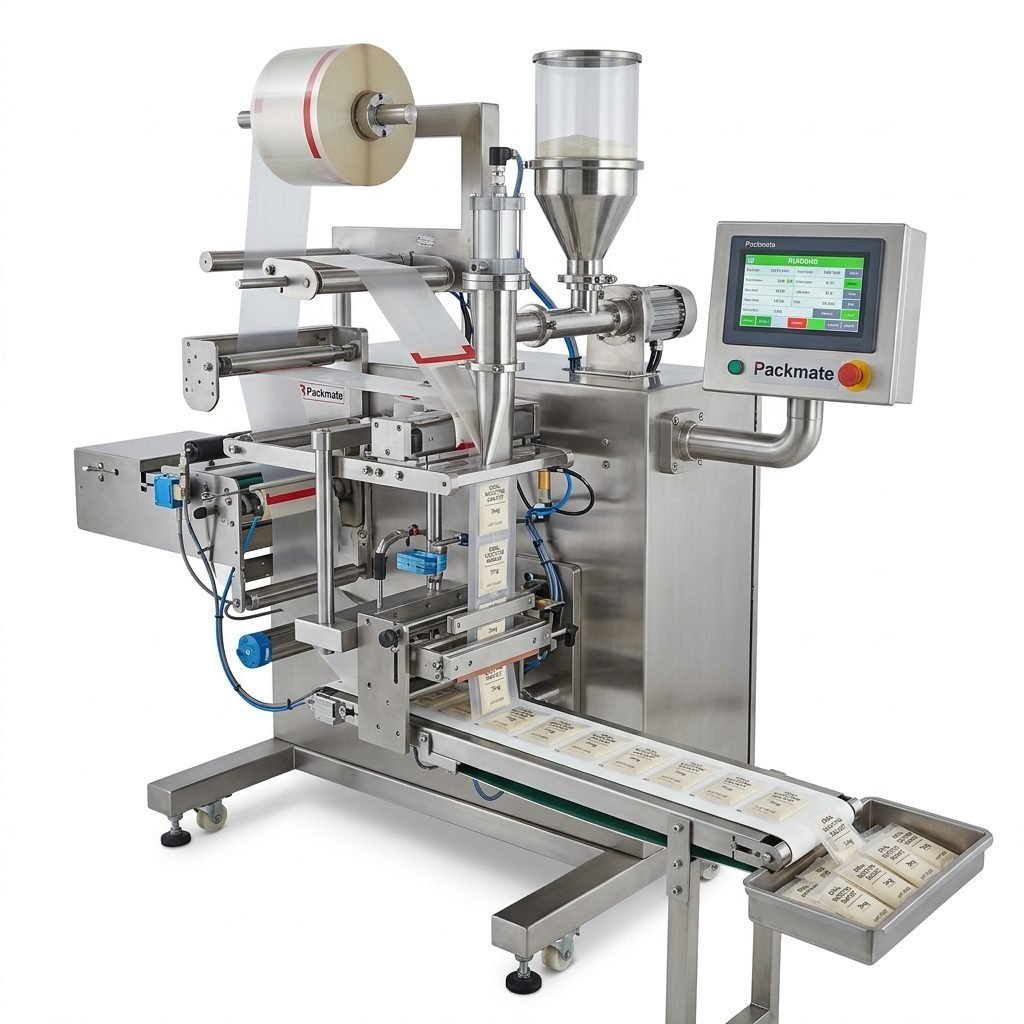
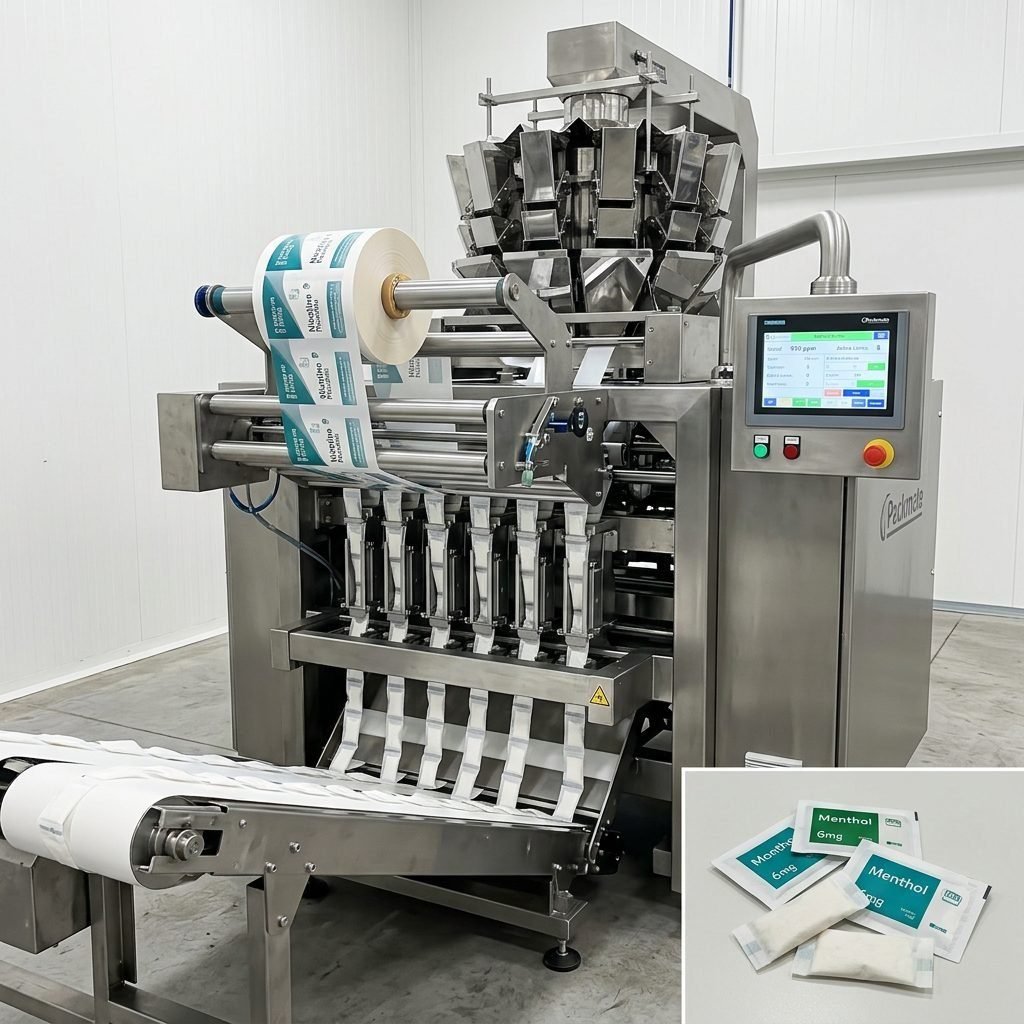
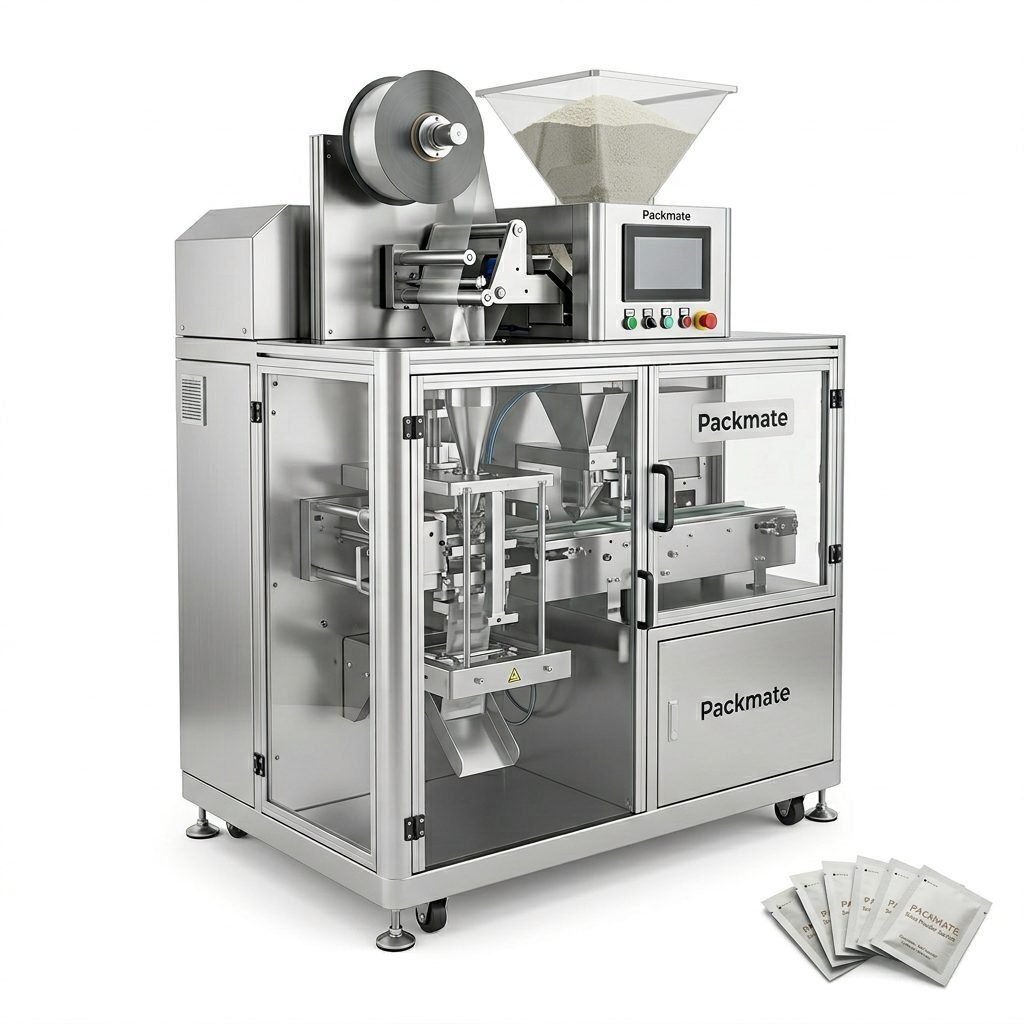
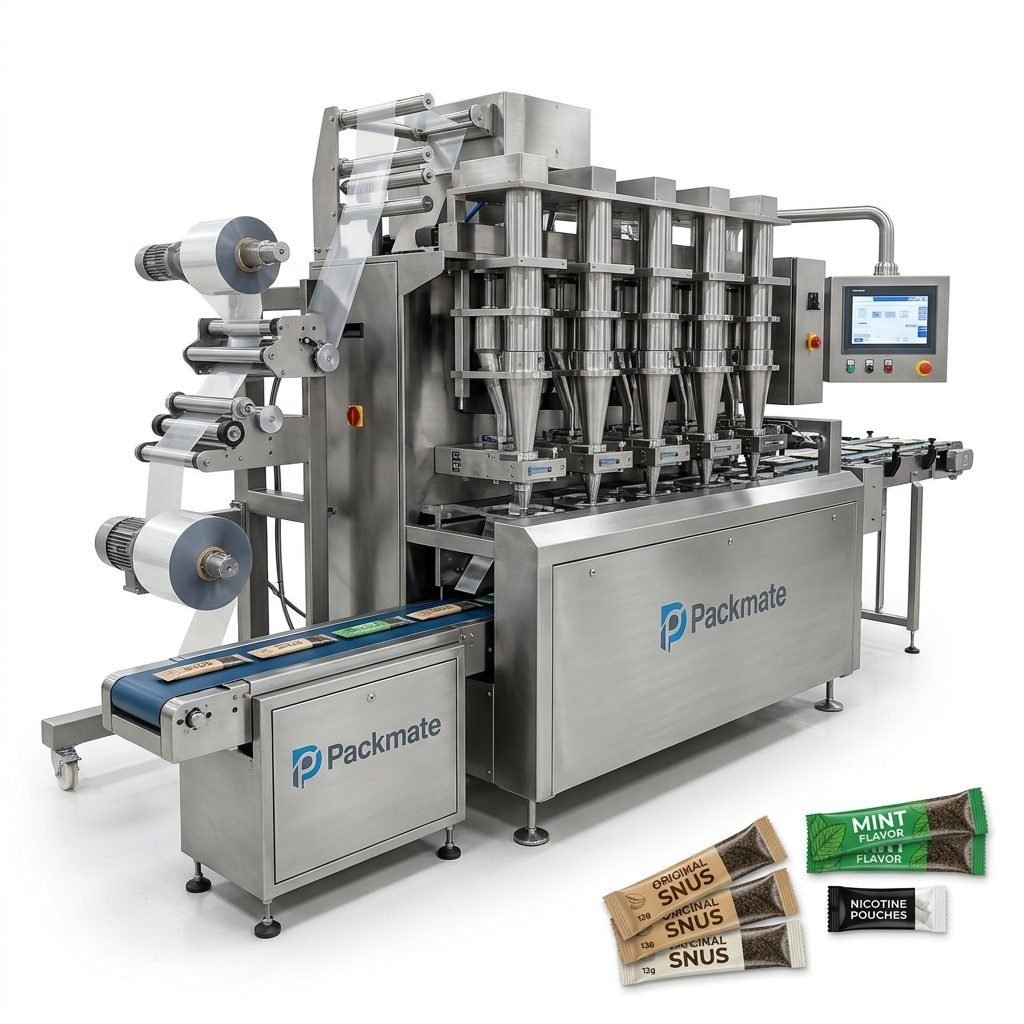
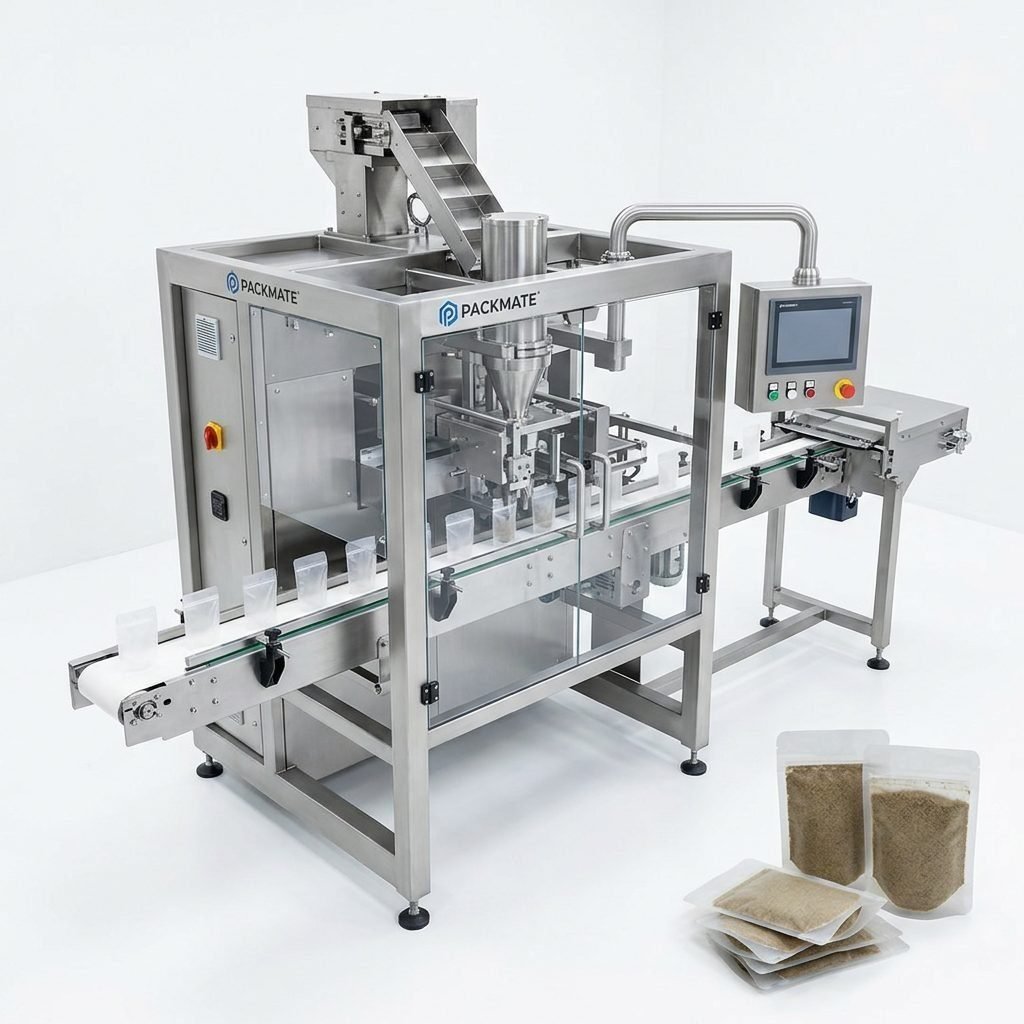
Choosing the right snus packaging machine in Belarus requires a balance of technical knowledge, practical business planning, and an understanding of the local market. This guide walks you step-by-step through machine types, selection criteria, technical specifications, supplier evaluation, and ROI considerations so you can confidently choose a high-performance snus or nicotine pouch packaging solution.
📦 Why Packaging Matters for Snus and Nicotine Pouches
Packaging for snus and nicotine pouches is not just cosmetic: it protects product integrity, controls dosing accuracy, meets regulatory labeling requirements, and impacts production cost per unit. A machine that seals, fills, and labels consistently reduces waste, lowers labor input, and improves compliance — all crucial in regulated markets like Belarus and the wider EU/EEA trading environment.
⚙️ Key Packaging Formats
Snus and nicotine pouches are commonly packaged in a few standard formats. Selecting the right machine starts with knowing which format your brand requires:
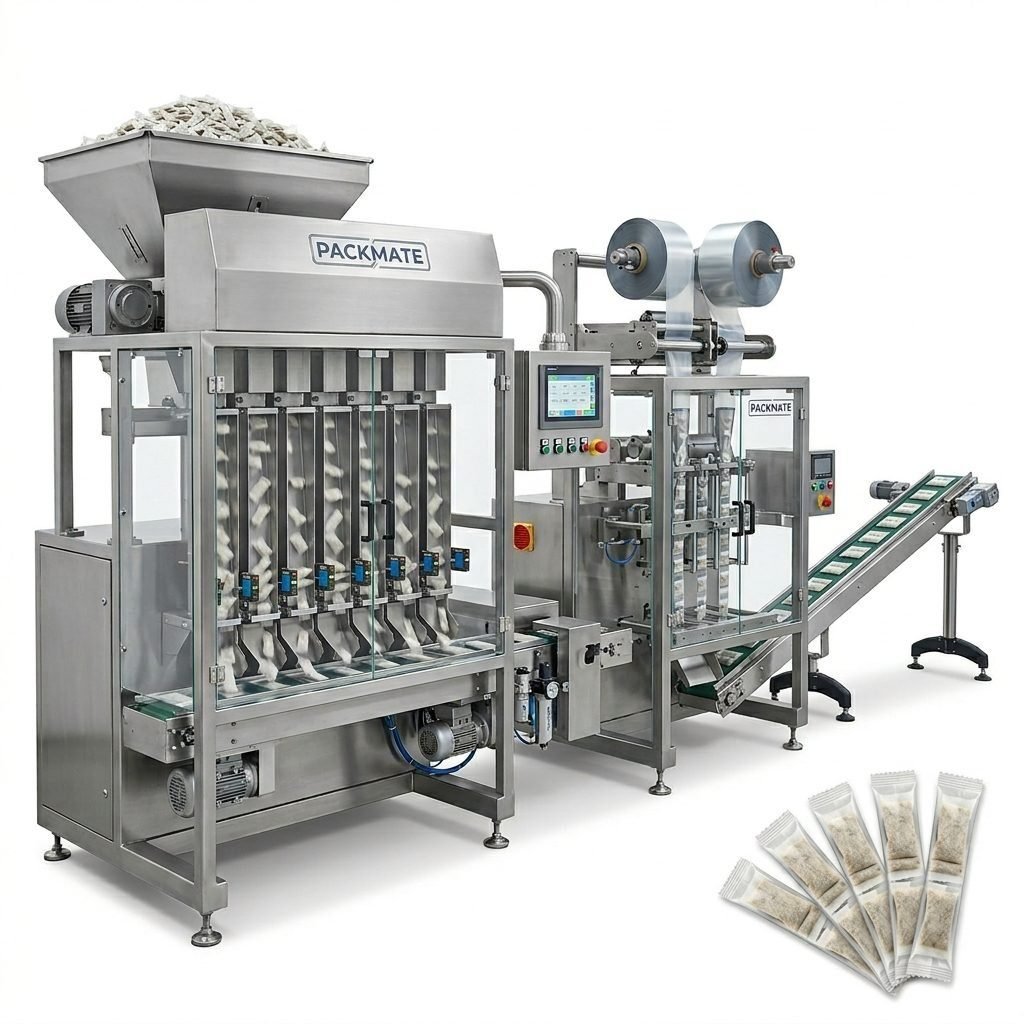
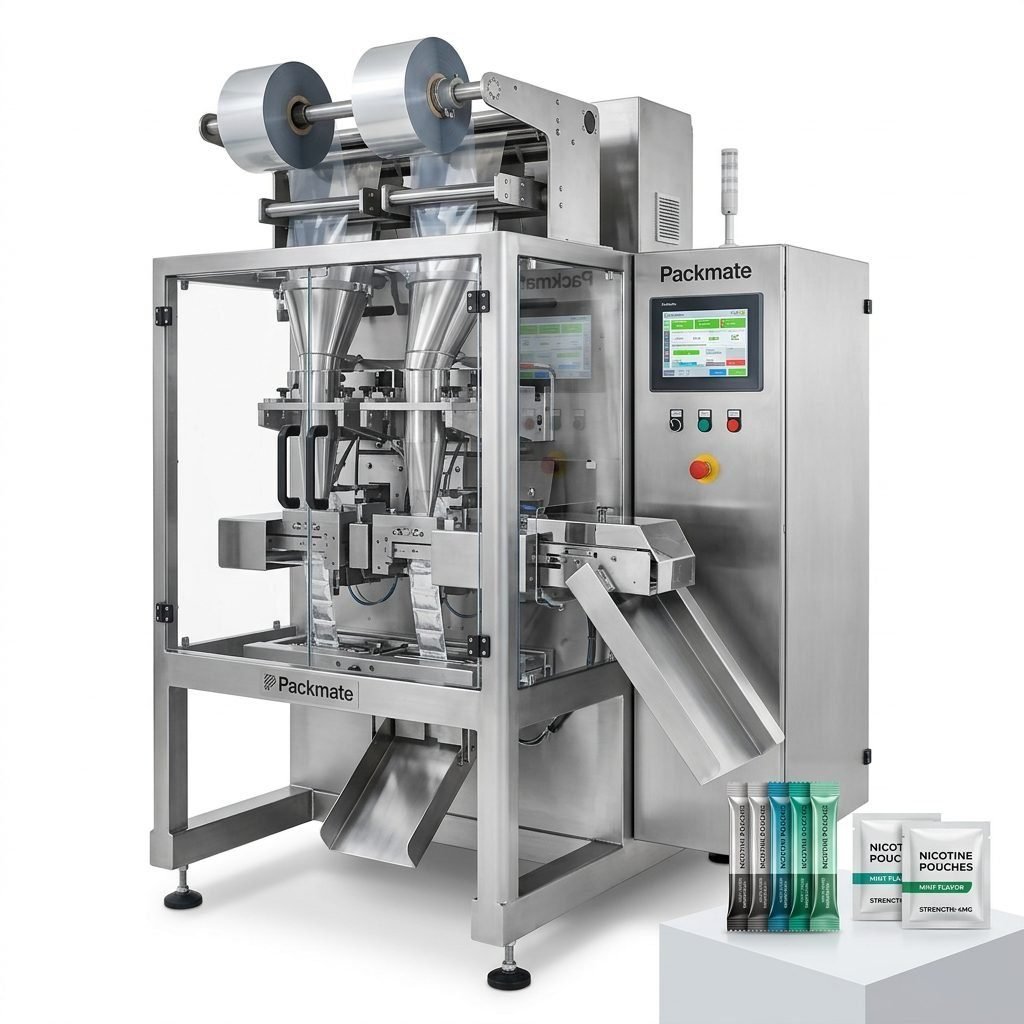
Stick Pack Machines — ideal for single-dose sachets, fast output for small-dose products, compact footprint.
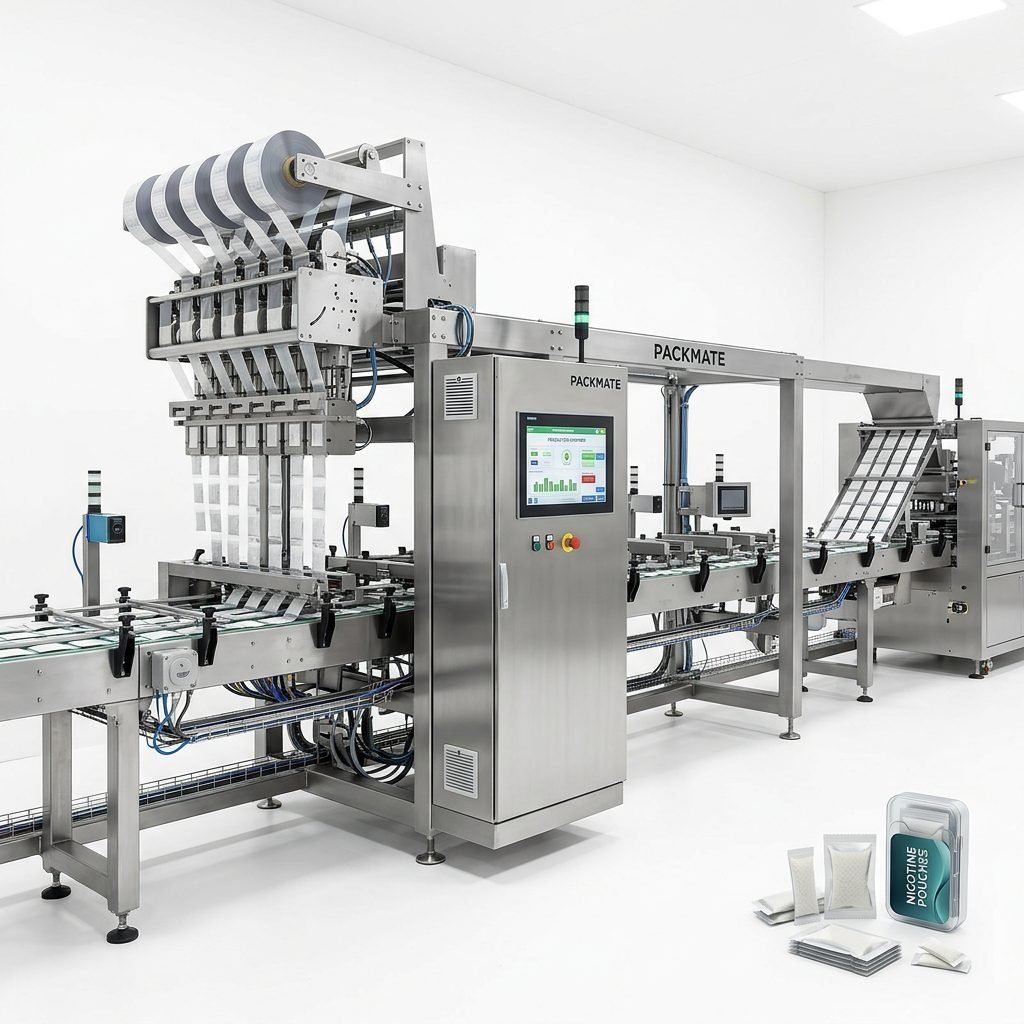
Sachet & Multi-Lane Machines — suitable for higher throughput and multi-lane operation, commonly used by brands scaling production.
Custom Pouch Systems — for bespoke shapes, resealable pouches or premium packaging options; often require more versatile equipment.
🔎 Top Selection Criteria for Belarus Buyers
When evaluating machines and suppliers, prioritize these practical criteria. Each point will affect production stability, regulatory compliance, and total cost of ownership.
1. Throughput & Scalability
Match machine speed (pieces/min or pouches/min) to your forecasted demand. Choose systems that allow lane expansion or modular upgrades — multi-lane solutions increase production flexibility for growing brands.
2. Filling Accuracy & Dose Control
Accurate filling minimizes product giveaway and ensures compliance with nicotine dose claims. Look for advanced weighing systems, synchronized feeders, and repeatable dosing technology.
3. Material Compatibility & Changeover
Verify compatibility with pouch films, laminates, paper foils, or biodegradable materials. Quick-change tooling reduces downtime when switching SKUs — a must for diversified product lines.
4. Cleanability & Maintenance
Hygiene-friendly design, tool-less access, and minimal crevices speed cleaning and maintenance. Consider spare-part availability and simplicity of preventive maintenance tasks for local technicians.
✅ Regulatory Compliance — ensure the machine supports labeling, traceability integration, and hygienic standards required for nicotine products.
📐 Technical Specifications to Verify
Ask suppliers for detailed spec sheets and test data. The following technical points should be non-negotiable when you compare models.
- Machine dimensions & factory footprint — plan for conveyors, maintenance access and operator zones.
- Electrical & pneumatic requirements — ensure compatibility with Belarus factory utilities.
- Cycle rate performance measured on your product — not just generic test material.
- Material waste rates, average downtime, and MTBF (mean time between failures).
- Integration points for vision systems, checkweighers, metal detectors, and labeling machines.
🏭 Why Choose a Manufacturer Like Packmate
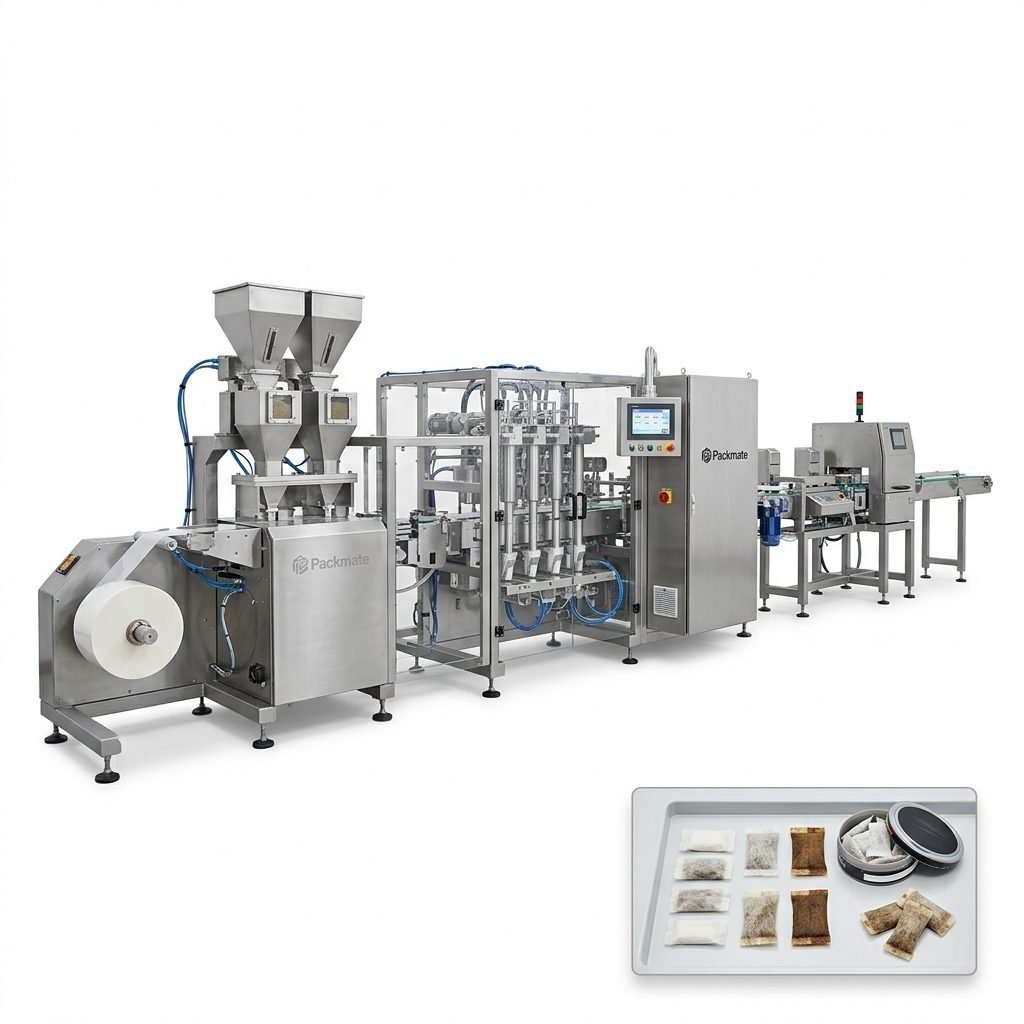
Suppliers with deep industry experience and complete factory capabilities reduce procurement risk. Packmate Snus Machine has over 30 years of engineering experience, a 20,000㎡ manufacturing base, and a range of specialized snus packaging solutions designed for nicotine pouches, stick packs and multi-lane systems.
Learn more about product lines and capabilities:
Snus & Nicotine Packaging Machines,
Sachet & Stick Pack Machines, and
About Packmate.
Factory Strengths: Advanced CNC machining, precision assembly lines, and ISO/CE certifications help ensure machine reliability and consistent delivery.
🧾 Installation, Validation & After-Sales Support
A strong after-sales package includes on-site installation, commissioning, operator training, spare parts kits, and remote troubleshooting. Confirm lead times for spare parts and whether the supplier provides local service partners in Belarus or nearby regions.
Service & Warranty
Check warranty terms, typical response times, and options for extended service contracts. A reputable manufacturer provides documentation—SOPs, maintenance schedules, and machine manuals—to shorten ramp-up time.
💸 Cost Considerations & ROI
Upfront cost is only one component. Model a conservative ROI based on:
- Equipment price, installation & freight.
- Operational costs: energy, film, maintenance, and labor.
- Yield improvements and reduced giveaway from precision dosing.
- Revenue gains from increased capacity and faster time-to-market for new SKUs.
Tip: Run a pilot production forecast comparing current manual or semi-automatic costs to machine-assisted production to quantify payback period.
🧭 Supplier Evaluation Checklist
Use this checklist during meetings or factory visits to ensure you pick the right partner.
🔎 Ask for machine demos on your product or a close analog.
📁 Request references and case studies — look at customers in similar regulatory environments. See examples at Case.
🧩 Confirm spare parts list and lead times, and whether critical spares are available locally.
📅 Clarify delivery, installation schedule, and training programs. View exhibition presence at Our Exhibition.
⚠️ Common Pitfalls and Practical Tips
Avoid common mistakes that can derail an equipment investment:
- Buying by price alone — cheaper machines often cost more in downtime and waste.
- Not testing with actual product and film — lab tests rarely reflect real-world speed or yield.
- Underestimating training needs — skilled operators reduce rejects and machine stress.
- Ignoring local compliance and labeling integration — ensure machine supports traceability and label application.
🔧 Practical On-Site Considerations for Belarus
Account for customs clearance, import duties, and installation logistics. Make sure electrical specifications and compressed air systems meet machine requirements before shipment. If you need direct contact, use Contact Us to arrange pre-shipment checks or commissioning assistance.
Local Support Tip: Negotiate initial spares and on-site training in the purchase agreement to avoid months-long downtime waiting for support.
📈 Next Steps: From Inquiry to Production
1) Define product formats, target throughput and budget. 2) Request machine demos and production trials. 3) Evaluate supplier references and inspect factory capability. 4) Finalize purchase order with clear delivery, installation and warranty terms. 5) Plan operator training and preventive maintenance schedules to ensure smooth ramp-up.
🔗 Useful Resources
For more information on complementary systems such as weighing and filling integration, check the Weighing & Packaging Systems and Filling & Packaging Lines. For auxiliary equipment options see Auxiliary Packaging Equipment.
Conclusion
Selecting the best snus packaging machine in Belarus is a strategic decision that impacts product quality, regulatory compliance, and overall profitability. Prioritize real-product testing, robust supplier support, modular scalability, and transparent warranty and spare-part terms. By following a structured evaluation and partnering with an experienced manufacturer, you can minimize risk and accelerate reliable production.
Frequently Asked Questions
Q1: What machine type is best for small-batch snus testing?
For small batches, single-lane stick pack or sachet machines with quick tooling changeovers are ideal — they minimize material use and speed up SKU testing.
Q2: How important is multi-lane capability?
Multi-lane systems enable much higher throughput without proportionally increasing factory footprint. They are essential when growing production volumes or consolidating lines to reduce per-unit costs.
Q3: What after-sales services should I expect?
Expect installation, commissioning, operator training, spare-parts kits, and remote or on-site technical support. Prefer suppliers with documented service SLAs and local partners for faster response times.
Q4: How do I verify machine performance before purchase?
Request a live trial using your actual snus formulation and packaging film. Compare fill accuracy, cycle rate, and reject rates. Ask for video documentation and references from customers with similar products.
Q5: Where can I find more detailed catalogs and certificates?
Suppliers typically provide catalogs and certification documents upon request. See product catalogs and certificates or request them via the supplier’s site: Catalog and Certificate.