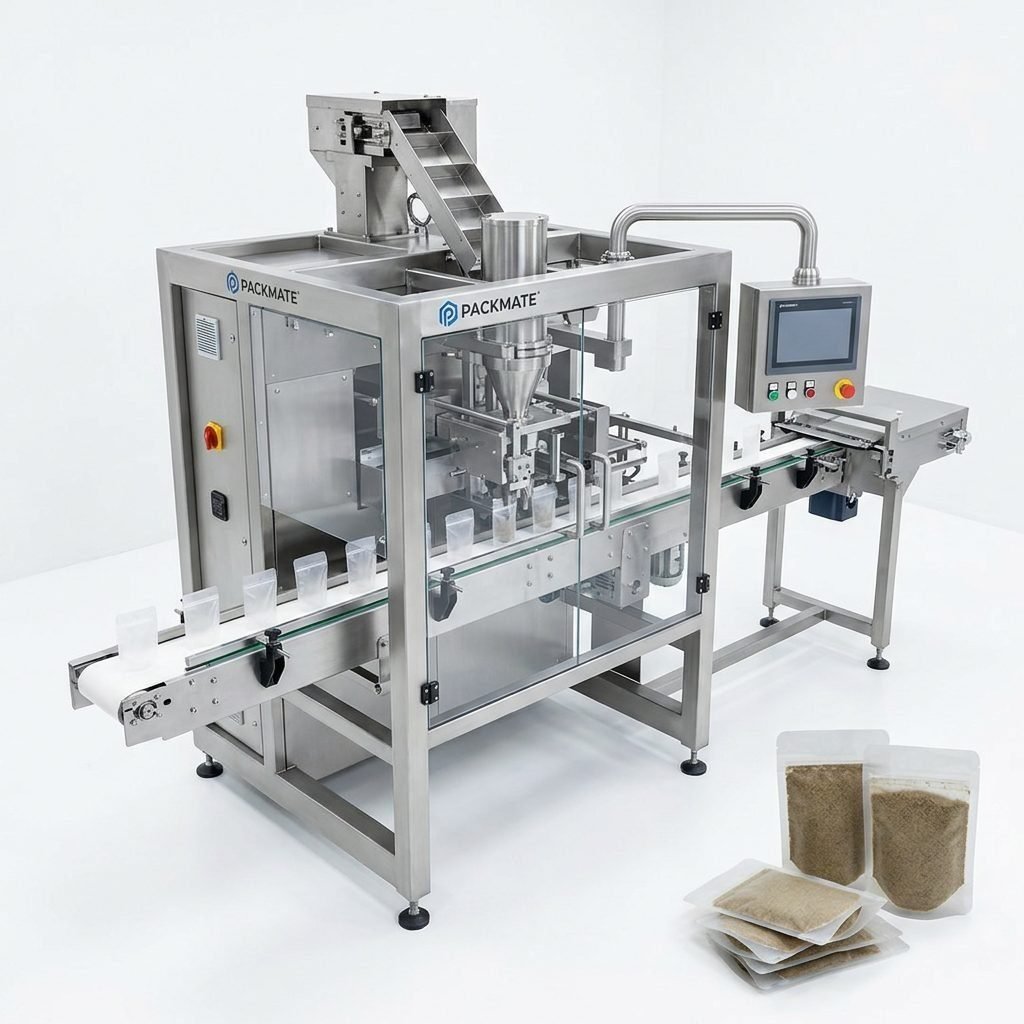
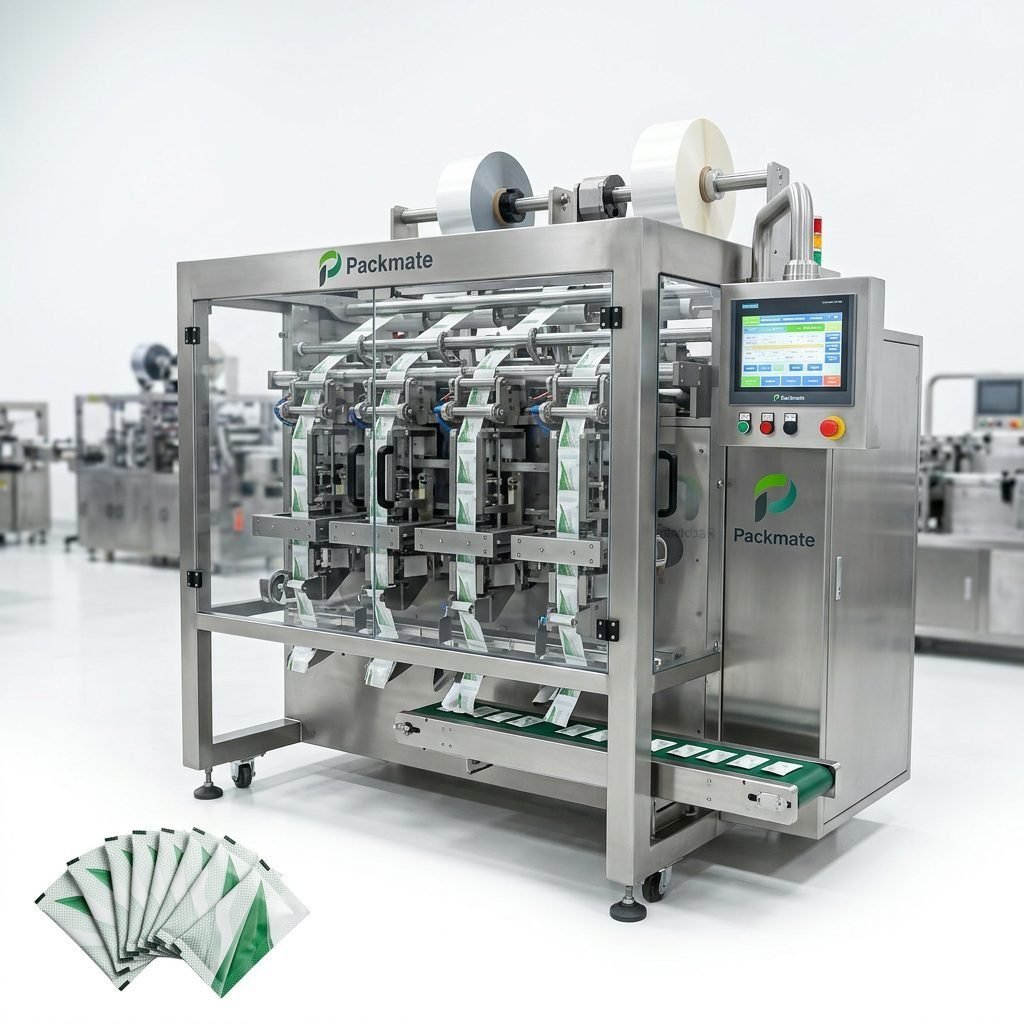
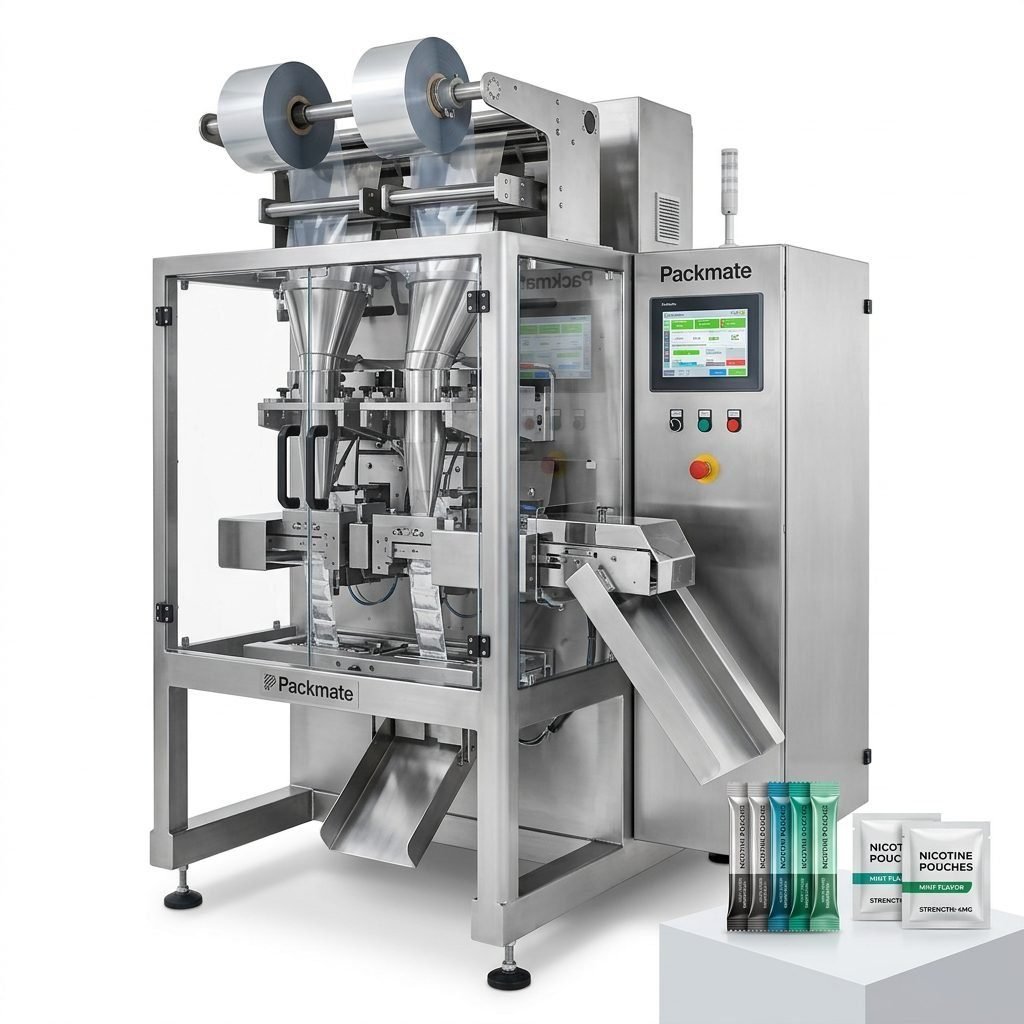
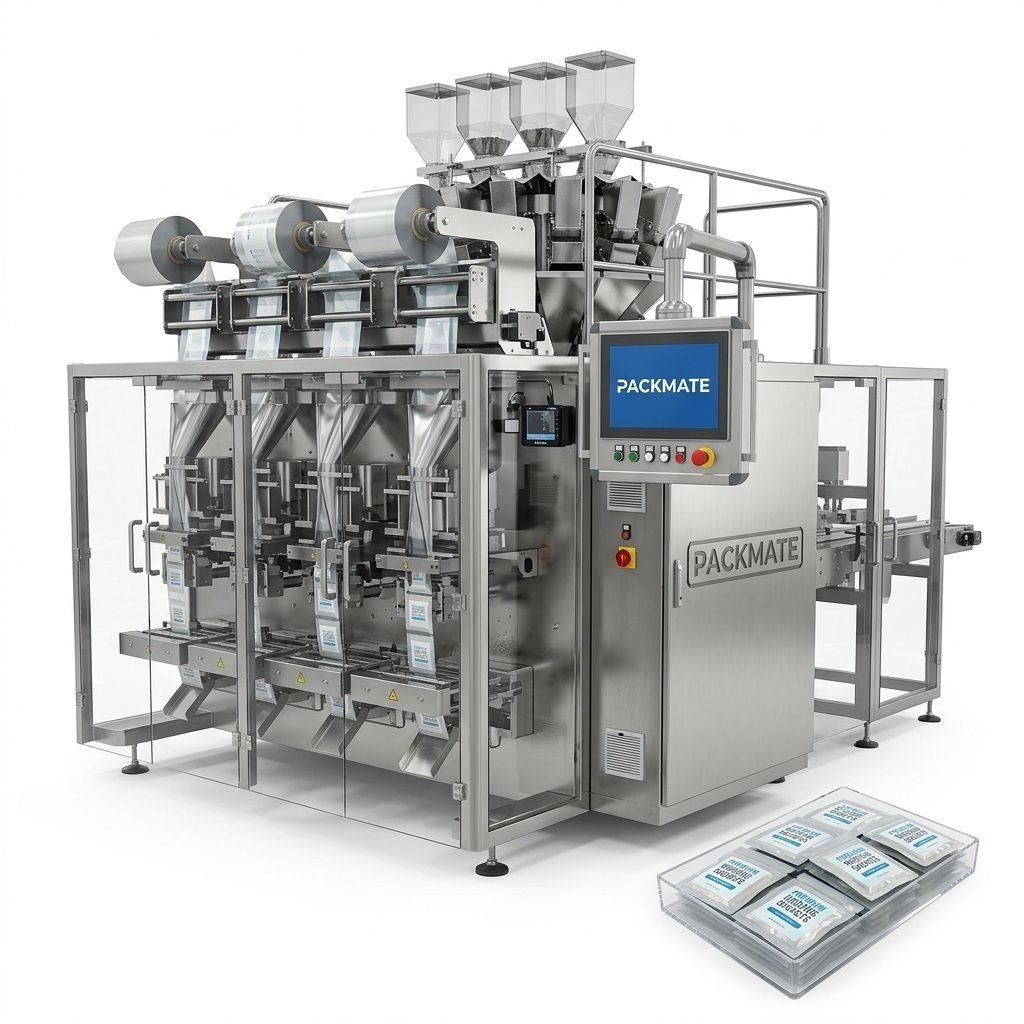
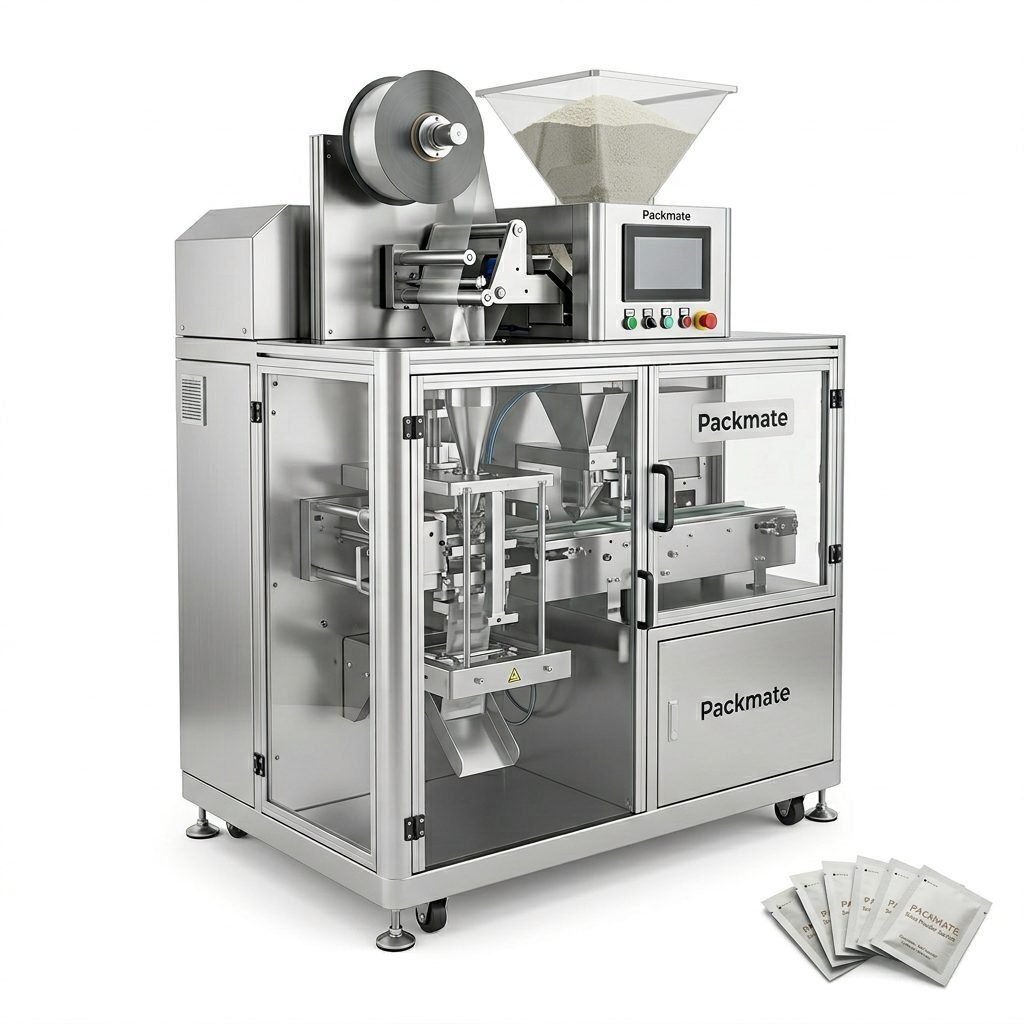
Choosing the right snus packaging machine is a pivotal decision for manufacturers of nicotine pouches, snus, and similar small-dose products. The correct equipment not only affects product quality and regulatory compliance but also determines output efficiency, labor costs, and long-term scalability. This guide walks you through the practical, technical, and commercial considerations to help you select the best snus packaging machine for your production line.
🔧 Understand Your Product and Packaging Format
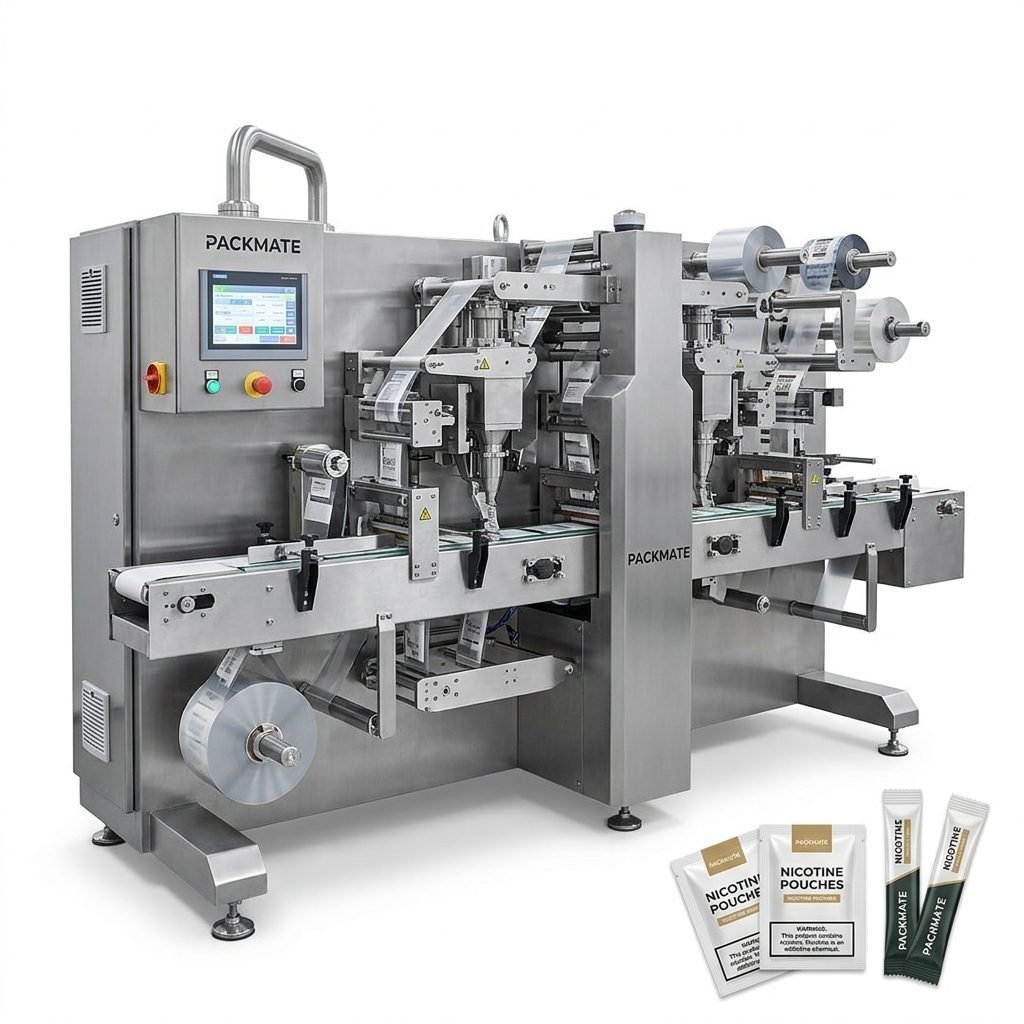
Before evaluating machines, clearly define the product characteristics: pouch type (portion pouch, sachet, stick pack), weight range, moisture content, and whether the product is powder, granular, or paste-like. Machines are often optimized for a specific pouch geometry and filling behavior. For nicotine pouches, look for equipment designed for small-dose, multi-lane operations to maintain consistent dosing and gentle handling.
📦 Common packaging formats for snus
– Single-portion pouches (round or oval)
– Stick packs for single-use portions
– Sachets for bulk or consumer pouch-packed formats
Each format may require different sealing methods, cutting tools, and feeding systems.
⚙️ Production Capacity and Speed Requirements
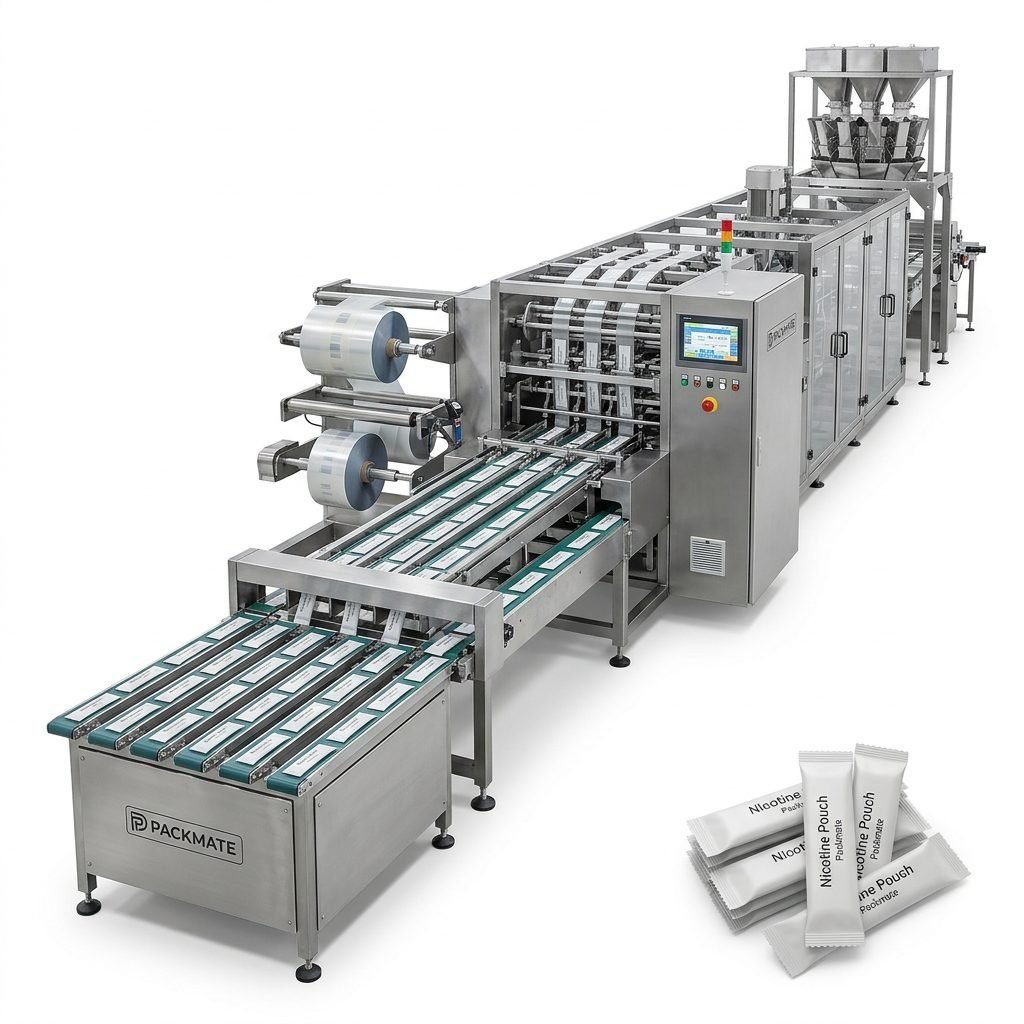
Determine your target output in pieces per minute, per hour, and per shift. Consider both current demand and projected growth. Multi-lane machines can dramatically increase throughput while keeping footprint smaller than multiple single-lane units. When capacity is a priority, evaluate models that deliver high-speed stability without sacrificing dosing accuracy.
🧩 Integration with Upstream and Downstream Equipment
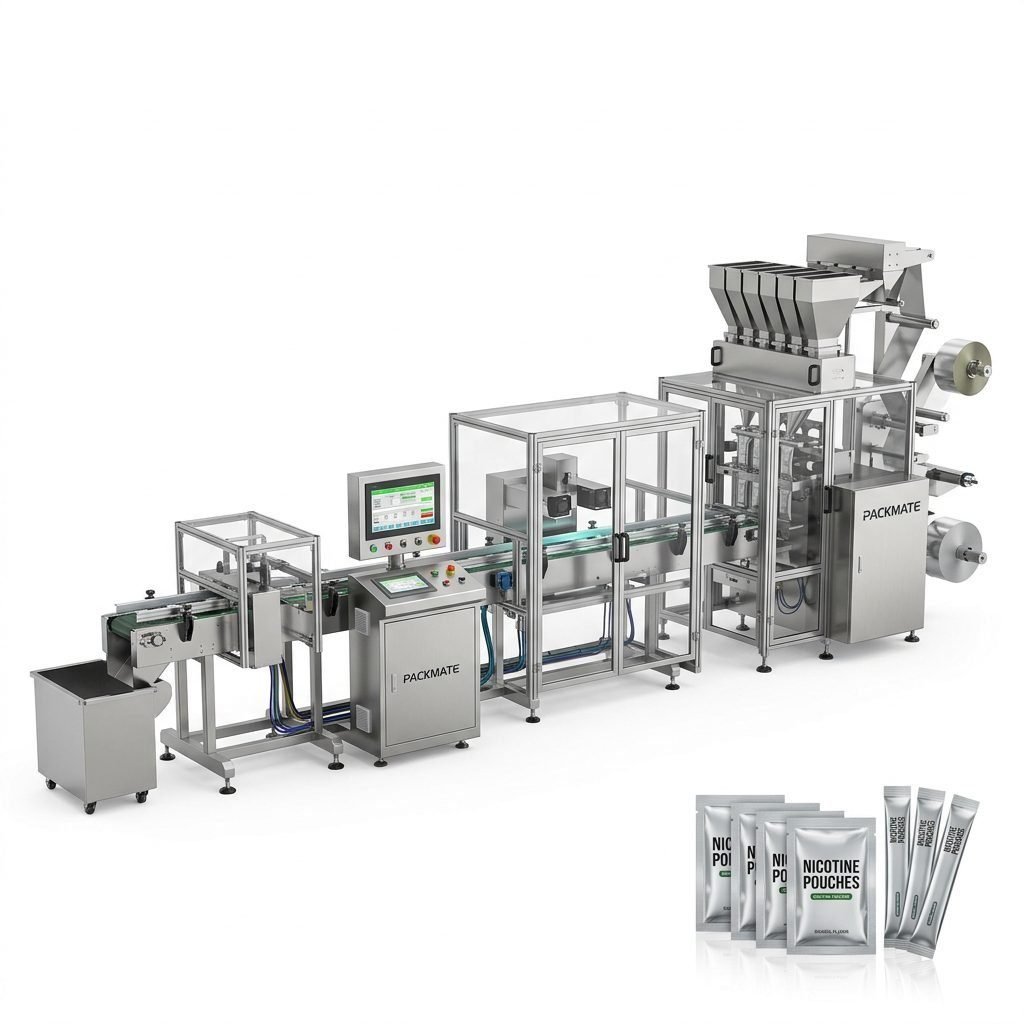
A turnkey production line often includes dosing/weighing systems, pouch forming, filling, sealing, and secondary packaging (cartoning, case packing). Verify compatibility and data exchange between suppliers. If you require a custom line, consider vendors who supply full solutions such as weighing & packaging systems and filling & packaging lines.
🔗 Key integration checkpoints
– Mechanical and electrical interface standards
– Synchronization for multi-lane filling and sealing
– Conveyor heights and changeover convenience
– PLC and HMI compatibility for line-level control
🛠 Build Quality, Materials and Hygiene
For food and nicotine products, stainless steel contact surfaces, sanitary design, and ease of cleaning are non-negotiable. Inspect the machine frame, moving parts, and guarding. High-quality CNC-machined components and precision assembly improve durability and reduce downtime.
🧰 Machine Functionality and Flexibility
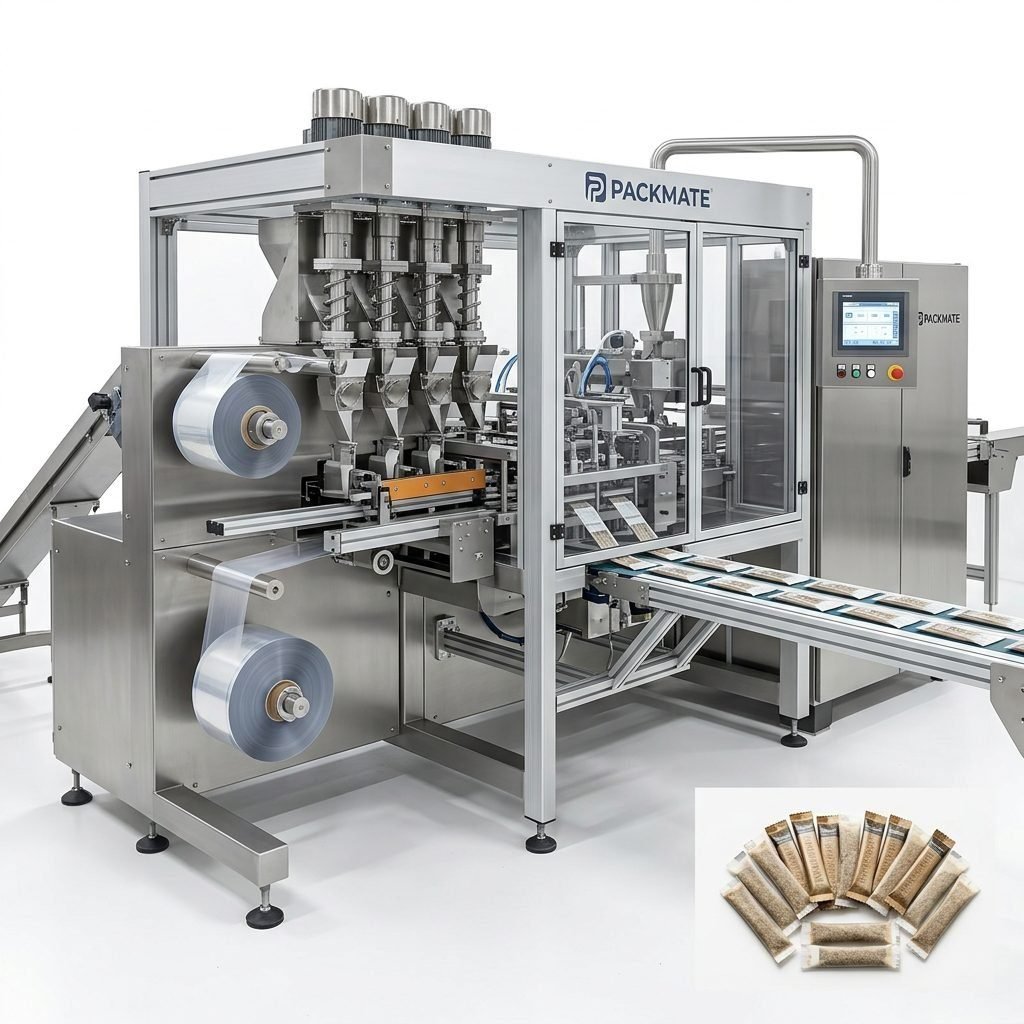
Assess whether a machine supports multiple pouch types and sizes, or if it’s dedicated to a single format. Flexibility reduces the need for additional equipment when launching new SKUs. Look for features like quick-change tooling, programmable recipe storage, and adjustable filling modules.
✅ Important functional features
– Multi-lane capability for small-dose pouches
– Servo-driven systems for repeatable motion control
– Automatic rejection of defective pouches via vision systems
– CIP-friendly (clean-in-place) where applicable
📊 Accuracy, Controls and Automation
Precision in dosing and sealing directly impacts product quality and regulatory compliance. Machines with advanced PLCs, touchscreen HMIs, recipe management, and industry-standard communication protocols (Ethernet/IP, Profinet) simplify operations and enable faster troubleshooting.
🔍 Quality Assurance and Regulatory Compliance
Ensure the supplier adheres to relevant certifications (CE, ISO) and can provide validation documentation. For nicotine products, traceability, allergen control, and labeling accuracy must be considered. Request inspection reports and evidence of performance testing under real product conditions.
If you want to explore specialized equipment, check manufacturers that focus on snus and nicotine packaging such as Snus & Nicotine Packaging Machines or multi-format lines like the Sachet & Stick Pack Machines.
💡 Service, Spare Parts and Local Support
After-sales service is often the deciding factor between similar machines. Evaluate the supplier’s spare parts policy, mean time to repair, remote diagnostics, and availability of local technicians. A manufacturer with global support and documented case studies will minimize downtime and speed up ROI.
💰 Cost, Total Cost of Ownership and ROI
The lowest purchase price does not always mean the best value. Consider installation, commissioning, operator training, spare parts, and energy consumption. Higher initial investment in a robust, accurate machine may yield faster payback through reduced giveaway, fewer rejects, and higher uptime.
📈 Calculating ROI
– Estimate yield improvement and reduced material waste
– Factor in labor savings through higher automation
– Include maintenance and spare parts budgets
– Project expected lifespan and depreciation
🔁 Changeover and Maintenance Considerations
Frequent SKU changes require fast and easy changeover. Look for features such as preset recipes, tool-less component swaps, and intuitive HMI-guided procedures. For maintenance, ensure spare parts are modular and accessible to reduce Mean Time To Repair (MTTR).
📋 Contract, Warranty and Training
Negotiate clear warranty terms and include training for operators and maintenance staff. Ensure service level agreements (SLAs) cover remote support and spare parts lead times. On-site commissioning and acceptance testing should be part of the contract.
🏭 Supplier Reputation and Factory Capability
A supplier’s manufacturing strength, engineering experience, and global footprint matter. Suppliers with established facilities, advanced CNC machining, and tested assembly processes are more likely to deliver consistent quality and timely customizations. Learn more about manufacturers and their profiles on pages like About Packmate.
📝 Practical Selection Checklist
✅ Define product specs and tolerance requirements
✅ Set target throughput and future growth plan
✅ Inspect sanitary and material specifications
✅ Confirm integration and automation compatibility
✅ Evaluate vendor service, spare parts, and references
✅ Compare TCO and compute expected ROI
📞 Demo, Factory Acceptance and After-Sales
Always request a factory acceptance test (FAT) using your product or a close simulant. Arrange a site visit or video demonstration to observe machine performance. After purchase, prioritized services such as commissioning, training, and preventive maintenance plans will pay dividends. For direct contact or to learn about exhibitions and events, see Our Exhibition or Contact Us.
🔎 Final Decision Framework
Balance technical fit, supplier capability, and commercial terms. Prioritize machines that meet your product needs today while offering scalability for tomorrow. Consider pilot production runs, staged investments (start with a core module then expand), and partners who offer complete packaging lines and auxiliary equipment like those listed under Auxiliary Packaging Equipment.
📘 Summary Checklist before purchase
1) Product compatibility and dosing method verified.
2) Target throughput and lane configuration validated.
3) Sanitary design and materials confirmed.
4) Integration and automation interfaces agreed.
5) Warranty, spare parts availability, and training secured.
🔗 Additional Resources
Explore product families and in-depth offerings such as Bag & Pouch Packaging Machines and specific lines for snus and nicotine pouch packaging. Research certified suppliers and compare technical specifications to make an informed investment.
❓ Frequently Asked Questions
Q1: What is the main difference between single-lane and multi-lane snus machines?
A1: Single-lane machines are simpler and suitable for lower volumes or specialized pouch shapes. Multi-lane machines increase throughput by producing several pouches simultaneously and are preferred for high-volume production of small-dose nicotine pouches.
Q2: How do I ensure dosing accuracy for very small pouch weights?
A2: Choose machines with precision filling systems such as volumetric piston fillers or integrated weighing systems with feedback control. Servo-driven dosing and regular calibration routines maintain consistency.
Q3: What after-sales services should I require from a supplier?
A3: Require commissioning support, operator and maintenance training, spare parts lead time guarantees, remote diagnostics, and clear warranty terms. A supplier with global service capability and documented cases reduces operational risk.
Q4: Can I upgrade a machine to support new pouch formats?
A4: Many modern machines support modular upgrades and quick-change tooling. Confirm with the vendor what formats are supported and whether firmware or mechanical upgrades are retrofittable.
Q5: Where can I see real examples and testimonials?
A5: Review vendor case studies and customer references. Manufacturers like Packmate publish case examples and exhibition records — see their Case section to review real-world installations and performance summaries.