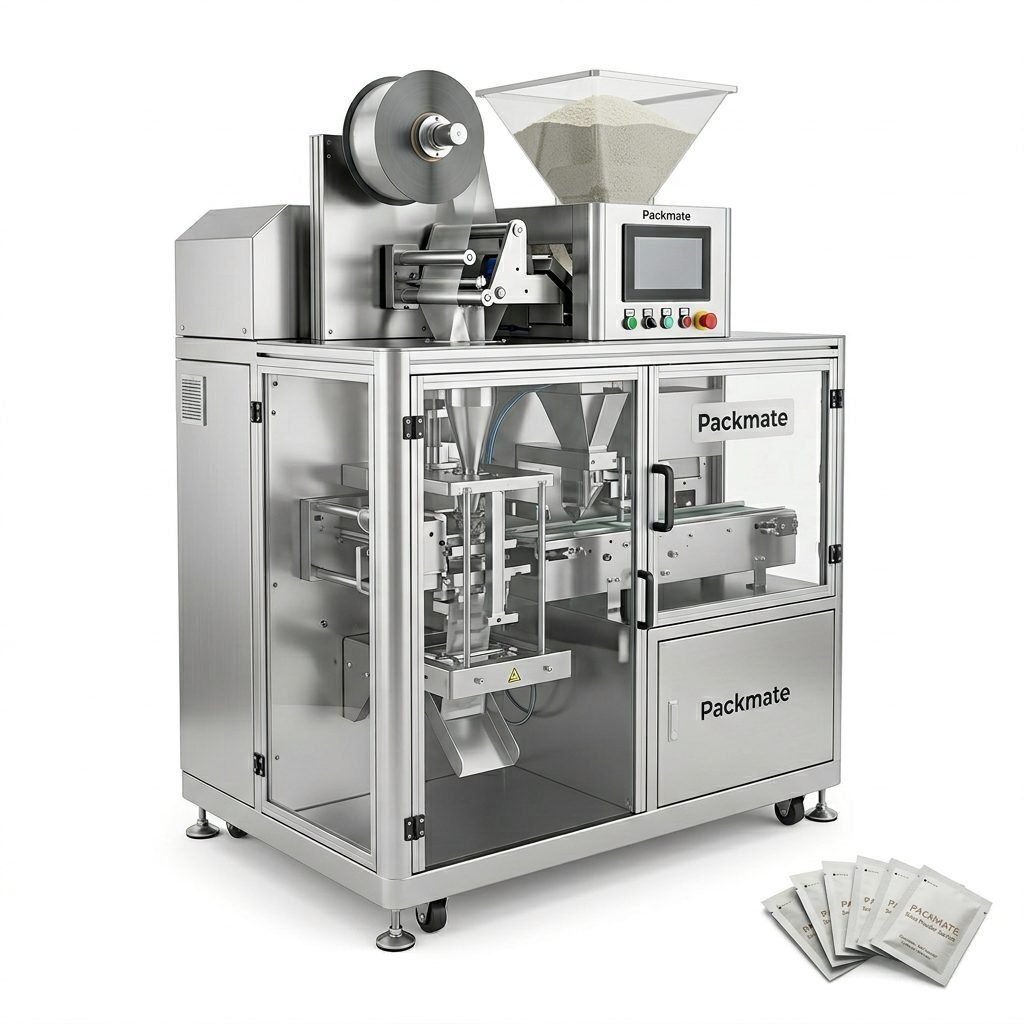
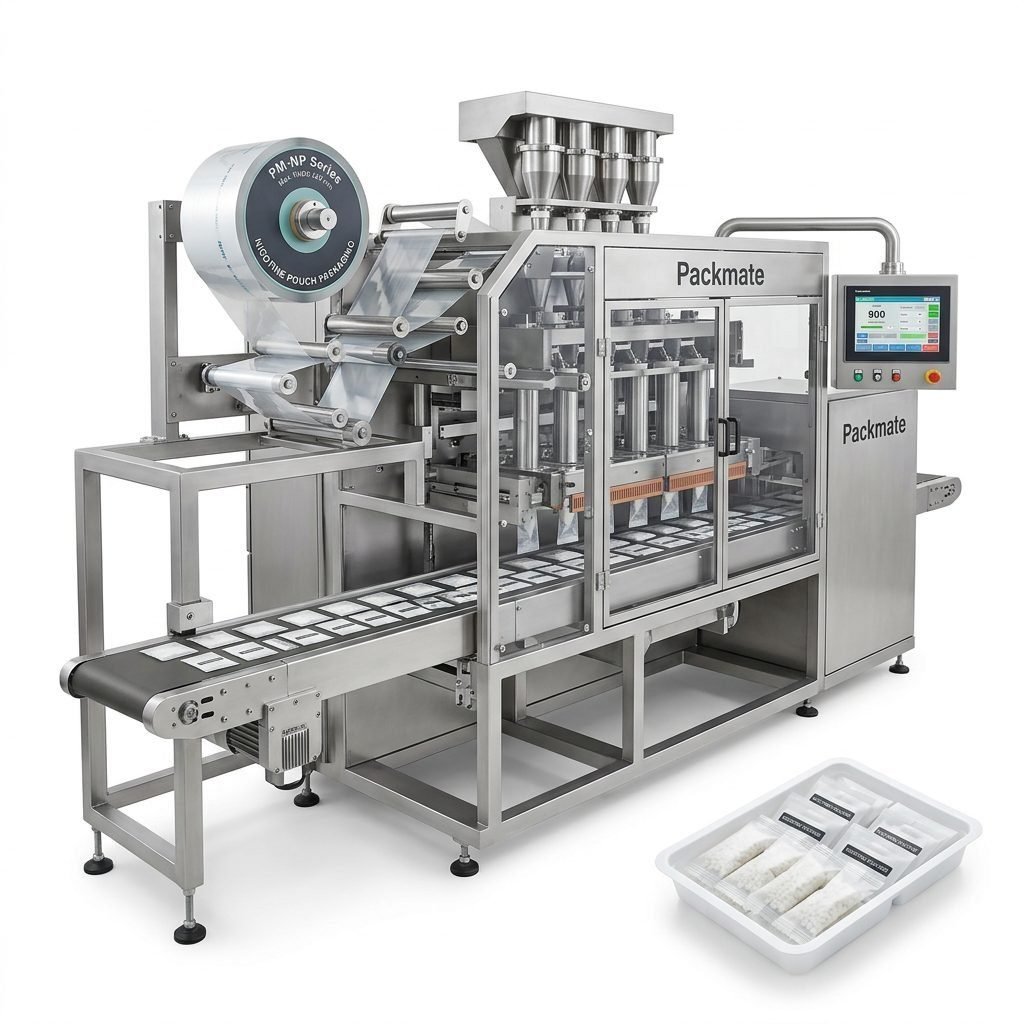
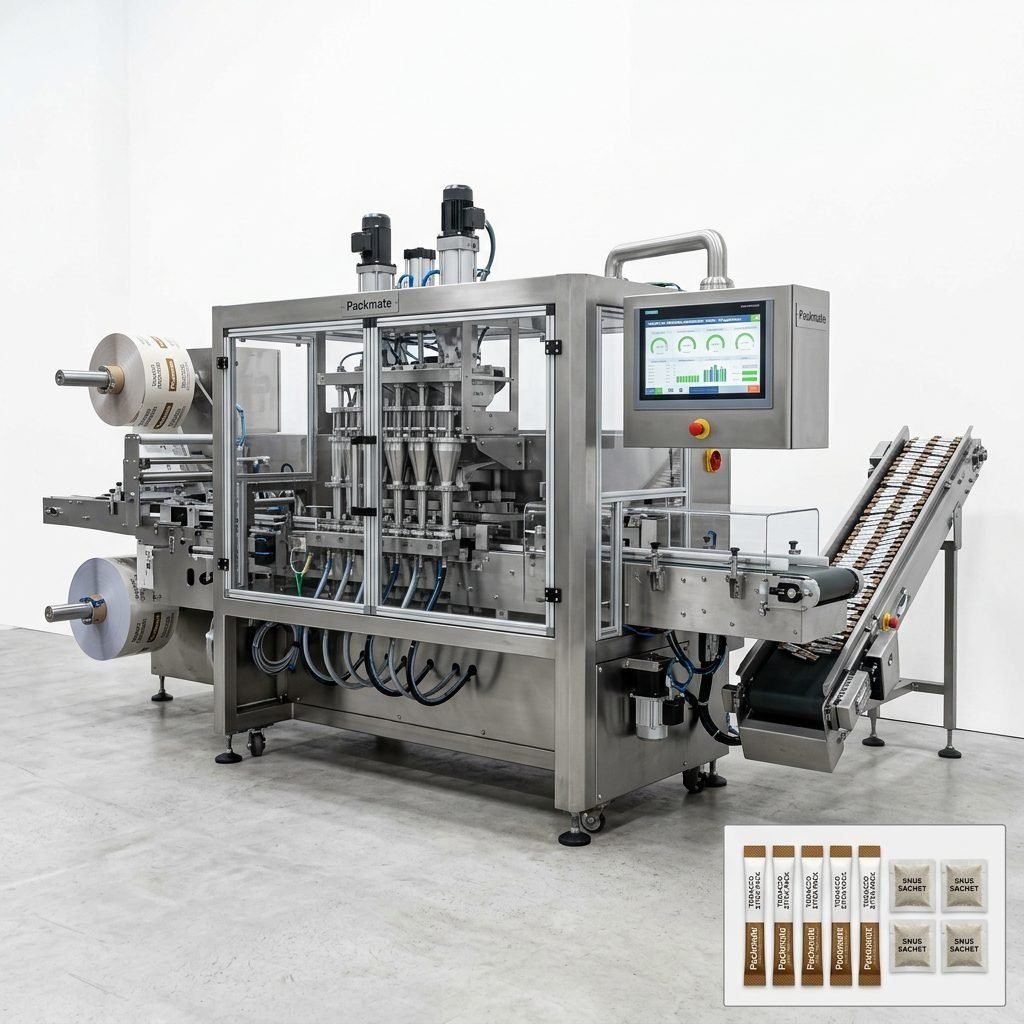
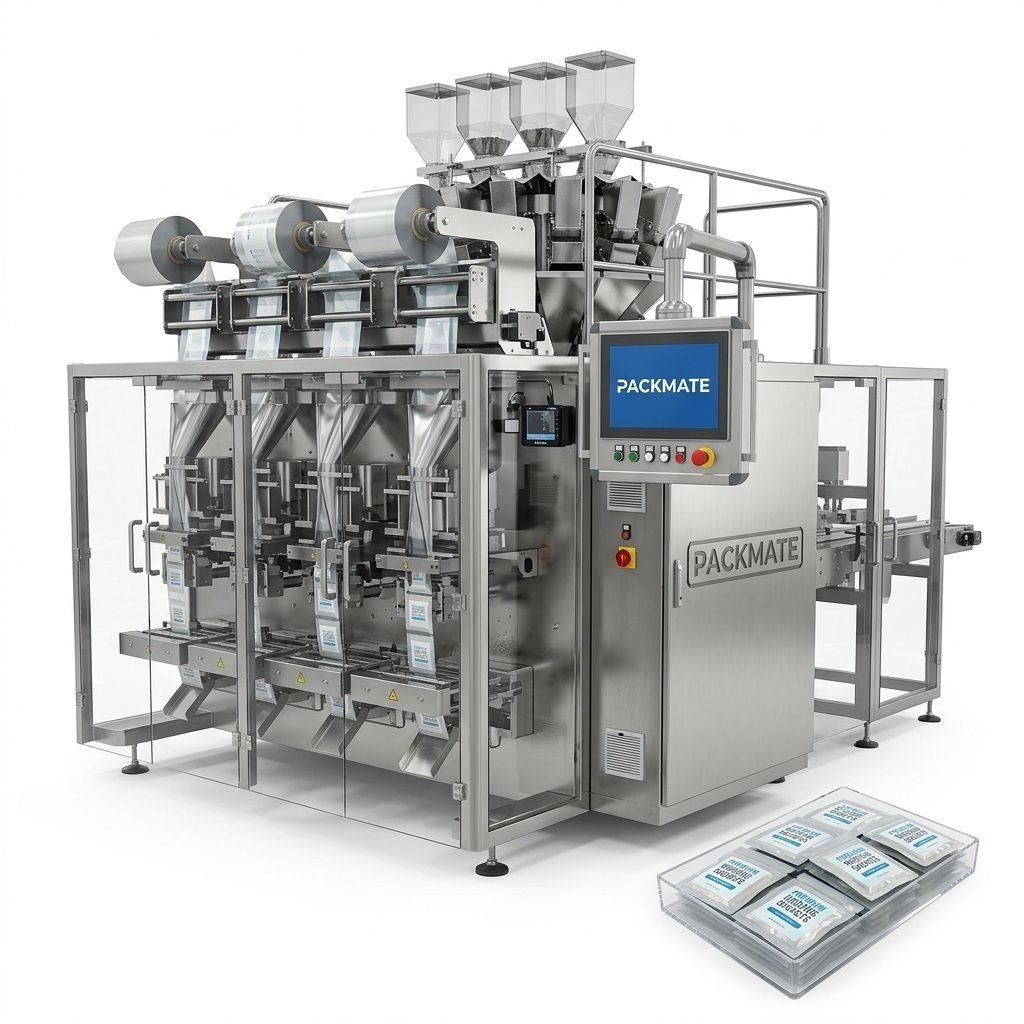
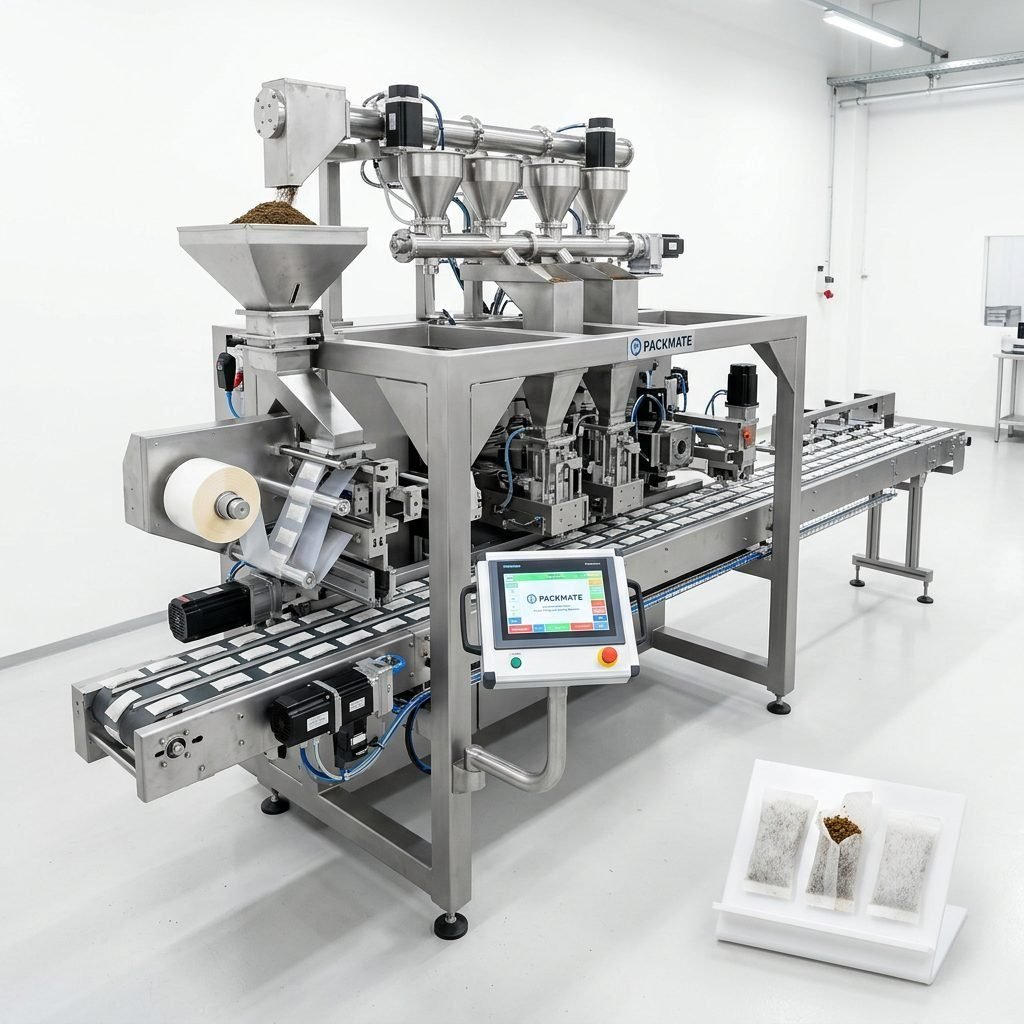
Selecting the right nicotine packaging machinery for production in Qatar is a critical decision that influences product quality, regulatory compliance, and long-term profitability. This guide walks you through practical, production-focused criteria to evaluate machines and suppliers so your team can choose equipment that matches capacity, product format, and local operational conditions.
Why the right machinery matters
🔧 Choosing inappropriate equipment can slow production, increase waste, and expose your brand to non-compliance risks. In contrast, a purpose-built nicotine or snus packaging line delivers stable output, consistent pouch integrity, and efficient material usage. Operational stability and regulatory compliance are two non-negotiable outcomes when investing in packaging machinery for nicotine products.
Understand your production requirements first
Before evaluating vendors, document the following internal facts: required daily output (units/day), pouch formats (single-dose sachet, stick pack, multi-lane snus pouch), fill weight tolerances, acceptable scrap rate, packaging film types, and target automation level. These specifics narrow the choice from hundreds of models to a handful of viable machines.
Production capacity & scalability
📈 Determine current peak production and forecast growth for 3–5 years. If you expect growth >30% in that window, prioritize machines with modular scalability or multi-lane platforms. Multi-lane systems can multiply throughput without consuming additional floor space, making them ideal for small-dose pouch production.
Product formats and compatibility
⚙️ Make sure the line supports the exact pouch type you manufacture: snus pouches, nicotine sachets, stick packs, or resealable pouches. Some suppliers offer quick-change systems for format swaps; others require tool changes and downtime. Verify changeover times and parts availability before purchase.
Quality control and compliance
✅ For nicotine products, precision dosing, hermetic seals, and consistent pouch weight are essential. Request documentation of certifications (CE, ISO) and ask for test reports showing dosing accuracy and seal strength under real production conditions. Reliable manufacturers should provide clear QA metrics.
📌 Quick tip box — immediate checklist for assessment:
• Target output (units/min and units/day) and future scalability expectations.
• Compatibility with pouch materials (foil, laminated films) and hygienic design for nicotine handling.
• Spare parts lead time, on-site support availability, and FAT/SAT procedures.
Machine types commonly used for nicotine packaging
Different production goals require different machines. Typical choices include:
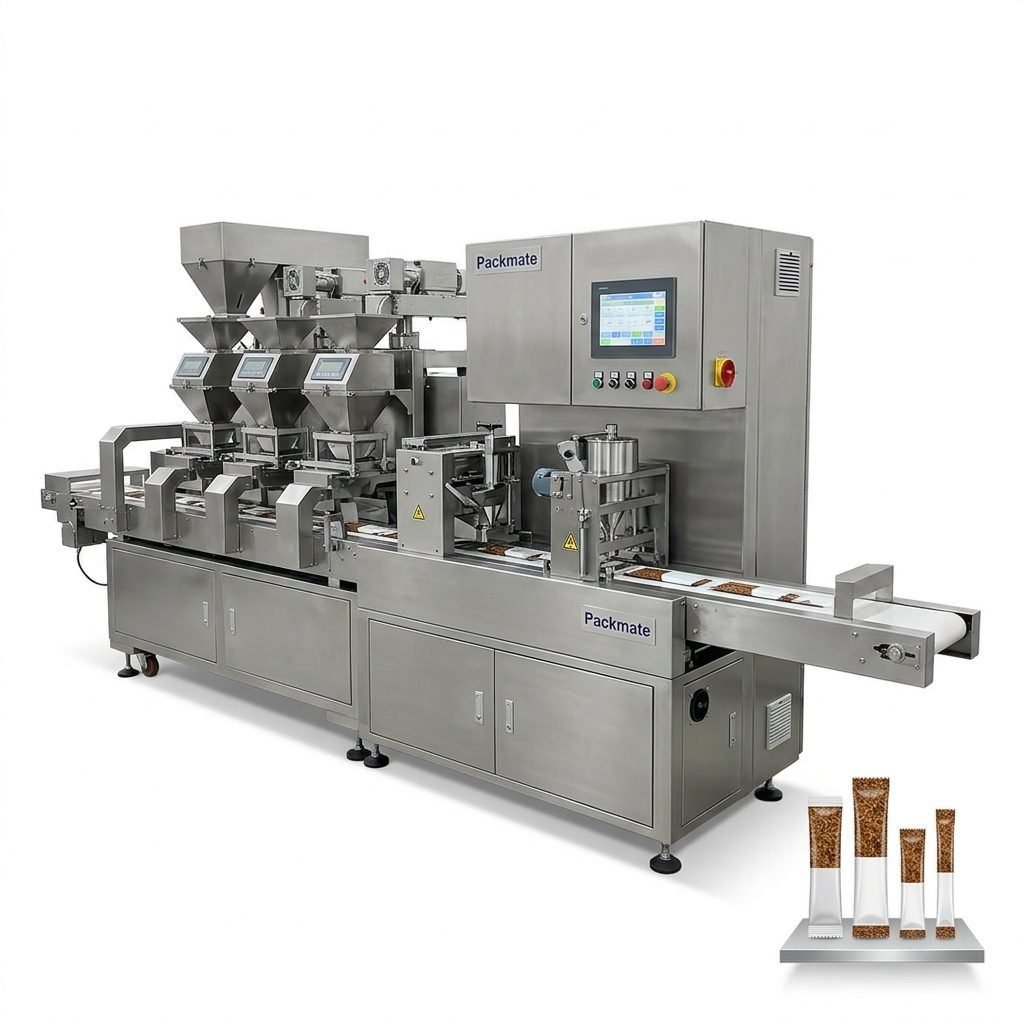
• Stick pack machines — ideal for single-dose sachets with horizontal/vertical options.
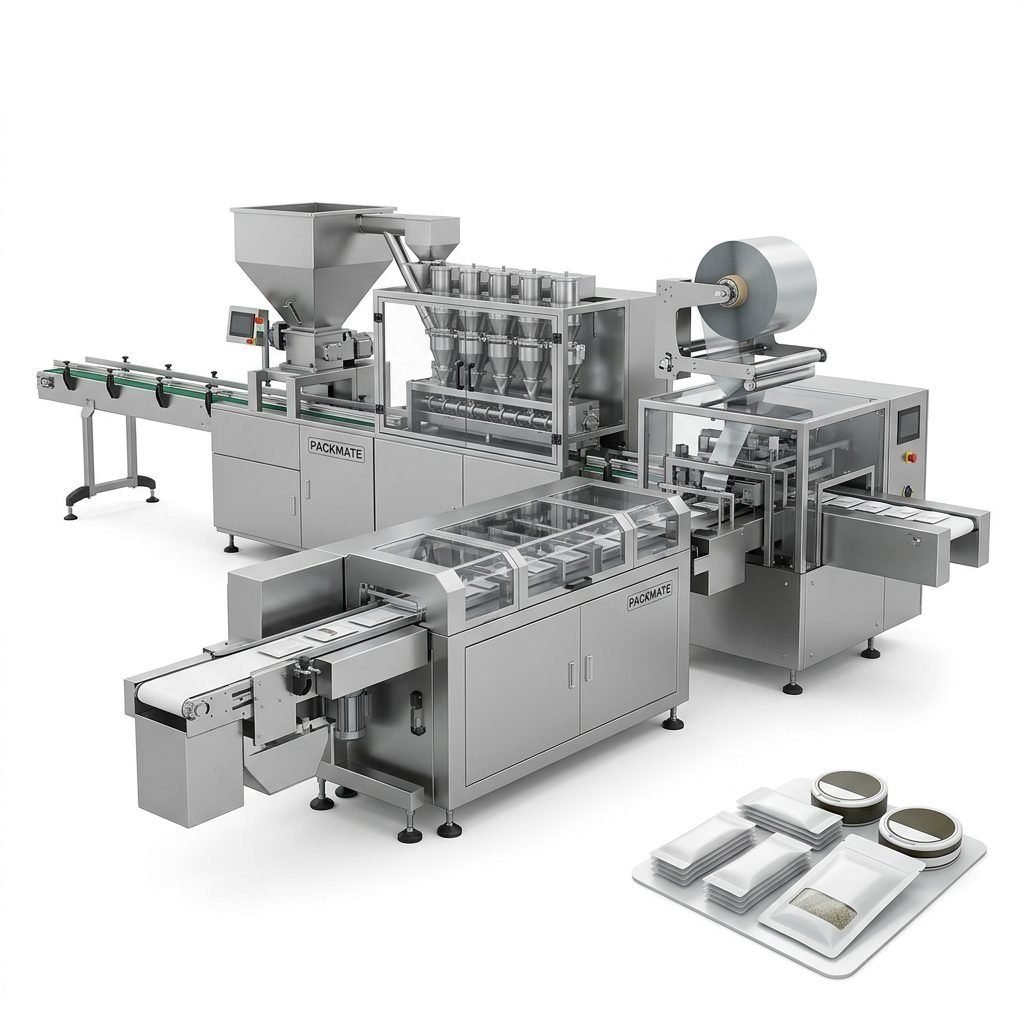
• Sachet and pillow pouch machines — versatile for powders, granules, and moist pouches.
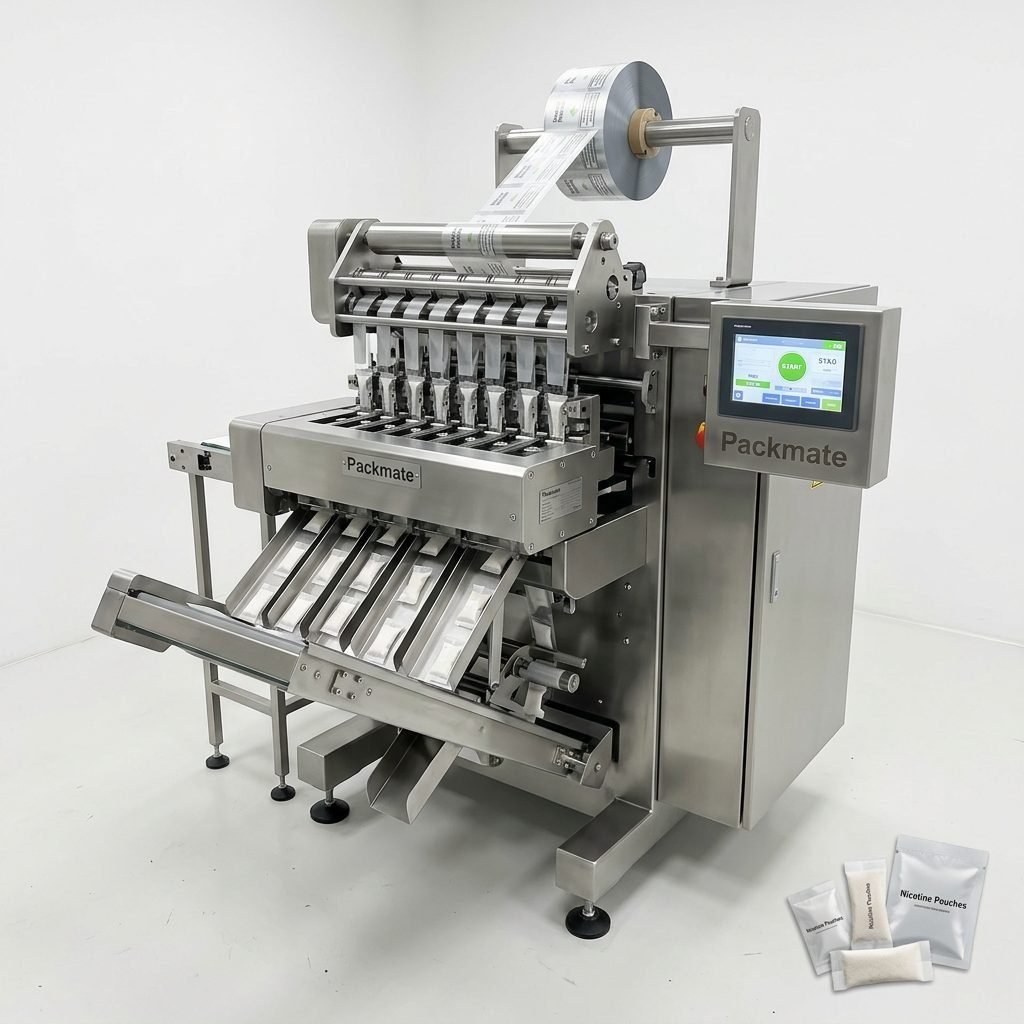
• Multi-lane snus pouch machines — optimized for small-dose nicotine pouches in multi-lane format for high throughput.
For detailed models targeted at nicotine products, review specialized lines such as those under Snus & Nicotine Packaging Machines.
Key technical specifications to compare
When evaluating machines side-by-side, focus on these measurable specs rather than marketing claims:
Dosing and weighing accuracy
Precise dosing minimizes product giveaway and ensures consistent consumer experience. Check dosing repeatability (e.g., ±0.01g) and request sample production runs demonstrating actual performance with your formulation.
Sealing quality and film compatibility
Seam integrity matters for shelf life and product safety. Confirm the machine supports your chosen laminates and has adjustable temperature control and quality monitoring to detect cold seals or film wrinkles.
Control systems and HMI
A modern PLC and intuitive HMI decrease training time and reduce errors. Prefer machines with recipe management, remote diagnostics, and traceability features for regulatory audits.
Automation, integration, and turnkey delivery
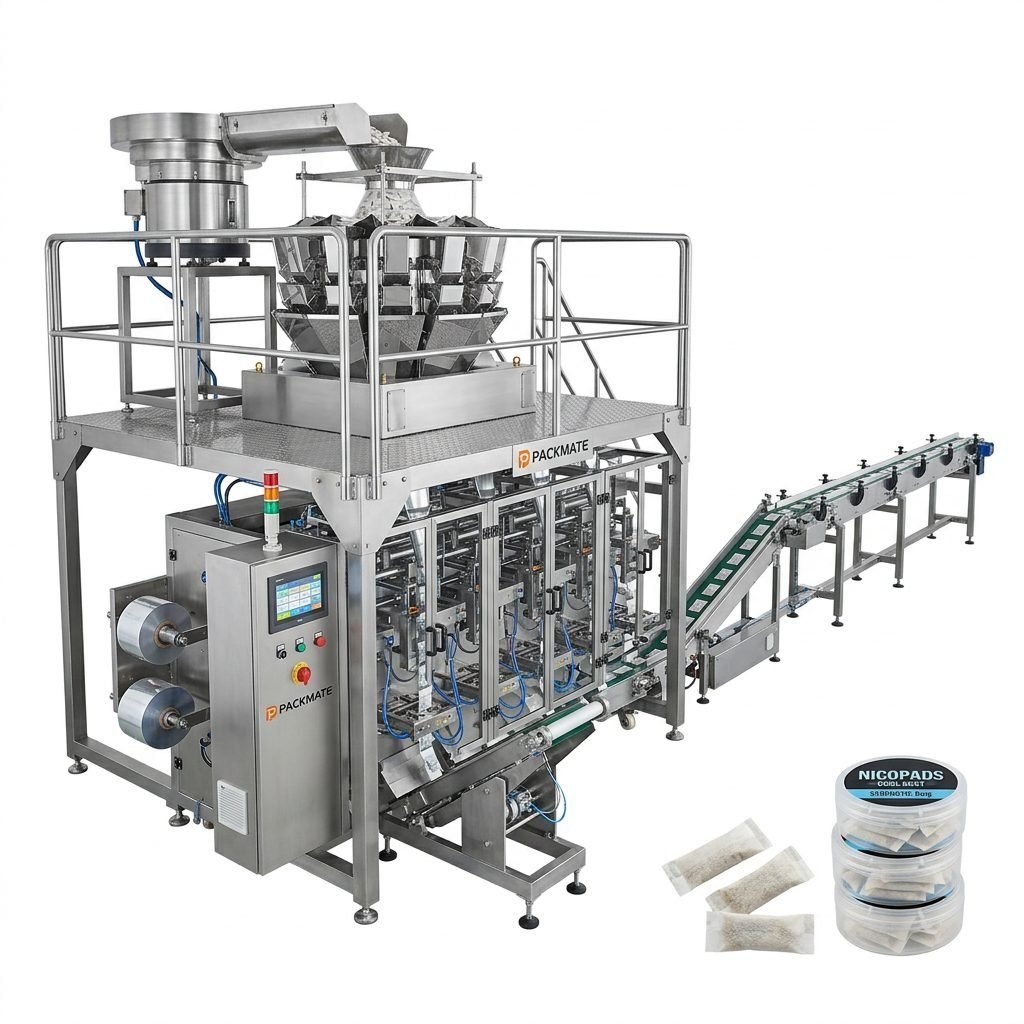
Integrating fillers, conveyors, checkweighers, and secondary packaging can dramatically reduce labor and line stop incidents. Look for vendors offering turnkey solutions that include upstream filling and downstream cartoning or bagging systems. For advanced integrated lines review options from Filling & Packaging Lines.
Spare parts, after-sales support and training
🛠️ Local service is a major factor for Qatar-based operations. Ask prospective suppliers about:
• Spare parts inventory and typical shipping lead times to Doha.
• Availability of certified engineers for on-site commissioning.
• Remote troubleshooting capability and software update policies.
• Training programs for operators and maintenance staff.
A manufacturer with international experience and a documented record of global cooperation can deliver predictable support. Consider suppliers that provide clear FAT (factory acceptance test) and SAT (site acceptance test) protocols.
Supplier credibility: what to verify
Verify credentials such as years of experience, factory capacity, certifications, and customer references. A provider with substantial engineering history and factory scale (e.g., a 20,000㎡ facility with advanced CNC centers) signals the ability to deliver reliable machines and spare parts long-term. For company background, see About Packmate.
Cost, ROI and total cost of ownership
Initial purchase price is just one component. Calculate total cost of ownership (TCO) including installation, commissioning, operator training, spare parts, energy consumption, and expected maintenance downtime. Estimate payback period based on reduced labor, improved yield, and increased throughput. Use conservative productivity gains to avoid overestimating ROI.
Choosing a supplier in Qatar — practical local tips
📦 Consider logistics, customs clearance, and local power specifications. Qatar’s environment may require specific machine coatings or air-handling for dust and humidity control. Confirm whether the supplier can handle equipment shipping to Hamad Port and provide local commissioning teams or partner distributors who understand Qatari regulatory requirements.
Lead time and installation planning
Plan for lead time including manufacturing, FAT, shipping, customs, and on-site commissioning. Align factory acceptance tests with your QA team and arrange spare parts kits for the first 12 months of operation to minimize downtime risks.
⚡ Decision checklist before signing:
• Written performance guarantees (speed, accuracy, yield) and penalty clauses for non-delivery.
• Clear spare parts list, pricing, and delivery SLA for Qatar.
• FAT video evidence and sample production runs using your materials.
Making the final decision: a recommended process
1) Shortlist 2–3 suppliers based on compatibility and references.
2) Request sample runs using your pouch films and fillers (onsite or video-documented FAT).
3) Review spare parts, training, and service commitments in writing.
4) Negotiate acceptance tests, delivery milestones, and payment schedule tied to FAT/SAT completion.
5) Plan operator training and initial spares inventory as part of the contract.
For examples of installed lines and real performance references, examine supplier case studies to validate claims; many manufacturers publish global case histories demonstrating similar implementations — see representative Case materials for reference.
Why consider a specialized snus/nicotine packing machine manufacturer
Specialists focused on snus and nicotine packaging understand small-dose handling, hygroscopic behavior, and regulatory nuances better than generalist suppliers. They can design multi-lane, low-waste systems with specific tooling and QA routines. If your production is focused on nicotine pouches, prioritize vendors with a proven product portfolio in this niche; explore dedicated product pages such as Bag & Pouch Packaging Machines for complementary secondary packaging solutions.
Next steps — sample request and factory visit
Arrange sample production on candidate equipment and request a factory visit or live demonstration at an exhibition. Attending shows or viewing machines in operation provides clarity on engineering quality, ergonomics, and build standards. Many suppliers also showcase machines at trade fairs — check their exhibition history for upcoming demos.
Final recommendation
Make decisions based on documented performance (FAT data), local support capability, spare parts logistics to Qatar, and the supplier’s experience with nicotine pouch lines. Favor manufacturers offering modular, multi-lane designs and turnkey integration to reduce your long-term TCO and accelerate time-to-market.
Useful links and resources
• Explore product families and specifications: Snus & Nicotine Packaging Machines · Filling & Packaging Lines · Bag & Pouch Packaging Machines.
Common Questions
Q: How long does commissioning typically take for a nicotine pouch line in Qatar?
A: Commissioning varies by system complexity but plan 2–6 weeks on-site after delivery, including mechanical installation, electrical hookup, calibration, and operator training.
Q: What spare parts should I stock initially?
A: Keep critical wear items (sealing jaws, belts, cutting knives), sensors, PLC modules, and a basic mechanical spare kit sufficient for 6–12 months of production based on expected run hours.
Q: Are multi-lane snus machines better than single-lane systems for small doses?
A: Yes — multi-lane platforms increase throughput and reduce floor-space per unit of output, especially for small-dose pouches. They require precise synchronization and reliable dosing systems.
Q: How do I verify supplier performance claims?
A: Require FAT with your material, sample production videos, third-party references, and documented accuracy/quality reports. Include acceptance criteria in the purchase contract.
Q: Where can I find more technical resources and product catalogs?
A: Visit supplier product pages and catalog resources to download datasheets and request customized proposals; many manufacturers maintain detailed catalogs and technical documents for each line.