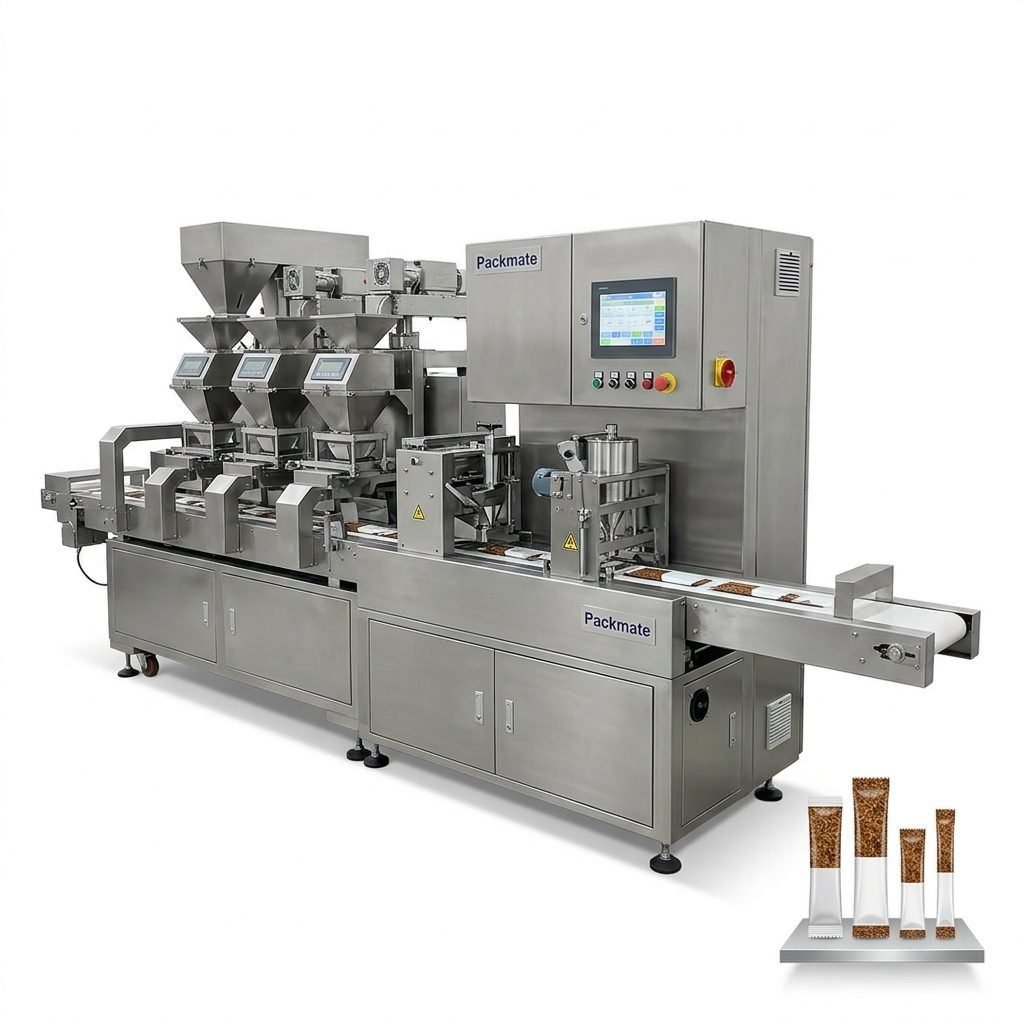
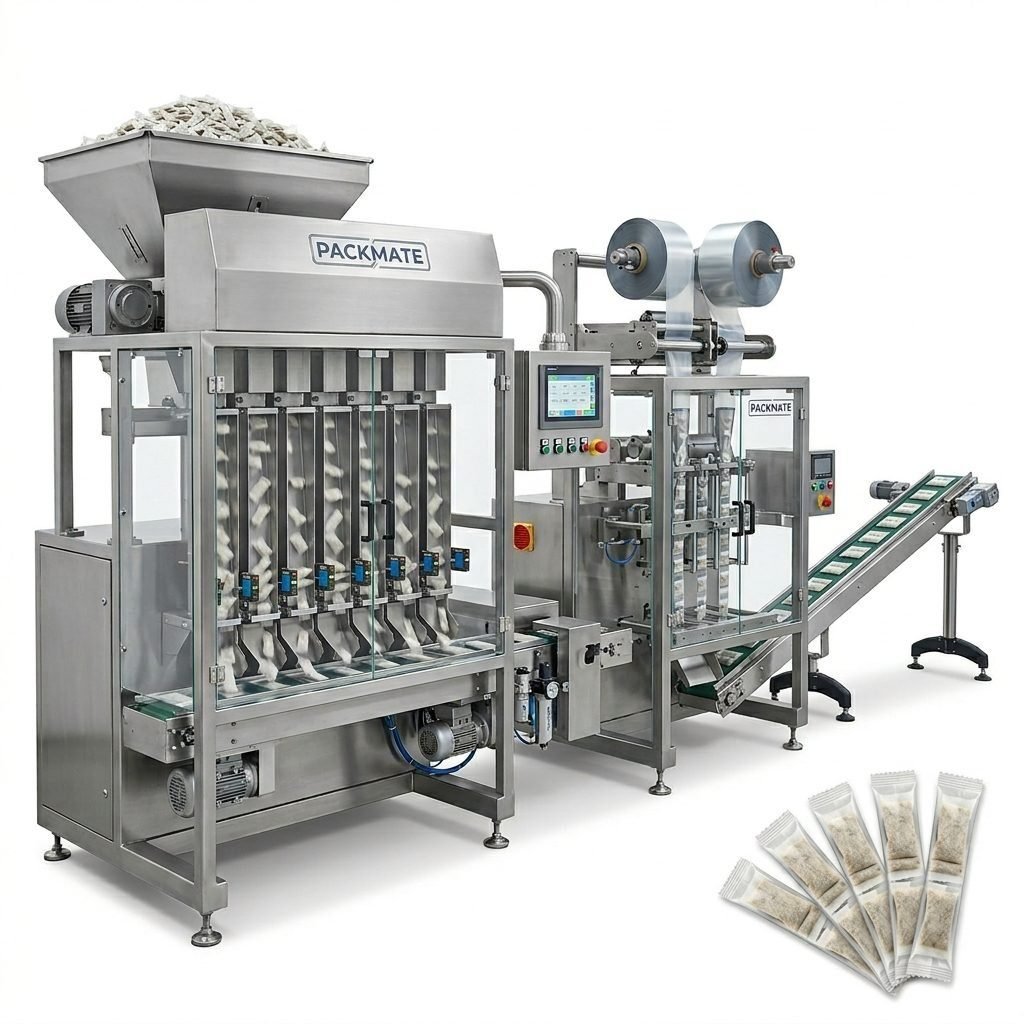
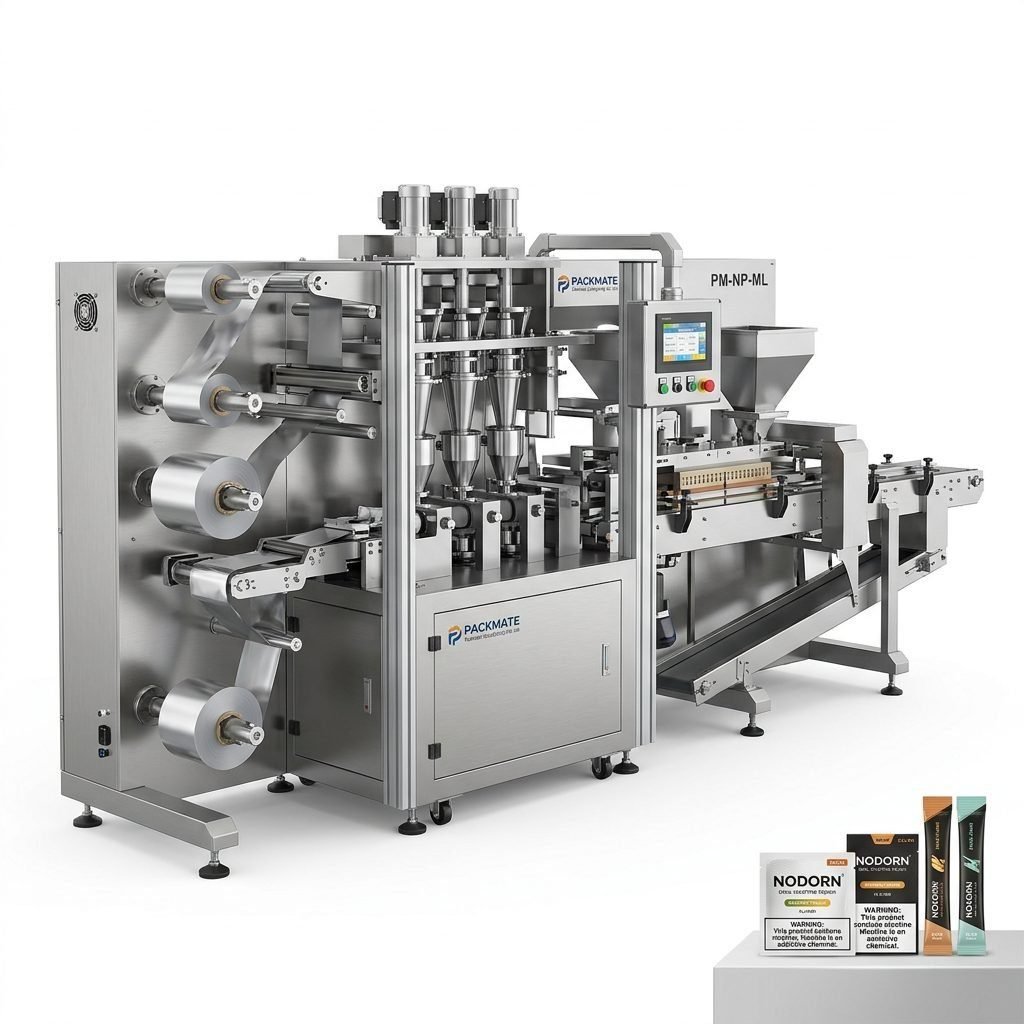
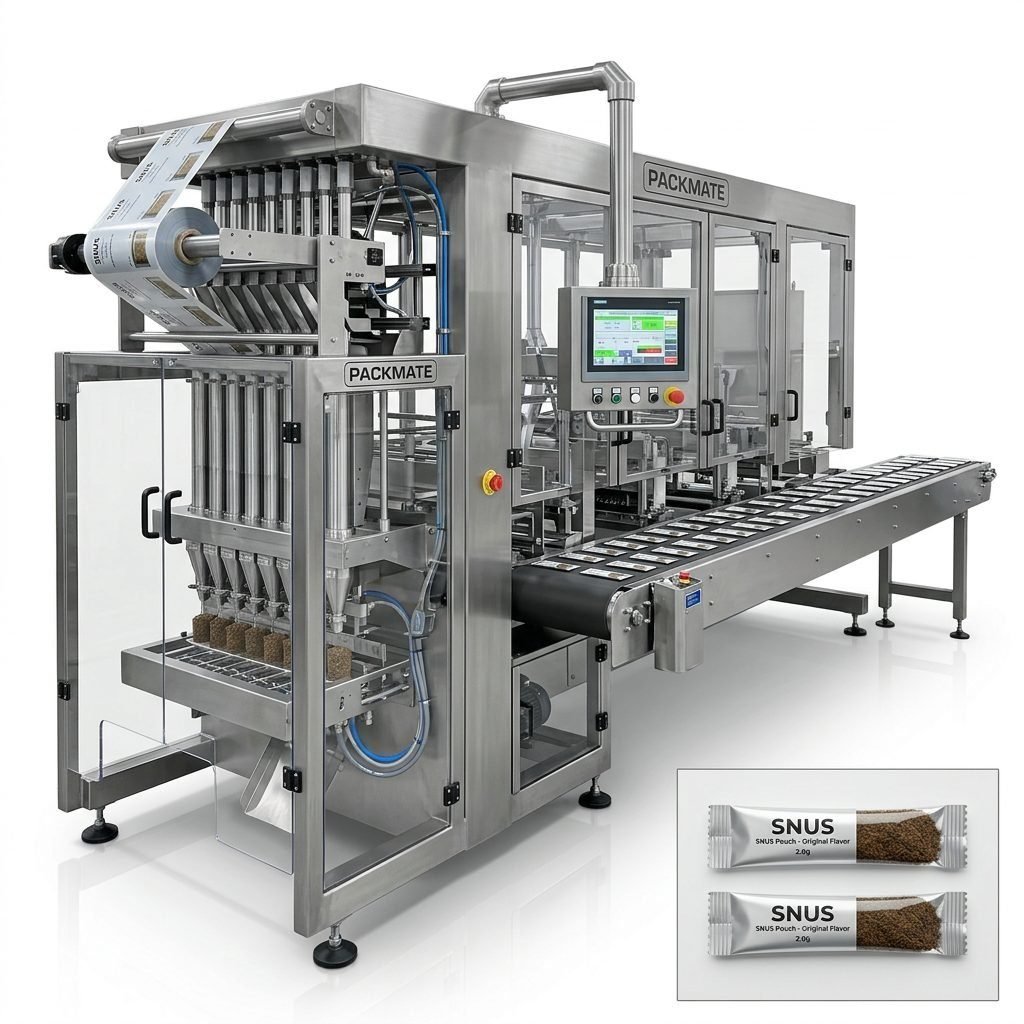
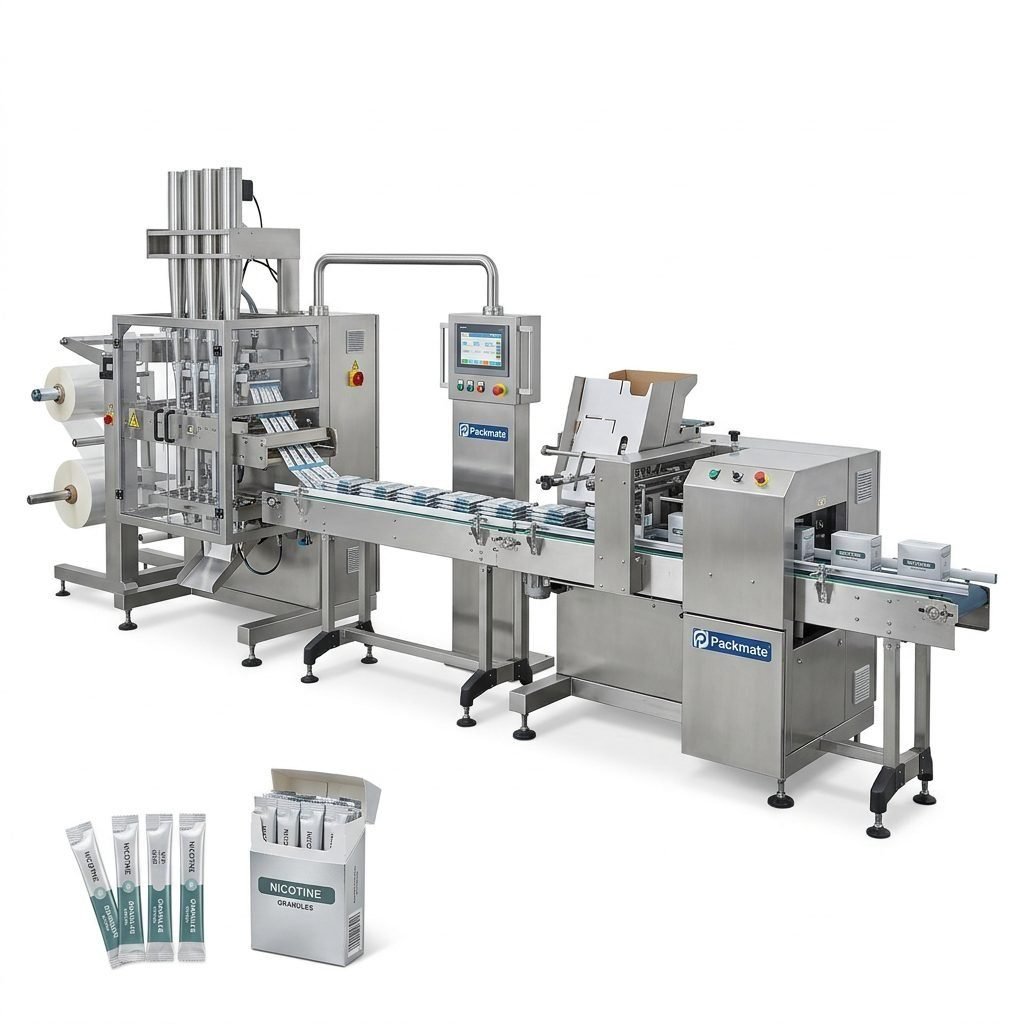
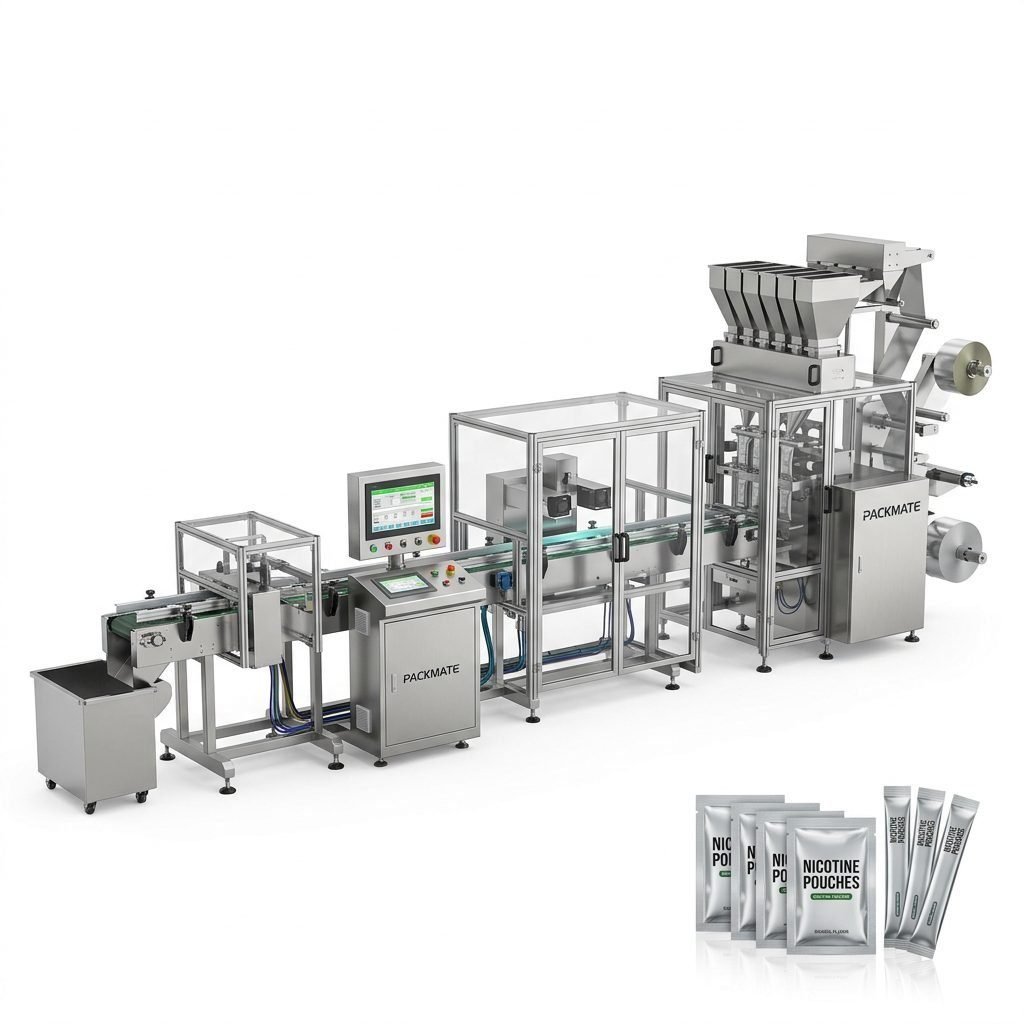
Choosing the right nicotine packaging machine for your operation in Iceland requires a clear understanding of product requirements, local regulations, production scale, and supplier capabilities. This guide walks you through the most important factors to evaluate — from machine types and technical specifications to supplier vetting and long‑term service — so you can make an informed purchase that supports consistent quality, regulatory compliance, and a strong return on investment.
Understand the Icelandic Market and Regulatory Context
Iceland has specific rules relating to nicotine products, labeling, and importation. Before selecting any equipment, confirm local legal requirements for packaging, child-resistant features, and labeling. Compliance affects machine choice: certain labeling systems, serialization modules, or tamper-evident capabilities may be mandatory.
Tip: Work with suppliers experienced in global regulatory compliance — they can help configure machines for required labeling and traceability features.
Primary Machine Types for Nicotine Pouches
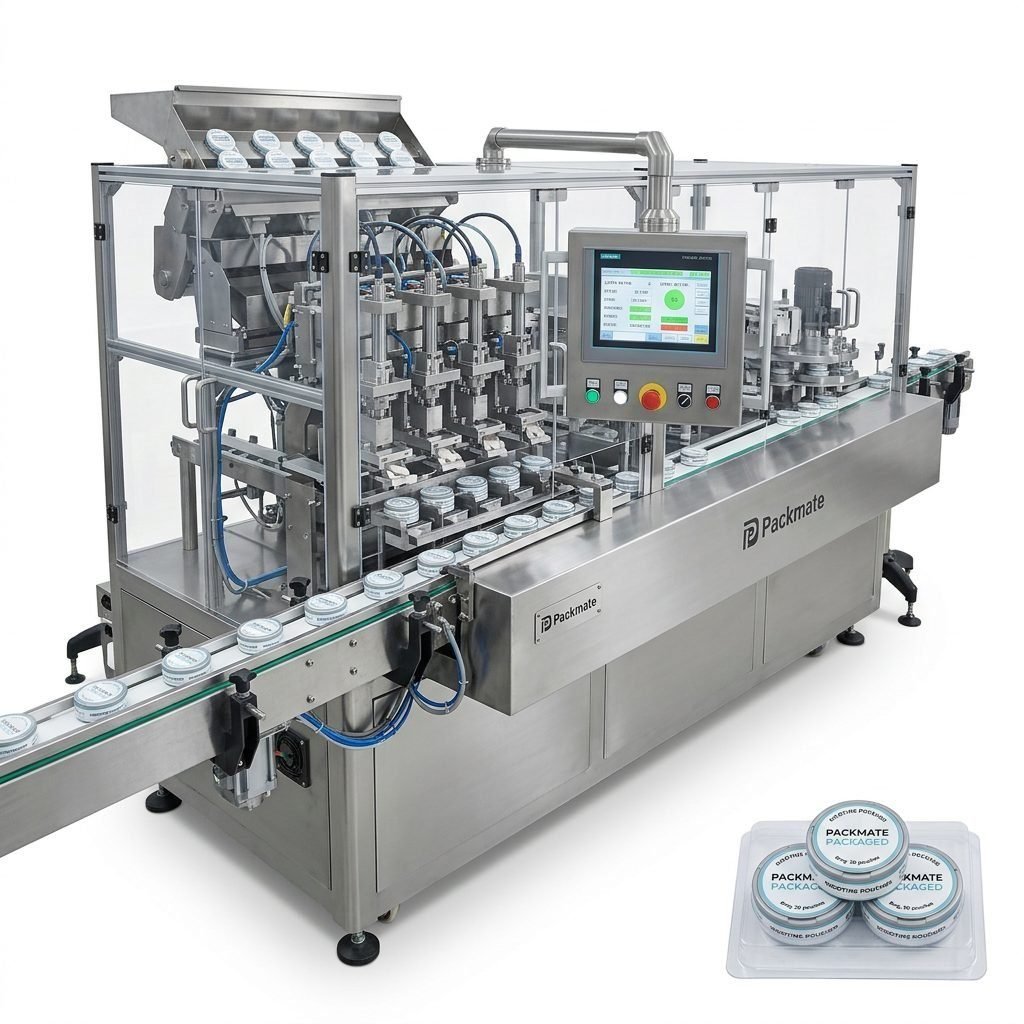
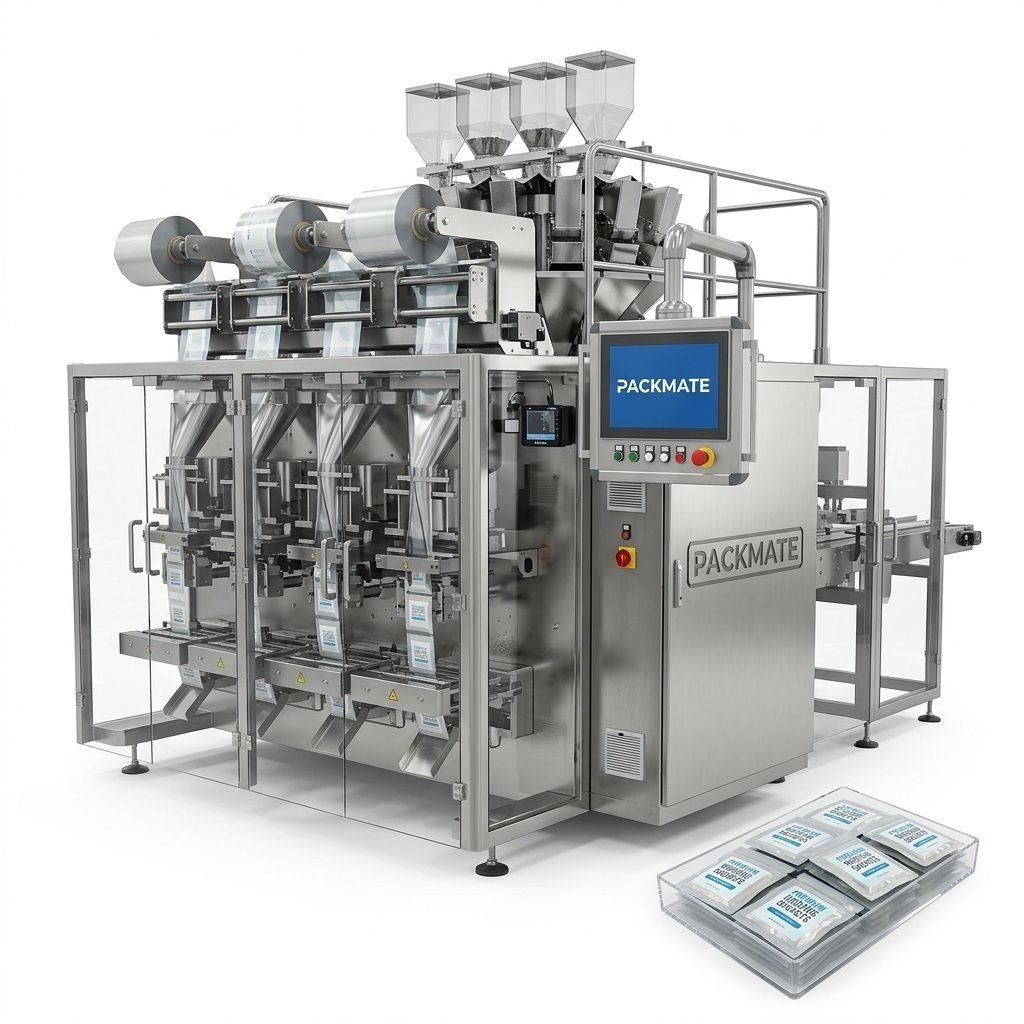
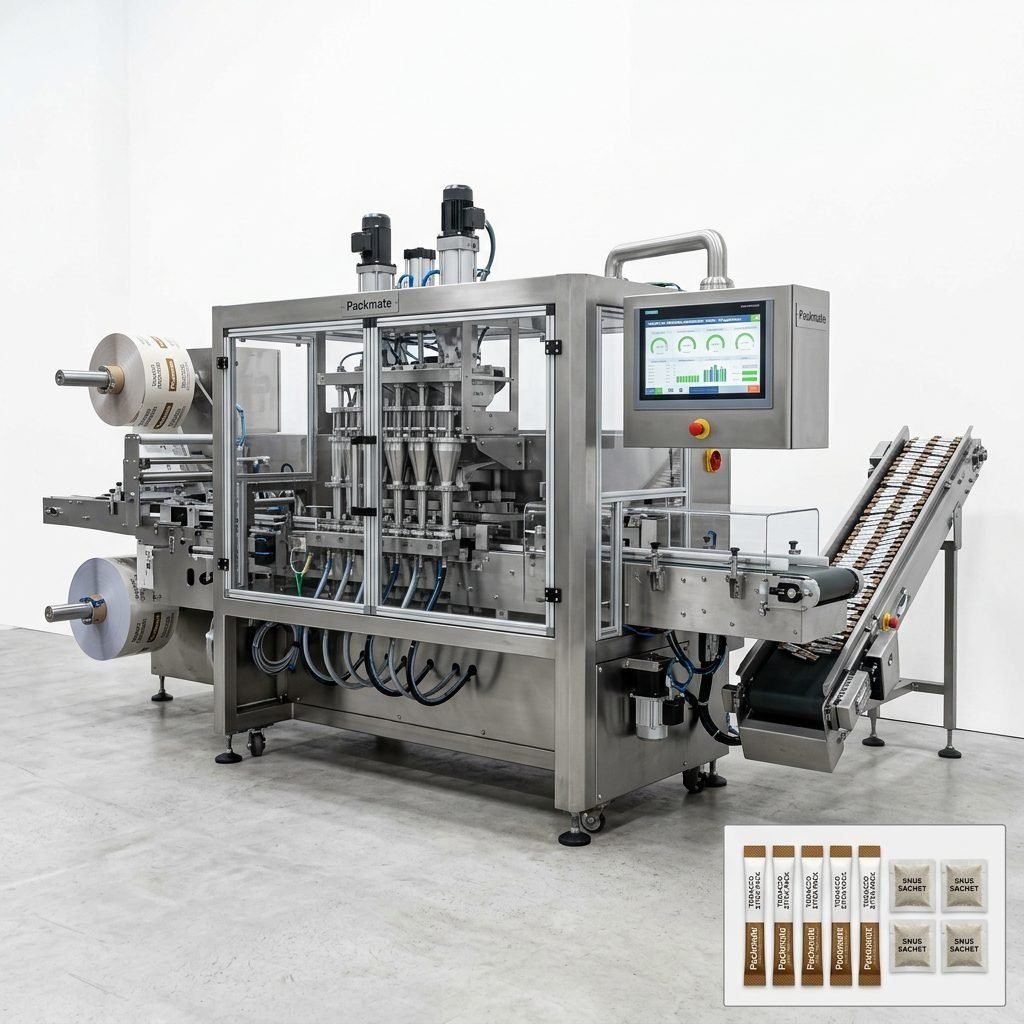
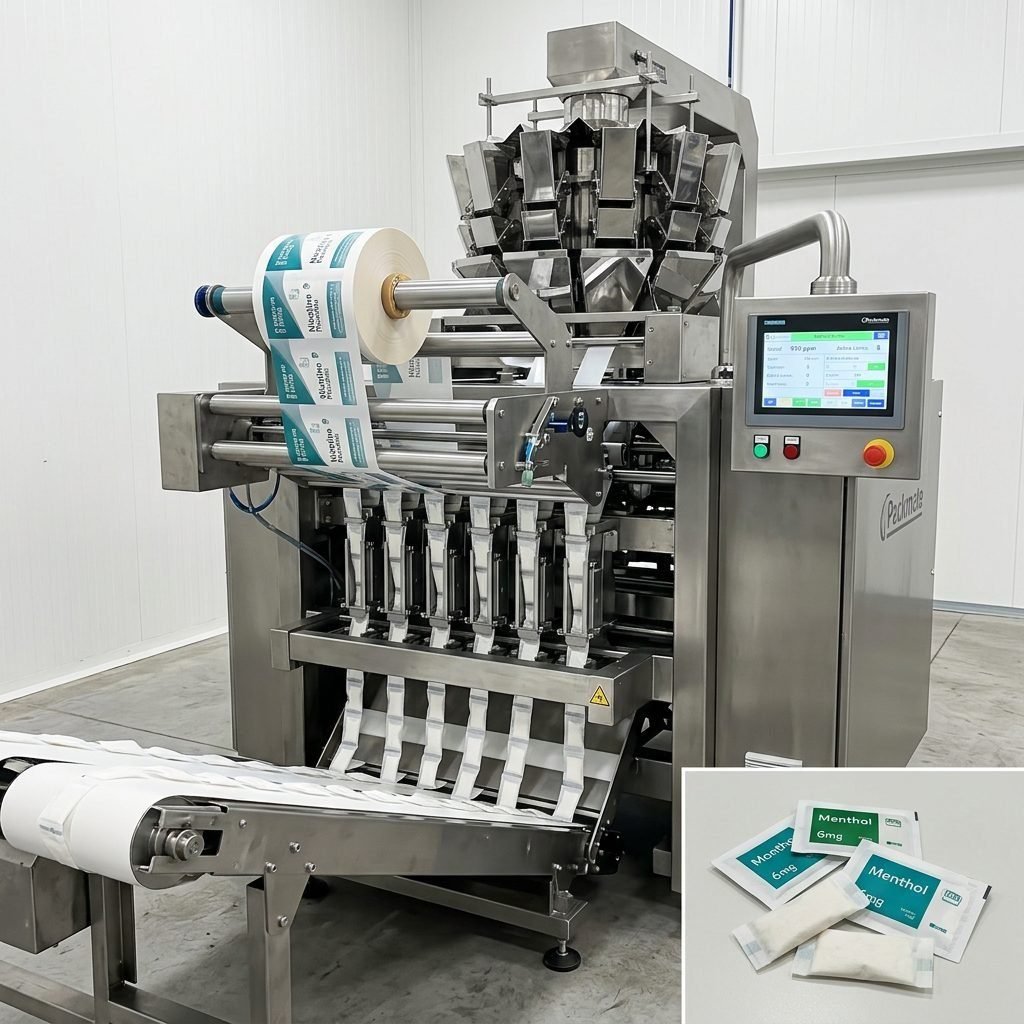
There are several packaging machine forms designed for snus and nicotine pouches. Each suits different product formats and production volumes:
⚙️ Stick pack and sachet machines — ideal for single‑dose pouches, high speed, and clean sealing.
📦 Multi‑lane systems — increase throughput for small dose pouches with consistent dosing and synchronized sealing.
🔍 Sachet & stick pack hybrid lines — offer flexibility for multiple pouch sizes and secondary packaging.
For a technical catalog of machine options, compare models designed specifically for snus and nicotine pouches to ensure the equipment matches your pouch size, fill type (powder, granule), and packaging material.
Suggested Resources
Explore specialized product lines to see suitable machine families:
Snus & Nicotine Packaging Machines,
Sachet & Stick Pack Machines,
and Bag & Pouch Packaging Machines.
Key Technical Factors to Evaluate
When comparing machines, focus on these technical aspects that directly impact quality, efficiency, and scalability.
1. Production Capacity & Multi‑Lane Options
Match machine throughput to your projected demand. Multi‑lane machines deliver higher outputs without increasing floor space proportionally. If you expect growth, select a model that can be upgraded or configured with additional lanes.
2. Dosing Precision and Fill System
Nicotine pouch consistency affects both regulatory compliance and customer experience. Check whether the machine integrates high‑accuracy weighing systems or volumetric dosing and if it supports gentle product handling for delicate blends.
3. Material Compatibility and Seal Integrity
Ensure the machine can process your chosen film or laminate — including heat‑seal films, barrier laminates, and recyclable options. Seal strength and tamper evidence are critical for shelf life and compliance.
4. Automation, HMI and Industry 4.0 Readiness
Modern HMI (human‑machine interface), recipe management, and remote diagnostics reduce downtime and simplify changeovers. If you plan to integrate into a production line, verify PLC compatibility and data export features for traceability and OEE monitoring.
Key Metric: Target a line with consistent filling accuracy within your acceptable tolerance — this prevents rejects and regulatory issues.
Operational Considerations: Footprint, Utilities & Maintenance
Consider the machine footprint, electrical and compressed air requirements, and recommended maintenance intervals. In Iceland, energy efficiency and limited space in some facilities can be decisive factors.
⚡ Power & utilities — check voltage compatibility and energy consumption.
📏 Installation footprint — ensure adequate access for maintenance and material handling.
🧰 Spare parts & local service — faster local support reduces downtime; confirm parts availability or fast shipment from the manufacturer.
Selecting a Reliable Supplier: What to Ask
Your supplier relationship can determine long‑term success. Beyond price, dig into the manufacturer’s experience, factory capabilities, certifications, and after‑sales support.
✔️ Factory experience — ask for years in snus/nicotine packaging and the number of installed lines globally.
✔️ Quality certifications — request CE, ISO certificates and evidence of compliance testing.
✔️ Customization ability — can the supplier adapt the line for specific pouch sizes, materials, or add serialization?
✔️ After‑sales support — inquire about training, spare part lead times, and remote diagnostics capability.
Supplier Example: Companies with decades of packaging R&D, advanced CNC manufacturing, and turnkey solutions often deliver better long‑term performance. For detailed product portfolios and case studies, see vendors with proven snus experience like Packmate.
About Packmate •
Case Examples
Costs, ROI and Total Cost of Ownership
Purchase price is only part of the equation. Calculate total cost of ownership (TCO) by including installation, commissioning, training, spare parts, consumables, energy, and expected downtime.
A higher‑quality machine with better accuracy and lower unplanned maintenance can yield quicker ROI by reducing waste and increasing uptime. Ask suppliers for reference customers and real OEE figures.
Installation, Commissioning and Training
Effective installation and operator training are crucial. Confirm whether the supplier provides:
📘 On‑site commissioning and validation support.
👨🏫 Operator and maintenance training tailored to your team.
🔧 Documentation, spare parts kits, and preventive maintenance schedules.
Logistics: Import, Customs and Local Support in Iceland
When importing heavy machinery into Iceland, plan for customs clearance, VAT, freight handling, and local transport. Verify that the vendor can assist with export documentation and recommend logistics partners familiar with Icelandic procedures.
If local technical partners are scarce, select a supplier that offers quick remote diagnostics, spare part courier options, and occasional field service visits.
Checklist: Pre‑Purchase Questions
Must Ask:
✔️ What is the machine’s nominal and achievable throughput for my pouch size?
✔️ Can the machine be configured for multi‑lane operation and quick changeovers?
✔️ What accuracy does the dosing system deliver and how is it validated?
✔️ Which certifications and test reports are provided (CE, ISO, factory acceptance tests)?
✔️ What is included in warranty and what are lead times for critical spare parts?
Practical Buying Steps
Follow these steps to minimize risk:
1. Define product spec: pouch dimensions, fill type, materials.
2. Shortlist suppliers with snus/nicotine experience — review references and case studies.
3. Request factory acceptance tests (FAT) and sample packaging trials.
4. Confirm installation plan, training schedule, and spare parts list.
5. Finalize contract with clear acceptance criteria, lead times, and penalty clauses for delays.
Why Factory Strength and Certifications Matter
A strong manufacturing base — CNC machining, precision assembly, and quality testing — ensures consistent machine performance. Certifications like CE and ISO signal adherence to international standards. Manufacturers that demonstrate turnkey capability (weighing systems, fillers, auxiliary equipment) reduce integration risk.
To review complete product lines and supporting systems, check the supplier’s product range such as weighing & packaging systems and auxiliary equipment.
Weighing & Packaging Systems •
Auxiliary Packaging Equipment
Common Upgrades to Consider
Consider optional modules that improve productivity and compliance:
📈 OEE monitoring and remote support modules.
🔁 Quick changeover kits for multi‑sku operations.
🧪 In‑line quality inspection (camera systems for fill/ seal/print verification).
Decision Matrix: Matching Needs to Machine Families
Use a simple decision matrix: match your production target, pouch format, required accuracy, and budget to machine families. If you need recommendations, contact suppliers that offer full packaging lines and custom solutions to align equipment with your product roadmap.
For full line solutions, explore product pages that showcase end-to-end capabilities and factory strengths.
Filling & Packaging Lines
Final Buying Reminder: Balance technical fit, supplier reliability, and after‑sales service. A lower initial price can cost more in downtime and rejects; invest in proven machines with strong support networks.
Next Steps & Where to Get Help
Shortlist experienced manufacturers, request sample trials with your material, and schedule a factory visit or virtual FAT. If you need assistance, suppliers who publish case studies and demonstrate turnkey capabilities are often the best partners.
For additional information on products and services, consult the supplier’s catalogs and contact pages:
Catalog •
Contact Us •
Service
Closing Summary
Selecting the right nicotine packaging machine in Iceland combines technical matching, regulatory awareness, and a trusted supplier relationship. Prioritize dosing accuracy, sealing reliability, multi‑lane scalability, and local support to ensure your line performs reliably and complies with local requirements. Proper due diligence during the buying process pays dividends in quality, uptime, and overall cost efficiency.
Frequently Asked Questions
Q1: How do I know which machine capacity I need for Icelandic distribution?
A1: Forecast your monthly sales, add headroom for growth, and convert to hourly throughput (account for shifts and yield). Choose a machine rated slightly above your peak demand or a multi‑lane model that can be scaled.
Q2: What certifications should I request from the supplier?
A2: Ask for CE declaration, ISO quality certificates, FAT reports, and examples of documentation for regulatory audits. For nicotine products, ensure traceability and labeling support.
Q3: Can machines be tested with our actual pouch materials before purchase?
A3: Reputable suppliers offer sample trials and FAT with your materials. This validates sealability, dosing accuracy, and print/label registration before shipment.
Q4: How important is local maintenance capability in Iceland?
A4: Very important. Local technicians or fast remote support reduce downtime. Ensure spare parts can be shipped quickly and consider a parts kit for critical wear components.
Q5: Where can I find more detailed product pages and case studies?
A5: Visit supplier product pages and case sections for reference lines and success stories. Example resources include product and case pages that showcase snus and nicotine packaging solutions.
Snus & Nicotine Packaging Machines •
Case Examples