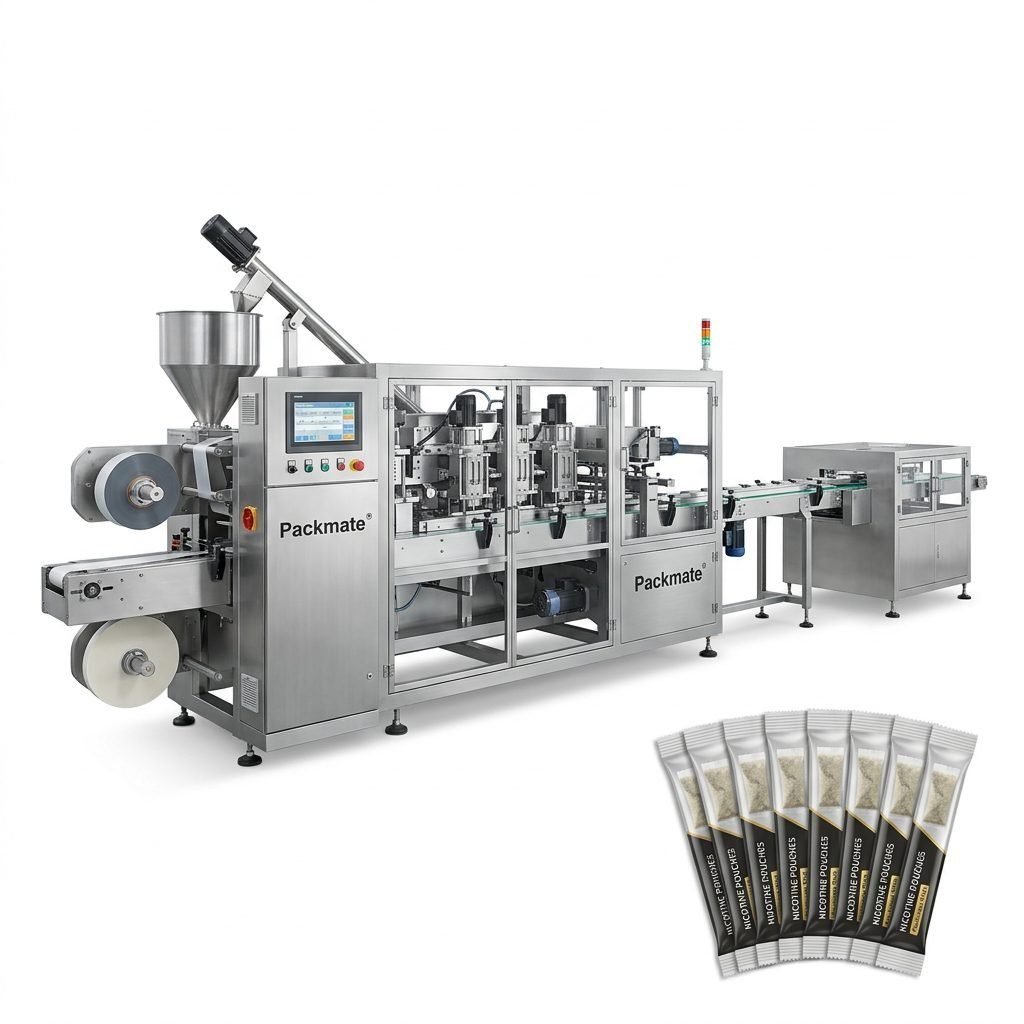
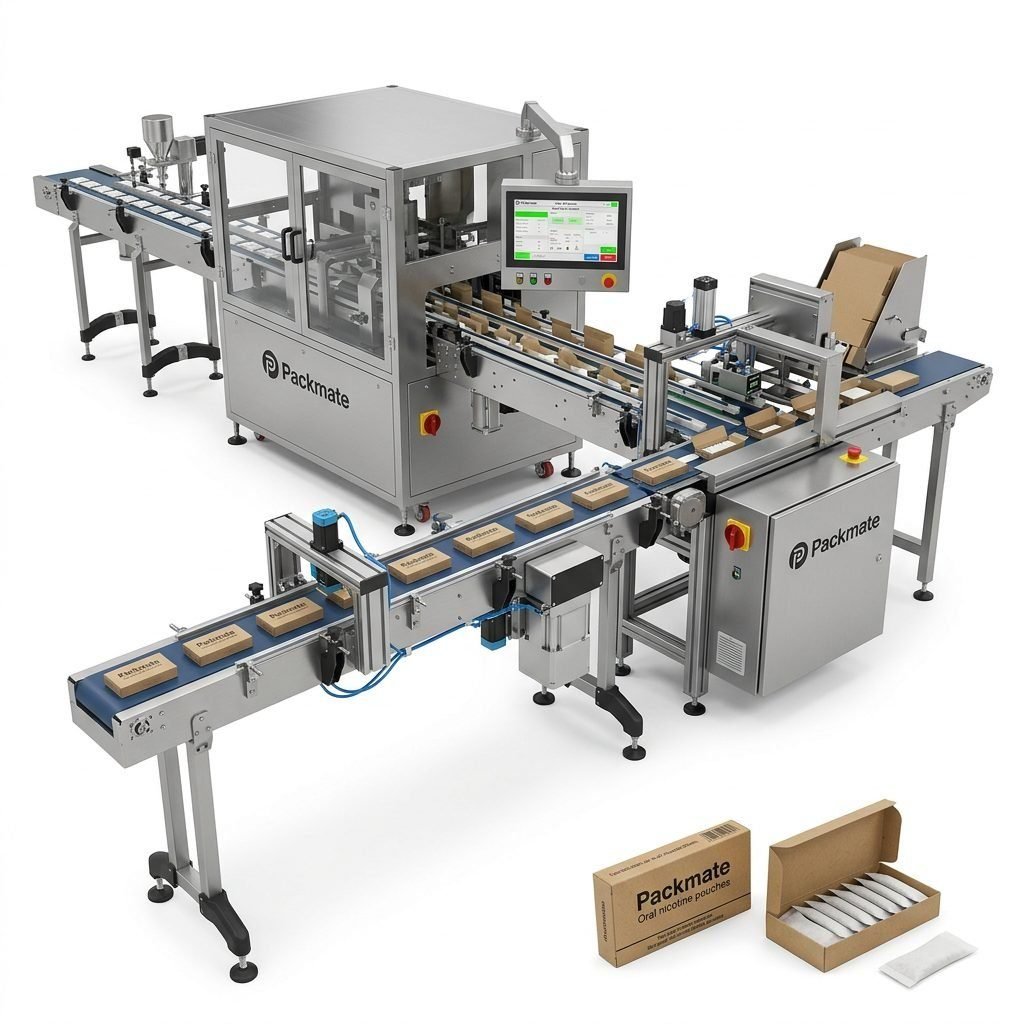
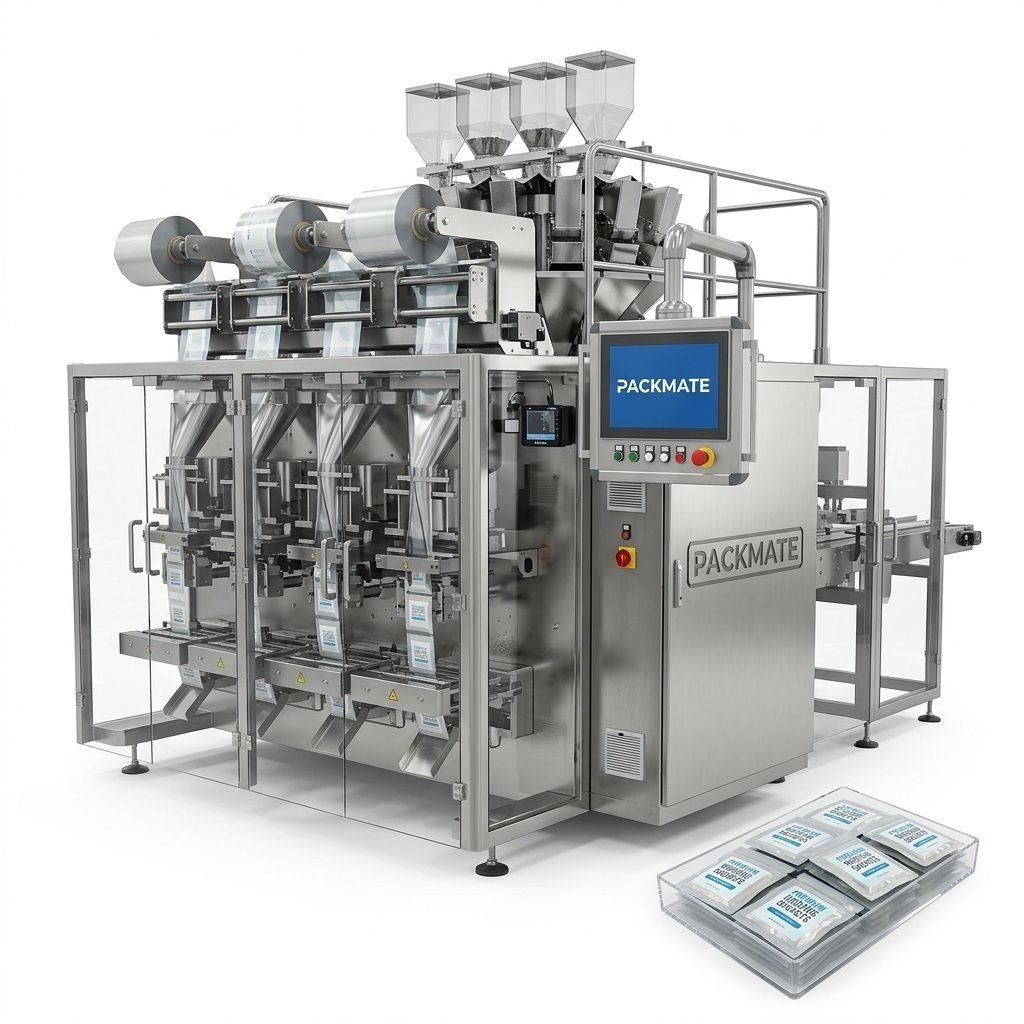
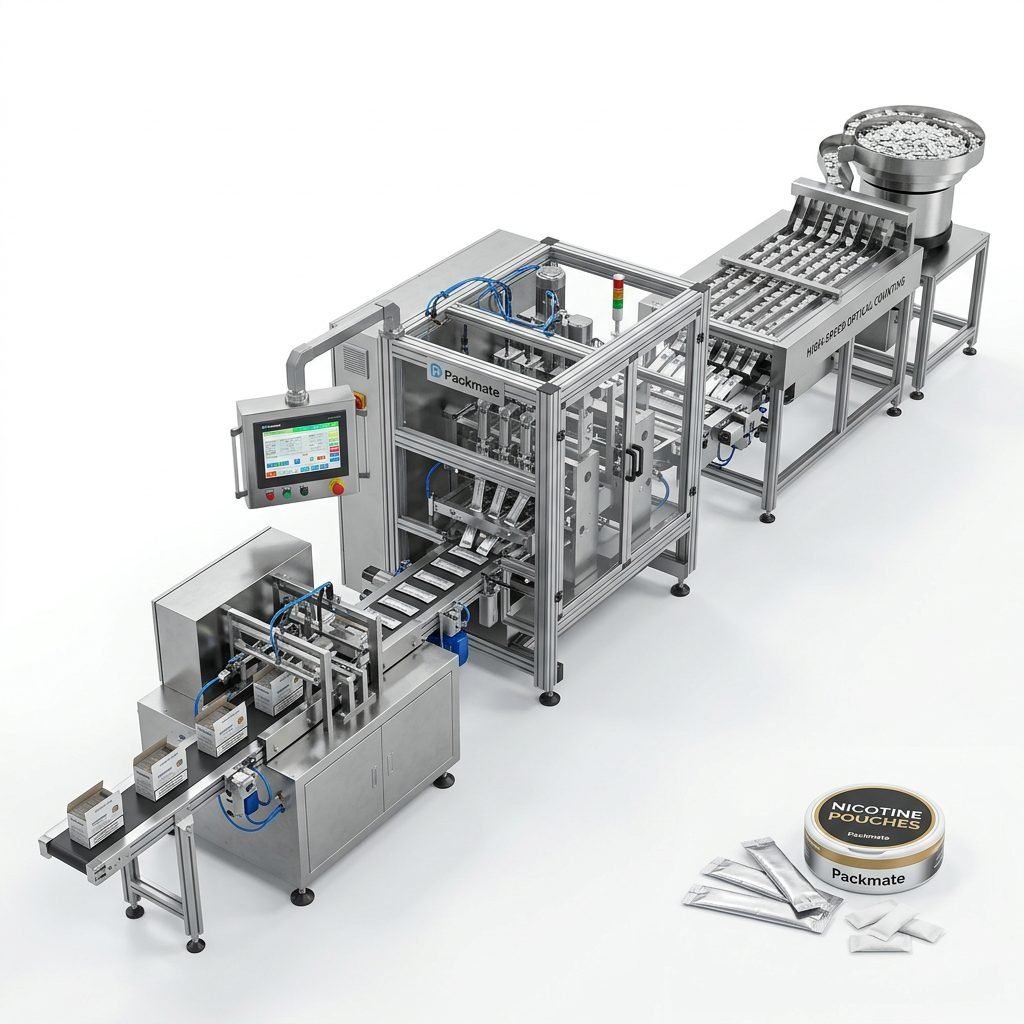
For startup factories entering the snus and nicotine pouch market, selecting the right snus machine and production line is one of the most critical decisions you’ll make. The choice affects product quality, output stability, regulatory compliance, and your ability to scale. This guide walks you through the practical selection process, key machine types, layout and capacity planning, cost factors, and vendor considerations — all tuned for small-to-medium startups that need reliable, efficient, and compliant packaging solutions.
Understanding the Market Opportunity and Your Product
Before you invest in equipment, clarify the product format you will produce: loose snus, nicotine pouches, stick packs, or sachets. Each format demands different filling, sealing, and ancillary equipment. Startups often begin with a single SKU and expand later, so plan machines that offer modularity and easy upgrades.
Key product questions to answer
• What is your target pouch or portion size (mg/g)?
• Will you produce dry pouches, wet snus, or powdered nicotine pouches?
• Do you require multilane production to increase throughput?
• What materials will you use for pouches and outer packaging?
Core Machine Types for Startup Factories
There are several machine categories that startups should consider. Each offers distinct advantages depending on volume targets and product complexity.
Stick pack & sachet machines
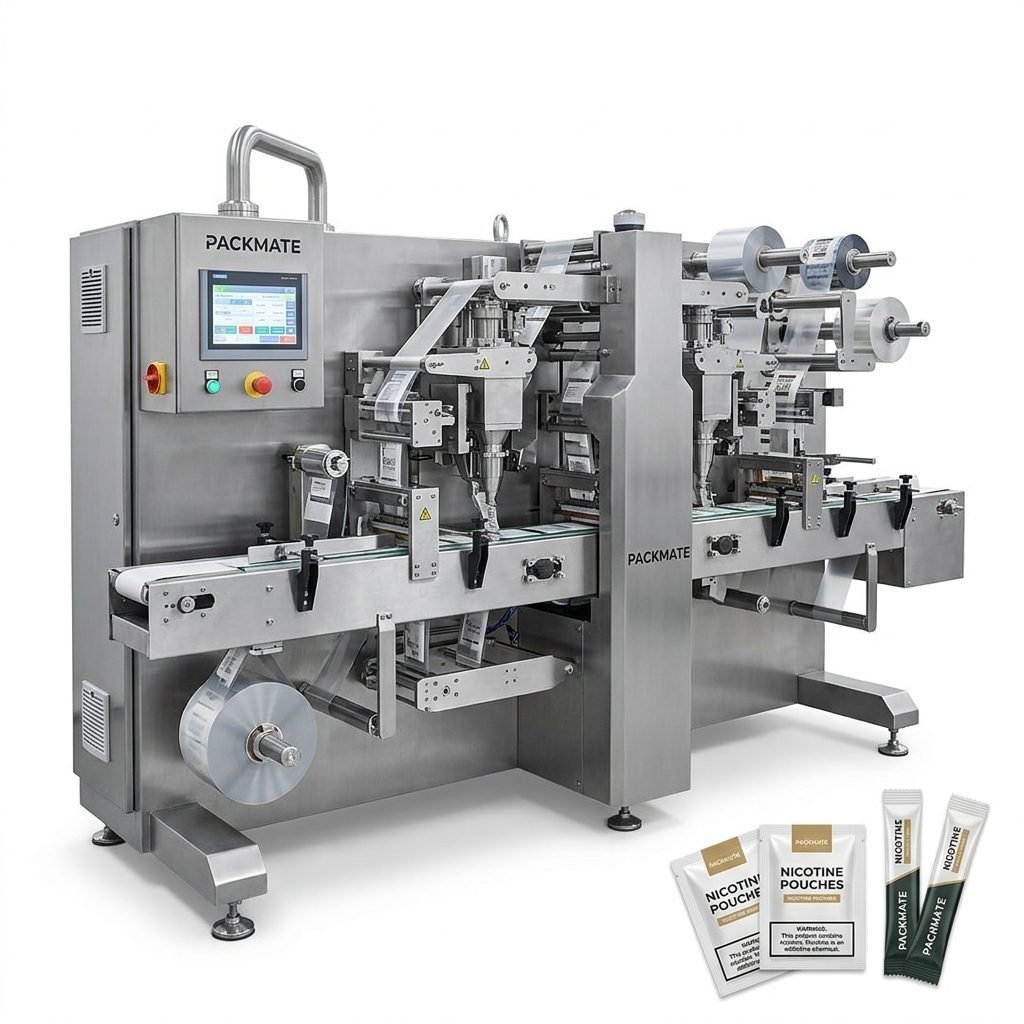
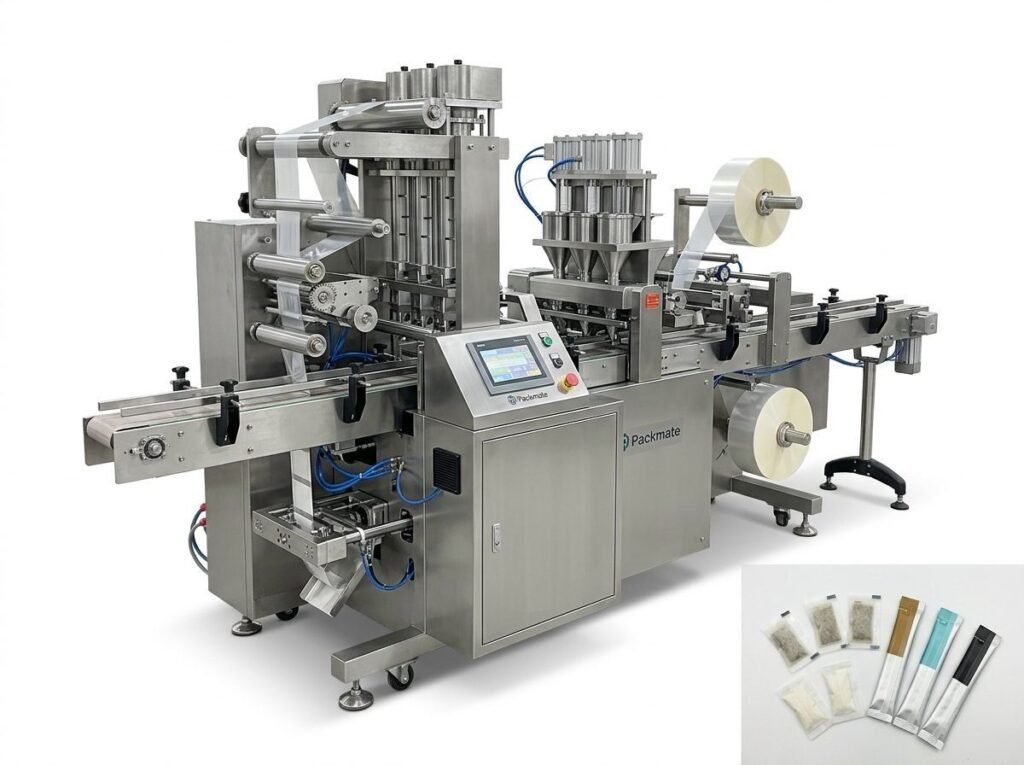
Stick pack and sachet machines are excellent for portioned products and single-serve sachets. They are compact, relatively affordable, and flexible for different stick lengths and fill weights. For details and model options, see the Sachet & Stick Pack Machines page.
Multi-lane snus / nicotine pouch machines
Multi-lane systems multiply throughput by running several lanes in parallel. These are ideal when you expect fast growth or need higher outputs without doubling floor space. They are more complex but provide excellent ROI for expanding startups.
Filling & ancillary equipment
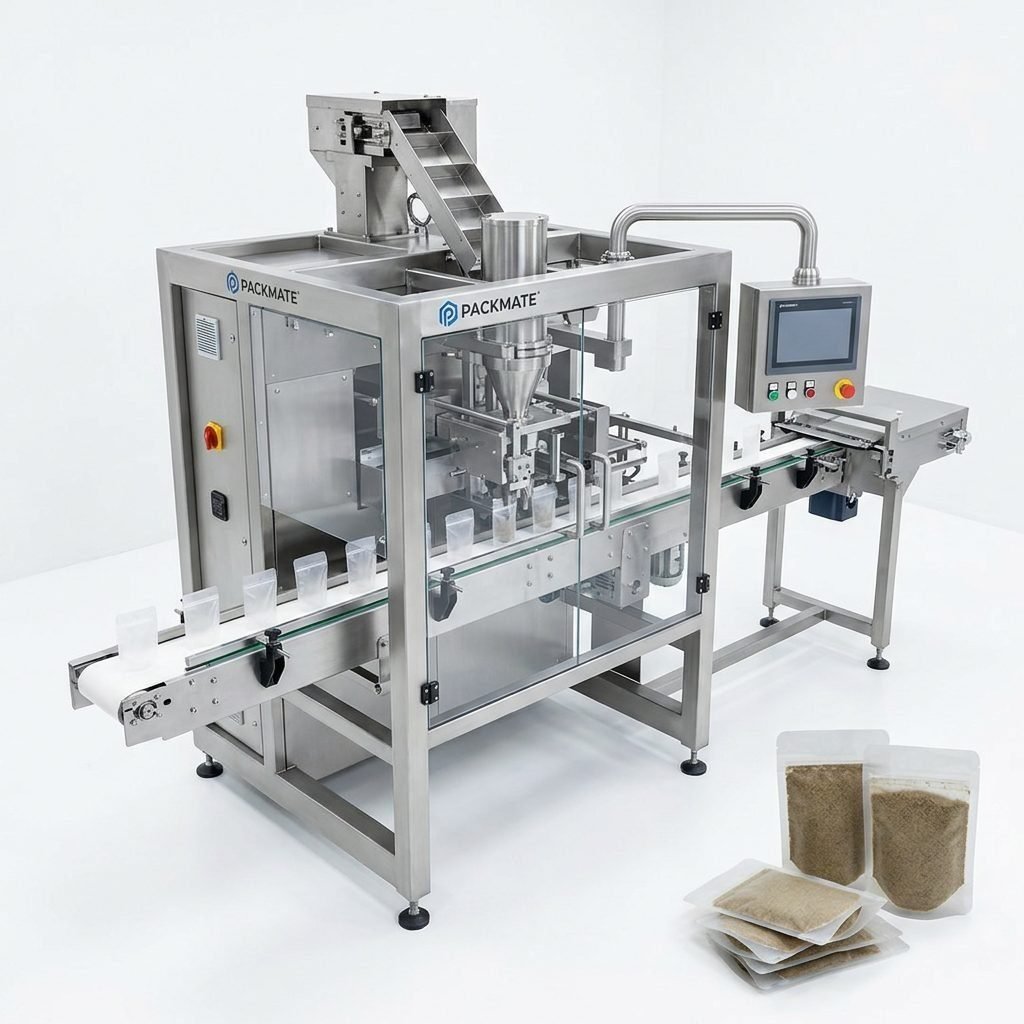
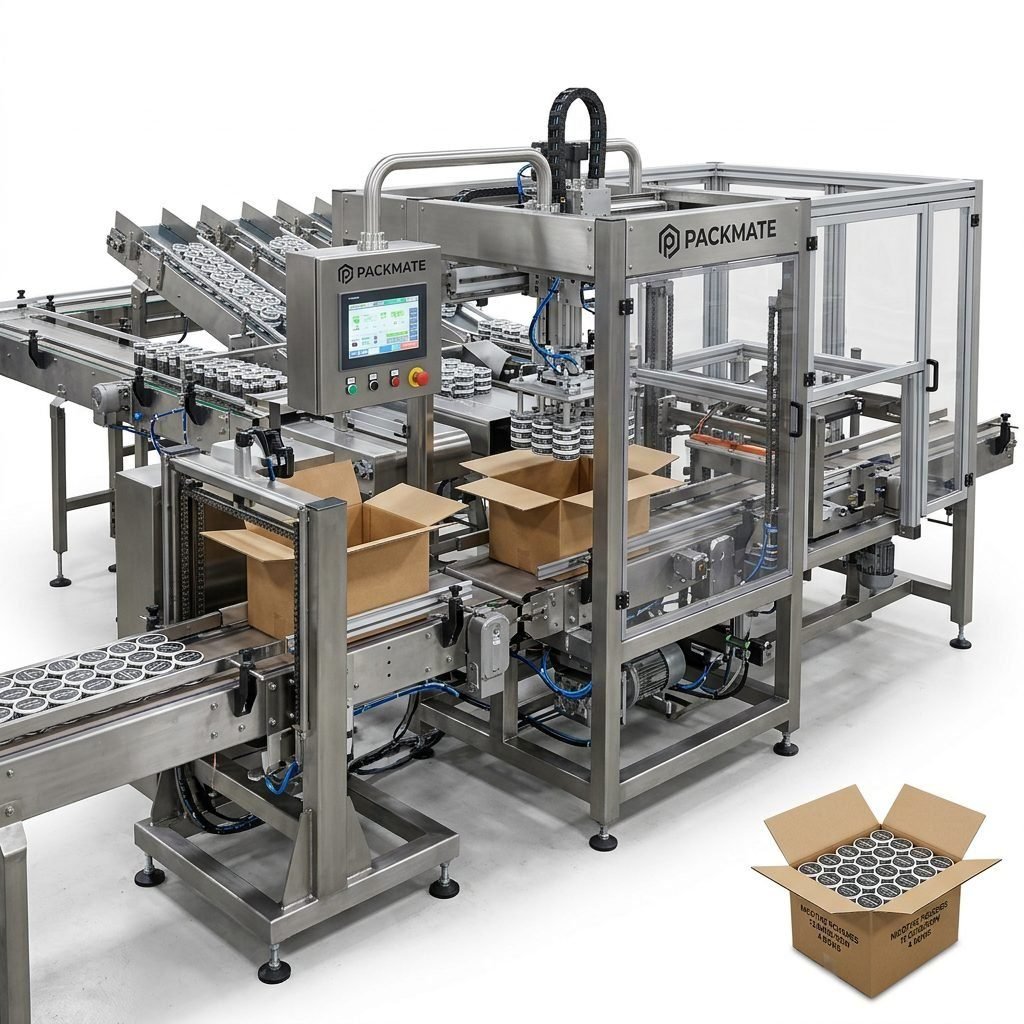
Supplementary systems such as precision fillers, dosing units, vibratory feeders, capping and tray packers are essential to complete a production line. Integrated Filling & Packaging Lines streamline operations and reduce manual handling.
Tip: Start with a core machine that matches your current volume and choose a vendor that offers scalable upgrades. This prevents overspending up-front while allowing predictable expansion.
Capacity Planning: How to Size Your Production Line
Capacity planning begins with sales forecasts and SKU mix. Calculate your monthly output goals and translate them into pouches per minute/hour/day. Consider downtime, maintenance windows, and quality control holdbacks.
Example calculation: if you aim for 1 million pouches per month and operate 22 days per month with two 8-hour shifts, you need roughly 2,835 pouches per hour. Choose a machine (or multi-lane configuration) with nominal speed above that target to provide headroom.
Practical factors affecting real throughput
• Changeover time between SKUs
• Material handling and supply chain reliability
• Operator skill and training
• Quality rejection rates and inspection frequency
Key Machine Features to Evaluate
Not all machines are created equal. When evaluating suppliers and models, prioritize features that reduce waste, increase uptime, and ensure consistent product quality.
Precision dosing & minimal giveaway
A high-quality dosing system minimizes material giveaway and maintains consistent pouch weights. For nicotine products where dosing accuracy is crucial, choose machines with advanced weighing or volumetric dosing controls.
Servo control & automation
Servo-driven systems provide repeatable motion and faster changeovers. Look for user-friendly HMI interfaces and recipe storage to switch product formats quickly.
Material compatibility & sealing technologies
Ensure the machine supports your film types, barrier requirements, and sealing methods (heat seal, ultrasonic, etc.). Some nicotine pouches require special barrier films to maintain shelf life.
Hygiene, maintenance & cleaning
Evaluate access for cleaning, CIP options if applicable, and the materials used in construction (stainless steel grades, food-safe coatings). Certified equipment simplifies regulatory compliance and audits.
Important: Machines that carry CE and ISO marks typically reflect adherence to international safety and quality standards — a major advantage when exporting products.
Vendor Selection: What to Look for in a Supplier
Vendor choice matters as much as machine specs. From engineering support to spare parts and training, choose a partner who can support your growth.
Manufacturing strength & track record
Look for manufacturers with decades of experience, robust fabrication facilities, and modular product lines. A factory with advanced CNC centers and precision assembly typically produces more reliable equipment. Packmate, for example, emphasizes 30+ years of engineering and 20,000㎡ manufacturing capability (learn more About Packmate).
After-sales service & spare parts
Fast access to spare parts, remote diagnostics, and local service partners will reduce downtime. Confirm lead times for critical parts and ask about service contracts.
Demonstrations & references
Request live demos or video walkthroughs. Ask for case studies and references from customers producing similar products; seeing real-world performance is invaluable. Find examples in the Case section.
Layout & Factory Integration
Efficient factory layout reduces material handling and increases throughput. Plan for raw material storage, machine infeed, quality control stations, and finished goods packing.
Keep maintenance aisles clear, and provide adequate utility hookups (power, compressed air, vacuum, and water/drain where necessary). Modular conveyor interfaces and standard electrical panels simplify integration.
Space and utilities checklist
• Floor footprint and clearances for conveyors
• Power requirements and phase specifications
• Compressed air quality and capacity
• Waste and product containment for regulatory compliance
Checklist: Before purchase, get a factory acceptance test (FAT) plan and a layout drawing from the vendor to ensure the equipment fits and interfaces correctly.
Regulatory Compliance & Certification
Nicotine and snus products are subject to strict health, packaging, and labeling regulations in many markets. Investing in machines that meet international hygiene and safety standards (CE, ISO) helps streamline approvals and export.
Validate that machine surfaces in contact with product are food-grade, and ensure traceability options such as date/lot coding and serialization systems.
Cost Considerations and ROI
Budgeting for a production line should include capital expenditure, installation, commissioning, spare parts, and operator training. Evaluate total cost of ownership (TCO) rather than just upfront price:
• Depreciation and lifespan
• Energy consumption and utilities
• Consumables (films, adhesives, sealing jaws)
• Scheduled maintenance and mean time between failures (MTBF)
Estimating ROI
Calculate ROI by comparing increased production value and reduced labor costs against investment and operating expenses. A well-chosen snus line often pays back within a few years for startups targeting steady growth.
Practical Launch Roadmap for Startups
Launching production involves staged steps that reduce risk and enable rapid troubleshooting.
1) Pilot run with a single-lane machine to finalize formulations and packaging film choices.
2) Validate packaging integrity and shelf-life tests.
3) Scale to multi-lane or automated lines once demand stabilizes.
4) Implement quality control checkpoints and staff training.
Operational tip: Use modular auxiliary equipment (weighers, vibratory feeders, palletizers) to expand capacity without replacing core machines.
Examples of Effective Production Lines
– Compact startup line: Single-lane sachet/stick pack machine + precision feeder + manual quality station.
– Growing operation: 4-lane snus pouch machine + automated dosing/weighing + secondary packaging and case packer.
– High-throughput: Multi-lane system integrated with continuous weighing systems and robotic palletizing.
Where to Find Reliable Equipment & Support
Explore manufacturers and product pages to compare specs, certifications, and service offerings. Recommended resources:
• Explore snus machine models on the Snus & Nicotine Packaging Machines page.
• Browse modular Bag & Pouch Packaging Machines for flexible formats.
• Review Filling & Packaging Lines for integrated solutions.
Final Checklist Before Purchase
• Confirm throughput matches 120-150% of current forecast to allow headroom.
• Verify materials compatibility and sealing performance.
• Inspect CE/ISO certification and hygienic design.
• Ask for FAT and SAT protocols, spare parts lists, and training plans.
• Ensure vendor provides references and case studies in the snus sector.
Quick summary: Choose scalable, hygienic, and serviceable equipment from a reputable manufacturer to minimize risk and maximize ROI. Where possible, inspect factory capabilities and request performance demonstrations.
Useful Links
For more technical specs and product lines, visit:
• Snus & Nicotine Packaging Machines
• Sachet & Stick Pack Machines
• Filling & Packaging Lines
• About Packmate
Conclusion
Selecting the best snus machine for a startup factory is a balance between current capacity needs, future scalability, product requirements, and supplier reliability. Prioritize machines with solid dosing accuracy, hygienic design, and service support. Partner with manufacturers that can demonstrate manufacturing strength, certifications, and real-world case studies to ensure your line performs as expected and grows with your business.
Common Questions
Q1 ⚙️ What is the best entry-level machine for a small snus startup?
A1 A single-lane sachet or stick pack machine with modular feeders is often the best start. It offers low initial cost, quick set-up, and flexibility for small batches and formulation trials.
Q2 📌 How important is multi-lane capability for new factories?
A2 Multi-lane systems are important if you expect rapid volume growth or want to maximize throughput in limited floor space. For uncertain demand, begin single-lane with upgrade options.
Q3 ✅ What certifications should I require from an equipment supplier?
A3 Require CE and ISO compliance, food-safe material specifications, and documentation for electrical and mechanical safety. These certifications help with regulatory approvals and export.
Q4 🔧 How do I evaluate after-sales support quality?
A4 Check spare part lead times, availability of remote diagnostics, training records, and customer references. Confirm the vendor offers FAT/SAT testing and clear maintenance schedules.
Q5 📈 Where can I see real-world installations and results?
A5 Request case studies and visit the vendor’s Case or Exhibition pages to view demonstrations and customer feedback in similar applications.