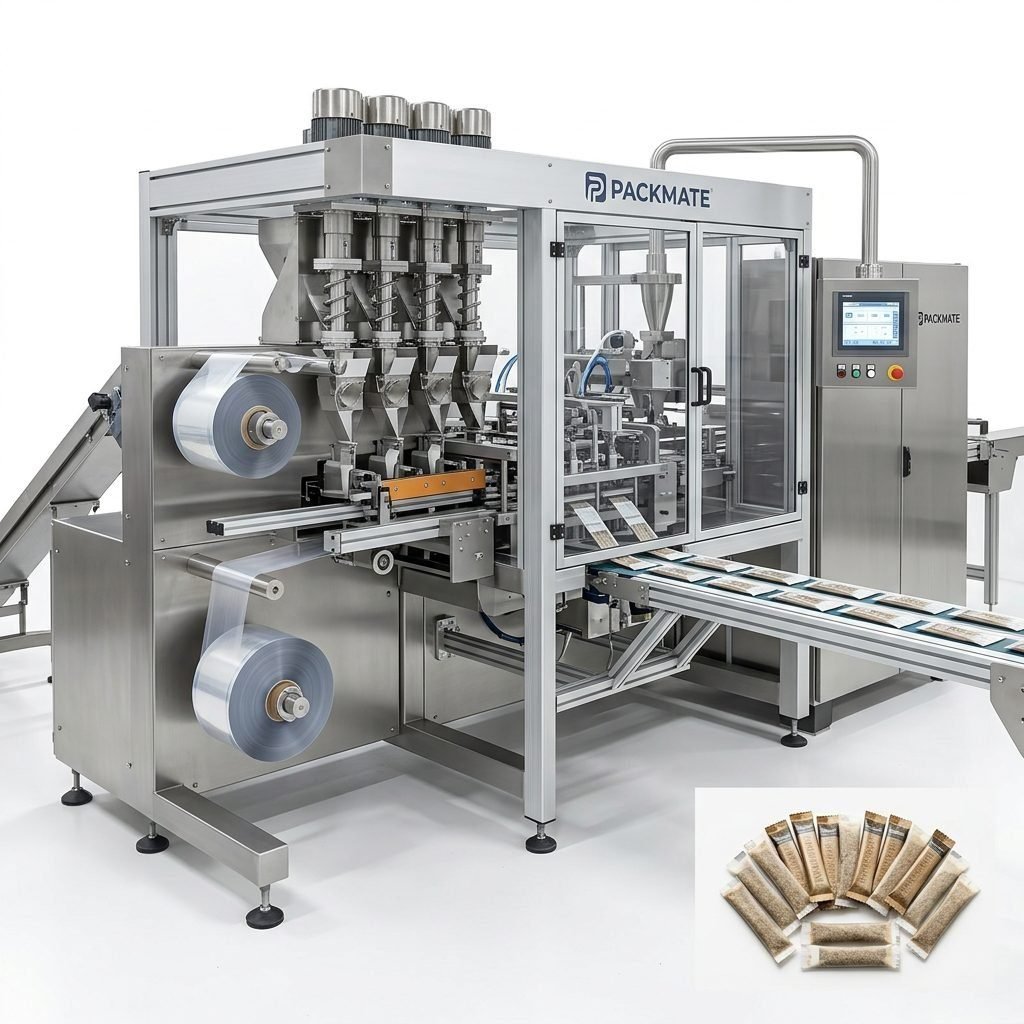
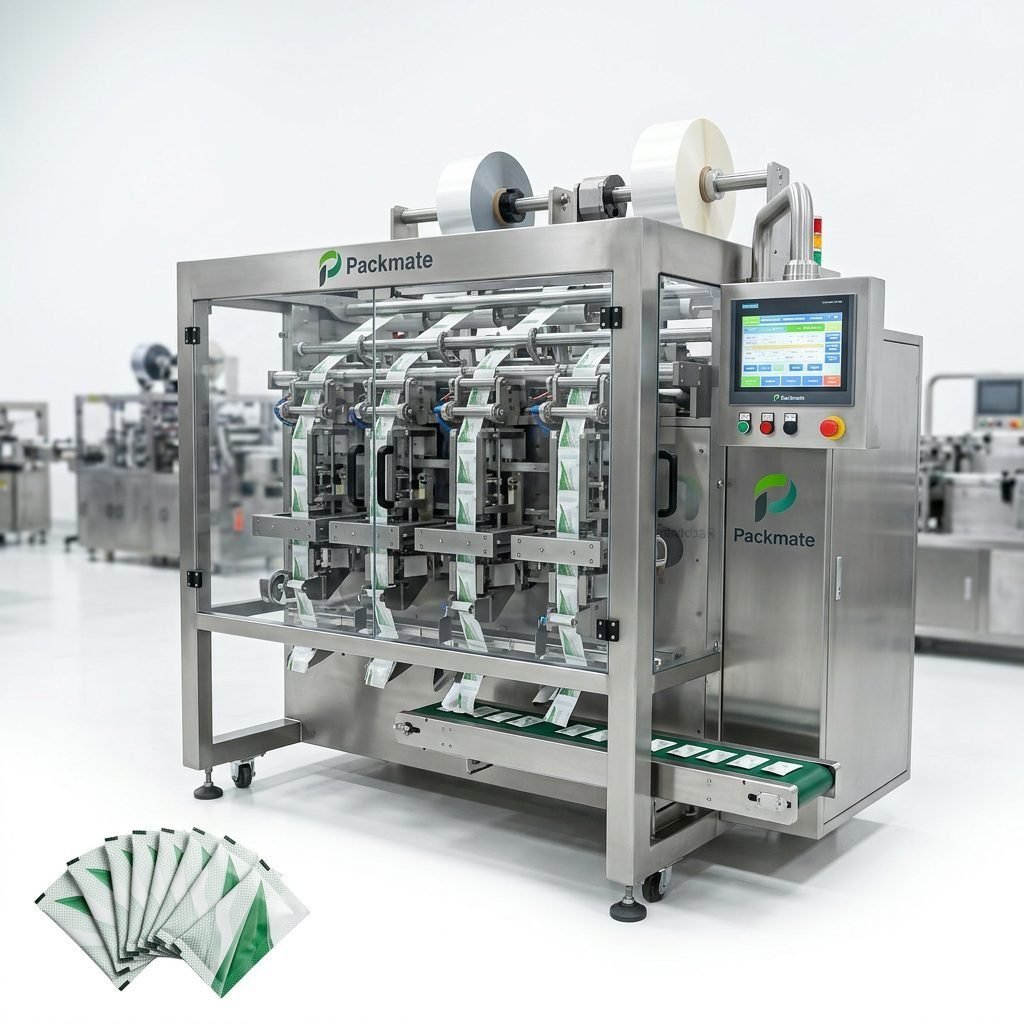
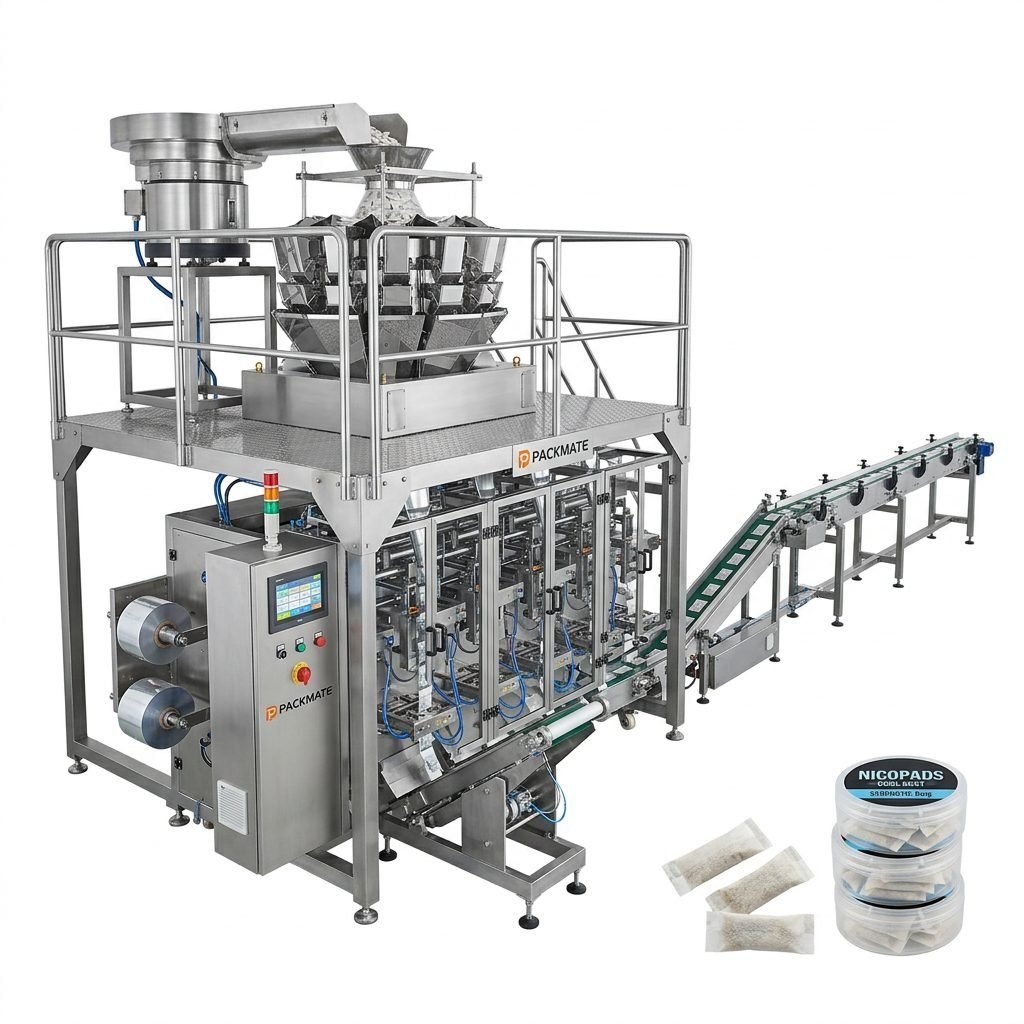
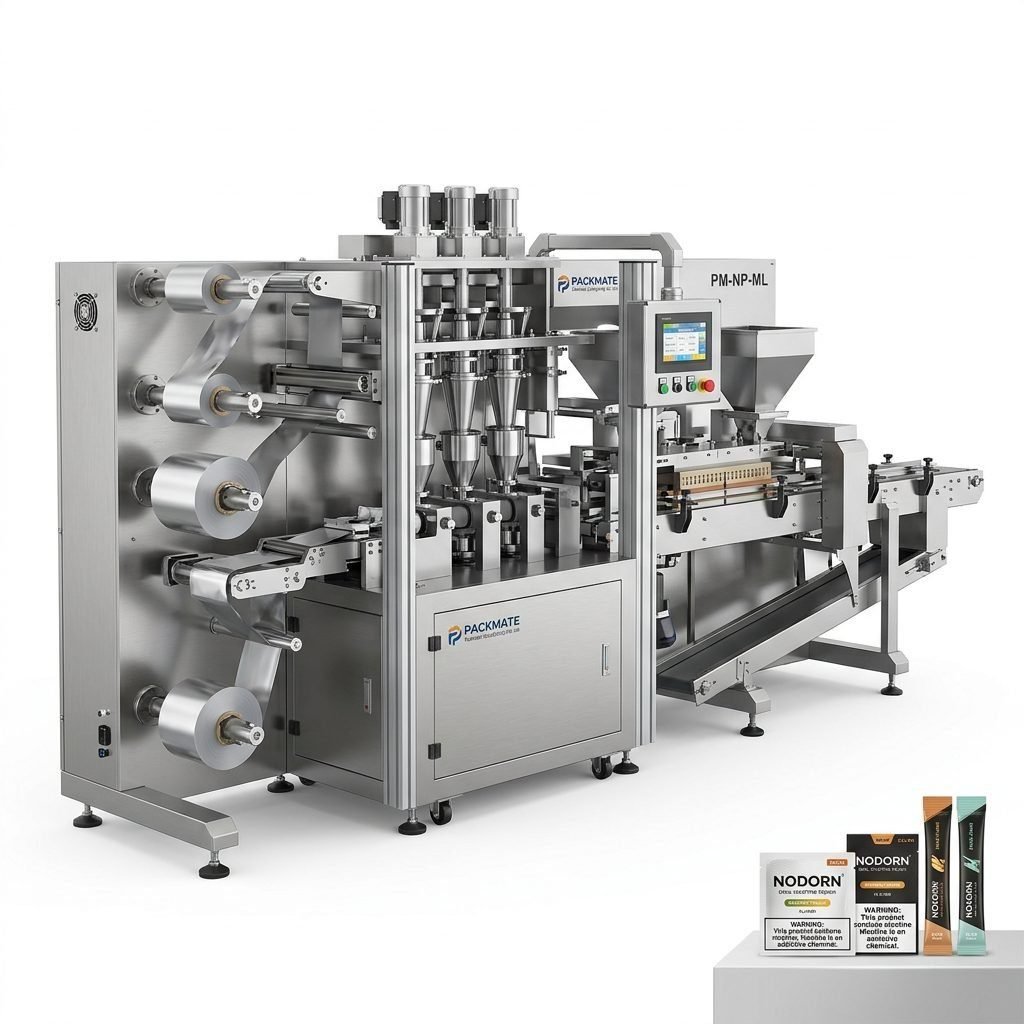
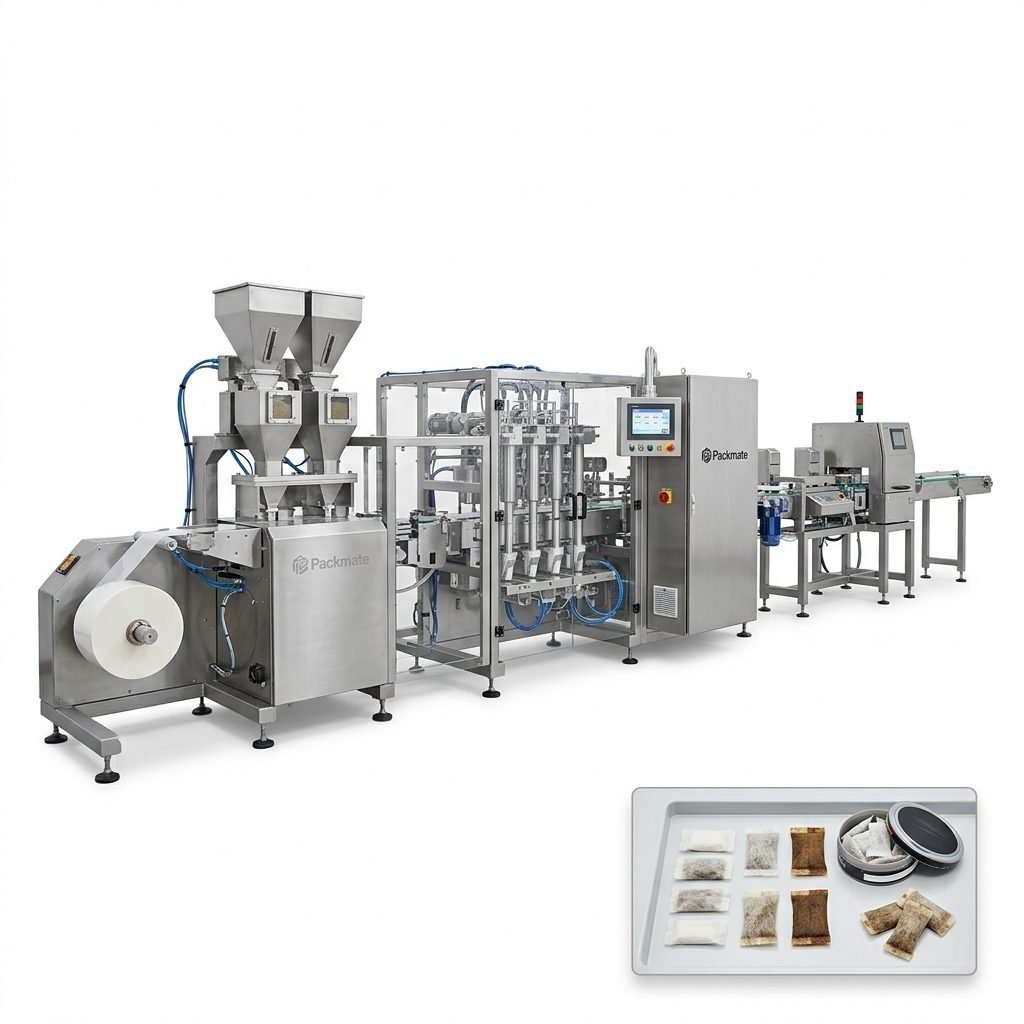
Choosing the right nicotine packaging machinery for your operation in Sao Tome and Principe requires balancing production capacity, compliance, cost and long‑term support. Whether you plan to produce snus, nicotine pouches, stick packs or sachets, the right equipment will determine product consistency, regulatory compliance and overall profitability. This guide walks you step‑by‑step through the selection process and highlights the technical and commercial factors to consider when sourcing packaging machines for nicotine products.
Understand Your Production Needs 🔍
Start with clear answers to the following: what is your planned daily or monthly output, which pouch format will you produce, what are your dose tolerances, and do you expect product variations (flavors, sizes)? Machines are optimized for different outputs — from single‑lane, small‑batch systems to high‑throughput multi‑lane lines. Defining your production targets early prevents costly over‑ or under‑investment.
choose a machine whose typical operating speed is 10–20% above your current peak demand to allow growth without compromising stability.
Key Machine Types for Nicotine Packaging
Packaging solutions for nicotine products include several distinct categories. Each type serves specific product forms and business models:
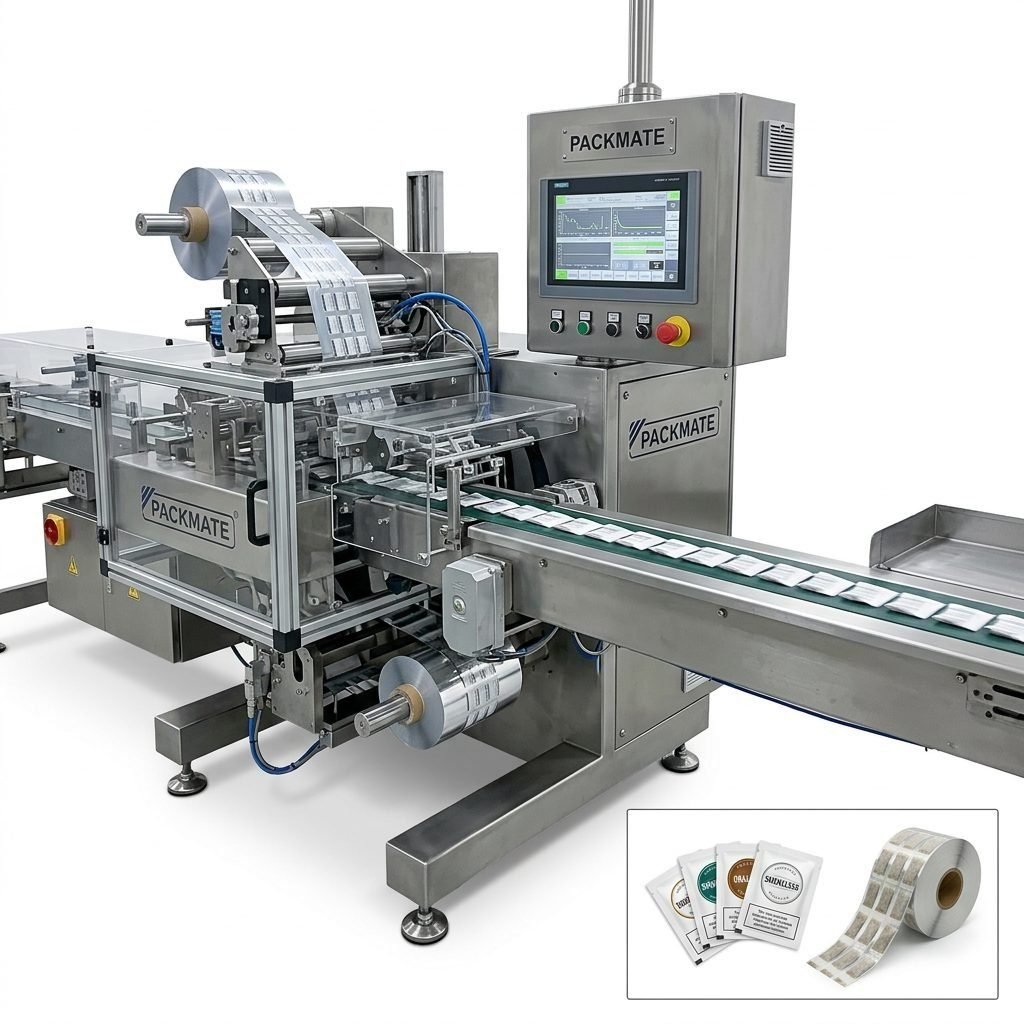
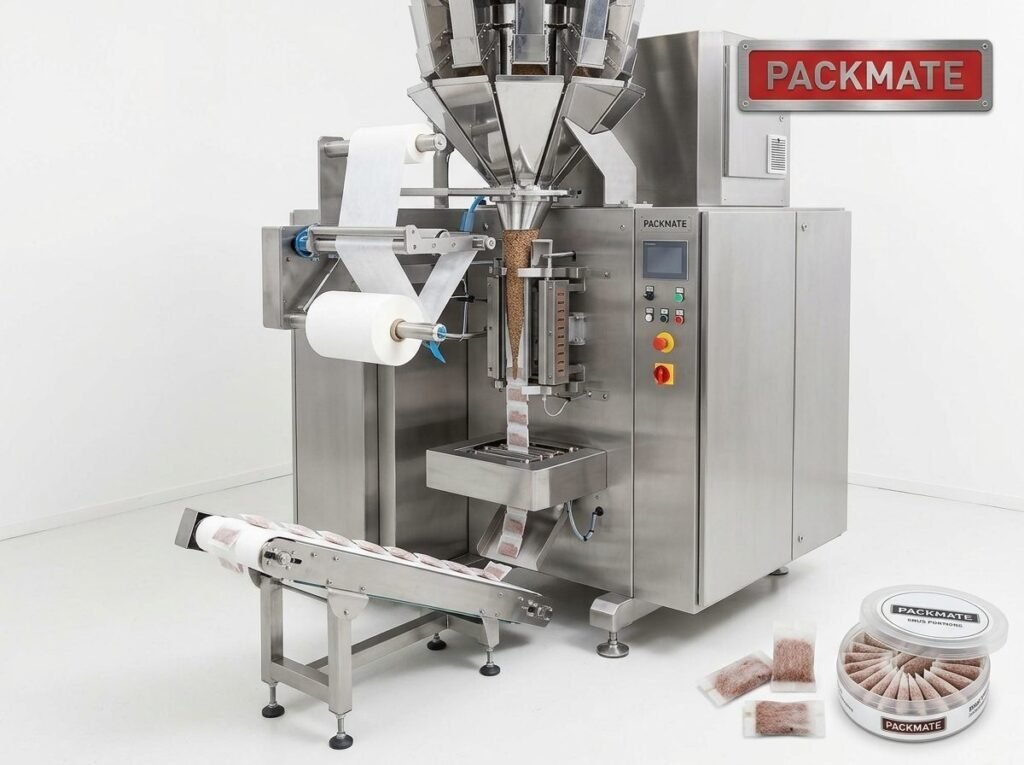
- Snus & Nicotine Pouch Packaging Machines — ideal for dry pouches and powder fills. Explore machines
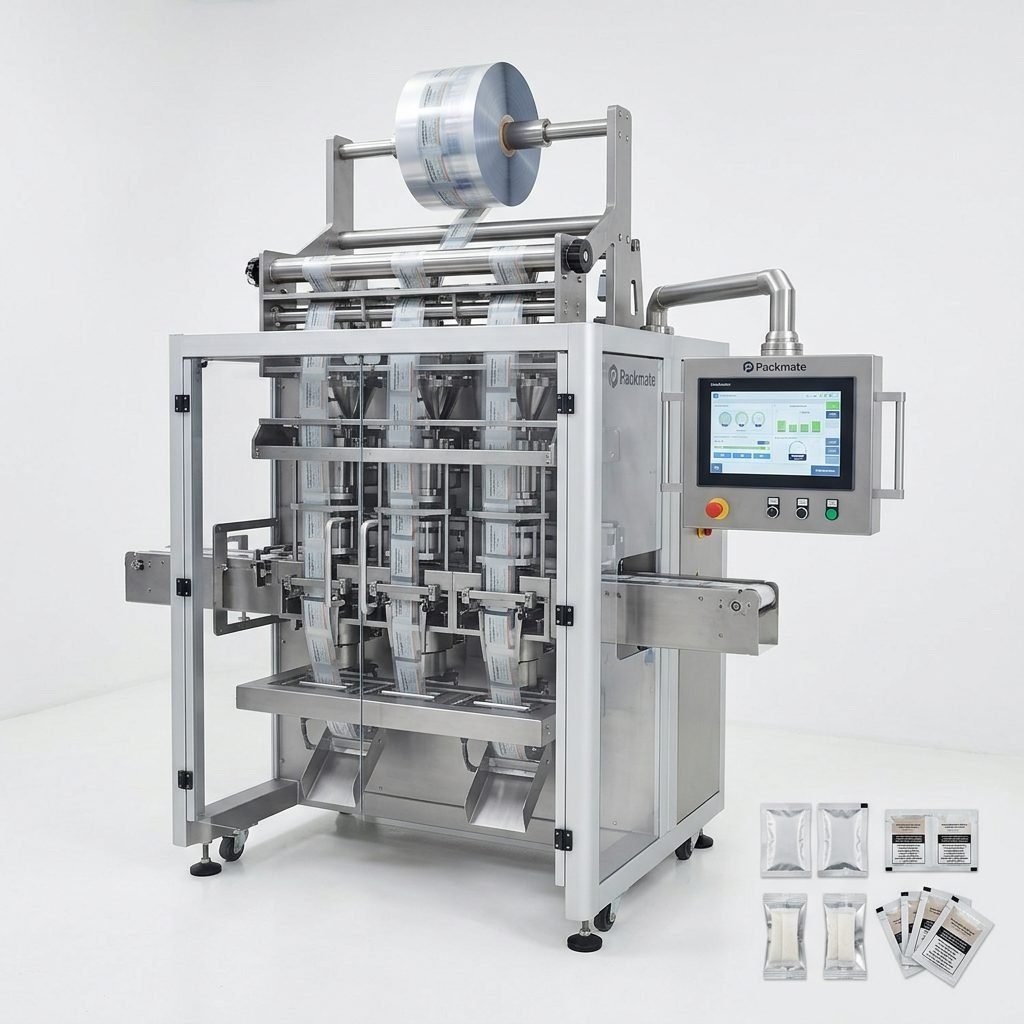
- Sachet & Stick Pack Machines — suitable for single‑serve dosing and flexible formats. View stick & sachet
- Bag & Pouch Packaging Machines — for secondary packaging like reclosable pouches or retail bags. See bag & pouch options
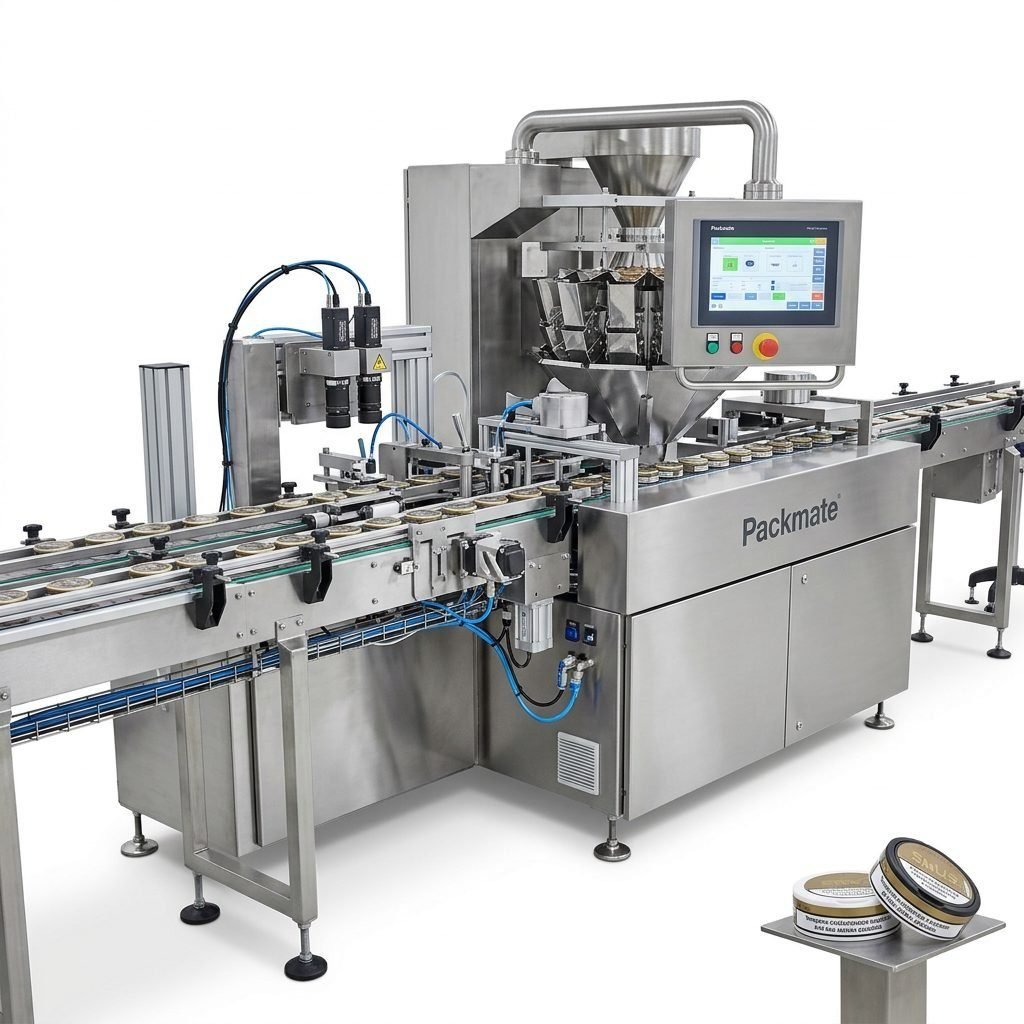
- Weighing & Packaging Systems — critical when precise dosing across lanes is required. Weighing systems
Snus / Nicotine Pouch Machines
These machines are engineered to handle low moisture contents, precise powder dosing, and gentle pouch formation. Look for units with modular dosing modules, easy changeover and options for multi‑lane formats to increase throughput without multiplying the floor footprint.
Stick Packs & Sachet Machines
Stick packs are efficient for single servings and retail distribution. Sachet machines can produce pillow or flat sachets for nicotine gums or dissolvable products. Prioritize machines with stable film feeding, accurate seaming and programmable filling profiles for different viscosities.
Critical Technical Specifications to Compare ✅
When evaluating models, focus on these technical specs — they directly affect product quality, yield and operational cost:
Top technical factors:
- Production speed (pouches/min and lanes) — verify sustainable operating speeds.
- Dosing accuracy and repeatability — expressed as ±mg or % of target dose.
- Material compatibility — films, foils and pouch substrates used in nicotine packaging.
- Sealing quality and integrity testing — visual/seal detectors, nitrogen flush options.
- Changeover time and tooling cost — essential for multiple SKUs.
- Control system and HMI — intuitive touchscreens, recipe storage and remote support.
Compliance, Safety and Local Regulations ⚖️
Nicotine and tobacco‑related products are heavily regulated. Machines should facilitate compliance by providing hygienic designs, cleanable surfaces, and certifications such as CE and ISO. Confirm that the supplier understands export documentation, customs clearance and any local licensing requirements specific to Sao Tome and Principe.
CE/ISO certificates, machine test reports and material traceability records.
After‑Sales Service, Training & Spare Parts 🔧
Reliable after‑sales support is crucial when operating in regions with limited local service providers. Confirm lead times for spare parts, availability of remote diagnostics, and whether the supplier provides installation, operator training and preventative maintenance programs. A manufacturer with a global network and experience in turnkey projects will reduce downtime and accelerate ramp‑up.
Packmate (GuangDong) Co., Ltd. emphasizes full production lines and global technical support; learn more about their capabilities on the About Packmate page.
Layout, Installation & Workflow Integration 🏭
A detailed factory layout plan will help you select machines with appropriate footprints and utilities. Consider the entire workflow: raw material storage, dosing and pre‑mixing, primary packaging, secondary packaging and finished goods staging. Machines that are modular and compatible with common conveyors and robotic pickers simplify integration.
request a 3D layout and electrical/air consumption data from suppliers during the RFQ stage to avoid surprises at installation.
Cost, ROI and Long‑Term Ownership
Evaluate total cost of ownership (TCO): initial capital expenditure, energy consumption, maintenance hours per month, spare parts pricing and expected lifetime. Fast machines that are unreliable can erode ROI through downtime. Conversely, robust precision machines may deliver better margins through reduced waste and higher yield.
Selecting a Supplier: Questions to Ask ✅
When shortlisting vendors, ask these focused questions — their answers reveal manufacturing capability and commercial transparency:
- What is the machine’s tested throughput at your specified dose? (request factory test videos)
- Can you provide references or case studies in similar products/markets? Case examples
- What are expected spare parts consumption rates and lead times?
- Do you offer on‑site installation and operator training? (ask for training syllabus)
- Is remote support available and what is the SLA for critical failures?
- Which certifications accompany the machine and materials?
- What customization options exist for dosing modules, lane counts and sealing systems?
Why Choose an Experienced Manufacturer?
Experience matters for nicotine packaging. Manufacturers with decades of engineering history bring refined mechanical designs, stronger quality controls and proven multi‑lane solutions that reduce risk. Check the supplier’s production capacity, CNC capabilities and quality testing — these are key indicators of consistent machine performance.
Example — Packmate strengths:
- 30+ years of engineering experience and more than 50 machine models
- Large factory with advanced CNC and precision assembly
- Global turnkey solutions and export experience
Practical Steps to Purchase in Sao Tome and Principe
- Define product SKUs, target output and allowable dose variance.
- Request machine datasheets and factory acceptance test (FAT) videos.
- Ask for detailed quotes including freight, installation and warranty.
- Plan for spare parts inventory and local maintenance training.
- Coordinate with customs and regulatory advisors early to prevent import delays.
If you need a starting point for technical proposals or turnkey lines, review Packmate’s product categories including Filling & Packaging Lines and Auxiliary Equipment to plan integrated solutions.
Making the Final Decision
Combine technical evaluation with commercial diligence: verify the machine performance with FAT, review service contracts, and ensure supply chain readiness for consumables. A reputable manufacturer will support you from layout planning through commissioning and provide clear escalation paths for service. For direct supplier contact and tailored quotations, use the manufacturer’s Contact Us page.
Final checklist before purchase:
- Performance validated: FAT videos and reference visits where possible.
- Clear service plan: spare parts list, training and SLA.
- Regulatory readiness: certificates and documentation for import/compliance.
Conclusion
Selecting the best nicotine packaging machinery for Sao Tome and Principe means aligning machine capabilities with your production goals, ensuring regulatory compliance, and securing robust after‑sales support. Start with clear production targets, evaluate proven multi‑lane and dosing technologies, and partner with a manufacturer experienced in turnkey nicotine solutions to reduce risk and accelerate market entry.
Common Questions (FAQs)
Q: How do I know what machine speed I really need?
A: Calculate your required daily pouch output, divide by planned operating hours, and add a 10–20% buffer. Then compare that figure to machine rated speeds at sustainable operating conditions rather than peak tested speeds.
Q: What certifications should I request from suppliers?
A: At minimum request CE and ISO documentation, plus material traceability and factory test reports. For export and local compliance, ask for paperwork that supports customs clearance and product safety audits.
Q: Are multi‑lane machines better than multiple single‑lane units?
A: Multi‑lane systems reduce floor space and centralize controls but can be more complex. For rapid scalability and smaller initial investments, single‑lane units are easier to manage; for high throughput and lower per‑unit cost, multi‑lane is preferred.
Q: How important is remote support and spare parts availability?
A: Extremely important. Fast remote diagnostics shorten downtime, and pre‑planned spare parts reduce repair time. Confirm parts lead times and whether the supplier maintains regional stock.
Q: Where can I view product ranges and request more information?
A: Review product lines and request quotes or detailed catalogs directly via Packmate’s product pages, including Snus & Nicotine Packaging Machines and Catalog.