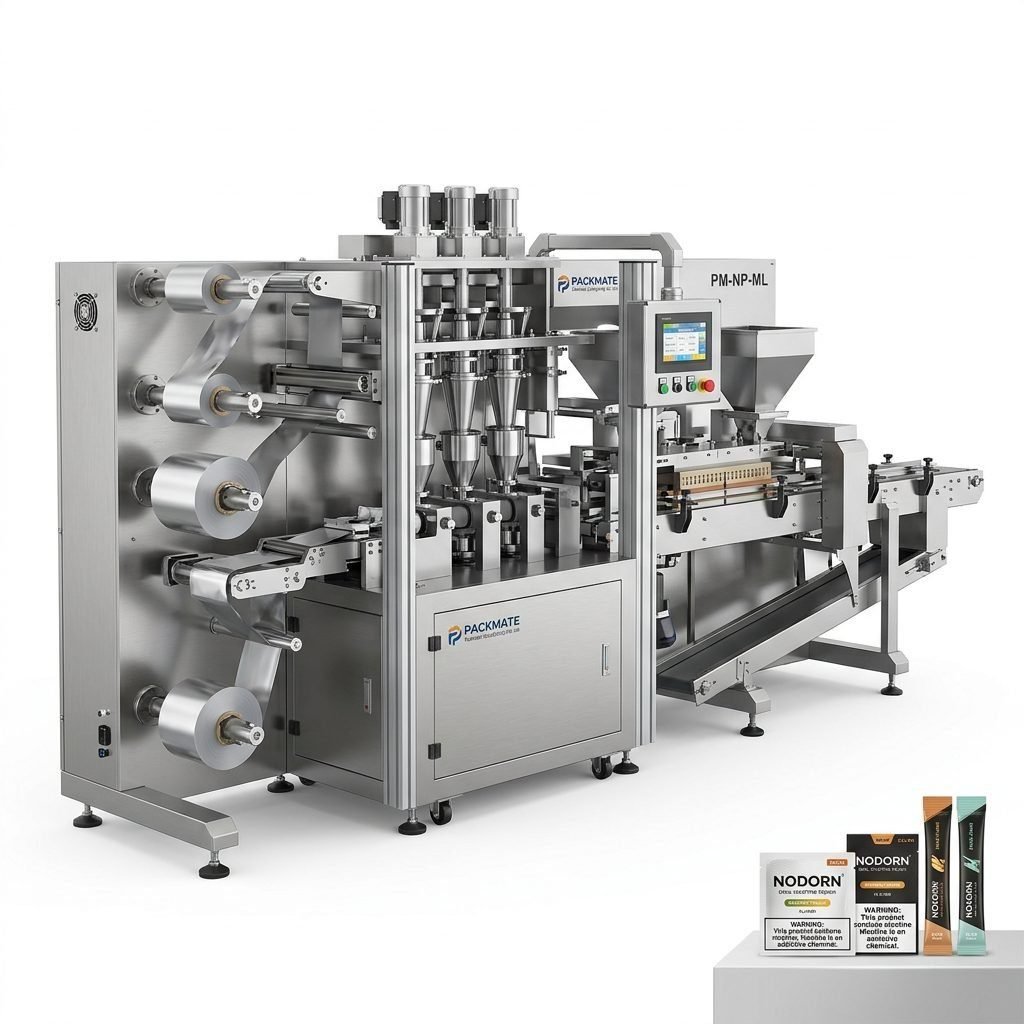
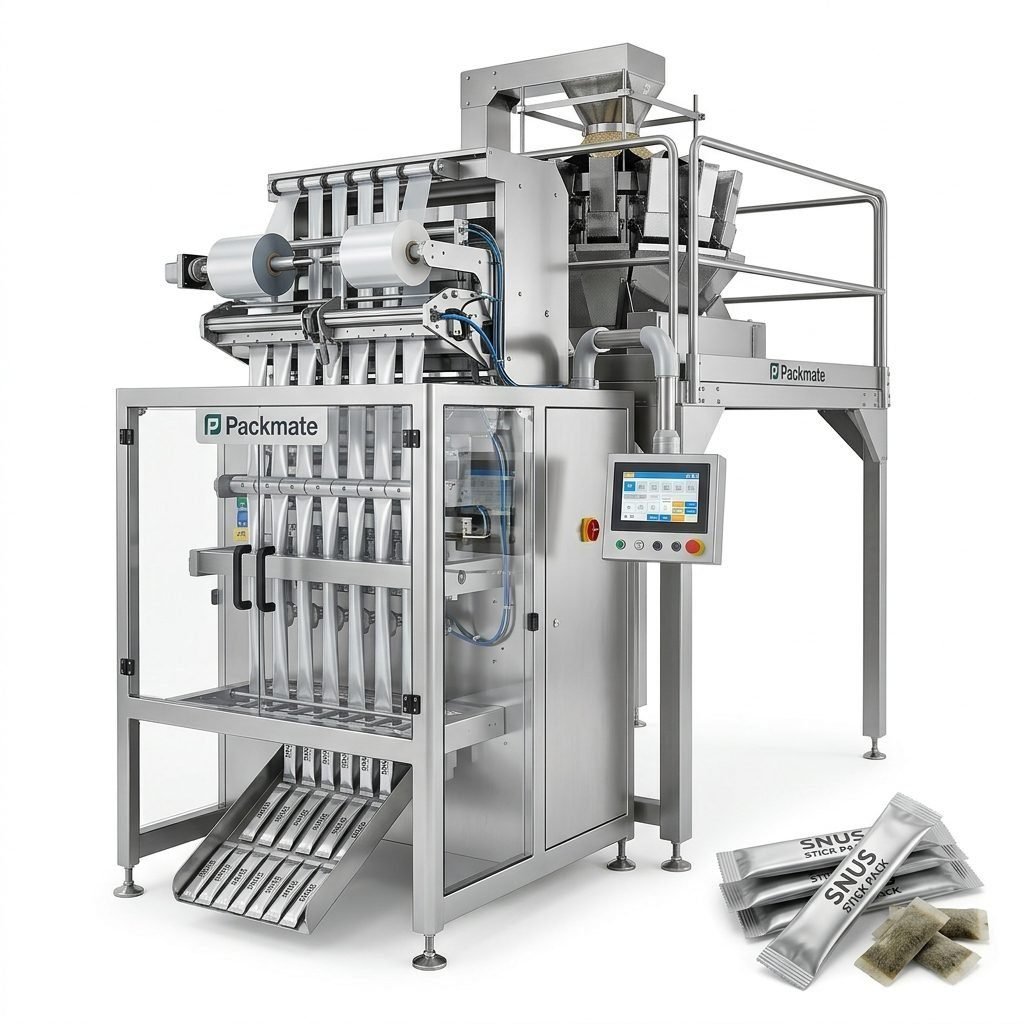
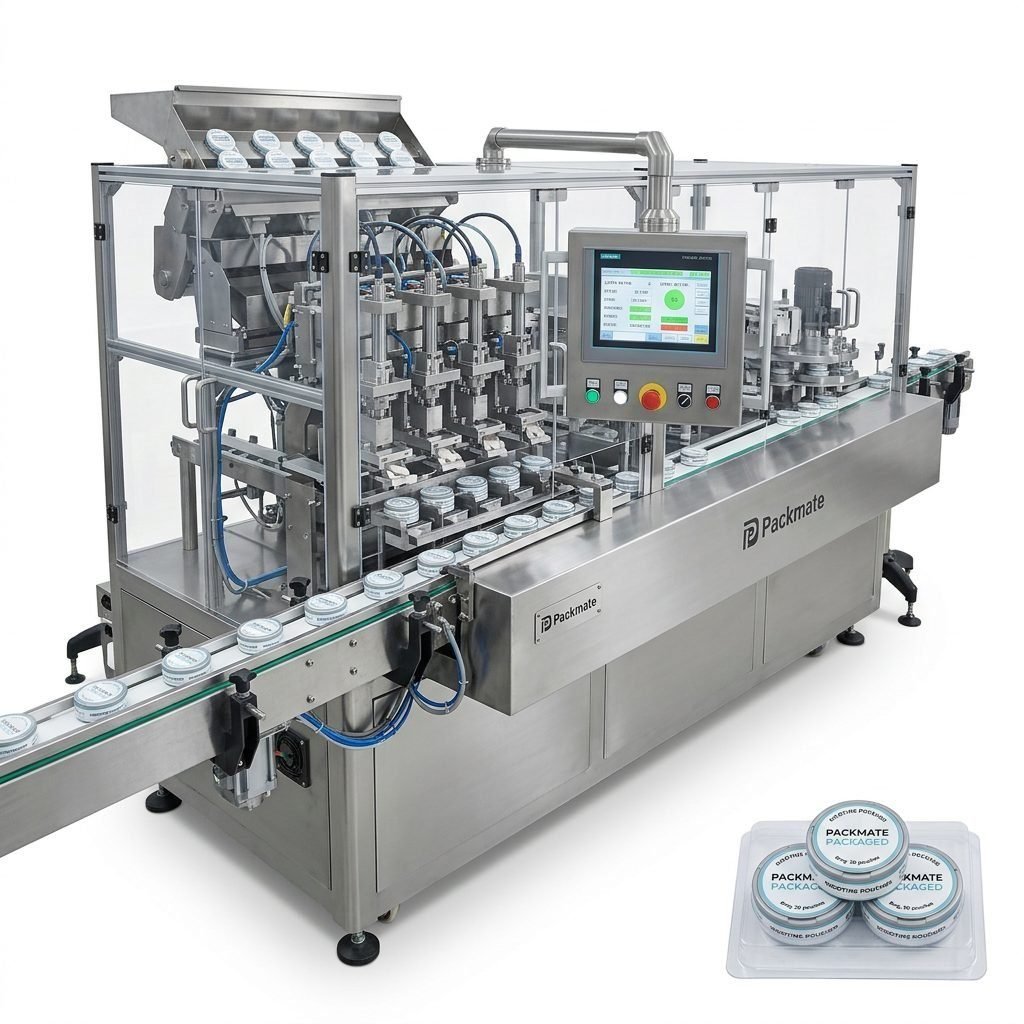
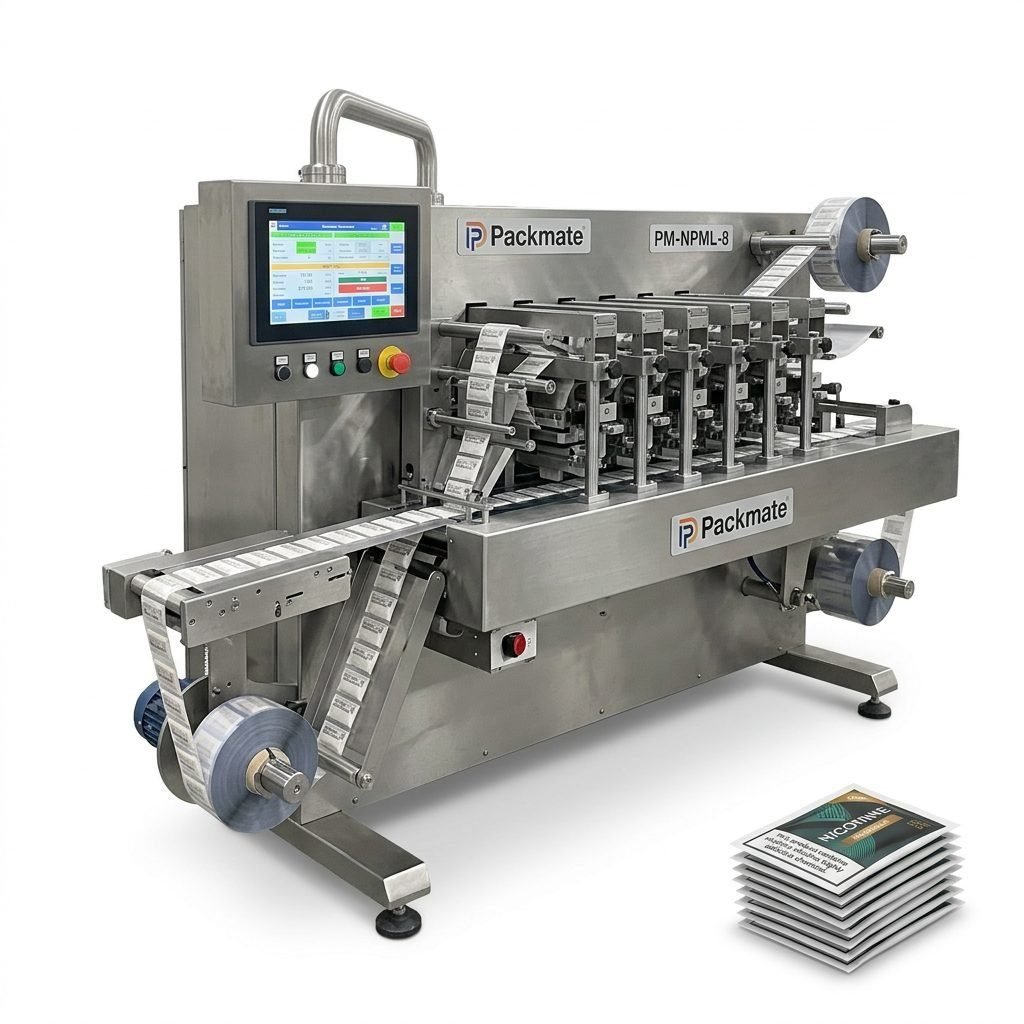
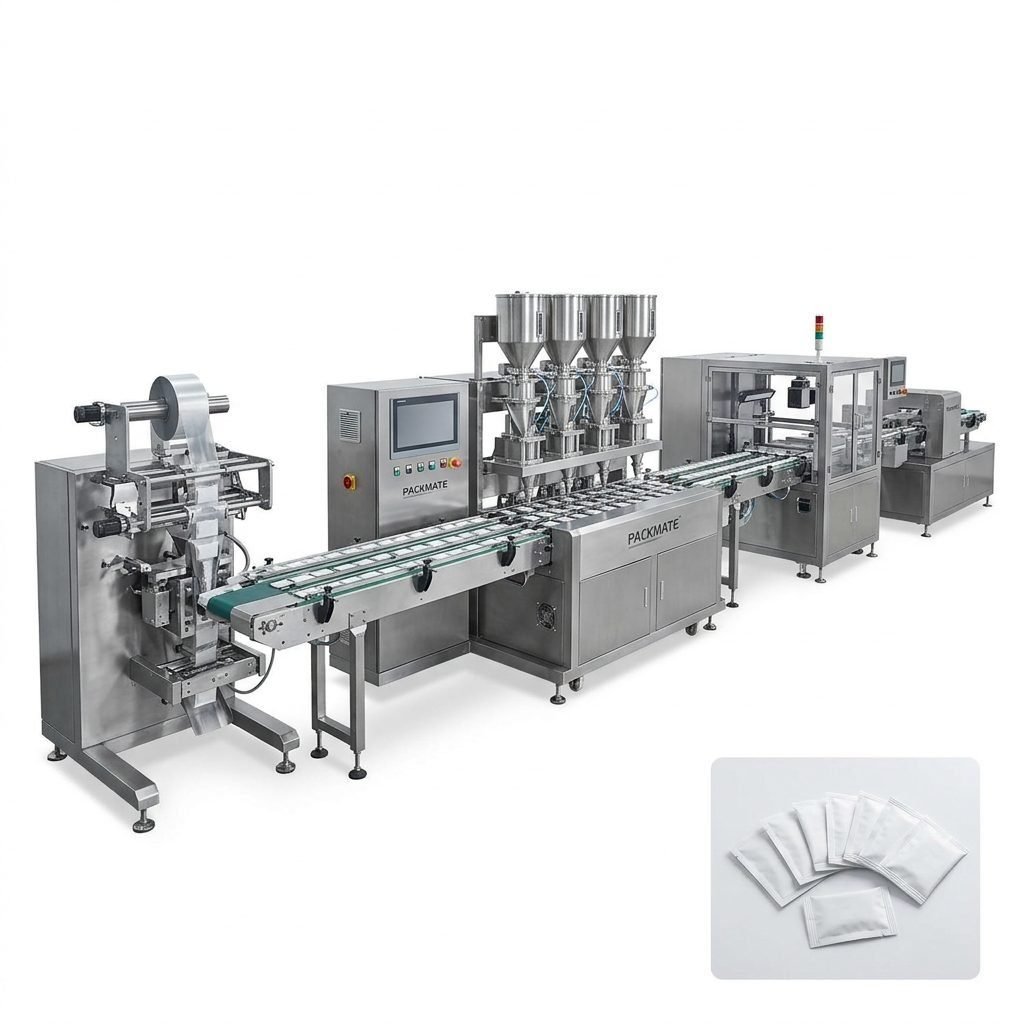
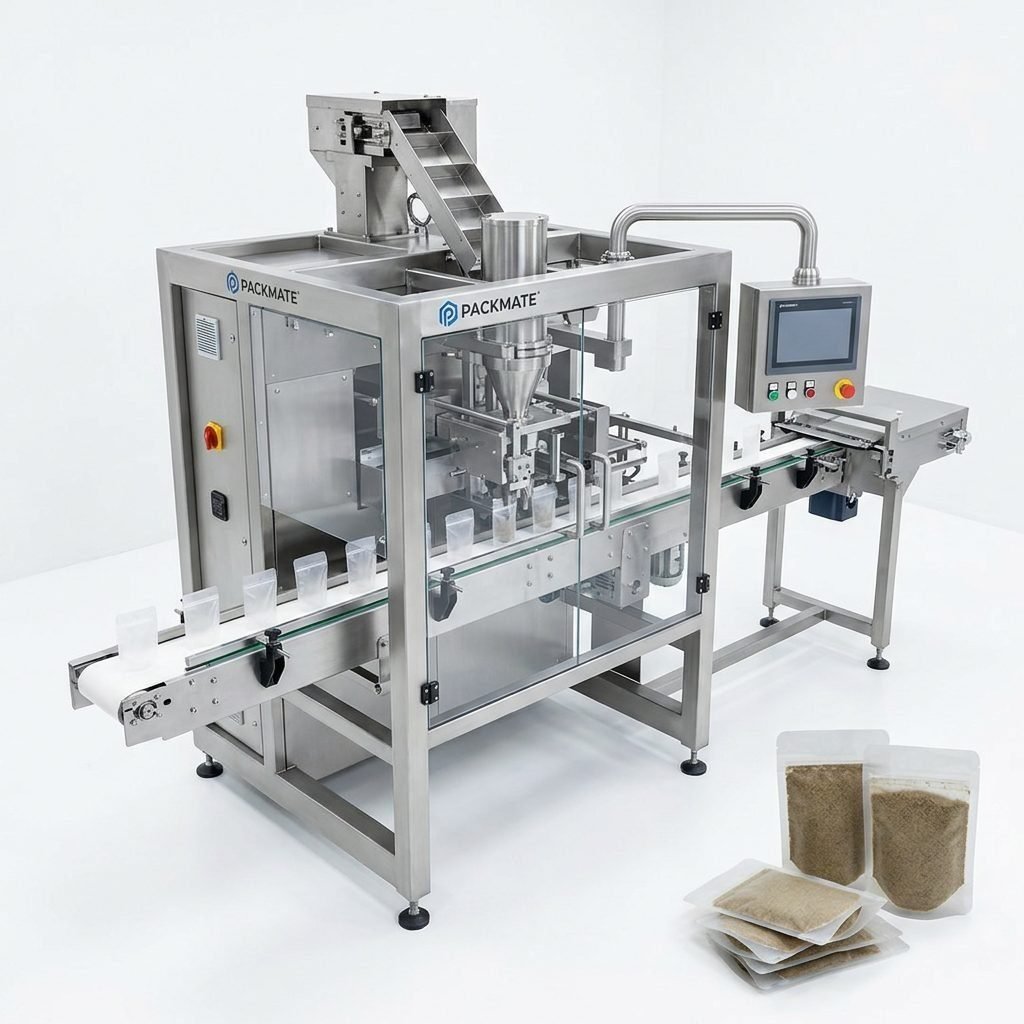
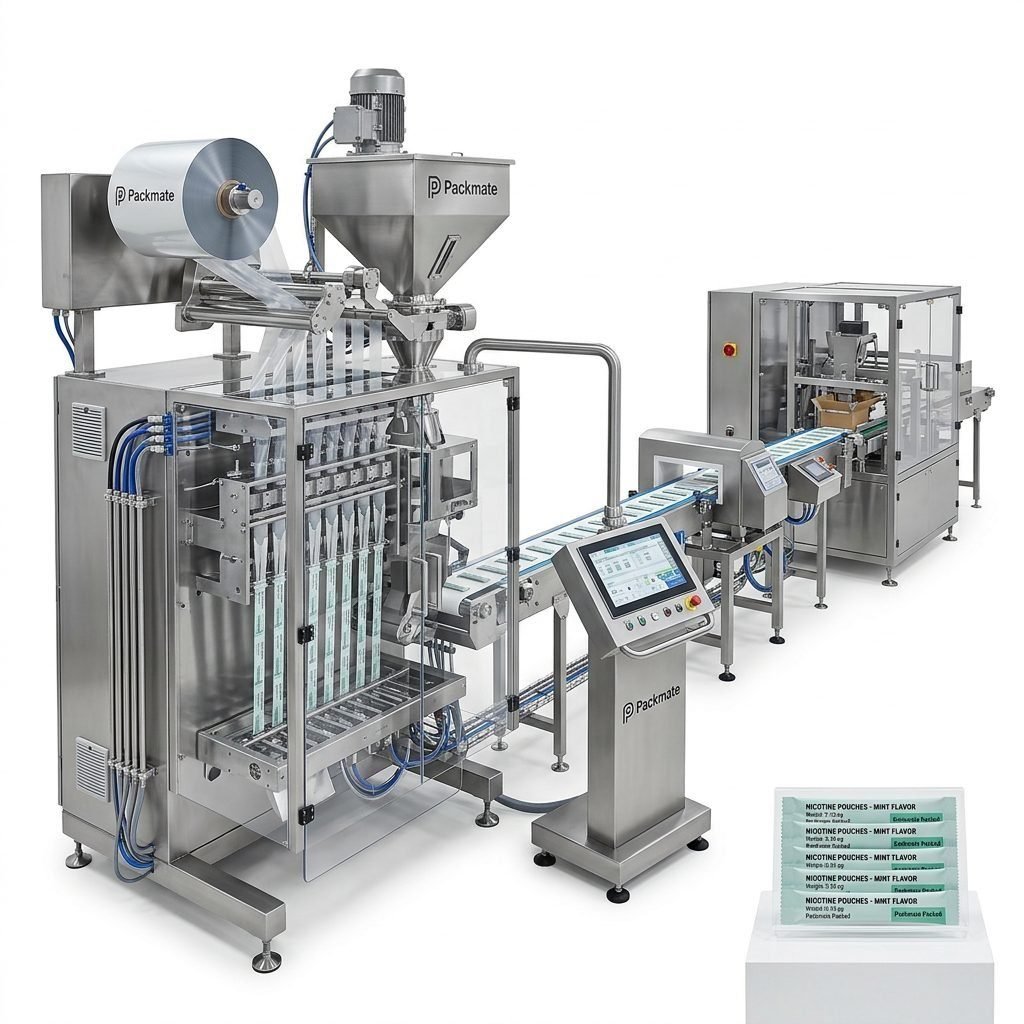
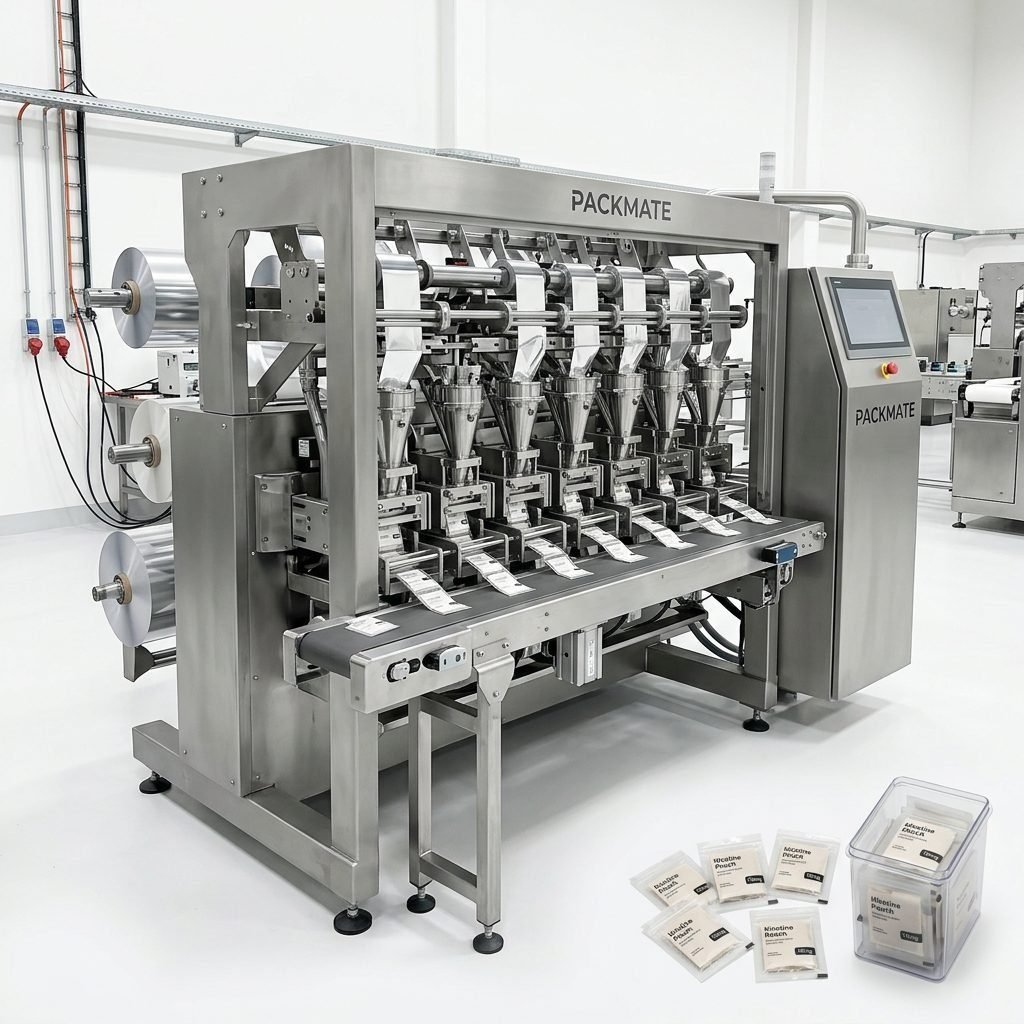
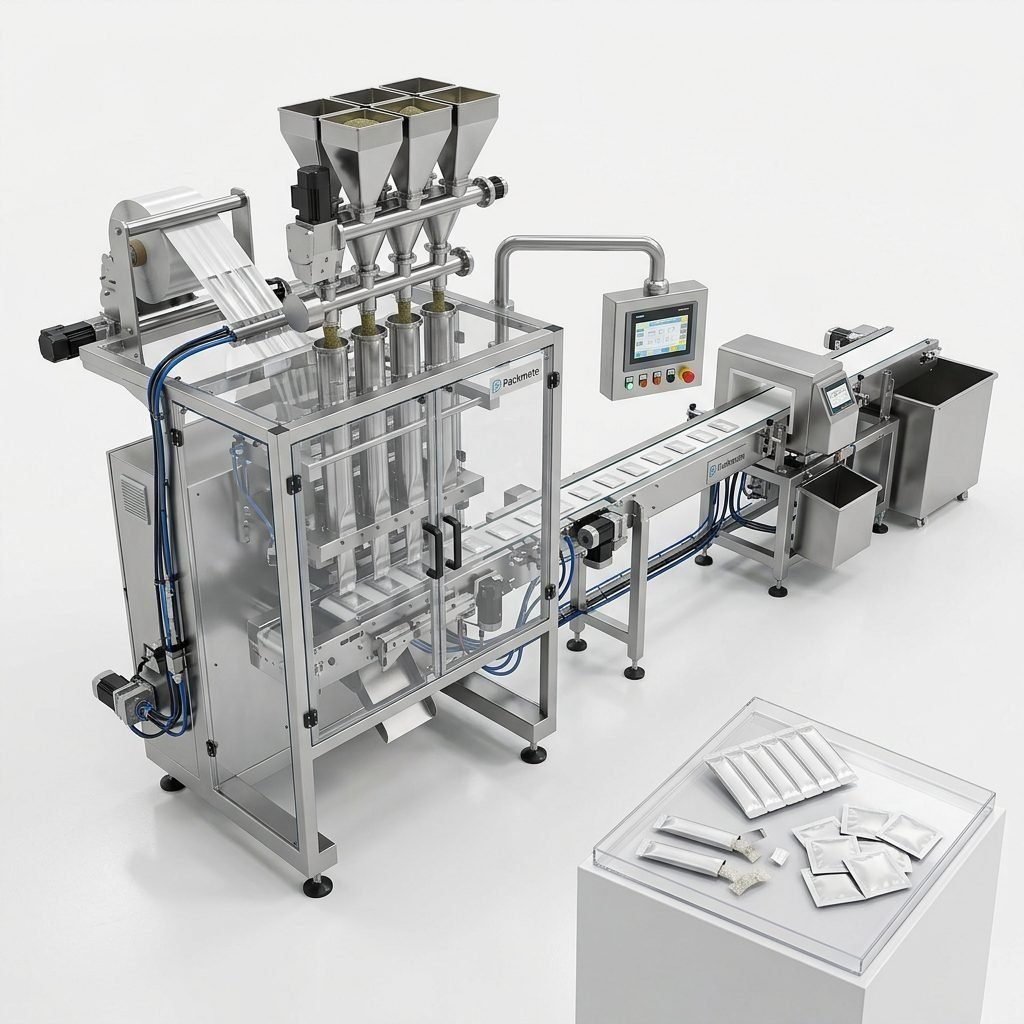
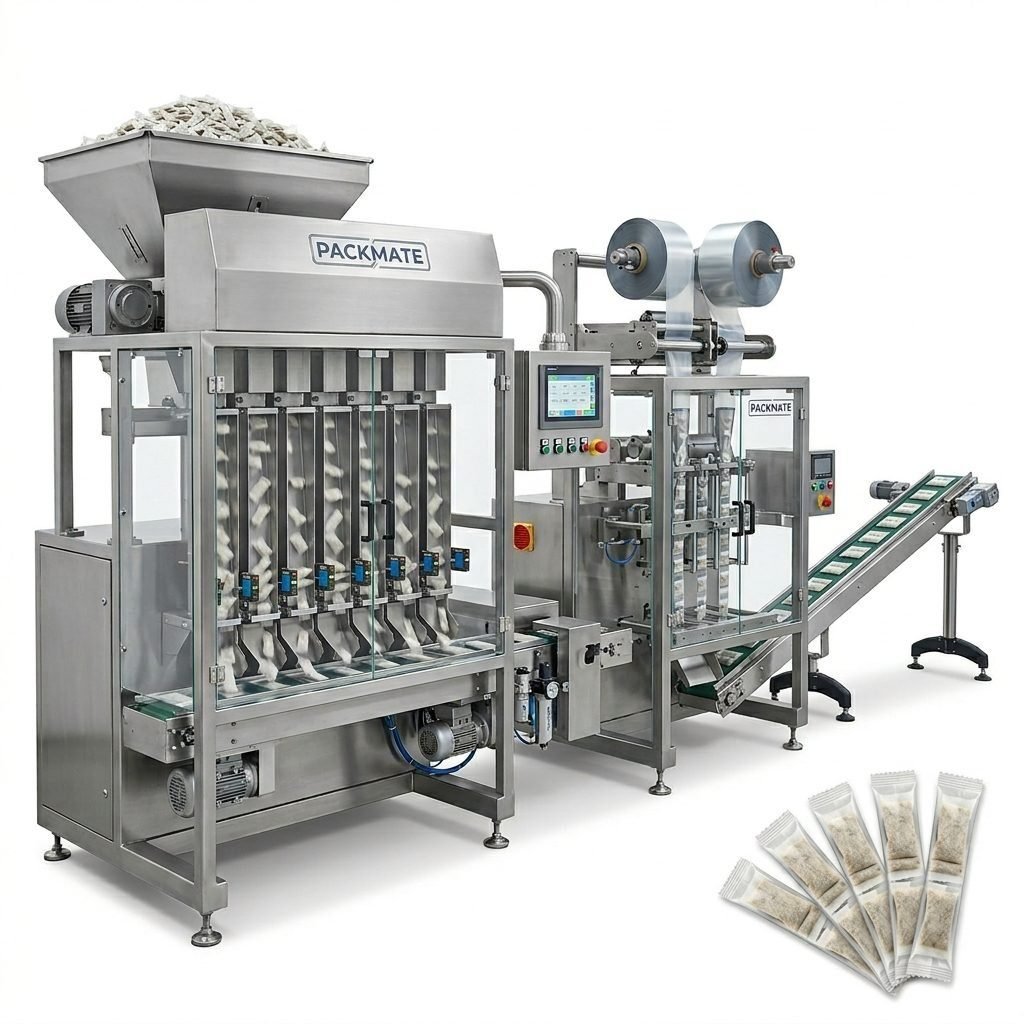
Choosing the right snus packaging machinery manufacturer in Mauritius is a strategic decision that affects product quality, line efficiency, regulatory compliance, and long-term cost of ownership. This practical buying guide walks you through the essential technical considerations, factory capabilities, service and support expectations, and commercial safeguards you should insist on before signing a purchase order. Use this guide as a checklist to compare suppliers, verify claims, and negotiate a solution that fits your production targets and growth plans.
Why the manufacturer choice matters
A well-engineered snus packaging line does more than wrap pouches — it protects product integrity, reduces waste, improves speed, and simplifies validation. Selecting a reliable manufacturer reduces downtime and hidden costs. Look for suppliers who demonstrate proven experience, industrial-grade components, after-sales parts availability, and global compliance credentials.
Key outcomes to expect from a good supplier
– High uptime and predictable maintenance intervals
– Consistent pouch formation and seal integrity for nicotine products
– Flexible configurations for stick packs, sachets, or multi-lane snus pouches
– Clear documentation, training, and spare part strategy
Understand your product and line requirements
Before evaluating manufacturers, document your product specifics: pouch size, fill weight tolerance, moisture sensitivity, intended pack material, required throughput (pouches/min), and desired future flexibility (additional lanes, new formats). These parameters drive machine selection — for example, multi-lane high-speed systems differ greatly from single-lane stick pack machines in footprint, cost, and control complexity.
🔍 Quick checklist (snapshot)
Product type: snus/nicotine pouch, powder, granule, liquid
Throughput: target pouches per minute
Format flexibility: lanes, sachet/stick/flat pouch
Regulatory needs: CE/ISO documentation, material traceability
Verify manufacturing capability and factory footprint
A manufacturer’s factory size, tooling and CNC capabilities, and assembly/test areas are strong indicators of production reliability. For snus and nicotine pouch machinery, precision components and tight tolerances are critical. Ask prospective vendors for detailed factory facts: floor area, CNC centers, assembly lines, and test rigs. For reference, suppliers with a ~20,000㎡ facility and advanced CNC centers can support customized turnkey solutions and consistent quality.
What to request from the factory
– Photos or virtual tour of assembly and testing areas
– List of production capabilities (CNC, welding, surface treatment)
– Number and types of machines produced annually
– Evidence of quality control and test protocols
Assess technical design and core components
Technical robustness depends on mechanical design, control systems, and supplier sourcing strategy. Inspect these aspects closely:
Motion control and electronics
Ensure the line uses industrial-grade PLCs, servo drives, and reliable human-machine interfaces. Ask about spare part lead times for control modules and the compatibility of software updates.
Mechanical precision
Look for hardened shafts, precision gearboxes, and modular tooling. For multi-lane snus pouch systems, the tolerance between lanes must be minimal to avoid synchronization issues and inconsistent seals.
✅ Ask vendors to demonstrate:
– A live or recorded production run of your intended format
– Seal integrity tests and accelerated aging data (if available)
– Spare parts list and recommended consumable life
Quality systems and certifications
Certifications matter. Request copies of CE and ISO certificates and ask how the manufacturer ensures traceability of purchased parts. For nicotine pouch packaging, compliance documentation and material safety declarations are often required by importers and local regulators.
Customization, scalability and future-proofing
Your business may evolve. Choose suppliers who offer modular upgrades — additional lanes, thermal sealing stations, or vision systems for QA. Confirm whether the manufacturer provides tailored tooling for unique pouch shapes and whether they can scale output by adding modules rather than replacing the entire line.
Service, spare parts and local support
Service capability within the Mauritius region is a key differentiator. Confirm the supplier’s spare parts stock strategy, lead times, and whether they have regional partners or remote support options. A manufacturer offering global turnkey solutions typically provides training, commissioning, and extended warranty support.
If on-site visits are not feasible, ask for a step-by-step commissioning plan and remote troubleshooting SLA. Consider suppliers that provide preventive maintenance schedules and a clear list of wear-and-tear parts with recommended stock levels.
Total cost of ownership (TCO) analysis
Purchase price is one piece of the puzzle. Calculate lifetime costs including energy consumption, spare parts, consumables, downtime risk, and required operator training. Highly engineered machines may have a higher upfront cost but lower TCO through longer service intervals and reduced waste.
⚙️ TCO factors to include
– Upfront machine cost vs. throughput gains
– Energy and utilities per shift
– Spare parts & consumable frequency
– Downtime cost per hour and supplier SLA
Factory acceptance test (FAT) and site acceptance test (SAT)
Insist on a documented FAT where the machine runs at agreed parameters with your product or a close surrogate. FAT documentation should include measured throughput, seal quality checks, and electrical/mechanical inspection reports. A successful FAT reduces surprises at installation. After delivery, ensure SAT verifies installation, integration, and operator training.
References, exhibitions and real-world cases
Ask for case studies and customer references in the snus or nicotine pouch sector. Visit trade shows or vendor exhibitions to view live demos. Manufacturers that participate in global exhibitions and publish case studies signal transparency and proven field performance. See real project examples and case showcases to validate claims.
Explore product categories and case histories for deeper technical context: Snus & Nicotine Packaging Machines, Bag & Pouch Packaging Machines, and review Case studies from experienced suppliers. For company background, check About Packmate.
Purchase contract and warranty terms
Negotiate clear contract terms: delivery schedule, acceptance criteria, penalties for missed milestones, warranty coverage, and spare-parts commitment. A transparent warranty covers both mechanical and electrical components and specifies response times. For complex lines, consider a service contract that includes periodic preventative maintenance and remote diagnostics.
Documentation you should receive
– Operation & maintenance manuals
– Electrical and pneumatic schematics
– Spare parts list with part numbers
– FAT/SAT reports and run logs
🔧 Before you buy — minimum acceptance requirements
– Documented FAT at full target speed
– Training for operators and maintenance staff
– 12 months minimum warranty with defined SLAs
– List of critical spare parts to be included or stocked locally
Installation, commissioning and operator training
A machine is only as good as its installation and the competence of operators. Confirm that the supplier offers on-site commissioning and comprehensive operator/maintenance training. Training should cover safe operation, daily checks, changeover procedures, and basic troubleshooting.
Local compliance and import considerations for Mauritius
Verify electrical compatibility (voltage, frequency), import duties, and any local certification requirements. Ask the supplier to assist with shipping documentation, customs clearance support, and an installation plan that accounts for local site constraints.
Final selection and negotiation tips
– Compare apples-to-apples: ensure quoted machines match in scope, warranty, and spare parts.
– Ask for a breakdown of costs (machine, packaging tooling, commissioning, training, spare parts).
– Request references in your region or similar applications.
– Consider total lifecycle costs, not just the initial price.
Where to find proven snus packaging solutions
Experienced manufacturers offer multiple product lines — from modular sachet & stick pack machines to specialized multi-lane snus packaging systems. Browse product categories and technical catalogs to match your needs and request demos on similar product runs.
For additional technical details and product options, review the supplier’s product pages and catalogs such as their Sachet & Stick Pack Machines and wider Weighing & Packaging Systems to understand integration possibilities.
Decision matrix: a simple scoring system
Build a scoring matrix with weighted criteria: Technical fit (30%), Factory & QC capability (20%), Service & parts (20%), TCO (20%), References & demos (10%). Score each vendor and use the result to shortlist two suppliers for detailed negotiation and FAT.
✅ Practical next steps
1. Finalize product specification and target throughput.
2. Request detailed proposals and FAT schedules.
3. Visit the factory or request recorded FAT videos.
4. Negotiate warranty, spare parts, and commissioning terms.
Conclusion
Selecting the best snus packaging machinery manufacturer in Mauritius requires a structured approach: define product needs, verify factory capability, inspect technical design, insist on FAT/SAT, and secure clear service and spare parts commitments. With the right questions and solid contractual protections, you can secure a high-performance packaging line that meets regulatory expectations and supports future growth.
Common questions (FAQs)
Q1: How long does it take to deliver and commission a snus packaging line?
A1: Typical lead times vary by customization and capacity — plan 12–20 weeks for standard machines and 20–36+ weeks for highly customized turnkey lines. Add 1–3 weeks for on-site commissioning depending on complexity.
Q2: What warranty and spare parts support should I expect?
A2: A minimum 12-month warranty for mechanical and electrical components is common. Verify spare parts lead times and request a recommended spare parts kit for the first 12 months of operation.
Q3: Can I expand a machine later to increase capacity?
A3: Many modern manufacturers design modular lines that allow additional lanes or modules to be added. Confirm upgrade paths and compatibility before purchase.
Q4: Are there special regulatory or packaging material considerations for snus/nicotine pouches?
A4: Yes. Packaging must maintain product integrity and often requires specific barrier materials. Verify material compatibility with the machine and ensure documentation for regulatory compliance and material traceability.