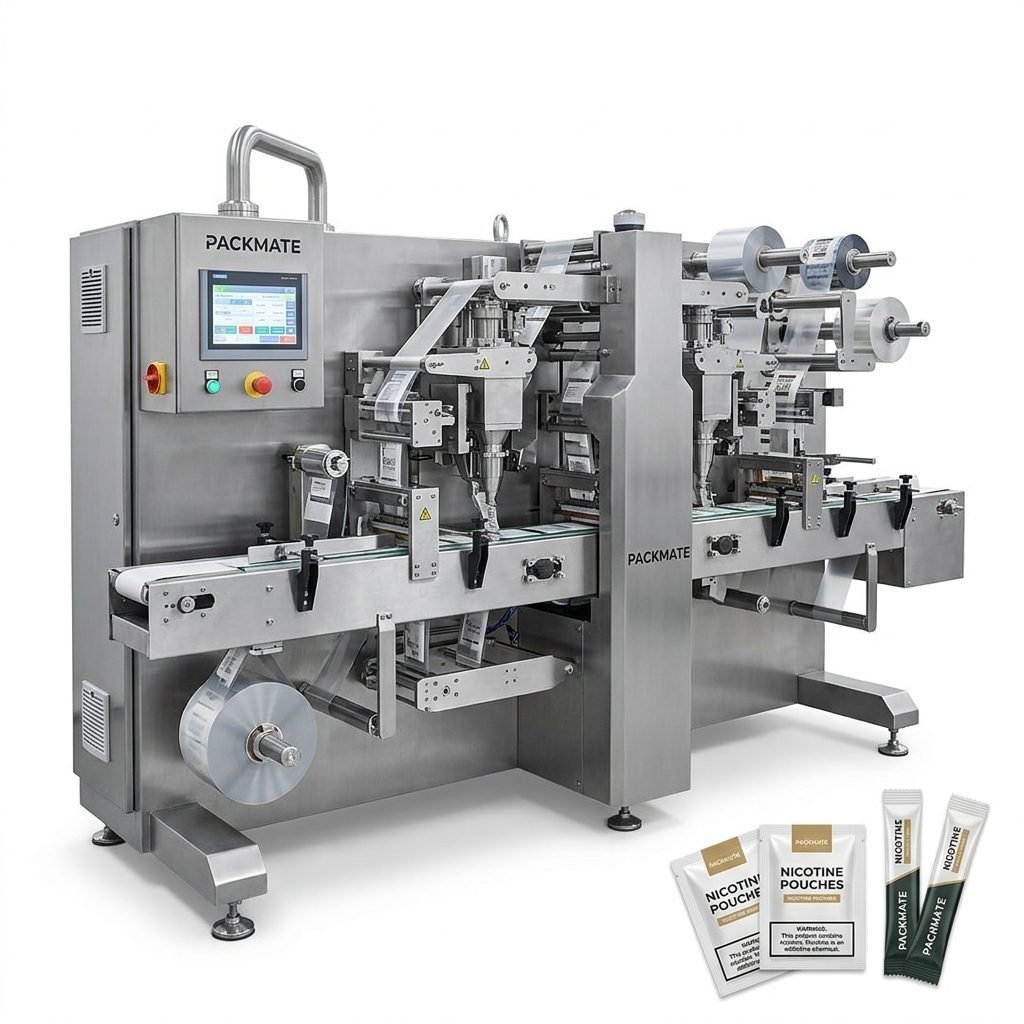
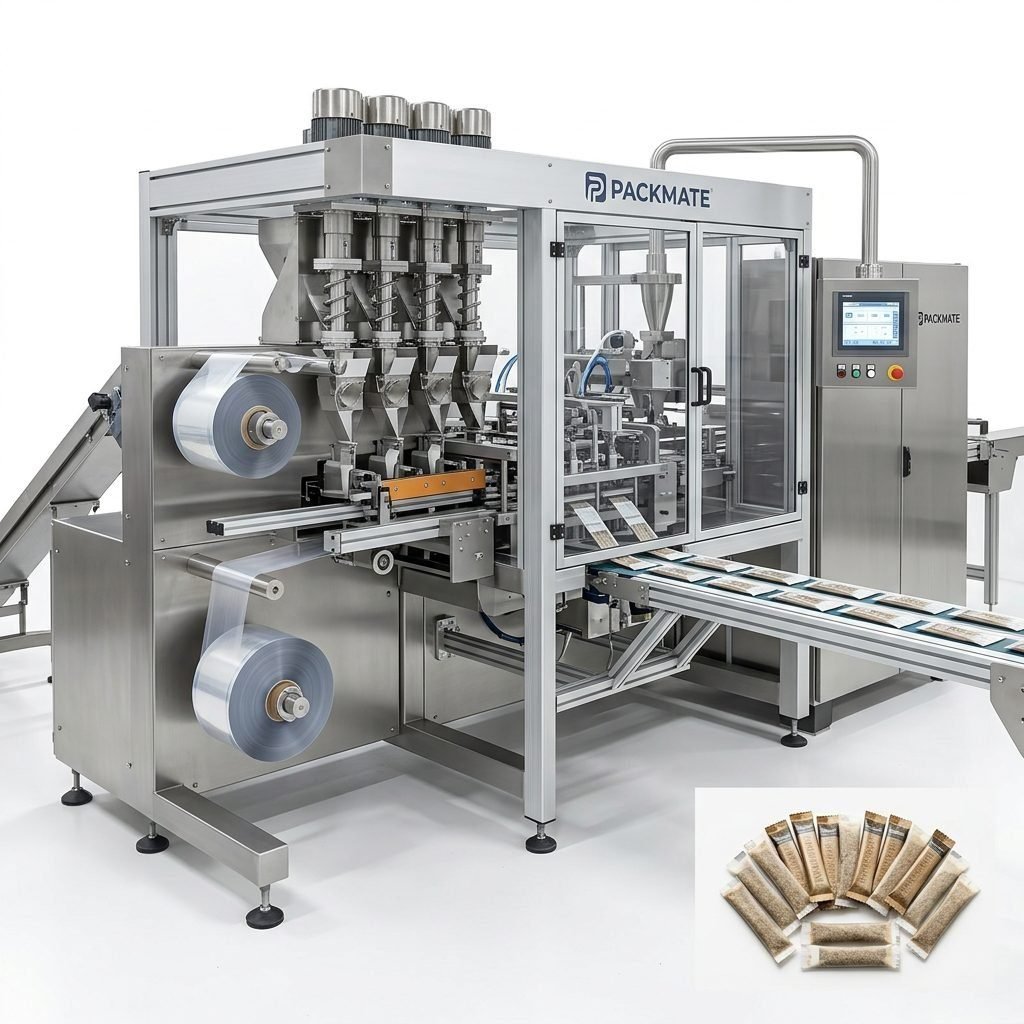
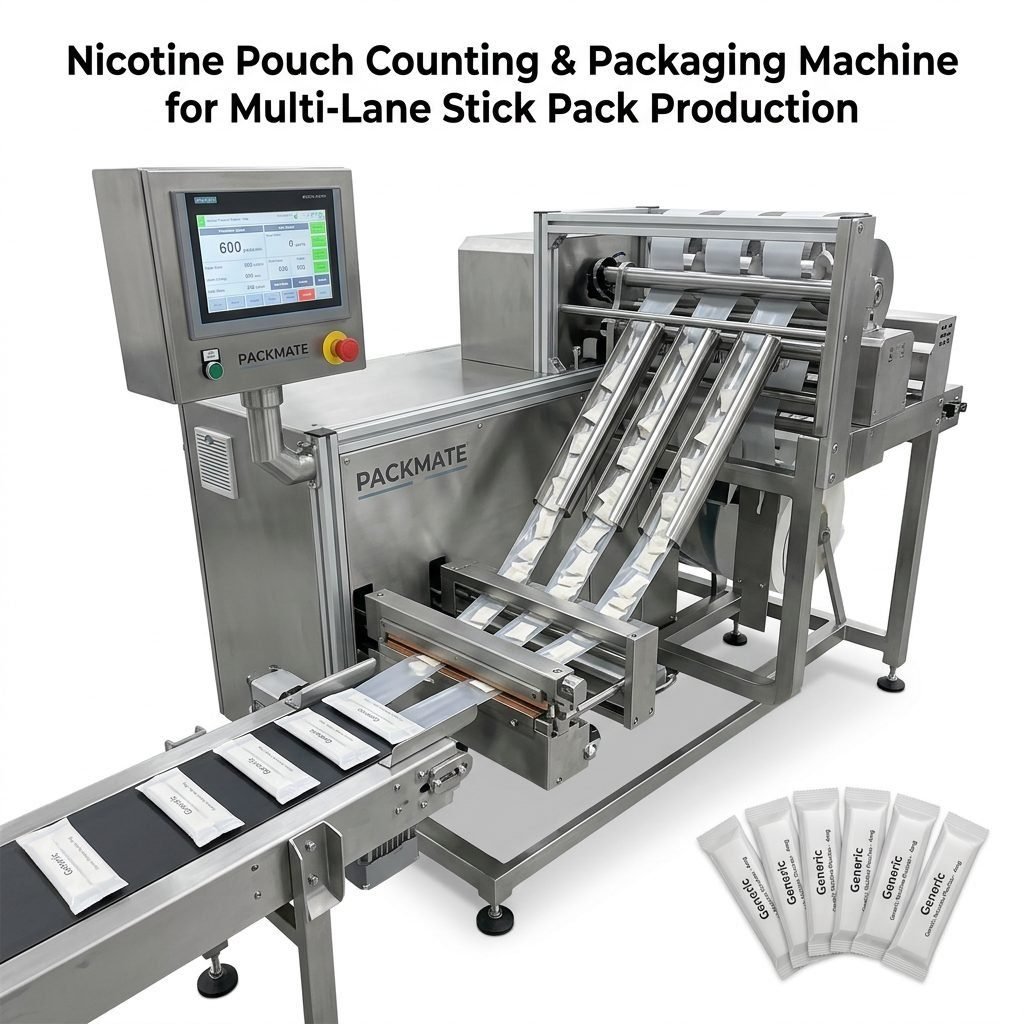
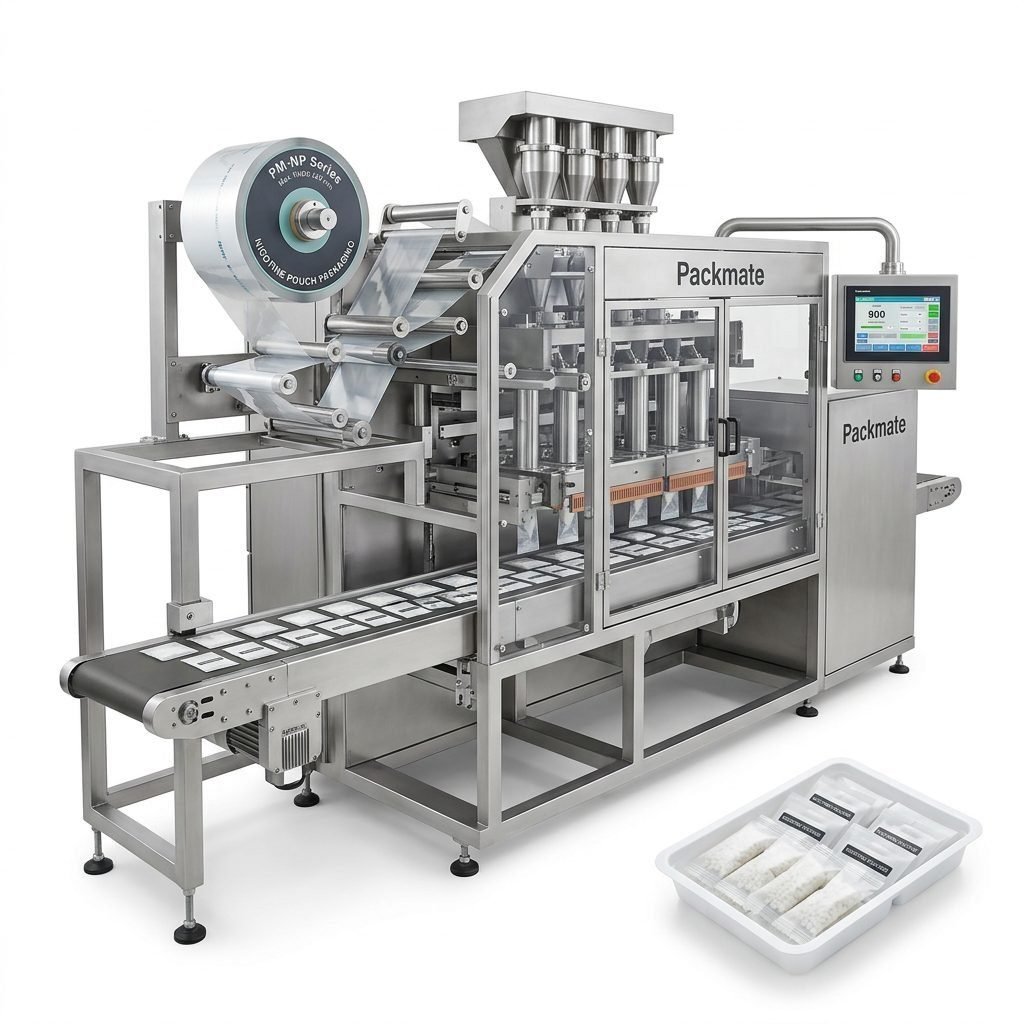
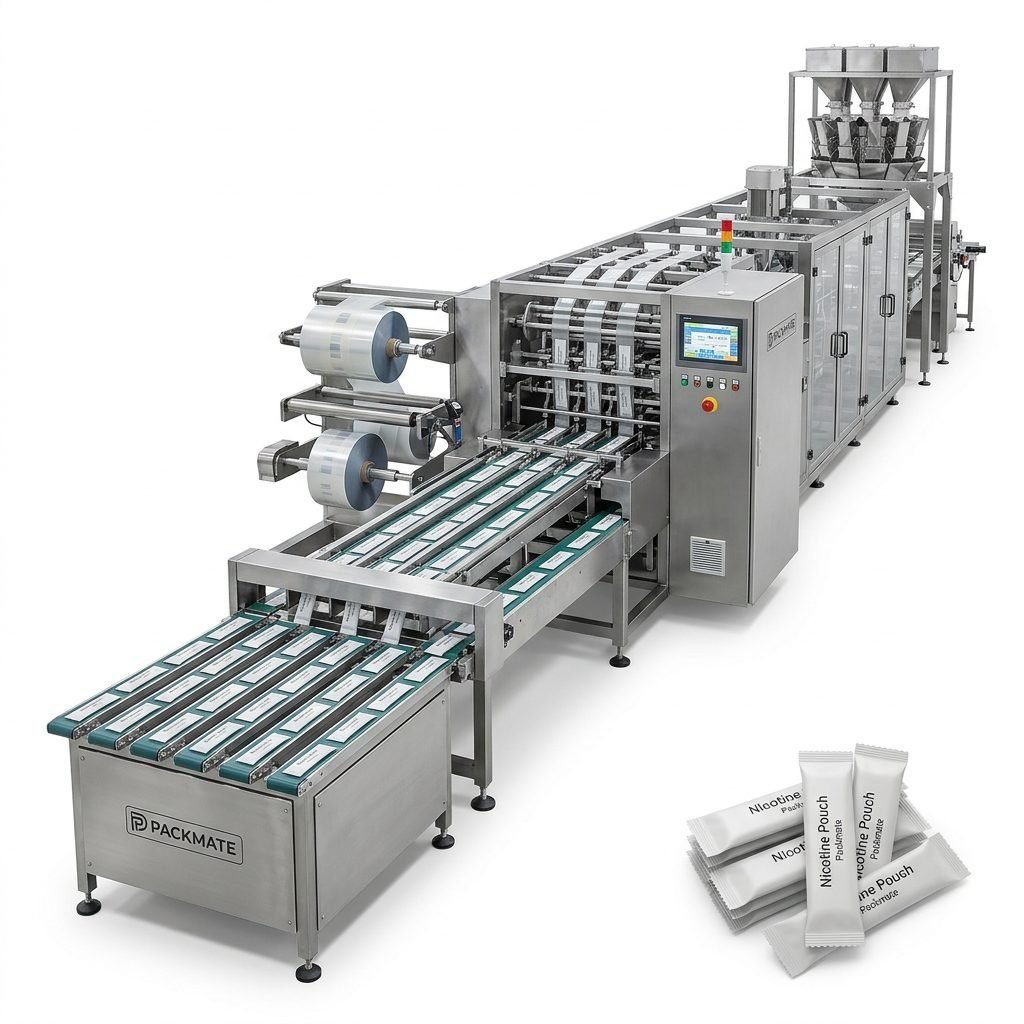
Selecting the right nicotine packaging machine in Bahrain is not just a purchase — it’s a strategic decision that affects product quality, regulatory compliance, production costs, and time-to-market. This guide walks you step-by-step through the essential factors to evaluate, the machine types available, and practical tips to match a packaging solution with your production needs, whether you’re a startup launching a nicotine pouch or an established manufacturer scaling capacity.
Understand Your Production Requirements First
Before evaluating machines, define your core production targets. Ask precise questions about:
🔍 Daily/Monthly Output: How many pouches or units per shift/day/month? This determines whether you need a single-lane, multi-lane or fully automated line.
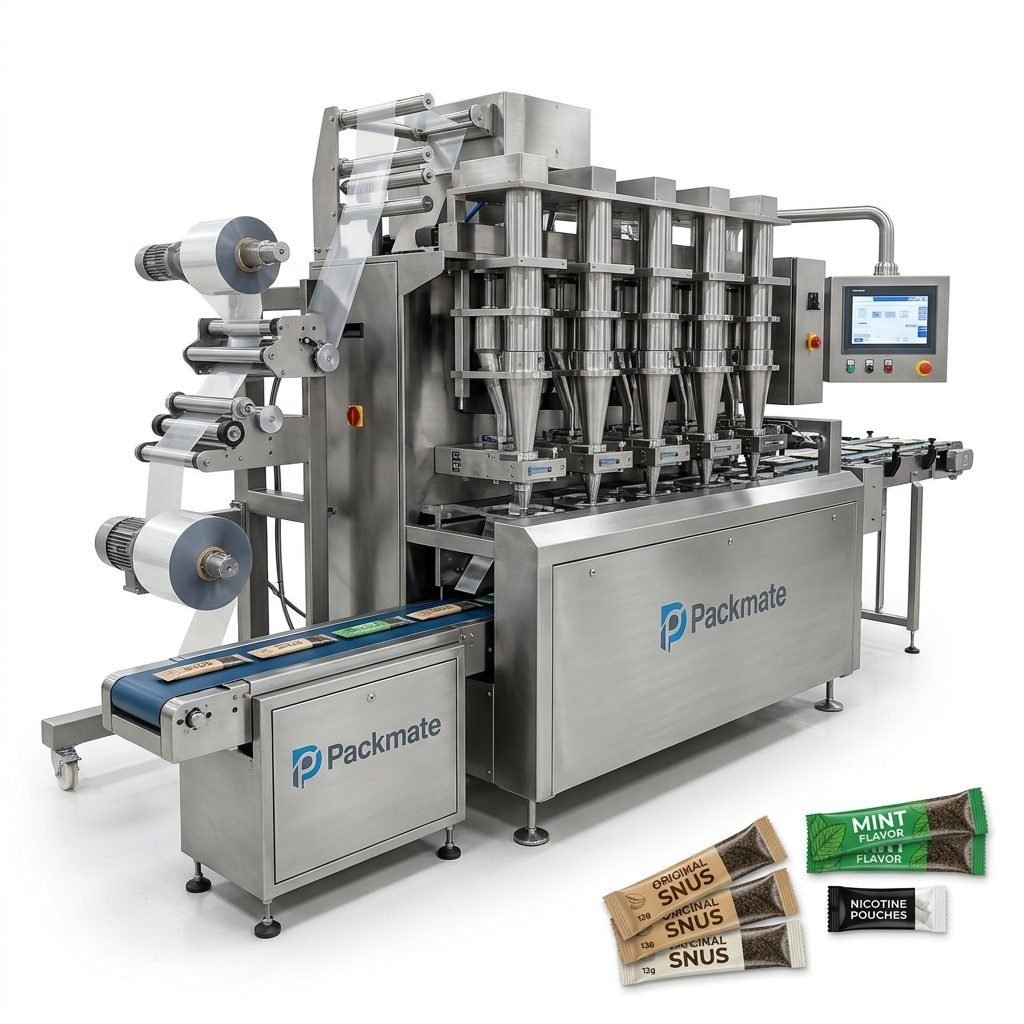
⚙️ Product Format: Nicotine pouches, snus cans, stick packs, or sachets — each format may require different forming/filling heads and seaming systems.
🧪 Fill Accuracy & Dose Size: Small-dose nicotine pouches demand high-precision dosing systems and strict weighing controls.
🧰 Material & Additives: Are you packaging dry powders, tobacco blends, gel, or hybrid fillings? Materials affect machine selection and cleaning procedures.
Types of Packaging Machines to Consider
Different machines serve different objectives. Knowing each category helps narrow your options quickly.
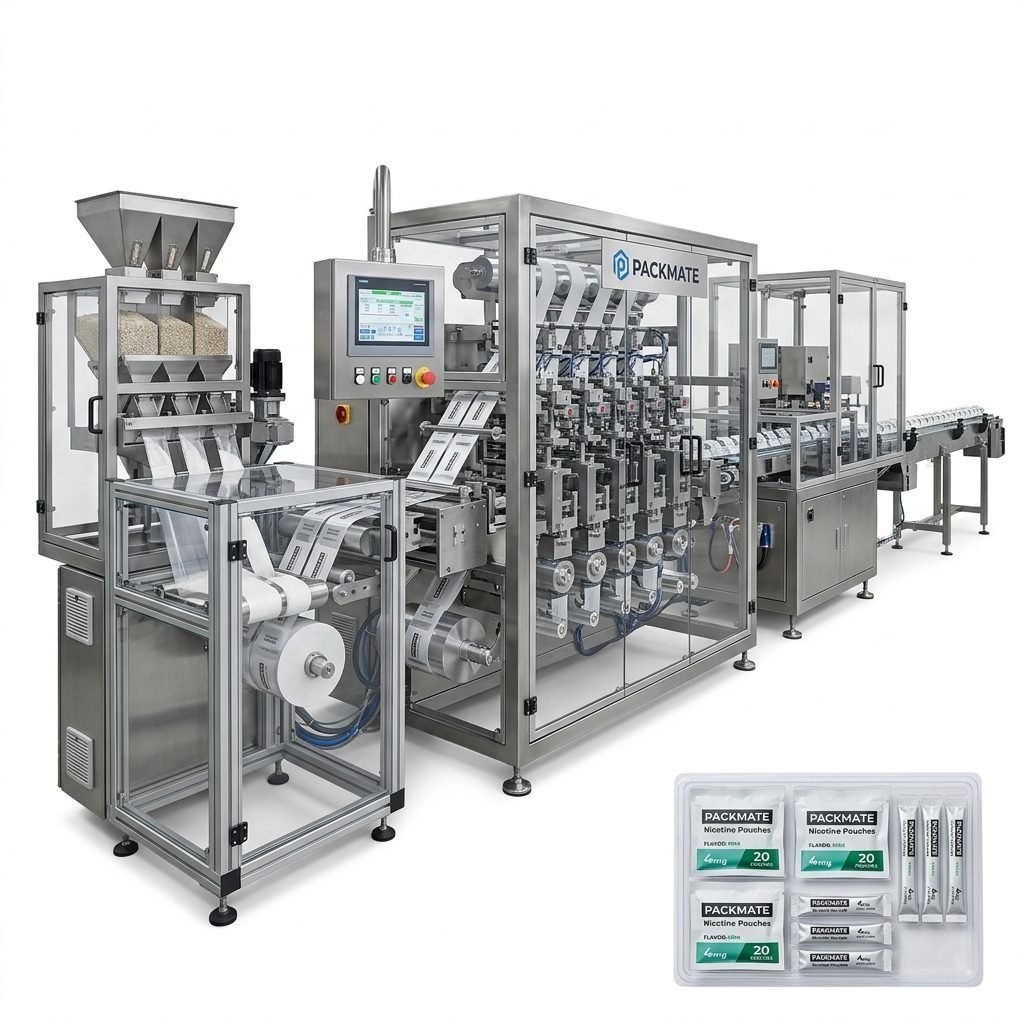
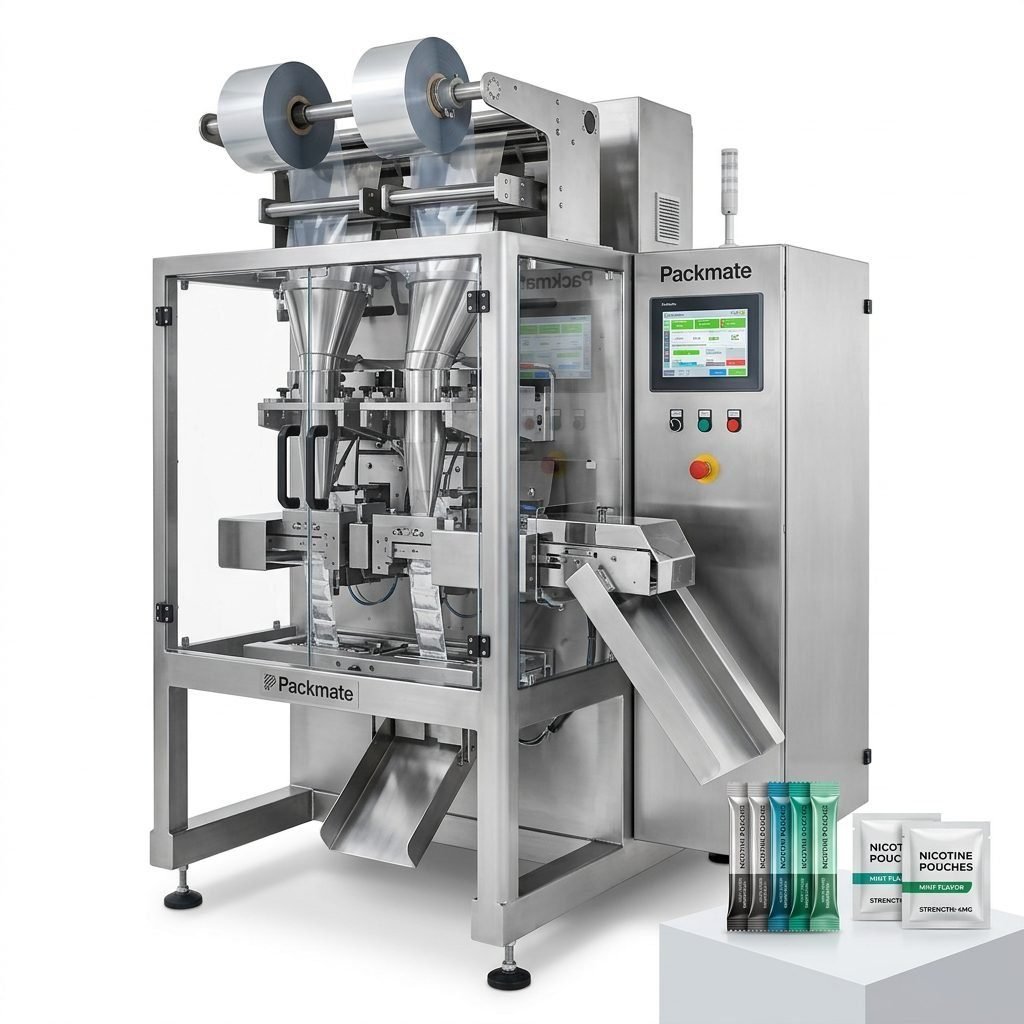
- Snus / Nicotine Pouch Packaging Machines — ideal for dedicated snus and nicotine pouch production with precise dosing and pouch forming. Explore snus & nicotine machines.
- Sachet & Stick Pack Machines — cost-effective for single-dose stick packs and sachets, typically faster for simple products. See sachet & stick pack options.
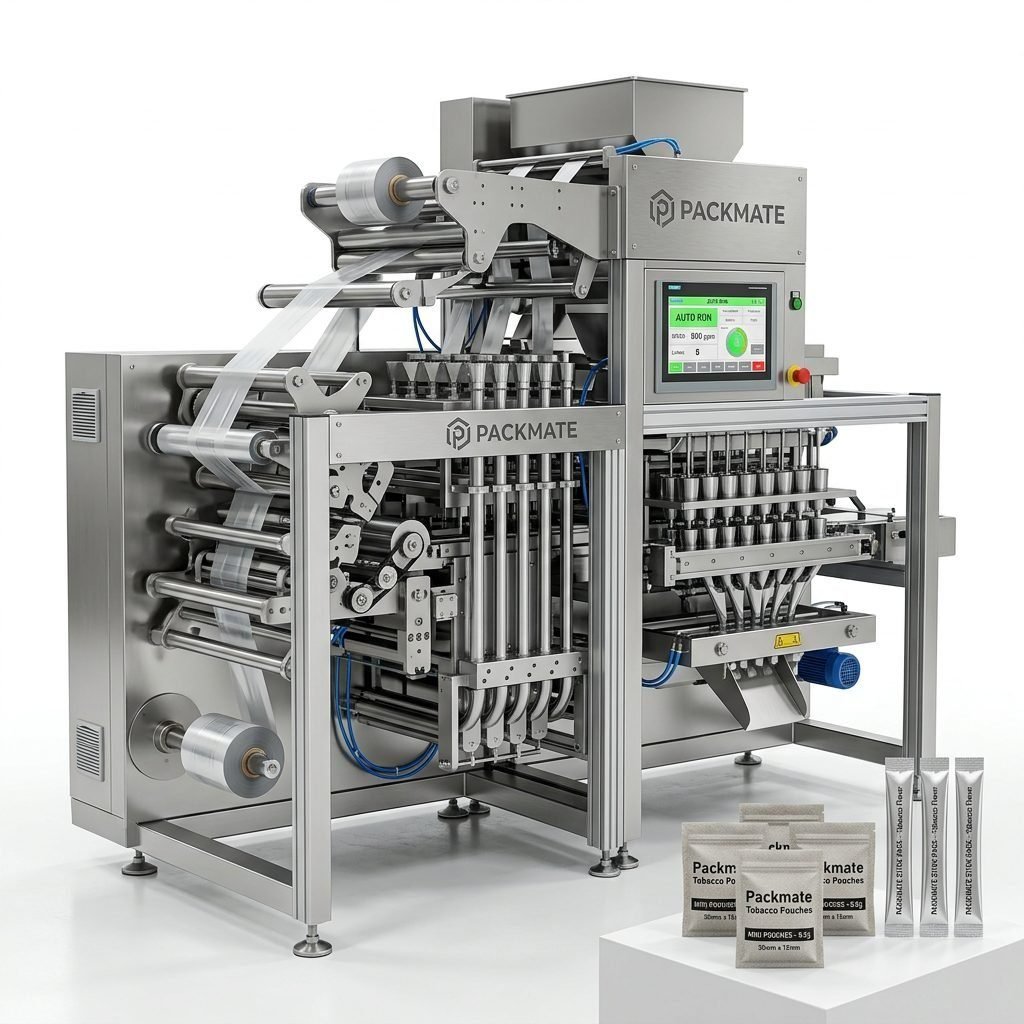
- Multi-lane Systems — for high-volume production with several lanes running in parallel to multiply throughput while maintaining footprint efficiency.
- Integrated Filling & Packaging Lines — combine weighing, dosing and pouch forming/filling into a turnkey solution for consistent quality. Integrated filling lines.
- Auxiliary Equipment — vibratory feeders, metal detectors, checkweighers and conveyors to complete the production line. Auxiliary equipment.
Key Technical Specifications to Evaluate
When comparing machines, focus on technical specs that impact long-term performance and ROI:
✅ Output Speed: Measured in pouches/min or packs/min. Ensure speed numbers are realistic for your product (high speed can be limited by dosing stability).
✅ Number of Lanes: Multi-lane machines increase capacity but add complexity in synchronization and maintenance.
✅ Dosing & Weighing Accuracy: Look for integrated weighing systems or proven volumetric/weight dosing technologies. Weighing & packaging systems can be combined for high precision.
✅ Material Compatibility: Check seals, film types, and pouch designs supported (pre-made pouches vs. form-fill-seal).
✅ Changeover Time: Quick changeovers reduce downtime when you switch SKUs or pouch sizes.
✅ Automation & Controls: PLC control, servo motors, HMI interfaces and recipe management reduce operator error and improve repeatability.
Regulatory and Compliance Considerations in Bahrain
Nicotine and snus products are subject to strict regulations in many regions. In Bahrain, ensure your production and packaging meet local legal requirements and export standards, including labeling, child-resistant features, and product traceability.
Manufacturers often look for equipment with international certifications (CE, ISO) and robust quality documentation. Choosing a supplier with transparent certification and testing records will reduce compliance risk and ease customs clearance for export markets.
Assess Manufacturer & After-Sales Support
The machine is only one part of the investment. Service, spare parts, and training determine uptime over the machine life cycle. Evaluate the supplier on:
- Factory Capability: A large, well-equipped factory indicates capacity for custom work and reliable spare parts. For example, a 20,000㎡ facility with advanced CNC and precision assembly is a strong sign of manufacturing depth.
- Experience & Track Record: Look for a supplier with decades of engineering experience and relevant machine models in operation globally.
- Field Support & Training: Onsite commissioning, operator training and clear maintenance documentation reduce time-to-stable-production.
- Case Studies & References: Ask for success stories from similar projects — real-world performance beats marketing claims. View case studies.
- Local Presence & Contactability: Fast parts shipping and timely remote support are essential for Bahrain operations. Make sure your supplier offers reliable communication channels. Contact the supplier.
Why Factory Strength Matters
A manufacturer with comprehensive engineering teams, CNC machining centers and precision assembly lines is more likely to deliver durable machines and respond quickly to design changes or spare parts needs. Suppliers that provide full production lines and integration services reduce the number of vendors you manage and the risk of incompatible equipment.
⚡ Pro tip: Choosing a manufacturer with a turnkey offering simplifies installation — look for vendors who can design, build and test your intended line before shipment.
Financial & ROI Considerations
Budgeting goes beyond the machine price. Consider the total cost of ownership (TCO):
- Initial CAPEX vs. Lifetime Value: Higher upfront cost for automation and accuracy can deliver lower labor and waste costs over time.
- Energy Consumption: Efficient servo-driven machines often reduce electricity usage and maintenance needs.
- Yield & Waste: Machines with better control reduce rejected packs and rework, improving margins.
- Spare Parts Availability: Local stock or expedited shipping lowers downtime costs.
Installation, Commissioning and Training
A structured installation plan includes mechanical assembly, electrical connection, software setup, and operator training. Ensure the supplier offers:
- Detailed Factory Acceptance Testing (FAT) reports
- Site Acceptance Testing (SAT) with your product runs
- Hands-on operator and maintenance training
- Spare parts kits and clear documentation for preventive maintenance
Customization & Turnkey Solutions
Many businesses need custom solutions — tailored pouches, child-resistant features, unique labeling, or integration with upstream weighing units. Working with a manufacturer that offers integrated modules (weighing, feeding, pouch forming, sealing, and final packing) ensures a cohesive system. Learn about the manufacturer’s capabilities.
✅ Integration Example: A weighing module feeds pre-measured doses into a multi-lane form-fill-seal machine — this reduces manual dosing and ensures each pouch meets labelled nicotine content.
Local Considerations for Bahrain Operations
Bahrain offers a strategic location for distribution across the Gulf region, but specific local factors affect machine choice:
- Climate: High humidity can affect hygroscopic fillings. Machines and production areas should include environmental controls and drying solutions.
- Power Supply & Voltages: Verify compatibility with local electrical standards and consider stabilizers or UPS systems for sensitive control electronics.
- Import & Certification: Ensure documentation for customs and compliance; machines with CE/ISO documentation simplify cross-border approvals.
- Service Network: Prioritize suppliers who can provide timely remote support or on-site visits in the region.
Checklist — Quick Selection Flow
1. Define SKU range, production targets, and tolerance for changeover.
2. Prioritize dosing accuracy and number of lanes required.
3. Verify manufacturer certifications and factory capability.
4. Compare TCO, energy, and spare parts strategies.
5. Confirm on-site commissioning, training and spare parts lead times.
Making the Final Decision
When evaluating competing quotes, create a simple scoring system that weights: production capability (30%), dosing accuracy & product quality (25%), after-sales & spare parts (20%), TCO (15%), and supplier reputation & references (10%). Ask each supplier for a demonstration run with your actual product or a close analogue — real performance data beats brochure specs.
📌 Vendor Selection Tip: Visit the manufacturer’s factory if possible. Seeing the assembly process, testing procedures and quality control firsthand gives confidence in long-term reliability. Learn more about their credentials and history to support your decision. About the manufacturer.
After Purchase — Ensure Smooth Ramp-Up
After delivery, prioritize FAT/SAT procedures and run pilot batches to fine-tune settings. Maintain a close line of communication with the supplier during the initial production weeks; many issues are solved quickly with minor parameter adjustments or staff coaching.
Why Packmate-style Experience Matters
Manufacturers with decades of R&D and extensive product lines — including snus/nicotine pouch machines, stick pack and sachet systems — are typically better positioned to offer tailored solutions and long-term support. They tend to have:
- Proven machine models and a wide portfolio to match specific needs
- Large production facilities with precision machining and rigorous QC
- Global export experience that simplifies compliance and shipping
If you need more information about available product lines and turnkey options, review product catalogs and request technical datasheets for the exact models you are comparing. Download catalogs and technical documentation for deeper evaluation.
Final Recommendations — Practical Next Steps
1) Create a clear product specification and desired output table.
2) Shortlist 2–3 suppliers and request machine demos with product samples.
3) Evaluate total cost of ownership, including spare parts and service commitments.
4) Plan installation timeline, validation steps, and operator training.
5) Negotiate warranty, lead times for spare parts, and extended support contracts.
🔔 Want real-world examples? See how other companies implemented complete lines and achieved scalable production. Case examples.
Common Pitfalls to Avoid
– Choosing a machine based only on maximum speed without verifying dosing stability.
– Ignoring spare parts lead times and local service availability.
– Skipping on-site FAT/SAT and operator training.
– Underestimating environmental controls for hygroscopic or moisture-sensitive fillings.
Conclusion
Selecting the right nicotine packaging machine for Bahrain requires a balanced evaluation of production targets, technical performance, regulatory compliance, and supplier capability. Prioritize dosing accuracy, proven machine designs, and strong after-sales support. A well-chosen machine not only delivers product consistency but also optimizes costs and accelerates market launch.
Frequently Asked Questions (FAQs)
Q1: What machine type is best for low-volume, multiple SKUs?
A1: For low-volume, frequent changeover scenarios, choose flexible single/multi-format machines with modular tooling and quick-change mechanisms to minimize downtime.
Q2: How important is CE/ISO certification for nicotine packaging equipment?
A2: Very important — certifications demonstrate safety and quality systems that streamline compliance and global acceptance.
Q3: Can I integrate weighing systems with pouch machines?
A3: Yes — integrated weighing and dosing modules improve accuracy for small-dose nicotine pouches. Many suppliers offer combined solutions. Weighing systems.
Q4: What post-sale services should I insist on?
A4: Onsite commissioning, spare parts kits, preventive maintenance schedules, remote troubleshooting, and operator training are essential for continuous operation.
Q5: Where can I get more details and request a quote?
A5: Contact your selected supplier for machine specifications and quotations. For more information about manufacturer capability and offerings, visit the company profile. About the company.