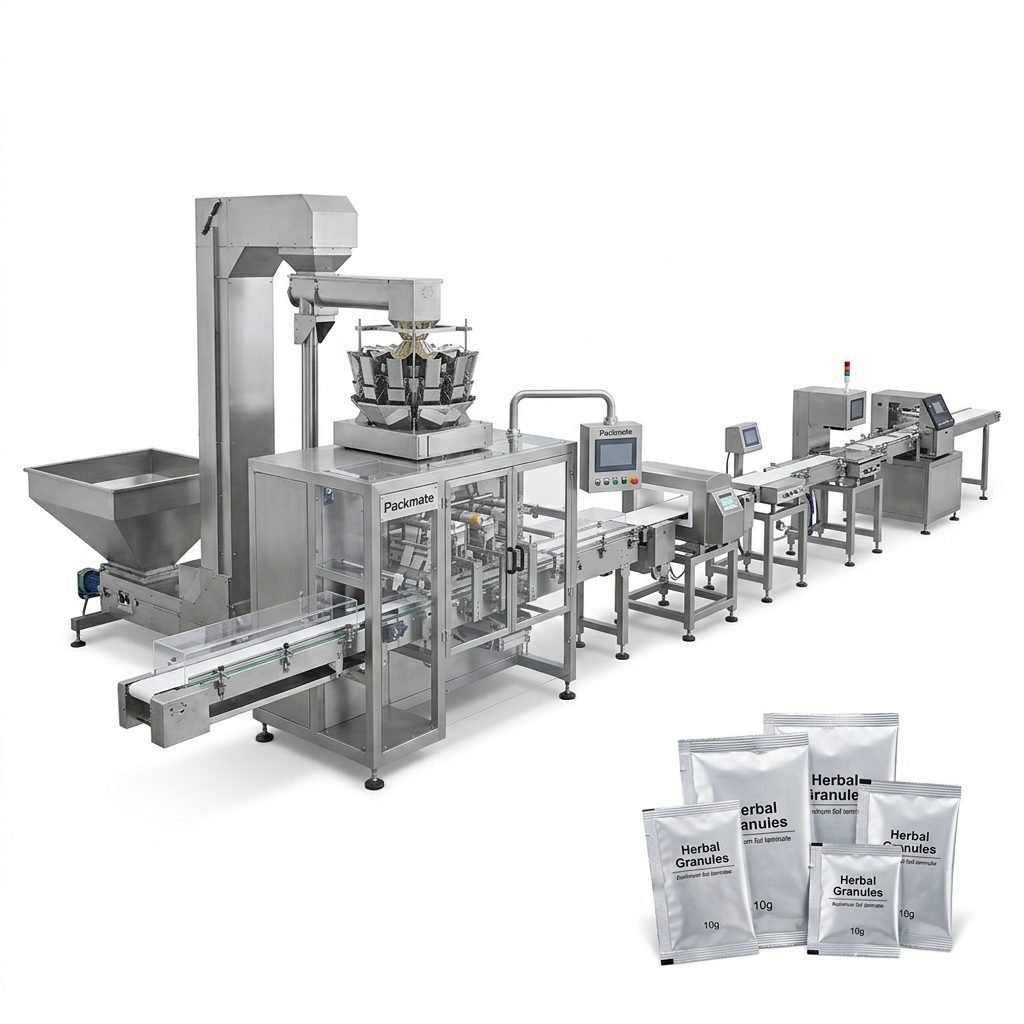
Choosing the right snus packaging machinery manufacturer is one of the most important decisions for any tobacco, nicotine pouch, or pouch-based consumer-product business. The right partner affects product quality, production efficiency, regulatory compliance, and long-term operational cost. This guide walks you through practical, actionable considerations — from technical capabilities and certifications to after-sales support and total cost of ownership — so you can confidently select a supplier that meets your Australian market needs.
Understand Your Production Requirements
Before contacting manufacturers, define your production targets: daily output, pouch format (stick, sachet, multi-lane), pouch materials, dosing accuracy, and any fill types (powder, granule, liquid). These core parameters determine the machine class and the level of automation you need. For example, multi-lane systems are ideal when you need high throughput in compact floor space, while single-lane stick pack machines can be more cost-effective for smaller batches.
- Expected daily production (units/day)
- Pouch format(s) and material compatibility
- Target dosing accuracy and weight ranges
- Required level of automation and integration
- Future scaling plans (lanes, speeds)
Technical Capabilities & Machine Types
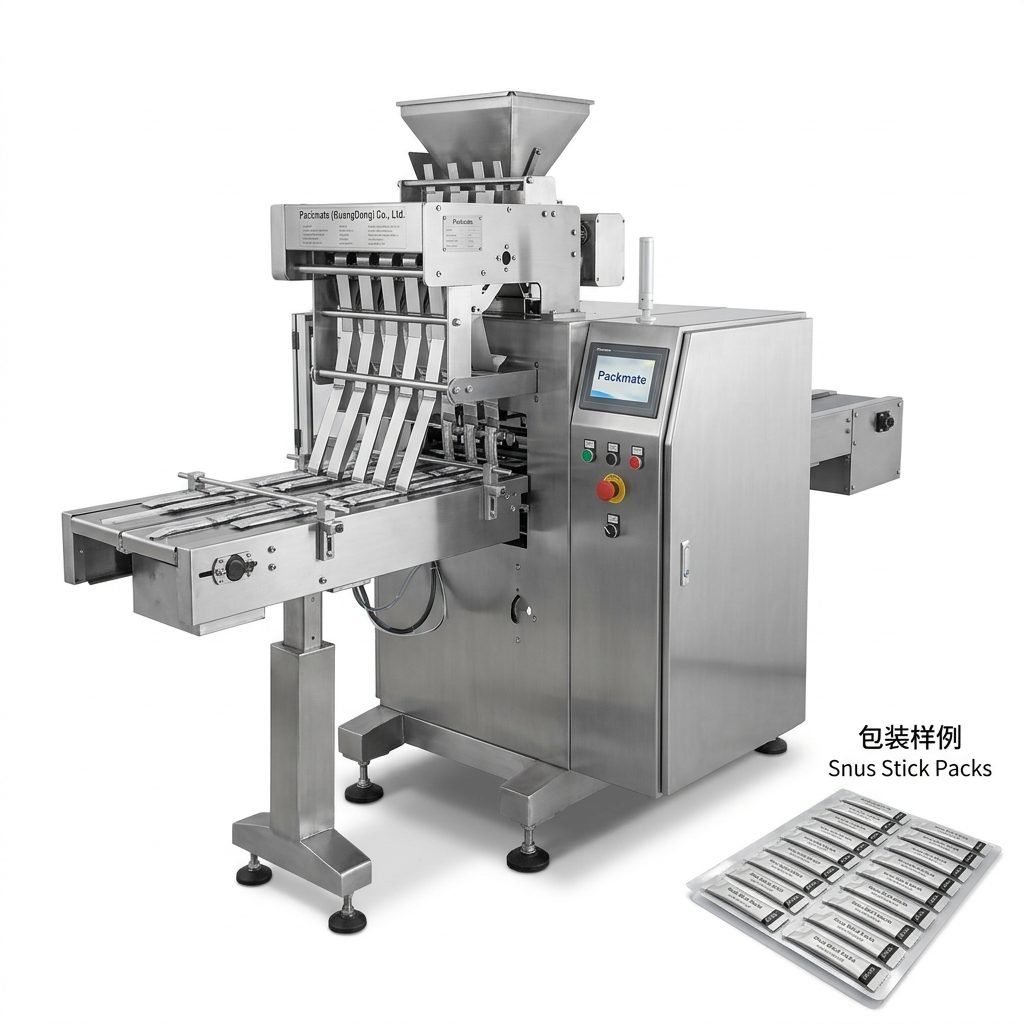
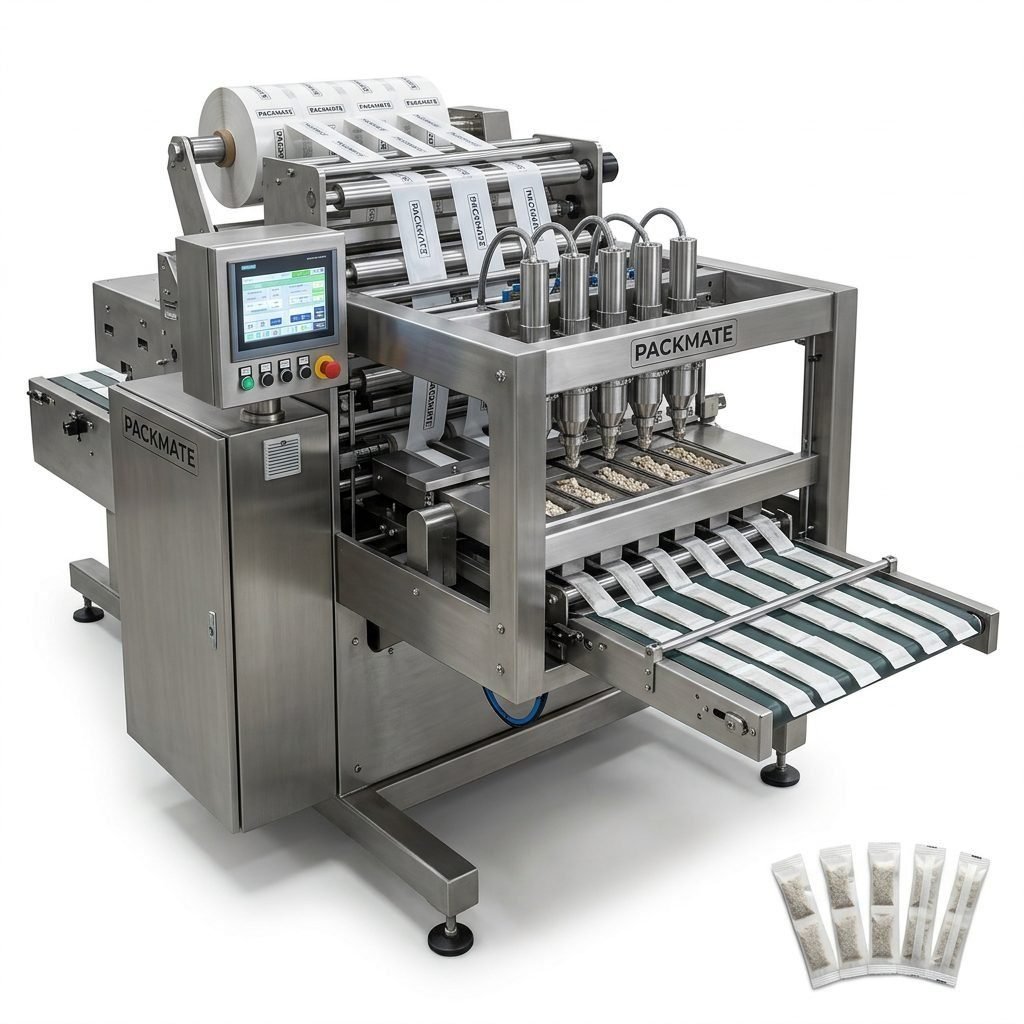
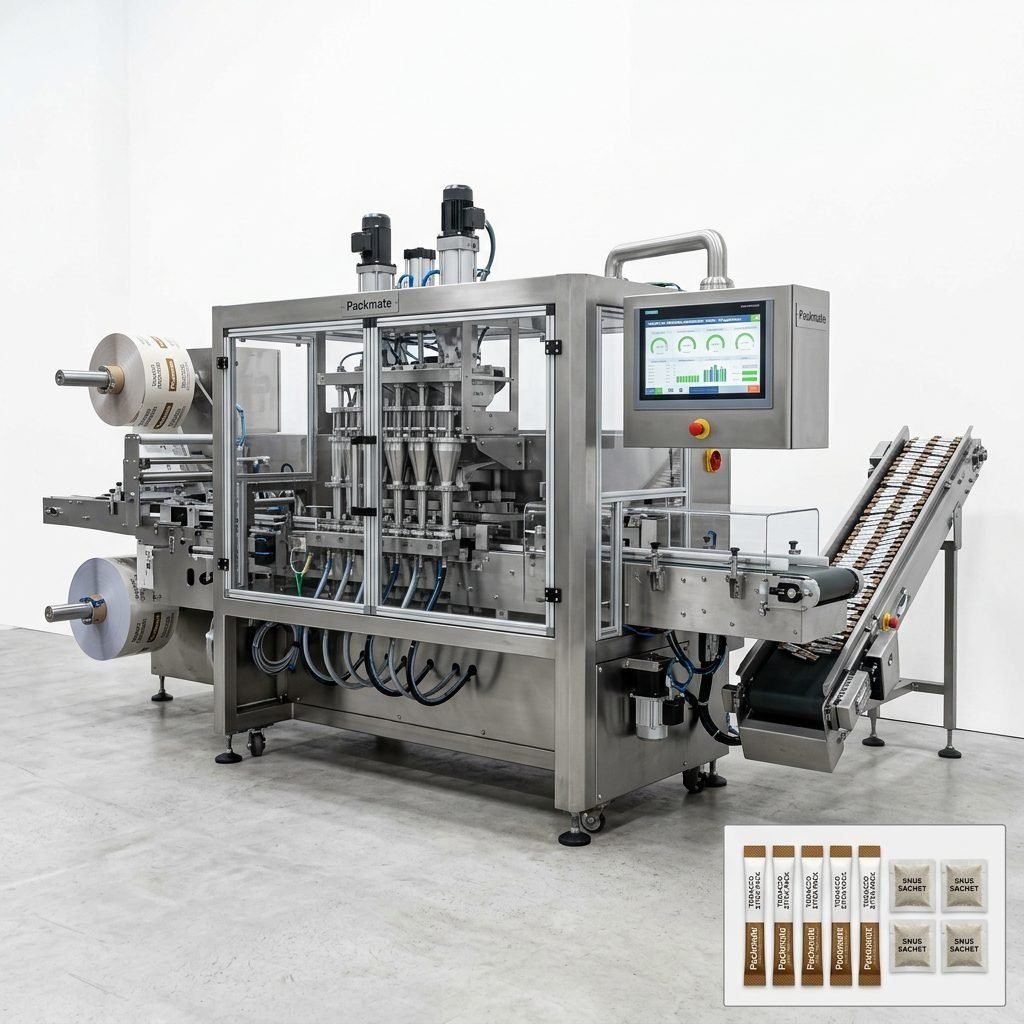
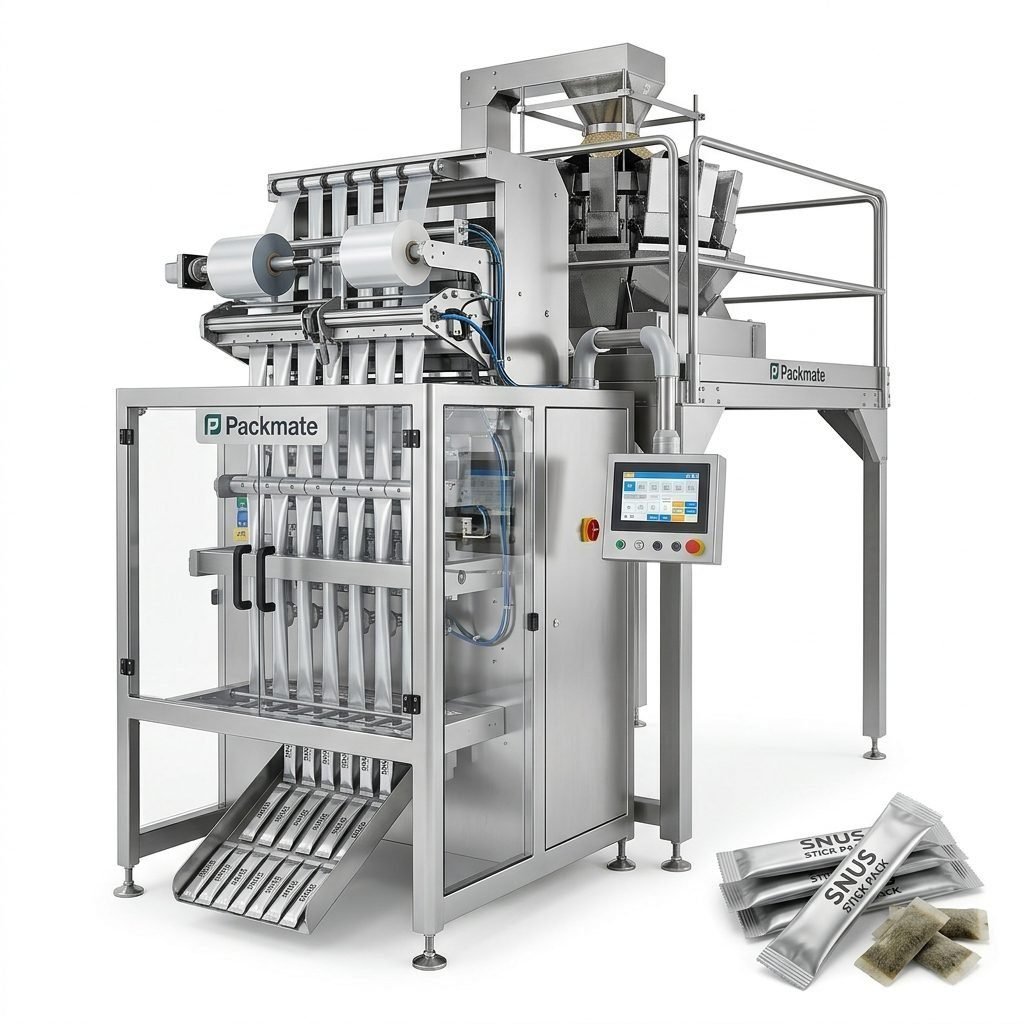
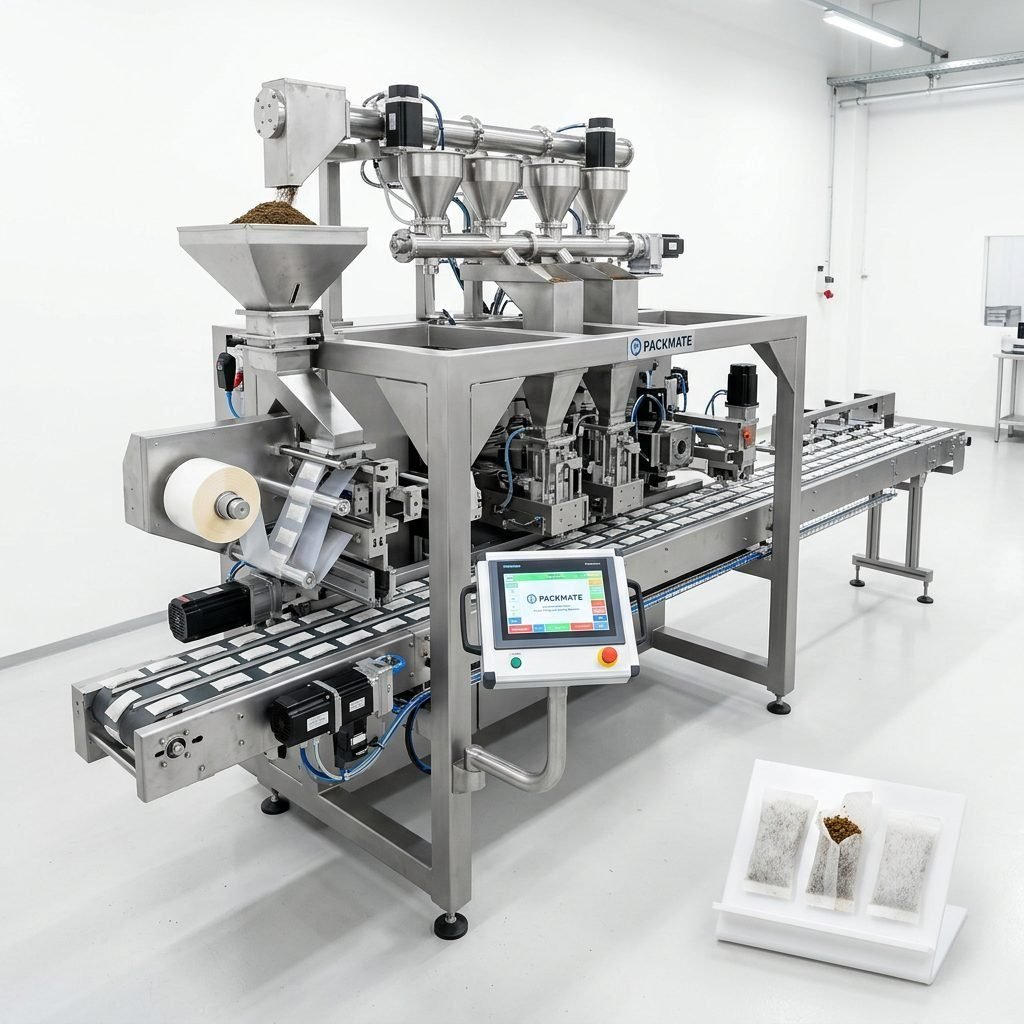
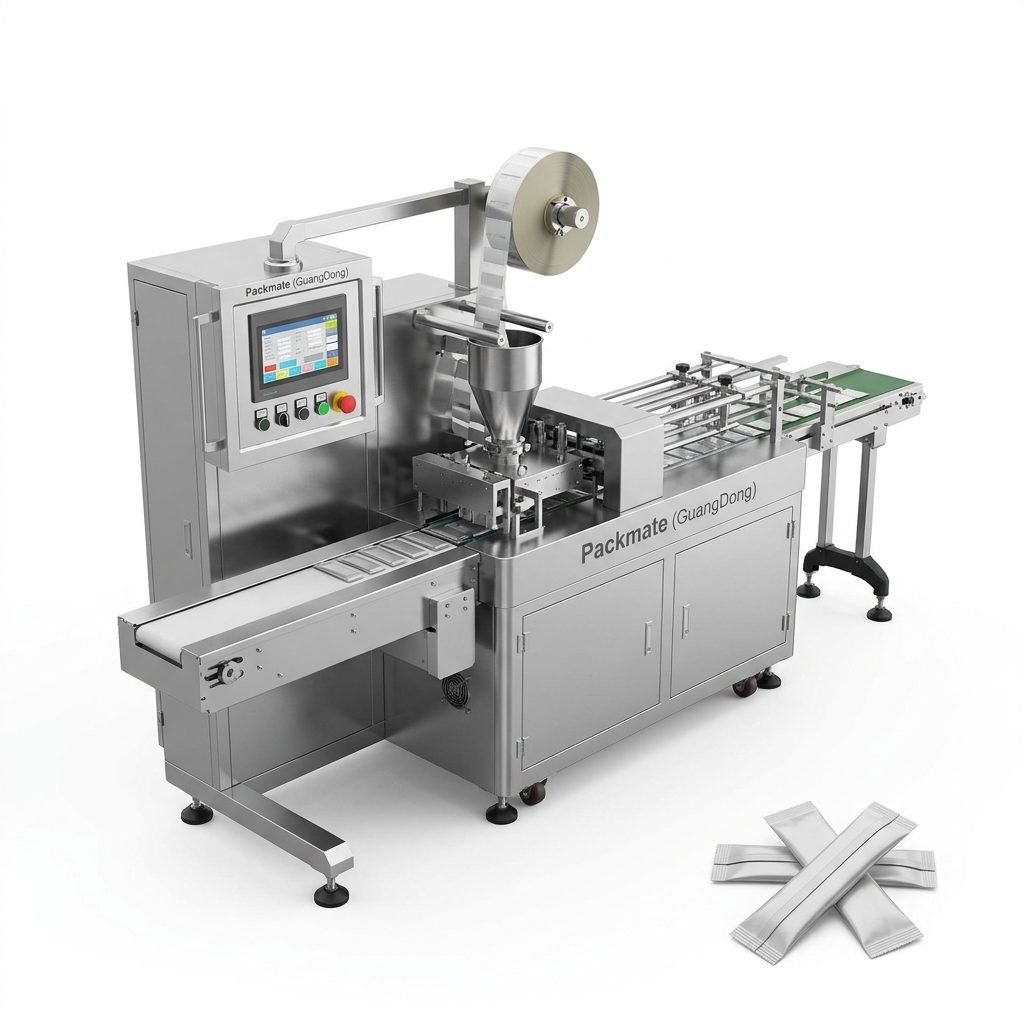
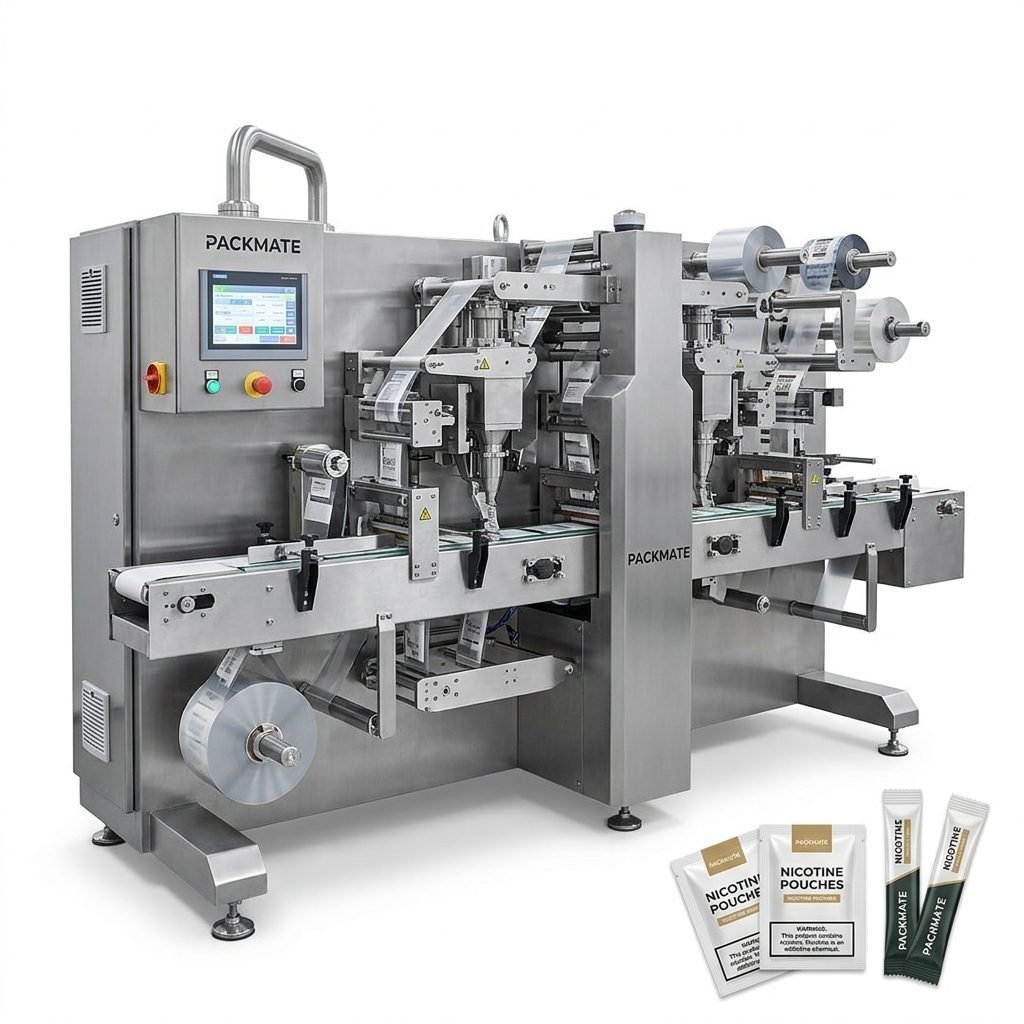
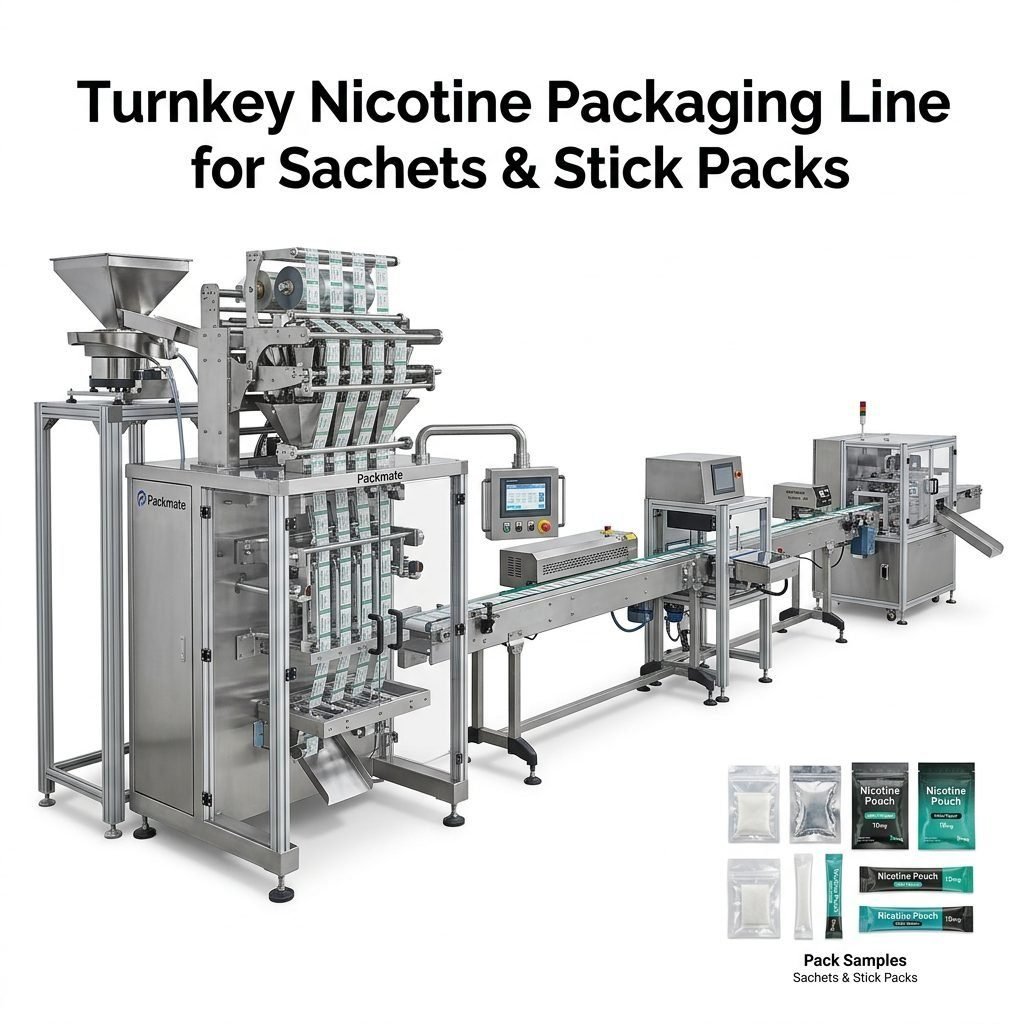
Evaluate whether the manufacturer designs machines for your specific application. Look for experience with snus and nicotine pouch equipment, including stick packs, sachets, and multi-lane pouch systems. Manufacturers that supply modular lines (weighing, filling, pouch forming, sealing and case packing) reduce integration risk and improve uptime. If you need a full line, check whether they can provide filling & packaging lines and auxiliary systems as a turnkey solution.
Core machine categories
- Snus & Nicotine Pouch Packaging Machines — for powder and pouch systems (product examples)
- Sachet & Stick Pack Machines — single-lane and multi-lane stick systems (details)
- Weighing & Packaging Systems — integrated dosing and multi-head weighers
- Auxiliary Packaging Equipment — cartoners, case packers and conveyors (see options)
Performance indicators to request
- Nominal speed (pouches/min per lane)
- Accuracy (± g or % for dosing)
- Changeover time between formats
- Downtime metrics and MTBF/MTTR
- Recommended preventive maintenance schedule
Factory Strength, Certifications & Quality Control
A manufacturer’s facilities and certifications demonstrate their capacity to deliver reliable equipment. Look for a factory with modern CNC machining centers, precision assembly lines, and a documented quality testing system. International certifications such as CE and ISO indicate compliance with global safety and quality standards — a critical factor when operating in regulated markets like Australia.
Packmate’s background (20,000㎡ facility, advanced CNC, CE and ISO compliance) is a typical example of the manufacturing profile you should prioritize. Visiting the factory or requesting detailed factory photos and QC reports will give you evidence of production discipline and assembly standards.
Customization & Engineering Support
Your chosen manufacturer must be able to customize machine parameters — from dosing heads and lane counts to special sealing tools and product handling — to suit your product and regulatory constraints. Ask about engineering support for:
- Custom tooling and format kits
- PLC, HMI and recipe management for multi-product lines
- Integration with upstream and downstream equipment
- Software compatibility with your MES/WMS
After-Sales Service, Spare Parts & Training
After-sales service is frequently overlooked but often determines the real lifetime cost of a packaging system. Confirm the manufacturer’s support model: remote troubleshooting, field service availability in Australia, response times for urgent failures, and spare-part supply chains. Ask whether operator and maintenance training is included and whether they provide multilingual manuals and video guides.
Key service questions
- Is a local service partner or technician available in Australia?
- What is the lead time for critical spares?
- Are consumables and tooling stocked regionally?
Training & documentation
Ensure on-site training and comprehensive documentation (parts lists, electrical diagrams, SOPs) are included. Good documentation reduces downtime and simplifies staff transitions.
Total Cost of Ownership (TCO) vs. Purchase Price
A low purchase price may hide higher operational costs. Evaluate energy consumption, maintenance intervals, spare parts pricing, and average yield (waste pouch rate). Ask for real-world references and case studies that demonstrate lifecycle performance and ROI. If possible, request a cost comparison scenario: 3-year and 5-year TCO with expected uptime and production volumes.
References, Case Studies & Demos
Always request references and recent case studies from customers in similar industries or regions. Manufacturers with exhibition presence and live demonstrations provide transparency and confidence. If a factory visit is not possible, ask for live video demos and recorded performance tests. Packmate participates in global exhibitions and publishes case information and machine demos — these resources can be useful when validating supplier claims.
You may want to review real-world projects and product pages such as their case studies and product families like bag & pouch machines to verify capabilities.
Regulatory Compliance & Product Safety
For nicotine products and regulated consumer goods, your supplier must understand relevant packaging and labeling regulations in Australia. Ask whether machines support tamper-evident seals, precise labeling integration, and traceability features. Confirm that electrical safety, CE conformity, and materials in contact with product meet food/pharmaceutical-grade requirements where applicable.
Logistics, Lead Time & Installation
Lead times can vary significantly depending on customization and production schedules. Clarify the expected manufacturing lead time, shipping options to Australia (including export documentation), and onsite installation timeline. Good suppliers provide detailed project timelines and coordinate customs clearance and local setup.
- Final machine spec & format confirmation
- Purchase agreement with warranty and service SLA
- Spare parts list and initial spare-kit included
- Installation and commissioning plan
- Training schedule for operators and maintenance staff
What to Expect During Commissioning
Commissioning is where engineering plans meet reality. Expect the supplier to:
- Install and align mechanical and electrical systems
- Run acceptance tests at agreed speeds and accuracy
- Validate product changeovers and cleaning procedures
- Train on-site staff and hand over documentation
Common Pitfalls & How to Avoid Them
Some common mistakes include: underestimating format changeover needs, neglecting spare parts planning, and not verifying local service coverage. Mitigate these by requesting clear service commitments, getting a detailed spare parts list, and asking for a site-specific layout and FAT (Factory Acceptance Test) video before shipping.
Red flags
⚠️ No verifiable references; ⚠️ unclear warranty terms; ⚠️ long unconfirmed lead-times. If any appear, ask for clarifications or consider alternative suppliers.
Why Local Presence Matters in Australia
Having a local agent, spare-part stock, or service partner in Australia reduces downtime, shortens repair times, and lowers logistics costs. Even if equipment is manufactured overseas, a local presence for installation and spare provisioning is highly valuable. Discuss the manufacturer’s regional support structure and whether they work with Australian partners for parts and service.
Making the Final Decision
Compare multiple quotes not only on price but on performance guarantees, lead time, spare parts availability, warranty, and references. If possible, visit a live installation or ask for a demonstration that mirrors your product and production speed. Finalize your supplier only after the technical, commercial, and after-sales terms align with your operational goals.
Quick vendor evaluation scorecard
Rate each candidate on: Technical Fit, Manufacturing Strength, Certifications, After-Sales Support, TCO Transparency, and References. A balanced score across these categories identifies the best long-term partner, not just the cheapest option.
Useful Resources & Next Steps
Explore detailed product pages and contact suppliers directly to request quotes, FATs, and parts lists. For product research, review categories such as Snus & Nicotine Packaging Machines, Filling & Packaging Lines, and speak to the vendor about turnkey options if you require a full production line. When ready, schedule a site visit or a remote FAT to validate performance.
Conclusion
Selecting the best snus packaging machinery manufacturer in Australia requires a holistic assessment of technical capability, factory strength, certifications, after-sales service, and TCO. Prioritize suppliers with proven experience in snus/nicotine pouch systems, clear documentation, and robust regional support. Taking a methodical approach — defining requirements, verifying capabilities, checking references, and safeguarding post-sale service — will lead to a reliable production partnership.
Frequently Asked Questions
Q1: How long does a typical snus packaging line take to deliver and install?
Lead time varies by customization, but typical manufacturing and delivery ranges from 12 to 24 weeks. Installation and commissioning generally take 1–4 weeks depending on site conditions and integration scope.
Q2: What warranty and support should I expect?
Expect a standard 12–24 month warranty on manufacturing defects, plus options to purchase extended support. Ensure the contract lists response times for different severity levels and includes a spare parts supply plan.
Q3: Can a supplier help with regulatory compliance for Australian markets?
Many experienced manufacturers provide guidance on labeling, tamper-evidence, and traceability features, but you should confirm they understand Australian regulations and can implement necessary machine features.
Q4: Is it better to buy a turnkey line or individual machines?
Turnkey lines simplify integration and single-point responsibility, reducing project risk. If you have existing equipment or prefer phased upgrades, buying individual machines may be appropriate. Evaluate integration complexity and supplier experience handling turnkey projects.
For direct inquiries and to explore tailored solutions, visit the manufacturer’s about page or contact their sales team: About Packmate • Contact Us.